


How to Eat Edamame: Pods, Shelled Beans and Serving Ideas
Aug 27, 2026
Leave a message
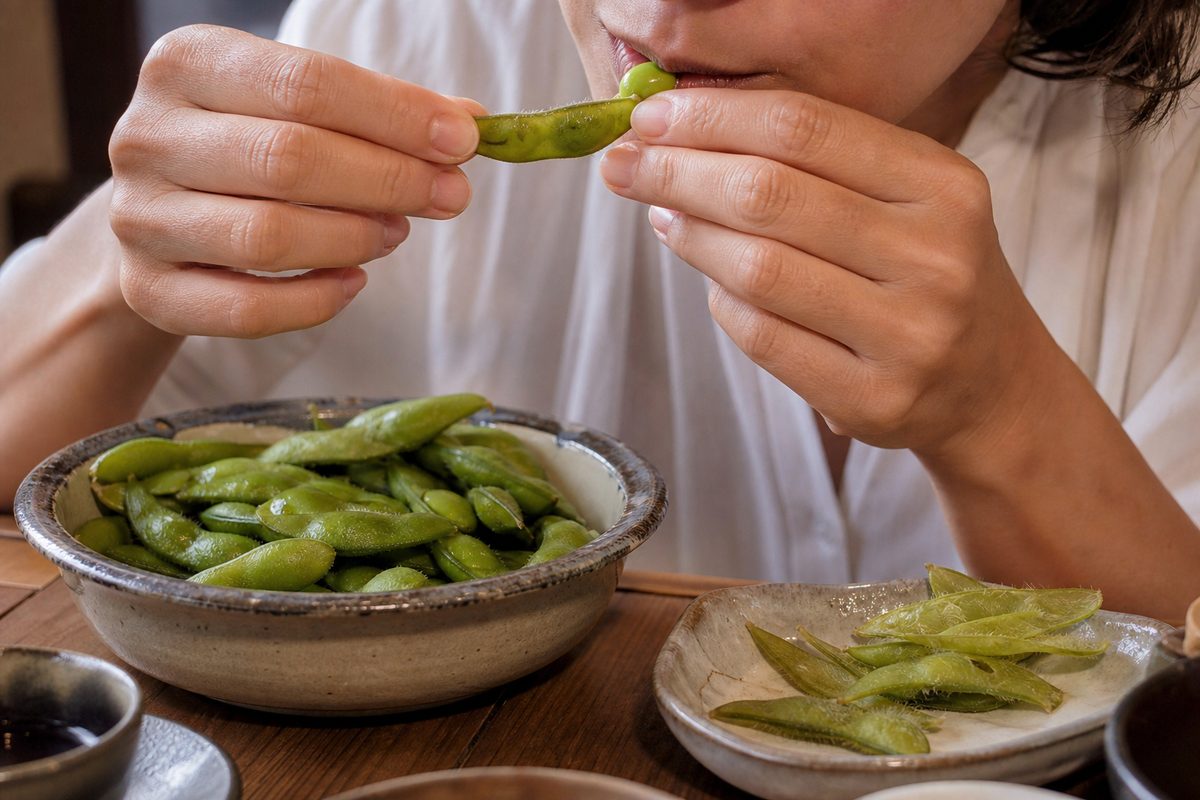
Cook as directed, press the beans from the pod, eat the beans and leave the shell.
Hold a cooked pod by one end, place the seam near your lips and gently squeeze or scrape the beans into your mouth. Put the empty pod in a separate dish. Do not chew and swallow the tough shell. If the edamame is already shelled, use the cooked beans directly in a snack, salad, grain bowl, soup, stir-fry or dip.
What Part of Edamame Do You Eat?
Edamame is a young soybean harvested while green and tender. Each pod usually contains two or three beans. The beans are eaten; the outer pod is fibrous and is normally discarded. This is different from snow peas or tender snap peas, whose pods are commonly eaten. Treating every green pod the same is the main source of confusion for first-time diners.
The pod still has a useful role. It protects the beans, carries salt or dry seasoning and turns the dish into a slow hands-on snack. In Japanese-style restaurant service, a bowl of pods is often placed in the center of the table as an appetizer. Once the beans are removed, the empty shells go into a side bowl or onto a designated plate.
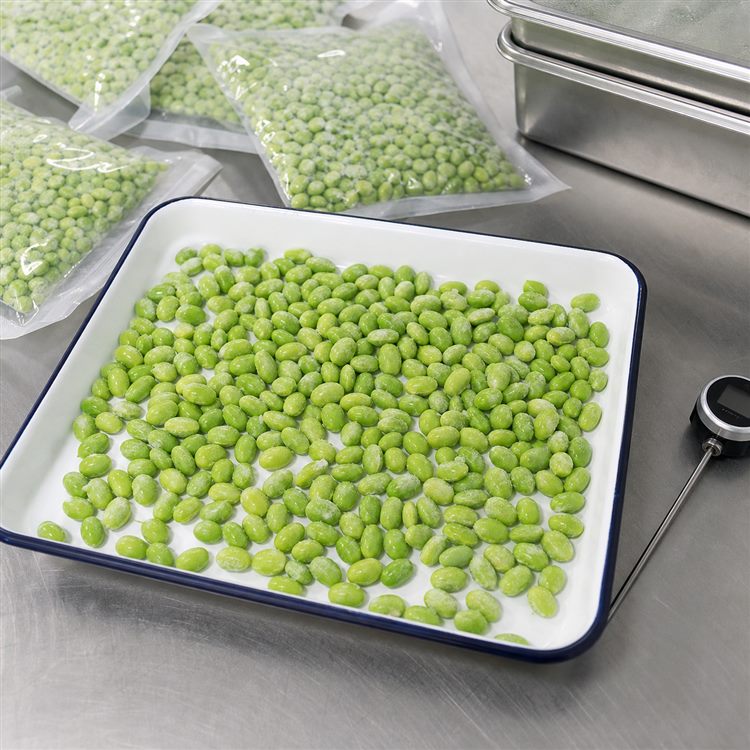
Shelled edamame has already been separated from the pod. It may also be labeled edamame beans, edamame kernels or mukimame in some markets. Because every gram is edible, shelled form is easier for recipes, portioning and nutrition calculations. Our frozen edamame category shows both commercial formats.
How to Eat Edamame in the Pod: Step by Step
Before the first bite, make sure the edamame has been prepared according to the package or restaurant process. The pods should be warm or properly chilled for the intended service and tender enough that the beans release without force. A tough bean can indicate insufficient heating or over-maturity; it is not a reason to bite through the shell.
- Pick up one cooked pod with clean fingers or chopsticks. Holding the pod with fingers is normal in casual snack service.
- Orient the pod lengthwise and place one end or the seam near your lips. Keep the pointed stem end away from the mouth if it feels rough.
- Press the pod gently with your fingers while using the front teeth or lips to guide the beans out. The beans should pop or slide into the mouth.
- Eat and chew the beans. If seasoning coats the pod, some flavor transfers as the pod touches the lips.
- Place the empty pod in a separate discard dish. Do not return it to the serving bowl and do not chew or swallow the fibrous shell.
Some diners squeeze the beans into a small dish first and then eat them with chopsticks. That method is equally acceptable and can be less messy when the pods carry chili oil or a sticky glaze. The important rule is not etiquette perfection; it is keeping empty pods separate and eating only the beans.
For shared service, use a clean discard bowl for each diner or a clearly designated shell plate. Avoid touching other diners' food with used shells or hands. Foodservice teams should provide napkins when seasoning is oily and make the discard method obvious before the table becomes cluttered.

What Should You Do With the Empty Pods?
Empty pods are food waste, not a second snack. Place them in a side dish, compost container where accepted, or general food-waste bin according to local practice. A restaurant should not mix used shells back into the fresh serving bowl because diners then have to search through handled waste to find uneaten pods.
The shells may look tender after cooking, but their fibers remain tough and stringy. Swallowing pieces can be unpleasant and is not part of normal edamame service. If a pod tears and a small strip enters the mouth, remove it discreetly rather than continuing to chew. This is a quality-of-eating issue, not a challenge to prove the pod is edible.
For commercial sustainability claims, pod waste needs real local data. It may be suitable for composting in one facility and prohibited in another. A high discard weight also affects edible yield and menu costing. Measure shell waste rather than assuming the entire purchased carton becomes food on the plate.

How to Eat Shelled Edamame
Shelled edamame can be eaten with a spoon, fork or chopsticks once it has been prepared according to the product direction. It works as a warm side, a chilled salad ingredient or a component of a larger dish. The beans have a mild nutty-sweet flavor and a firm-tender bite, so they accept strong seasoning without disappearing into the recipe.
For a simple snack, serve a measured bowl with salt, citrus, pepper, chili or herbs. For a salad, cool the beans safely and drain surface water before adding dressing. In a grain bowl, spread them through the bowl rather than piling them in one corner if every bite should contain protein and color. In a soup, add them late enough to preserve texture unless the recipe intentionally calls for a softer bean.
Shelled edamame can also be mashed or blended into a dip. It will not taste identical to chickpea hummus because the bean, starch and fat balance differ. Adjust liquid gradually; too much water can make the dip thin. Keep the soy allergen declaration visible when serving the finished food, especially if the green color could lead diners to assume it is pea or avocado.
Podded or Shelled: Which Format Should You Choose?
| Use | Best format | Why | Main watchpoint |
|---|---|---|---|
| Restaurant appetizer | In pod | Familiar hands-on service and visual volume | Discard bowl, seasoning and cooking status |
| Retail steam bag | In pod or shelled | Choice depends on snack versus ingredient positioning | Clear preparation and allergen label |
| Salad or grain bowl | Shelled | Every gram is edible and easy to portion | Drainage, texture and inclusion rate |
| Soup or stir-fry | Shelled | Direct addition without shell waste | Addition timing and final bite |
| Dip or puree | Shelled | Ready for blending | Moisture and flavor balance |
| Buffet snack station | In pod | Slower eating and recognizable presentation | Used-pod handling and replenishment |
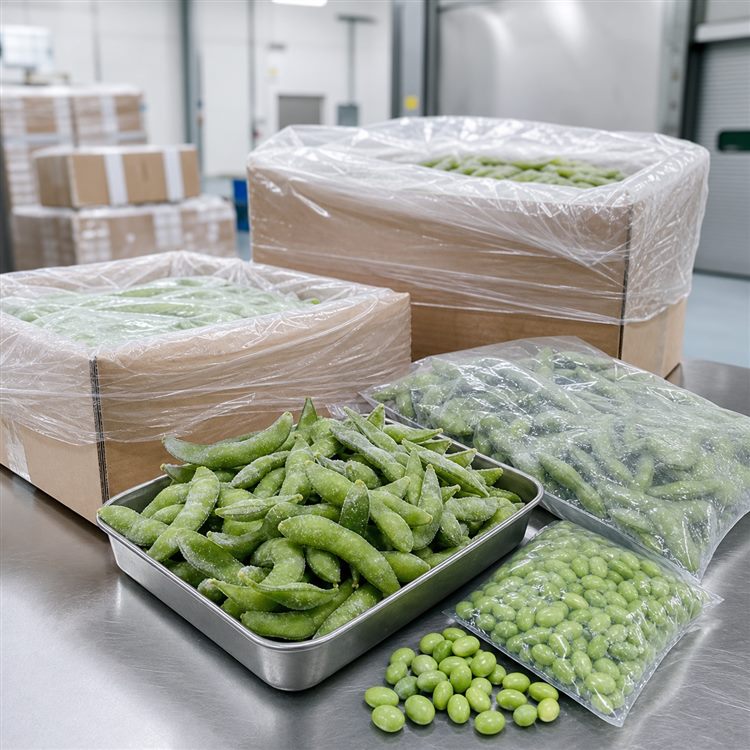
Podded form gives the eater an experience; shelled form gives the cook an ingredient. Neither is universally better. A snack brand may prefer pods because the shell communicates edamame immediately. A ready-meal factory needs shelled beans because pod waste cannot enter the formula. A salad operator may pay more per kilogram for shelled product but gain far more edible yield and labor efficiency.
For home use, choose the form that removes friction. If you want an appetizer, buy pods. If you want to scatter beans through several meals, buy shelled IQF edamame and portion from frozen according to the label. Avoid thawing a whole bag unnecessarily when only a small amount is needed.
Serving Ideas: Snacks, Salads, Bowls, Soups, Dips and Stir-Fries
Snack and appetizer
Serve warm in-pod edamame with a light salt coating, citrus-chili seasoning or a measured sauce. The pod carries surface flavor while the beans remain mild. For a cleaner office or retail snack, shelled beans in a small cup avoid the waste dish. Keep the portion chilled or hot as the food-safety plan requires; do not leave cooked beans at room temperature for extended service.
Salad and grain bowl
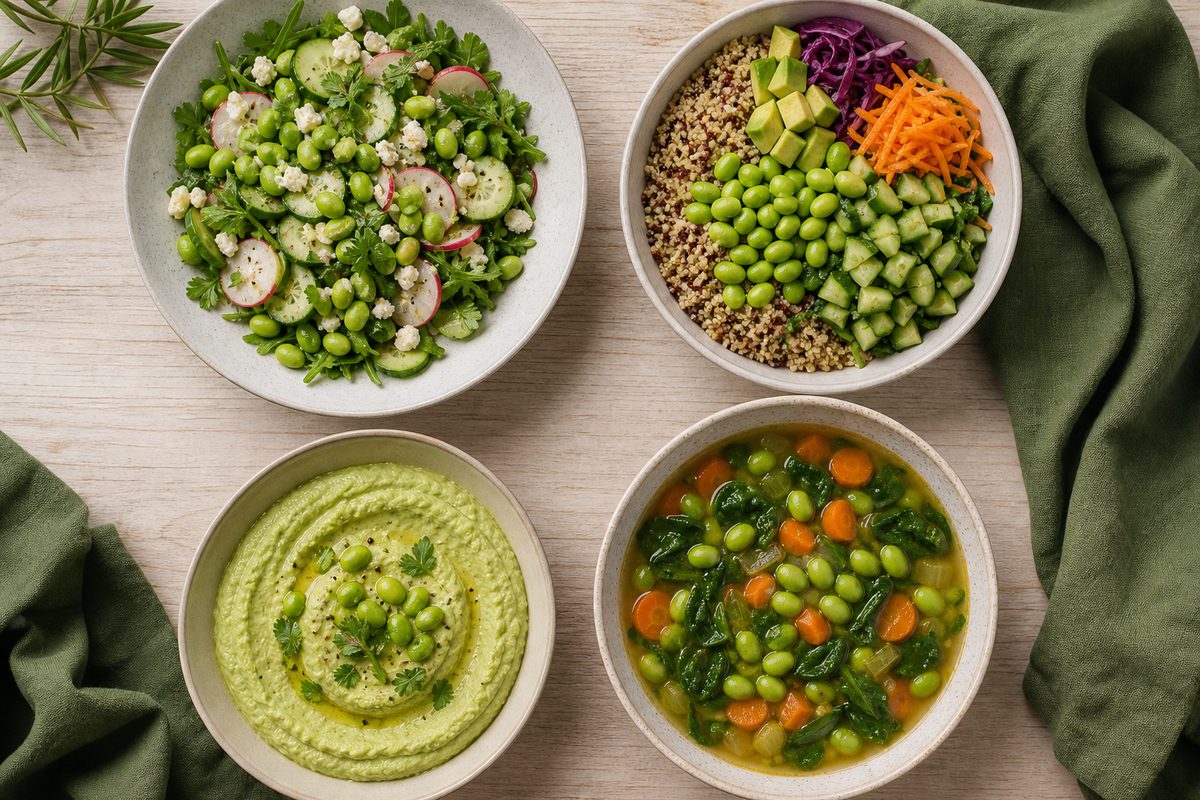
Use shelled edamame for edible yield and even distribution. Pair it with crisp vegetables, a grain or noodle, and a dressing chosen for the cuisine. Drain the beans well so they do not dilute the dressing. If the bowl will be refrigerated, test texture after the full hold time rather than judging only immediately after cooking.
Soup, noodles and stir-fry
Add shelled beans according to the desired bite and the product's processing status. A long simmer softens them; a late addition preserves a firmer texture. In fried rice or noodles, free-flowing IQF beans portion easily from frozen. Control pan load and moisture so the dish cooks rather than steams excessively.
Dip, puree and filling
Blend cooked shelled beans with a measured liquid, fat, acid and seasoning. For dumpling or patty filling, chop rather than fully puree when visible green pieces and bite are desired. Product developers should test freeze-thaw and reheating because a fresh test bowl does not predict the texture of a retail frozen item.
Fresh, Frozen and Restaurant Edamame
Fresh edamame may be sold on the stem, in loose pods or shelled during the harvest season. It requires prompt handling and cooking. Frozen edamame is the most widely available form in many markets and is commonly blanched before freezing. It may be sold plain, salted, in microwave bags or with seasoning packets. Restaurant edamame is usually cooked and served warm or chilled, often with salt or sauce.
Do not infer preparation status from appearance alone. Bright green frozen beans may still require full heating according to the label. A restaurant should have a defined process rather than relying on the server's assumption that frozen means pre-cooked. Consumers should keep the package until the cooking direction has been followed.
The Do You Need to Cook Frozen Edamame? article explains ready-to-cook versus ready-to-eat status. Our freezing guide owns fresh-to-frozen preservation. This page stays focused on the eating format and serving decision.
Do You Have to Cook Frozen Edamame Before Eating It?
Follow the package direction or confirmed commercial specification. Many frozen edamame products are blanched to control enzymes and support color, but blanching is not a universal ready-to-eat claim. The product may still require boiling, steaming, microwaving or another validated final-heating step. A foodservice operator should not replace the supplier's instruction with a generic blog time.
Cooking time depends on podded or shelled form, frozen state, bean size, blanching level, equipment load and desired texture. Detailed methods and troubleshooting belong in GreenLand's How to Cook Frozen Edamame guide. Once the beans have been heated as directed, use the pod method or shelled applications described here.
After cooking, handle the beans as perishable food. Cool promptly if they will be used chilled, prevent cross-contact and keep service time and temperature under control. Do not return handled leftover pods or beans to the original frozen bag.
How to Serve Edamame to Children
Edamame is soy and therefore requires an allergy check before serving to a child. Whole beans can also present a choking concern depending on age and developmental readiness. For younger children, follow current professional feeding guidance on cutting, mashing or flattening beans and provide active supervision. Do not hand a whole fibrous pod to an infant as a substitute for age-appropriate preparation.
For older children who can safely manage the beans, demonstrate that the shell goes into a separate dish. Light seasoning makes the process easier to control than a slippery chili-oil coating. Shelled beans may be simpler in lunch boxes, rice bowls or pasta, but they still need safe temperature control and an age-appropriate form.
This is general food information, not pediatric medical advice. A child with eczema, known food allergy, swallowing difficulty or another feeding concern needs individualized guidance. Do not use an online article to conduct a soy-allergy challenge.
Seasoning Edamame Without Losing the Bean
Salt is traditional and effective because it adheres to the moist pod surface. Citrus zest, black pepper, chili, garlic, herbs, vinegar and toasted spices create different profiles. For shelled beans, seasoning reaches the edible surface directly, so less may be needed. Taste after draining rather than salting the cooking water and finished bowl automatically.
Oil helps dry spices cling but changes calories and the handling experience. Sweet glaze, soy sauce, miso, butter, cheese or sesame paste can make edamame part of a richer dish. That may be appropriate for a menu; it simply requires honest labeling and portioning. Soy sauce may introduce wheat, sesame toppings introduce sesame, and flavored blends can add multiple allergens.
For product development, run a hold test. Salt and acid can change surface appearance; sauce may pool after thawing; chili oil can stain retail film; dry seasoning can fall to the bottom of the bag. The best flavor at minute one may not be the best product after frozen storage, reheating and five minutes on a table.
| Seasoning style | Best format | Main control |
|---|---|---|
| Salt or dry spice | In pod or shelled | Adhesion and sodium |
| Citrus and herbs | Shelled or freshly cooked pods | Moisture and hold time |
| Oil-based chili | Podded appetizer | Calorie pickup, mess and allergen review |
| Sweet or savory glaze | Shelled prepared dish | Sugar, sodium, sauce separation and label |
| Dip or puree seasoning | Shelled | Liquid ratio, texture and refrigerated shelf life |
Restaurant Etiquette and Shared Service
Using fingers for in-pod edamame is normal in a casual setting. Chopsticks can lift a pod from a shared bowl, but many diners then use fingers to guide it. Follow the restaurant's style and avoid touching multiple pods while choosing one. Place used shells in your own discard dish or the clearly designated communal plate.
Do not put an emptied pod back into the serving bowl. Do not spray seasoning by squeezing the pod forcefully across the table. If the pods are very hot, wait rather than biting immediately. If a sauce is messy, use the provided napkin and consider squeezing the beans into a small dish before eating them with chopsticks.
For buffet and catering service, operators should provide tongs for fresh pods, discard containers, napkins and clear soy-allergen communication. A beautiful shared bowl becomes an unpleasant service quickly when shell waste and untouched product mix together. Operational details are part of the eating experience.
Commercial Format Decisions for Retail and Foodservice
We supply frozen edamame in pods for appetizers, snack programs, steam bags and retail presentation. Buyers should define pod size, fullness, green color, broken-pod tolerance, blanching or pre-cooking level, cooking direction and pack size. The consumer experiences the pod directly even though it is discarded, so surface condition and release of the beans matter.
We supply frozen shelled edamame for salads, bowls, soups, vegetable blends, ready meals, dips and industrial processing. Buyers usually focus on bean integrity, maturity, color, free-flowing IQF condition, broken pieces, texture after reheating and inclusion rate. Shelled form reduces kitchen labor and gives a clearer edible yield.
The label should explain product identity, storage, heating, soy allergen and serving. Frozen packs normally need storage at or below the confirmed temperature, commonly -18°C, with stable handling through distribution and retail. If a retail pack is seasoned, every additional ingredient and allergen requires review. Share your application and preparation process before choosing the format; the same carton is not automatically right for a sushi appetizer, frozen fried rice and chilled salad.
The Practical Eating Verdict
The basic technique is simple: prepare the product as directed, press or scrape the beans from each pod, chew the beans and discard the shell. A side dish keeps used pods separate. Shelled edamame skips the ritual and goes directly into food after the required preparation.
Choose pods when the eating experience is the point. Choose shelled beans when edible yield, portioning and recipe use matter. Season in a way that fits the meal, review soy and added allergens, and do not assume a frozen product is ready to eat simply because it was blanched.
From there, edamame is flexible: snack, salad, grain bowl, soup, noodle dish, stir-fry, dip, filling or ready meal. The format and handling should serve the application, not force the eater or kitchen to work around the wrong product.
Frequently Asked Questions
Can you eat the whole edamame pod?
The beans inside are the edible part. The outer pod is fibrous, tough and normally discarded after the cooked beans are squeezed or scraped out. This differs from snap peas and snow peas, whose tender pods are commonly eaten. Shelled edamame is supplied with the pod already removed.
How do you eat edamame at a restaurant?
Pick up a cooked pod, place the seam near your lips and gently squeeze or scrape the beans into your mouth. Put the empty shell in a side dish, not back in the serving bowl. Fingers are normal in casual service; chopsticks can be used to lift or eat separated beans.
Do you eat the skin on edamame beans?
The thin skin directly around each bean is normally eaten with the bean. It is different from the outer pod. Loose bean skins may separate during cooking and are harmless for most people, although a processor may control excess loose skin for appearance and texture.
Can you eat frozen edamame without cooking it?
Do not assume so. Frozen edamame is often blanched, but blanching does not universally mean ready to eat. Follow the package's heating instruction or the confirmed commercial specification. The product may require boiling, steaming, microwaving or another final-heating step before service.
How do you use shelled edamame?
After preparing it as directed, use shelled edamame as a snack, side, salad ingredient, grain-bowl component, soup or stir-fry addition, vegetable-blend ingredient, dip, puree or filling. Drain surface water when using it chilled and test texture after the full hold or reheating process.
Is edamame eaten hot or cold?
It can be served warm, room-temperature for a controlled short service, or properly chilled depending on the dish and food-safety plan. Warm pods are common as an appetizer; chilled shelled beans work in salads. Prepare as directed, then control time and temperature like other cooked perishable food.
Should you salt edamame before or after cooking?
Both methods are used, and the best choice depends on the recipe and product. Salting after draining gives clearer control over the surface seasoning. A commercial cooking instruction should be tested with the exact pod or shelled format rather than copied from a generic time-and-salt formula.
What is the difference between edamame and mukimame?
Edamame is the young green soybean and may be sold in pods or shelled. Mukimame commonly refers to shelled edamame-the edible beans with the pod removed. Naming varies by market, so buyers and consumers should confirm the product form from the image, ingredient statement and specification.
For a closer explanation, see Is Edamame a Bean? Young Soybeans, Pods & Mukimame.
Need frozen edamame for a commercial program?
We supply frozen edamame in pods and frozen shelled edamame for foodservice, retail, ready-meal and processing applications. Review our frozen edamame formats and our complete frozen-food catalog, then send your required format, packing, quantity, destination market and intended use.
Send an inquiry