


Is Edamame a Bean? Young Soybeans, Pods & Mukimame
Sep 07, 2026
Leave a message
The direct answer
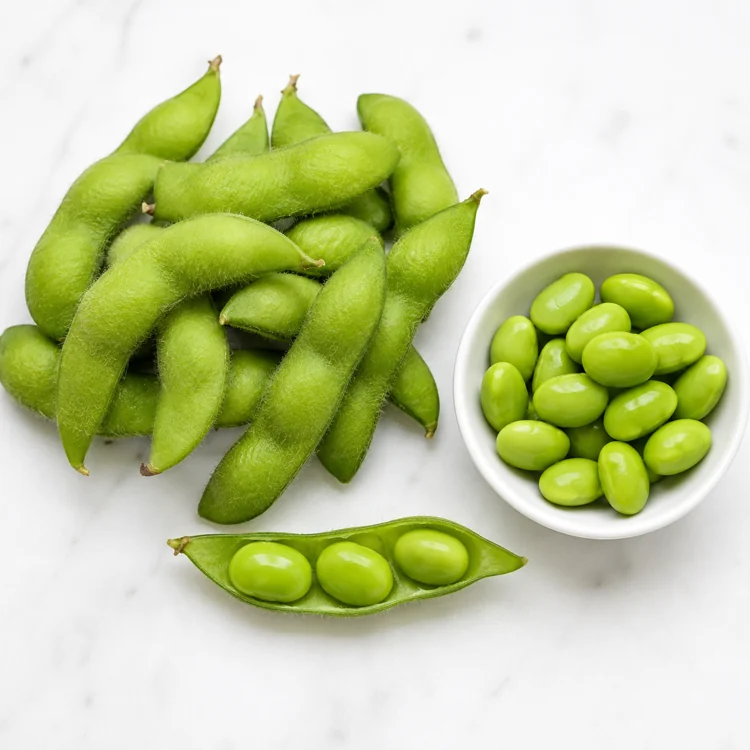
Edamame is young soybean, Glycine max. In-pod edamame and shelled edamame, often called mukimame, are forms of the same ingredient. Being green, frozen or sold as a vegetable does not change its soy identity or establish ready-to-eat status.
Keep these distinctions in mind
Yes: edamame is a young soybean
Yes, edamame is a bean: it is an immature soybean, harvested while the seeds are still green and tender. The plant is Glycine max, the same species that produces mature soybeans. Edamame can be sold inside the pod or as shelled beans. Removing the pod changes the product form, not its identity, so shelled edamame remains soy.
The confusion often comes from the way the food is served. A bowl of green pods looks like a vegetable side dish, while dried soybeans look like other beans stored in a pantry. Both descriptions make sense in their own context. "Bean" describes the seed, "legume" identifies its plant family, and "vegetable" can describe its culinary use.
For purchasing, the distinction matters beyond a definition. An order for edamame needs to identify whether the supplier is quoting pods or edible kernels, whether the product requires cooking, and how soy will be declared. A kilogram of pods is not a kilogram of shelled beans available for a salad or filling.
We use the product name together with its form and processing status. That prevents a simple inquiry for "green beans" from becoming an order for the wrong species, or an inquiry for "edamame beans" from leaving the shelling requirement unresolved. The botanical answer is short; the practical specification needs a few more details.
Bean, legume and vegetable describe different things
Edamame belongs to the legume family, Fabaceae. Its seeds develop inside pods, which is characteristic of that family. The soybean plant is described by NC State Extension as Glycine max. That identity remains the same whether the beans are harvested young for edamame or allowed to mature for other soybean uses.
"Vegetable" is a broad food term rather than a precise botanical rank. Young soybeans can therefore be beans and vegetables at the same time. There is no need to choose one label and reject the other. The same kind of overlap occurs with peas, which are seeds botanically and vegetables in everyday cooking.
| Term | What it tells you | What it does not settle |
|---|---|---|
| Soybean | The ingredient comes from Glycine max | Harvest stage or pack format |
| Edamame | Young soybean intended for vegetable use | Whether it is in pods or shelled |
| Legume | The plant family relationship | Cooking status, portion size or allergy suitability |
| Vegetable | A common culinary role | Exact species or a product specification |
| Mukimame | A common commercial name for shelled edamame | A different species or a soy-free ingredient |
These words become less confusing when each is attached to the right question. A chef may ask where the food belongs in a recipe. A quality manager needs the ingredient identity. A purchasing team needs a description that leads to the correct sample and quotation. One short label rarely answers all three.
Avoid treating a nutritional food group as a substitute for labeling instructions. The way a dietary guide counts beans can depend on the guide and the meal pattern. It does not change the legal requirement to identify soy where the destination market requires it.
What changes as a soybean matures
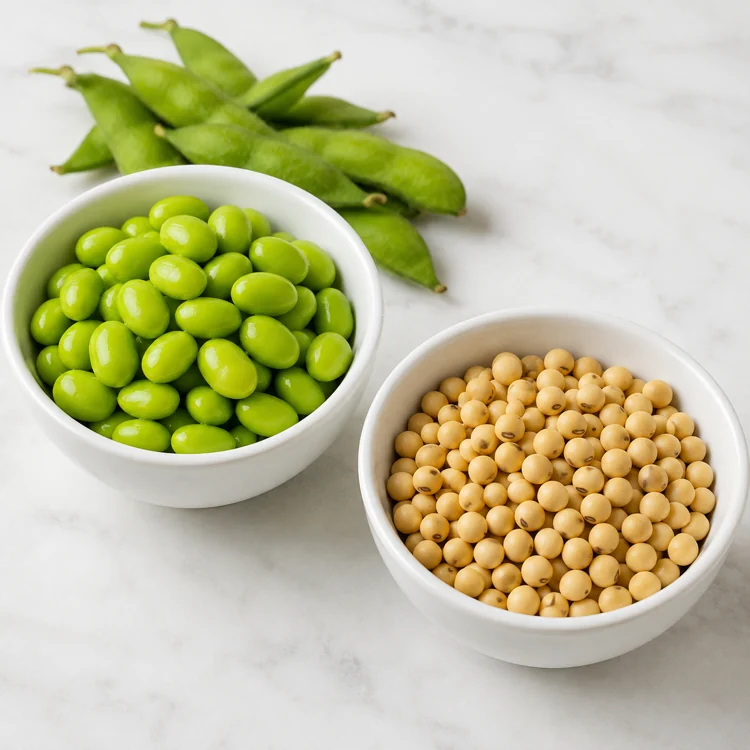
Edamame is harvested before the soybean dries down. The seeds have filled but still contain substantial moisture and retain the green, tender character wanted for eating as a vegetable. If the crop continues toward full maturity, the pods and seeds change, moisture declines, and the resulting dry soybean becomes a different kitchen ingredient.
Virginia Tech's edamame production guidance places harvest around the full-seed stage, with filled pods that remain green. That window matters because waiting for a dry-bean appearance would miss the quality associated with edamame. Harvesting too early can also mean poorly filled pods and a less satisfying portion.
The same species does not mean every soybean cultivar is equally suitable for an edamame program. Seed size, flavor, tenderness, pod appearance and harvest uniformity can differ. A crop selected for another soybean use should not automatically be assumed to provide the same eating quality as a vegetable soybean selected for edamame.
For ingredient format details, see When to Harvest Edamame: Pod Fill, Green Color and IQF Raw-Material Quality.
Mature dry soybeans also need a different preparation route. They are not a direct replacement for frozen green kernels in a quick vegetable mix. Their moisture content, texture and cooking requirements differ. A buyer who compares their price per kilogram without accounting for those differences is comparing different ingredients and different yields.
For frozen edamame, we look at the quality preserved from the harvest stage: plumpness, color, tenderness and consistency. Freezing cannot turn a poorly filled or overmature raw material lot into the reference quality. The sample should therefore represent the intended commercial grade, not merely a handful chosen for appearance.
Pods, shelled beans and mukimame
In-pod edamame is usually served so the diner removes the beans and discards the fibrous pod. The pod acts as a serving format and part of the eating experience. Shelled edamame removes that step and puts the edible kernels directly into salads, rice dishes, soups, fillings and prepared meals.
For a closer explanation, see How to Eat Edamame: Pods, Shelled Beans and Serving Ideas.
Mukimame is widely used as a commercial term for those shelled young soybeans. It should not be read as a separate bean species or a special soy-free variety. Because naming practices vary between markets and suppliers, an inquiry is clearer when it says "shelled edamame kernels" alongside any preferred trade name.
Pod count and kernel weight serve different purposes. For an appetizer program, the visual fullness of the pod and the proportion of acceptable two- or three-bean pods may be relevant to the agreed grade. For a meal ingredient, kernel size, broken pieces and cooked yield are more useful. Do not carry a pod-based grading measure into a shelled-bean contract without explaining why it matters.
The shell also affects portion economics. If a restaurant sells a bowl by gross weight, some of that weight will be discarded after eating. If a manufacturer needs a specified edible bean weight in every tray, buying pods adds a shelling operation and a yield calculation. The cheaper gross price may not produce the cheaper usable ingredient.
Ask for photographs of the actual supplied form and an agreed written description. Images help clarify identity, but they cannot establish exact size distribution, net weight or cooking status. Those details belong in the specification and sample assessment.
Edamame is different from peas, lima beans and sprouts
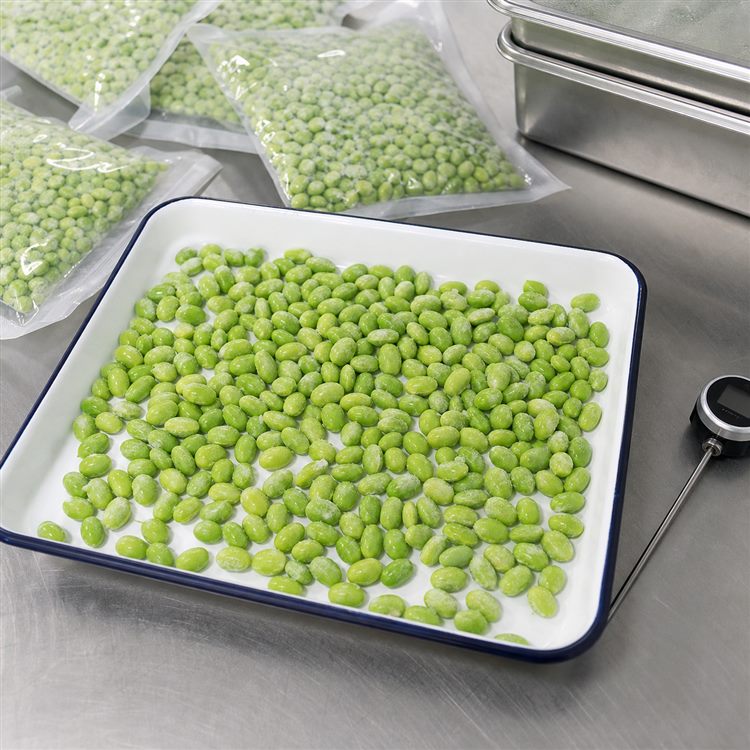
Green color makes several ingredients look related on a plate, but it does not make them interchangeable. Edamame is young soybean. Green peas come from a different plant, and lima beans are another bean species. Soybean sprouts are germinated soybeans at a different stage of development; they are not shelled edamame with a different name.
For a closer explanation, see Are Edamame and Lima Beans the Same?.
The distinction appears in the bite. Edamame commonly offers a firm, plump texture and a mild, slightly nutty flavor. Peas tend to be smaller and can bring a different sweetness. Lima beans are often flatter and can become creamier when cooked. Actual results vary with cultivar, maturity and preparation, so these are useful directions for a trial rather than fixed quality promises.
An edamame pod is also different from a tender edible-pod vegetable. Diners normally remove the beans from edamame and discard the pod. Do not copy a whole-pod serving instruction from sugar snap peas or green beans merely because the frozen products are all green and elongated.
For a mixed vegetable product, identify each component by its proper name. A generic "bean mix" description may be insufficient for recipe control and allergen review. The formula should state whether the soy component is shelled edamame, another soybean ingredient or something else entirely.
When a customer needs an alternative, we begin with the reason: availability, texture, price, portion appearance or an allergen requirement. Each reason changes the assessment. A visually similar substitute may solve a color issue while creating a labeling issue, and a different bean may fit a stew while changing the character of a cold bowl.
What the bean identity means for nutrition and soy allergy
Edamame supplies protein as well as carbohydrate, fiber and fat. Its composition is different from many starchy beans, but a useful nutrition comparison needs a defined food state and an edible-weight basis. Raw, cooked, salted and sauced products should not be placed in one table as if the figures were directly interchangeable.
Use the nutrition information for the actual product or an appropriate authoritative food-composition entry. For a finished meal, calculate the recipe as prepared, including sauces and oil. A small scattering of beans does not provide the same nutrient contribution as a substantial serving, even when the ingredient itself has an attractive profile.
Soy identity is especially important for allergy management. The FDA identifies soybeans as a major food allergen in the United States. Calling the ingredient mukimame, green vegetable beans or shelled edamame does not remove that identity. Destination-specific labeling requirements still need to be checked for the finished pack.
Cooking or freezing should not be presented as a way to make ordinary edamame suitable for someone with a soy allergy. The purchasing specification, ingredient declaration and production handling all need to recognize the soy component. Shared equipment and cross-contact controls are separate questions from the ingredient's name.
For private-label supply, confirm who approves the ingredient list and allergen statement, what supporting information is required and which market rules apply. We can provide product information for that review. Final artwork should reflect the actual recipe and handling conditions, rather than copying a label from a different edamame product.
Cooking status cannot be read from green color
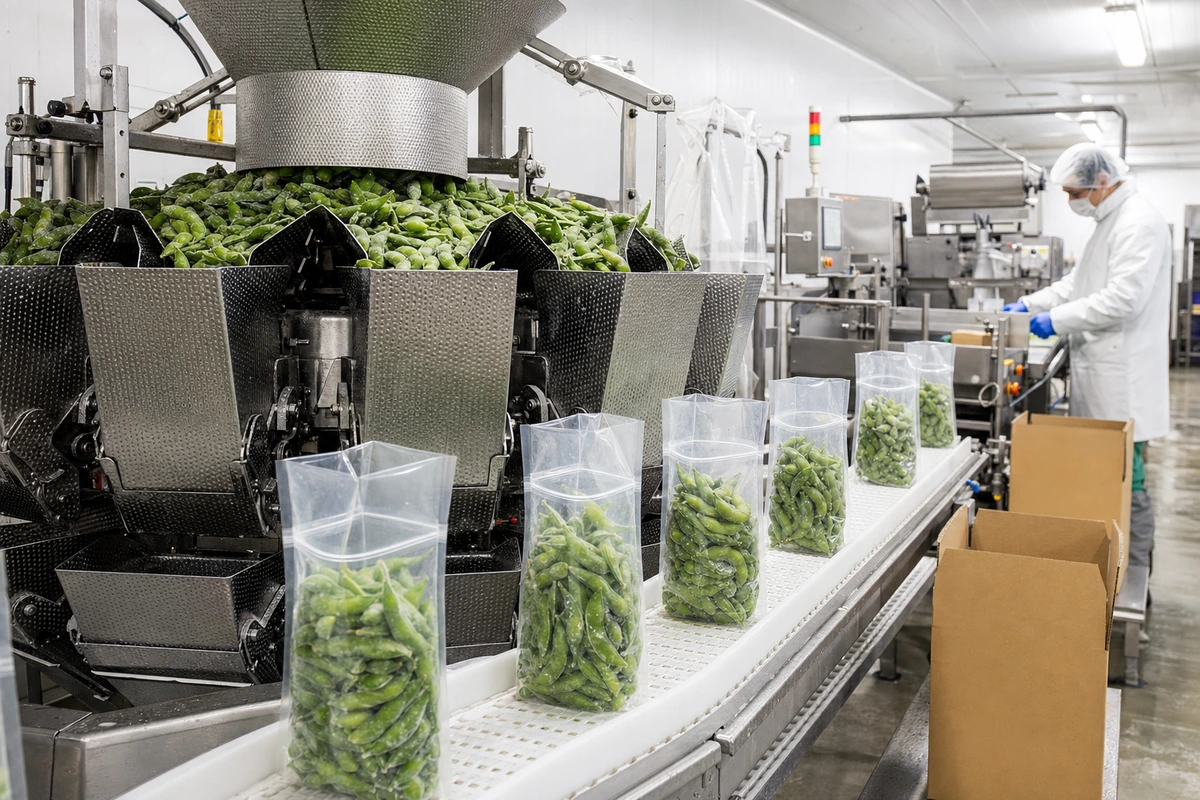
Frozen edamame is often blanched during processing, but blanching does not automatically mean that the product is ready to eat. The required consumer or foodservice treatment depends on the product and its validated process. Bright color and a soft-looking surface cannot establish whether the beans have received the necessary final cooking step.
Read the pack instructions and ask the supplier to confirm the intended use. Distinguish a cook-before-eating ingredient from a product specifically supplied and documented for ready-to-eat use. If the product is intended for a chilled salad, that distinction is especially important because there may be no later heating stage to correct an incorrect assumption.
For practical first-cook guidance, our article on cooking frozen edamame compares preparation routes. The identity question here does not replace those instructions. A shelled bean and an in-pod product can also heat differently under the same equipment settings.
After cooking, handle the product as prepared food. Cooling, storage and reheating controls depend on what happens next. Do not put a cooked batch back into the raw-product workflow without a clear system. Likewise, freezing a cooked dish does not erase its prior handling history or make every later use safe.
In a commercial trial, keep the supplier's instructions with the sample record. Note batch size, equipment and any additional heating in the finished recipe. If the kitchen changes from steaming to a microwave process, recheck the result rather than assuming the earlier sample approval covers the new method.
Match the sold form to the dish
For a table snack, pods offer a recognizable presentation and an interactive eating style. Their surface also carries seasonings differently from exposed kernels. The useful quality checks include pod integrity, fullness, appearance and ease of removing the beans after the required cooking.
For rice bowls and salads, shelled beans usually simplify portioning. They make the edible quantity easier to control and avoid asking the customer to shell an ingredient mixed into a dish. The beans should retain enough structure for mixing, packing and the chosen holding period without becoming hard or splitting excessively.
For fillings, soups and sauces, whole appearance may be less important than flavor and texture after processing. A filling that is chopped will not necessarily benefit from the same appearance grade as a transparent retail salad pack. However, a lower visual requirement does not remove food-safety or identity requirements.
| Application | Useful starting form | Main trial question |
|---|---|---|
| Seasoned appetizer | In-pod edamame | Are pods intact and the beans easy to eat after cooking? |
| Rice or grain bowl | Shelled kernels | Is the edible portion consistent and the bite pleasant? |
| Chilled prepared salad | Suitable documented product with a controlled preparation route | Are cooking, cooling and later handling clearly defined? |
| Dumpling or vegetable filling | Shelled kernels matched to the recipe | Does the texture remain suitable after mixing and final cooking? |
| Frozen ready meal | Shelled kernels | What remains after manufacturing and customer reheating? |
We review the final eating point with the buyer. This keeps sample selection connected to the actual product rather than to whichever raw photograph looks most appealing.
How we define an edamame order
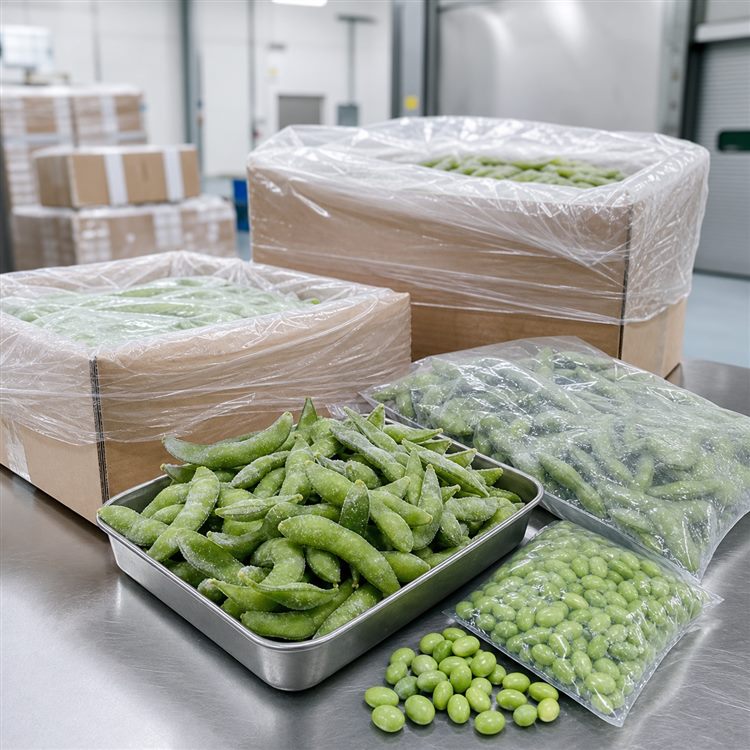
A clear order begins with the species and form: frozen young soybeans, in pods or shelled. It then adds the commercial grade, processing status, packing and intended use. The description should be specific enough that purchasing, production and quality teams are all discussing the same ingredient.
For pods, agree how fullness and defects will be assessed. For kernels, agree the size approach, acceptable broken material and the expected range of color. Numerical tolerances should be negotiated against a representative sample and an inspection method. Writing a strict number without defining how it is measured can create avoidable disagreement later.
Include the ingredient declaration, storage requirements and cooking instructions. If salt, seasoning or another ingredient is present, it should not be hidden behind the simple word edamame. An unseasoned product for a manufacturer and a salted retail snack may share the main ingredient while requiring different labels and applications.
Our frozen edamame range provides a starting point for discussing the required form. We confirm available packing, order quantity and production timing for the specific request. A custom retail pack or a special grading requirement needs its own feasibility check rather than an assumption based on a standard bulk offer.
The destination and intended sale channel also matter. A foodservice carton, an industrial ingredient and a retail private-label bag can require different markings, artwork and document sets. State those requirements early enough to review them before the shipment plan is fixed.
Approve the sample by the part you actually serve
An in-pod sample should be assessed as an in-pod serving, and a shelled sample as edible kernels. This sounds obvious, but purchasing comparisons often mix gross weight with usable weight. The resulting cost calculation can favor a product that creates more labor or waste in the kitchen.
Use the intended cooking method and a realistic load. Record input weight, acceptable cooked output and the amount discarded. For pods, note empty or poorly filled pieces under the agreed method. For kernels, note broken beans, loose skins and any material that fails the finished dish's presentation standard.
Evaluate texture after the actual service interval. A bean may feel firm directly after heating but soften during a covered hold. A frozen ready meal adds another stage, so its sample approval should include the proposed customer reheating instructions. The final result is more useful than a single tasting straight from the sample pot.
Keep flavor assessment reasonably simple. Compare samples under the same light seasoning before moving into a strongly flavored recipe. Heavy sauce can hide differences that become obvious in a plain bowl. Once the ingredient passes that first comparison, confirm it again in the finished formulation.
Document what was approved and what remains conditional. A successful small sample does not by itself confirm every pack size, production lot or private-label claim. The purchase specification should carry forward the agreed quality and process details so the commercial shipment can be checked against the same basis.
Packing, documents and a clear purchase description
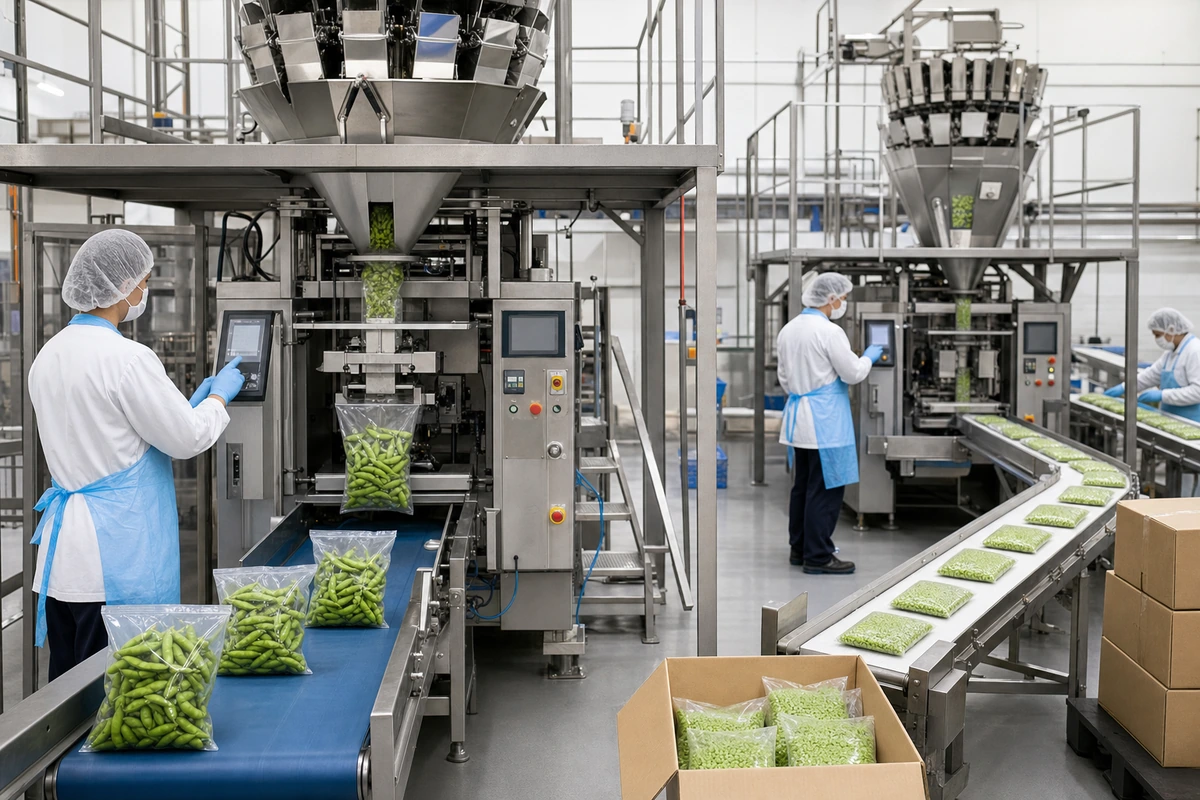
Choose a pack size that fits the operation's consumption rate. Small portions taken repeatedly from a large bag can create unnecessary exposure and handling, while an industrial line may need larger units to avoid frequent opening. Ease of separation and resealing, where applicable, should be considered alongside the carton price.
Keep frozen stock under the labeled conditions, commonly at or below -18°C, and maintain lot identification through storage and use. At arrival, inspect the packaging, quantities and available transport records. Clumping, damaged seals or unusual frost should prompt investigation; appearance alone cannot prove the full temperature history.
Request a product specification, ingredient and allergen information, relevant quality documents and the shipment paperwork required for the destination. Where tests or certificates are part of approval, confirm that their product, facility and validity scope match the supply being proposed. A document title is less useful than its actual coverage.
An effective inquiry might describe frozen shelled edamame for cooked grain bowls, the target edible portion, the planned heating method, the required inner pack and the destination. It can then add estimated order volume, private-label needs and the documents the quality team must review. That gives us a practical basis to respond.
Edamame's identity stays straightforward throughout this process: it is a young soybean. The useful purchasing work is to preserve that clarity as the ingredient moves from a green pod in a photograph to a specified, labeled and properly prepared food in the customer's operation.
Source frozen edamame with GreenLand-food
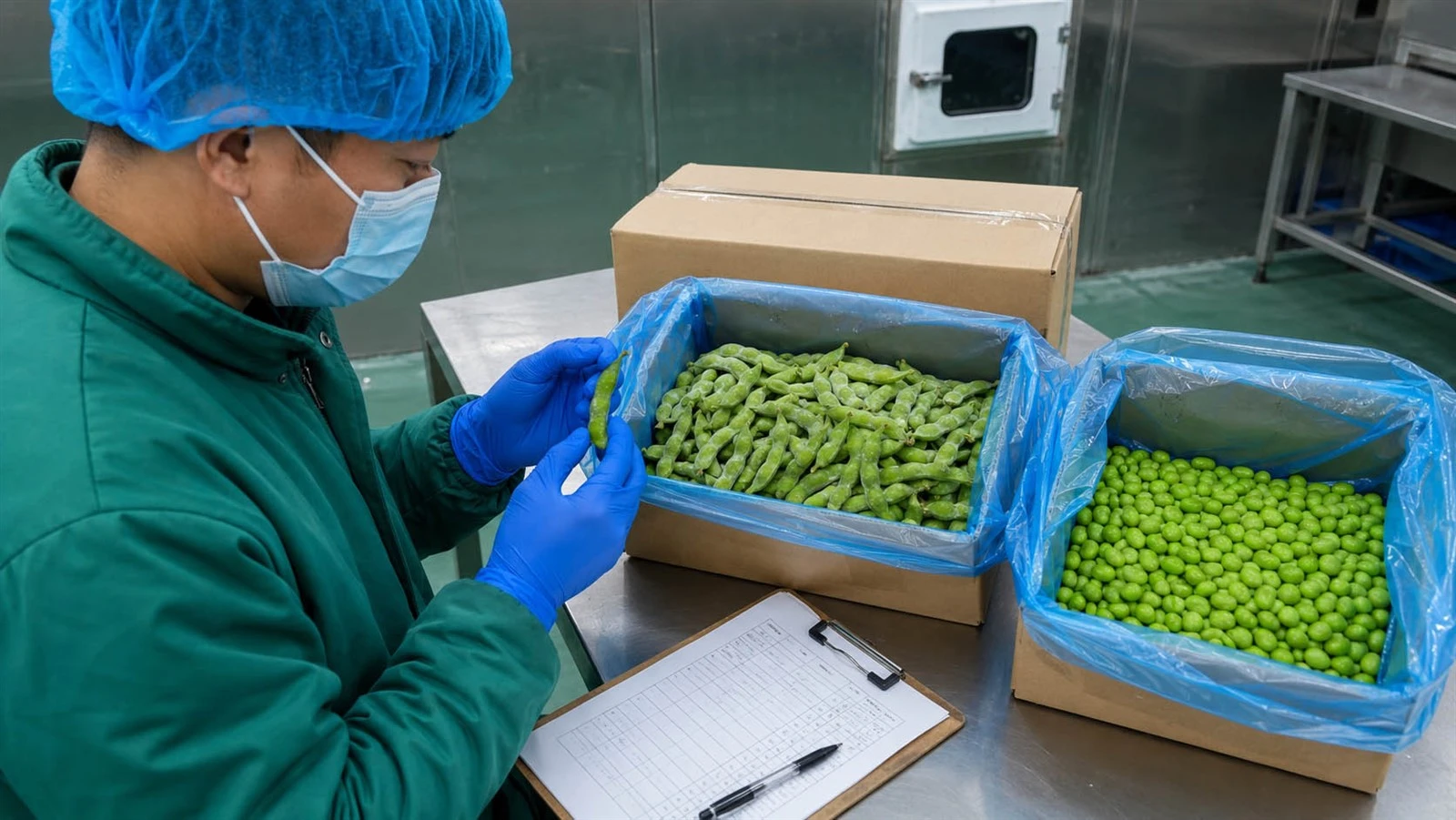
GreenLand-food is a professional frozen edamame supplier and manufacturer in China, providing factory-direct wholesale supply for importers, food manufacturers, foodservice distributors and private-label programs.
State whether the requirement is in-pod edamame or shelled kernels and how the edible portion will be served.
Send your product form, specification, packing, quantity, application and destination, together with private-label needs and requested documents. We will review the requirement and confirm the available sample, packing and commercial options for your order.