


How to Make Raspberry Jelly from Frozen Raspberries
Sep 23, 2026
Leave a message
Research This Article & Topic with AI
Verify key claims, compare reliable sources, and explore GreenLand-food's practical frozen food knowledge.
Article details and research questions are prepared in the links. Sign-in or sending may be required.
APPLICATION GUIDE
Raspberry jelly can be made from frozen raspberries, but the process begins by extracting juice rather than blending fruit into puree. Thawing helps because ice crystals rupture the cells and release color and flavor readily. Warm the fruit with only the water needed to prevent scorching, drain it through a jelly bag without squeezing, then measure the clear juice. Build the formula around that measured juice with a pectin system, sugar and acid that are intended to work together. Boil in a pan wide enough for rapid evaporation, fill clean containers while the product is hot, and leave the batch undisturbed to set. If the product will be shelf stable, use a tested preserving process from an authoritative local source; the article below explains product development and fault control, not a substitute canning schedule.
AUDIO SUMMARY · ENGLISH
How to Make Raspberry Jelly from Frozen Raspberries
Listen to the key points from this article. 3:23 · English · AI narration.

| Decision | Starting point | Why it matters |
|---|---|---|
| Fruit form | Frozen whole or broken raspberries | Both release juice well; fruit should be sound, clean and free from unrelated matter. |
| Extraction | Gravity-drained juice | Squeezing raises yield but usually increases suspended pulp and cloudiness. |
| Gel system | Matched pectin, sugar and acid | Follow the pectin supplier's order and concentration; types are not interchangeable. |
| Release check | Set, clarity, weeping and spread | Assess after the stated setting time at a consistent temperature. |
Jelly starts with juice, not raspberry puree
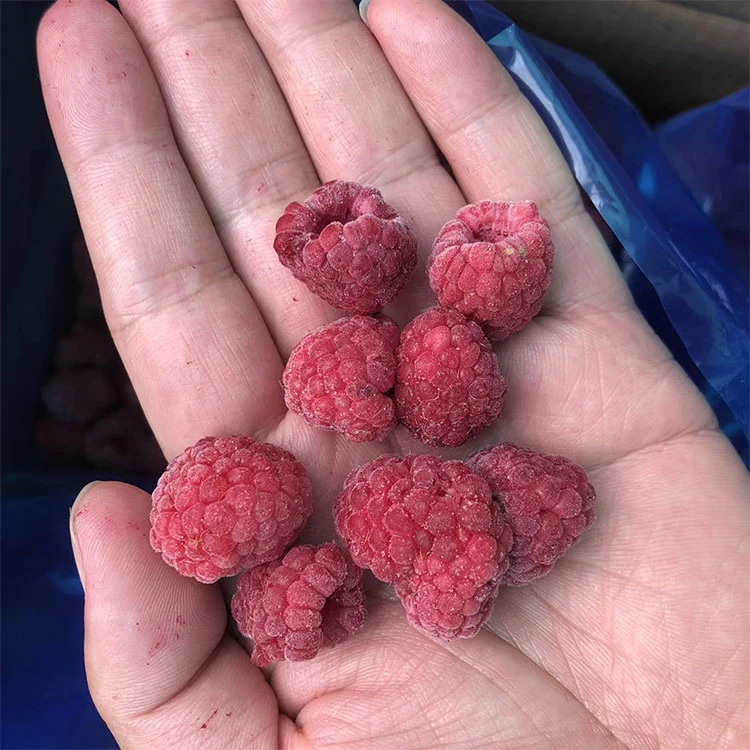

Working decision: Jelly is a clarified fruit-juice gel. Raspberry puree contains pulp and behaves more like a jam base, sauce or fruit preparation, even when it is smooth. The practical test is the finished application, not the appearance of the ingredient on its own.
Frozen raspberries can yield a deeply colored juice, but broken cells also release fine pulp. Separation therefore matters more than aggressive blending. This is why a useful specification names the intended product behavior as well as the raw material. A berry can meet an incoming appearance check and still perform poorly if the process was designed around a different temperature, particle size or water balance.
A controlled bench method
- Define the desired clarity and firmness.
- Choose an extraction method before setting the formula.
- Measure usable juice after draining.
- Run the pectin trial from juice weight, not fruit weight.
Run the first comparison in small, equal pans or containers. Change one variable at a time and keep a control beside the trial. Taste and observe at the intended serving temperature; warm fruit systems often seem sweeter, looser and more aromatic than the same product after chilling. If the product will be baked, frozen or held, the test is incomplete until it has passed that step.
The failure to watch
Do not call every seedless raspberry spread jelly. If puree remains, disclose the texture honestly and develop it as a different product rather than forcing a clear-jelly specification. Correct the cause in the next measured pilot rather than rescuing every batch with unrecorded additions. Rescue work can be sensible for a small kitchen, but it does not establish a formula that another shift can reproduce.
Look at the product again after it has rested. Fruit solids, dissolved sugar and hydrocolloids keep changing as temperature equalizes. A result released immediately from the pan can develop free liquid, a firmer gel or duller flavor later. The release point therefore needs a stated rest time and temperature.
Scaling and purchasing note
For a commercial brief, specify the intended pack, spread temperature, cut behavior and whether slight natural haze is acceptable. These choices affect filtration time and yield. Scaling also changes pan depth, shear, heating rate and cooling time. Preserve ratios, but do not assume that multiplying ingredient weights reproduces the same process automatically.
When discussing frozen fruit with a supplier, share the use and the non-negotiable result. Whole-fruit integrity, broken-piece tolerance, packing size and crop character do not have equal value in every application. A clear brief lets the supplier propose a practical grade instead of treating the request as a generic price comparison.
Record what the team can repeat
Photograph a sample over printed black lines and record whether the lines remain visible. The simple check provides a repeatable clarity reference without pretending to be laboratory turbidity data. Add the formula version, date, operator, lot code and one retained sample where the site's control plan permits. The record should be short enough to complete during work but precise enough to explain a complaint or a good result weeks later.
Select and thaw frozen raspberries for juice extraction

Working decision: Use sound frozen fruit with clean raspberry aroma. Controlled thawing makes handling predictable and lets the released juice become part of the extraction rather than a loss. A small controlled trial costs less than correcting a full production run after texture has drifted.
Whole IQF fruit is easy to inspect, while broken fruit can be economical when final berry shape has no value. The key is consistent flavor, color and foreign-material control. This is why a useful specification names the intended product behavior as well as the raw material. A berry can meet an incoming appearance check and still perform poorly if the process was designed around a different temperature, particle size or water balance.
A controlled bench method
- Inspect the sealed pack and frozen condition.
- Thaw in a covered food-safe container under refrigeration.
- Retain all clean exuded juice.
- Weigh fruit and released liquid before heating.
Run the first comparison in small, equal pans or containers. Change one variable at a time and keep a control beside the trial. Taste and observe at the intended serving temperature; warm fruit systems often seem sweeter, looser and more aromatic than the same product after chilling. If the product will be baked, frozen or held, the test is incomplete until it has passed that step.
The failure to watch
Room-temperature thawing for convenience creates uneven warm zones and weakens process control. Never discard the bright red thaw liquid unless the formula explicitly accounts for that loss. Correct the cause in the next measured pilot rather than rescuing every batch with unrecorded additions. Rescue work can be sensible for a small kitchen, but it does not establish a formula that another shift can reproduce.
Look at the product again after it has rested. Fruit solids, dissolved sugar and hydrocolloids keep changing as temperature equalizes. A result released immediately from the pan can develop free liquid, a firmer gel or duller flavor later. The release point therefore needs a stated rest time and temperature.
Scaling and purchasing note
Ask the supplier about fruit form, packing, origin, crop, residue and microbiological documentation, and cold-chain history relevant to the buyer's program. Scaling also changes pan depth, shear, heating rate and cooling time. Preserve ratios, but do not assume that multiplying ingredient weights reproduces the same process automatically.
When discussing frozen fruit with a supplier, share the use and the non-negotiable result. Whole-fruit integrity, broken-piece tolerance, packing size and crop character do not have equal value in every application. A clear brief lets the supplier propose a practical grade instead of treating the request as a generic price comparison.
Record what the team can repeat
Record frozen block condition, frost, free-flow percentage, aroma after thawing and the ratio of released liquid to fruit. These observations explain yield changes better than the word quality alone. Add the formula version, date, operator, lot code and one retained sample where the site's control plan permits. The record should be short enough to complete during work but precise enough to explain a complaint or a good result weeks later.
Extract clear raspberry juice without forcing pulp through

Working decision: Heat gently to release juice, then let gravity perform the final separation. Patience at the bag gives clearer jelly than pressure. Keep the first trial deliberately simple so each change has a visible cause.
Squeezing increases immediate yield but pushes suspended solids through the cloth. Those solids scatter light, can interfere with a clean gel and make batch appearance less predictable. This is why a useful specification names the intended product behavior as well as the raw material. A berry can meet an incoming appearance check and still perform poorly if the process was designed around a different temperature, particle size or water balance.
A controlled bench method
- Warm thawed fruit with a modest water allowance.
- Crush only enough to open remaining berries.
- Transfer to a damp jelly bag over a clean vessel.
- Drain undisturbed and measure the collected juice.
Run the first comparison in small, equal pans or containers. Change one variable at a time and keep a control beside the trial. Taste and observe at the intended serving temperature; warm fruit systems often seem sweeter, looser and more aromatic than the same product after chilling. If the product will be baked, frozen or held, the test is incomplete until it has passed that step.
The failure to watch
Do not over-dilute during extraction. Extra water later demands more evaporation, lengthens heat exposure and may weaken aroma before the target soluble solids are reached. Correct the cause in the next measured pilot rather than rescuing every batch with unrecorded additions. Rescue work can be sensible for a small kitchen, but it does not establish a formula that another shift can reproduce.
Look at the product again after it has rested. Fruit solids, dissolved sugar and hydrocolloids keep changing as temperature equalizes. A result released immediately from the pan can develop free liquid, a firmer gel or duller flavor later. The release point therefore needs a stated rest time and temperature.
Scaling and purchasing note
Standardize fruit-to-water ratio, kettle depth, extraction temperature, bag cloth and drain time. Changing several at once makes a cloudy batch impossible to diagnose. Scaling also changes pan depth, shear, heating rate and cooling time. Preserve ratios, but do not assume that multiplying ingredient weights reproduces the same process automatically.
When discussing frozen fruit with a supplier, share the use and the non-negotiable result. Whole-fruit integrity, broken-piece tolerance, packing size and crop character do not have equal value in every application. A clear brief lets the supplier propose a practical grade instead of treating the request as a generic price comparison.
Record what the team can repeat
Weigh the fruit, added water, collected juice and spent pulp. Calculate extraction yield and retain a clarified sample; a stable process is one whose yield and clarity stay within agreed ranges. Add the formula version, date, operator, lot code and one retained sample where the site's control plan permits. The record should be short enough to complete during work but precise enough to explain a complaint or a good result weeks later.
Build the gel with pectin, acid and sugar

Working decision: Pectin, soluble solids and acidity form one system. Choose a pectin type first and follow its supplier's instructions rather than mixing rules from different recipes. Temperature, contact time and portion size should stay fixed while the formula is being compared.
High-methoxyl pectin normally depends on sufficient sugar and acid; low-sugar systems may use different pectin and calcium control. Substituting one for another changes both process and texture. This is why a useful specification names the intended product behavior as well as the raw material. A berry can meet an incoming appearance check and still perform poorly if the process was designed around a different temperature, particle size or water balance.
A controlled bench method
- Measure the clarified juice precisely.
- Disperse or add pectin in the specified order.
- Add sugar and acid at the correct process stage.
- Confirm endpoint with the validated method for that formula.
Run the first comparison in small, equal pans or containers. Change one variable at a time and keep a control beside the trial. Taste and observe at the intended serving temperature; warm fruit systems often seem sweeter, looser and more aromatic than the same product after chilling. If the product will be baked, frozen or held, the test is incomplete until it has passed that step.
The failure to watch
Guessing acid by taste is risky because a pleasant-tasting hot juice can still sit outside the useful gel range. Excess acid may encourage weeping or a brittle result. Correct the cause in the next measured pilot rather than rescuing every batch with unrecorded additions. Rescue work can be sensible for a small kitchen, but it does not establish a formula that another shift can reproduce.
Look at the product again after it has rested. Fruit solids, dissolved sugar and hydrocolloids keep changing as temperature equalizes. A result released immediately from the pan can develop free liquid, a firmer gel or duller flavor later. The release point therefore needs a stated rest time and temperature.
Scaling and purchasing note
At scale, use calibrated scales, a consistent pectin lot procedure and an endpoint control such as soluble solids where appropriate. Temperature alone can mislead when elevation, pan load or thermometer placement changes. Scaling also changes pan depth, shear, heating rate and cooling time. Preserve ratios, but do not assume that multiplying ingredient weights reproduces the same process automatically.
When discussing frozen fruit with a supplier, share the use and the non-negotiable result. Whole-fruit integrity, broken-piece tolerance, packing size and crop character do not have equal value in every application. A clear brief lets the supplier propose a practical grade instead of treating the request as a generic price comparison.
Record what the team can repeat
Record juice weight, ingredient lot, addition order, boil time, endpoint, fill temperature and final yield. That record turns set behavior into an explainable process. Add the formula version, date, operator, lot code and one retained sample where the site's control plan permits. The record should be short enough to complete during work but precise enough to explain a complaint or a good result weeks later.
Cook, fill and cool a small batch

Working decision: A rapid boil in a suitable batch size protects flavor better than a slow, crowded pan. Prepare containers and tools before the pectin system reaches its endpoint. What matters is repeatable eating quality through the real holding period.
Large batch depth slows heating and evaporation. Extending the boil to compensate can darken the juice and damage pectin, so equipment capacity is part of the formula. This is why a useful specification names the intended product behavior as well as the raw material. A berry can meet an incoming appearance check and still perform poorly if the process was designed around a different temperature, particle size or water balance.
A controlled bench method
- Pre-stage clean heat-suitable containers.
- Bring the formulated juice to the required rolling boil.
- Remove foam only as the process permits.
- Fill promptly and leave undisturbed while the gel forms.
Run the first comparison in small, equal pans or containers. Change one variable at a time and keep a control beside the trial. Taste and observe at the intended serving temperature; warm fruit systems often seem sweeter, looser and more aromatic than the same product after chilling. If the product will be baked, frozen or held, the test is incomplete until it has passed that step.
The failure to watch
Repeatedly checking set by cooling many spoonfuls removes product and interrupts the boil. Choose one validated endpoint method and use it consistently. Correct the cause in the next measured pilot rather than rescuing every batch with unrecorded additions. Rescue work can be sensible for a small kitchen, but it does not establish a formula that another shift can reproduce.
Look at the product again after it has rested. Fruit solids, dissolved sugar and hydrocolloids keep changing as temperature equalizes. A result released immediately from the pan can develop free liquid, a firmer gel or duller flavor later. The release point therefore needs a stated rest time and temperature.
Scaling and purchasing note
For any ambient shelf-stable jar, follow a tested recipe and processing schedule from a recognized preserving authority, adjusted for local requirements and elevation. Hot filling alone is not universal shelf-stability proof. Scaling also changes pan depth, shear, heating rate and cooling time. Preserve ratios, but do not assume that multiplying ingredient weights reproduces the same process automatically.
When discussing frozen fruit with a supplier, share the use and the non-negotiable result. Whole-fruit integrity, broken-piece tolerance, packing size and crop character do not have equal value in every application. A clear brief lets the supplier propose a practical grade instead of treating the request as a generic price comparison.
Record what the team can repeat
Check filled weight, headspace where applicable, closure, visible bubbles, clarity and set after the full rest period. Do not reject or rework a batch while the gel is still developing. Add the formula version, date, operator, lot code and one retained sample where the site's control plan permits. The record should be short enough to complete during work but precise enough to explain a complaint or a good result weeks later.
Diagnose soft, cloudy, weeping or over-set jelly
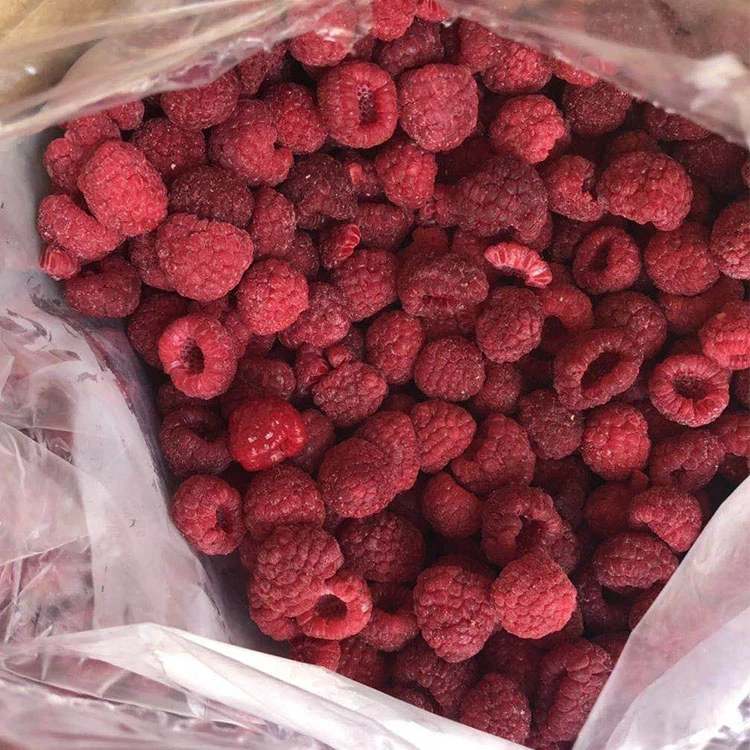
Working decision: Diagnose from records before changing ingredients. Soft set, haze, water release and rubbery gel arise from different causes and need different corrections. Procurement and kitchen teams need the same definitions if the result is to survive a change of lot or shift.
A soft gel may reflect insufficient pectin, acid or soluble solids, or an endpoint missed through undercooking. Cloudiness more often points to pulp, squeezing or crystallization than to firmness alone. This is why a useful specification names the intended product behavior as well as the raw material. A berry can meet an incoming appearance check and still perform poorly if the process was designed around a different temperature, particle size or water balance.
A controlled bench method
- Compare the fault with a retained good batch.
- Review ingredient weights and order.
- Review boil time, endpoint and yield.
- Run one controlled correction in the next pilot batch.
Run the first comparison in small, equal pans or containers. Change one variable at a time and keep a control beside the trial. Taste and observe at the intended serving temperature; warm fruit systems often seem sweeter, looser and more aromatic than the same product after chilling. If the product will be baked, frozen or held, the test is incomplete until it has passed that step.
The failure to watch
Reboiling finished jelly can reduce fresh flavor and may not repair a fundamentally mismatched pectin system. Avoid layering corrections without knowing which variable failed. Correct the cause in the next measured pilot rather than rescuing every batch with unrecorded additions. Rescue work can be sensible for a small kitchen, but it does not establish a formula that another shift can reproduce.
Look at the product again after it has rested. Fruit solids, dissolved sugar and hydrocolloids keep changing as temperature equalizes. A result released immediately from the pan can develop free liquid, a firmer gel or duller flavor later. The release point therefore needs a stated rest time and temperature.
Scaling and purchasing note
Create a defect library with photographs and measured observations. Agree what minor haze, spread force and syneresis are acceptable for the market before production begins. Scaling also changes pan depth, shear, heating rate and cooling time. Preserve ratios, but do not assume that multiplying ingredient weights reproduces the same process automatically.
When discussing frozen fruit with a supplier, share the use and the non-negotiable result. Whole-fruit integrity, broken-piece tolerance, packing size and crop character do not have equal value in every application. A clear brief lets the supplier propose a practical grade instead of treating the request as a generic price comparison.
Record what the team can repeat
Retain samples at defined conditions and inspect at set intervals. Record clarity, surface liquid, gel fracture, spoon spread and flavor so stability decisions rest on evidence rather than memory. Add the formula version, date, operator, lot code and one retained sample where the site's control plan permits. The record should be short enough to complete during work but precise enough to explain a complaint or a good result weeks later.
Source frozen raspberry for your program
GreenLand-food is a frozen fruit supplier and manufacturer supporting factory-direct and wholesale programs for bakery, dessert, beverage and foodservice development. Share the application, required fruit form, packing, forecast quantity and destination so our team can review a suitable specification, sample route and commercial fit.
Choose the next step below.