


How to Prepare Kale: Cooking Greens, Salad, Chips and Storage
Oct 15, 2026
Leave a message


A good method starts with the leaf, then controls water, cut size and heat. Wet kale on a crowded tray steams before it can become crisp. A large rib left in finely sliced salad interrupts the chew. A deep pan of frozen chopped kale needs time for released water to leave before the food behaves like a dry sauté. These differences explain why one universal cooking time is rarely useful.
This guide covers fresh cleaning and cutting, cooked greens, oven chips, raw salad and storage. We also explain where frozen chopped kale is a practical ingredient and where a recipe depends on a fresh leaf. For a foodservice or manufacturing trial, record the form and prepared weight before comparing yield. That keeps the method relevant to the real dish and avoids treating a bunch, a cup of leaves and a bag of frozen pieces as identical inputs.
Cleaning, cutting and edible parts
Begin with sound leaves and a clean preparation area. Remove ties, separate the leaves and discard material with slimy decay or extensive deterioration. Wash hands and clean the utensils that will handle the washed food. Curly folds and the junction between rib and blade can hold dirt, so inspect those places rather than rinse only the exposed top surface. The FDA produce guide recommends running water and does not recommend soap or detergent on produce. Follow the label of a packaged prewashed product.
If a bunch is very gritty, loosen the leaves in a clean bowl of cool potable water, lift them out and leave settled soil behind. Empty and clean the bowl before repeating with fresh water, then rinse under running water. Pouring dirty water over the leaves again defeats the separation. A long warm soak is not a sanitation step, and washing does not sterilize food. Keep raw meat, dirty receiving crates and unwashed utensils away from the clean side of the process.

Separate a coarse rib from the blade before salad or chip preparation.
The central rib is edible, but its usefulness depends on thickness and the intended texture. Hold the stem end and draw the leaf blade away along the rib, or fold the leaf and cut beside the rib on a stable board. Tender baby leaves may need little trimming. A mature rib can be chopped separately for a cooked dish, provided it is sound and its fibrous texture suits the recipe. Removing it from salad or chips is a texture decision, not a declaration that every kale stem is inedible.
Dry the leaves after washing. A salad spinner handles separated leaves efficiently; a clean absorbent towel can finish residual droplets. For chips, check the folds because water can remain where a curly leaf looks dry from above. For soup, perfect surface dryness is less critical because the recipe already contains liquid. Keeping the drying requirement tied to the application saves effort without overlooking a step that directly determines the result.
Cut salad leaves into narrow ribbons that are easy to pick up and chew. A loosely rolled stack of flat lacinato leaves can be sliced across the roll. Curly kale can be gathered into a manageable bundle or chopped after stripping. Avoid stacking so many leaves that the blade slips or the cut becomes uneven. For soup, larger pieces can remain visible, while finely chopped material distributes more evenly through an egg dish or sauce. Choose the cut for the mouthful, rather than make every preparation the same size.
Set ribs aside only if there is a defined use and a safe storage plan. Thinly sliced ribs can begin cooking before leaves in a soup or sauté. Coarse, dry or stringy stems may be poor material even after prolonged heating. Taste a small cooked sample before adding a large quantity to a finished recipe. A lower trim waste figure is not helpful when tough pieces make the whole dish less acceptable.
For kitchen purchasing, weigh the usable leaves after trimming if the recipe requires a fixed leaf portion. The existing kale bunch conversion guide explains why a retail bunch is variable. A case of large ribbed leaves can have a different usable yield from the same gross weight of smaller leaves. Record trim and prepared weight on the first trial. That gives the team a practical purchase quantity and helps determine whether fresh preparation or a specified frozen chopped form makes sense for the application.
Basic cooking, stovetop methods and timing
Kale can be steamed, briefly sautéed with controlled moisture or cooked more slowly in a braise. Decide whether the finished dish needs distinct leaf pieces with some bite or a soft integrated green. Cut thickness, stem inclusion and batch load affect the time needed. A recipe that works with tender leaf ribbons cannot be transferred unchanged to large mature leaves and coarse ribs. Keep the first trial small enough to stir and assess representative pieces.
For a basic sauté, warm a wide pan and soften the chosen aromatics in a moderate amount of oil. Add prepared leaf pieces in manageable portions so they wilt without spilling. A small addition of water or broth and a lid can help a thick load soften. Once the leaves reach the desired tenderness, uncover to remove excess liquid if a drier finish is wanted. Season after seeing how much liquid remains. Illinois Extension's sautéed kale recipe illustrates a simple skillet route rather than a universal minute requirement.

Let free liquid leave before seasoning a dry skillet side.
Cooking is easier to control when leaves and thick ribs are treated separately. Add finely sliced sound ribs before the leaves if the dish will use them. Check their bite, then bring in the thinner material. A long braise may accommodate larger ribs, but a quick side dish often benefits from removing them. This sequence avoids cooking every leaf until it becomes dull merely to make the thickest stem acceptable. The same principle helps a soup containing other vegetables with different cooking speeds.
Steaming reduces the amount of food submerged in liquid. Use a basket above boiling water, with a lid that retains steam. Arrange the leaves loosely enough for steam to move through them and check a leaf and any included rib. Published fresh-kale examples vary: Purdue FoodLink gives approximately five minutes for a covered sauté and a longer steaming example. These are household working references. Start checking within the chosen recipe's range and judge the actual leaf load and preferred tenderness.
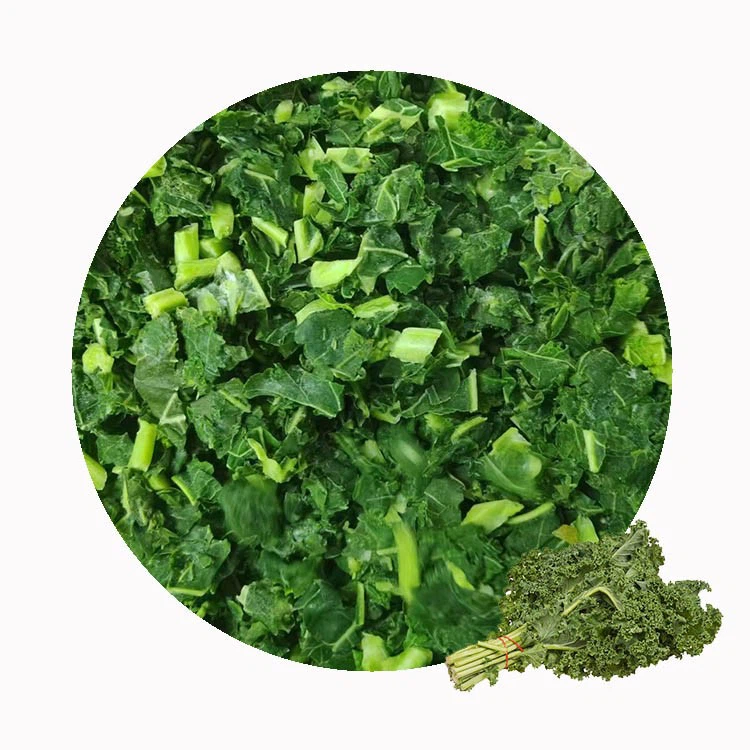
The product photograph shows the supplied chopped leaf and stem form.
Frozen chopped kale starts in another condition. It may already be blanched, and it can release water as it heats. Follow its declared cooking instructions. A soup can absorb much of the released liquid, whereas an egg dish or thick filling may need drainage or evaporation before mixing. A wide pan gives water somewhere to leave; a deep crowded pan retains it. Do not simply increase oil while the pan remains watery, because the food will still be cooking in the liquid present.
Taste after the main moisture adjustment. Garlic, onion, pepper and citrus can support the green flavor without covering it completely. Acidity added near serving gives a different result from prolonged simmering in an acidic sauce. Salt also becomes more concentrated when water evaporates. Keep an unfinished sample aside if necessary and adjust in small increments. A strongly seasoned wet mixture can become over-seasoned after further reduction.
For foodservice, include the service hold in the trial. Kale that has an acceptable bite straight from the pan may soften while covered, and retained steam can add free liquid to the bottom of the service vessel. Record portion weight after the normal hold, not only at the first cook. If food is chilled for later use, follow the applicable cooling controls and reheat plan. The frozen kale preparation article gives more detail for purchased frozen ingredients in sauces, fillings and cooked dishes; keep the current pack instruction central to any chosen route.
Making kale chips
Kale chips depend on water removal and a thin, evenly seasoned leaf. Use fresh sound leaves, remove thick ribs and tear or cut the blades into manageable pieces. They will shrink as they dry, so pieces need not begin at the final snack size. Mature curly leaves can produce a ruffled crisp texture. A mixture of tiny fragments and large folded leaves is harder to bake evenly because the small pieces brown while wet pockets remain inside the larger ones.
Drying after washing is the most useful preparation check. Turn a few leaves over and open their curls. If droplets remain, spin or blot again before adding oil. Oil cannot compensate for a wet load, and excessive oil can make the snack feel greasy rather than light. Toss with a small measured amount so the surface is lightly coated, then inspect the bottom of the bowl. A pool of oil suggests that coating is uneven or the amount is excessive for the leaf weight.

Dry leaves and an uncrowded layer help chips crisp evenly.
Spread the pieces in one layer with space for moisture to escape. Avoid a pile in the middle or folded bundles with wet interiors. Use more than one tray when necessary, or bake in separate batches. Two deeply loaded trays do not behave like one light tray, especially in a small oven. Keep the oven setting and tray position consistent during a trial, and rotate only when uneven browning shows it is useful. Opening the door repeatedly can also change the drying conditions.
A tested household example from Oregon State's Food Hero kale chips uses 350°F, about 177°C, with a check around 10–15 minutes. Use that as a starting range for its fresh-leaf preparation, not a promise for every oven or leaf load. Begin inspecting before the end of the range. The edges should become crisp with limited browning, while leaves remain recognizable. Blackened pieces have gone beyond a pleasant toasted flavor.
| Observation | Likely preparation issue | Useful next adjustment |
|---|---|---|
| Crisp edges with soft wet folds | Residual water or folded pieces | Dry more thoroughly and open the leaf pieces |
| Small pieces burn before large pieces crisp | Wide size variation | Prepare a more consistent size and separate fragments |
| Oily limp surface | Excess or uneven oil | Measure coating and toss before arranging |
| Whole tray stays soft | Crowded layer or insufficient drying | Reduce tray load and reassess oven conditions |
Remove finished pieces before they continue browning on the hot tray. Let them cool in a dry environment and assess the texture after a short cooling period. Warm food can feel different from a cooled snack, and trapping steam in a closed container encourages softening. Homemade chips are easiest to enjoy soon after preparation. A commercial packaged snack needs a validated drying, cooling, barrier-pack and shelf-life programme; a home oven result does not establish ambient storage safety or a sellable shelf life.
Seasoning should be proportionate to the finished yield. The leaves lose water, so the final snack weighs less than the prepared raw leaves. A salt amount that seemed small relative to the raw bowl can taste strong after drying. Add delicate powders carefully and consider seasoning some pieces after baking when a spice burns easily. Record whether the nutrition calculation includes all the oil and seasoning. Plain raw kale data does not describe the finished chip recipe.
Purchased frozen chopped kale is usually a poor starting material for leaf chips. Its cut, prior treatment and softened structure serve different applications, and thawing adds moisture that must be removed again. Choose fresh leaves when the objective is an intact crisp leaf snack. For a business developing a frozen kale ingredient into a different dry product, conduct a specific formulation and drying trial with technical support. The fact that both foods contain kale does not make their processing routes equivalent.
Preparing, massaging and dressing kale salad
Fresh kale salad begins with leaf tenderness and a cut that suits chewing. Choose sound young leaves or strip mature leaves carefully, then slice them more finely. Long bumpy lacinato leaves are convenient for ribbons; curly leaves can be finely chopped after the ribs are removed. A large tough leaf fragment demands more work from the diner and can dominate a mouthful. Cutting solves that physical problem before dressing needs to do anything.
Dry the washed leaves so dressing adheres rather than collects in diluted liquid. Prepare a modest amount of dressing and add it gradually. Oil, acid and seasoning can balance the flavor, but a salad need not be heavily coated to soften its eating texture. Use clean hands or suitable utensils to gently rub and turn the leaves. Start with a short massage, then taste a representative ribbon. Tender baby kale may need only tossing; prolonged rubbing can damage a leaf that was already delicate.

Gentle rubbing and fine cutting improve chew in a fresh salad.
Massage is a physical preparation step. It bruises and softens the leaves and distributes dressing through the surface. It does not wash away contamination, sterilize the salad or establish a safe storage period. Illinois Extension's kale salad guidance uses finely cut leaves and dressing massage to improve chew. Keep that practical use separate from claims that acid or rubbing makes raw greens microbiologically safe.
Build the rest of the salad around the leaf's firm green flavor. Apple, citrus or another naturally sweet ingredient can balance bitterness. Beans, grains or nuts add a different texture and meal role. Cheese or a creamy dressing contributes its own flavor and nutritional profile. Add crisp components late enough to preserve their texture if the salad will wait before service. A raw onion, grated carrot and wet fruit mixture will also change the amount of liquid in the bowl.
Check the salad after its intended resting interval. The leaves may become more pliable, while salt and dressing can draw out moisture. If the first tasting is acceptable but the bowl becomes watery later, reduce residual wash water, review dressing quantity and separate particularly wet additions until service. Do not squeeze a dressed salad as a routine correction because it can remove dressing and damage texture. A small measured trial provides a better basis than repeatedly adding ingredients to one uncertain batch.
For a chilled commercial salad, the preparation route and storage programme need to match a ready-to-eat food. Clean-side separation, raw material suitability, temperature and shelf-life assessment matter alongside texture. If a component is cooked before chilling, cool it through the facility's approved procedure before combining. Do not add warm cooked material to a large chilled salad and assume the refrigerator will immediately restore the whole batch. Monitor the finished product according to the relevant food-safety controls.
Frozen chopped kale does not recreate the bite of a fresh raw salad after thawing. It can be used in a cooked-and-chilled vegetable dish when its directions and the recipe's controls are followed, but the product should be described honestly. If a supplier sample is intended for a prepared chilled meal, assess its cooked texture, drainage and declared cooking status. The packaging label and agreed application should make that route clear to both procurement and kitchen staff.
The full ingredient list determines dietary suitability. A kale salad with cheese, nuts, mustard or yogurt differs from plain leaves. Keep allergen communication and substitutions accurate, especially where several dressings are used on one service counter. For menu costing and recipe consistency, weigh the prepared leaf portion and dressing separately. Recording those two values makes it easier to reproduce an enjoyable salad without relying on an undefined bowl or bunch.
Storage, shelf life and preserving for later use
Fresh leaves, cooked kale, homemade chips and frozen chopped kale have different storage needs. Start by naming the state being stored and whether it has been washed or cooked. A storage recommendation for dry fresh leaves is not a shelf-life declaration for a dressed salad. The same distinction is useful when a kitchen receives fresh bunches for one dish and frozen chopped product for another. Separate labels and containers prevent the handling routes from becoming confused.
For fresh kale, keep leaves refrigerated and avoid leaving free water pooled around them. If washing is postponed until use, remove obviously deteriorated material first and protect the rest in a suitable clean container. If leaves are washed ahead, dry them well and refrigerate promptly. Food Hero gives a home storage example of dry refrigerated kale for up to about a week, while other extension references give shorter periods. Initial condition, handling and temperature explain why those figures should be treated as guidance rather than guarantees.

Fresh and cooked forms have different holding histories and storage needs.
Inspect the leaves before using them even within an expected storage window. Sliminess, mold, extensive decay or a deteriorated smell are reasons to reject affected material. Wilting can reduce texture quality without creating a reliable safety test. Rewetting a wilted leaf may improve its apparent firmness but does not undo contamination or decay. Keep storage decisions based on both the history and the current condition, with the product label taking precedence for a packaged item.
Cooked kale needs prompt cooling and refrigeration if it will be kept. Divide a large batch into shallow appropriate containers rather than place a deep hot mass in the refrigerator. Follow local guidance for cooked leftovers and the applicable commercial cooling and shelf-life procedure in a business. A sealed container is useful after cooling, but a lid does not compensate for slow cooling or a long warm period. Retain the preparation time so later staff can identify the batch reliably.
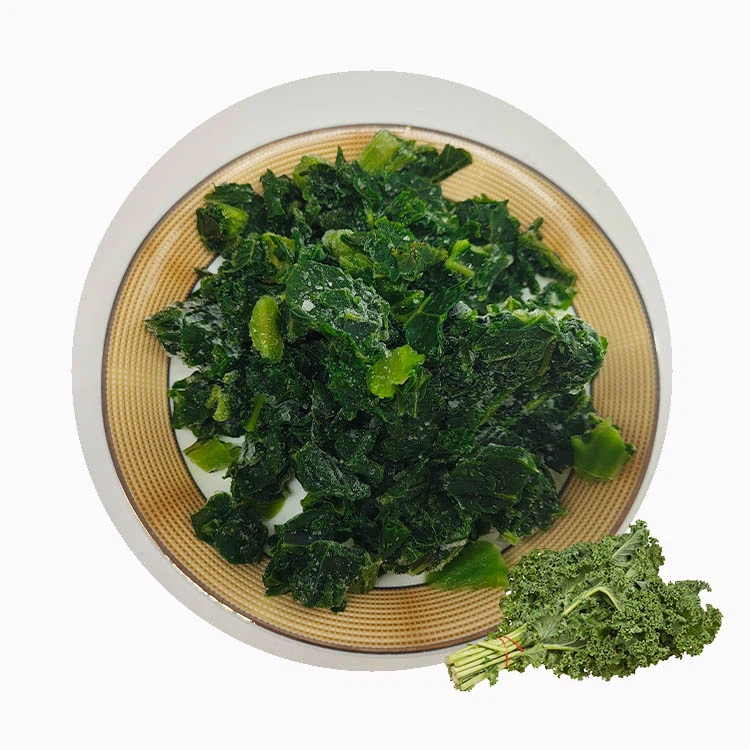
The product photograph shows the supplied chopped leaf and stem form.
Home freezing begins with suitable fresh material. The National Center for Home Food Preservation greens method recommends young tender leaves, thorough washing, removal of woody stems and blanching before cooling, drainage and packing. Its two-minute water-blanching instruction applies to the listed greens, with a separate longer rule for collards. Follow the complete method, including cooling and packing, rather than copy only the timer. Blanching helps preserve frozen quality; it should not be described as a universal finished-food safety treatment.
Drain cooled leaves before packing so excessive water does not become a large ice mass. Portion to the quantity a recipe will use and choose packaging intended for the freezer. Air exposure can contribute to dehydration and poor flavor during storage. A small flat pack can be easier to manage than an oversized compact block, but the choice should fit the intended recipe. Mark the product and freezing date, and protect it from repeated thawing during household handling.
Purchased frozen kale should remain within the declared storage conditions, commonly a stable freezer environment at or below −18°C or 0°F. Keep unused product protected and return it promptly to storage. Evaluate clumping, loose ice and package damage during receiving, while remembering that these observations cannot independently establish the full cold-chain history. Follow cooking instructions even when the vegetable looks clean and green. If a controlled thaw is part of a filling process, define drainage and handling conditions before the trial.
For a supplier comparison, measure usable output at the state the recipe needs. Fresh kale cost includes washing, trimming and labor. Frozen chopped kale reduces some preparation work but may require a cooking and drainage stage. Compare cooked or drained yield under the same method and include the service hold or subsequent reheat. We confirm frozen kale supply with the intended application, cut, stem proportion, packing and documents, so the approved ingredient supports the kitchen's actual preparation route.
Continue reading about kale
Examine grit removal, water changes and clean-side separation before cutting.
Plan fresh-leaf holding and usable yield before the processing stage.
Review drainage and application choices for bought frozen kale in cooked dishes.
Discuss Frozen Kale with GreenLand-food
GreenLand-food is a professional frozen kale supplier and manufacturer in China, providing factory-direct wholesale supply for importers, distributors, foodservice companies and food manufacturers.
Share the product form, specification, packing, quantity, application, destination, private-label needs and requested documents so we can confirm the proposed supply and sample requirements.