


Mustard Greens vs Collard Greens for Frozen Food Applications
Oct 19, 2026
Leave a message

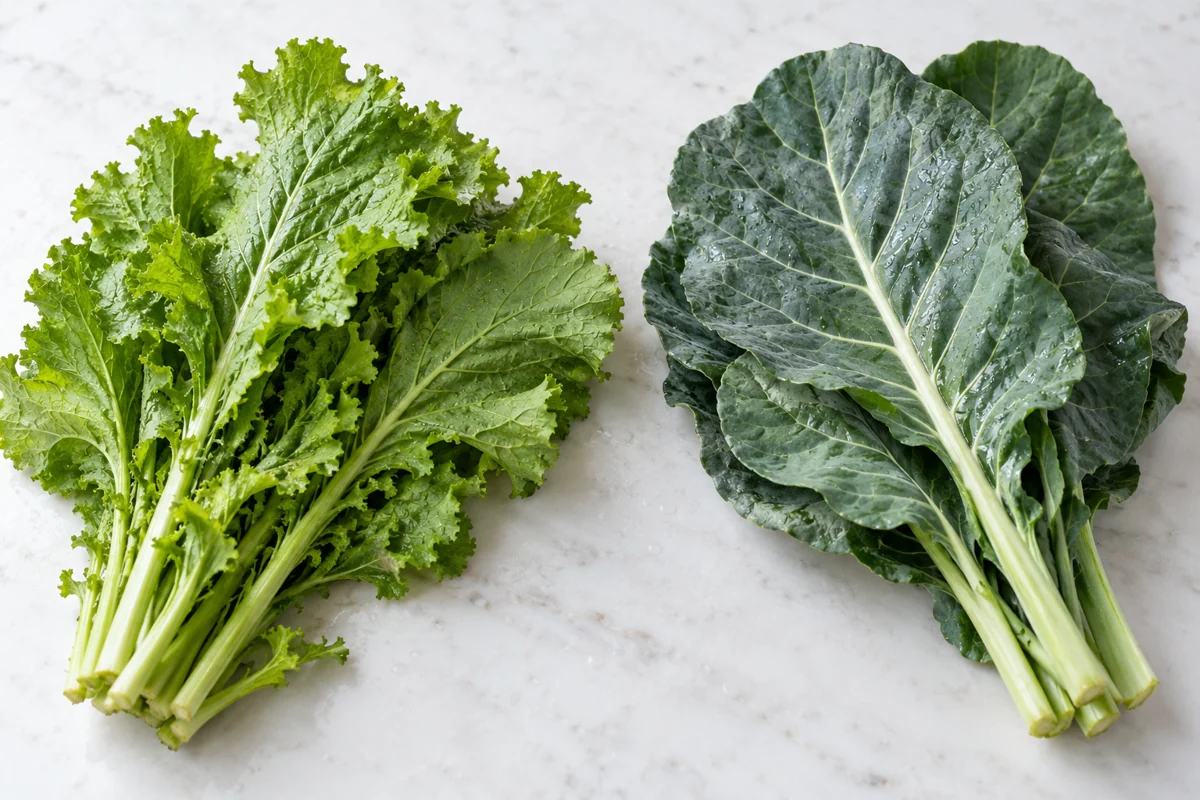
A fresh bunch can suggest what to expect, but a frozen specification determines what reaches the kettle. A finely cut mustard product and a coarse collard leaf product differ in more than plant identity. Their portioning, released water and response to reheating may reflect those different formats. At GreenLand-food, the useful starting point is the finished food you want to make, followed by a clear description of the mustard greens being offered. The discussion below is a way to design that comparison; it does not report a completed trial or prescribe one cooking time for every frozen pack.
Identify the greens before comparing frozen samples
Mustard greens and collard greens belong to the brassica family, but their common names do not describe one interchangeable ingredient. Familiar leaf mustards are associated with Brassica juncea, while collards belong to Brassica oleracea. The University of Florida's description of cooking greens identifies collards by their broad, cabbage-like leaves and describes mustard leaves as lighter in texture. Within mustard greens, leaf shape and color vary considerably. A ruffled bunch is one recognizable form; a broad, relatively smooth leaf can also be mustard. A photograph is useful for discussion, but the supplier's ingredient identity remains necessary.
Ask for the botanical identity and commercial description used for the offered lot whenever the buying decision depends on a particular mustard type. This matters across languages and markets, where a familiar name may refer to different cultivated forms. A product sold as chopped mustard greens should not quietly become a mixture of another leafy vegetable during sourcing. Conversely, a mixed-greens product can be perfectly suitable when its ingredients and proportions are part of the agreement. The purchase record should make that distinction explicit before the first sample is assessed.
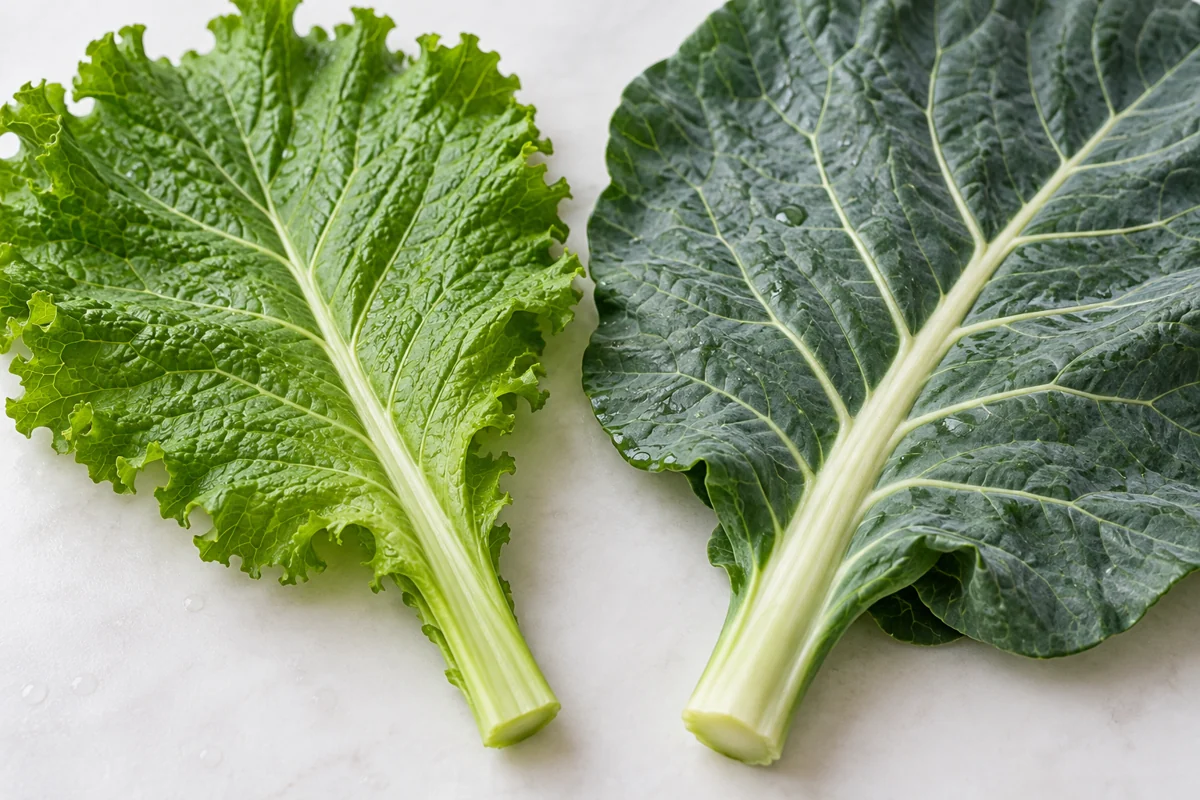
Illustrative leaf detail: the blade and adjoining petiole contribute different structures.
Then identify the physical form. Whole leaves, cut leaves, finely chopped greens and compact frozen portions do different jobs. A bag may contain a relatively uniform fine cut, or a wider distribution of leaf and petiole pieces. A frozen block also changes how the kitchen doses and heats the ingredient. It does not establish the cut, botanical identity or stem tolerance inside. Compare like forms where possible, and document any deliberate difference so that the trial does not attribute every result to mustard versus collard identity.
Processing state belongs in the same conversation. Confirm whether the supplied greens are plain or seasoned, whether they have been blanched, and what further preparation their instructions require. A salted, fermented or otherwise preserved mustard ingredient has a different flavor and formulation role from plain frozen mustard greens. The acidity and salt already present would affect a soup comparison even if both products were described casually as mustard. Keep those ingredients separate in the trial record and in the finished product's ingredient declaration.
GreenLand-food's frozen mustard greens page describes cut leaf-and-stem material whose detailed specification needs agreement. Its product photographs show the offered cut appearance, while the order record must establish the actual preparation state and intended use. Use that information to choose the comparison sample. If your reference dish uses larger collard pieces, first decide whether preserving those visible leaves is essential. A fine mustard cut may deliver useful flavor and green distribution while creating a visibly different dish. That is a formulation choice the buyer should make deliberately.
Flavor in the finished food
Mustard's peppery character can make it a prominent part of a simple broth, especially when there are few other strong ingredients. Collards are commonly described as more cabbage-like and earthy. These descriptions establish a useful expectation, but they do not rank two particular frozen lots. Harvest maturity, cultivar and preparation can change the impression substantially. An assertive mustard sample may be welcome in one noodle base and too dominant in another. A mild sample may integrate easily into a filling but fail to deliver the flavor the recipe developer intended.
Evaluate the greens after their required cooking step, initially with restrained seasoning so that the panel can describe the ingredient itself. Separate peppery intensity, bitterness, normal cooked brassica aroma and any objectionable odor in the notes. Calling all of those sensations strong makes the feedback difficult to use. The USDA frozen leafy greens standard treats normal flavor and odor as a quality prerequisite after cooking. A desired mustard note and an objectionable off-flavor therefore need different responses in the sample review.
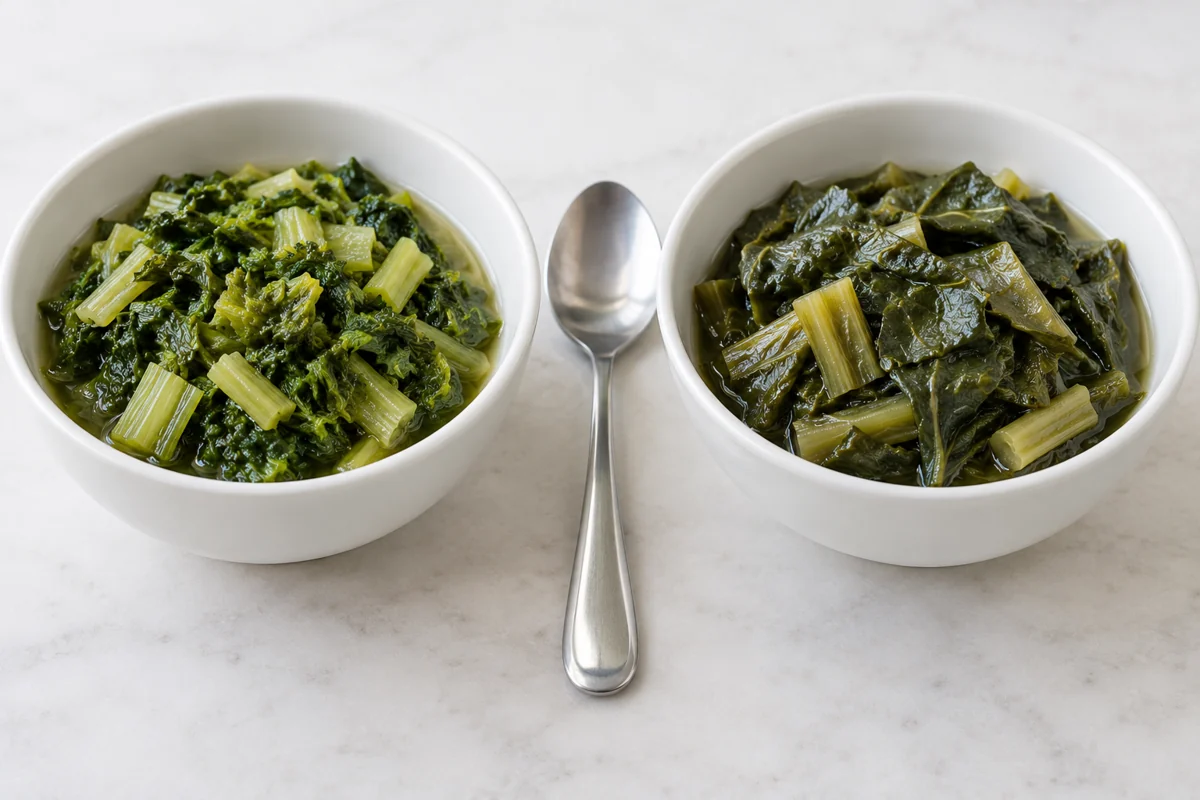
Illustrative tasting setup; assess actual samples in the intended formulation.
The second tasting should use the actual formulation. Salt, fat, aromatics, starch and the relative amount of broth all change the eating experience. A leafy ingredient tasted alone can seem much more pronounced than the same amount dispersed through noodles or rice. Keep the base recipe and ingredient weights constant in an initial comparison. If the mustard version needs a different dose or seasoning balance, make that adjustment as a separate trial. Otherwise, the team cannot tell whether its preference came from the green or from the changed recipe.
Describe the target in language the kitchen and purchasing team share. For a noodle base, the goal might be an identifiable mustard note without an overpowering finish at the intended serving concentration. For a seasoned side, the intended flavor may be stronger and more integrated with the broth. Those are examples of targets to agree, not promised attributes of a standard SKU. Retain a reference recipe and a short description of the approved sample so later discussions have something more precise than good flavor to rely on.
Taste at the point the customer will encounter the food. An immediately served bowl and a central-kitchen meal that is chilled, transported and reheated can present different flavor impressions. Use the relevant approved handling route for that product, then ask the same small set of questions at the same stage each time. A comparison that ends as soon as the kettle is switched off leaves the buyer's actual use unanswered. Sensory preference also does not establish food safety; cooking and handling requirements must be settled independently for the offered ingredient and finished food.
Leaf structure, stems and the effect of freezing
The broad difference between delicate mustard leaves and sturdier collard leaves becomes more complicated after cutting, blanching, freezing and cooking. A leaf blade can soften readily while a thick petiole remains noticeable. Finer cutting changes how those pieces are distributed and how easily a diner detects individual fibers. A finely cut collard sample may feel more uniform than a coarse mustard sample. That outcome would not contradict the usual fresh-leaf description; it would show why the actual form must be included in a frozen ingredient comparison.
Freezing also changes leaf structure. Water in the tissue forms ice, and the combination of preparation, frozen storage and subsequent heating can leave the leaves softer than fresh raw material. Frozen greens therefore suit cooked applications better than a request for crisp salad leaves. Their appearance in a frozen bag is only one inspection stage. Examine the cooked food as well, because compacted leaves can separate during preparation and the relative visibility of stems can change as the blades collapse.
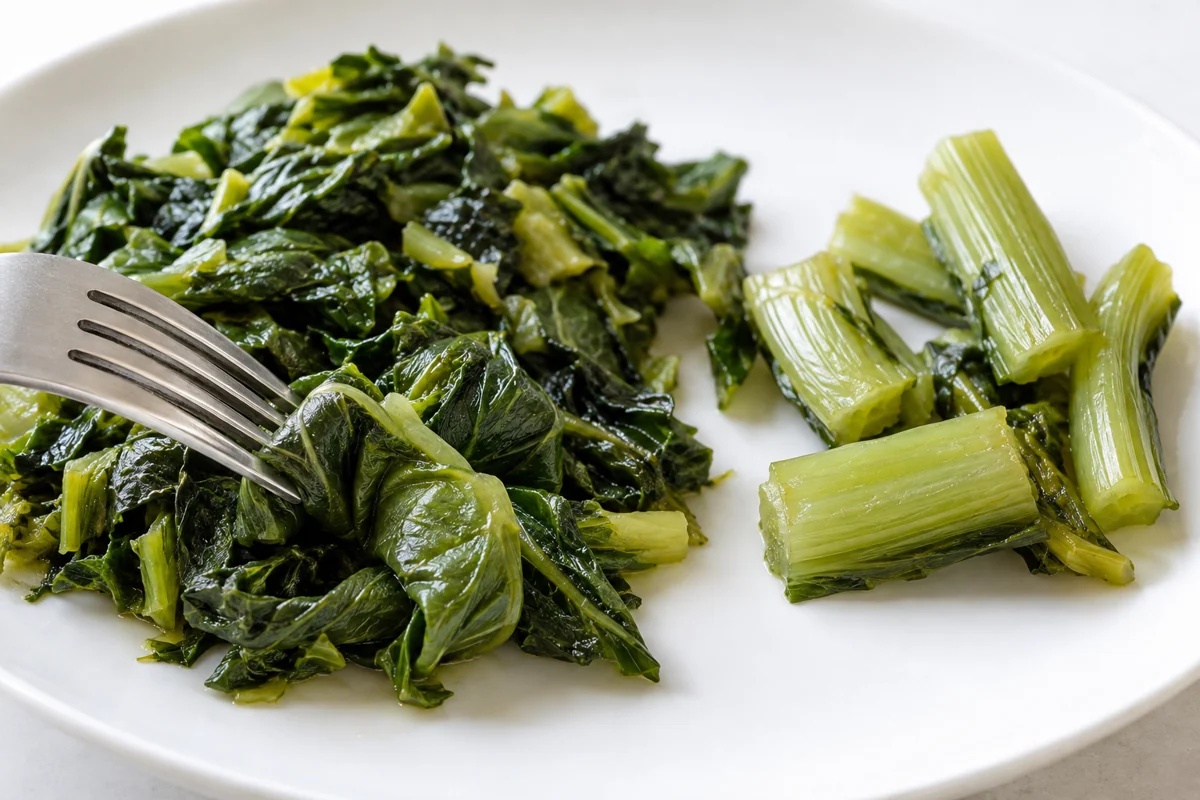
Illustrative leaf and petiole pieces. Their appearance does not establish tenderness or a commercial cut size.
Home preservation guidance provides a useful illustration of the distinction between greens. The National Center for Home Food Preservation recommends water blanching collards for three minutes and other greens for two minutes, after selecting tender leaves and removing woody stems. These are household directions within that complete method. A commercial supplier must establish its own appropriate process for the actual raw material, cut and equipment. The household time is neither a verified industrial setting nor proof that a delivered frozen product is ready to eat.
Assess leaf softness and stem chew separately. Lift several cooked pieces with a fork and note whether the leaves remain recognizable, whether petioles bite cleanly, and whether coarse fibers persist. Then taste a normal serving of the complete food. A visible stem is not automatically objectionable, particularly in a hearty soup or rustic side. A long fibrous piece in a smooth filling has a different consequence. The acceptable balance follows the dish, and a visual stem percentage alone cannot describe all of these outcomes.
The USDA standard for frozen leafy greens reinforces the need to judge character by type. Its definitions distinguish spinach tenderness from the character permitted for other leafy greens. It also includes provisions specifically labeled for spinach stem material. Those provisions should not be copied into a mustard purchase specification as if they were universal limits. Agree the mustard cut, objectionable stem characteristics and cooked assessment method directly. This gives both parties a useful quality target while leaving formal grade assessment to the applicable complete standard and inspection arrangements.
Choose by application and heating route
In a soup or noodle base, the main questions are how the greens distribute, what they contribute to the broth, and whether each serving contains a pleasant balance of leaf and stem. A finer mustard cut can disperse through the bowl and provide a recognizable cooked-green component. Larger collard pieces may create a more substantial leafy bite. Either can fail when the cut and stem condition do not suit the intended serving. Look at a spoonful from the beginning, middle and end of a batch instead of judging only the surface of the kettle.
For a braised side or meal component, the leaf may be a larger share of the eating experience. Collards can be a sensible reference where the dish is expected to have a robust leafy texture. Mustard can produce a softer, more peppery result that is attractive on its own terms. Check whether the product survives the intended heating and service hold with an appearance the customer accepts. The answer should come from the offered samples; a general instruction to cook mustard for fewer minutes cannot account for every cut and pretreatment.
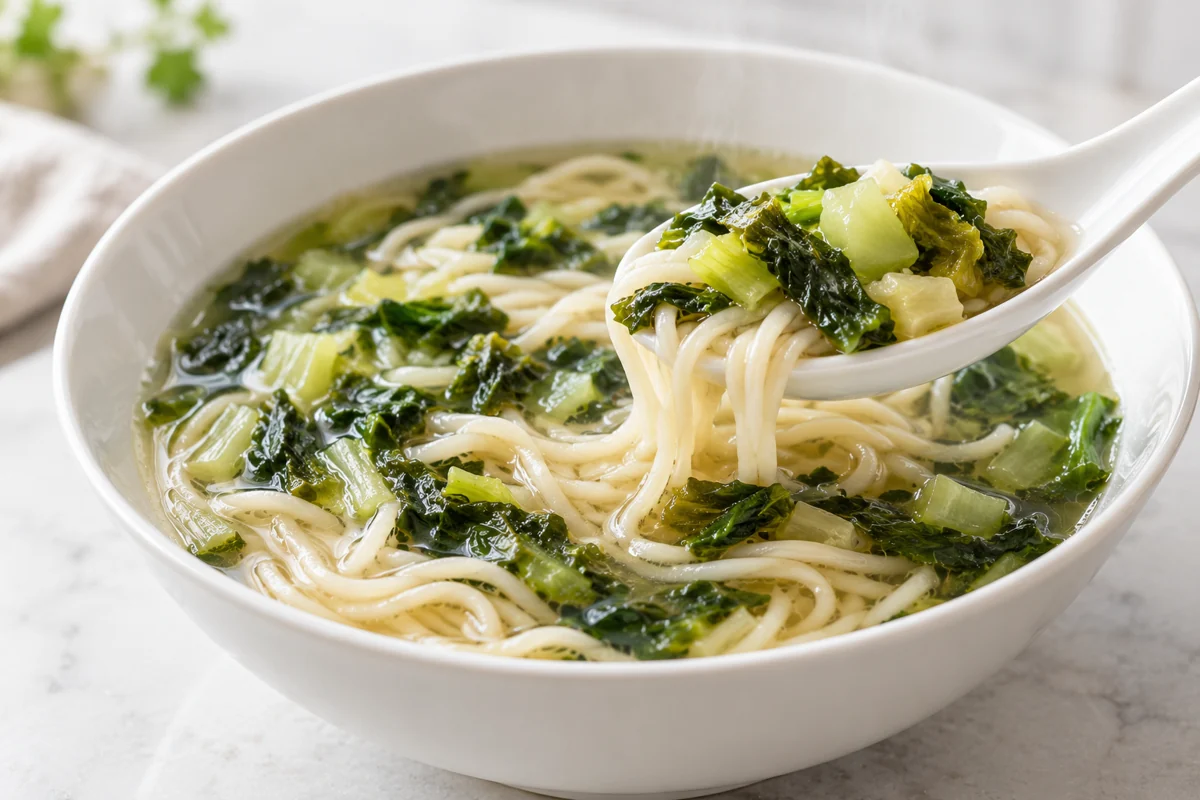
Illustrative noodle application showing leaf and stem pieces in a serving.
Fillings bring a different set of priorities. Small pieces must distribute through the binder, and the mixture must remain workable during portioning. Released water affects the balance of a dumpling or savory pastry filling, while long fibers can be noticeable even when the flavor is welcome. Evaluate each green after the intended heating and draining procedure, then mix it into the actual filling. A drained sample that looks attractive on a plate may behave differently once salt and other ingredients are added. Record those later observations before approving a substitution.
A smooth sauce or puree may tolerate a different leaf shape because blending removes much of the visible distinction. Flavor, color, fiber and usable yield still matter. Verify the texture with the equipment and throughput the operation will use; a small high-powered kitchen blender can conceal problems that appear in a larger production process. If additional screening or prolonged mixing is needed for one option, include that effort in the comparison. The lower purchase price may be less persuasive once preparation losses and extra work are counted.
The table below frames the same questions for the two greens. It is a guide to choosing what to test, not a claim that every lot behaves identically. When the formulation changes from a soup to a filling, repeat the relevant trial instead of carrying the earlier approval across automatically. A buyer may reasonably approve different cuts or grades for different applications. That is usually more useful than searching for one specification that is expected to satisfy every dish and every cooking route.
| Decision | Mustard greens | Collard greens |
|---|---|---|
| Flavor expectation | Peppery character; confirm intensity in the recipe | Cabbage-like character; confirm the cooked balance |
| Leaf texture expectation | Often lighter; examine the actual cut and stems | Often sturdier; examine tenderness after the intended cook |
| Soup or noodle check | Distribution and stem bite in each serving | Leaf size and remaining chew in each serving |
| Filling check | Drained yield, flavor and fiber after mixing | Drained yield, flavor and fiber after mixing |
| Approval basis | Representative lot in the approved recipe | Representative lot in the same comparison method |
Build a fair sample comparison
Start with a written question that the trial can answer. For example, can the offered cut mustard greens replace the current collard ingredient in a particular noodle base without changing its portion size or preparation method? That question gives the team a clear first comparison. If the recipe can be changed, a second round can explore a different dose or cooking sequence. Combining all of those changes at once may produce a pleasant bowl, but it gives little guidance on which ingredient specification to order next.
Obtain representative samples with lot identification and the preparation information needed for safe use. Keep their storage history comparable and record package condition on arrival. Do not select only attractive leafy pieces for one sample while using the complete contents of the other. A mixed product needs a mixed sample. Agree the sampling approach with the supplier and quality team, especially when a commercial acceptance decision will follow. The kitchen trial is an application assessment, and it should not be mistaken for a statistically defined inspection of an entire shipment.
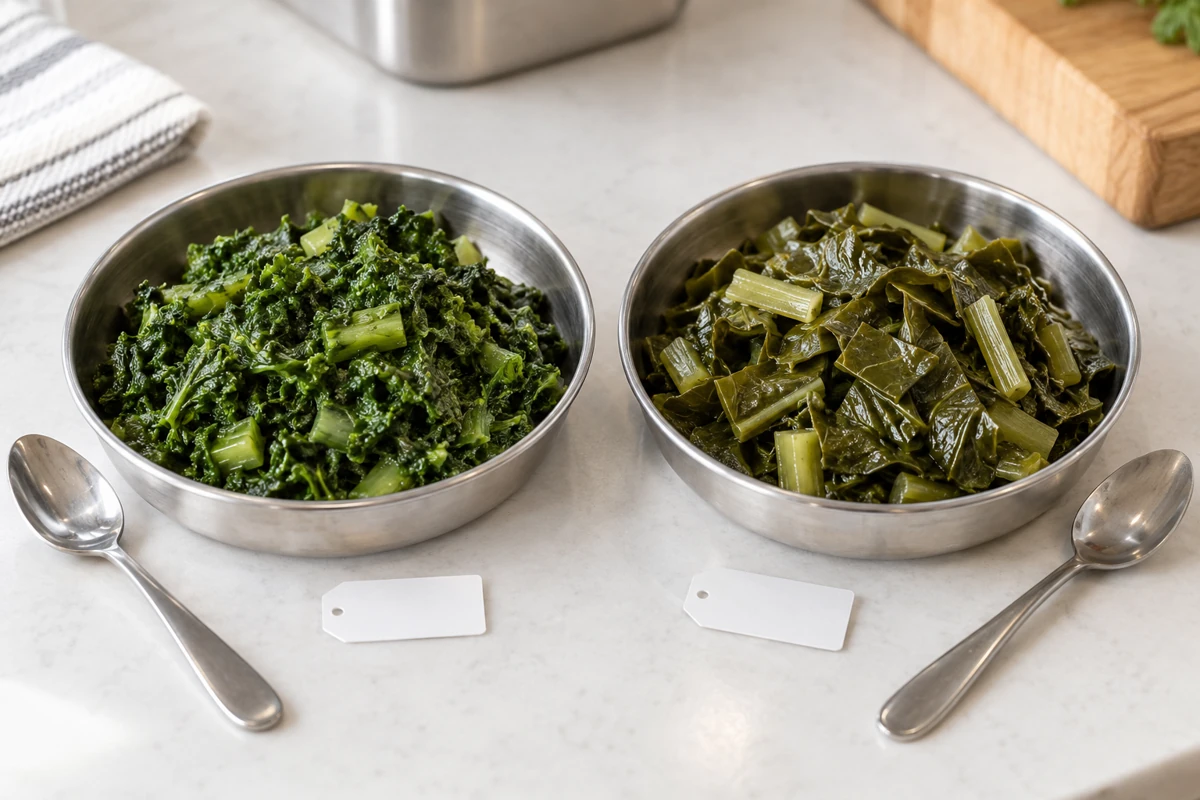
Illustrative sample arrangement; it does not represent measured portions or completed trial results.
Use the same starting mass, base formulation and relevant equipment for the first comparison. Record added water and the method used to drain or retain liquid. Where the formulation uses cooked drained greens, compare that stage explicitly. Where the greens and their liquid enter a soup together, discarding the liquid from one sample would alter the recipe unfairly. Describe the preparation precisely enough that a colleague can repeat it, including the stage at which the greens enter the food and the point at which evaluation begins.
Capture several kinds of evidence. Photographs under similar lighting help document leaf appearance and piece distribution. Weights help explain usable yield when draining is part of the process. Short sensory notes describe flavor and chew. Observe the finished portion after its expected handling route as well as immediately after cooking. A photograph cannot establish tenderness, and a single favorable tasting cannot explain why one lot released more liquid. Bringing these observations together makes the result more useful to both the supplier and the recipe developer.
Calculate cost using the stage that matters to the buyer. If one kilogram purchased produces less usable drained ingredient under the agreed method, compare cost per kilogram at that usable stage and include any extra preparation labor. In a soup that retains the liquid, a drained-yield calculation may have little relevance; the more useful measure could be compliant finished portions from a fixed batch. Keep the calculation tied to the actual operation. Record unsuccessful variations as well, so a later team does not repeat a rejected substitution without understanding the reason.
Translate the trial into a buying specification
An approved tasting becomes a reliable purchase only when the supplier can identify what was approved. Link the sample lot, ingredient description, preparation state and cut to a written specification version. Describe the leaf and petiole appearance with a representative photograph, then add the acceptance language that a photograph cannot provide. Examples include the absence of objectionable coarse fibers after the agreed cook, a defined range of cut dimensions where needed, and the expected distribution of leaf and stem through the sampled product.
Use the current GreenLand-food mustard product information as the starting point for that conversation. The verified photographs show cut material in a bag; they do not establish a universal size tolerance, a blanching schedule, a species test or a finished-food result. If the application needs a different cut from the pictured form, ask for a corresponding sample and confirmation before treating it as available. A clear request protects the buyer from approving an imagined version of the product and gives the supplier a concrete requirement to assess.
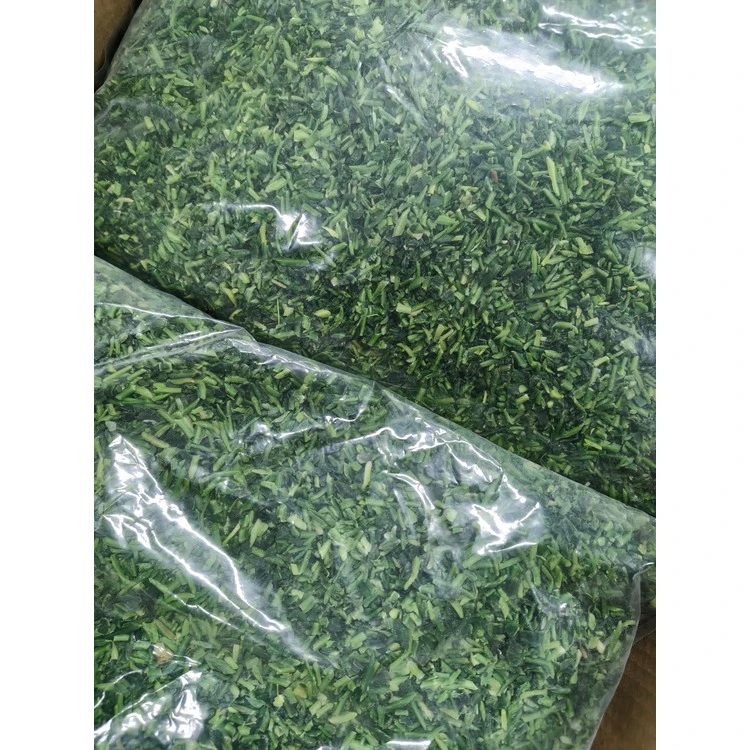
Cut mustard greens pictured in the GreenLand-food product listing; confirm the exact specification for your order.
Keep yellowing, coarse stems, unwanted plant material, foreign matter and abnormal flavor as separate quality concerns. Each has a different definition and may need a different assessment method. A single phrase such as premium green quality leaves too much room for disagreement. Where a buyer wants a formal grade, reference the applicable complete standard and arrange the necessary assessment. A grade description and an application specification can work together, but the presence of one does not automatically answer every requirement of a particular recipe.
Packing should support the chosen preparation. Confirm the inner pack weight, carton arrangement and whether the operation needs partial dosing or normally uses a complete pack. Check how the agreed format reaches the cooking step and whether the team can manage it consistently. Private-label instructions must reflect the actual product and intended handling. A general frozen-vegetable label borrowed from another ingredient is a weak substitute for directions that have been reviewed for the supplied mustard greens and the target market.
Commercial details need the same specificity. Confirm order quantity, destination, requested documents, expected shipment timing and the applicable storage and shelf-life statements with the supplier. Crop availability and processing arrangements can affect what is offered, so avoid assuming a fixed lead time or minimum order from an earlier discussion. For a collard comparison, make clear whether the request is for mustard supply only or for separately verified supply of both ingredients. An article comparing the foods does not establish that every discussed product is available from the same supplier.
Keep later lots comparable
Repeat orders should return to the approved specification and application method. Record the delivered lot against the purchase order and check that the ingredient description, pack and preparation instructions match. Examine package integrity and the available temperature and handling records under the agreed receiving procedure. Surface frost or clumping can prompt investigation, but appearance alone does not reconstruct the shipment's temperature history. Keep physical observations and documentary evidence together when deciding whether a lot needs further review.
A short repeatable cooking check can reveal a change that a frozen inspection misses. Prepare a representative sample in the reference recipe and compare flavor, leaf appearance, stem bite and any relevant liquid release with the approval record. Use consistent serving conditions and observations. The aim is to detect a meaningful change, not to force natural agricultural material into an identical photograph. Define in advance which differences remain acceptable and which require discussion, rework evaluation or a hold pending a quality decision.
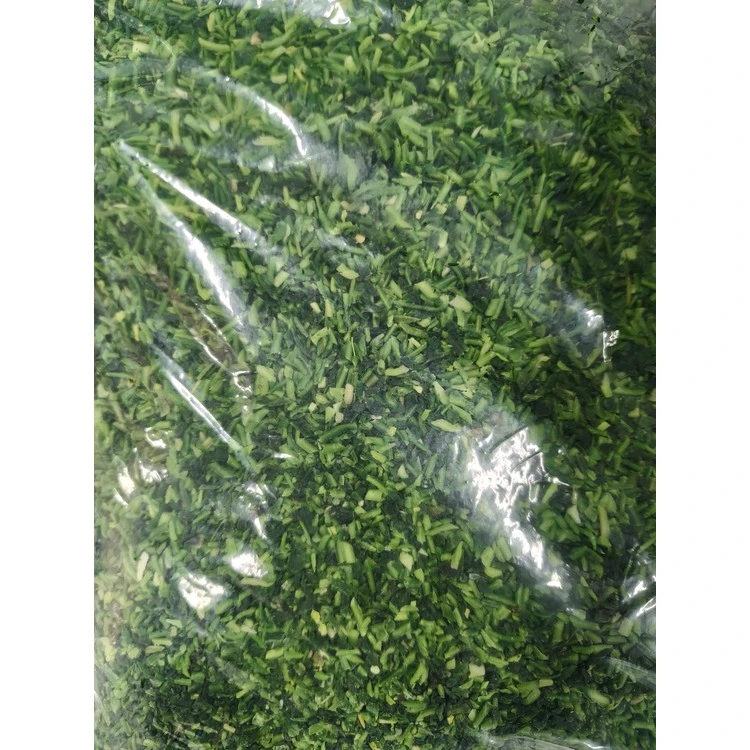
A second view of the cut mustard product. Use representative lot records alongside appearance references.
When a change appears, describe its effect precisely. A report that the mustard is tougher than the approved sample becomes more useful when it identifies the coarse pieces, the preparation method and the finished portion in which they remain noticeable. If the soup tastes more assertive, retain the base recipe and dose information so that seasoning variation can be ruled out. Clear evidence helps distinguish a raw-material issue from a preparation difference and makes corrective action more practical.
Any change in cultivar, cut, stem selection, preparation state or pack format should be assessed for its effect on the application. A supplier may offer a reasonable alternative, but the kitchen needs enough information to judge it. If the new form needs a different cook or drainage method, revise the approval record rather than assuming the former method still applies. Purchasing, quality and production should work from the same current version so that the next delivery is evaluated against an agreed target.
Mustard greens and collard greens can both contribute useful cooked leaf character to frozen-food programs. The dependable choice is the one whose identity, preparation, texture and flavor meet the actual recipe at a workable usable cost. Bring the intended dish, the current collard reference if there is one, and the required mustard cut to the sourcing discussion. That gives GreenLand-food a practical basis for confirming the offered mustard specification and preparing a relevant sample review with your team.
Continue reading about frozen leafy ingredients
Compare how a stem question becomes a cooked-texture specification in another leafy ingredient.
See how an application trial records drained yield and sauce behavior before approving a frozen green.
Source frozen mustard greens with GreenLand-food
GreenLand-food is a professional frozen mustard greens supplier and manufacturer in China, providing factory-direct wholesale supply. We help your purchasing team confirm the offered cut and preparation state against the intended application.
Send the product form, specification, packing, quantity, application, destination, private-label needs and requested documents, together with the cooked texture and flavor your team wants to approve.