


How to Cook Frozen Mustard Greens: Bitterness, Stems and Timing
Oct 19, 2026
Leave a message

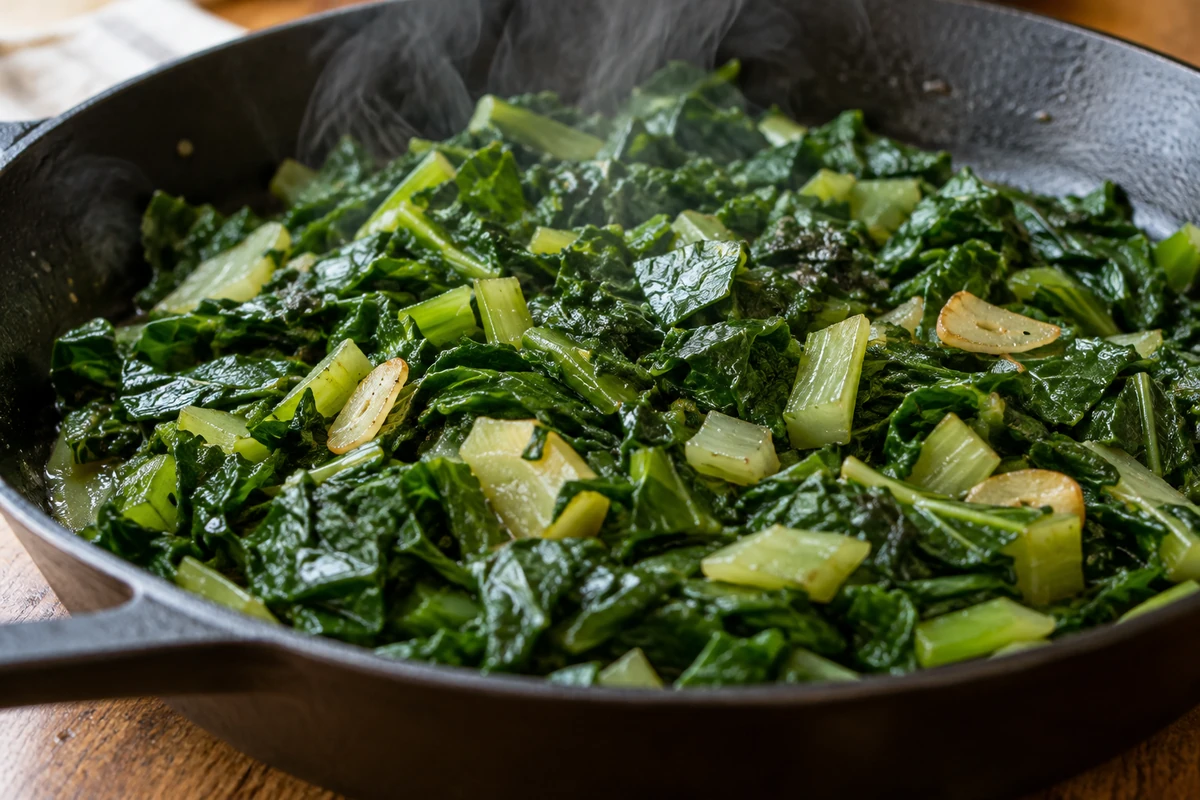
Mustard greens naturally have a stronger, more bitter character than milder leafy vegetables. Cooking method, leaf maturity, stem content and seasoning all affect how that character appears in the dish. A suitable amount of oil, savory ingredients and a measured acidic finish can improve balance, but none of them substitutes for the product's required cooking treatment.
There is no single useful cooking time for every frozen mustard-green pack. Finely chopped, pretreated greens in a shallow pan behave differently from a compact frozen pack with thicker ribs. The practical aim is to establish a repeatable method for the exact product: safe preparation first, then acceptable stem tenderness, leaf texture, flavor and moisture at the point of service. This guide develops that method for kitchens and buyers without claiming that a proposed trial has already been performed.
Start with the frozen pack and the stem content
Read the product description before choosing a recipe. Confirm whether the pack contains mustard leaves and stems, the cut form, any declared pretreatment and the preparation instructions. Plain frozen mustard greens are different from pickled mustard greens, a seasoned vegetable mixture or flowering greens served with mustard dressing. The word mustard can appear in all of those descriptions while referring to a different ingredient or preparation.
Look at the actual cut distribution. Fine leaf pieces, wider ribbons and pale rib sections do not soften at the same rate or carry water in the same way. A bag that appears uniformly green from a distance can contain a noticeable share of stems. For a quick side, that share may determine the eating quality more strongly than the average leaf size. For a longer-cooked soup, the same material may be suitable.
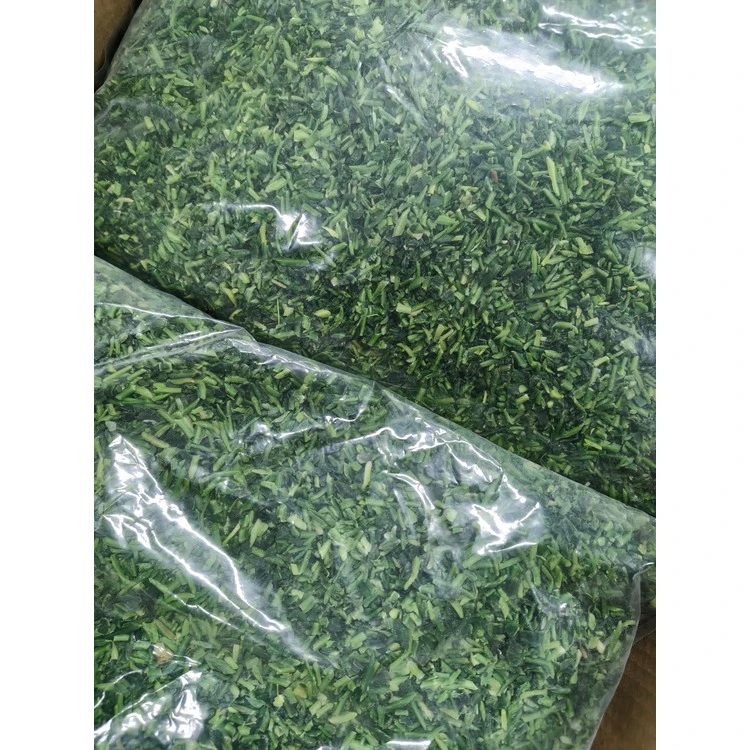
The supplied chopped product contains both leaf material and stem pieces.
The University of Maryland Extension guide places mustard among the tougher cooking greens and notes its stronger bitterness. Its guidance supports paying attention to thick leaves and stems. The stated times for fresh greens are background, however; the supplier's directions and the actual frozen product determine the cooking route for the pack in your kitchen.
Check whether the product is loose enough to portion as intended or supplied in a more compact form. Confirm the actual format instead of assuming that all frozen greens are freely flowing IQF. A tightly packed block and loose pieces can load into a pan very differently. If the planned recipe uses only part of a bag, make sure the handling method and storage instruction support that use.
Keep received condition separate from cooking performance. Note damaged packaging, unusual clumps, excessive surface frost or a discrepancy in the label. These observations should be reviewed with the storage and shipment evidence when needed. Do not assume that a frozen appearance establishes the whole handling history, and do not taste a questionable sample to decide whether it is acceptable.
For home use, the simplest starting point is the package method and serving quantity. For a commercial kitchen, record product code, lot, pack size and the amount used in the trial. If the recipe was developed with a different brand, cut or preparation state, treat the new pack as a candidate for evaluation. The substitution may need a change in water, batch loading or cooking sequence.
GreenLand-food's frozen mustard greens supply page can support a discussion of the offered form. Confirm the actual leaf and stem mix, process status and intended use with the sample so the quoted product matches the kitchen's requirement.
Build a repeatable pan method from frozen
A repeatable pan method begins with the amount of frozen greens, the size of the pan and the package instruction. Use a vessel that allows the pieces to separate without leaving a thick frozen center beneath a cooked outer layer. A small skillet filled deeply may trap more liquid and recover heat more slowly than a wider pan. Simply increasing the burner setting does not necessarily solve uneven loading.
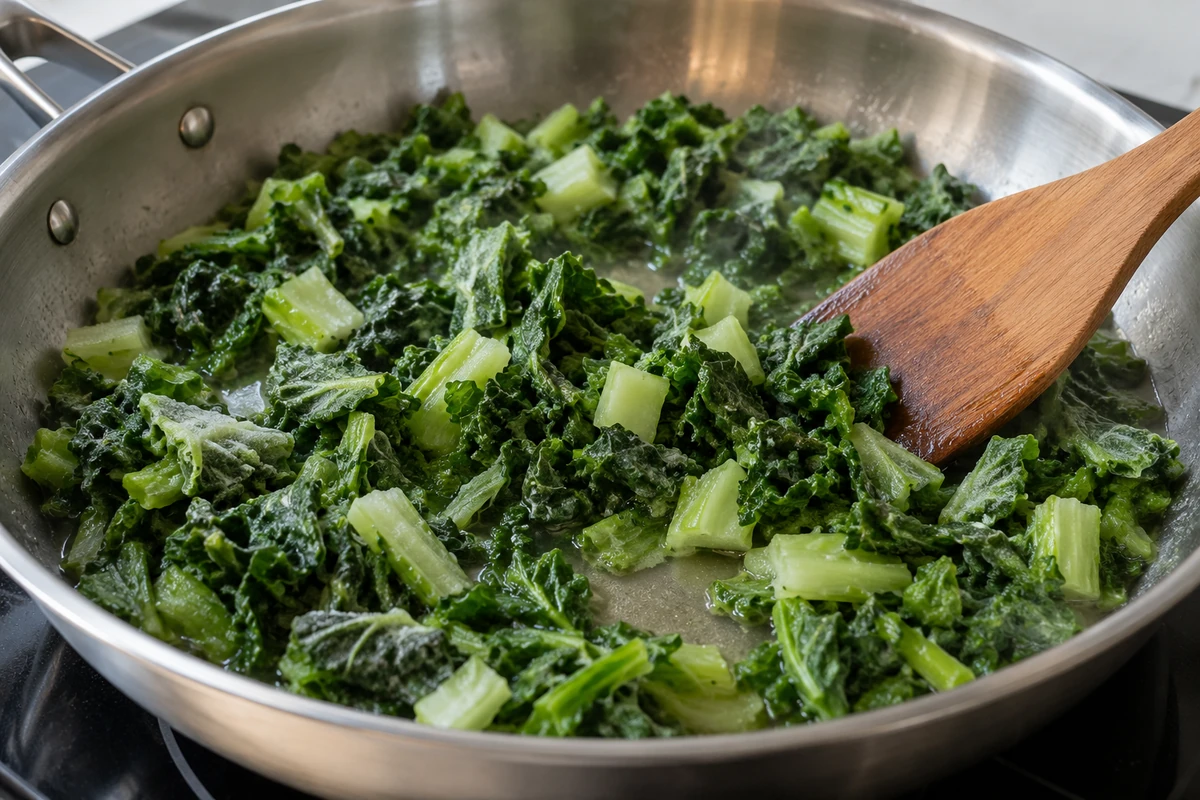
A shallow pan load makes separation and released water easier to observe.
- Prepare any aromatics the recipe requires without scorching them. Garlic that has browned too far can add harshness that is easily mistaken for the greens' bitterness. If the approved method begins with water or broth, measure that addition. Avoid starting with an arbitrary large volume when the dish is meant to finish as a relatively dry side.
- Add the measured frozen portion in the manner stated by the pack or approved recipe. Separate pieces gently as they loosen. A frozen mass should not be stabbed or crushed in a way that creates unnecessary fragments or risks the operator's control of the utensil. If the pack requires a particular thawing or preparation step, follow that direction rather than inventing a countertop shortcut.
- Complete the required cooking treatment while distributing heat through the greens. A lid may be useful during an allowed steaming stage, while an uncovered stage can help manage excess moisture afterward. The sequence depends on the product and equipment. Keep the minimum required treatment distinct from the additional cooking used to reach the preferred texture.
- Inspect the leaf and the thickest representative rib pieces. Do this only when the product has received the required preparation. The leaves should have the texture intended for the dish, and the stems should be acceptable in an ordinary bite. If the leaves are already very soft while stems remain unpleasantly firm, record that mismatch for the next cut or process trial.
- Adjust the seasoning after the main water reduction. Salt, stock and sauce become more concentrated as liquid evaporates, so a heavily seasoned starting pan can finish too strong. Add the intended acid or finishing oil in a measured amount, mix evenly and assess a normal portion. Record the final method if it is being used for a purchasing comparison.
For larger kitchens, scale by a defined load and equipment setting rather than multiplying a small-pan time. Record when the required cooking condition is reached, the total process and the yield at the end. A full production batch needs its own validation where appropriate. The USDA guidance on preparing frozen foods reinforces the importance of following preparation instructions; frozen appearance alone does not establish that food is ready to eat.
Reduce harsh bitterness without losing the dish
Start by deciding which flavor is undesirable. Mustard's characteristic peppery or bitter edge can be welcome in a savory dish, while burnt garlic, concentrated stock or an unexpected off-odor calls for a different response. A plain, properly cooked sample helps the cook understand the ingredient before changing several seasonings at once. Keep sensory evaluation within the operation's approved food handling procedure.
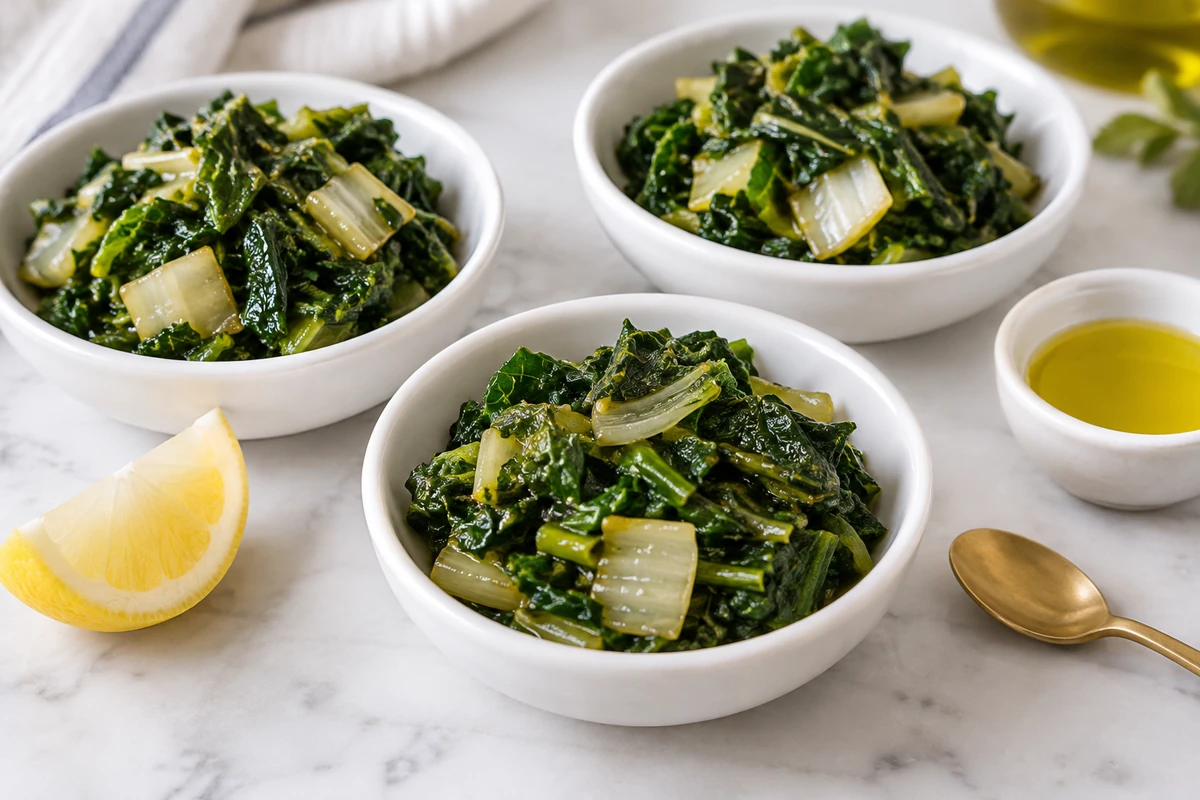
Compare measured seasoning adjustments in small cooked portions before changing the batch.
Seasoning can change the balance of a dish without eliminating the compounds responsible for its flavor. A suitable amount of oil can carry aromatics and improve the mouthfeel; a savory broth or onion base can give the greens a fuller context. These are recipe choices to evaluate in the finished portion. There is no need to promise that a particular spoonful removes all bitterness.
An acidic finish can brighten the serving, but the amount should suit the recipe and audience. Try a measured addition of lemon juice or vinegar to a small prepared portion, then compare it with the unadjusted version. Adding acid to the whole batch before deciding how much is needed can make a naturally assertive green both bitter and overly sour. Record the accepted amount on the recipe basis used by the kitchen.
Salt and sweetness also need restraint. A small adjustment may improve balance, but repeatedly adding salt or sugar can move the dish away from its intended flavor or nutrition specification. Taste the complete serving with its broth, starch or other ingredients where relevant. A concentrated bite of greens alone does not always predict the experience of a composed meal.
Water cooking and drainage can change the flavor carried into the dish, but a second blanch should not be the automatic answer for every frozen pack. The product may already have received a preparation step, and additional treatment can change texture and yield. If the approved process allows an alternative, compare the two methods using the same ingredient and record the finished result. Keep any required cooking conditions intact.
The National Center for Home Food Preservation's greens guidance discusses selecting tender leaves and removing woody stems before home freezing. That is useful context for why raw-material choice matters. Its blanching guidance is a preservation procedure for fresh greens; it is not an instruction to repeat that treatment on every commercial frozen mustard product.
If properly prepared greens remain outside the desired flavor range, consider the ingredient specification. A different maturity, cultivar or leaf and stem distribution may be more appropriate than a stronger masking sauce. Ask the supplier to propose a sample for the intended dish and compare it under the same method. Keep the accepted flavor description practical, such as a defined degree of characteristic mustard bite, rather than requiring an undefined absence of bitterness.
Give thick stems a fair tenderness test
A stem problem is easiest to diagnose when the trial records the pieces involved. Inspect the width, thickness and length of representative rib sections after cooking. A short thick piece can remain firmer than a longer thin strip, so cut length alone is an incomplete specification. Include the leaf and stem distribution and the part of the plant represented in the product description.
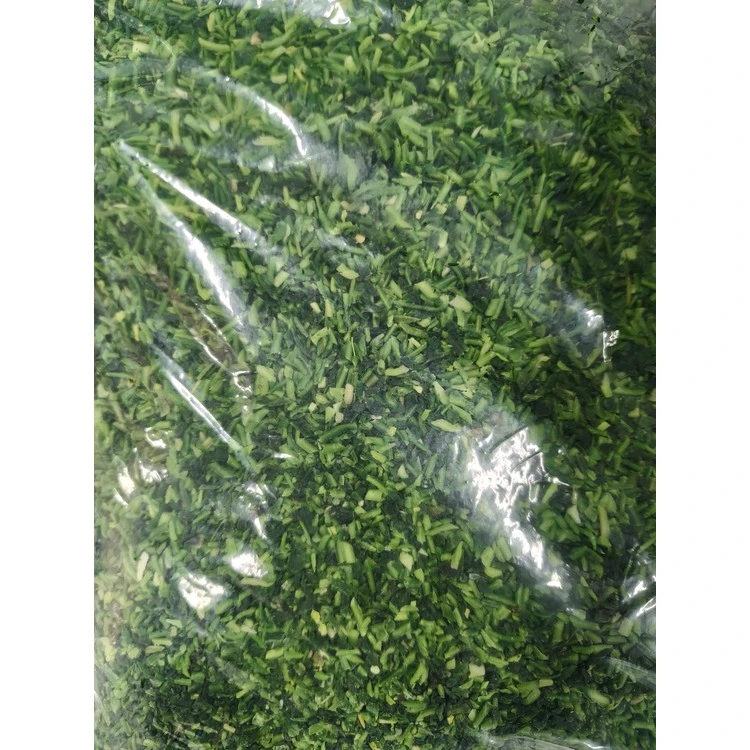
Inspect the actual chopped mix when agreeing stem content and cut distribution.
Fresh-greens recipes often tell the cook to remove thick ribs before chopping. A commercial frozen pack may already be cut and mixed, making that approach impractical. Sorting every pale piece from a frozen bag can add labor, damage leaves and change the purchased yield. If low stem content is essential, it should be discussed as a product requirement and checked on the sample.
Give the existing cut a fair test under its required cooking method before rejecting it. Confirm that the pan was not overloaded, that clumps separated as intended and that the entire portion received the specified treatment. A firm stem caused by an unevenly heated frozen center is a different issue from a consistently fibrous rib in an otherwise correctly prepared batch. Record what was observed rather than assigning a cause from appearance alone.
Once the approved treatment is complete, evaluate several representative pieces rather than the softest leaf. Assess whether the stems can be eaten comfortably in the intended serving and whether the leaves still have the required body. The desired result differs between a quick side, a soup and a deliberately soft braise. Choose the texture target from the dish rather than from a universal idea of perfectly cooked greens.
If the stems need more cooking than the leaves can tolerate, review the product form. A narrower rib cut, a different leaf and stem balance or another maturity may be worth sampling. An altered cooking sequence can help where the components are supplied separately and the approved process supports it. For a mixed chopped pack, however, the kitchen has less control over separating those stages.
Describe the defect in a way the supplier can investigate. Retain a photograph of the relevant pieces and note their frequency, size and cooked texture. Firm throughout the rib, stringy along its length and a tough attachment end are more useful descriptions than simply bad texture. Link the observation to the lot and the actual cooking method so the next sample can address the right question.
The accepted specification should also make clear how much variation is allowed. Agricultural material will not be identical piece by piece, but that does not prevent a practical limit and inspection method. Agree the sample basis, the definition of an unacceptable tough piece and the response to a lot outside the agreed range. That gives the kitchen a repeatable acceptance decision instead of a recurring debate over individual stems.
Choose the right route for soup, braising or a drier side
Choose the cooking route from the role of the greens in the meal. A relatively dry side benefits from controlled pan loading and enough evaporation to leave the intended coating. Soup uses liquid as part of the serving, so the main questions become tenderness, flavor distribution and the ratio of greens to broth. A braise can aim for a softer texture, provided the whole dish follows its required cooking process.
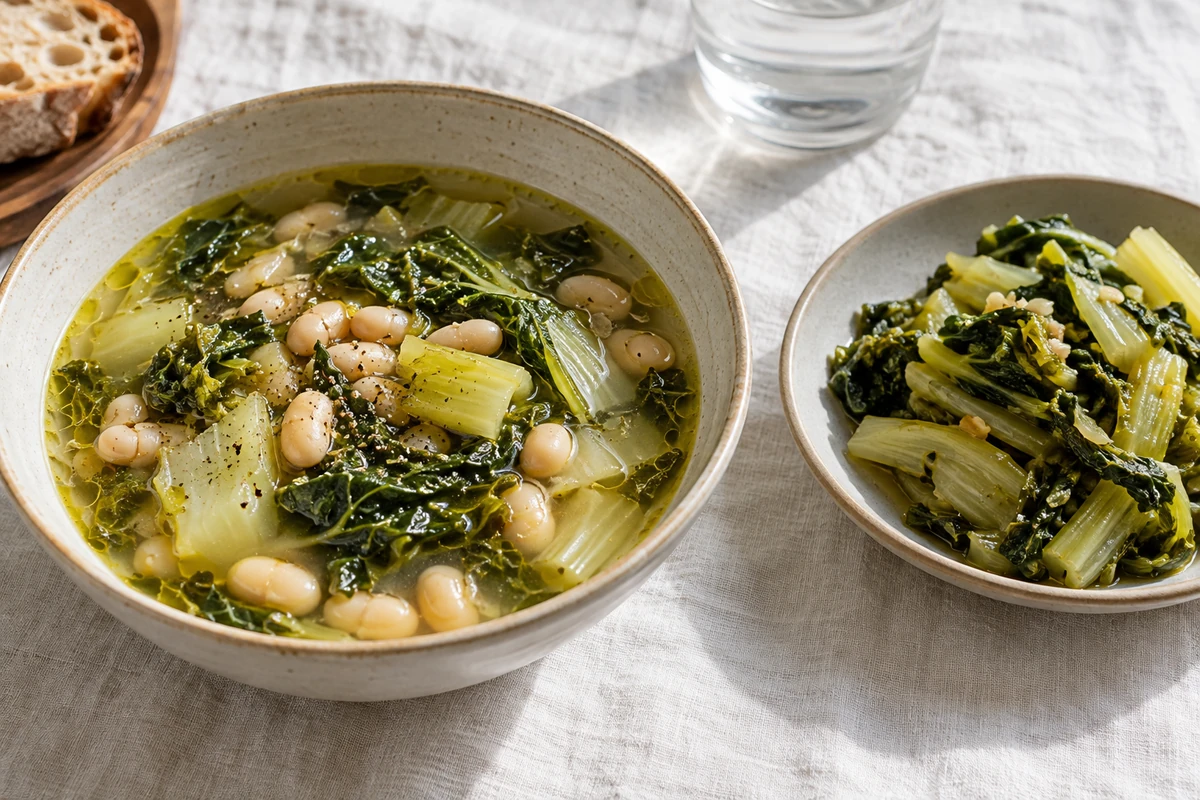
Soup and a drier braise use the greens' moisture in different ways.
For a drier side, record how much liquid remains when seasoning is finished. A pan that looks dry while hot can release more moisture into the serving dish. Inspect a normal portion after the planned short service interval under approved conditions. If pooling is unacceptable, investigate the drainage or reduction stage before increasing starch, salt or sauce to hide the water.
For soup, use the actual broth and other ingredients in the final trial. Mustard flavor can become more noticeable in a delicate broth, while beans, potatoes or a richer stock change the balance. Measure the greens on a clear basis, such as frozen ingredient weight per finished batch. If the product is drained before addition, state that basis instead so different cooks do not use different quantities unknowingly.
A braise needs an intentional texture target. Soft greens can be appropriate, but an indistinct mass with persistent tough stems may indicate a mismatch between raw-material structure and the chosen process. Inspect leaf texture, rib tenderness and the amount of liquid together.
When comparing methods, keep the product and portion basis consistent. A soup made with one lot and a side made with another cannot isolate the effect of cooking route. Use the same confirmed ingredient for an initial method comparison, then test the selected method across the lots needed for approval. Record the recipe and equipment so later results have a useful reference.
Recipe additions bring their own requirements. Broth, sauces, dairy, meat or fish ingredients affect allergens, dietary claims and the complete cooking process. A vegetable name alone does not make the finished dish vegetarian, allergen-free or suitable for a particular label claim. Check the actual formula and declarations when the product is being developed for retail or foodservice customers.
Avoid transferring a raw-salad suggestion from a fresh mustard-green recipe to a frozen pack intended for cooking. Frozen and pretreated ingredients have their own stated use. If a chilled finished dish is planned, the required cooking, cooling and storage controls must be established for that application. The culinary choice to serve something cold does not remove the preparation steps needed before it reaches the plate.
| Dish route | Moisture target | Texture question |
|---|---|---|
| Drier side | Controlled coating and limited unintended pooling | Are stems tender while leaves retain the intended body? |
| Soup | Defined broth-to-greens ratio | Does the complete serving have an acceptable bite? |
| Braise | Intentional retained liquid and soft texture | Do leaves and stems finish coherently? |
Check the portion after holding and reheating
The best-looking pan at the end of cooking may not represent the final serving. Holding, portioning and reheating can change leaf texture, stem bite and visible liquid. For a kitchen trial, define the point at which the customer will eat the greens, then assess the product there. Keep the operation's approved time and temperature controls throughout; a sensory trial is not a way to establish safe holding limits.
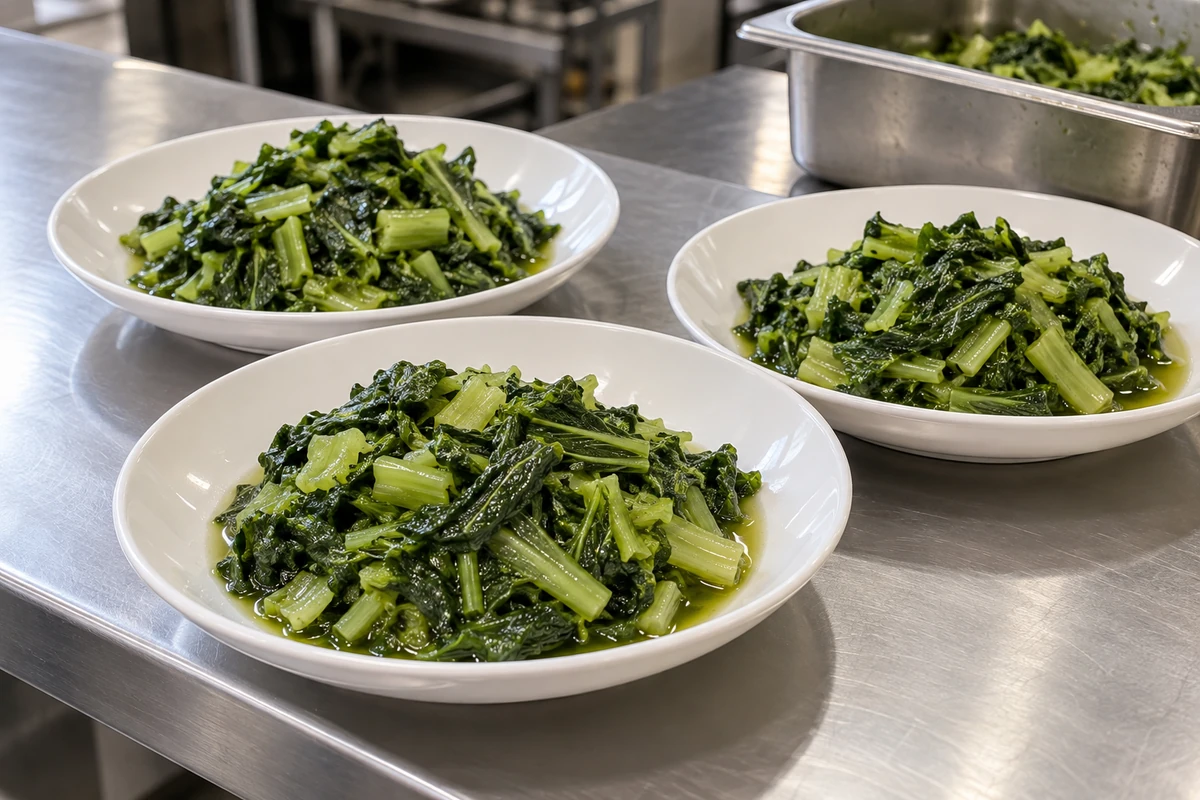
Assess leaf texture, stems and pooled liquid in the portion served.
Use the intended container depth and portion weight. A shallow tasting dish and a deep service pan can retain moisture and distribute heat differently. A covered container may collect condensation that later mixes into the greens. Record those conditions so a watery result can be investigated as a complete process issue rather than automatically blamed on the frozen ingredient.
Compare the first and last portions from a normal batch. Fine leaves, thicker rib pieces and liquid may not remain evenly distributed as the pan is served. Use the intended utensil and mixing frequency. If the last portion contains most of the stems or broth, the portioning method may need adjustment even when the incoming mix meets its specification.
Measure yield at a defined stage. Weigh the input and the accepted prepared greens after the agreed drainage or reduction method, then calculate the ratio on that stated basis. Keep added broth or sauce separate when the objective is ingredient yield. A high weight caused by retained water does not necessarily mean more usable vegetable in a drier side dish.
For a reheated product, follow the intended equipment and instructions rather than warming a small sample by a more favorable method. Check the center and edge portions as the applicable procedure requires, then assess stem tenderness, leaf body, flavor and pooling. Record any additional water or stirring used. Those details can explain why a kitchen microwave trial differs from a commercial reheating system.
If the greens become too soft after the complete route, review the entire heat history with the technical team. A product that works for immediate service may be less suitable for repeated heating. The response might involve a different cut or preparation state, a revised approved sequence or a different application. Simply stopping the first cook early can conflict with the product's required treatment and should not be an informal fix.
Keep cost comparisons tied to acceptable servings. Include any sorting loss, drainage, additional labor and the number of portions that meet the dish standard. A lower purchase price can lose its advantage if the kitchen must remove many tough pieces or cannot obtain consistent portions. Use the accepted trial method to compare candidates so price and performance refer to the same finished result.
Buy the cut that matches the kitchen
A useful mustard-greens specification begins with the intended dish and the actual form needed to produce it. State the confirmed identity, leaf and stem parts, cut distribution, preparation state and cooking instruction. Include the desired prepared texture and characteristic flavor range in practical language. This gives the supplier more direction than a request for green color and good quality alone.
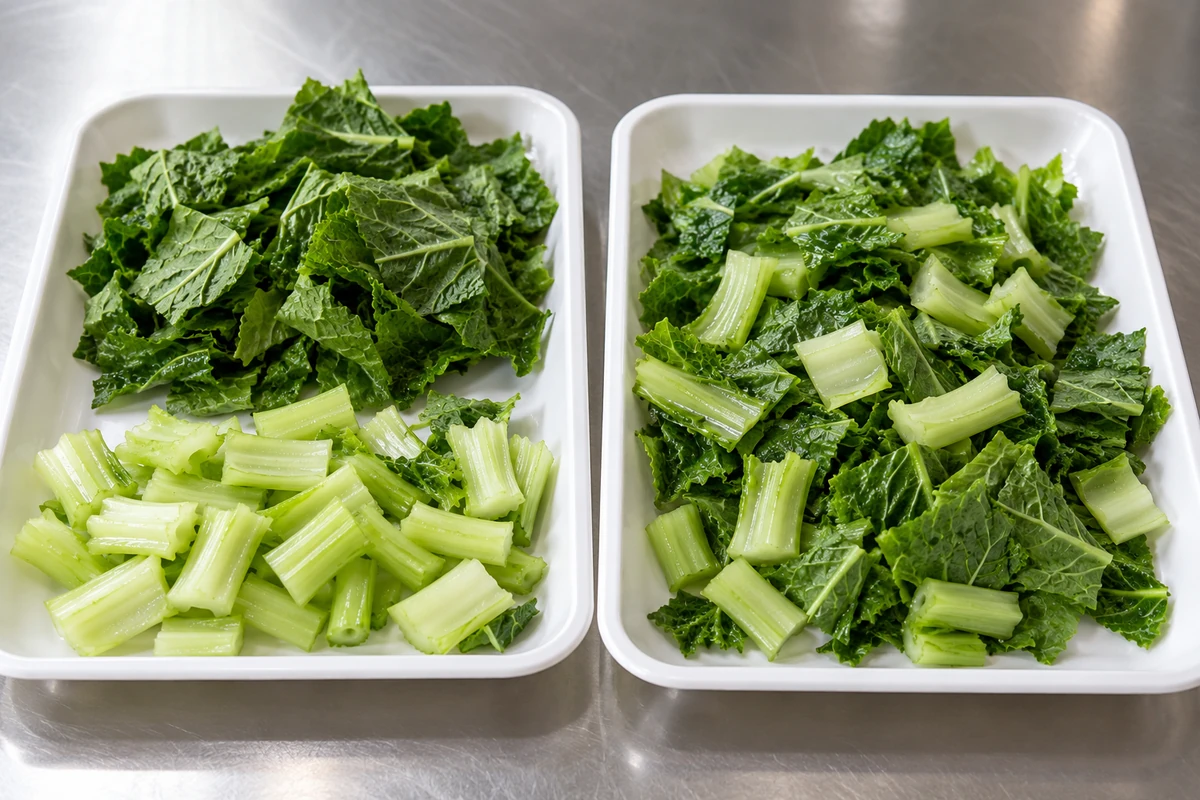
Leaf pieces and pale rib sections make the cut distribution visible.
For a quick side, define the rib thickness or stem distribution that the trial showed to be workable. For soup or braising, the accepted form may differ. Keep the sampling and measurement method with any limit so receiving can reproduce it. If a photograph supports the specification, retain a version that shows normal accepted variation rather than a selected handful of ideal pieces.
Packing should support the kitchen's batch size and handling route. Confirm inner-bag weight, separation behavior and the storage instruction for opened stock. A large bag can be efficient for a manufacturer using the whole pack, while a smaller operator may need a different format. Test the quoted pack, because a loose sample provided for development may not predict handling from a compact commercial bag.
Link the accepted sample to a lot and specification version. If the supplier changes the cut, maturity, process or source arrangement, agree how the change will be reviewed. A previous trial on a finer, lower-stem material does not automatically approve a coarser mix. Retaining the original method and result makes a focused comparison possible when the next sample arrives.
Review order documents against the destination and buyer program. Confirm the ingredient declaration, relevant test scope, traceability and available process evidence before promising a label claim or release requirement. General website descriptions provide commercial context, but the actual product and order records determine what can be supported. Any requested certificate should be checked for its facility, scope and validity.
At receipt, match the carton and inner pack to the approved item and review packaging condition and frozen storage evidence. Keep discrepancies visible. If the sample cooks differently, repeat the agreed method before deciding whether the cause lies in the ingredient or the kitchen process. Record the lot, preparation and result so the supplier can investigate a specific observation.
When asking GreenLand-food for a quote, send the cooked application, preferred leaf and stem balance, cut, pack size and expected quantity. Add the destination, shipment window, private-label needs and requested documents. We can use those inputs to discuss a suitable sample and the order details that need confirmation. The accepted pack and cooking method then give the kitchen a practical basis for producing the same mustard-green dish across repeat deliveries.
Source frozen mustard greens with GreenLand-food
GreenLand-food is a professional frozen mustard greens supplier and manufacturer in China, providing factory-direct wholesale supply for importers, food manufacturers, foodservice distributors and private-label programs.
Send your required product form, specification, packing, quantity, application, destination, private-label needs and requested documents. Include the accepted cooked result and preparation route so we can discuss the sample and order details that need confirmation.