


Vacuum-Fried Okra: A Crispness Gain Can Bring an Oil and Acceptance Tradeoff
Oct 09, 2026
Leave a message

Research This Article & Topic with AI
Verify key claims, compare reliable sources, and explore GreenLand-food's practical frozen food knowledge.
Article details and research questions are prepared in the links. Sign-in or sending may be required.

This question differs from cooking frozen okra for a meal or crisping a breaded product. It concerns a customer's vacuum-fried snack, whose requirements need to be defined before the frozen ingredient is approved for that route. Research can identify a tradeoff worth investigating, while leaving the customer's material and process open to qualification. Purchasing should therefore connect the offered okra to the intended trial and retain the basis of the finished measurements. An accepted frozen vegetable specification is an ingredient agreement; it does not automatically certify a fried snack, an additive treatment or a commercial shelf-life claim.
Identify the vacuum-fried product target
Identify the finished snack clearly. A whole-pod crisp, a sliced snack and a breaded meal component have different visible structures and eating targets. Specify which product the customer intends to develop and how it will be served or packaged. A vacuum-fried snack comparison should keep that identity throughout the trial. Otherwise the team may use a successful ordinary frozen-okra cooking result to approve a product whose texture, oil and acceptance requirements have never been evaluated in the relevant customer process.
Describe the desired bite in practical terms. The customer may seek a clean initial fracture, a light eating texture and a particular balance of pod wall and seed perception. Those are possible development requirements rather than universal attributes of every okra snack. Instrumental crispness can help characterize the selected product, but the development team should explain how its method relates to the target experience. An impressive reading becomes useful only when it supports the bite that the intended consumer is expected to enjoy.
Set an oil requirement with an appropriate analytical basis. Ask whether the report describes total fat, a surface-oil observation or another defined endpoint, and retain the method and sample state. A glossy photograph cannot establish fat content, while an analytical fat result does not describe every sensory impression of oiliness. The customer needs the measurements relevant to its product requirements and claims. Avoid assuming that a vacuum-frying label establishes a particular oil result; the actual ingredient and qualified route must be evaluated.
Define acceptance alongside texture and composition. A panel might prefer a snack with moderate crispness because of its taste, appearance or overall eating response, while another sample fractures more strongly under the instrument. Retain those attributes so the team understands the preference. The desired product should be described before ranking candidates. A route need not maximize every individual endpoint. It needs to meet the combination that the customer considers suitable for its intended snack and audience.

Qualify the whole-pod snack against the actual vegetable input form.
Consider a snack developer asking GreenLand why its crispest vacuum-fried okra trial was not the preferred finished product. This is an illustrative situation. We would clarify the supplied okra and the customer's complete process, then request the two reports or trial conditions and the basis for each result. The useful follow-up would include fat measurements, sensory attributes, calcium and freezing histories and the intended snack target. That discussion can identify an unresolved tradeoff without claiming that the scenario represents a past GreenLand customer or production test.
Keep ingredient and snack purchasing distinct. The GreenLand frozen okra supply page begins the discussion of the vegetable being offered. The confirmed specification and order describe that material. The customer and its technical partners establish the additive treatment, vacuum-frying route and finished-snack acceptance. A suitable raw ingredient may support development, while the complete snack still needs qualification. This separation keeps the RFQ accurate and directs each technical question to the party responsible for the relevant evidence.
Record the intended product's practical constraints early. Pod or cut dimensions, breakage tolerance, preparation yield and packing suitability may matter to how the customer handles the ingredient and presents the finished snack. The relevant requirements should come from the customer's application rather than a generic claim of premium okra. Purchasing can then request representative samples and agreed lot information. A specification that reflects the intended process is more useful than one chosen only from a product photograph or transferred from a different cooked-okra application.
The original trial showed a coupled tradeoff
The original vacuum-fried okra study evaluated calcium-chloride and freezing pretreatments within its snack process. As the treatments increased measured crispness, moisture and sensory ratings declined while fat content rose in the reported comparisons. Its route involved specified pretreatment and freezing conditions before vacuum frying. These findings describe a coupled quality tradeoff in that design; they are neither an additive-dose recommendation nor a guarantee for a customer's ordinary IQF okra and independently approved frying process.
That tradeoff changes the selection question. A customer who rewards only the greatest crispness value may choose a sample that misses its oil or eating target. The original result gives a reason to examine the endpoints together, while leaving the preferred customer route open. The team should compare each candidate against the finished requirements it agreed before testing. A change that improves one response is useful only if the resulting combination remains acceptable for the intended snack and its commercial concept.
Keep moisture and fat on their stated reporting bases. A laboratory result may be expressed relative to the tested sample mass, and a change in water can affect how a compositional percentage is interpreted. Ask the analyst to clarify the basis before comparing reports from different sample states or methods. This article does not supply a conversion for an unspecified product. The purchasing file should preserve enough detail for the customer's technical team to understand the relationship among moisture, fat and finished texture in the actual comparison.

The cutaway illustrates structure and oil location; it does not supply measured treatment values.
Retain sensory attributes rather than only an overall number. A lower acceptance response could reflect taste, appearance, texture or another feature of the finished snack. The team should investigate the actual observations without assuming which attribute caused the change. If the report offers only an overall score, request suitable follow-up descriptions. That information can guide the next development question, such as whether an instrumental improvement accompanies an unwanted eating sensation, while leaving unsupported explanations outside the ingredient approval.
Instrumental crispness depends on the defined measurement. Record the sample geometry, test approach and relevant state so the values can be interpreted consistently. Whole pods and slices should not be treated as comparable merely because both reports use the word crispness. The customer's chosen method should represent the product and purpose of the trial. If the method changes between candidates, the team may need a matched repeat before using the numbers to rank pretreatments or to request a different frozen ingredient specification.
A material photograph can support the observation but cannot establish the whole tradeoff. A fractured snack image may reveal its structure, while oil analysis and sensory evaluation answer separate questions. Use those records together rather than making the caption claim a fat level or preferred bite that the picture cannot show. This is especially relevant when development compares visually attractive samples: a brighter or more porous-looking crisp remains a candidate until the customer's relevant measurements and acceptance evidence establish whether it meets the intended target.
Compare each route using the actual okra input, pretreatment and freezing histories, customer process, texture, moisture, fat and sensory response. Missing results need follow-up; texture data for one candidate and a tasting note for another do not provide a complete ranking.
Do not isolate a cause the design did not establish
Record calcium and freezing histories as separate descriptions even when they appear in one route. A customer should know which treatment was used, which okra preparation stage it affected and what subsequent preparation occurred. The relevant technical team establishes permitted additive use and qualified processing controls. An ingredient supplier's general frozen-product description is insufficient to certify those customer treatments. Retaining the history allows the team to interpret the comparison without attributing every difference to an isolated factor that the design did not establish.
The word stronger needs a defined meaning. It might refer to an additive concentration, a freezing condition, a treatment duration or a combination described by the researcher. Avoid using it as a general operating recommendation. A customer can describe the actual route in its technical record, then assess the supported result. That wording keeps a published trend useful without encouraging the team to increase a treatment merely because the original paper associated it with greater measured crispness under its particular conditions.

Preserve the complete pretreatment and freezing comparison in the technical record.
Separate concept selection from causal investigation. A complete-route trial can help choose between feasible customer snack processes, even when several inputs differ. A question about calcium alone requires suitable control of the other contributors. A question about freezing alone needs its own appropriate design. The customer's qualified development team should decide which question matters and how to investigate it. Purchasing can support the work with an identified okra lot and consistent sample information, so an unnoticed raw-material substitution does not complicate the comparison further.
The research paper's experimental freezing route should remain distinct from ordinary commercial IQF identity. Both involve frozen material, but the history and subsequent handling can differ. A buyer should confirm the actual supplied okra and evaluate it in the intended customer process. The published result does not establish that every frozen pod will produce the same snack response. Naming the material and its preparation is the first step toward a useful application trial, because the final texture and composition belong to the route that was actually tested.
Peer studies of other fruits or vegetables provide questions rather than transferable answers. Calcium and freezing have been investigated in vacuum-fried salak and pumpkin, but their reported preferred points remain attached to those materials and designs. The customer should not use another matrix to prescribe an okra treatment or predict its fat content. The literature can suggest which endpoints deserve attention. The actual okra decision still needs representative input, approved controls and a finished evaluation relevant to the customer's chosen snack.
Avoid a single causal arrow from an ingredient treatment to preferred acceptance. A complete route changes material state, and the consumer experiences the resulting snack as a whole. The original okra work describes a set of observed responses but leaves further questions about perceived texture and structure. A customer can investigate those questions through its own technical design. Until the appropriate evidence is available, describe the outcome in terms of the tested route and retain the uncertainty about individual contributions. That is more useful than a precise-sounding mechanism unsupported by the comparison.
This boundary should appear in the approval wording. A statement that a specified trial met the customer's texture, fat and acceptance requirements can be traced to evidence. A statement that calcium or freezing always improves the snack cannot be supported by a limited formulation study. The first also identifies the relevant conditions for future review. If a treatment or input changes, the team can see which part of the application record needs reconsideration instead of treating an isolated ingredient name as a permanent guarantee of finished-product performance.
Evaluate the intended ingredient and approved process
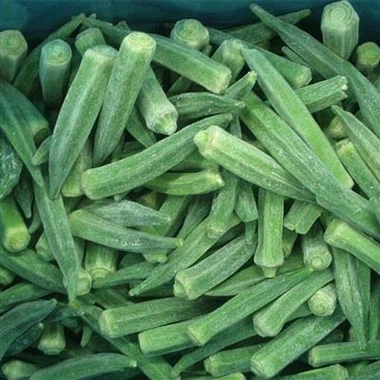
Confirm the offered okra form and specification against the customer's application.
Evaluate the okra form that the customer intends to purchase. Confirm whether it is whole or cut and retain the agreed dimensions, condition and preparation history relevant to the snack. The actual offer and lot specification should resolve those details. A supplier photograph helps identify the form, while the customer's application trial determines its suitability for the complete route. If the development sample differs from the proposed commercial material, document the difference and determine what further qualification is needed before volume approval.
Representative dimensions can be important to a meaningful texture comparison. A whole pod with a different wall thickness or a slice with another cut geometry may respond differently in a test, so the sample description should allow the customer to understand what was evaluated. The team should establish any dimension criteria and sampling method appropriate to the intended snack. Avoid inventing a numerical size limit from an unspecified application. Purchasing can request the confirmed requirement and provide material information that connects the sample to the order.

Pod shape and the intended customer route must be described before application approval.
Retain the incoming frozen condition and customer preparation. Record the handling that precedes the qualified snack process, including whether the material was thawed or otherwise prepared in the trial. The customer should use independently approved controls and retain their evidence. This record helps distinguish a raw-material change from a preparation change when the finished snack differs. It does not mean that a favorable crispness result approves cold-chain performance or food safety; those questions remain subject to their own agreed specifications and validation.
Additive decisions belong with qualified technical and market review. The original calcium treatment does not authorize a customer dose or demonstrate suitability in every destination. Ask the customer's relevant team to confirm the actual additive specification, intended use and approved controls. The article provides no treatment quantity or production setting. Its purpose is to keep that history visible in the comparison so the finished result can be interpreted and so the frozen ingredient supplier is not mistakenly treated as having approved a customer additive route.
The vacuum-frying process also requires independent qualification. A research schedule cannot establish the operating conditions for another equipment system, input load or finished target. The customer's competent team should determine and validate its process. During development, retain the actual route and relevant sampling states with each result. This gives the team a way to evaluate whether the intended okra produces an acceptable snack under the approved conditions. It also prevents a literature method from appearing in the article as ready-to-use instructions for commercial manufacture.
Assess the completed snack after the intended handling where that affects the acceptance question. A development sample tested immediately after processing may differ from the product the customer intends to pack and serve. The customer determines the necessary evaluation states and criteria. Record them with the texture, moisture, fat and sensory results. A positive initial trial can be valuable without establishing commercial storage life. The application file should identify which stages were evaluated and which remain open, so purchasing understands the actual scope of the ingredient approval.
If the crispest sample is less favored, request a matched set of evidence before changing the okra order. The relevant packet includes input identity, calcium and freezing histories, complete process context, sample state, analytical methods and sensory observations. We can review the supplied okra specification and sample facts while the customer investigates the finished route. The next action should address the unresolved requirement, such as an unexplained texture perception or an oil result on a different basis, rather than automatically intensifying treatment or assuming the ingredient has failed.
Approve the acceptable snack combination

Cut okra is a distinct supply form; the whole-pod snack needs a trial using the agreed whole-pod input.
Approve the combination that meets the complete snack requirements. The decision should name the supplied okra lot or agreed specification, customer preparation, qualified pretreatment and process revision, and finished evaluation. Retain texture, oil and acceptance evidence together so a future colleague can understand the choice. A candidate with a lower instrumental crispness value may still be the selected product if it meets the customer's desired bite and other criteria. The decision needs an application reason rather than an unexplained ranking of laboratory numbers.
Separate mandatory requirements from optional development preferences. The customer might have a specified fat criterion, a required eating texture and several acceptable appearance options. It should state which observations establish suitability and which improvements remain exploratory. This prevents the project from pursuing a maximum crispness value that has no commercial benefit or that moves another required endpoint outside the target. Purchasing can then align the ingredient request with the accepted concept instead of repeatedly changing specifications in response to one isolated result.

A suitable snack must meet the agreed texture, oil and sensory requirements together.
Retain the basis of sensory acceptance. Identify the audience or panel, the purpose of the evaluation and the relevant serving state. An internal group can reveal issues and help choose development candidates, but its observations should be described as such. A wider preference claim requires evidence appropriate to the intended market. The record should preserve what tasters experienced and why the team selected the route. That context is especially useful when an instrument ranking differs from the chosen product and purchasing needs to explain the decision.
Review cost against accepted finished output. The customer's own trial can provide usable ingredient consumption, preparation yield, process losses, packing suitability and relevant handling work. A route that appears attractive per kilogram of frozen okra may have a different cost once the accepted snack is produced. Conversely, an ingredient change should be justified by a demonstrated application benefit. The commercial comparison should use the same finished target for each option, while avoiding savings or yield promises that the original research never established for the customer's operation.
Define what changes require renewed application assessment. Another okra form, a dimension change, a different pretreatment or altered freezing and processing history may affect the supported result. The customer's development and quality teams should determine the relevant verification policy. Suppliers can help by communicating proposed ingredient changes early and retaining the agreed lot information. The existing record remains useful background, but approval applies to the combination the evidence supports. This keeps future purchasing decisions connected to the actual snack requirement and the trial that established suitability.
Avoid health, nutritional and commercial shelf-life guarantees from this comparison. A crispness gain does not establish a healthier snack, and a favorable oil result needs its own substantiated claim basis. A successful acceptance trial does not validate safety or storage life. GreenLand's confirmed offer concerns frozen okra, without implying supply of the customer's vacuum-fried snack. The finished manufacturer retains the independent approvals appropriate to its product and market. Precise boundaries allow the sourcing discussion to remain productive and the final ingredient description to remain accurate.
To assess the application with GreenLand, send the intended snack use and the two reports or trial conditions being compared, including their measurement bases. Explain the actual okra form, preparation, calcium and freezing history and approved process context. Include the required ingredient specification, packing, quantity, destination, private-label needs and requested documents. We can review the frozen okra request against confirmed supply information. The customer's final decision should retain the acceptable combination of bite, oil and sensory response, including the reason a crispness gain was useful or why it was outweighed by another finished requirement.
Discuss frozen okra for your application
GreenLand-food is a professional supplier and manufacturer in China offering factory-direct wholesale frozen okra supply. Send the required form, specification, packing, quantity, snack application and destination, with private-label needs and requested documents. Include the actual trial histories and comparison reports when application performance remains under review, so the ingredient request can be assessed against the confirmed supply information.