


What Goes Well with Banana? Flavor Pairings for Bakery, Smoothie and Dessert Products
Sep 23, 2026
Leave a message


Key Takeaways
- Use tart fruit or citrus to brighten banana's sweet, creamy profile.
- Use cocoa, coffee, caramel, vanilla and roasted nuts for richer dessert directions.
- Match spice to ripeness: cinnamon and cardamom support ripe banana without requiring many flavors.
- Frozen slices build cold thickness; thawed banana adds soft solids and released liquid.
- For commercial products, define banana form, dose, Brix, color, cut and pack before scaling pairings.
Why Banana Works with So Many Flavor Families
Ripe banana combines sweetness, a creamy mouthfeel and a recognizable fruity aroma. That profile can soften sharp berries, extend tropical fruit, round cocoa bitterness and carry warm spice. It also contributes physical body, so a pairing decision changes texture as well as flavor. A small amount may make a smoothie feel creamy without tasting strongly of banana; a larger amount can become the product's main identity.

Banana can connect bright fruit, roasted flavors, warm spices, dairy and nuts, but a product needs a clear direction.
Good pairings use either contrast or reinforcement. Raspberry, passion fruit, lime and yogurt add acid that keeps ripe banana from feeling heavy. Vanilla, caramel, maple and milk reinforce its soft sweetness. Coffee, cocoa and roasted nuts add bitterness and toast. Coconut, pineapple and mango extend the tropical direction. The product brief should choose which job the partner performs.
Ripeness changes the starting point. Firm yellow banana is lighter, less sweet and sometimes slightly starchy. Deeply freckled fruit is sweeter, softer and more aromatic. The same cocoa dose that balances a ripe puree may overwhelm a less mature banana. Color and browning also influence perception, especially in pale dairy or bakery products where customers expect a clean cream tone.
Begin development with one lead partner and one supporting note. A banana-strawberry smoothie may need only a little vanilla; a banana-chocolate cake may need salt or coffee to stop the profile becoming flat. Adding six attractive flavors at once makes it hard to identify the product. Small controlled trials reveal the pairing before cost and process are scaled.
Use a simple tasting matrix before scaling. Hold banana dose constant and compare three levels of one partner, then keep the best level and test one supporting note. Score banana identity, partner identity, sweetness, acidity, aroma, aftertaste, color and texture. This disciplined sequence produces more useful information than a large tasting in which every sample changes several ingredients.
For multi-site foodservice, convert the approved flavor into simple assembly controls. A smoothie might use one bag of frozen banana, one bag of berries and a measured line of yogurt; a bakery mix may use one thawed banana pack plus pre-weighed spice and chocolate. Pre-portioning reduces creative drift, but it must fit freezer space and service speed. Train staff on what to do when a pack is clumped, partly thawed or outside the approved appearance. The answer should be a hold or discard rule, not an improvised extra scoop that changes sweetness and texture.
Banana Pairings for Bread, Muffins, Cakes and Breakfast Bakery
Cinnamon is the most familiar bakery partner because its warm sweetness reinforces ripe banana without requiring more sugar. Cardamom adds a floral lift, nutmeg adds round warmth, and ginger adds a sharper edge. Use restrained levels first. A spice blend can quickly cover the fruit, especially when the banana dose is low or the fruit is not fully ripe.
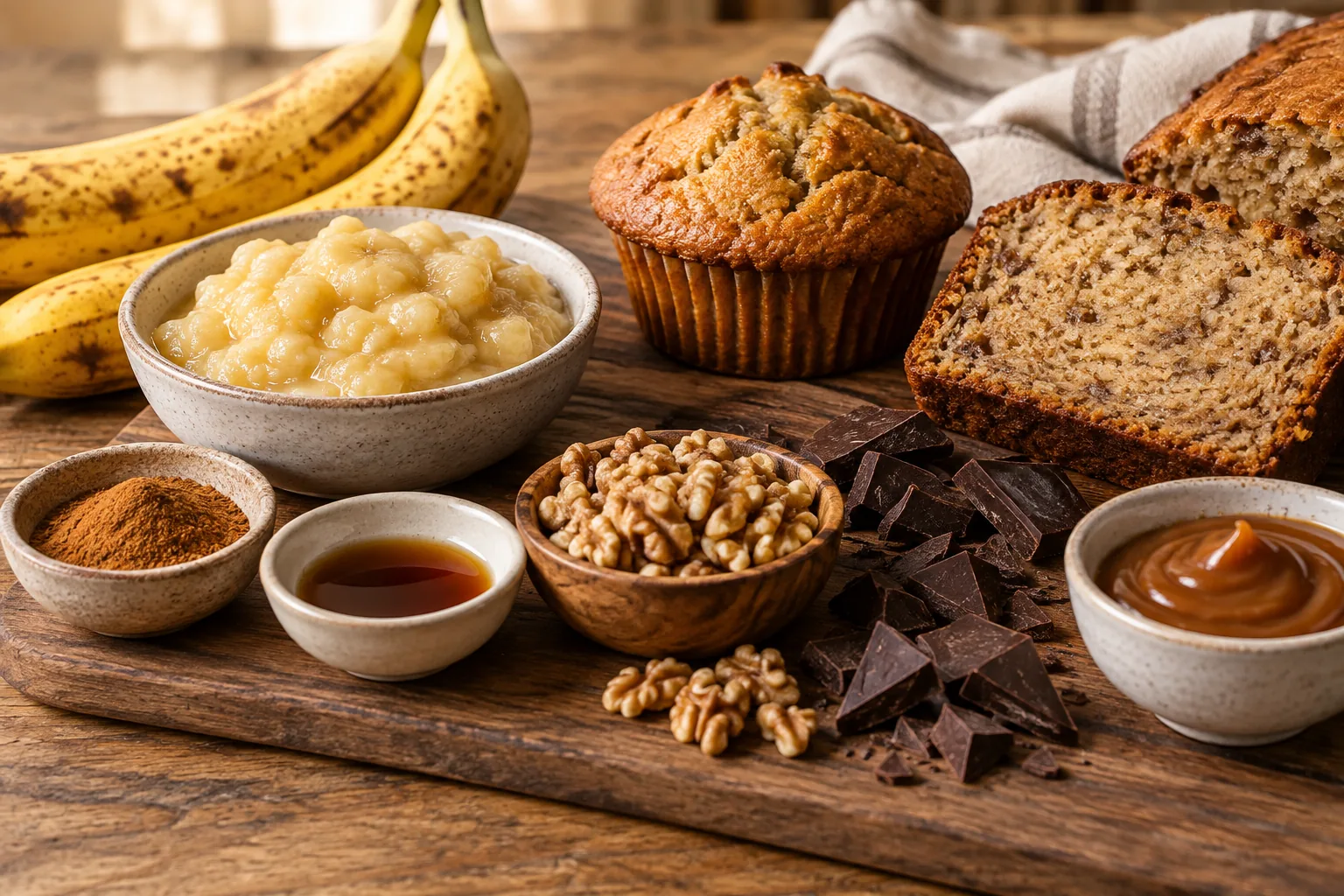
Warm spice, vanilla, nuts, chocolate and caramel can support banana in bakery, while the formula still controls sweetness and moisture.
Walnut and pecan bring toasted bitterness and crunch to soft banana crumb. Peanut or peanut butter creates a stronger, more distinctive profile that works in breakfast bars and filled products. Coconut can be used as milk, cream, flakes or toasted pieces; each form changes fat, moisture and texture. Nuts and dairy also introduce allergen and labeling decisions that belong in development from the beginning.
Dark chocolate contrasts with banana sweetness, while milk or white chocolate pushes the product toward a sweeter dessert. Cocoa powder changes batter solids and absorbs moisture, so it is not just a flavor addition. Caramel, brown sugar and maple reinforce cooked notes but can hide fruit if the total sweetness becomes too high. Coffee or a little salt can restore definition in a rich formula.
For frozen banana input, thaw before mixing into most batters and decide whether released liquid stays in the formula. The soft fruit disperses readily, which may create a smoother crumb than chunky fresh mash. Hold flour, sugar and other liquid constant during the first comparison. Then adjust only after measuring batter viscosity, baked yield, color, aroma and moisture.
Test at the temperature customers experience. Cold suppresses aroma and sweetness, so a frozen smoothie may need a different balance from a room-temperature cake. A warm pastry releases spice and caramel notes quickly. A plated frozen dessert changes as it melts. Evaluate the beginning, middle and end of service rather than approving only the first spoonful.
Review the pairing with the target customer and occasion in mind. A breakfast product may need restrained sweetness, visible oats and a clean banana note. A dessert shake can support chocolate, caramel and a thicker texture. A children's product may prioritize familiar fruit and simple labeling, while a premium plated dessert can use coffee, dark chocolate and acid contrast. The ingredient list can be similar, yet the ratios and presentation should not be identical. Write the occasion into the product brief so development decisions have a reference beyond personal preference. Keep that direction visible during supplier sample reviews and scale-up trials.
Banana Pairings for Smoothies and Spoonable Bowls
Strawberry and banana is a dependable pairing because strawberry contributes acid, red color and a brighter top note while banana provides body. Raspberry and blackcurrant are sharper and can dominate at lower doses. Blueberry is softer and may need lemon, yogurt or another acid to keep the blend lively. Measure fruit ratios by weight so seasonal sweetness does not turn every adjustment into guesswork.

Berry, tropical and cocoa-nut combinations use banana differently, so each needs its own fruit-to-liquid balance.
Mango and banana create a full, sweet tropical base. Pineapple, passion fruit, orange or lime adds the acidity that prevents it from becoming heavy. Coconut milk extends the tropical direction and increases richness, while coconut water keeps the drink lighter. When several sweet fruits appear together, reduce added juice or syrup before blaming the banana.
Peanut butter, cocoa, coffee, oats and yogurt create breakfast or protein-oriented profiles. Banana softens cocoa bitterness and adds perceived sweetness; coffee can make the drink feel less confectionery. Oats and nut butter also thicken, so the blender may require more liquid even when the banana dose stays constant. Protein powders can mute fruit aroma and add chalkiness, which may call for a brighter fruit or spice note.
Use frozen banana directly from frozen for maximum cold thickness and less ice dilution. Smaller slices blend faster than large chunks and put less load on equipment. A spoonable bowl needs less liquid than a drinkable smoothie. Record frozen banana grams, other frozen fruit grams, liquid, blend time and finished serving temperature; those controls make texture reproducible across staff and locations.
Account for processing loss. Baking drives off volatile aroma, high-shear blending can warm a smoothie, and extended frozen storage can dull bright fruit notes. A flavor that seems strong in raw batter may be balanced after baking; a delicate citrus note may disappear. Trial the complete process, package and intended shelf or hold time before fixing the final dose.
Banana Pairings for Ice Cream, Pastry and Plated Desserts
Vanilla and dairy let banana remain recognizable while building a custard, cream or ice-cream profile. Salted caramel creates a banoffee direction; dark caramel brings bitterness that controls sweetness. Chocolate can appear as sauce, mousse, sponge or crisp garnish, and each placement changes when the flavor is perceived. A plated dessert benefits from contrast in both taste and texture.

Chocolate, caramel, vanilla cream, nuts and coffee create distinct dessert directions around banana's soft sweetness.
Coffee, rum-style notes, toasted hazelnut and pecan push banana toward a mature, roasted profile. Citrus zest or a tart passion fruit sauce can cut through that richness. Fresh berries provide color and acid, though their water release must be managed in pastry layers. The pairing should survive the entire bite, not only look attractive as separate components.
Frozen banana can be blended into a dense ice-cream-like base because ice and fruit solids provide body. That base melts differently from dairy ice cream and may brown as it warms. In pastry creams or mousses, a thawed puree may thin the system and contribute active enzymes or acid. Test set, freeze-thaw stability and color over the intended service period.
For plated service, define the banana form: fresh slice, caramelized fruit, puree, frozen cream, sponge component or sauce. A fresh garnish and a thawed frozen piece are not visually equivalent. Use frozen banana where its soft texture supports the component, and use fresh fruit when a clean slice or table-side appearance is essential.
The most successful banana pairing is not the longest list of compatible ingredients. It is a clear sensory direction supported by a banana form that production can measure. When flavor, texture, pack size and dosing are designed together, frozen banana becomes a controllable ingredient rather than an improvisation that changes with every batch.
Balancing Banana with Acid, Spice, Nuts and Texture
Acid is often the missing partner in banana products. Lemon and lime provide direct brightness; yogurt and cultured dairy add a softer tang; berries and passion fruit contribute both acid and their own aroma. Add enough to lift the finish without making the banana seem underripe. In dairy systems, acid must also be checked for protein stability rather than judged on taste alone.

A test kitchen can compare fruit acids, cocoa, nuts and spice at controlled doses instead of building pairings by intuition alone.
Spice works best when its purpose is clear. Cinnamon makes banana feel familiar and baked, cardamom makes it floral, nutmeg adds warmth, ginger adds energy and chili can create a deliberate contrast. Ground spice strength changes with age and supplier, so specify the ingredient and dose. Extracts and natural flavors behave differently during baking, freezing and storage.
Nuts add roast and texture but can soften as they absorb moisture. Toasting increases aroma, while piece size controls crunch distribution. Peanut is assertive; walnut and pecan are classic; almond and hazelnut can feel more confectionery. Seed butters may support an allergen strategy, but their flavor and fat profile need their own trial rather than being treated as neutral replacements.
Texture partners keep a banana dessert from becoming uniformly soft. Crisp wafers, toasted oats, cacao nibs, brittle, roasted nuts and crumb toppings create contrast. Protect them from banana moisture until service when crispness matters. In a packaged product, run the complete shelf-life test because a component that is crisp on day one may be leathery after a week beside moist fruit.
Translate the sensory direction into a formula guardrail. State the intended banana intensity, sweetness range, acidity impression, color and texture, then identify which raw-material variables are allowed to move. If strawberry acidity changes by season, the development team may adjust strawberry or acid while holding banana constant. If banana Brix changes, a sweetness adjustment may be needed without altering cocoa or spice. Guardrails keep a pairing recognizable while allowing controlled correction, and they prevent every production variation from becoming a completely new product-development exercise.
Banana pairing directions by application
| Application | Useful partners | What they contribute | Frozen banana note |
|---|---|---|---|
| Bakery | Cinnamon, walnut, chocolate, caramel, vanilla | Warmth, roast, richness and aroma | Thaw first and control released liquid |
| Smoothie | Berries, mango, pineapple, yogurt, peanut, cocoa | Acid, color, tropical fruit, protein or dessert depth | Use slices or chunks frozen for thickness |
| Dessert | Coffee, dark chocolate, caramel, dairy, nuts, passion fruit | Bitterness, creaminess, texture and contrast | Use puree or blended frozen base; avoid thawed garnish |
| Breakfast product | Oats, maple, cinnamon, yogurt, nut butter | Satiety cues, warmth and body | Dose by weight and account for other thickeners |
How Frozen Banana Form Changes Texture and Dosing
Frozen slices and chunks act as both fruit and cooling mass in a smoothie. They thicken the blend and reduce reliance on ice, which protects flavor from dilution. Slice size changes blender load and blend time. A free-flowing product supports scoop or weight portioning, while a clumped block forces tempering and makes accurate service difficult.

Frozen slices, chunks, thawed fruit and puree have different flow, blend load, drip and portion behavior.
After thawing, banana becomes very soft and releases liquid because ice crystals disrupt cell walls. That texture is useful for bread, muffins, sauces and puree but poor for a fresh-looking garnish. Decide whether to retain the liquid before approving the formula. Keeping it preserves soluble solids and yield; draining it concentrates the mash and changes moisture.
Puree offers the most uniform dosing but may differ in Brix, viscosity and added ingredients. Whole peeled fruit provides visual flexibility but requires more handling. Slices provide countable appearance and quick blending. Chunks may balance production efficiency and equipment needs. The right form is the one that reaches the target texture with the least unplanned labor and waste.
Dose frozen material by weight. Volume cups trap variable air between hard pieces, and frost or clumping creates false readings. For a multi-site beverage, pre-portioned bags improve consistency. For a central bakery, defined thawed kilograms per mixer batch may be better. In both cases, record product temperature and liquid treatment so the pairing tastes the same from the first run to the last.
Packaging and service can alter the pairing after the formula leaves the mixer. A transparent smoothie bottle exposes browning; a sealed opaque cup hides color but may retain aroma differently. Bakery products lose moisture through a weak film, making nuts feel harder and banana aroma quieter. Frozen desserts can collect surface ice that dulls flavor. Evaluate the pair in the proposed package, distribution temperature and display time. Include reheating or final blending instructions when those steps release aroma or restore texture. A pairing approved only in a fresh laboratory sample has not yet been approved for the customer experience.
Commercial Formulation and Buyer Checks for Frozen Banana
Start a commercial pairing brief with the product promise: bright fruit smoothie, indulgent chocolate dessert, warm-spiced bakery or neutral creamy base. State the role of banana and the desired intensity of its partner. This prevents purchasing from substituting a more mature, darker or differently cut banana that technically meets a generic name but changes the finished profile.
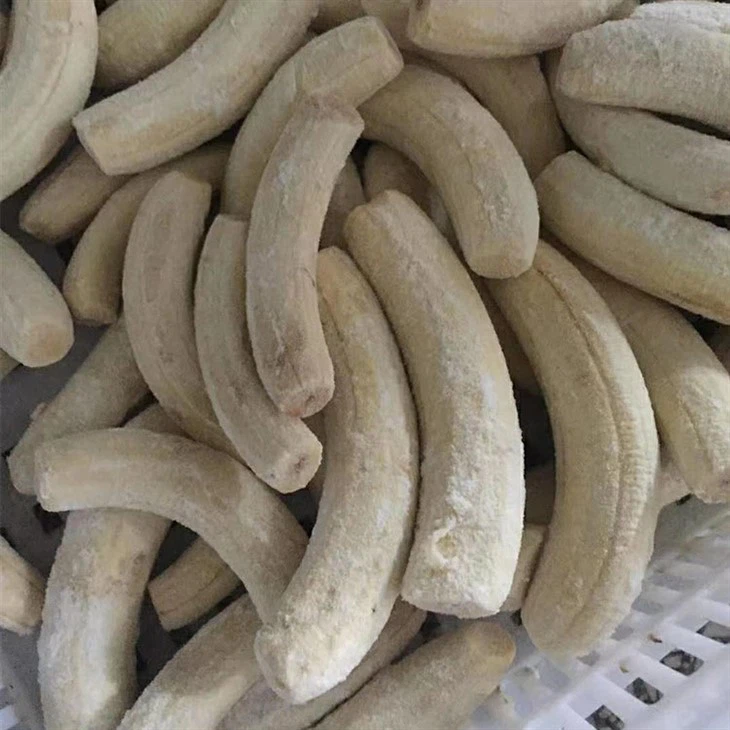
A real frozen banana product view supports discussion of color, cut, maturity, packing and suitability for the intended pairing.
Useful frozen banana specifications include form, cultivar or origin where relevant, maturity direction, Brix, color, cut dimensions, broken-piece tolerance, browning control or treatment declaration, free-flowing condition, net weight, pack size, storage temperature, microbiological limits and documents. A sample should be reviewed frozen, after the planned thaw or blend, and in the final application.
Packaging should match throughput. Small foodservice bags make direct-to-blender dosing easier; larger cartons may suit a factory that uses a complete inner pack. Calculate daily usage and opened-pack handling before choosing solely by price per kilogram. Include destination, shipment size, private-label needs and cold-storage capacity in the RFQ.
At GreenLand-food, we confirm frozen banana form and packing against bakery, beverage, dessert and foodservice applications. The supplier can help establish a consistent starting ingredient, but the buyer must validate the finished pairing. Approve a formula with measured banana and partner doses, then protect it with receiving, storage and preparation controls that staff can actually follow.
Cost and label complexity deserve the same early attention as taste. Nuts, dairy and peanut introduce allergen controls; chocolate, caramel and flavor preparations add ingredient declarations and supplier dependencies. Tropical fruit partners may change color, acidity and seasonal cost. Build a simple cost-per-serving model for the leading concepts and check whether the proposed pack sizes create leftovers. The strongest commercial pairing is one that the business can source, label, produce and serve consistently, not merely the most exciting spoonful in the first tasting.
Retain a simple approved reference for every launched pairing: formula weights, ingredient specifications, process, serving temperature, package and a short sensory description. When a customer reports that banana is too strong, too weak or too sweet, the team can compare a real production sample with that reference instead of debating memory. The same record helps suppliers understand whether a concern comes from the banana material, the partner ingredient or the way the product was prepared.
Frequently Asked Questions
What fruit goes best with banana in a smoothie?
Strawberry, raspberry, blueberry, mango, pineapple, passion fruit and citrus all work. Choose tart fruit when the banana base is very ripe or sweet.
What flavors go well with banana in baking?
Cinnamon, vanilla, walnut, pecan, chocolate, caramel, maple, cardamom and nutmeg are dependable directions. Keep sweetness and moisture balanced.
Does frozen banana change flavor pairings?
It changes texture and temperature most clearly. Direct-from-frozen pieces thicken smoothies; thawed fruit becomes soft and releases liquid for batters, sauces and puree.
How should a manufacturer choose a frozen banana form?
Match slices, chunks, whole peeled fruit or puree to equipment, dose, thaw method and final texture, then validate Brix, color, pack and cold-chain requirements.
Discuss Frozen Banana Supply with GreenLand-food
GreenLand-food is a professional frozen banana supplier and manufacturer in China, providing factory-direct wholesale supply for importers, manufacturers, distributors and foodservice programs.
Send your required form, specification, quantity, pack size, destination, application, private-label needs and documents so we can review a suitable supply plan.