IQF Frozen Blackcurrants for Juice, Jam & Food Processing
video

IQF Frozen Blackcurrants for Juice, Jam & Food Processing

GreenLand-food supplies IQF frozen black currants and whole frozen blackcurrants for global importers, distributors, juice manufacturers, jam producers, puree factories, yogurt producers, ice cream manufacturers, bakery factories, fruit preparation factories, retail frozen brands, and private label customers. We prepare frozen blackcurrants through raw material selection, destemming, sorting, IQF freezing, inspection, metal detection, packing, frozen storage, and export loading. We help buyers confirm berry size, Brix direction, grade, natural dark purple to black color, stem and leaf residue control, red berry control, crushed berry tolerance, packing format, COA, and cold-chain shipment before the order moves forward.

Description

Technical Parameters

Whole IQF Blackcurrant Supply for Juice, Jam, Dairy and Industrial Processing

IQF Frozen Blackcurrants for Juice, Jam & Food Processing

GreenLand supplies IQF frozen blackcurrants for importers, juice and beverage manufacturers, jam producers, fruit-preparation factories, yogurt and dairy processors, bakery manufacturers, foodservice distributors and frozen-fruit programs.

Our standard commercial product is whole IQF blackcurrant, Ribes nigrum. Orders can be reviewed by berry size, Brix, maturity, dark purple-to-black color, grade, stem and leaf residue, crushed-fruit tolerance, packing and required batch documentation.

Common commercial size references include 7-12 mm, 8-14 mm and 12 mm+. Brix varies naturally by variety, maturity and crop, with 7-13°Bx used as a reference range where supported by the current batch. Final requirements are confirmed through the approved specification and COA.

Whole IQF Blackcurrants 7-12 / 8-14 / 12 mm+ Brix by Crop & Batch A / B / Processing Grade Bulk / Foodservice / Retail -18°C or Below
IQF frozen blackcurrants for juice jam and food processing

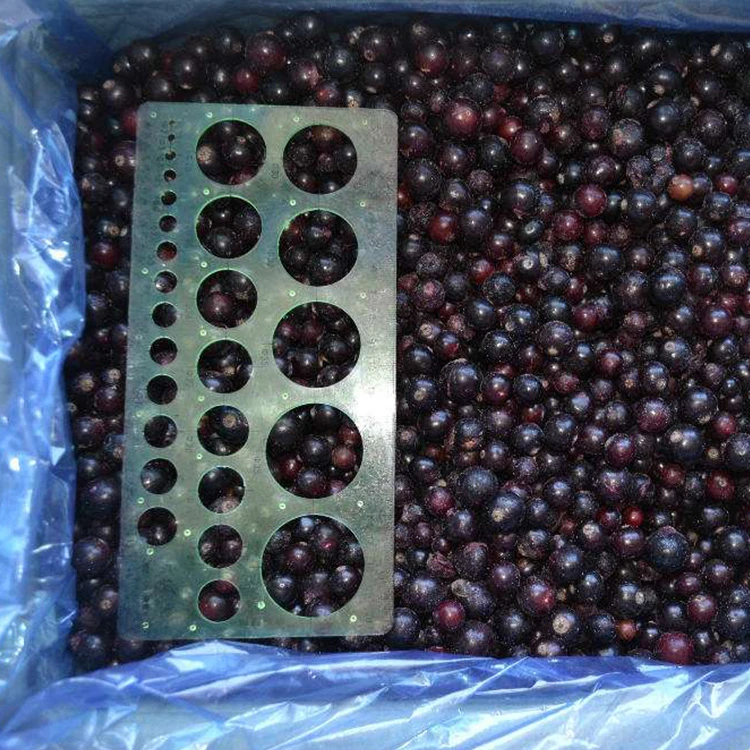
Whole IQF blackcurrant sample for reviewing berry size, mature color, stem residue and frozen condition.

Blackcurrant Size, Brix & Grade Options

IQF blackcurrant purchasing should start with the final application. Berry size and visual grade matter more for retail or visible toppings, while Brix, acidity, color and processing yield may be more important for juice, jam, puree and fruit-preparation manufacturers.

7-12 mm

A common whole-berry size reference for food processing, dairy applications, fruit preparations and frozen berry blends.

8-14 mm

A broader calibrated grade that can suit foodservice, retail, dairy, bakery and general commercial programs.

12 mm+

Larger berries can be reviewed for visible applications where berry appearance and size are commercially important.

Brix

7-13°Bx can be used as a crop-dependent commercial reference. The final value should be confirmed against the actual production batch and agreed test method.

A Grade

For applications where whole-berry appearance, mature color and lower visible-defect tolerance are important.

B Grade

For dairy, bakery, fruit preparation, smoothie, foodservice and blended programs with more flexible visual requirements.

Jam / Processing Grade

For juice, jam, puree, sauce and industrial processing where color, Brix, acidity and usable processing yield can outweigh perfect whole-berry appearance.

IQF Frozen Blackcurrant Product Photos

Bulk IQF frozen blackcurrants

Bulk sample for reviewing whole-berry condition, mature color and visible plant residues.

IQF whole blackcurrants for food processing

Whole IQF berries can be assessed for size distribution, color, crushing and frozen separation.

Frozen blackcurrants 7-12mm size grade

Size-graded product can be supplied according to crop availability and approved commercial specification.

Commercial IQF Frozen Blackcurrant Specification

The table below is a commercial RFQ baseline. Binding specifications should be confirmed against the selected crop, supplying facility, approved sample, destination market and signed sales specification.

Product IQF Frozen Blackcurrants / Frozen Black Currants
Botanical Name Ribes nigrum
Ingredient 100% blackcurrants for the standard unsweetened product
Product Form Whole berry, IQF frozen
Origin Liaoning, China, or other confirmed China sourcing area according to crop and quotation
Crop Season Main commercial crop around July-August, subject to origin and annual harvest condition
Size 7-12 mm, 8-14 mm, 12 mm+ or order-specific grading subject to crop availability
Color Natural dark purple to black mature blackcurrant color
Flavor & Odor Typical tart-sweet blackcurrant flavor and aroma; free from abnormal, moldy or fermented odor
Brix 7-13°Bx commercial reference, with final value confirmed by crop batch and COA where required
Grade A Grade / B Grade / Jam Grade / Processing Grade according to application and approved batch
Berry Integrity Whole, crushed and broken-fruit tolerances defined according to selected commercial grade
Stem / Leaf Residue Controlled through destemming, sorting and finished-product inspection
Defect Control Red or underripe berries, overripe fruit, crushed fruit, mold, decay, plant material, insect damage and abnormal berries controlled by specification
IQF Condition Free-flowing frozen berries with clumping and excess loose surface ice controlled according to the order specification
Foreign Material Controlled through raw-material sorting, cleaning, inspection and applicable detection procedures
Processing Selection, destemming, sorting, cleaning, draining, grading, IQF freezing, frozen inspection, metal detection, packing and frozen storage
Bulk Packing 10 kg/carton is a common bulk format; other commercial carton formats available by order
Foodservice Packing 1 kg, 500 g or other agreed foodservice formats according to program
Retail Packing 500 g, 1 kg or private-label format according to MOQ and market requirement
MOQ Approximately 10-12 MT reference quantity, subject to pack and mixed-container plan
Storage Keep continuously frozen at -18°C or below
Shelf Life 24 months under proper frozen storage, subject to final specification
Documents Specification, batch COA and agreed laboratory / shipment documents according to order

Product Video

Whole blackcurrants. We confirm the final cut, processing method and packing against your order specification.

Watch on YouTube

Blackcurrant-Specific Quality Control

Blackcurrant quality is not defined by Brix alone. Buyers should also confirm maturity, berry size, dark color, stem and leaf residue, broken-fruit tolerance, off-odor, frozen separation and foreign-material controls.

Maturity & Color

Mature berries should show the expected dark purple-to-black color. Excess underripe red or green fruit can affect flavor, acidity and appearance.

Stem & Leaf Residue

Destemming and sorting are important because fruit stalks, stems, leaves and plant fragments can remain with small berries if not properly removed.

Crushed & Broken Berries

Berry integrity is affected by maturity, handling, freezing and packing. The permitted broken-fruit rate should match the intended application.

Brix & Processing Value

Juice, jam and fruit-preparation buyers can include Brix testing in the batch specification rather than relying only on a general crop average.

Clumping & Surface Ice

Drainage, IQF freezing and temperature stability affect free-flowing condition, loose ice and handling performance after delivery.

Foreign Material

Sorting, cleaning, inspection and validated detection procedures are used to reduce plant debris, soil, stones, metal and other extraneous material.

Applications for IQF Frozen Blackcurrants

Juice & Beverage Processing

Brix, acidity, mature color and processing yield are key selection points for juice, beverage bases and fruit drinks.

Jam & Puree

Processing grades can be selected according to Brix, color, acidity, defect tolerance and final cooking or pulping process.

Yogurt & Dairy

Whole berries or blackcurrant fruit preparations can be used for yogurt, dairy desserts, ice cream and cultured dairy applications.

Bakery & Dessert

Suitable grades can be reviewed for bakery fillings, toppings, cakes, desserts and fruit-containing preparations.

Retail Frozen Packs

Retail programs require greater attention to berry appearance, size consistency, frozen separation, label and packing presentation.

Frozen Berry Blends

Blackcurrants can be combined with other compatible frozen berries according to formula, size, grade and packing requirements.

Applications & Quality Requirements

We match IQF Frozen Blackcurrants for Juice, Jam & Food Processing to your processing or packing line. Product form to confirm: Whole berry, IQF frozen. Tell us the intended use and target texture so we can review the relevant size, grade, preparation and packing requirements before quotation.

IQF Frozen Blackcurrants for Juice, Jam & Food Processing applications and quality requirements: Beverage Base Processing, Jam & Fruit Spreads, Dairy fruit preparations, Cooked sauces and chutneys, Food Powder Processing, Dried Fruit Ingredient Processing
Application illustrations. Product form, preparation and suitability follow the confirmed specification. Open the overview to inspect the image.
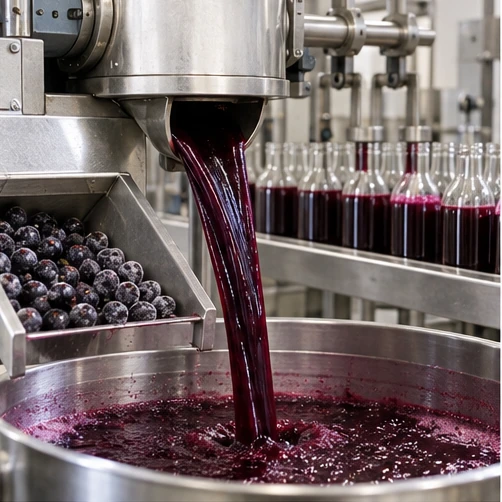
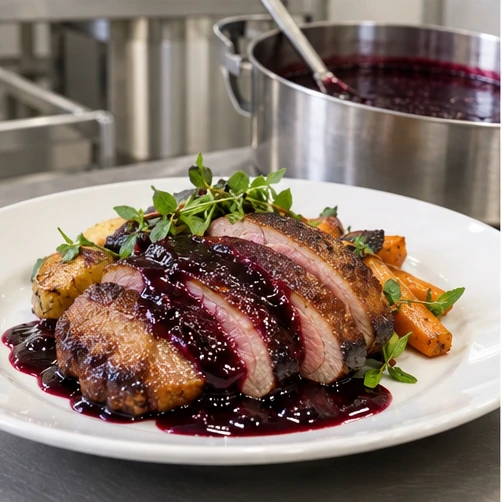
Beverage Base Processing application illustration for Frozen Blackcurrant

Beverage Base Processing

For: Juice processors and beverage ingredient manufacturers

Form: whole

We review whole for your beverage base processing programme. Confirm Brix-acidity balance, inedible-part removal and pressing or finisher behavior. Buyer must extract/filter as appropriate and validate beverage heat treatment or equivalent safety process.

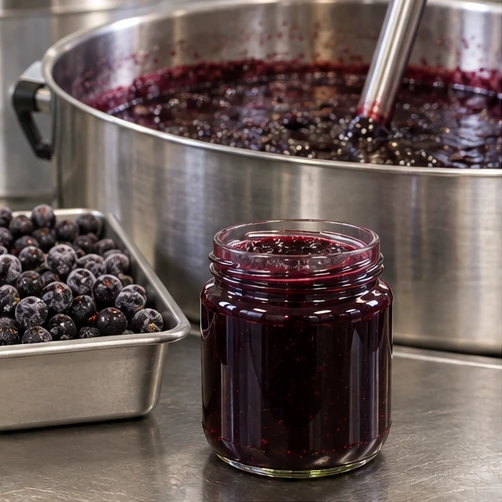
Jam & Fruit Spreads application illustration for Frozen Blackcurrant

Jam & Fruit Spreads

For: Preserve and fruit preparation manufacturers

Form: whole

We review whole for your jam & fruit spreads programme. Confirm Brix-acidity balance, seed or stem control and cooked gel behavior. Pulp or size-reduce as required; validate cooking, gel formulation and filling controls.

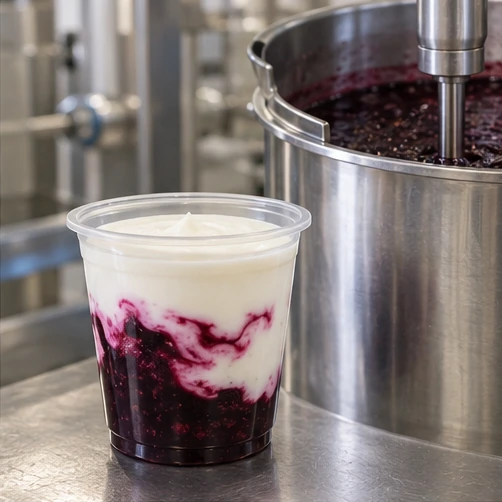
Dairy fruit preparations application illustration for Frozen Blackcurrant

Dairy fruit preparations

For: Fruit preparation and dairy purchasing teams

Form: whole

We review whole for your dairy fruit preparations programme. Confirm particle size, color bleed and prepared-fruit texture. Prepare and validate the fruit component before dairy addition; check acidity, enzyme activity and microbiological suitability.

Cooked sauces and chutneys application illustration for Frozen Blackcurrant

Cooked sauces and chutneys

For: Sauce manufacturers and central kitchens

Form: whole

We review whole for your cooked sauces and chutneys programme. Confirm acidity balance, retained-piece texture and cooked reduction yield. Pulp or chop as needed; validate cooking, acidity balance and final packing process.

Food Powder Processing application illustration for Frozen Blackcurrant

Food Powder Processing

For: Qualified fruit drying and milling processors

Form: whole

We review whole for your food powder processing programme. Confirm drying-feed solids, skin or seed fraction and conversion color. Processor acceptance of GreenLand frozen input is unknown. Buyer qualifies intake and drying/milling or juice-drying route; whole fruit supply is not finished powder supply.

Dried Fruit Ingredient Processing application illustration for Frozen Blackcurrant

Dried Fruit Ingredient Processing

For: Qualified fruit infusion and dehydration processors

Form: whole

We review whole for your dried fruit ingredient processing programme. Confirm skin integrity, infusion response and dehydration consistency. Frozen input acceptance is unknown for the target processor; buyer validates optional infusion, dehydration, final water activity and safety controls.

Match the Application with the Purchasing Specification

ApplicationSelected formQuality points to confirm
Beverage Base ProcessingwholeBrix-acidity balance, inedible-part removal and pressing or finisher behavior
Jam & Fruit SpreadswholeBrix-acidity balance, seed or stem control and cooked gel behavior
Dairy fruit preparationswholeparticle size, color bleed and prepared-fruit texture
Cooked sauces and chutneyswholeacidity balance, retained-piece texture and cooked reduction yield
Food Powder Processingwholedrying-feed solids, skin or seed fraction and conversion color
Dried Fruit Ingredient Processingwholeskin integrity, infusion response and dehydration consistency

Quality, Packing & Export Support

We connect the agreed product specification with packing, lot identity, applicable quality documents and frozen delivery planning. Review our quality control system, traceability support and factory audit and inspection support with your sourcing requirements.

Send us the product, required form, final application, key quality requirements, packing, quantity and destination market. We will review the supply programme and confirm the order specification with your team.

Discuss Your Application & Specification

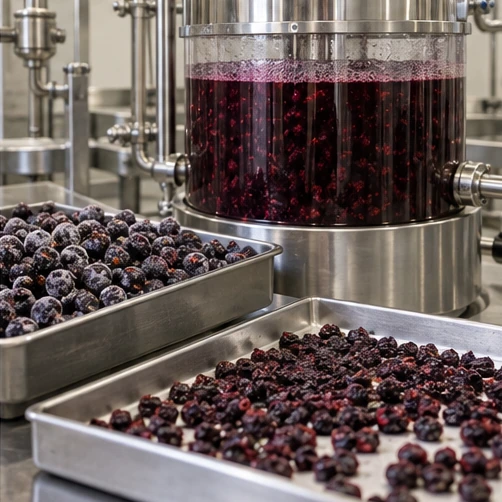
IQF Blackcurrant Processing Flow

We prepare IQF Frozen Blackcurrants for Juice, Jam & Food Processing to the agreed product form, pretreatment, grade and packing specification. The diagram shows a typical production process; we confirm preparation and step order for your order.

IQF Whole Blackcurrant Production Process; twelve typical production and handling stages, with captioned site references and clearly marked process illustrations.
Typical process flow. Final processing and step order follow the confirmed specification. Site photos show the captioned subjects and may illustrate a representative form; process illustrations show typical operations. Storage and loading photos are generic frozen-food references.

Production and handling stages

  1. Raw Material InspectionWe check identity, condition and the agreed raw-material criteria.
  2. Initial SortingWe remove visible defects and unsuitable material.
  3. WashingWe follow the confirmed cleaning and water-control route.
  4. Stalk RemovalWe prepare whole fruit or whole pieces and remove the specified inedible parts.
  5. Size & Form GradingWe match size and form to the approved specification.
  6. DrainingWe remove excess surface water before freezing.
  7. IQF FreezingWe quick freeze prepared pieces and review separation.
  8. Frozen Product InspectionWe review the agreed defects, form, separation and frozen condition.
  9. Weighing, Packing & Metal ControlWe check net weight, pack integrity and agreed metal controls.
  10. Batch Review & ReleaseWe match lot identity and records to the agreed release checks.
  11. Frozen StorageWe maintain the agreed frozen-storage conditions and lot identity.
  12. Reefer LoadingWe review cartons, lot records and refrigerated shipment arrangements.

IQF Blackcurrant Processing Flow

1. Receiving

Review crop lot, maturity, color, odor and raw-material condition.

2. Destemming

Remove fruit stalks and larger stem material before final grading.

3. Sorting

Remove underripe, overripe, damaged fruit and visible plant material.

4. Cleaning

Clean under the producing site's validated sanitation and water-control program.

5. Draining & Grading

Reduce excess surface water and grade berries according to order specification.

6. IQF Freezing

Freeze rapidly to support individually frozen berry condition.

7. Frozen Inspection

Review berry color, integrity, plant residue, clumps, ice and visible defects.

8. Detection & Packing

Apply applicable detection checks and confirm weight, seal, label and lot code.

9. Frozen Storage

Store finished product at -18°C or below before reefer loading.

Intended use: Standard IQF blackcurrants should be treated according to the buyer's processing instructions and destination-market requirements. Ready-to-eat status should only be used when specifically validated for the product and supplying facility.

Bulk, Foodservice & Private-Label Packing

Packing is selected according to grade, berry size, buyer handling method, retail or industrial channel, destination requirements and loading plan.

Bulk

10 kg or 20 kg commercial formats can be reviewed for industrial processors and distributors.

Foodservice

1 kg, 500 g or customized commercial inner packs according to program.

Retail

500 g, 1 kg and other consumer formats subject to MOQ and packing capability.

Private Label

Artwork, barcode, label language, carton mark and market requirements are reviewed before production.

IQF frozen blackcurrant product sample

COA, Export Documents & Cold-Chain Shipment

Document and certification availability should be confirmed against the actual producing facility, product scope, destination market and order. We do not treat one generic certificate list as automatically applicable to every blackcurrant shipment.

Quality & Batch Documents

  • Product specification
  • Batch COA where required
  • Brix result when included in the order
  • Microbiological report when required
  • Pesticide-residue report when required
  • Heavy-metal report when required
  • Batch traceability information

Shipment Support

  • Commercial invoice and packing list
  • Certificate of origin
  • Health or destination documents where applicable
  • Loading photographs when agreed
  • Third-party inspection support by agreement
  • Reefer shipment and loading records
Storage
-18°C or below
20 ft Reefer
Approx. 10-12 MT depending on pack
40 ft Reefer
Approx. 20-24 MT depending on pack and pallet plan
Mixed Loading
Subject to quantity, packing and product compatibility

Why Source IQF Blackcurrants through GreenLand

Clear Size Grades

7-12 mm, 8-14 mm and 12 mm+ can be reviewed instead of relying on a generic whole-berry description.

Brix by Batch

Processing buyers can include Brix confirmation in the commercial specification and COA.

Blackcurrant-Specific QC

We focus on maturity, color, stem and leaf residue, crushed berries, clumping and foreign material.

Application Matching

Juice, jam, dairy, bakery, retail and food-processing programs can use different commercial grades.

Batch Documentation

Specification, COA and agreed laboratory results can be connected to the supplied batch.

FAQ – IQF Frozen Blackcurrants

Are blackcurrant and black currant the same product?

Yes. Blackcurrant is the standard commercial spelling, while black currant is also used in some markets. Both refer here to Ribes nigrum.

What blackcurrant sizes can you supply?

Common commercial references include 7-12 mm, 8-14 mm and 12 mm+. Final availability depends on crop condition and approved specification.

What is the typical Brix of frozen blackcurrants?

A commercial reference of approximately 7-13°Bx can be used, but the actual value varies by crop, variety and maturity. Contract values should be confirmed by batch testing.

What grades are available?

A Grade, B Grade and processing-oriented grades can be reviewed according to berry appearance, defect tolerance, final use and available crop.

How are stems and leaves controlled?

Destemming, raw-material sorting and frozen-product inspection are used to reduce stems, fruit stalks, leaves and other plant material.

Are IQF blackcurrants suitable for juice and jam?

Yes. Processing programs can be selected according to Brix, acidity, maturity, color, defect tolerance and required processing yield.

What is the standard bulk packing?

A 10 kg carton is a common bulk format. Other commercial, foodservice and retail formats can be reviewed by order.

Can you provide a COA and residue testing?

Product specification, batch COA and agreed microbiological, residue or other laboratory reports can be arranged according to contract and destination requirements.

Request an IQF Frozen Blackcurrant Specification & Quote

Please send your required size, grade, Brix target if applicable, final application, packing, quantity, destination and required test or document list.

We will review current crop or frozen-stock availability and confirm the suitable specification, sample, packing plan, COA scope and shipment arrangement before quotation.

Hot Tags: IQF frozen blackcurrants, frozen blackcurrant supplier, bulk frozen blackcurrants, frozen black currants, whole frozen blackcurrants, blackcurrants for juice, blackcurrants for jam, frozen blackcurrants for yogurt, 7-12mm blackcurrants, frozen blackcurrant food processing, freeze black currants, frozen organic blackcurrants, greens frozen blackcurrants, frozen blackcurrant

Technical specification · reference schedule

Frozen Black Currants

We review the selected form, grade, process and packing against the technical schedule below. Published and TDS values are specification references for order review. External benchmarks apply only within their stated scope. Acceptance is governed by the signed SKU specification; the identified lot COA reports actual measured results.

Form: Whole berry, IQF frozen Product category: Frozen Blackcurrant

01 / Physical & Sensory

ParameterSpecification / referenceVerification & order basis
Diameter7–12 / 8–14 / ≥12 mmTDS referenceFrozen sample; caliper or cut gauge. Selected form and grade must match this TDS reference. Applies to: IQF whole.
Botanical NameRibes nigrumPublished referenceCheck raw-material identity and variety/source declaration against the ordered programme.
Product FormWhole berry, IQF frozenPublished referenceConfirm method, representative sample and acceptance basis in the signed specification.
OriginLiaoning, China, or other confirmed China sourcing area according to crop and quotationPublished referenceReconcile source declaration, intake lot and shipment documents.
Size7-12 mm, 8-14 mm, 12 mm+ or order-specific grading subject to crop availabilityPublished referenceMeasure a defined frozen sample with caliper or size gauge; report distribution and tolerance.
ColorNatural dark purple to black mature blackcurrant colorPublished referenceCompare with the approved sensory reference using the stated frozen/thawed/prepared condition.
Flavor & OdorTypical tart-sweet blackcurrant flavor and aroma; free from abnormal, moldy or fermented odorPublished referenceCompare with the approved sensory reference using the stated frozen/thawed/prepared condition.
GradeA Grade / B Grade / Jam Grade / Processing Grade according to application and approved batchPublished referenceConfirm method, representative sample and acceptance basis in the signed specification.
Size-grade inspectionUse the selected diameter, length, piece mass or count-per-weight grade; state the proportion permitted outside the range.Measure the named anatomical dimension; count and weigh the same representative sample.

02 / Physicochemical & Residue Controls

ParameterSpecification / referenceVerification & order basis
Soluble Solids (°Brix)7–13 °BxTDS referenceThawed sample; refractometer at 20°C. Selected form and grade must match this TDS reference. Applies to: IQF whole.
Brix7-13°Bx commercial reference, with final value confirmed by crop batch and COA where requiredPublished referenceMeasure representative prepared sample with a temperature-compensated refractometer.
Stem / Leaf ResidueControlled through destemming, sorting and finished-product inspectionPublished referenceUse a validated analytical method for this matrix; report sample basis, unit, preparation and lot result.
Thaw yield / drip lossFor a drip-sensitive grade, define thawing conditions, draining apparatus and duration before setting a numerical target.Record initial sample mass and drained liquid mass; drip loss (%) = 100 × drained liquid mass / initial sample mass.
Pesticide residue scheduleNamed active ingredients and commodity-specific limits are selected for the destination market. EU sourceLink farm spray history, laboratory LOQ and batch result to the destination MRL. EU database is one market reference; apply the actual destination rule.
Lead, cadmium and other contaminantsApply the limit for the exact commodity and processed form in the destination market. EU sourceState analyte, preparation basis, method, LOQ and lot result. Do not transfer a fresh-commodity limit to a processed form without the required assessment.

03 / Microbiological Criteria

ParameterSpecification / referenceVerification & order basis
Hygiene-indicator panelSelect aerobic count and relevant Enterobacteriaceae, coliform or E. coli indicators for the declared process and intended use. CodexReport each quantitative result in CFU/g, method/reporting limit, sample plan and lot identity.
Pathogen acceptance programmeDefine Salmonella and Listeria criteria when applicable to the destination, ready-to-eat status and buyer programme. CodexState analytical portion, sample-unit plan, method and detected/not-detected reporting; identify the treatment and release basis.
Yeast & mould enumerationSelect separate yeast and mould criteria for the ordered grade and process; assess storage stability with the applicable product data. CodexReport yeast and mould separately in CFU/g using validated matrix-specific methods.
Acceptance scheduleSelect the test panel and limits by intended use (ready-to-eat or further processing), product form and destination. EU sourceState organism, analytical method, sample mass and n/c plan; report actual lot results. A universal APC, coliform, Salmonella or Listeria limit is not assigned to every frozen product.

04 / Freezing & Cold Chain

ParameterSpecification / referenceVerification & order basis
Frozen storage and transport≤−18 °CTDS referenceProduct core check and logger record. Selected form and grade must match this TDS reference. Applies to: Frozen Blackcurrant frozen formats.
StorageKeep continuously frozen at -18°C or belowPublished referenceConfirm method, representative sample and acceptance basis in the signed specification.
Separation & loose-ice assessmentKeep inherent moisture, loose ice and permanently frozen clusters as separate inspection categories.Weigh separated loose ice and welded clusters against initial sample mass; distinguish natural paired pieces or blocks.
Product thermal centre−18°C or colder after freezing and thermal stabilization; maintain the agreed frozen distribution condition.External reference CodexProbe the thickest representative pack and retain storage/transport temperature records. Codex quick-frozen reference; selected product form and route must be frozen.
Frozen condition at dispatchHard frozen, correctly sealed and coded, without thaw/refreeze evidence or excessive loose ice. CodexCheck pack integrity, free-flow or block condition as declared, carton condition and loading temperature.

05 / Pack Size & Shelf Life

ParameterSpecification / referenceVerification & order basis
Bulk Packing10 kg/carton is a common bulk format; other commercial carton formats available by orderPublished referenceCheck approved pack drawing, calibrated scale and production records.
Retail Packing500 g, 1 kg or private-label format according to MOQ and market requirementPublished referenceCheck approved pack drawing, calibrated scale and production records.
Shelf Life24 months under proper frozen storage, subject to final specificationPublished referenceVerify unopened-pack validation, declared storage condition and production/best-before coding.
Declared net contentsVerify each selected pack format against the artwork and applicable quantity-control rule. CodexCalibrated checkweigher or scale; defined sample and tare.
Shelf-life basisThe labelled period applies only to its validated pack and continuous stated storage condition. CodexReview stability study or approved shelf-life file and production-date code.

06 / Process Controls

ParameterSpecification / referenceVerification & order basis
ProcessingSelection, destemming, sorting, cleaning, draining, grading, IQF freezing, frozen inspection, metal detection, packing and frozen storagePublished referenceCheck the approved product flow, line settings and identified production record; validate numerical critical limits within the site HACCP plan.
Raw-material preparation checksDeclare cultivated type/cultivar and grade berry size separately from stem and cluster control.Verify the selected product flow and the relevant trimming, sorting and pretreatment record.
Declared routeSelection, destemming, sorting, cleaning, draining, grading, IQF freezing, frozen inspection, metal detection, packing and frozen storageVerify approved process flow, line record and finished-product identity. Page-described route; numerical set-points require the approved line SOP.
CCP designationUse the site-approved HACCP plan to identify true CCPs and their validated critical limits. CodexCheck hazard analysis, monitoring, deviation and corrective-action records. A quality-control step is not automatically a CCP.

07 / Ingredients, Additives & Allergens

ParameterSpecification / referenceVerification & order basis
Ingredient100% blackcurrants for the standard unsweetened productPublished referenceVerify approved formula, supplier declarations and line-specific allergen assessment.
Added glaze / coating declarationDeclare any intentionally added water glaze, syrup, oil or coating and the measurement basis; loose ice is assessed separately.Verify formula/addition records; agree a deglazing or coating test and net-content basis where applicable.
Additive useDeclare any colour-protection agent, acidulant or other additive by ingredient and maximum permitted use for the target market. NHC standardCheck approved formula, actual addition record and market-specific additive category. GB 2760-2024 applies to China; export rules are checked separately.
Allergen and cross-contact assessmentDeclare inherent allergens and assess shared-line cross-contact from the actual facility schedule. FDAReview line matrix, cleaning validation and buyer label approval. Do not claim a shared-line allergen or allergen-free status without facility evidence.

08 / Defects & Foreign Matter

ParameterSpecification / referenceVerification & order basis
Defect ControlRed or underripe berries, overripe fruit, crushed fruit, mold, decay, plant material, insect damage and abnormal berries controlled by specificationPublished referenceInspect a defined representative sample; record count or mass basis and disposition.
Foreign MaterialControlled through raw-material sorting, cleaning, inspection and applicable detection proceduresPublished referenceInspect a defined representative sample; record count or mass basis and disposition.
Intrinsic defect classificationStems, leaves, clusters, shrivelled berries, mould and leaking fruit.Record each defect class separately by count or mass; state sample size, denominator and combined-limit rules.
Hazardous foreign matterNo foreign matter detected in the defined inspection sample; reject and investigate any finding.External reference CodexDefine visual-inspection sample size and detector challenge in the signed quality schedule. "None detected" is a sampling statement, not an absolute guarantee of zero particles.

09 / Packaging Materials & Label

ParameterSpecification / referenceVerification & order basis
Food-contact packSpecify inner-contact material and obtain the applicable food-contact compliance declaration. NHC standardReview film structure, supplier DoC, migration evidence and actual intended conditions. GB 4806 series is China-specific; EU export also checks Regulations 1935/2004 and 10/2011.
Carton and seal integrityDefine carton stacking strength, bag seal and puncture resistance for the confirmed net weight and pallet plan. EU sourceInspect pack drawing, compression/seal test and shipment configuration.
Label verificationMatch product name, ingredient/allergen statement, net weight, lot/date, shelf life and storage instruction to the destination artwork. CodexApprove artwork against the signed specification and destination rules.

10 / Detection & Traceability

ParameterSpecification / referenceVerification & order basis
Foreign-body detectorValidate Fe, non-Fe and stainless-steel challenge pieces for the actual product, aperture, pack and line; record the proven sensitivity. CodexChallenge at defined start, changeover, interval and end points; retain rejection records. Do not copy generic detector sizes into a plant capability claim.
Lot traceabilityLink input source lot, processing run, packaging code, test records, frozen storage and shipment to one finished lot. CodexTrace one sample lot forward and backward in a recorded mock recall. Recall speed is stated only when the site has a validated target and record.
Order approval: Confirm the selected form and grade, ingredient formula, intended use, destination market, packing, sampling plan and test panel. The signed specification controls acceptance; the identified lot COA reports actual results.

Send Inquiry