


How Long Do Beans Take to Sprout?
Sep 07, 2026
Leave a message
The direct answer
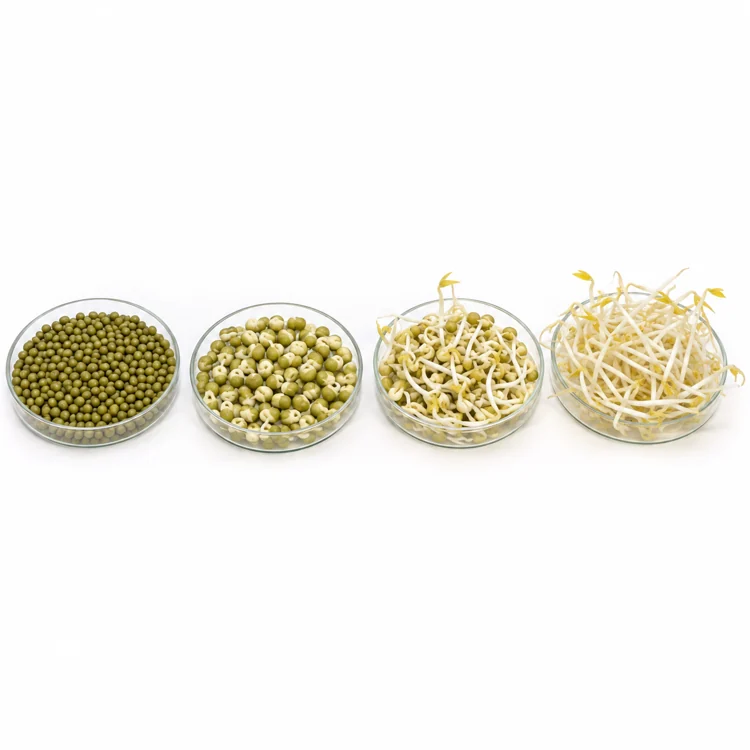
Name the seed and endpoint before choosing a timeline. Mung bean sprouts often reach a useful harvest stage within roughly three to seven days, but conditions and the target length vary. Visible growth, routine rinsing and freezing do not prove that a sprout batch is safe.
Keep these distinctions in mind
First root, harvestable sprout and garden seedling are different clocks
Beans may show their first small root within about one or two days under suitable conditions, while a harvestable edible sprout often takes several days. Mung bean sprouts commonly reach a useful harvest stage in roughly three to seven days, depending on the seed and growing process. A bean seedling emerging through garden soil is a different endpoint and follows a different timetable. Always name the seed, the starting point and the result you mean.
A two-day answer can therefore describe early germination without promising a finished ingredient. A five-day answer may describe a longer mung bean sprout ready for a particular cooking application. Neither number proves that the batch is safe to eat. Sprouting creates warm, moist conditions that can also support the growth of harmful microorganisms.
For a grower, the useful question is when the lot reaches its intended length and condition under a controlled process. For a frozen-food buyer, the questions extend to seed traceability, harvest stage, treatment before freezing and cooking instructions. The number of days is one process detail, not a complete quality specification.
We separate growth performance from food-safety release. A fast, even sprout can still require investigation or rejection if the safety controls fail. An attractive photograph of white stems cannot replace the records that establish how the ingredient was produced and handled.
How seed type changes the sprouting window
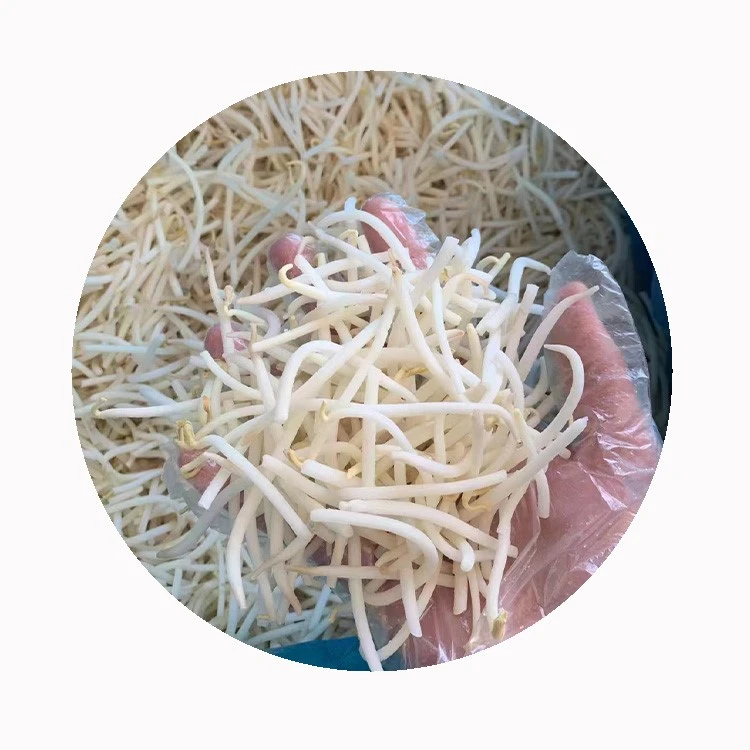
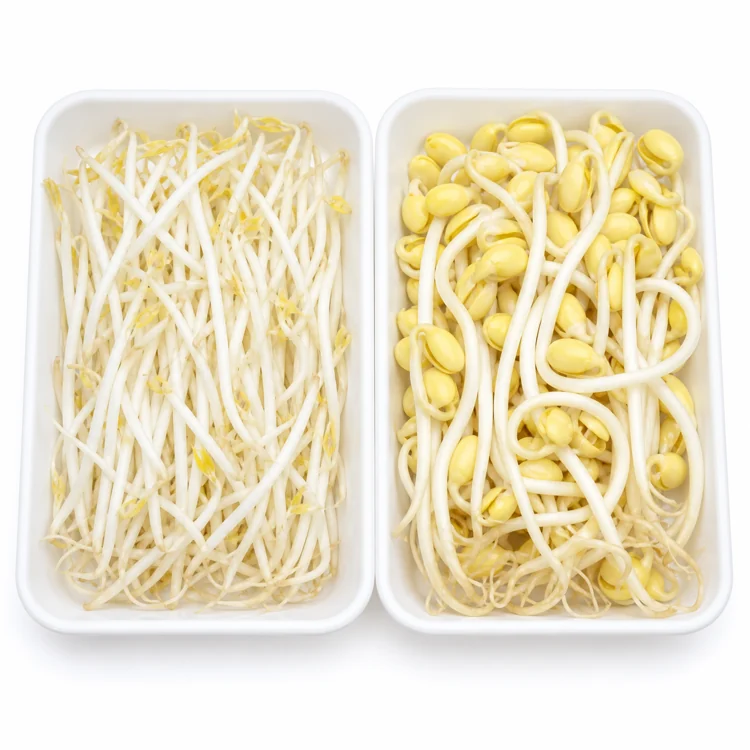
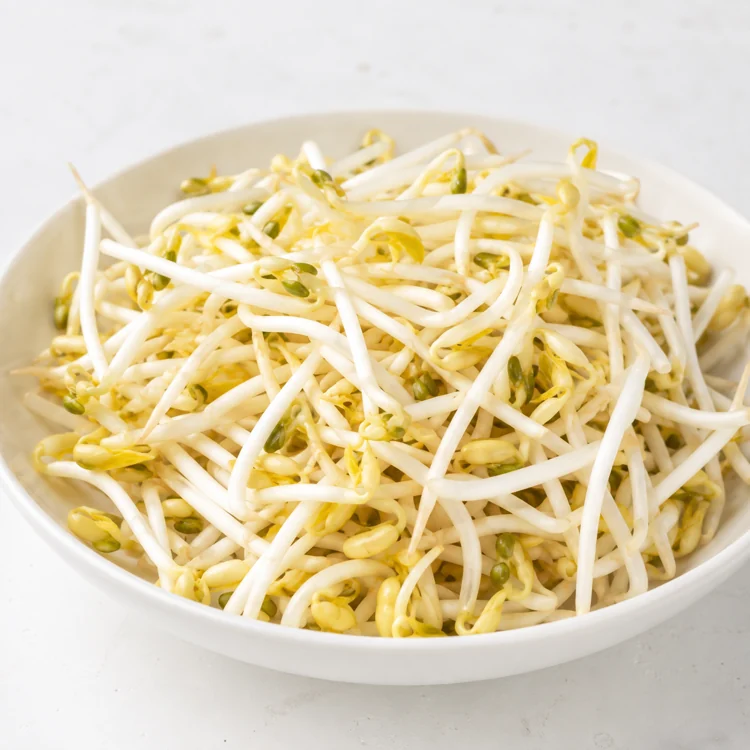
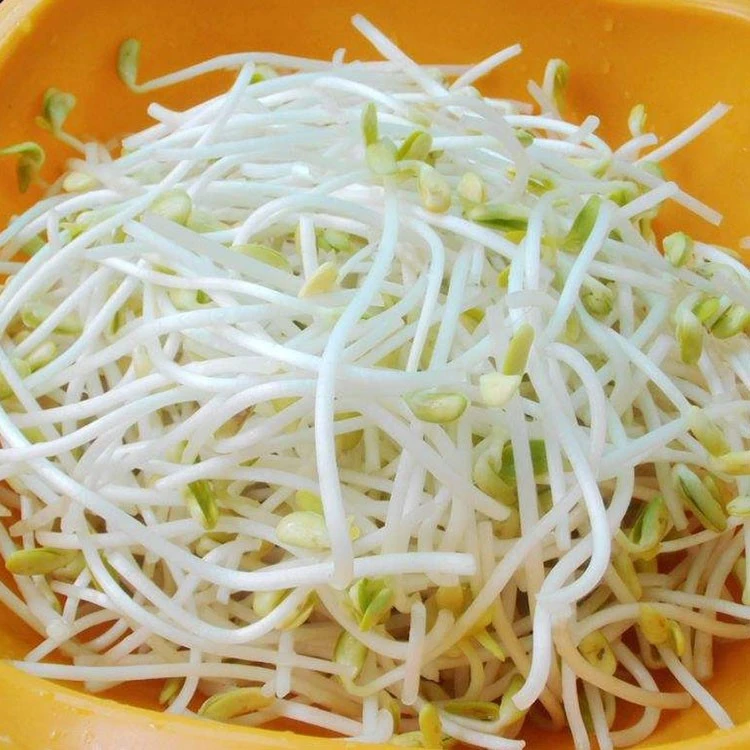
The phrase bean sprout often refers to mung bean sprouts, but soybean sprouts are also widely used in food. They do not have identical seed size, appearance or preferred eating characteristics. Mung sprouts usually show a slender pale stem with relatively small seed remnants; soybean sprouts retain a more prominent yellow bean head.
Other beans may germinate, but that does not make every garden bean appropriate for producing edible sprouts. Species selection, seed treatment and the intended preparation all matter. Use a food-sprouting program designed for the actual seed rather than adapting a timetable from an unrelated ingredient.
The UC Davis postharvest reference for seed sprouts describes a broad harvest period of several days across sprout types. That range reflects different products, not uncertainty that can be resolved by choosing one number for every bean. A producer needs a narrower operating range for the selected seed and process.
| Question being asked | What the endpoint looks like | Why the time varies |
|---|---|---|
| Has the bean germinated? | The first root has emerged | Seed vigor, water uptake and temperature |
| Is the edible sprout ready to harvest? | The target stem and seed-head condition are reached | Species, desired length and production method |
| Has the garden bean emerged? | A seedling appears above the soil | Soil temperature, depth, moisture and seed condition |
| Is the sprout lot ready for food use? | Quality and required safety controls are accepted | Process records and release criteria, beyond growth alone |
Specify the species on the seed and finished-product records. A change of seed type can alter the appearance and cooking behavior even when the finished cartons carry the same informal name.
Temperature, moisture and oxygen change growth
Seeds need water to begin germination, but more water is not always better. The growing material also needs appropriate oxygen exchange and drainage. A process that leaves seeds sitting in stagnant water is different from a controlled moist environment, and it can create uneven development as well as hygiene concerns.
Temperature affects the rate of growth. Cool conditions may delay germination, while excessive warmth can stress the batch and intensify microbial concerns. The right operating range belongs to a validated process for the seed and equipment. Turning up the temperature simply to meet a delivery date is not a sound substitute for production planning.
Load depth matters because the center of a mass of growing sprouts can behave differently from the outside. Moisture distribution, heat and airflow may be uneven. A small jar or tray observation should not be scaled to a commercial vessel by multiplying the seed weight alone.
Light conditions influence appearance in some sprouting systems, but darkness is not a food-safety control. A pale sprout should not be treated as safer than a greener one. Color is part of the product's quality description, while microbial control needs its own measures.
Record the conditions actually experienced by the batch. A room thermostat setting is less informative if the product zone differs significantly. For commercial purchasing, ask how the producer monitors the relevant process variables and manages deviations. The aim is to understand consistency, rather than to collect a nominal temperature that has no connection to the product.
Recognize the stages rather than trusting a day number
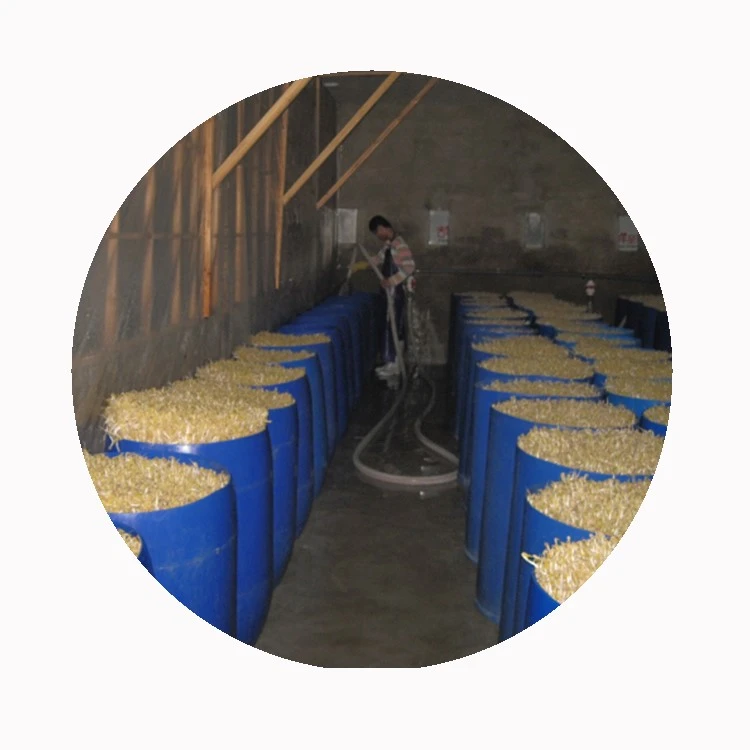
Early water uptake changes the dry seed before a visible root appears. Once germination begins, the root and shoot structures develop and the sprout lengthens. The appearance at each stage depends on the seed. These visible changes help describe growth, but they cannot show whether pathogens are present.
For mung bean sprouts intended for cooking, the desired harvest stage often emphasizes a pale, reasonably uniform stem and a suitable balance between stem length and seed remnants. Soybean sprouts may intentionally retain a larger bean head. The specification should reflect the ingredient the kitchen wants, not a generic picture of a long white sprout.
Check a representative portion of the batch rather than selecting the longest specimens. Uneven germination can leave a mixture of short hard seeds and overlong fragile stems. That mixture complicates sorting and can produce inconsistent texture in a stir-fry or filling.
An extended growing period may increase length without improving usable quality. Long stems can tangle, break or become less suitable for a defined portion. Conversely, harvesting too early may produce a product dominated by seed heads when the customer expects a stem-led ingredient.
Agree how length and defects are measured before production. A photograph with a scale can support discussion, while an agreed sampling method makes acceptance repeatable. The harvest decision should combine the quality endpoint with the required process and release checks; it should never be reduced to "the calendar says day five."

Seed selection comes before soaking
Use seed intended for food sprouting and obtained through an appropriate supplier-control system. Garden seed may have treatments intended for planting rather than eating. A packet that germinates well is not automatically suitable raw material for a food production operation.
Seed lot identity matters because contamination can originate before the sprouting stage. The FDA's guidance on seed for sprouting addresses controls across the seed supply chain. A sprout producer should be able to connect the finished lot to its seed source and relevant handling records.
Check the seed's condition and the supplier's intended use. Damaged material, foreign matter and inconsistent germination can affect both process performance and finished quality. Seed age and storage history may also influence vigor, so a production schedule should not assume that every new lot behaves identically.
A seed treatment, where required and appropriate, must be part of a controlled system. Do not improvise a chemical concentration from a household recipe or treat a rinse as an equivalent step. The method, validation, handling precautions and applicable requirements need competent review for the operation.
For a frozen sprout buyer, ask whether seed traceability remains available through harvesting, processing and packing. A carton batch code is useful only if the supplier can follow it back through the relevant stages. This becomes particularly important when different seed lots are processed close together or combined under an agreed production system.
Why warm wet sprouting needs food-safety controls
The conditions that help seeds grow can also allow microorganisms to multiply. Contamination may be present on or within seed, so clean-looking equipment and frequent rinsing do not guarantee a safe batch. Colorado State University's sprout guidance explains why raw and lightly cooked sprouts deserve particular attention, including for people at higher risk of foodborne illness.
Do not use smell, appearance or germination speed as a release test. Harmful bacteria may be present without visible spoilage. Similarly, freezing is not a dependable kill step, and the word blanched does not automatically establish a ready-to-eat product. The supplied food needs a clearly defined process and intended use.
Commercial controls can include appropriate seed sourcing, water quality, sanitation, environmental controls, relevant testing and documented corrective actions. Their exact design depends on the operation and applicable requirements. The FDA's sprout-production guidance provides an authoritative reference for operations supplying the US market; guidance and underlying legal obligations should not be treated as interchangeable documents.
For consumers, thorough cooking reduces risk compared with eating raw or lightly cooked sprouts. People at higher risk should avoid raw or lightly cooked sprouts. A quick toss that leaves the ingredient barely warmed should not be described as a universal safety treatment.
For industrial supply, ask who is responsible for the final required heat treatment. If the frozen ingredient is cook-before-eating, the buyer's process must provide that step. A cold salad application needs an appropriately controlled preparation route and cannot rely on thawing alone.

A batch record for sprout production
A useful record connects the seed lot to the conditions, harvest decision and finished product. It should let the quality team investigate a deviation without reconstructing the process from memory. The record does not need decorative complexity; it needs the information that explains what happened to the food.
| Record item | Why it matters | Example of a question it can answer |
|---|---|---|
| Seed identity and lot | Establishes the raw-material connection | Which finished batches used this seed? |
| Start time and production unit | Defines the growth period and location | Were two lots exposed to the same equipment? |
| Monitored conditions | Shows process consistency | Did a slow-growing batch experience a deviation? |
| Water and sanitation controls | Supports the hygiene system | Were the required checks completed? |
| Harvest condition | Connects growth to the quality target | Was the lot within the agreed length range? |
| Required test and release results | Separates appearance from release status | Was the lot accepted under the defined system? |
| Processing and packing lot | Carries traceability into supply | Which cartons contain the affected material? |
The handling of a failed result matters as much as the record of a passing one. Ask how product is held, identified and prevented from unintended use while a deviation is investigated. A file full of results offers limited assurance if the operation cannot demonstrate what happens when a criterion is missed.
We would review the documents relevant to the customer's market and application rather than promise a universal certificate package. Some buyers need a supplier-approval review before sampling; others need specific lot information before release. Define those needs before the production and shipment schedule is committed.
Choose harvest length for the cooked application
Longer is not automatically better. A stir-fry may benefit from stems that remain recognizable and manageable in the pan, while a filling may need shorter material that distributes evenly. A soup application may tolerate a different length range, but it still needs a pleasant texture after its actual heating period.
Consider the seed head as well as the stem. Soybean sprouts can give a more pronounced bean-head bite, while mung bean sprouts create a different balance. Mixing the two without changing the product description can alter flavor, texture and allergen information. The intended species should remain clear throughout the recipe.
For portioning, tangled or fragile sprouts may slow manual work or behave poorly on equipment. A sample that looks abundant in a bowl may be difficult to dispense consistently into small packs. Test the portioning step rather than judging only the raw handful.
The cooking trial should include the sauce, pan load and service delay. A high-water ingredient added in a large quantity can cool the pan and dilute the dish. The operator may then cook longer to evaporate the liquid, changing the texture further. This sequence helps explain why the same sprout can work in one kitchen and disappoint in another.
Define acceptable broken material in relation to the dish. A small amount may have little effect in a chopped filling but be highly visible in a neatly presented vegetable side. Quality grading becomes more useful when it is tied to an eating and production requirement instead of a general preference for longer, whiter stems.
What freezing changes in a bean sprout
Bean sprouts have a high moisture content and a delicate structure. Freezing and thawing can change that structure, often making the ingredient softer and increasing water release. Frozen sprouts should therefore be evaluated as a cooked ingredient rather than assumed to reproduce the exact snap of a fresh raw garnish.
The result depends on the raw material, treatment before freezing, freezing process and later handling. A controlled product can still perform well in the right dish, but the intended texture needs to be realistic. A lightly heated garnish and a cooked filling place different demands on the same ingredient.
Follow the supplier's preparation instructions. If the product is intended to be cooked from frozen, test it that way. An unnecessary thaw may release liquid before cooking and make handling more difficult. If a thawing step is specified, carry it out under the required conditions and include drainage in the recipe assessment.
Our discussion of whether bean sprouts can be frozen addresses the preservation question separately. For buying, the key point is to approve the frozen product after its complete preparation route. A fresh-sprout photograph cannot establish the cooked performance of a frozen lot.
Record both input weight and acceptable cooked output. Water released into a sauce may remain part of the dish, while water drained away is a yield loss. Treating those two routes as the same can distort the cost comparison and the seasoning calculation.
Specify frozen mung bean sprouts for commercial use
Start with the species and the product form. "Frozen mung bean sprouts" is more informative than "frozen bean sprouts" when the distinction from soybean sprouts matters. State the intended cooking application and whether the customer expects a stem-led texture, a particular length range or a defined level of trimmed material.
Include the processing status and cooking instructions. Agree how color, foreign matter, broken material and package condition will be assessed. Food-safety criteria should be established by the responsible quality team for the destination and intended use, with a clear method for reviewing supporting results.
We supply frozen bean sprouts for suitable cooking applications and review the required specification with the purchasing team. A request should describe the dish and the final preparation stage. That helps distinguish a workable frozen ingredient requirement from an expectation of raw-sprout crispness that freezing may not meet.
Confirm packing around the production run. A large inner pack can suit continuous cooking, while smaller units may reduce repeated handling in a restaurant. The appropriate choice depends on throughput and freezer space as well as price. Minimum order quantity and lead time should be confirmed for the actual format and any private-label requirements.
If a buyer changes from fresh to frozen, run the recipe again before fixing the order volume. Sauce concentration, cooking load and portion yield may need adjustment. Document those changes so the kitchen does not attribute a predictable format difference to an unexplained quality failure.
Sampling, release documents and cold-chain receipt
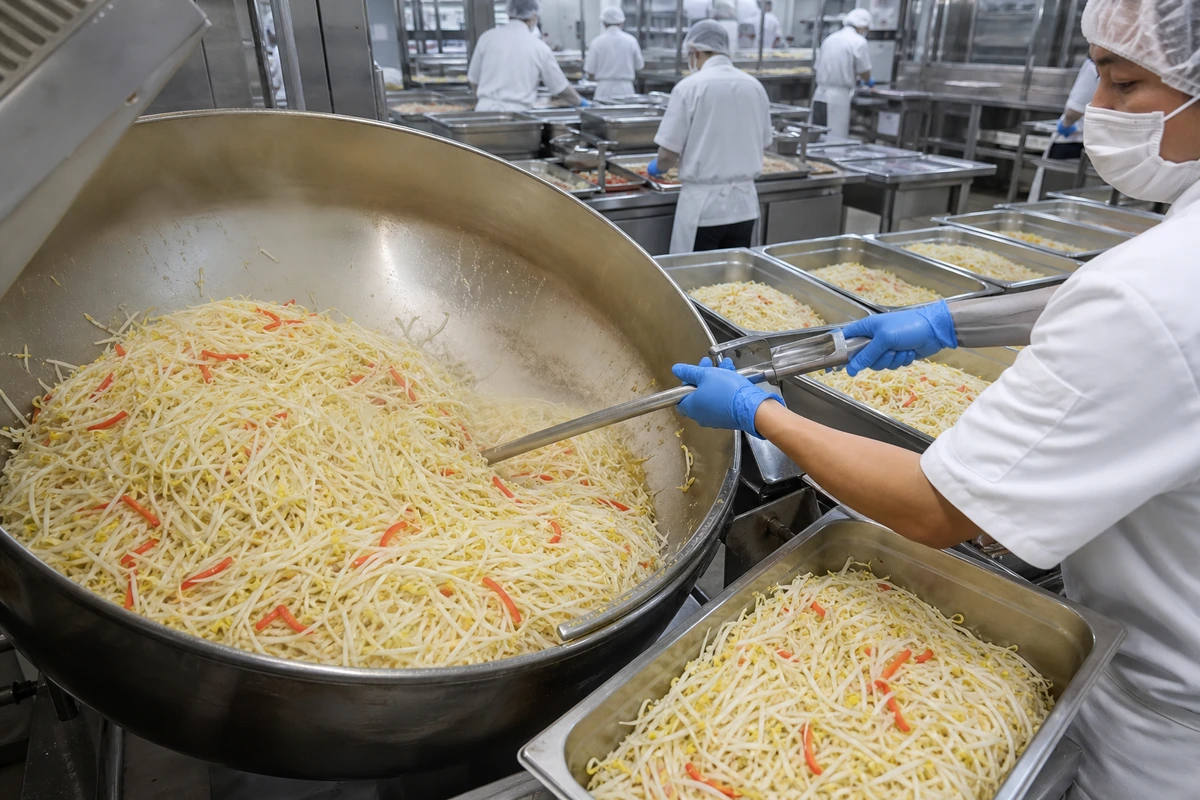
Use a representative sample and the intended cooking method. Compare stem condition, seed-head texture, water release and portioning performance. Include the normal holding or reheating stage if the ingredient enters a prepared meal. A sample cooked only for a quick photograph leaves the important production questions unanswered.
Request the specification, traceability information, relevant process and test documentation, and the shipment papers needed for the destination. Check that the documents refer to the proposed product and scope. If a specific release result is required, agree when it will be available and who reviews it before shipment.
At receipt, inspect seals, carton condition, lot identification and quantities. Review the agreed temperature evidence and place the product into the specified frozen storage promptly. Frozen conditions commonly mean at or below -18°C, but the supplied label and contract should define the actual requirement.
Do not accept or reject a temperature concern solely from a photograph of frost. Investigate the product condition and transport history together. Keep any affected lot identifiable while the responsible team decides what action is appropriate. A clear receiving record protects both the buyer's operation and the ability to trace the issue.
The most useful request combines the species, target cooked texture, pack size, volume, destination and required documents. Add the customer's cooking route and whether the food will be chilled or frozen again. With those details, the production timetable can support the order without allowing a simple sprouting-day estimate to stand in for quality or safety control.
Source frozen bean sprouts with GreenLand-food
GreenLand-food is a professional frozen bean sprouts supplier and manufacturer in China, providing factory-direct wholesale supply for importers, food manufacturers, foodservice distributors and private-label programs.
Identify mung bean sprouts, the target cooked texture and the seed-traceability and release information required by your quality team.
Send your product form, specification, packing, quantity, application and destination, together with private-label needs and requested documents. We will review the requirement and confirm the available sample, packing and commercial options for your order.