


Are Porcini and Shiitake Mushrooms the Same?
Sep 24, 2026
Leave a message

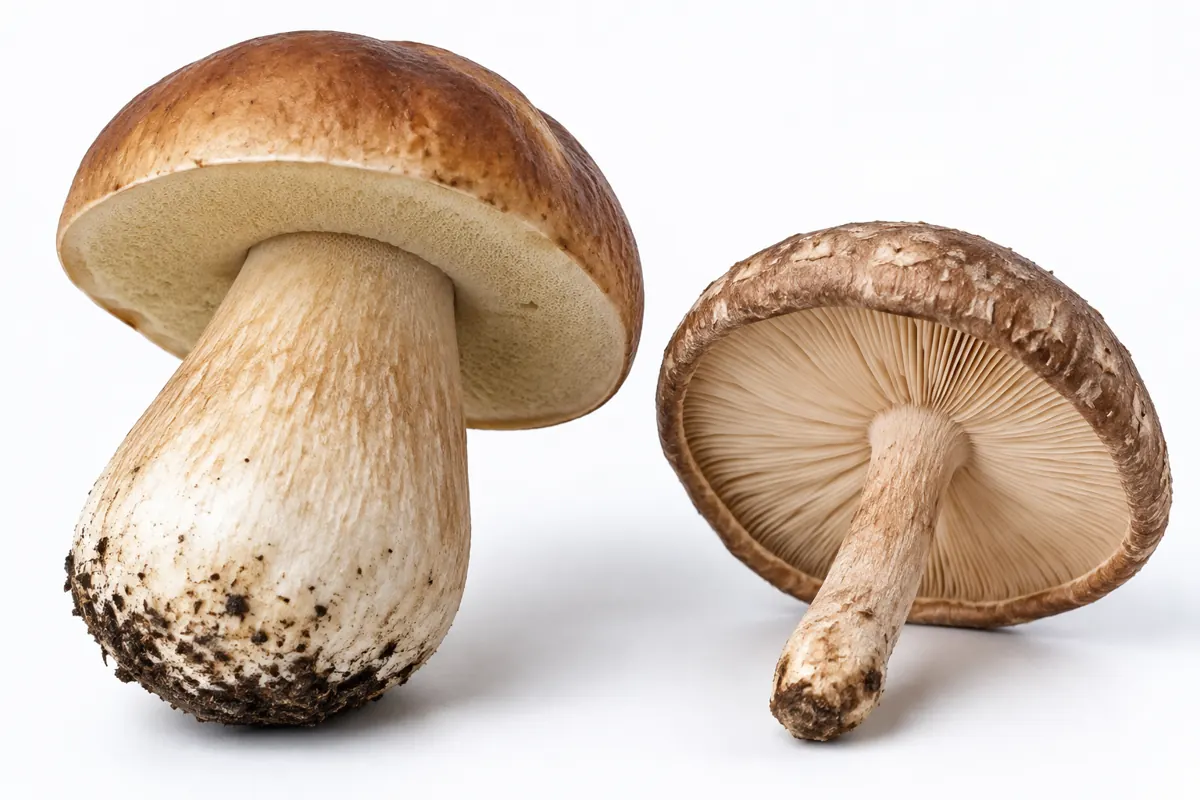
For a cook, that means a substitution can work in some soups and sauces but will change the dish. For a buyer, the names cannot be used interchangeably on a specification or ingredient declaration. This guide compares them through the decisions that matter when ordering fresh or frozen mushrooms for foodservice and prepared foods.
Are porcini and shiitake the same mushroom?
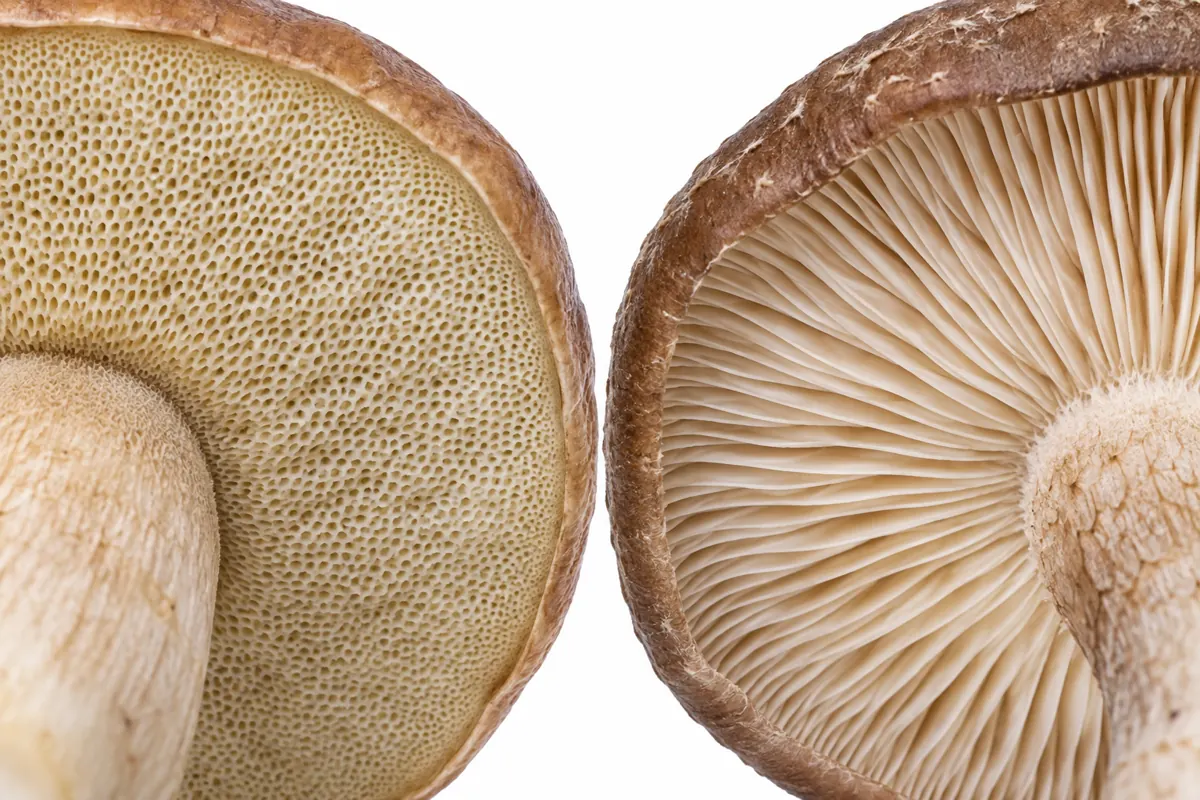
No. Porcini and shiitake are neither the same species nor equivalent trade names. A typical porcini is a bolete with tubes ending in tiny pores on the underside of its cap. Shiitake has radiating gills. Porcini has a thick, often pale stem and a tan to reddish-brown cap. Shiitake commonly has a brown cap with a paler, often fibrous stem. These visible structures provide a simple way to explain the difference in an intact specimen.
The trade context needs more precision. "Porcini" may be used for Boletus edulis or an agreed group of related species, depending on market and regulation. "Shiitake" should identify Lentinula edodes. If a product is cut or diced, the distinguishing underside may be absent from many pieces. A buyer should therefore verify the declared scientific name, source, and traceability rather than assuming the contents from a photograph of a brown mushroom.
Are porcini and shiitake the same mushroom?
The two also enter supply chains differently. Shiitake is widely cultivated on logs or substrate. Porcini is typically wild collected because cultivation at commercial scale is difficult. That difference affects seasonality, grading, consistency, and the type of sourcing documentation a buyer should request. Wild sourcing demands careful species identification and inspection. Cultivation offers more control over size and growing conditions, though every supplier still has to meet the agreed food-safety and quality requirements.
Neither mushroom is automatically "better." A rich porcini flavor may be exactly what a risotto needs, while a neat shiitake slice can be ideal in a stir-fry. A producer developing a broth might prefer one, use a blend, or choose a different mushroom entirely. The right choice depends on the flavor, bite, visual presentation, label claim, cost, and production method of the finished food.
If a supplier proposes a substitution because one product is unavailable, ask for a sample and a revised specification. A purchase order for porcini cannot quietly become shiitake simply because both are mushrooms. Species identity is a basic commercial and labeling fact. A permitted recipe substitution is a separate decision that the buyer makes after evaluation.
Species and visible structure
| Buyer check | Porcini | Shiitake |
|---|---|---|
| Typical identity | Boletus edulis or agreed related boletes | Lentinula edodes |
| Cap underside | Sponge-like pores | Radiating gills |
| Flavor direction | Earthy, nutty, woodsy | Savory, sometimes smoky |
| Texture concern | Mature pores and thaw liquid | Firm cap and fibrous stem |
| Buying detail | Species group and pore maturity | Cap or whole form and stem share |
Porcini's underside is porous. In young Boletus edulis, the pore surface is pale; with maturity it can turn yellow and then olive. The cap color can range from beige to a deeper reddish brown, and the flesh is usually white to pale. A stem may show a fine network near its upper portion. Those features explain why a porcini slice may contain several colors at once: brown cap, light flesh, and yellowish pore layer.

GreenLand frozen porcini product sample
Shiitake has gills rather than pores. The gills are visible as thin radiating plates when the cap is turned over. Its cap is generally brown and may have a textured or slightly cracked surface. The stem is often tougher than the cap. In many kitchen preparations the stem is removed from a visible sauté, then used separately to flavor a stock if the handling and recipe allow. That is a practical texture choice, not evidence that the stem is unsafe.
The visual difference becomes less obvious when products are sliced, diced, dried, or cooked. A small brown dice tells little about the original underside. For frozen packs, photographs of representative pieces can help, but the label, species declaration, and supplier records carry the identification. A buyer should also check whether the pack is all one species or a blend. A mushroom medley may be useful, but it cannot be sold internally as a single species without confirming its contents.
Wild mushroom identification is a specialist task. The features in this article are for understanding verified commercial products, not for deciding whether a foraged specimen is edible. Similar-looking mushrooms can cause serious harm. Procurement should rely on qualified sourcing, scientific names, and traceable lots rather than visual comparison alone.
In a receiving specification, state the part and form. Whole porcini, porcini slices, shiitake caps, and whole shiitake each produce a different yield and visual impression. If a kitchen has to trim woody stems or damaged pore layers, the usable cost changes. A small controlled prep trial reveals more than price per carton.
For prepared-food labeling, ask how the species is declared and how much appears in the formula. A label that calls out porcini sets a different expectation from one that says a general mushroom blend. The recipe record should support the claim. This is especially important when flavorings, powders, and visible mushroom pieces appear together in the same product.
Flavor and aroma in a finished dish
Porcini is valued for a pronounced earthy, nutty, woodsy profile. Dried porcini can be particularly intense because drying concentrates and changes aroma. Fresh or frozen porcini is not identical to dried porcini powder; both species and format affect the result. A sauce formulated with dried porcini should not be expected to taste the same after replacing it gram for gram with frozen pieces.
Shiitake has a savory, umami-rich character often described as smoky or meaty, especially when dried. Fresh or frozen shiitake is milder than many dried preparations. Cooking method matters: browning in a hot pan develops different notes from simmering in a broth. If a product development brief simply says "strong mushroom flavor," a sample test should specify the preparation state and cooking method before comparing suppliers.
Flavor and aroma in a finished dish
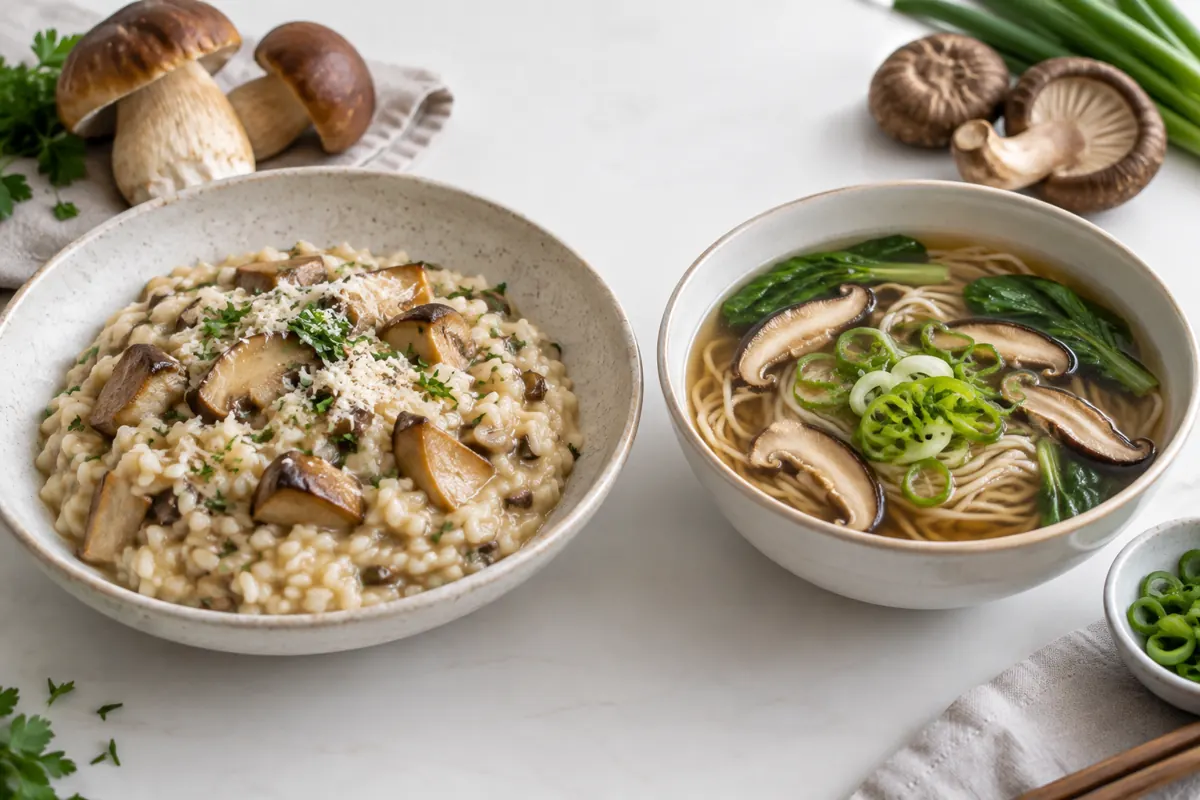
In a clear broth, shiitake can contribute a distinct savory note and a visible slice. Porcini can give a deeper earthy background that may dominate a light broth at a similar inclusion level. In a cream sauce, porcini may create a darker, more aromatic result. Shiitake can add a firmer bite and a different flavor balance. Neither choice is universally correct; the chef should taste it in the actual base, with the salt, fat, and other ingredients already present.
Flavor changes with processing. Blanching, freezing, drying, and pre-cooking can each alter aroma and water release. A supplier's sample should be tested in the same format offered commercially. A photograph of fresh porcini says little about the sensory performance of a frozen diced pack. A buyer should ask for the sample's cut, pack, origin, and processing details to match the quotation.
Cost comparisons need the same discipline. Porcini often carries a different price than cultivated shiitake, but the meaningful measure is the amount needed to reach the target flavor and appearance after cooking. A smaller porcini inclusion may achieve the intended earthiness in a sauce; a larger shiitake inclusion may be needed for the same intensity but provide useful texture. Trial several inclusion rates and calculate cost per finished portion.
If a formulation contains both, assign each a job. Porcini can support aroma while shiitake gives visible pieces, or the reverse may suit a particular dish. Write the ratio, cut, and cooking sequence into the recipe. A blend selected only because both ingredients are available may drift from batch to batch and confuse the sensory standard.
Texture, stems and practical cuts
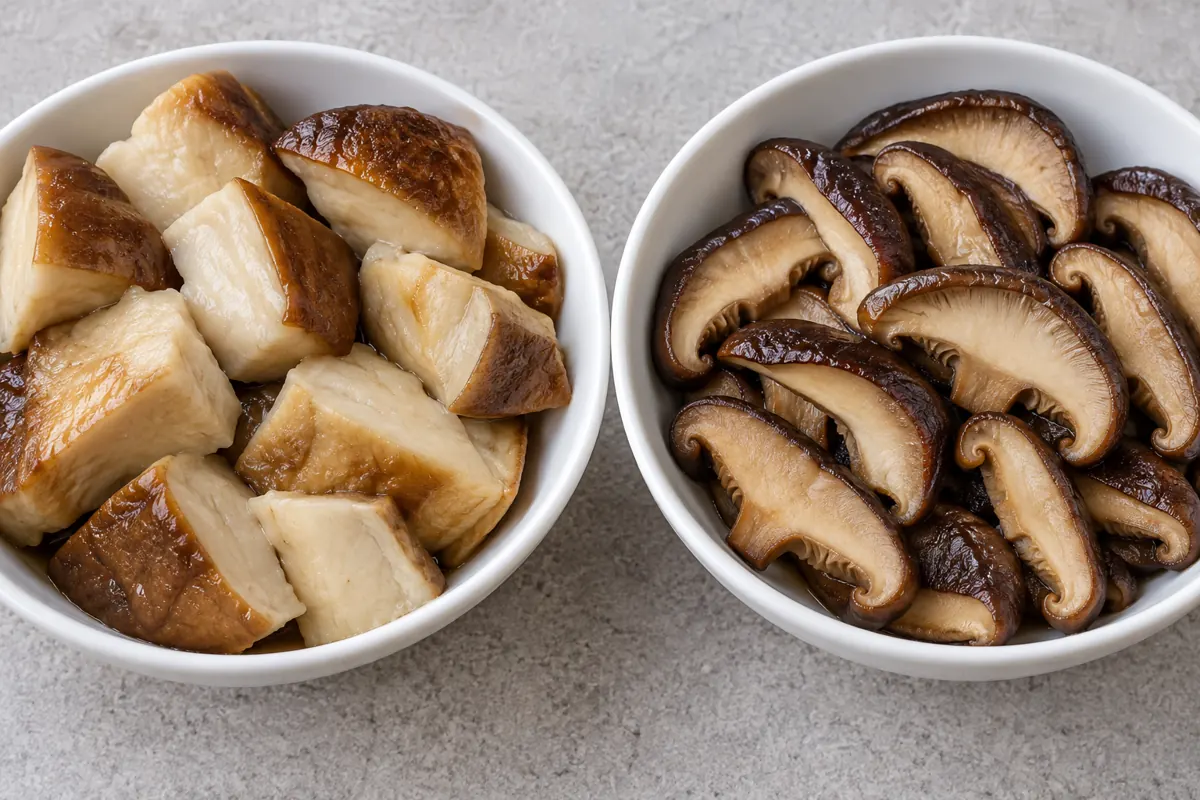
Porcini flesh is substantial but can vary with maturity. Young firm pieces may hold a recognizable slice. A mature pore layer can be softer and may break down in cooking. Frozen porcini can release liquid on thawing and may become softer than fresh, especially if it is fully thawed before a high-heat sauté. That does not make it unsuitable; it points toward sauces, risotto, soup, and other dishes that can absorb the liquid and use the aroma.
Shiitake caps often retain a pleasant chew. Their stems can be fibrous, so visible slices are commonly made from the caps or from whole mushrooms with the tough stem removed. A product sold as whole shiitake therefore may have a different usable yield from cap-only slices. Ask what the cut includes. If stems are acceptable in a minced filling or stock, a whole format might be economical. If the finished product needs neat cap slices, buying a specified cap cut can reduce prep labor and variability.
Texture, stems and practical cuts
Cut size affects more than appearance. Thin slices cook quickly and expose more surface area to moisture loss. Large pieces may feel more substantial but require a longer or different cooking step. Dice can distribute flavor evenly through a filling. In frozen formats, smaller pieces may be easier to portion, while fragile thin slices may create more fines. State the target size range and tolerance rather than relying on the word "sliced."
A simple side-by-side trial can measure texture. Cook equal weights of each product by the intended method, then compare cooked weight, free liquid, piece integrity, and bite. Record the result after holding at service temperature if the dish will sit on a line. A piece that looks attractive just out of a pan may soften after 30 minutes in sauce. A product for a quick restaurant sauté has a different performance target from one in a retorted prepared meal.
Stems and pore layers affect trim yield. Calculate usable cost as purchase price divided by the amount that actually enters saleable food. The cheapest carton may not be cheapest after labor and trim. A frozen pre-cut pack can shift some of that work upstream, but its own water release and piece-size distribution need to be tested. Comparing raw invoice prices alone misses those costs.
Finally, texture is a reason to avoid casual substitution. A shiitake cap can bring chew to a vegetable stir-fry where softened porcini pieces would feel different. Porcini can melt into a risotto's flavor profile where chewy shiitake slices might remain distinct. The same savory category does not imply the same mouthfeel.
How freezing changes the buying decision
Freezing is useful when a menu needs mushrooms outside a fresh supply window or in variable volumes. IQF pieces can be portioned from a bag, subject to the supplier's handling instructions and the kitchen's food-safety plan. The form can reduce washing, trimming, and some spoilage loss. It does not make every mushroom interchangeable, and it does not guarantee that a frozen slice will behave exactly like a fresh one.
Porcini and shiitake respond differently according to their structure, cut, and processing. A frozen porcini pack may release a notable amount of liquid during cooking. A shiitake cap can retain more recognizable chew but still needs a test in the finished dish. Neither observation is a universal specification; production process and lot quality matter. Ask for an actual sample of the grade, cut, and pack being quoted.

GreenLand frozen shiitake product sample
Inspect frozen packs for identity, integrity, and condition. Free-flowing pieces may be expected if the purchase order calls for IQF. Heavy clumping or internal ice can suggest that handling needs review. Check the cold-chain records and follow the agreed acceptance procedure. A product that has thawed improperly is not made acceptable by refreezing. Keep receiving decisions separate from culinary preferences.
The right cook method may differ. Frozen pieces added to a hot pan or kettle can avoid a long thaw that leaves them sitting in released liquid, if the supplier instructions and recipe permit. A sauce can incorporate that liquid; a pizza topping may need moisture reduced first. For both species, document the process used in the trial, because changing pan load or heat can change the outcome more than a small difference between lots.
Pack size also matters. A foodservice buyer using a few hundred grams per day may waste less with smaller resealable or portionable packs, while a factory can use larger packs efficiently. The package must fit freezer space, lot rotation, and the time allowed after opening. Ask whether the supplier can offer the required cut and pack rather than accepting a convenient quotation for an unsuitable form.
At GreenLand, we would discuss the intended dish before recommending frozen porcini or frozen shiitake. A buyer seeking a strong earthy note, a visible slice, or a firm bite is asking three different questions. A side-by-side recipe trial using the quoted products can settle the choice with evidence.
Where one can replace the other
Substitution is most plausible when the mushroom is a background savory ingredient rather than the named feature. A dark sauce, blended soup, or finely chopped filling may accept either species after adjusting the amount and seasoning. Even there, the flavor will change. Make a small trial, assess color and texture after the full cooking process, and update the recipe rather than using a silent one-for-one switch.
Substitution is less convincing when the menu promises a particular species. A porcini risotto has an expected aroma and should contain the declared porcini. A shiitake noodle bowl expects the visible cap and familiar bite of shiitake. Changing species may affect the menu description, ingredient declaration, customer expectation, and cost. The buyer or product developer must authorize that change before production.
Where one can replace the other
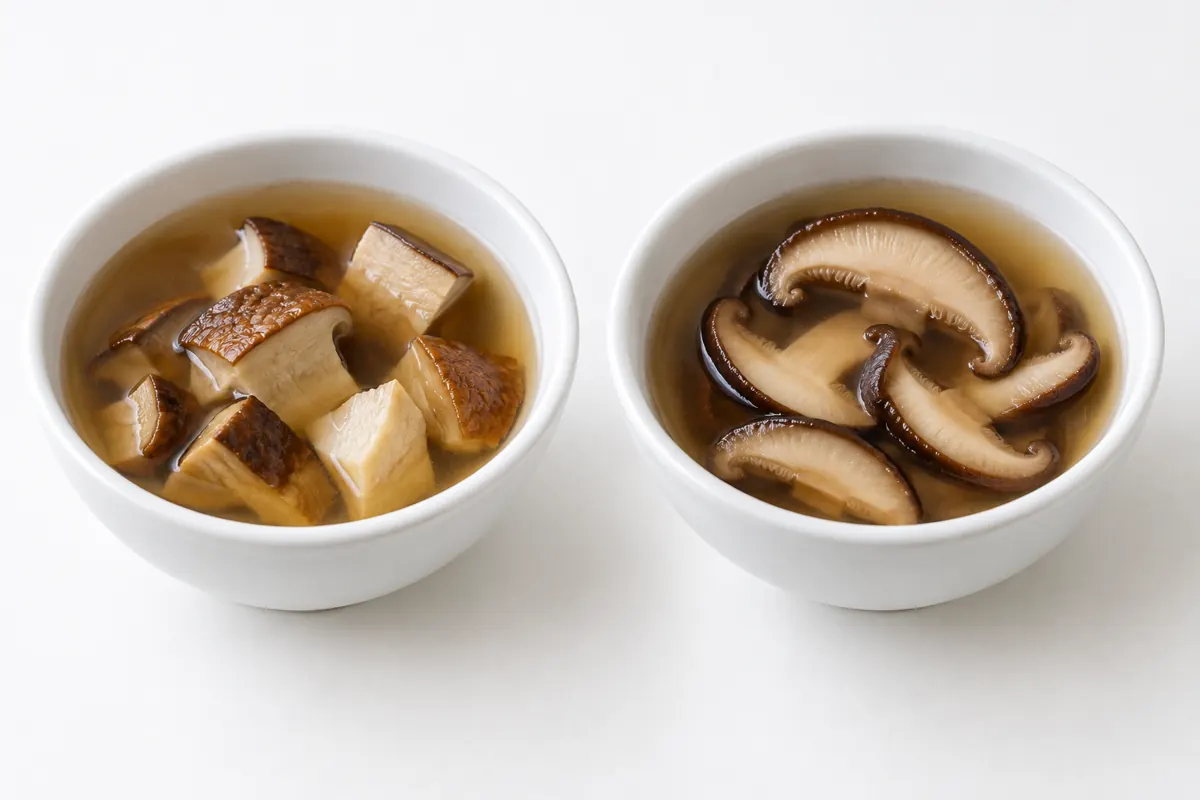
When replacing porcini with shiitake in a soup, consider that shiitake pieces may remain more distinct and bring a different aromatic profile. A small amount of a verified porcini ingredient might be retained for the expected note, while shiitake supplies bulk texture. When replacing shiitake with porcini in a sauce, reduce or manage free liquid and check whether the earthier flavor overwhelms lighter ingredients. These are trial hypotheses, not universal formulas.
Another option is to select a different cut rather than a different species. If whole shiitake requires too much stem trimming, cap slices may solve the problem. If porcini slices release too much liquid for a visible topping, a pre-cooked or differently sized porcini product may perform better. Species substitution should not be the first answer to a format problem.
For procurement, document the alternate as an approved material with its own specification and supplier. Define when it may be used, the recipe changes required, and whether a label or menu update is needed. This prevents an emergency substitution from becoming an uncontrolled standard. Retain the sensory reference that justified approval.
For home cooking, flexibility is broader: use the mushroom you enjoy and adjust the dish by taste. For commercial foods, repeatability and truthful naming matter. That is why a buyer asks more than whether both are edible brown mushrooms.
How to specify species and form in an RFQ
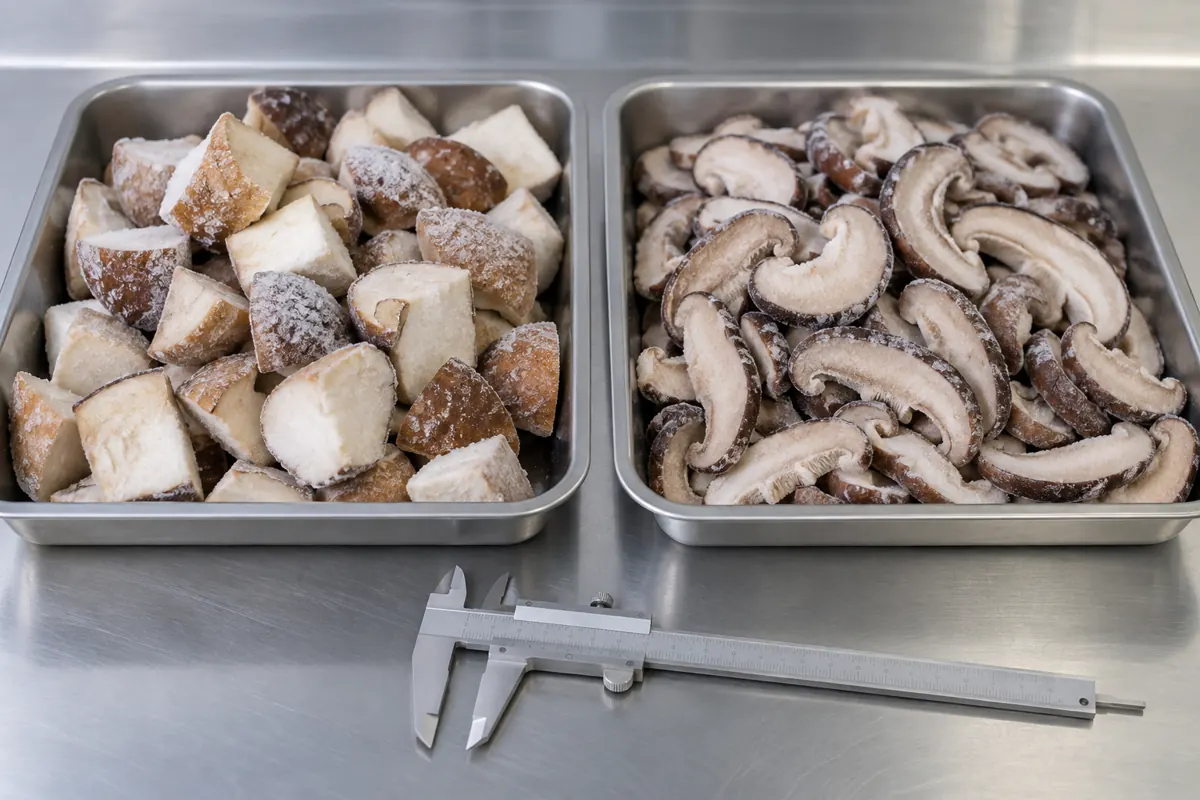
An RFQ should begin with the exact mushroom identity. State Lentinula edodes for shiitake, or define the accepted porcini species and trade name. Add origin, fresh or frozen state, processing method if relevant, cut, size range, cap/stem composition, packaging, and expected annual or monthly volume. If the buyer needs a particular visible appearance, attach a representative reference and describe the cooking application.
For frozen goods, ask for piece separation, allowable fines, ice or glaze terms where applicable, net weight, temperature requirements, lot coding, and the supplier's shelf-life and handling guidance. For porcini, define acceptable pore maturity and insect damage limits. For shiitake, define whether stems are included and their acceptable proportion or condition. These are examples of useful questions; the final limits should match the use and the supplier's confirmed product.
Request a production-representative sample. Cook both mushroom options at a fixed inclusion rate in the actual recipe. Record yield, released liquid, appearance, flavor, and texture after normal holding or reheating. Include the labor needed to trim or adjust the product. A sensory panel should know which attributes are being judged instead of merely voting for a preferred sample.
Check commercial documentation too: scientific name, ingredient statement, origin, traceability, food-safety certification or records relevant to your market, and any claims the product will carry. For wild-collected porcini, species identification controls deserve particular attention. For shiitake, cultivation and processing records may be central. Requirements vary by destination market and customer, so the buyer should align the documents with its own regulatory review.
How to specify species and form in an RFQ
Porcini and shiitake can both be useful frozen mushroom ingredients, but they solve different sensory and production problems. The most reliable order is the one that states the species and form clearly, verifies a real sample, and connects acceptance criteria to the final dish. That makes a substitution deliberate when it is useful and prevents an accidental change in what the customer receives. One useful comparison is a simple three-part trial. Cook each frozen product alone under the same measured conditions and record weight loss and free liquid. Then place each in the intended recipe at a fixed weight and have the culinary team score aroma, bite, and visual appeal. Finally, cost the dish using the amount needed to reach the target, including trimming and labor. The cheapest kilogram may yield the most expensive acceptable serving, while a strongly flavored product may need a smaller dose. Use a blind tasting when practical so expectations about a prestigious mushroom name do not decide the result before anyone tastes the food.
The specification should also say whether the mushroom will be visible after cooking. If it disappears into a blended sauce, the buyer may prioritize flavor and consistent yield. If it is a named topping, shape and identity matter more. This distinction can justify a different cut from the same species before a different species is considered. It also gives the supplier a clear target for sampling. A request for "frozen mushroom, premium" is too broad to support a meaningful quotation, while "sliced shiitake caps for a visible noodle topping" or "diced porcini for a reduced sauce" gives a concrete basis for discussion.
If a seasonal menu uses both mushrooms, keep the inventory names unmistakable and train prep staff on the difference. The products may look similar through a frosted bag, especially in small pieces. An incorrect substitution can change a declared ingredient and the sensory result. Clear labels, separate bin positions, and recipe codes are simple controls. They matter just as much as a good sample when a kitchen moves from development to routine production.
The separate frozen porcini and frozen shiitake product pages make the species distinction explicit. A buyer can request samples from each range and compare the quoted cut under one recipe method.
Source frozen mushrooms with GreenLand-food
GreenLand-food is a professional frozen mushrooms supplier and manufacturer in China, providing factory-direct wholesale supply for importers, food manufacturers, foodservice distributors, and private-label programs.
Send the product form, specification, packing, quantity, application, destination, private-label needs, and requested documents.