


What Color Should Porcini Mushrooms Be?
Sep 24, 2026
Leave a message


Color is one part of receiving quality, alongside species identity, cut, texture, odor, packaging, and temperature history. It cannot by itself identify a wild mushroom or prove food safety. The following guide explains normal color variation, concerning changes, and how to turn observations into a usable specification for fresh or frozen porcini.
What colour is a sound porcini mushroom?
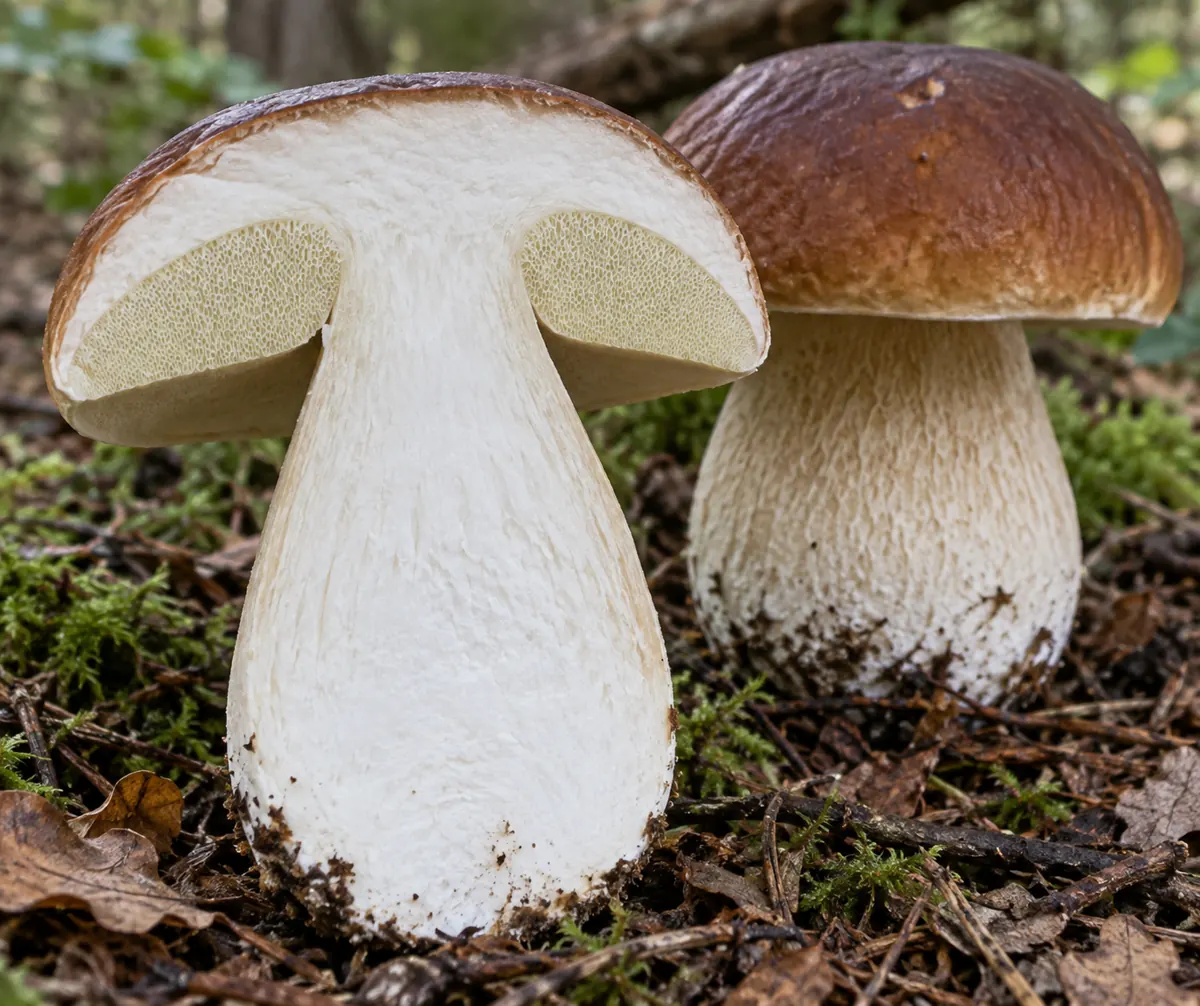
Begin with the whole structure. A typical porcini has a brown cap, a pale thick stem, and a pore surface under the cap rather than blade-like gills. The cap may be light tan, chestnut, or reddish brown depending on maturity and growing conditions. A pale cap does not automatically mean it is immature or defective. A darker cap does not automatically mean it is old. Look at the cap together with the pores, flesh, firmness, and condition of the surface.
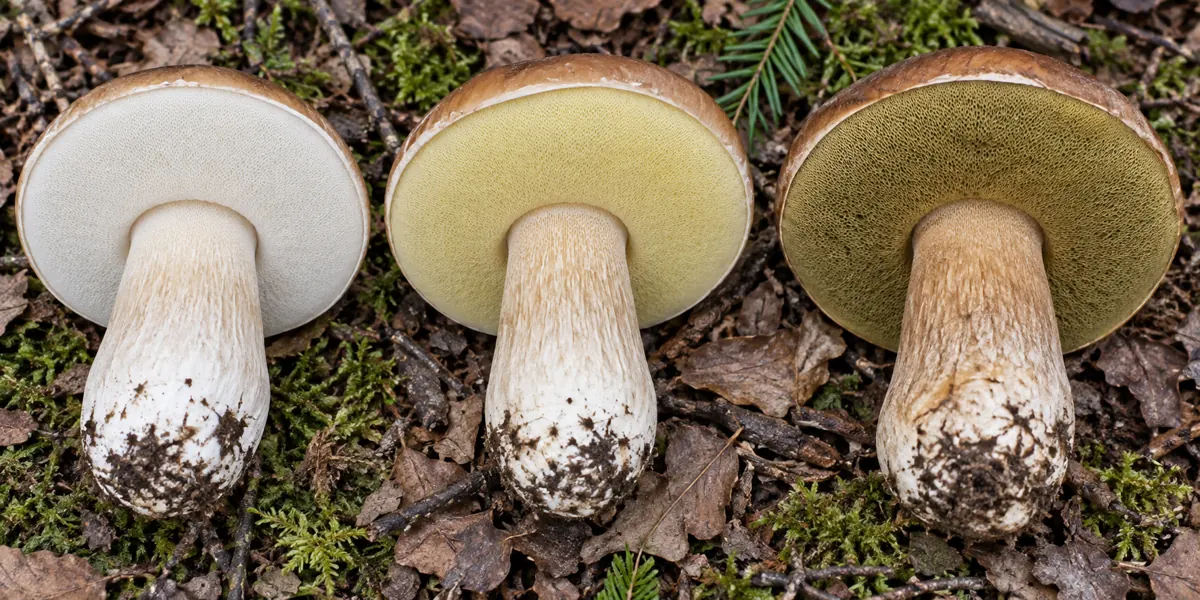
The underside is especially useful for describing maturity. Young porcini generally have pale, almost white pores. As they develop, the pore layer becomes yellow and can progress toward olive. That transition is normal biology, although a buyer may prefer one maturity range for a particular appearance or texture. A pale pore face may be desirable for premium visible pieces. A mature olive pore layer may suit a chopped sauce application if the pieces otherwise meet the agreed grade. The commercial decision should be written into the specification rather than inferred at receiving.
What colour is a sound porcini mushroom?
Cut flesh offers another reference. Good porcini flesh is normally white or pale and firm. A cut may pick up some color after handling or freezing, but widespread dark, water-soaked, soft, or decayed flesh deserves closer examination. Worm channels, insect damage, or hollowed sections can also be revealed by cutting. In a frozen product, the cut pieces may already make those interior defects visible, which is why a representative thaw-and-cook sample helps beyond checking the outside of the carton.
The University of British Columbia's Beaty Biodiversity Museum describes Boletus edulis with a pale to reddish brown cap, white to yellow-green pores as it ages, and white flesh that does not stain blue. That reference explains natural variation; it is not a buying specification. Commercial grade limits still need to be defined for the product being purchased. Other species sold in a porcini group may have their own appearance, and common names are used inconsistently in trade.
Do not use this visual guide to identify a mushroom collected outdoors. Some mushrooms resemble edible boletes and may be unsafe. Species verification belongs with qualified identification and traceable sourcing. In procurement, ask for the scientific name or accepted species list, origin, and the supplier's identification controls. A color photograph cannot replace those controls.
For foodservice, the practical first question is what the final dish needs. Visible slices in a premium risotto may justify a tighter limit on dark caps, heavily mature pores, or broken pieces. A reduced sauce or filling may allow a broader but still sound color range. Both purchases need clear defect limits. Calling every brown variation "discoloration" obscures the real quality differences.
Cap colour and normal variation
Cap color develops under the influence of age, environment, and exposure. A natural lot may therefore contain more than one shade. A buyer should expect a range, not a color chip. A normal surface is coherent with the species and grade: a tan or brown cap that is reasonably intact and free from significant decay. The edge may differ from the center. Fresh caps can show handling marks or dry patches that are cosmetic rather than a sign of spoilage.
However, color and condition should be considered together. A dark, dry cap with firm flesh is different from a dark, wet, collapsing cap with an off odor. The first might be normal or a manageable cosmetic deviation; the second signals quality loss. A receiving form should prompt the inspector to record texture and odor alongside color, so a later claim is based on observable evidence rather than a vague description of "too dark."

GreenLand frozen porcini product photograph, first view
In cut or diced porcini, cap color may appear in fragments. Small cap pieces can make a bag look darker than a bag dominated by pale stem pieces, even if both meet species and defect requirements. If the recipe depends on a consistent visual ratio, request a defined cap-to-stem balance or approve a reference sample. Otherwise, the buyer may be surprised by natural variation that the purchase order never addressed.
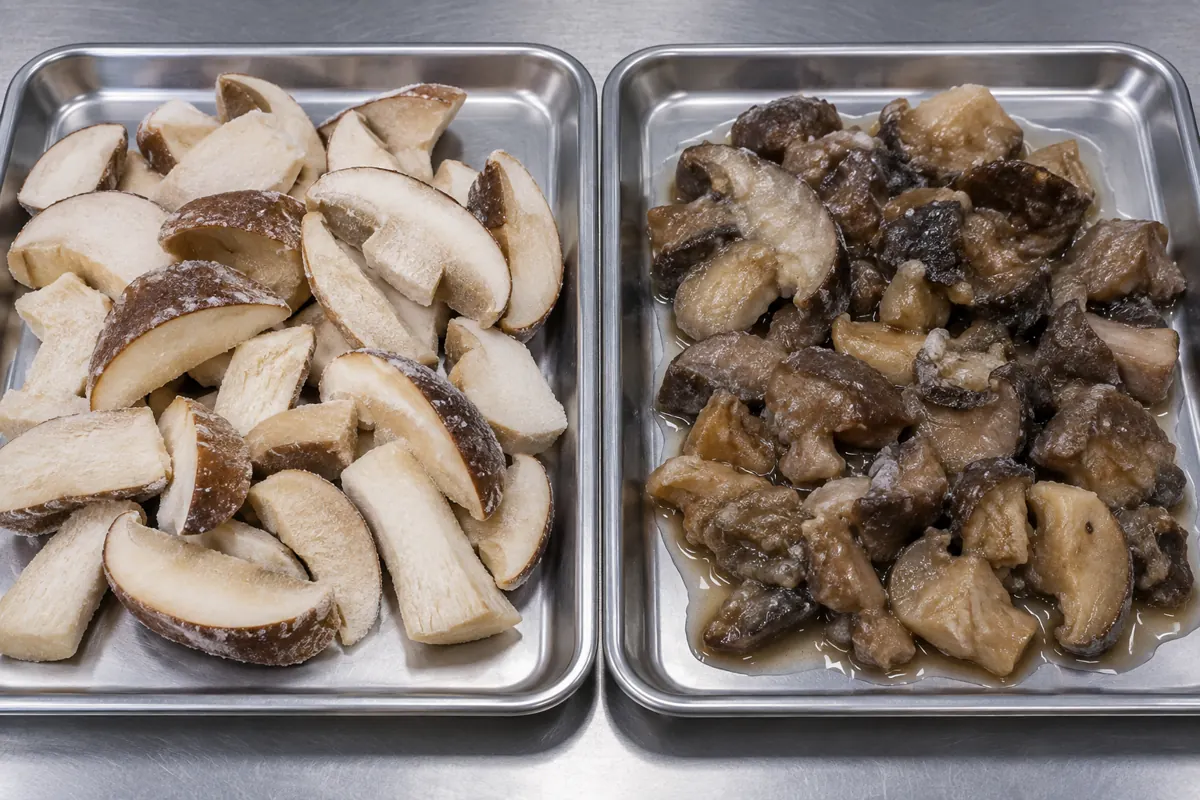
Frozen processing can alter apparent cap color too. A frosted surface looks lighter, while a thawed wet surface can look darker and glossier. Compare like with like. Photograph a sample while still frozen and again after the agreed thaw or cook method. Under different lighting, packaging film, and white balance, color judgments can swing substantially. A simple reference sample kept under the same inspection conditions is more defensible than a phone image taken under warehouse lighting.
Color is not the only cap defect. Check bruising, excessive trimming, attached soil, large tears, and insect activity as relevant to the purchased form. Some defects are more important for whole mushrooms; others show up in slices. A carton of attractive cap surfaces can still contain poor interior pieces. Sampling should include enough pieces from more than one position in the pack to represent the lot.
If a supplier offers several grades, ask what distinguishes them. Grade names are not universal. One supplier's "premium" may emphasize intact caps, another may mean a particular cut or pore color. A specification with photos, measurement ranges, and rejectable defects is more useful than a grade label on its own. It also gives receiving staff a consistent basis for acceptance.
Pores from white to yellow and olive
Porcini belong to the bolete group, whose underside has pores. This sponge-like surface is one of the visible features that separates them from shiitake, which have gills. Young Boletus edulis pores tend to be pale white or cream. With maturity they become yellow, then olive or greenish olive. The progression is normal. It may affect the appearance and texture of a cut product, but the color sequence alone does not establish that the mushroom is spoiled.
Maturity matters in a dish. A young pore layer can hold together better in a visible slice. A more mature pore layer may be softer or more pronounced in color. In a soup or sauce, that may be acceptable; in a retail pack of display-quality slices, it may not meet the buyer's expectation. Define the permitted maturity distribution for the intended use. A supplier and buyer can compare photographs of representative accepted and rejected samples before contracting.
Pores from white to yellow and olive
Be careful with words such as "green." A naturally olive mature pore surface is not the same as green mold on the cap or flesh. Mold can have a fuzzy or irregular growth pattern and may come with odor or softening. If there is any doubt about contamination or decay, the lot needs a qualified food-safety assessment rather than a debate over the name of the shade.
The pore layer can be removed in some culinary preparations, particularly when it is very mature and soft. That process changes yield. If a customer orders whole fresh porcini and routinely trims away a large mature pore layer, the purchase price per usable kilogram will be higher than the invoice price suggests. A tighter maturity grade or a preprocessed frozen cut might be more efficient, depending on the menu. Measure trim loss over actual cases before changing the specification.
Frozen slices may display a pale, yellow, or olive strip along the underside of the cap. This is expected if the cut includes the pore layer. It should not be mistaken for gills, nor should it be described generically as "green contamination" without inspection. Conversely, a product with true blade-like gills instead of pores calls for species verification. A receiving employee should know the distinction when buying a named porcini item.
For consistent communication, write the maturity range in plain language: for example, "predominantly pale to yellow pores; limited olive mature pore surface as per approved sample." That is an illustrative structure, not a universal grade. The actual permitted share and defect threshold should come from the agreed sample and application trial.
Cut flesh, bruising and warning signs
Cut the mushroom to judge more than the cap. Porcini flesh is generally white to pale. In a sound piece it should have substance, not collapse under light pressure. The stem can show a net-like pattern on the outside, but the interior check is about firmness, insect damage, and decay. A dense, clean interior is more useful for attractive slices than a stem riddled with tunnels.
Some browning at cut surfaces can occur after handling. Evaluate its depth and pattern. A thin surface change differs from a broad dark, mushy zone that extends into the flesh. The latter may indicate damage or deterioration, particularly if accompanied by an off smell. Buyers should not treat every natural beige tint as a rejectable defect, but they also should not excuse severe breakdown as a normal color variation.

Cut flesh, bruising and warning signs
The classic Boletus edulis description notes flesh that does not stain blue when cut or bruised. That is a helpful descriptive characteristic, but it does not make a field identification safe. Several boletes vary in bruising behavior, and commercial "porcini" may encompass an agreed group rather than a single specimen. Procurement requires verified species and source records. If a delivered product shows unexpected blue staining, stop and resolve identification before use instead of guessing from a photo.
Insect damage is a separate quality issue from color. Small channels can be hard to see on the outside and prominent on a cross-section. A processed frozen pack may expose the channels clearly. Define whether any insect damage is allowed, the sampling method, and how much of a lot triggers rejection. For a premium visible dish, tolerance may be low; for a finely processed application, the buyer still needs an agreed food-grade standard and compliance with relevant regulations.
Odor is useful but subjective. Fresh porcini should have an appropriate earthy mushroom aroma, not sour, putrid, or chemical notes. Frozen product may have a muted aroma before cooking, so the agreed cooking test can be important. Never let a pleasant smell override visible mold, uncertain species, or a broken cold chain. Sensory checks form part of a larger acceptance procedure.
If the receiving team finds a problem, record the carton label, lot, temperature, photographs, sample size, and exact observation. "Brown inside" is too vague to settle a claim. "Six of twenty sampled slices had soft dark flesh extending more than half the thickness" is much more actionable, provided the method and limit were agreed. Good documentation protects both buyer and supplier.
Frozen porcini colour at receiving
Frozen porcini are often sold as slices, dices, pieces, or whole mushrooms. The cut and the ratio of cap to stem shape how the bag looks. A slice may show brown cap, pale flesh, and yellow or olive pore layer in one piece. That combination can be normal. A dice mix may appear more variable because each small piece captures a different part of the mushroom. Set expectations by cut and grade, not by an idealized photo of a whole fresh porcini.
Inspect the unopened package first. Check product identity, lot, packaging integrity, and temperature according to the purchase contract. Notice whether the pieces remain reasonably separate if the format is specified as IQF. A heavily fused block, excess internal ice, or signs of leakage can suggest handling issues, although the precise disposition depends on the documented temperature history and specification. Color alone cannot tell you whether a cold-chain break occurred.

GreenLand frozen porcini product photograph, second view
Take a representative frozen sample and compare it under consistent light. Frost can make pieces look pale. A wet thaw can deepen brown tones. If an acceptance standard refers to color after thawing, use the specified thaw procedure; if it refers to cooked appearance, cook a measured sample in the actual recipe or a standard test method. A change in method can make the same lot appear to pass one day and fail the next.
Freezing can increase liquid release on thawing. That liquid can carry color into the pan, making the finished dish darker than the frozen sample suggested. For a light cream sauce, test color transfer and water release. For a brown stock or risotto, the same effect may be acceptable or even desired. A procurement trial should record cooked yield and appearance, not just a snapshot of the frozen bag.
Some discoloration arises from oxidation or processing variation; some indicates serious quality loss. There is no safe universal color threshold that separates the two. Examine the pattern, texture, odor after appropriate thawing, packaging condition, and records. If a lot is unexpectedly dark, request the supplier's explanation and retained sample comparison. Do not use a questionable shipment before the issue is resolved.
At GreenLand, a frozen porcini inquiry should specify the target cut, destination dish, acceptable maturity, and the appearance expected after cooking. We would compare a sample in that dish before claiming equivalence to a fresh ingredient. This turns the color question into a measurable quality decision and reduces disputes caused by differing visual assumptions.
How to write a colour and defect specification
A useful specification names the mushroom and form before discussing color. State the scientific species or approved species group, fresh or frozen state, whole/sliced/diced cut, size range, and packaging. Add a reference photograph or approved sample showing the acceptable range of cap, pore, and flesh colors. Specify the inspection state: frozen, thawed, or cooked. Without that state, two accurate observers can describe different colors for the same product.
Then define defects separately. Examples include mold, decay, off odor, insect damage, excessive soil, broken pieces, undesirable dark or water-soaked flesh, and unusual foreign material. Assign a sampling method and tolerance where appropriate. The numbers should reflect the application and supplier capability. A premium retail pack needs a different visual standard from a diced ingredient for a dark sauce, but both require sound food-grade material.
How to write a colour and defect specification
For porcini, maturity belongs in the spec. The natural white-to-yellow-to-olive pore progression can be allowed in a chosen proportion. If the buyer wants predominantly young pale pores, say so. If mature pores are acceptable for processing, say that too. A supplier cannot reliably price or select a lot when the buyer writes only "natural color" and later rejects olive pores that were always biologically possible.
Photographs help when they are controlled. Include a color reference card if precise visual comparison matters, use consistent lighting, and capture the same cut surface. Avoid making a phone screen the sole standard. A retained sample, where feasible, is stronger evidence. For frozen product, record how the reference sample was stored and prepared before the photograph.
Also specify what happens when a lot is borderline. Can a larger sample be taken? Is a cook test decisive? Does the supplier replace, credit, or regrade the lot? Agreeing on this procedure before a shipment arrives is more efficient than negotiating under service pressure. A clear specification supports realistic acceptance rather than forcing every natural variation into a pass/fail argument.
The first shipment is an opportunity to calibrate. Inspect together, compare to the approved sample, note any language that caused confusion, and revise the next purchase order. A written standard becomes useful when receiving staff can apply it consistently without needing the original buyer at the dock.
Colour questions that require species verification
If the underside has gills rather than pores, the product may be a different mushroom. If the flesh behaves in a way inconsistent with the agreed species, if labels conflict, or if the shipment mixes unidentified pieces, pause use and ask for species verification. A brown cap is common across many mushrooms. It is not an identity certificate.
This is especially important for wild-collected mushrooms. The visual traits described here are educational and help a commercial buyer discuss a traceable product; they are not a field foraging key. Identification should be performed through the supplier's qualified sourcing and inspection system. Ask for scientific name, origin, lot traceability, and relevant compliance documentation. If the supplier markets a broader "porcini mix," the species list should be explicit.

Colour questions that require species verification
Color questions may also hide a formulation issue. A prepared-food maker that needs the darker earthy note of porcini cannot simply substitute another brown mushroom and retain the same product description. Conversely, a dish that needs only a mild mushroom texture may not need a tightly graded porcini lot. The recipe claim, ingredient declaration, and sensory target should drive the purchase.
When investigating a dark shipment, compare several samples rather than one dramatic piece. Record cap, pore, and flesh separately; note texture, odor, ice condition, and cooking result. An unusually mature pore layer calls for a different discussion from soft decayed flesh. The first may be a grade mismatch; the second may be a quality rejection. That distinction helps resolve the issue accurately.
The short answer is that porcini can have a beige-to-brown cap, pale-to-olive pores according to maturity, and typically pale firm flesh. Buyers should define which part of that normal range fits the finished dish, then inspect for separate defects and verify species through traceable sourcing. A color specification that reflects the actual product is far more useful than a single ideal shade of brown. For a first purchase, include a short receiving note with photographs of an approved frozen sample and its cooked result. Label the cap, pore, and flesh areas separately. That reference helps the warehouse and kitchen describe the same feature consistently and makes later supplier discussions far more specific than a complaint about "the wrong brown."
The GreenLand frozen porcini page identifies the relevant product family. Use its offered form and a representative shipment sample, not a web photograph alone, when agreeing on cap, pore and flesh appearance.
Source frozen porcini mushrooms with GreenLand-food
GreenLand-food is a professional frozen porcini mushrooms supplier and manufacturer in China, providing factory-direct wholesale supply for importers, food manufacturers, foodservice distributors, and private-label programs.
Send the product form, specification, packing, quantity, application, destination, private-label needs, and requested documents.