


Can You Freeze Roasted Vegetables?
Sep 01, 2026
Leave a message
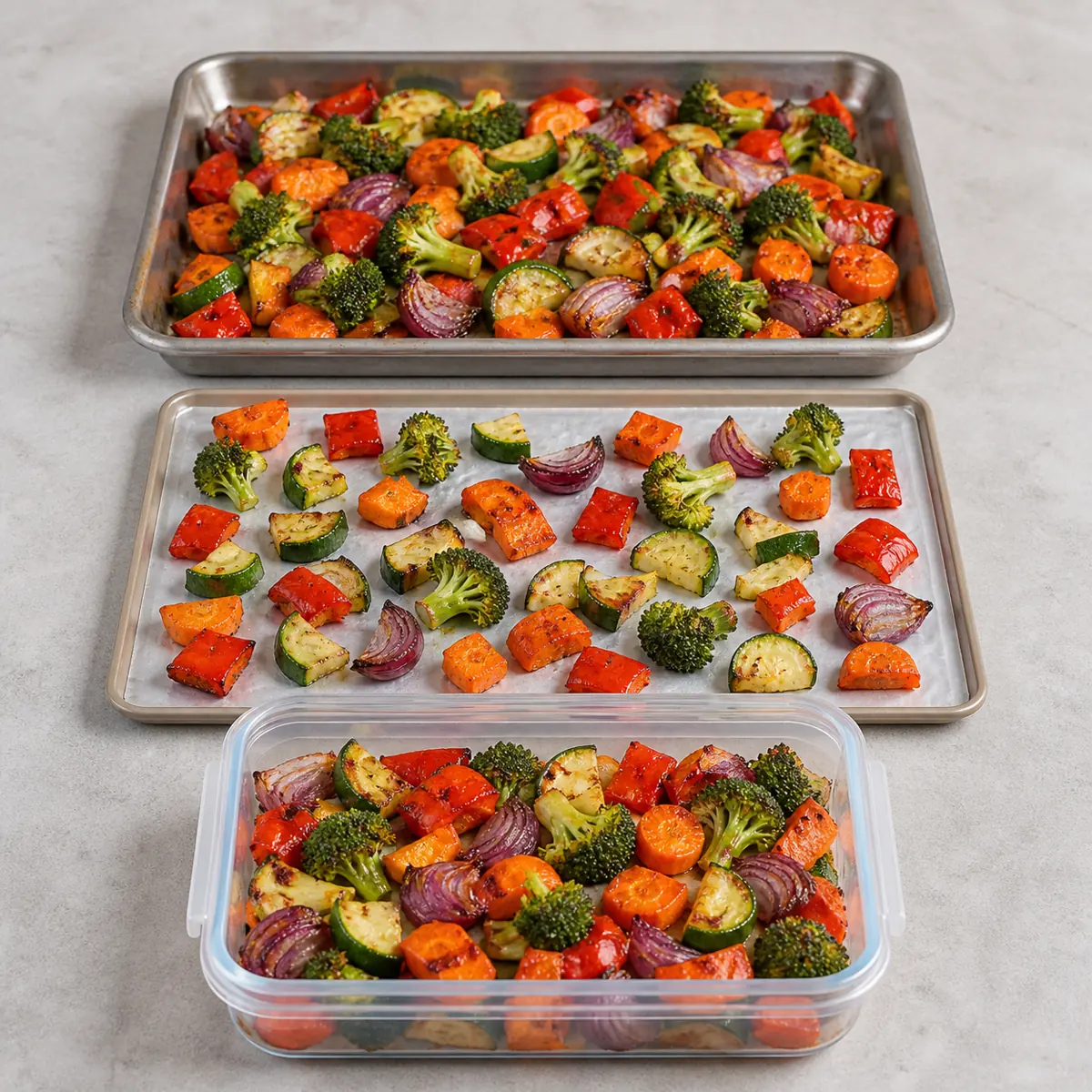
Yes-freeze roasted vegetables after cooling, then reheat them hot and uncrowded
Roasted vegetables can be frozen for later meals, sauces, soups and prepared-food production. For the best structure, roast firm vegetables until just tender rather than very soft, cool them promptly in a shallow layer, tray-freeze for separation, pack with little air and reheat from frozen in a hot oven or air fryer. Expect softer centers and less crispness than a freshly roasted batch.
This article is about vegetables that have already been roasted and are then frozen. It is deliberately separate from guidance on putting raw frozen vegetables into an oven for their first roast.
Key takeaways
- Firm vegetables such as carrots, cauliflower and Brussels sprouts usually tolerate a freeze-reheat cycle better than watery zucchini or fully collapsed peppers.
- Stop the first roast a little before final tenderness because freezing, thawing and reheating continue to soften plant tissue.
- Cool in a shallow single layer, pack without trapped steam, and keep sauces separate when possible.
- Reheat from frozen with dry, high heat and space between pieces; a covered dense pan encourages steaming.
How common roasted vegetables handle freezing
| Vegetable or mix | Freeze-reheat potential | Main risk | Best later use |
|---|---|---|---|
| Carrot, parsnip and sweet potato | Good when just tender | Very soft centers if over-roasted | Sides, bowls, soups and mash |
| Broccoli, cauliflower and Brussels sprouts | Good with dry surfaces and firm stems | Soft crowns, sulfur aroma and loose crumbs | Oven-reheated sides, pasta and casseroles |
| Bell pepper and onion | Useful but naturally soft | Released juice and loss of crisp bite | Sauces, fajitas, pizza and prepared meals |
| Zucchini, eggplant and mushrooms | Conditional | High moisture and spongy or collapsed texture | Sauces, soups, fillings and blended dishes |
| Mixed roasted vegetables with sauce | Depends on the sauce and cut balance | Coating traps steam; components soften at different rates | Ready meals when the full formula has been tested |
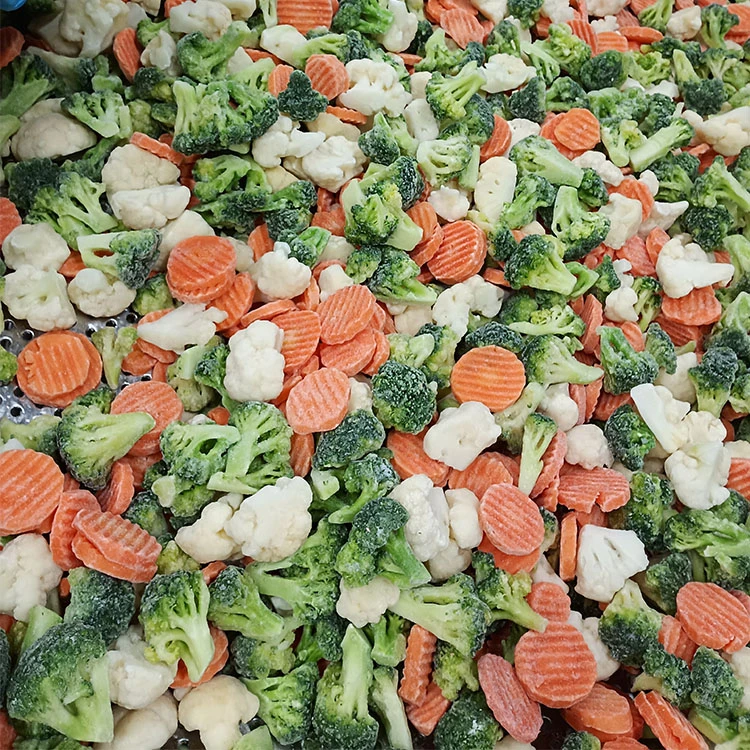
Freezing does not erase the first roast
The quality of a reheated batch is largely decided before it enters the freezer. Roasting drives moisture from the surface, browns sugars and softens cell walls. If the vegetables leave the first roast fully soft and wet, they have little structural reserve for freezing and reheating. Pull them while the centers are just tender and the edges are lightly browned, especially when the next use is another hot oven cycle.
A charred edge does not become pleasantly crisp again merely because it is reheated. It can taste bitter, while a heavy oil coating becomes greasy. Season with salt and dry spices in moderation. Add fragile herbs, cheese, nuts and acidic finishing sauces after reheating unless you have tested the complete frozen formula.
Why some roasted vegetables freeze better than others
Low-to-moderate moisture vegetables with firm cell structure usually retain a more recognizable bite. Carrot, parsnip, sweet potato and cauliflower can soften yet remain useful. Zucchini, eggplant and mushrooms contain or absorb more water and may become limp or spongy. Peppers and onions freeze well for flavor but should be expected to behave like cooked vegetables rather than crisp fresh toppings.
Cut geometry matters as much as vegetable identity. Tiny broccoli crowns dry and crumble before thick stems reheat. Large potato chunks can remain cold in the center. A mixed tray with wildly different sizes forces a compromise. Cut components for similar heating behavior or separate them into groups that can be reheated for different times.
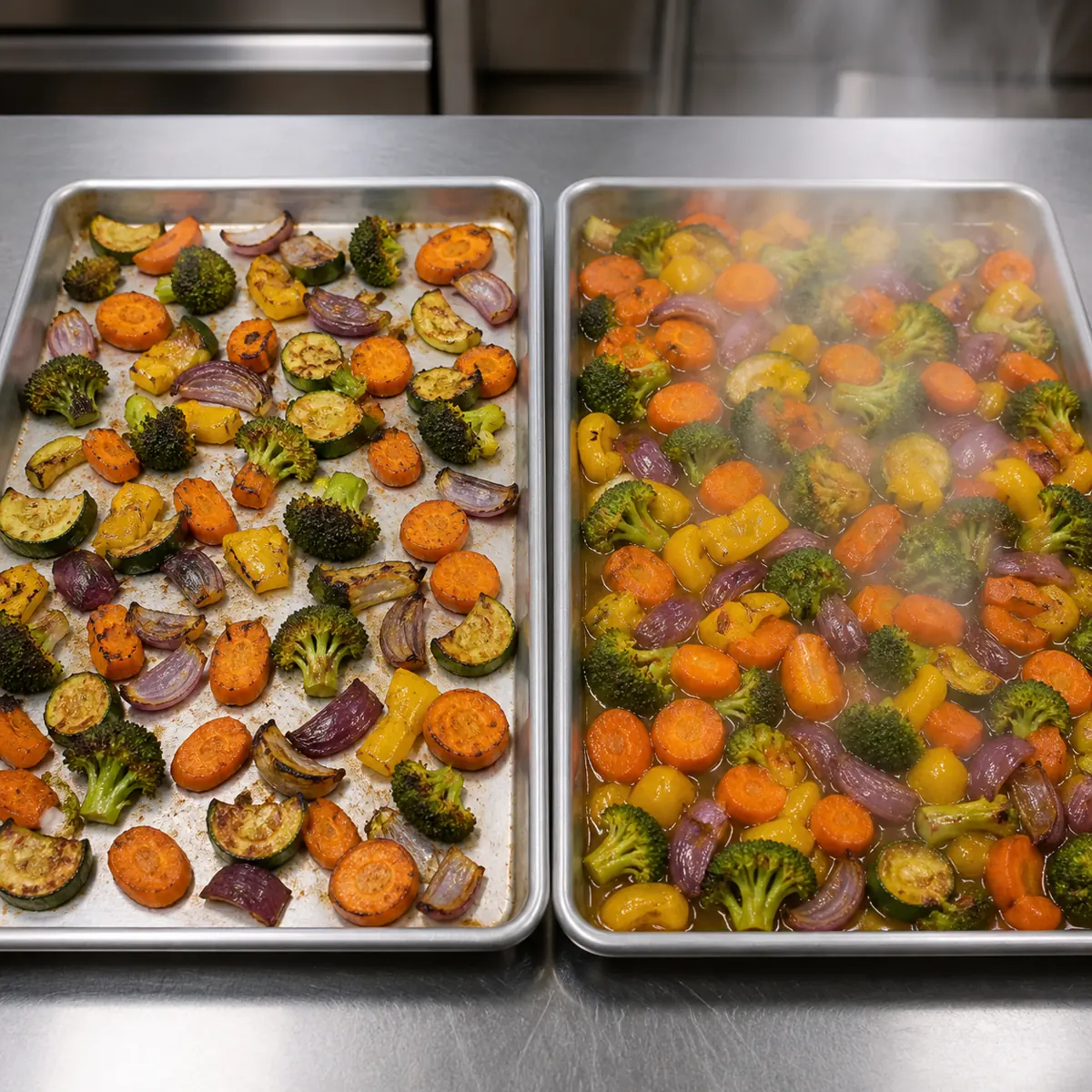
Cool roasted vegetables quickly without trapping steam
Spread the vegetables in a shallow layer after roasting instead of leaving them piled in a deep hot bowl. A dense pile continues to cook and releases steam onto its own surfaces. For food-safety-sensitive production, follow the site cooling plan and applicable time-temperature limits; a blog cannot validate cooling for a specific container or batch size. Do not place a large steaming hotel pan directly into a crowded freezer.
At home, allow the tray to stop steaming, then refrigerate promptly if a short cooling step is needed before freezing. Keep the food protected from contamination. Once cool, inspect the pan for pooled oil or liquid. Drain obvious excess rather than freezing vegetables submerged in it. Packing warm food creates internal condensation that later becomes surface ice.
Tray-freeze for loose pieces or pack a complete portion
For pieces that should remain separate, arrange the cooled vegetables on a lined tray and freeze until firm before transferring them to a freezer pack. Keep them in one layer with small gaps. A deep mound freezes more slowly and becomes a block. Move the firm pieces into the final package promptly so uncovered edges do not dry in the freezer air.
Tray freezing is unnecessary when the entire portion will be reheated together. Fill a shallow freezer-safe container with one meal or one recipe batch, remove excess air space where practical and seal. Flat packs save space and thaw evenly, but do not crush delicate cauliflower or broccoli crowns. Label the vegetable mix, roast date, seasoning and intended use.
For preparation details, see Can Roasted Cauliflower Be Frozen and Reheated?.
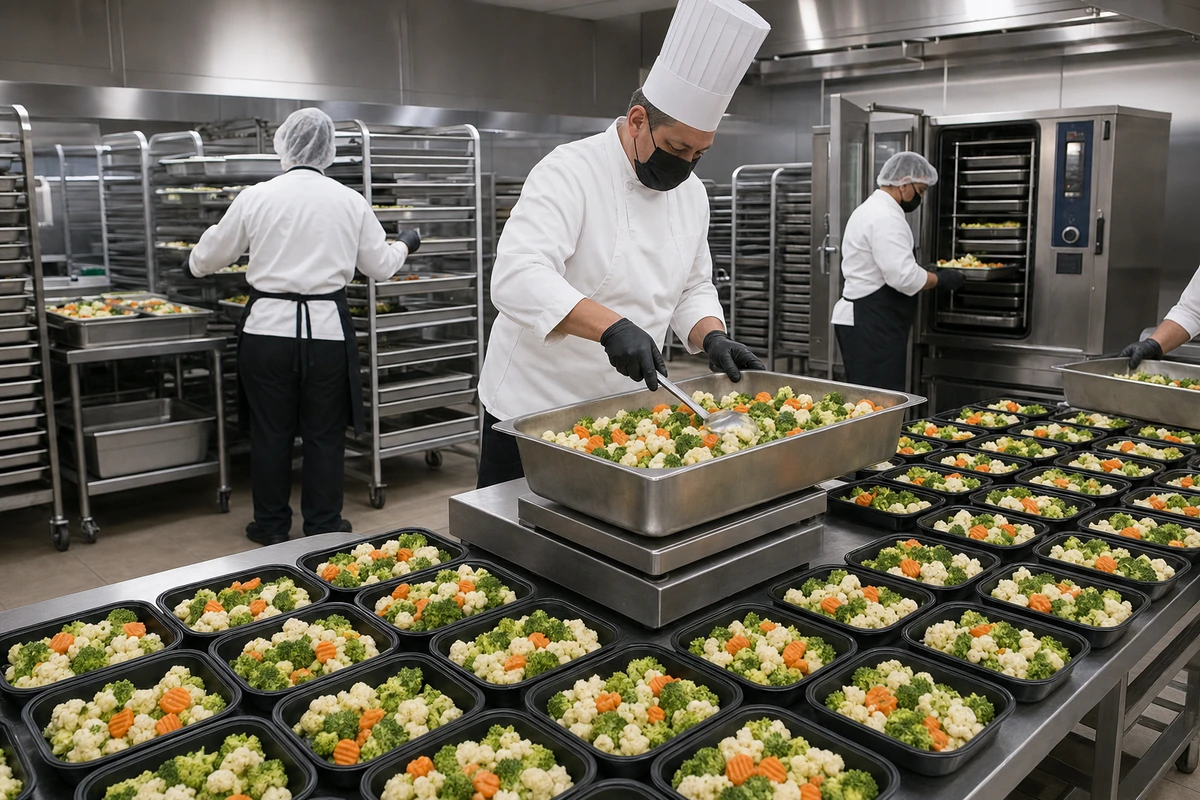
Reheat from frozen when browned edges matter
A hot oven, convection oven or air fryer gives released moisture somewhere to go. Preheat the equipment and the pan when practical, spread the frozen vegetables in one layer and reheat until the centers are hot and the surfaces have dried. Turn once if the underside browns faster. The exact time depends on cut size, vegetable type, pan material, load and whether the equipment uses convection.
A microwave is faster but creates a softer result because moisture remains around the food. That can be acceptable for soup, mash, sauce, meal bowls or a covered casserole. Choose the method by the intended outcome. There is no value in forcing a crisp-side method when the vegetables will immediately be blended into a sauce.
Sauce, cheese and seasoning can help-or trap moisture
Freeze sauce separately when you want roasted surfaces to stay as dry as possible. Tomato, cream and cheese sauces hold moisture next to the vegetables during thawing and reheating. For a prepared meal, this may be exactly the intended system, but the combined formula must be tested. Add sauce after dry reheating when a crisp edge matters; combine before freezing when convenience and flavor integration matter more.
Salt draws water toward the surface, and sugary glazes can darken further during reheating. Heavy garlic may become harsh after storage, while fresh herbs lose color. Record the first-roast seasoning instead of guessing later. Taste the thawed and reheated product after the expected storage period, not only on the day it was prepared.
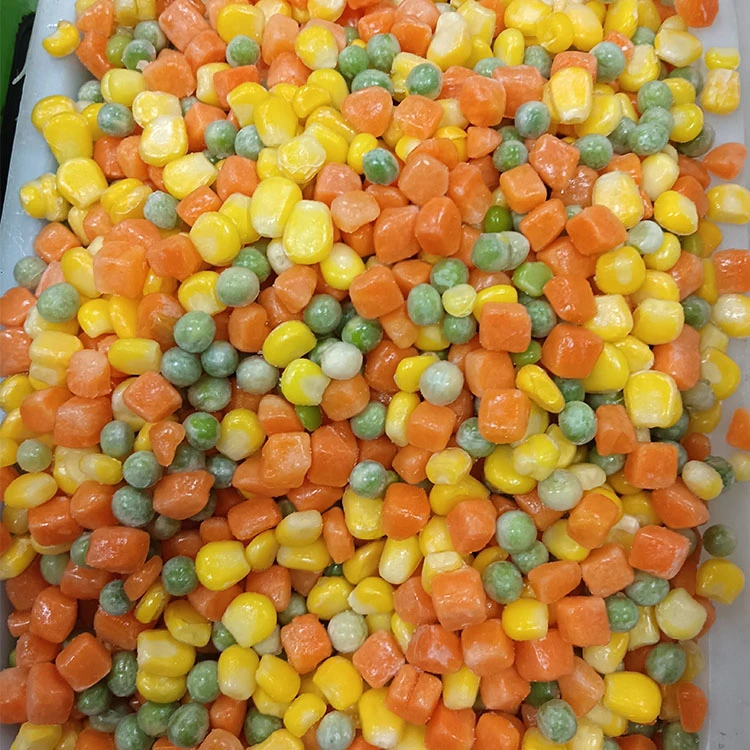
Troubleshooting soggy, dry or uneven reheated vegetables
Sogginess usually traces to an over-soft first roast, trapped steam during cooling, a wet sauce, deep packing, thawing in liquid or a crowded reheat pan. Change one variable at a time. Start with a slightly firmer first roast, cool on a rack or shallow tray and reheat a smaller load. If the batch is already soft, redirect it to soup, curry, filling or puree instead of overcooking it in pursuit of crispness.
Dry, leathery edges point to small pieces, long uncovered freezer exposure or excessive reheating. Uneven centers point to mixed cut sizes or an overloaded pan. In a production trial, weigh the frozen and reheated portions, record time and equipment settings, then score color, bite, surface moisture and breakage. Photographs are useful only when tied to a repeatable method.
Keep mixed vegetables from becoming the weakest-piece compromise
A mixed tray often contains a firm root, a fragile crown and a watery fruit vegetable. If they are roasted, frozen and reheated together, the cook time is governed by whichever component is hardest to heat, while the most delicate component continues softening. Group pieces by density and cut size, or roast components separately and combine them after cooling. This adds a handling step but gives far better control than hoping every vegetable responds to one clock.
For a commercial blend, specify the percentage of each component and the acceptable distribution within a sample. A bag can meet its total formula yet deliver one portion dominated by carrot and another dominated by zucchini if mixing and segregation are poorly controlled. Evaluate multiple scoops from different bag positions and the actual depositor or portioning system.
Measure cooling and reheat yield, not just appearance
Weigh the tray before roasting, after the first roast, after cooling, after freezing and after reheating. The differences show water and oil movement and let a buyer compare usable yield. Photograph the same marked sample under consistent light, but score firmness and surface moisture with a simple written scale. A beautiful browned photograph can hide a low yield or a center that collapses during a ten-minute hold.
Log pan material, product depth, oven mode, set temperature, actual time, starting product temperature and room exposure. When a trial fails, these records show whether the issue came from the first roast, slow cooling, freezer handling or reheating. Without them, teams often increase temperature and create darker edges without solving the trapped water that caused softness.
Choose packaging for the next heat step
Loose roasted pieces need a strong moisture barrier and enough protection against breakage. A complete prepared-meal portion needs a tray that tolerates freezing and the intended reheat system. Microwave-only trays encourage a softer result; ovenable trays can support dry heat but must be validated for material, seal and consumer instructions. The lidding film also changes steam retention and may need venting.
Leave room for expansion and avoid compressing fragile crowns under a heavy sauce component. If the meal will be reheated without opening, design the sauce viscosity and vegetable position for that enclosed environment. If the film is removed, the instruction must say when and how. Product quality and package instruction are one system, not separate marketing decisions.
Decide what success means before the trial
Fresh-roasted crispness is not a realistic universal target after freezing. Define a result the application can deliver: lightly browned edges with a tender center, pieces that remain identifiable in sauce, or a soft blend intended for soup. State unacceptable conditions such as watery pooling, skin separation, burnt sugar, fibrous stems or pieces that disintegrate during portioning. A written target prevents endless adjustment toward an undefined ideal.
Score at the point the customer eats the food. For restaurant service, that may be after hot holding and plating. For retail frozen meals, it is after consumer microwave or oven reheating. For an ingredient, it may be after factory mixing, freezing again and a second heat step. The further the product travels through heat cycles, the more important it is to leave structural margin in the first roast.
Create a freezer-to-service instruction that removes guesswork
Write the instruction around the actual frozen portion: product weight, pan size, oven mode, set temperature, whether the pan is preheated, turning point and visual endpoint. State whether sauce, cheese or garnish is added before or after reheating. For a mixed tray, note which component is used as the tenderness check. The instruction should tell the cook what to do when pieces are clumped or carry loose ice rather than encouraging them to add unlimited time.
Validate more than one load. A half pan in an empty oven behaves differently from four full pans during peak production. Log oven recovery and rotate positions only if the approved method requires it. If a product is sold to consumers, test the stated household equipment and portion, then use clear conditional language for oven variation. Commercial kitchens should connect the method to product code and pack size so a supplier change triggers review.
The service step completes the test. Record how long the vegetables wait after reheating, whether the pan is covered, the serving vessel and any sauce contact. Score color, piece identity, surface water, firmness and temperature at the beginning and end of the hold. When quality falls too quickly, reducing hold time or changing packaging may be more effective than roasting the vegetables harder and making them dry at the start.
Finally, define a safe alternate use for sound but softer output, such as soup, sauce, filling or puree, and define conditions that require discard. This protects yield without blurring food-safety boundaries. A batch with normal softening is not the same as one with uncertain cooling, damaged packaging or abnormal odor. The decision tree should keep those categories separate.
Use a pilot batch before filling the freezer
Freeze one or two labeled portions first and hold them for a realistic period. Reheat with the intended method and compare them with a freshly roasted control. Score each vegetable separately for color, shape, firmness, skin condition and released water. If the mix contains sauce, weigh the free liquid after reheating. A same-day freeze test can reveal major problems, but a stored pilot shows whether packaging and freezer exposure introduce drying or oxidation.
Adjust the first roast, cut or component balance from that evidence. Pull watery vegetables earlier, reduce crowding during cooling, separate sauce or replace a fragile component with one better suited to the application. Repeat the pilot after one controlled change. Scaling immediately from a successful fresh tray to dozens of frozen portions creates expensive inventory before the weak point is understood.
Keep one retained frozen portion until the planned end of storage and compare it with the first-week result. This catches slow surface drying, flavor fade and package damage that an early test misses. If performance changes materially, shorten the internal best-quality period or improve the barrier pack. A declared frozen shelf life for sale needs appropriate technical validation; a kitchen blog cannot establish it from appearance alone.
How to freeze roasted vegetables after cooking
-
Choose vegetables that still have structure
Freeze a sound freshly roasted batch, not vegetables that are already mushy, heavily charred or left warm for an uncertain period. Keep high-moisture components separate when their behavior differs sharply.
-
Stop the roast at just tender
Leave a small firmness margin for the later reheat. Use moderate oil and avoid delicate finishing ingredients that deteriorate during frozen storage.
-
Cool in a shallow layer
Spread pieces so steam escapes and follow applicable cooling rules. Do not seal warm vegetables or stack deep hot containers in the freezer.
-
Choose loose-piece or portion packing
Tray-freeze pieces when you need to take out a handful. Pack a complete shallow portion when the whole amount will be reheated together.
-
Seal, label and keep frozen
Use freezer-suitable packaging, remove avoidable air, protect delicate pieces and label the mix, seasoning and date. Maintain a stable freezer temperature.
-
Reheat hot, dry and uncrowded
Place the vegetables in one layer in fully heated equipment and turn as needed. Add fragile herbs, cheese or finishing sauce after the surfaces have dried unless the tested formula requires otherwise.
Buying for a frozen prepared-meal formula
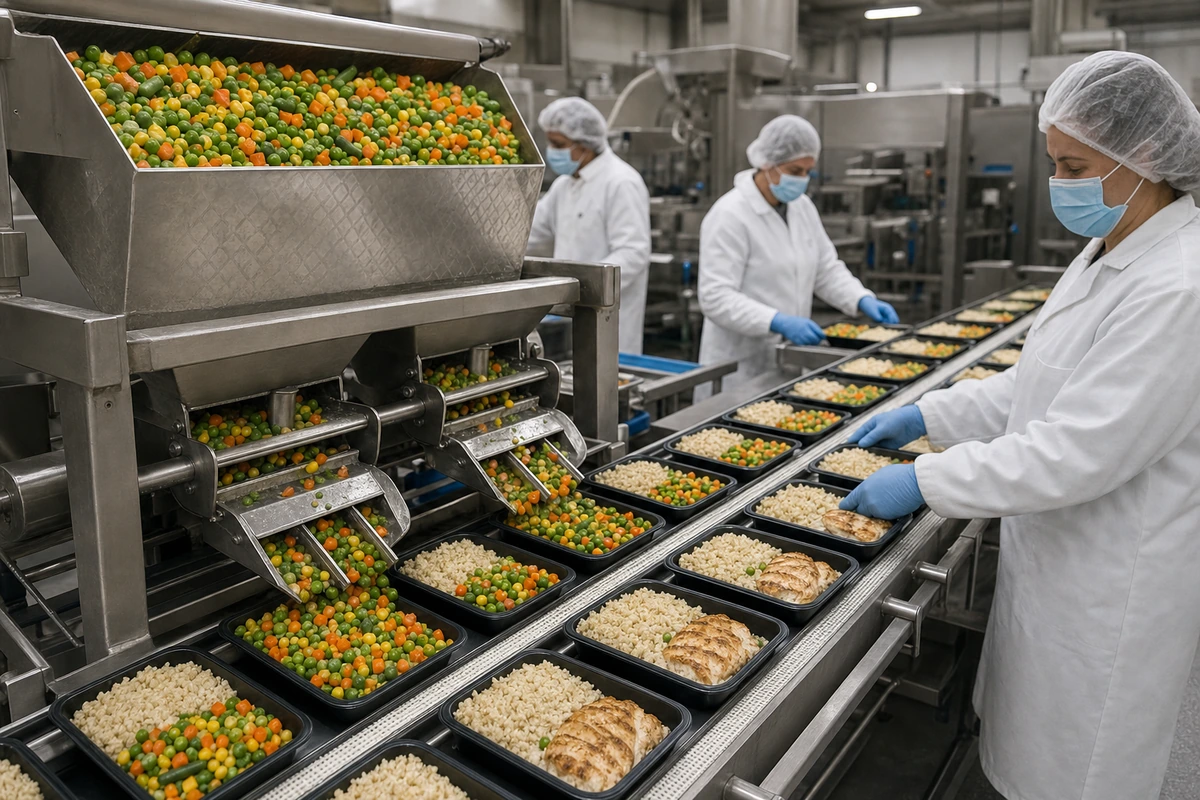
A manufacturer may buy raw frozen vegetables and perform the first cook, or buy a cooked frozen component. Those are different specifications. Clarify whether the proposed item is raw, blanched, steamed, roasted, grilled or fully cooked; whether oil and seasoning are present; and whether the cut is measured before or after cooking. The declared process changes reheat behavior and labeling.
Approve the complete application. Record component ratio, frozen clumps, surface ice, roast color, defects, breakage, sauce pickup, reheat yield and hot-hold decline. A vegetable that looks excellent as a loose sample can disappear into a wet sauce or soften during a long hold. Test the production pan depth, oven load, package and consumer or foodservice reheat instruction.
Commercial review should also cover facility scope, food-safety documents, allergen control where seasoned products are involved, packing, net weight, MOQ, loading quantity, shelf life, cold-chain expectations and destination labeling. GreenLand-food can match frozen vegetable formats for trial, but a buyer should approve the written specification and actual formula before scale-up.
Frequently asked questions
Can all roasted vegetables be frozen?
Most can be frozen, but the result varies. Firm carrots, cauliflower and roots usually retain more structure than watery zucchini, eggplant or mushrooms.
Should roasted vegetables be fully cooled before freezing?
Yes. Cool them promptly in a shallow layer under applicable food-safety rules. Sealing warm vegetables traps steam and creates surface ice.
Do I need to thaw frozen roasted vegetables before reheating?
Usually not when using an oven or air fryer. Reheating from frozen on a hot uncrowded pan helps moisture escape. Thaw in the refrigerator when a recipe requires mixing or accurate portioning first.
Why are my reheated roasted vegetables soggy?
Common causes are an over-soft first roast, trapped cooling steam, wet sauce, crowded packing or crowded reheating. Use firmer vegetables, shallow cooling and a hot single layer.
For preparation details, see How to Roast Frozen Vegetables Without Getting Soggy.
Can roasted vegetables with sauce be frozen?
Yes if the complete formula is suitable, but sauce usually produces a softer reheat. Test the sauce, vegetable ratio, package and actual reheat instruction together.
Reference points
- USDA FSIS - leftovers and food safety
- FoodSafety.gov - cold food storage charts
- USDA FSIS - freezing and food safety
These references support the measured handling points and method boundaries. Product labels, local food-safety requirements, site procedures and lot-specific specifications still control a real decision.
Confirm frozen vegetables against your real application
GreenLand-food is a frozen-food supplier supporting each manufacturer, importer, distributor and wholesale buyer. For factory-direct sourcing support, send the required form, cut, application, packing, quantity, destination and trial method. We will review available frozen vegetables specifications and the next practical step.