


Can You Put Bananas in the Fridge?
Sep 01, 2026
Leave a message

Refrigerate ripe bananas, not green ones
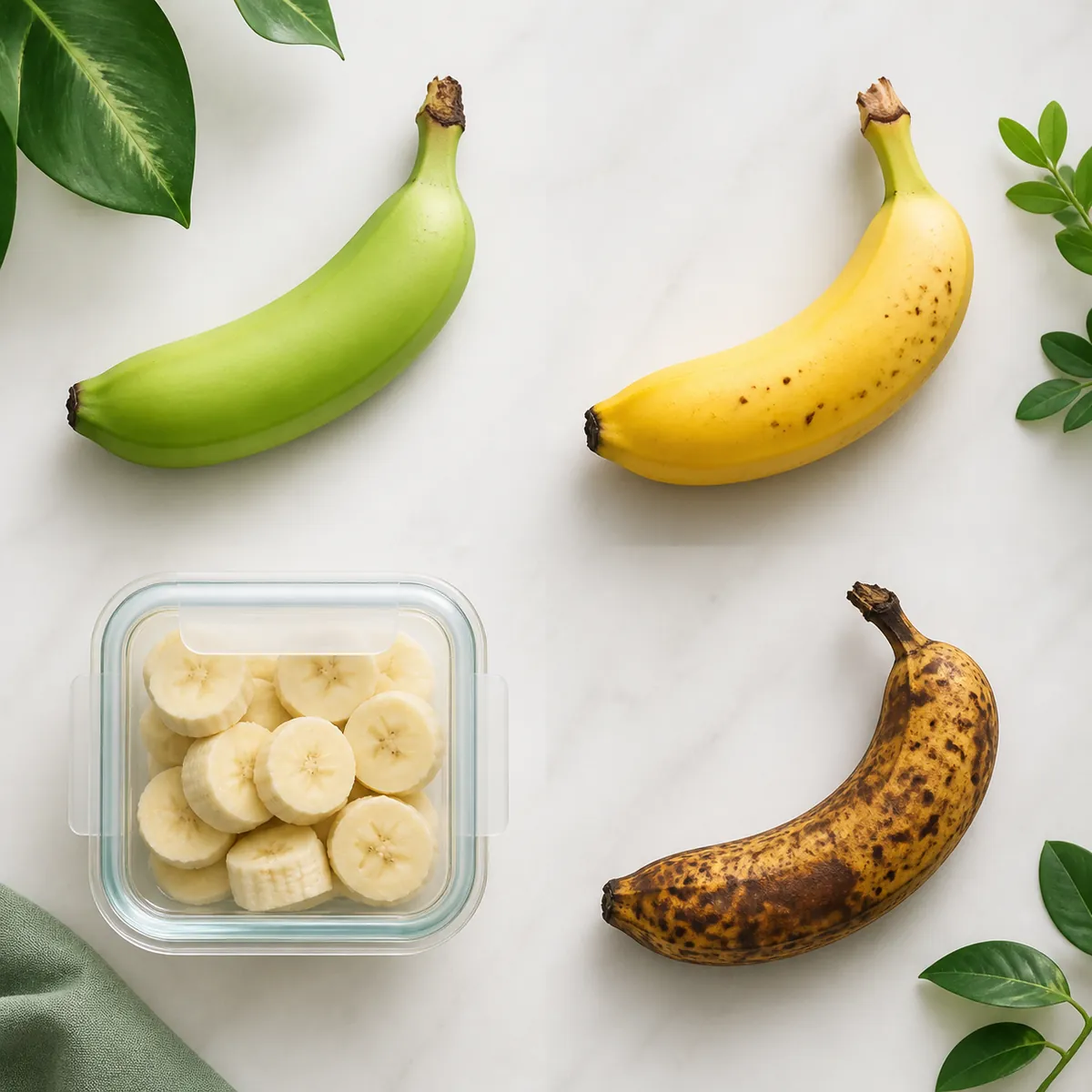
Leave green or very firm bananas at room temperature. When the peel is yellow and the fruit has the sweetness and firmness you want, move it to the refrigerator to slow the next stage of ripening. The peel will often darken because banana skin is sensitive to low temperature, but the flesh can remain sound for a period after that cosmetic change.
A dark peel is not proof that the inside is spoiled. Open and inspect the fruit. Discard it if the flesh has mold, slime, leaking breakdown, a fermented or otherwise objectionable odor, or uncertain temperature abuse. Use ripe refrigerated bananas promptly rather than treating refrigeration as indefinite preservation.
Key takeaways
Banana storage by ripeness stage
| Stage | Best location | What to expect | Next decision |
|---|---|---|---|
| Green and firm | Room temperature, out of direct heat | Starch converts, peel loses green color, aroma develops | Wait; use an ethylene-fruit bag only if faster ripening is wanted |
| Breaking green to yellow | Room temperature | Flavor and softness are still developing | Move to refrigeration only when the required eating stage arrives |
| Fully yellow and ready | Refrigerator if not using immediately | Peel darkens; flesh ripening slows | Inspect and use promptly |
| Spotted and very ripe | Refrigerate briefly, cook, or peel and freeze | Strong aroma, high sweetness and soft texture | Use for baking or freezing if sound; discard if spoiled |
| Cut or peeled | Covered in the refrigerator | Rapid surface browning and moisture loss | Use quickly; follow safe cut-fruit handling |
Why banana peels turn brown in the refrigerator
Bananas developed in warm growing conditions and their peels are sensitive to chilling. Low refrigerator temperature disrupts peel tissues and speeds visible darkening reactions. That is why a banana can emerge with a dark brown or black peel even though its center is still pale, aromatic and usable.
The peel and flesh do not respond at the same rate. Refrigeration slows many changes in the flesh, including further softening, while the outside broadcasts cold injury. Judge the inside separately. A sound interior should smell like banana rather than alcohol or decay, should not be slimy and should not contain mold or extensive wet translucent breakdown.
Color change is not automatically a safety event, but it reduces retail appeal. For a household, that may be acceptable. For a supermarket, hotel buffet or meal-kit program, a dark peel can be commercially unacceptable even if the flesh is usable. Storage decisions therefore depend on both eating quality and presentation requirements.
Do not use warmer refrigerator zones as a substitute for a controlled banana ripening program. Fresh supply chains manage temperature, airflow and ethylene exposure deliberately. Household refrigeration is simply a short holding tool after ripeness has been reached.

Fresh storage and frozen supply solve different problems
Fresh bananas are ideal when peel presentation, a fresh slice and customer-selected ripeness matter. Frozen banana is a processed ingredient for smoothies, bakery mixes, puree, desserts and other applications where continuous ripe-fruit management would add waste and variability.
The freezing bananas guide addresses the longer-hold option when refrigeration will not preserve the desired fruit state.
GreenLand's bulk frozen bananas can be reviewed as a supply option. Confirm form, maturity, color, treatment, pack and intended process rather than assuming all frozen banana performs identically.
A practical home method
- Assess ripeness. Green peel and very firm flesh indicate more room-temperature time. Yellow peel, developed aroma and a small amount of give indicate readiness.
- Separate damaged fruit. A bruised or split banana can release moisture and ethylene and can deteriorate faster. Use sound portions promptly and discard moldy or leaking fruit.
- Keep unripe bananas ventilated. Leave them away from direct sun, a hot appliance and sealed plastic that traps condensation. A paper bag with an apple can accelerate ripening when desired.
- Refrigerate at the target stage. Move fully ripe bananas to a normal refrigerator area. Do not expect the peel to stay bright yellow.
- Inspect before use. Open a dark-peel banana and judge the flesh, odor and texture. Trim a simple dry bruise if appropriate for immediate use; discard signs of decay.
- Choose the next format. Eat, cook or freeze sound ripe fruit before it moves into wet breakdown. Peel before freezing so the frozen portion is easier to use.
How to store cut bananas
Once peeled or cut, banana flesh loses the protection of its skin. Oxygen darkens the surface, moisture evaporates and handling can introduce contamination. Put cut banana into a clean covered container and refrigerate promptly. A small amount of suitable citrus treatment may slow browning for some applications, but it changes flavor and does not replace refrigeration.
Keep cut fruit away from raw meat, seafood, unwashed produce and leaking packages. Use clean utensils rather than returning a used spoon to the container. For foodservice, follow the organization's time-and-temperature rules and discard schedule; a household visual check is not a commercial food-safety plan.
Freezing is more practical than trying to hold cut banana for an extended period. Arrange pieces so they freeze separately, pack against air and expect a soft texture after thawing. That texture suits blending and baking more than a fresh fruit garnish. The site's existing frozen-banana articles cover freezing, thawing and application details; the present guide keeps its focus on fresh refrigeration.

When frozen banana is the more consistent choice
A smoothie plant or central kitchen does not always benefit from receiving green bananas, operating a ripening room, peeling at peak maturity and absorbing trim waste. A qualified frozen format transfers some of that variability into a written ingredient specification.
The buyer still needs to approve sweetness, maturity, color, seed specks, piece size, free-flow, clumps and flavor. Frozen supply reduces fresh-ripening work; it does not eliminate quality control.
Ripe, overripe or spoiled?
| Condition | Typical signs | Decision |
|---|---|---|
| Ripe | Yellow peel, banana aroma, gentle give, cream flesh | Eat or refrigerate |
| Very ripe but sound | Many brown spots, strong sweet aroma, soft but not leaking or slimy | Use in baking or freeze promptly |
| Spoiled | Mold, fermented or rotten odor, wet collapse, slime, leakage | Discard; do not taste to test |

What a frozen banana buyer should specify
State the intended application and required form: whole peeled, halves, slices, pieces or puree. Confirm maturity range, color, flavor, piece dimensions, treatment and declaration, defects, foreign-material limits, pack size, net weight, microbiological criteria, origin and required documents.
Run a sample in the real smoothie, bakery or dessert process. Measure usable yield and batch behavior, not only the delivered price. Ask how the lot and packing code support traceability if a complaint occurs.
Fresh banana handling for retail and foodservice
Retailers need a ripening curve, not a single ideal color. If every carton arrives at the same advanced stage, shrink rises before all fruit can sell. If every carton is green, customers may reject the display. Buyers coordinate incoming maturity, forecast sales, backroom temperature, display replenishment and promotional volume so several color stages are available without excessive waste.
Avoid stacking heavy cartons in a way that bruises fruit or blocks airflow. Rotate by condition, not only receipt date. A later delivery can sometimes be riper than an earlier one. Separate leaking, split or moldy hands quickly and clean affected surfaces according to the site procedure.
Foodservice teams should define the use stage. A buffet banana needs visual appeal and handling firmness. A smoothie banana can be riper and softer if flavor is sound. A bakery may want strong sweetness but still needs fruit that can be peeled cleanly. Use these application definitions in receiving and production planning.
Where daily ripeness management is costly, compare fresh and frozen on usable kilograms, labor, trim, waste, storage and finished consistency. The cheaper carton is not always the cheaper ingredient. Conversely, frozen fruit is not automatically preferable where a fresh slice or peel presentation is the product promise.
Packing should match the production unit
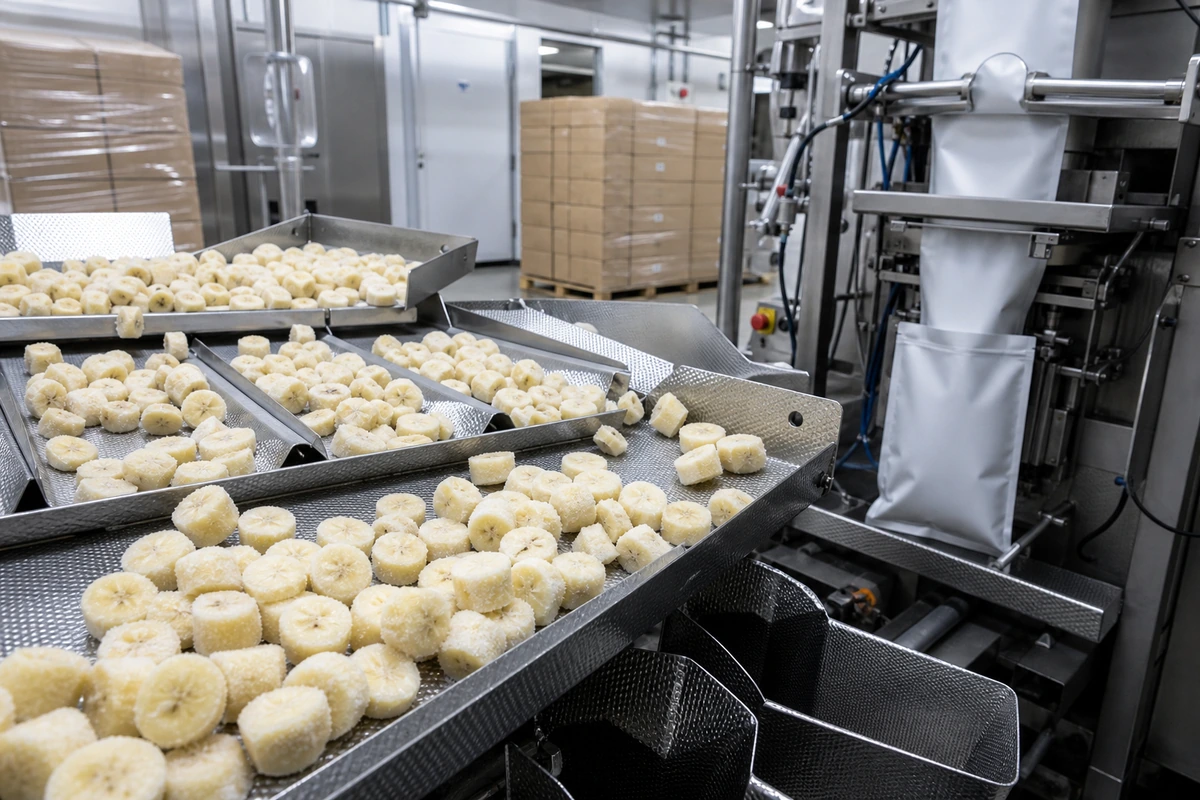
A small retail bag, foodservice bag and industrial carton create different portion control and handling. Confirm whether pieces remain free-flowing enough for partial use or whether the full bag should be consumed after opening.
Protect the frozen product from temperature cycling. At receiving, check package integrity, product temperature, clumping and frost, record the lot and transfer it promptly to stable frozen storage.
Designing a banana program around use stage
A fresh banana program begins with a definition of ready. For a lunchbox, the buyer may want a yellow peel with firm flesh that survives transport. For a buffet, appearance and easy peeling matter. For banana bread, a spotted peel, stronger aroma and soft sweet flesh can be ideal. If all three users receive the same stage, at least one will experience waste or weak quality.
Create simple color and firmness references for each use. Retail teams often think in peel-color stages, but the internal fruit still needs checks. Photographs should show the whole hand under consistent light and a representative cut fruit. A verbal standard such as ripe but not too ripe is difficult to apply across shifts, stores and suppliers.
Forecasting matters because bananas continue changing after receipt. Daily sales, weekend traffic, promotions and delivery frequency determine the mix of stages needed. A store that receives only ready-yellow fruit before a slow weekend may create avoidable shrink. Receiving some greener fruit can provide continuity, but only if the site has suitable room and time to ripen it.
Temperature should be managed deliberately before display. Bananas are sensitive to chilling, while excessive warmth accelerates water loss and softening. Household refrigerator guidance cannot be applied to cartons in professional ripening and distribution. Fresh produce operators should use commodity-specific protocols and trained staff, then use retail refrigeration only for a defined post-ripeness purpose.
Ethylene sources influence neighboring fruit. Ripe bananas release ethylene and can accelerate other responsive produce. In a small household bag this is useful; in a stockroom it can disrupt several categories. Separate or combine produce according to the intended program, not by convenience alone. Ventilation and carton configuration also affect how evenly the fruit changes.
Handle hands and clusters gently. Pressure marks can remain hidden while the peel is green, then become dark soft areas later. Avoid dropping cartons, compressing lower layers or tearing fruit roughly from a hand. Mechanical injury shortens the useful window and can be mistaken for poor ripening.
Rotate by condition at least as much as by date. A later receipt may arrive further advanced than an earlier one. Inspect all cartons under a sampling plan and move the more advanced material toward earlier use. Isolate splits and active decay quickly, and clean contaminated surfaces under the site procedure.
Measure shrink honestly. Separate unsold overripe fruit, bruising, crown rot, split fingers, cosmetic darkening and preparation trim. These causes need different action. Better forecasting will not correct rough unloading; refrigeration will not correct immature fruit; a new supplier will not correct a display beside a heat source.
Foodservice can plan a secondary use for sound very ripe fruit, but this is not permission to use spoiled fruit. A banana that no longer meets garnish appearance may still fit a same-day cooked preparation if it has been handled safely and has no mold, leakage or off odor. Write the downgrade rule and keep it within the food-safety plan.
Compare fresh and frozen on the same finished output. Record delivered weight, peel and trim yield, ripening loss, labor, storage, energy, frozen drip where relevant and finished batch consistency. A smoothie program may find frozen pieces economical despite a higher delivered price per kilogram. A fresh fruit cup will reach the opposite conclusion because frozen texture cannot deliver its promise.
When trialing frozen banana, define maturity and color rather than asking only for slices. Fruit frozen at a green-starchy stage behaves differently from fruit frozen at developed ripe sweetness. Confirm treatment and ingredient declaration, because color-control choices can affect flavor and label. Test blending time, sweetness adjustment, viscosity and seed specks in the actual formula.
Use a decision review after the trial. Keep fresh for visible peel or fresh-slice uses. Use frozen for processes that value ripe flavor, portioning and year-round planning and that tolerate soft texture. In mixed operations, both formats can coexist. The important step is to assign each one a clear job instead of treating refrigeration or freezing as a universal answer.
Questions to ask when refrigerated bananas disappoint
Was the fruit ripe before refrigeration? Green bananas placed cold may darken externally without completing the desired interior flavor. Record the peel stage and firmness at the moment they enter the refrigerator, not only when they are removed.
Was the refrigerator stable? A door shelf, cold-air outlet and crowded warm zone do not hold identical conditions. Repeated door opening and overloading affect temperature. Household advice cannot correct a unit that fails to keep food properly chilled.
Was the fruit dry and undamaged? Moisture inside a sealed bag and bruises from shopping or delivery accelerate deterioration. Store whole ripe bananas where they are not crushed, and keep them away from leaking foods.
Was appearance the only failure? A dark peel may be commercially unacceptable for display while the flesh is still useful for a controlled same-day kitchen application. Define the use before deciding whether the refrigeration method failed.
Did odor or texture show actual spoilage? Fermentation, mold, slime and wet collapse are not cosmetic chilling injury. Discard affected fruit, inspect nearby items and clean leaked material. Do not blend spoiled bananas into a product to hide the defect.
Was the fruit kept too long because cold was treated as a stop button? Refrigeration slows change; it does not end it. Continue daily rotation and use the most advanced sound fruit first. Plan purchases around realistic demand.
For a recurring business problem, compare lots. Record origin or supplier lot, arrival stage, time to yellow, refrigeration entry, darkening, usable yield and complaints. This evidence separates raw-material variation from store handling.
If fresh ripening remains the main loss, run a frozen-banana trial for the relevant applications. Keep fresh bananas for visual service. Direct smoothie, bakery or puree demand toward a specified frozen format and measure whether waste and labor improve.
Review customer communication as well. A shopper may reject a black chilled peel without knowing the flesh is sound. Clear internal training helps staff decide whether to sell, use in an approved preparation or discard, but quality standards and food-safety rules still take priority over waste reduction.
A simple banana storage decision by ripeness
Keep firm green bananas at room temperature when the immediate goal is normal ripening. Give the fruit airflow, protect it from pressure and check it each day. A paper bag can concentrate naturally produced ethylene when faster ripening is wanted, but the fruit still needs inspection because heat and enclosed moisture can accelerate deterioration.
When bananas are yellow and ready to eat, refrigeration becomes a useful short holding step. The peel will usually darken, sometimes quickly, while the cold slows further change in the flesh. That tradeoff is often acceptable for home use, smoothies or bakery preparation, but it may be unsuitable for a display where a clean yellow peel is part of the specification.
Move peeled or cut banana into a covered food-safe container and refrigerate promptly. Acidulated juice can slow visible browning in some recipes, but it changes flavor and does not replace temperature control. Follow the time limits and hygiene rules appropriate to the kitchen or food business.
Use sound, very ripe fruit promptly instead of treating the refrigerator as indefinite storage. If the banana is moldy, leaking, slimy or fermented, discard it. If regular demand is for blended or baked products rather than fresh display, compare the yield and labor of fresh fruit with a confirmed frozen-banana specification.
The practical rule is stage first, temperature second: ripen green fruit outside the refrigerator, chill ripe fruit only when a darker peel is acceptable, and manage cut fruit as a perishable prepared ingredient.
Frequently asked questions
Can you put green bananas in the fridge?
It is better to leave green bananas at room temperature so ripening can progress normally. Refrigeration can darken or injure the peel before the flesh reaches the desired stage.
Why does a refrigerated banana turn black?
The peel is sensitive to low temperature and darkens even while the cold slows changes in the flesh. Open the fruit and judge the interior separately.
Is a black banana peel safe to eat?
Peel color alone cannot answer safety. If the inside is sound, smells normal and has no mold, slime, leaking decay or temperature-abuse concern, it may still be usable. When uncertain, discard it.
How should cut banana be stored?
Put it promptly into a clean covered container in the refrigerator, keep it away from contamination and use it quickly. Surface browning is normal but does not replace a spoilage check.
When should ripe bananas be frozen?
Freeze sound ripe fruit when it will not be used before further deterioration. Peel and portion it first. Use the thawed fruit in applications that accept a soft texture.
Does frozen banana replace fresh banana in every product?
No. Frozen banana suits blended and cooked applications but not products that require a firm fresh slice or attractive peel. Approve it in the actual formulation.
Compare fresh ripening work with frozen banana supply
GreenLand-food is a frozen banana supplier and manufacturer supporting factory-direct and wholesale programs. Send your form, application, pack size, target market and volume so our team can review frozen banana supply and sample options.