


Is Edamame Good for Weight Loss? Calories, Carbs and Portion Guide
Aug 27, 2026
Leave a message

Yes, edamame can fit weight loss-but it does not cause weight loss by itself.
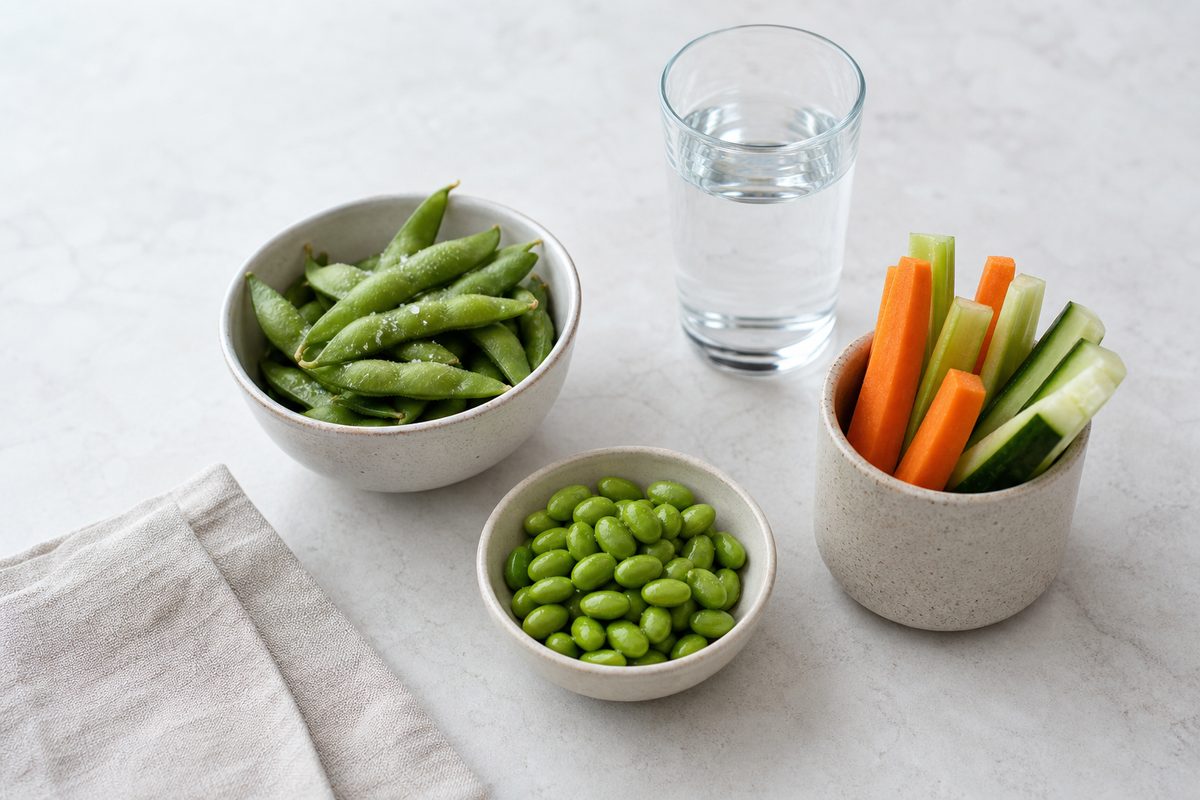
A half cup of plain cooked shelled edamame provides roughly 110 to 115 calories, about 9 g protein and about 4 g fiber. That combination may make a snack or meal more filling. Weight change still depends on the longer-term energy balance and the rest of the diet. Large bowls, oil-rich sauces and mindless add-ons can erase the intended calorie advantage.
Calories, Carbs, Fiber, Protein and Fat in Edamame
Plain cooked shelled edamame is not a near-zero-calorie vegetable. A 160 g cup supplies about 224 calories, 18.5 g protein, 13.8 g carbohydrate, 8 g fiber and around 11 g fat. A half cup supplies roughly half. This is precisely why edamame can feel more substantial than cucumber or lettuce-and why an unlimited bowl can add more energy than expected.
The carbohydrate number includes fiber and should not be interpreted as added sugar. The fat is largely unsaturated and is part of the whole soybean. For weight management, those qualities can support satisfaction, but they do not suspend energy balance. A nutrient-dense food can help a plan while still needing a defined portion.
The most useful serving depends on the job. A small topping adds color and several grams of protein. Half a cup can function as a snack or side. A full cup can replace a larger share of another protein and starch. The table uses plain beans; restaurant salt, oil, glaze or dressing belongs in the finished meal calculation.
| Cooked shelled serving | Approx. calories | Protein | Total carbohydrate | Fiber |
|---|---|---|---|---|
| 50 g | About 70 kcal | About 5.5–6 g | About 4 g | About 2.5 g |
| 80 g / about 1/2 cup | About 110–115 kcal | About 9 g | About 7 g | About 4 g |
| 100 g | About 140 kcal | About 11–12 g | About 8.5 g | About 5 g |
| 160 g / about 1 cup | About 224 kcal | About 18.5 g | About 13.8 g | About 8 g |

Why Edamame May Help You Feel Satisfied
Protein and fiber are the main reasons edamame can be useful in a weight-management meal. Protein contributes to fullness and helps support lean tissue when total intake and activity are appropriate. Fiber adds bulk, slows the eating process and reaches the colon, where it supports normal digestive function. The natural fat also makes the beans more substantial than a very low-fat vegetable.
The word may is important. Appetite is influenced by sleep, stress, meal timing, food texture, habit, medication and individual biology. One person may find a half cup of edamame very satisfying; another may need it within a larger meal. A food article cannot promise that everyone will eat fewer calories later because they had a particular snack.
The strongest real-world use is substitution. Replace a snack of refined crackers with a measured edamame portion, or replace part of a large rice serving with edamame and vegetables. The plate gains protein and fiber without relying on a supplement. Simply adding edamame to the same original meal improves nutrition but may not reduce total calories.
Edamame Does Not Burn Fat
No ordinary food causes body fat to disappear independently of the overall energy balance. Weight loss occurs when energy intake remains below energy expenditure over time, although the practical process is affected by health, medication, movement, sleep and adherence. Edamame can make a calorie-controlled pattern easier for some people; it cannot create the deficit automatically.
This distinction protects readers from two errors. The first is avoiding edamame because it contains fat or more calories than broccoli. A more substantial food may reduce the need for another snack. The second is eating a large bowl plus calorie-rich sauce because the base food has a healthy reputation. Good ingredients can still form a high-calorie meal when portions accumulate.
Scale weight also changes for reasons other than fat. A salty restaurant serving can increase thirst and temporary water retention. Carbohydrate storage, bowel contents and menstrual-cycle changes also move the scale. A one-day jump after salted edamame does not prove immediate fat gain, just as a one-day drop does not prove meaningful fat loss. Trends and the broader pattern matter more.

Podded Versus Shelled Edamame: Portion Math
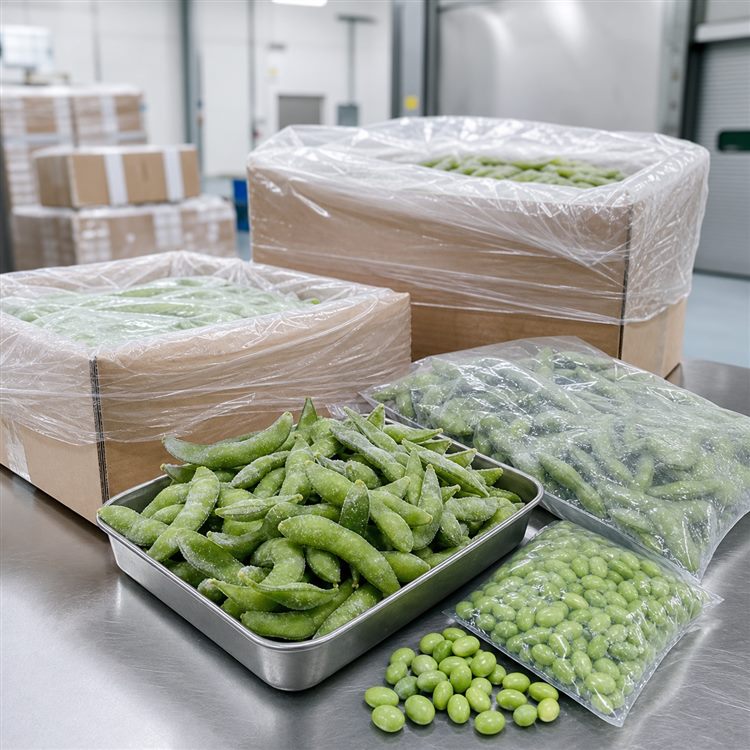
In-pod edamame creates a generous-looking bowl because the shells take up space. The visual volume and hands-on eating can slow the snack, which some people enjoy. However, the pod is not normally eaten, so gross bowl weight is not edible weight. Counting a 250 g serving of pods as 250 g of beans overstates calories and protein.
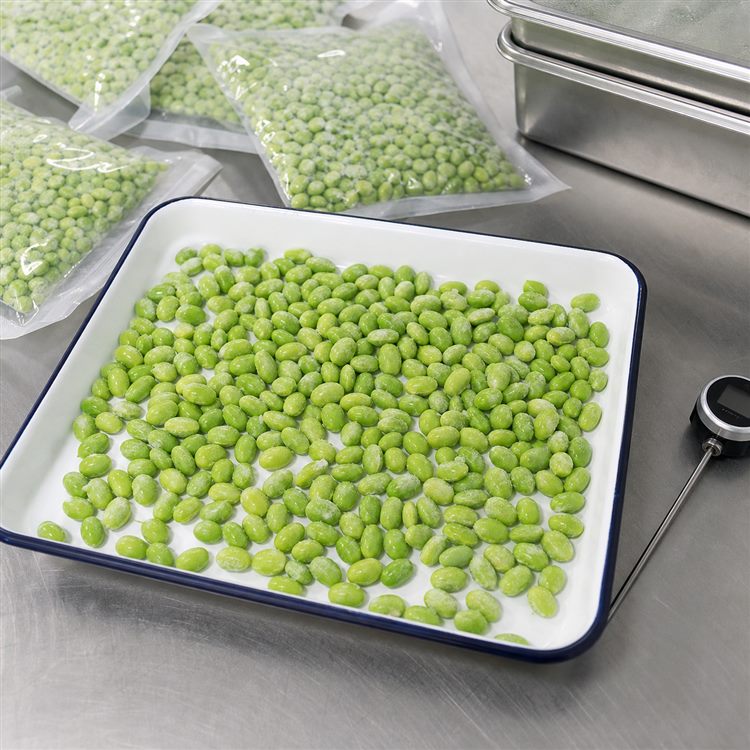
Shelled edamame is easier to measure and easier to overpour. A cup of bright green beans disappears quickly into a grain bowl, and another handful can look harmless. Weighing once or using a consistent scoop helps a person learn what half a cup or 80 g looks like. There is no need to weigh every meal forever; the first measurements calibrate the eye.
Commercial yield varies with pod fullness, maturity and grading. A restaurant or meal-kit operator should run an edible-yield test rather than copy a household estimate. If a menu lists calories or protein, the recipe needs the actual edible bean portion and sauce pickup, not only the purchase weight of a podded carton.
Practical Portions for Snacks, Salads and Bowls
| Eating occasion | Edible shelled reference | Approx. calories | How to use it |
|---|---|---|---|
| Light topping | 40–50 g | 55–70 kcal | Add color, fiber and 4–6 g protein |
| Planned snack | 70–80 g | 100–115 kcal | Pair with water, fruit or vegetables as needed |
| Salad protein addition | 80–100 g | 110–140 kcal | Measure dressing separately |
| Main plant-protein bowl | 130–160 g | 180–224 kcal | Adjust grain, sauce and other protein portions |
These are planning ranges, not medical prescriptions. A larger, more active person may need more food; a smaller person or someone using edamame as one of several meal components may need less. The correct portion is the one that fits the whole meal, appetite and personal plan. Protein targets should not be separated from total energy and dietary adequacy.
For in-pod service, begin with the package's serving definition. If it uses gross pod weight, do not convert directly from the shelled table. Foodservice teams can portion by a tested scoop or bowl after determining average edible yield. Consistency matters more than pretending every pod contains identical beans.
Plain, Salted, Spicy and Sauced Edamame
Plain boiled or steamed edamame gives the clearest calorie base. Salt adds essentially no calories, but it can add substantial sodium. Dry spices and citrus add little energy. Oil, butter, chili crisp, sesame paste, sweet glaze, cheese and creamy sauces can add much more. A restaurant appetizer may therefore differ sharply from a plain frozen bag even when the visible bean portion looks similar.
A tablespoon of oil contains roughly 120 calories. If two tablespoons coat a shared bowl, the add-on may equal or exceed the energy in a half cup of beans. Not all of that oil necessarily reaches one diner, but the example shows why the sauce deserves measurement. Sweet sauces add carbohydrate; soy sauce and seasoning salts add sodium; sesame or peanut toppings add allergens as well as energy.
You do not need to eat edamame plain forever. Use flavor deliberately: citrus, vinegar, garlic, chili, pepper, herbs or a measured sauce can make the portion enjoyable. Weight management is easier to sustain when the food tastes good. The goal is awareness, not punishment or an imaginary purity test.
| Version | What changes | Weight-management note |
|---|---|---|
| Plain cooked | Base calories and naturally low sodium | Easiest to calculate |
| Salted pods | Sodium rises | May affect thirst and temporary water weight |
| Dry-spiced | Minimal calorie change | Check salt in seasoning blend |
| Oil or chili-crisp coated | Calories can rise quickly | Measure or estimate the coating |
| Sweet or creamy sauce | Added sugar and/or fat | Count the finished dish, not plain beans |
Edamame Compared With Peas, Chickpeas, Nuts and Chips
Edamame is more protein-rich than green peas and generally higher in protein per 100 g than cooked chickpeas, while both chickpeas and edamame provide fiber. Nuts are more calorie-dense because they contain less water and more fat. Chips may have similar or higher calories per small serving but usually much less protein and fiber. Those differences can affect fullness, yet brand and portion remain decisive.
A comparison by cups can mislead because foods pack differently. A cup of leafy salad, a cup of shelled beans and a cup of nuts have very different weights. For calorie planning, compare the actual grams or the labeled serving you would realistically eat. For menu use, compare the final role: crunchy snack, protein component, garnish or main ingredient.
Edamame is not always the lowest-calorie choice. If the goal is a large-volume vegetable side, broccoli, cucumber or leafy greens provide more volume for fewer calories. If the goal is a snack with more protein and fiber than chips, edamame may be the better fit. The question should be what it replaces, not whether it wins every category.
| Food | Typical strength | Main caution |
|---|---|---|
| Edamame | Protein plus fiber in a whole legume | More calories than many non-starchy vegetables |
| Green peas | Lower-calorie vegetable-legume side | Less protein per 100 g |
| Chickpeas | Fiber and versatile starch-protein role | Portion calories accumulate in bowls and hummus |
| Nuts | Compact unsaturated fat and some protein | Very energy-dense |
| Chips | Crunch and convenience | Often easy to overeat; usually low protein and fiber |
Two Worked Meal Examples
Example 1: a measured afternoon snack
Use 80 g shelled edamame for roughly 110 to 115 calories and about 9 g protein. Add cucumber or bell-pepper strips for volume and water, and choose a no-calorie drink. If the person needs more energy, fruit can be added intentionally. The point is that every component has a job rather than arriving from an open snack bag without a plan.
Compare this with eating the same original snack plus edamame. If the person keeps the crackers, dip and sweet drink and then adds 115 calories of beans, fullness may improve but the calorie deficit may shrink. Substitution is the mechanism that makes the example useful.
Example 2: an edamame grain bowl
Start with 100 g shelled edamame, a measured 100 g cooked grain portion, at least two non-starchy vegetables and a dressing served separately. The edamame contributes about 140 calories and 11 to 12 g protein. The grain supplies carbohydrate; the vegetables add volume; the dressing controls flavor and can be measured according to the meal plan.
A higher-protein version can add tofu or egg while reducing either grain or sauce if needed. An energy-hungry athlete may do the opposite and increase grain. A weight-management meal is not one fixed recipe; it is a structure that can be scaled while keeping the main calorie sources visible.
Common Mistakes That Turn a Helpful Food Into Extra Calories
- Treating a family-size restaurant bowl as one ordinary serving because the shells make it look like vegetables.
- Using plain-boiled nutrition numbers for edamame coated in oil, butter, sweet glaze or creamy dressing.
- Adding edamame to the original meal without reducing a less filling component when calorie reduction is the goal.
- Counting gross pod weight as edible beans, then making protein and calorie decisions from the wrong denominator.
- Assuming sodium-related water retention means instant fat gain and abandoning a reasonable plan after one meal.
- Choosing a food only for low calories and ignoring protein, fiber, satisfaction and long-term adherence.
Another mistake is forcing a portion that repeatedly causes digestive discomfort. A food does not support adherence if it leaves the person bloated or anxious. Smaller portions, gradual introduction and alternative protein foods may work better. Known soy allergy is a clear avoidance issue, not a portion experiment.
Finally, do not turn weight management into a moral label. Edamame is not clean, guilty, slimming or fattening. It is a food with a measurable nutrient profile. The useful decision is whether the chosen amount and preparation help the person's overall pattern.
How to Read a Frozen Edamame Label for Weight Goals
- Check the form: in-pod or shelled. Confirm whether the serving weight includes pods.
- Read calories and serving grams together. Count how many servings are in the bag you actually prepare.
- Review protein and fiber to understand why the serving may be satisfying.
- Check sodium and the ingredient list for salt, sauce, oil, sugar and other additions.
- Follow the final-heating direction. Blanched frozen edamame is not automatically ready to eat.
- Look for the soy allergen declaration and any additional allergens in seasonings.
If the label gives nutrition only for the frozen product and you drain away sauce or water, your exact intake may differ. Household precision does not need to become obsessive; use a reasonable, consistent method. Store unopened frozen edamame at the confirmed temperature, commonly -18°C or below, because thawing and refreezing can change clumping, drainage and portion consistency. For a commercial nutrition panel or menu declaration, use qualified testing and the destination market's calculation rules.
GreenLand supplies both podded and shelled frozen edamame. We confirm product form, blanching or pre-cooking status, packing and label requirements with buyers. Detailed heating belongs in our frozen-edamame cooking guide.
Who Needs Individual Advice?
Weight-loss targets are medical for some people and personal for others. Anyone with diabetes medication, kidney disease, an eating disorder history, pregnancy, significant gastrointestinal symptoms or a clinician-prescribed diet should use individualized guidance. Edamame's potassium, fiber, protein or carbohydrate may be helpful in one context and require adjustment in another.
Soy allergy is a separate safety issue. Do not use edamame as a diet snack if soy triggers an allergic reaction. Restaurant preparations may also include wheat, sesame, peanut or other allergens through sauces and toppings. Weight goals never justify ignoring an allergy plan.
A sustainable plan should still provide enough energy, protein, fat, carbohydrate, vitamins and minerals. If a person is constantly hungry, losing weight rapidly without intending to, or using increasingly restrictive rules, the answer is not a smaller edamame bowl. Professional support is appropriate.
The Practical Weight-Loss Verdict
Edamame can be a strong weight-management food because it is more filling and protein-rich than many snack vegetables, yet easier to portion than many ultra-processed snacks. A half cup is a useful reference for a snack or side. A full cup can work as a larger protein component when the rest of the plate is adjusted.
The benefit is conditional. Use the beans to replace something, measure energy-dense sauces and distinguish edible weight from pod weight. Do not expect soybeans to burn fat or override the longer-term calorie balance. Salt-related scale changes are not the same as fat gain, and one meal does not determine the trend.
For retail, foodservice or prepared meals, the same rules apply at recipe scale. Define the edible edamame portion, sauce, cooking loss, serving size and label basis. A credible product helps consumers make a decision; a vague healthy halo does not.
Frequently Asked Questions
Is edamame good for losing belly fat?
Edamame does not target belly fat or burn fat directly. Its protein and fiber may make a measured meal or snack more satisfying, which can help some people maintain a calorie deficit. Body-fat distribution and loss are influenced by total energy balance, genetics, hormones, activity and health-not one food.
How much edamame should I eat for weight loss?
A practical starting portion is about one half cup or 70 to 80 g of cooked shelled beans, providing roughly 100 to 115 calories and about 9 g protein. A full cup can fit when edamame is a main protein component. Individual needs and the rest of the meal decide the right amount.
For nutrition details, see How Much Protein Is in Edamame? Is It a Complete Protein?.
Is edamame high in carbs?
A cooked 160 g cup contains about 13.8 g total carbohydrate, including about 8 g fiber. A half cup contains roughly half. That is not the same as 14 g added sugar. People counting carbohydrate should use the specific label and consider the full meal and their clinical plan.
Is edamame high in calories?
It is more calorie-dense than many non-starchy green vegetables but less concentrated than nuts, chips and many fried snacks. A half cup has about 110 to 115 calories; a full cup about 224. Its protein, fiber and fat make those calories more substantial, but portion still matters.
Is salted edamame bad for weight loss?
Salt adds sodium but almost no calories. It may increase thirst and temporary water retention, which can move scale weight without creating body fat. Heavy oil or sweet sauce changes calories more directly. Check the finished preparation and your sodium needs rather than judging only the word salted.
Is edamame better than chips for weight loss?
A measured plain edamame portion usually provides much more protein and fiber than chips and may be more filling. The comparison changes if the edamame is coated in oil-rich sauce or the portion is very large. The useful question is whether it replaces the chips and fits the total plan.
Can I eat edamame at night while losing weight?
Meal timing alone does not make edamame fattening. A planned portion can fit at night if it supports the person's total intake and comfort. Large, salty or spicy servings may affect thirst, reflux or sleep for some people. Choose the amount and seasoning that fit the full day.
Does frozen edamame work for meal prep?
Yes. Frozen shelled edamame is easy to portion into salads, bowls, soups and ready meals, while in-pod edamame works as a snack or appetizer. Follow the package's heating direction, cool prepared food safely, and count sauces and grains separately. Blanched does not always mean ready to eat.
Need frozen edamame for a commercial program?
We supply frozen edamame in pods and frozen shelled edamame for foodservice, retail, ready-meal and processing applications. Review our frozen edamame formats and our complete frozen-food catalog, then send your required format, packing, quantity, destination market and intended use.
For a closer explanation, see How to Eat Edamame: Pods, Shelled Beans and Serving Ideas.
Send an inquiry