


How Much Protein Is in Edamame? Is It a Complete Protein?
Aug 27, 2026
Leave a message
A cooked cup has about 18.5 g protein; 100 g has about 11–12 g.
Yes, edamame is considered a complete protein because it contains all nine essential amino acids. A half cup of cooked shelled beans supplies roughly 9 g protein, while a full 160 g cup supplies about 18.5 g. Those are useful reference values-not guarantees for every bag-because frozen labels, cooked weights, pod yield and water content differ.
Edamame Protein by 100 g, Half Cup and One Cup
A useful direct answer needs a form and a weight. Medical News Today reports 18.5 g protein in a 160 g cup of cooked shelled edamame using USDA-linked data. University of Florida extension lists 11.2 g protein per 100 g for unprepared frozen edamame. Cooked-food databases commonly land in the same general 11 to 12 g range per 100 g, although exact water content and preparation create small differences.
A half cup is not always exactly 80 g, and a household cup can be heaped or loosely filled. The table therefore uses practical rounded values. If a retail bag defines a serving as 85 g and lists 10 g protein, use that number for that product. Generic calculations help with planning; the legal label and actual portion help with the food in front of you.
| Edible shelled amount | Approximate protein | Practical use |
|---|---|---|
| 50 g | About 5.5–6 g | Small topping or child-adjusted portion |
| 80 g / about 1/2 cup | About 9 g | Side dish, snack or salad addition |
| 100 g | About 11–12 g | Standard comparison weight |
| 160 g / about 1 cup | About 18.5 g | Substantial bowl or main plant-protein component |
These numbers describe plain beans. A sauce can add calories, sodium and perhaps a little protein, but it does not increase the soybean protein unless another protein ingredient is added. Dry-roasted edamame has less water, so protein per 100 g is much higher than boiled beans. Comparing roasted and cooked edamame by weight without noting water content produces a misleading headline.
Why Edamame Protein Numbers Differ Across Labels and Websites
Most apparent disagreements are measurement disagreements. One source may use raw fresh beans, another unprepared frozen beans, another cooked and drained beans, and another a branded seasoned product. Boiling changes water content. Draining changes the weight of surface water. A frozen sample with ice glaze can weigh differently from the same edible beans after preparation. The protein did not appear or disappear simply because the denominator moved.
Cup measures introduce another layer. A cup of small beans can settle differently from a cup of large beans. A heaping restaurant cup is not the same as a level laboratory measure. Database entries may also be updated, and labels can legally round values under local rules. A result such as 17 g, 18 g or 19 g per cup can be compatible once serving weight and rounding are checked.
The fastest accuracy check is to convert the label to protein per 100 g. Divide protein grams by serving grams and multiply by 100. An 85 g serving with 10 g protein equals about 11.8 g per 100 g. If another bag lists 9 g per 80 g, it equals about 11.25 g per 100 g. The products are much closer than the original serving lines suggest.
Is Edamame a Complete Protein?
Yes. Edamame contains histidine, isoleucine, leucine, lysine, methionine, phenylalanine, threonine, tryptophan and valine-the nine amino acids adults must obtain from food. University of Florida extension describes edamame as containing all twenty common amino acids and provides a table of the essential amino acids. That supports the complete-protein description.
Complete does not mean perfectly matched to every person's requirement in every serving. Protein quality includes digestibility and the proportion of each essential amino acid, not only presence or absence. Soy is generally considered a high-quality plant protein, but a half cup of beans still supplies only about 9 g total protein. Someone whose meal target is 25 or 30 g may need a larger portion or another protein food.
It is also unnecessary to make every individual meal a complete-protein puzzle for a healthy adult eating enough varied food. The body uses amino acids from foods eaten across the day. Edamame can make that pattern easier because it supplies all essential amino acids in one familiar ingredient, but vegetables, grains, legumes, nuts, seeds and other protein foods still contribute to the total.
What Complete Protein Does-and Does Not-Tell You
The phrase answers a narrow question about essential amino acids. It does not tell you the serving size, calorie total, sodium, fiber, allergen status, price, convenience or whether the food fits a particular medical diet. A dry powder with concentrated soy protein and a bowl of whole edamame can both contain complete soy protein while behaving very differently in a meal.
Whole edamame includes fiber, natural fat and intact food structure. That makes it valuable when someone wants a protein-containing snack or a bean ingredient with texture. It is less efficient when the only goal is maximum protein in the smallest volume. A chicken breast, concentrated protein powder or extra-firm tofu can provide more protein per bite, but they do not perform the same culinary job.
For menu and product developers, complete-protein language also needs claim review. A product can contain edamame without qualifying for every protein claim under the destination market's rules. Serving size, total protein, protein quality methodology and label regulations may all matter. Marketing language should follow the tested finished product rather than an ingredient-level assumption.
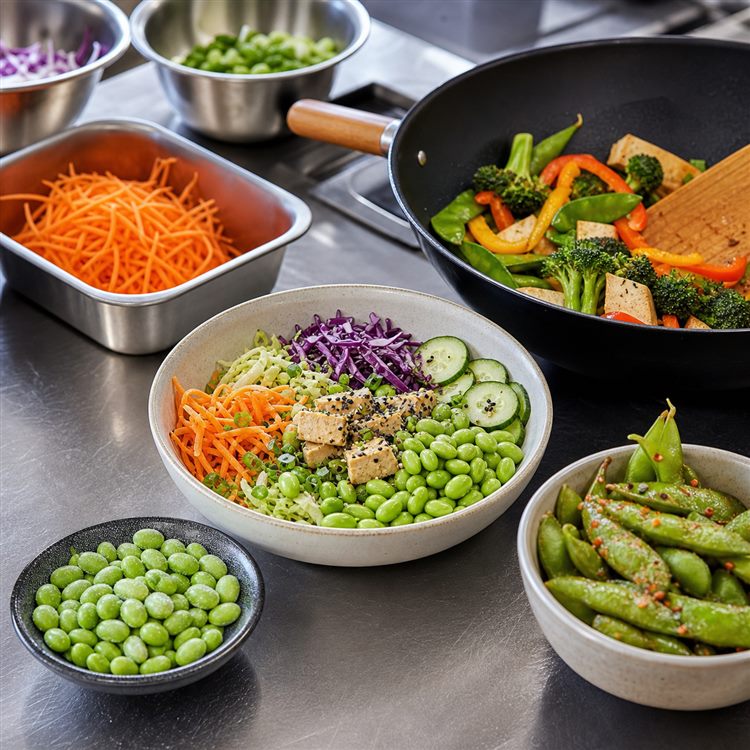
Edamame Compared With Peas, Chickpeas, Tofu, Eggs and Chicken
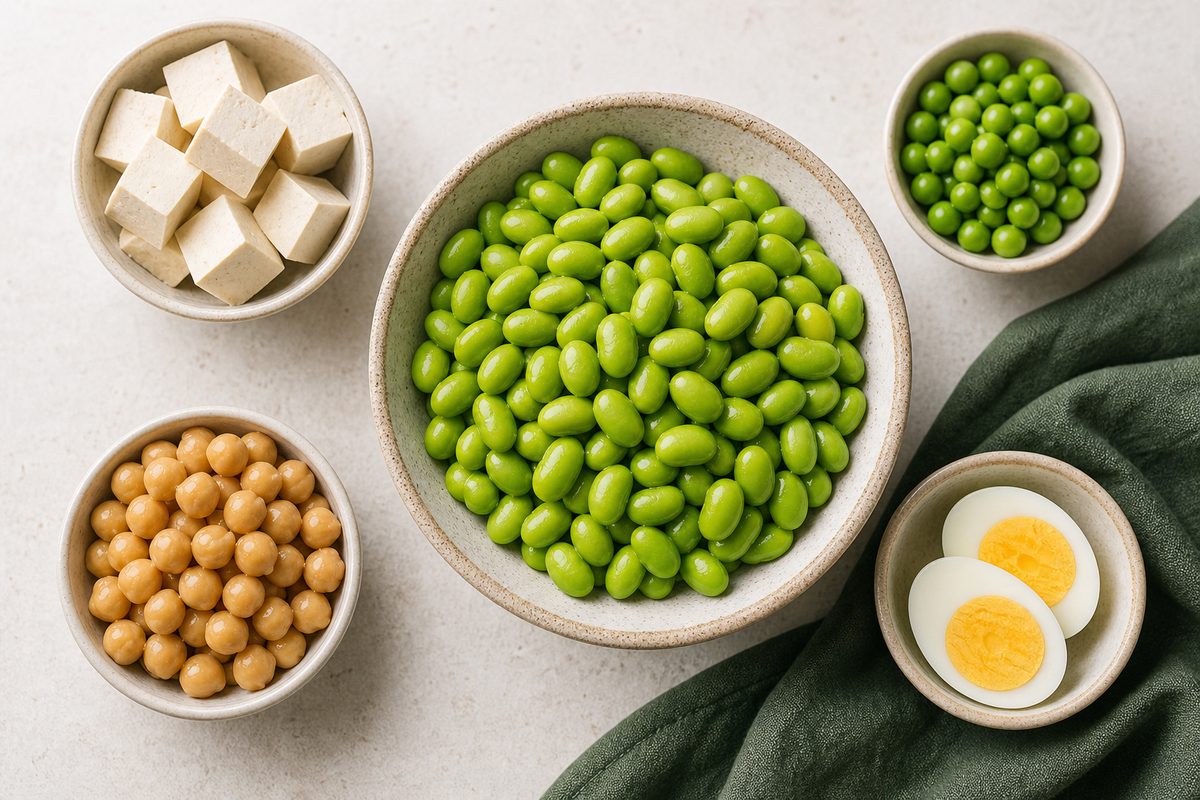
Food comparisons are most honest when they show both equal weight and realistic use. Per 100 g, cooked edamame generally provides more protein than cooked green peas and a little more than cooked chickpeas. Tofu varies widely with firmness and water content. Eggs and cooked chicken provide different amounts and have no fiber. The table uses approximate typical values; a branded label may differ materially, especially for tofu.
A 100 g comparison does not automatically describe a normal serving. Two large eggs weigh around 100 g and deliver roughly 12 to 13 g protein. A 100 g cooked chicken portion can provide about 30 g. A half cup of edamame is closer to 80 g and provides about 9 g. The correct conclusion is not that one food wins; it is that edamame delivers meaningful protein plus fiber in a plant-food format.
| Food, typical cooked/plain form | Approx. protein per 100 g | Fiber context | Comparison caution |
|---|---|---|---|
| Shelled edamame | 11–12 g | About 5 g | Water and cooked weight vary |
| Green peas | About 5 g | Contains fiber | Usually eaten as a vegetable side |
| Chickpeas | About 9 g | Contains fiber | Different starch and culinary use |
| Firm tofu | Often 12–17 g | Usually low fiber | Firmness and brand vary greatly |
| Whole egg | About 12–13 g | No fiber | Two eggs are roughly a 100 g portion |
| Cooked chicken breast | About 30–31 g | No fiber | Much more concentrated animal protein |
Comparing edamame with chips or refined crackers answers a different question. In that snack context, edamame usually brings far more protein and fiber, while seasoned versions may still contain considerable sodium. Use the comparison that matches the decision: protein concentration, plant-based eating, snack quality, fiber, allergen management or culinary performance.
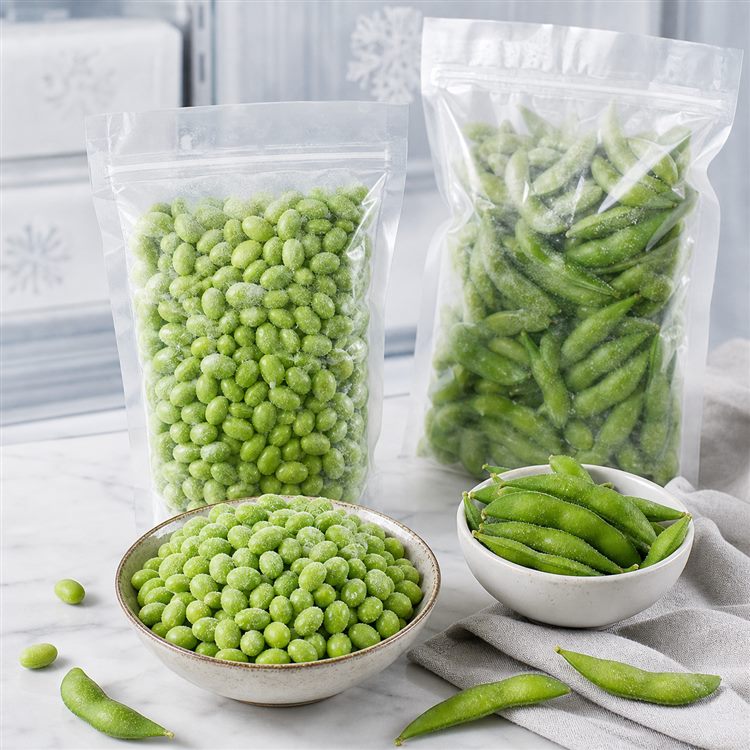
Podded Edamame Versus Shelled Edamame: Protein Yield
A podded bag includes fibrous shells that are served but not normally eaten. If you divide the bag's total protein by gross pod weight, the result can look lower than a shelled-bean database because the denominator includes discard. Conversely, assuming every gram of a podded pack is edible can overstate the protein actually consumed. Yield depends on pod fullness, maturity, size and grading.
For household tracking, the simplest solution is the product label. A well-designed label may define the serving in-pod or as an edible portion. If the basis is unclear, cook and shell a representative serving, weigh the beans and use an appropriate shelled-edamame value. You do not need laboratory precision for a normal meal, but you do need the right part of the plant.
For foodservice costing and industrial formulation, run a documented edible-yield test. Sample more than one bag or carton, record frozen gross weight, cooked gross weight if relevant, shell waste and edible bean weight, then compare lots against the approved specification. Our frozen edamame category separates podded and shelled formats because their yield and application logic are different.
How Much Edamame Gives 10, 15 or 20 g Protein?
Using 11.5 g protein per 100 g as a rounded planning value, divide the target protein by 11.5 and multiply by 100. That gives about 87 g shelled edamame for 10 g protein, 130 g for 15 g, and 174 g for 20 g. These are edible cooked weights. A specific product labeled 10 g protein per 85 g serving would reach the targets slightly differently.
The calculation is a planning tool, not a command to force every target through one food. A 174 g serving is slightly more than the 160 g cup used in a common database reference. It provides fiber and energy as well as protein and may feel quite filling. Someone who wants 20 g in a smaller volume could combine a half cup of edamame with tofu, egg, fish, poultry or another protein appropriate to the eating pattern.
Worked example: a bowl contains 80 g edamame and 100 g firm tofu whose label lists 14 g protein per 100 g. The edamame contributes roughly 9.2 g and the tofu 14 g, for about 23 g before counting smaller amounts from grain or vegetables. The result is more accurate than calling the bowl high-protein without a portion basis.
| Protein target from edamame alone | Approx. shelled cooked weight | Approx. cup measure |
|---|---|---|
| 10 g | About 87 g | A little over 1/2 cup |
| 15 g | About 130 g | About 3/4 to 4/5 cup |
| 20 g | About 174 g | A little over 1 cup |
Protein Is Only Part of the Edamame Serving
A full cup of cooked edamame brings roughly 224 calories, about 8 g fiber, around 14 g total carbohydrate and about 11 g fat along with its 18.5 g protein. That is a balanced whole-food package, not isolated protein. The fiber and fat may support satisfaction; the energy still counts in a meal. Whether the package is an advantage depends on the goal.
For a person trying to increase protein while also increasing fiber, edamame can be efficient. For someone on a temporarily low-fiber medical diet, it may be inappropriate despite the protein. For an athlete with very high protein needs and limited appetite, edamame alone may require more volume than desired. For a child, older adult or person with chewing difficulty, texture and serving form also matter.
Nutrient density is more useful than a protein leaderboard. Edamame adds protein, fiber, unsaturated fat, folate and minerals in one ingredient. It should be evaluated as part of the plate. A protein number without calories, portion, allergens and intended application is incomplete product information.
Meal-Building Examples That Use the Protein Well
For a light snack, half a cup of shelled edamame can contribute about 9 g protein. In-pod service may slow the eating pace and creates a larger visual bowl, but the protein still comes from the beans. Season modestly if sodium is a concern. This is a more substantial snack than fruit alone, while fruit can add vitamin C and carbohydrate if the eater needs both.
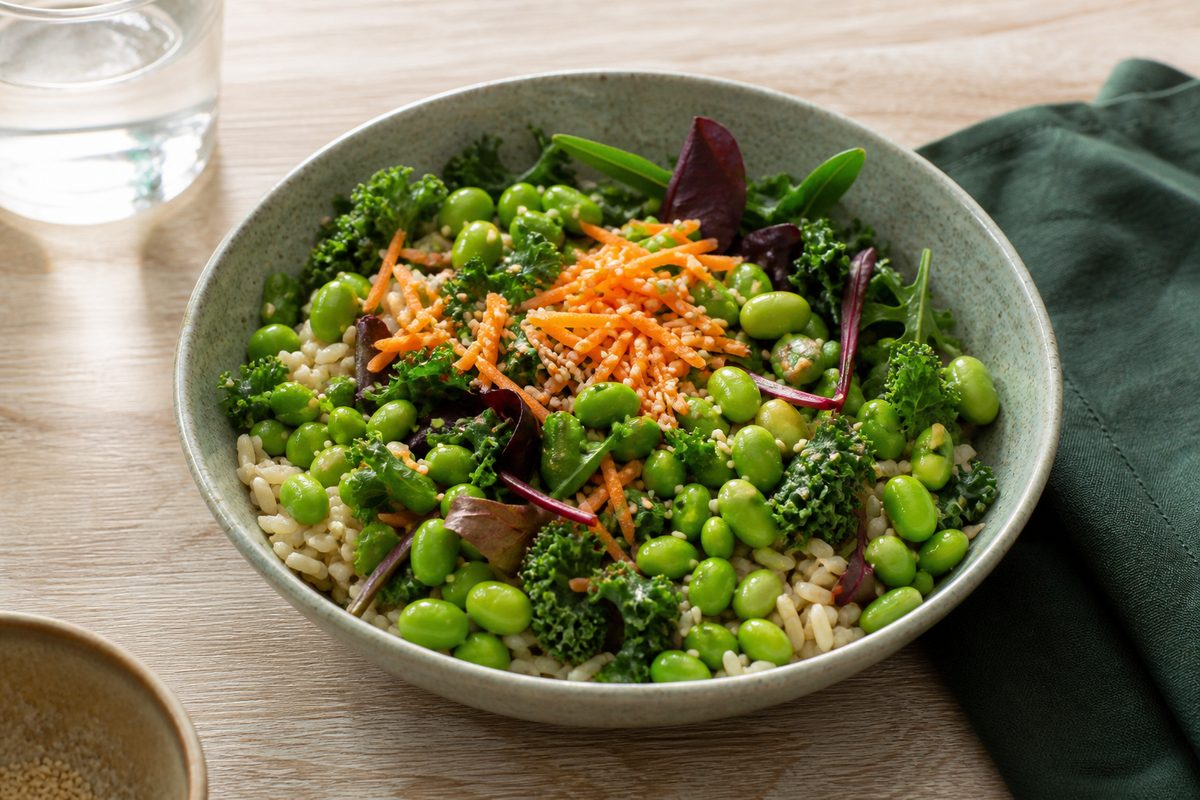
For a plant-based lunch, combine three quarters of a cup of edamame with a grain, mixed vegetables and a sauce measured separately. The beans contribute roughly 14 g protein, while the grain adds some more. If the meal target is higher, add tofu or another legume rather than doubling every calorie-dense topping. A well-built meal is not simply a pile of protein foods.
For a mixed-diet dinner, use edamame as a vegetable-protein bridge rather than the sole protein. A smaller portion can add color, fiber and about 5 to 9 g protein beside fish, egg or poultry. This allows menu developers to raise plant content without pretending the dish is vegan or without recalculating the entire recipe around a full cup of beans.
Frozen Edamame Labels: What to Check Beyond Protein
Start with the ingredient statement. Plain edamame may list only soybeans or edamame, while salted or sauced products include additional ingredients. Then check whether the serving basis is frozen, prepared, with pods or shelled. Review protein, calories, sodium and serving weight together. A front-of-pack protein number without a clear basis is not enough for comparison.
For nutrition details, see Is Edamame Good for Weight Loss? Calories, Carbs and Portion Guide.
Cooking status matters as well. Frozen edamame is often blanched, but blanching is not a universal ready-to-eat claim. Follow the package direction and confirmed specification. GreenLand's article on whether frozen edamame needs cooking owns that safety question, and our frozen-edamame cooking guide covers method and texture.
Finally, remember the allergen declaration. Edamame is soy. Protein-rich positioning never overrides allergen control, correct labeling or cross-contact management. For a seasoned pack, review every additional allergen and the destination market's labeling rules.
How Product Form Changes Commercial Protein Applications
| Format | Best protein-led application | Main calculation issue | Quality check |
|---|---|---|---|
| Edamame in pods | Snack, appetizer, retail steam bag | Edible yield after pod discard | Pod fullness, color and cooking performance |
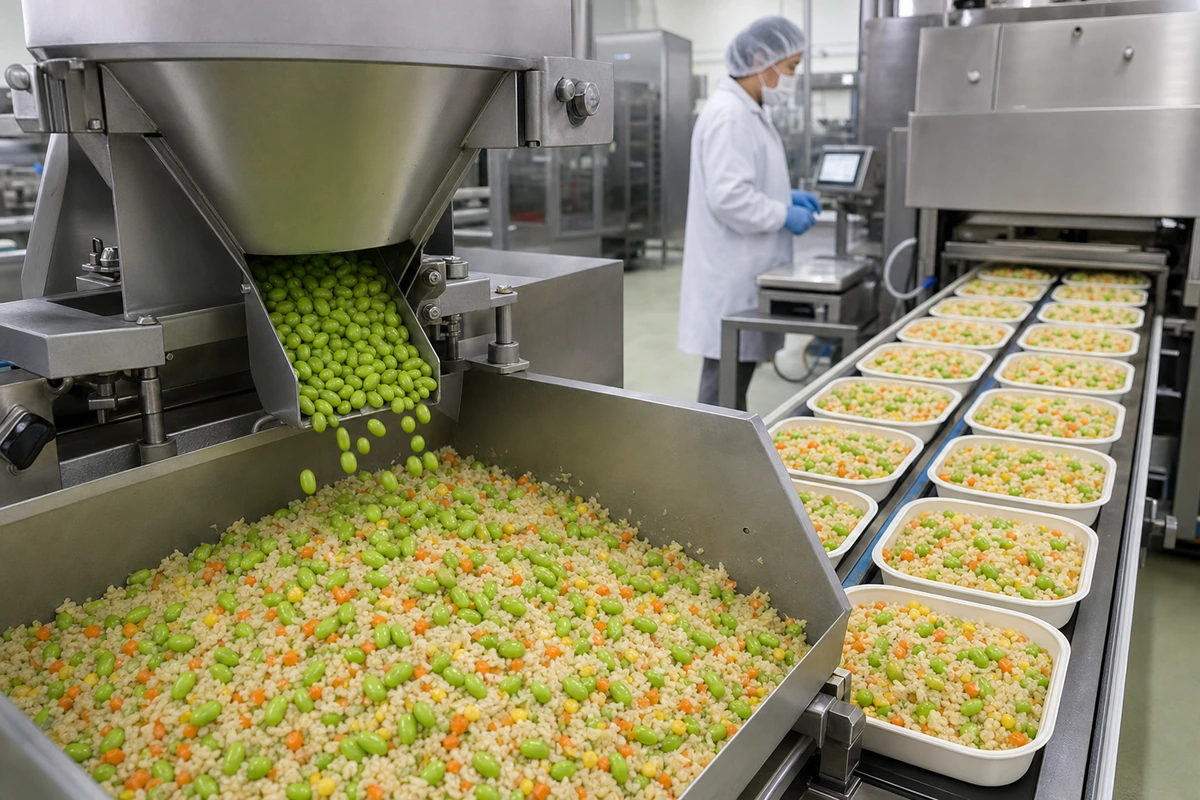
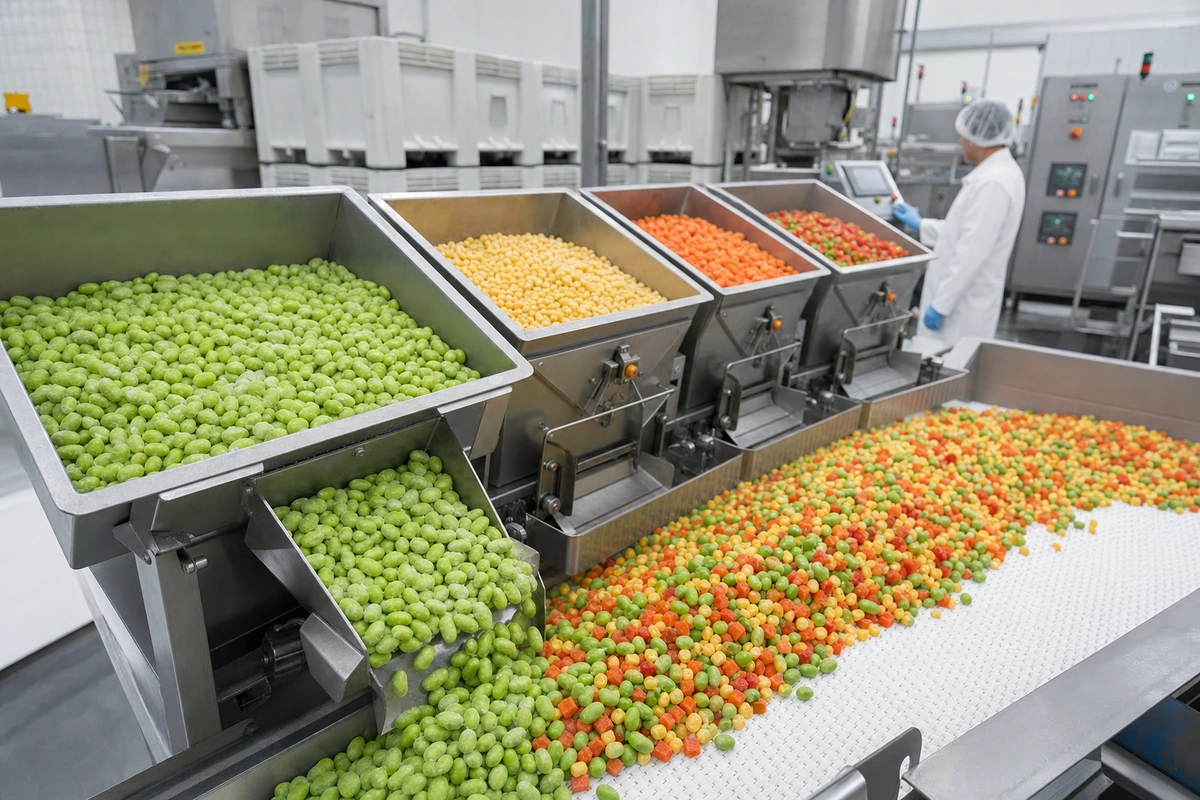
| Shelled IQF edamame | Bowls, salads, ready meals, blends | Direct edible weight | Bean integrity, free flow and texture |
| Seasoned edamame | Finished snack or foodservice starter | Sauce changes calories and sodium | Ingredient and allergen declaration |
| Dry-roasted edamame | Concentrated shelf-stable snack | Low water raises protein per 100 g | Roast level, oil and serving size |
For a retail protein claim or prepared-meal formula, we recommend testing the finished product and its declared serving. Ingredient specifications help establish identity and expected composition, but final cooking, sauce pickup, drainage and portion control affect what reaches the consumer. A claim should be supported by the market's rules and the actual product data.
For sourcing discussions, tell us whether your formula uses podded or shelled edamame, the inclusion rate, pack format, cooking process and destination market. We can then discuss bean size, blanching level, free-flowing condition, packing, documentation and frozen storage requirements around the application instead of quoting a generic protein story that does not match the product. Keep frozen stock at or below the confirmed temperature, commonly -18°C, so thawing and moisture changes do not distort portioning or texture.
The Practical Protein Verdict
Edamame is a legitimate protein food, not merely a green garnish. At about 11 to 12 g protein per 100 g cooked shelled beans, it beats most green vegetables and many common vegetable sides. A full cup approaches 20 g, while a half cup contributes about 9 g. Those values are substantial enough to plan around.
It is also a complete protein in the standard amino-acid sense. The useful interpretation is modest: all essential amino acids are present, and soy protein can support a varied diet. The phrase should not be stretched into claims that edamame is identical to every animal protein, guarantees muscle gain, or eliminates the need to consider total intake.
When accuracy matters, use the label, edible weight and product form. Convert servings to a common 100 g basis, then return to the realistic portion. That two-step method prevents most of the confusion behind conflicting online answers.
Frequently Asked Questions
How much protein is in 100 g of edamame?
Plain cooked or unprepared frozen shelled edamame generally provides about 11 to 12 g protein per 100 g. University of Florida extension lists 11.2 g for unprepared frozen edamame. Preparation and water content cause variation, so use the package label when calculating a specific product.
How much protein is in one cup of edamame?
A commonly cited cooked cup weighs about 160 g and provides roughly 18.5 g protein. Cup weight varies with bean size and how the cup is filled. If your cup weighs less or the label defines a different serving, scale the protein from the product's grams-per-serving value.
Is edamame a complete protein?
Yes. Edamame contains all nine essential amino acids that adults need from food. Complete does not mean one serving covers all daily protein needs or has the same amino-acid proportions and digestibility as every other protein. Total intake and dietary variety still matter.
Does edamame have more protein than chickpeas?
On a typical cooked 100 g basis, edamame usually has about 11 to 12 g protein while chickpeas have about 9 g. The difference can change with cooking and water content. Both provide fiber and serve different culinary roles, so a realistic serving comparison is often more useful than declaring one winner.
Can edamame replace meat for protein?
It can replace some meat in a meal or support a plant-based pattern, but portion matters. A cooked 100 g chicken breast is much more protein-concentrated than 100 g edamame. Combining edamame with tofu, legumes, grains or other suitable protein foods can help meet a higher target.
Does edamame in the pod have less protein?
The beans are the same protein source, but a podded serving includes shell weight that is discarded. Protein per gross package weight therefore looks lower than protein per edible shelled weight. Use the label's serving basis or run an edible-yield check instead of counting the pod as food eaten.
How much edamame do I need for 20 g protein?
Using a rounded value of 11.5 g protein per 100 g, about 174 g cooked shelled edamame provides 20 g protein. That is a little more than a 160 g cup. A specific label may produce a different result, and combining foods may be more comfortable than relying on edamame alone.
Does frozen edamame lose protein?
Freezing does not remove the soybean protein. Blanching and preparation can change water content, which changes protein per 100 g, but the main protein remains. Storage quality, ice glaze, cooking and serving basis explain more label variation than a simple claim that frozen edamame loses its protein.
Need frozen edamame for a commercial program?
We supply frozen edamame in pods and frozen shelled edamame for foodservice, retail, ready-meal and processing applications. Review our frozen edamame formats and our complete frozen-food catalog, then send your required format, packing, quantity, destination market and intended use.
For a closer explanation, see How to Eat Edamame: Pods, Shelled Beans and Serving Ideas.
Send an inquiry