


Hong Kong Import Guide for Frozen Cultivated Shiitake Slices
Oct 19, 2026
Leave a message
Reviewed: 19 October 2026. Recheck the official rules, classification and shipment conditions for the exact SKU before ordering.
A Hong Kong importer of frozen cultivated shiitake slices needs food-trader registration, traceable lot records, a correct food declaration and food safety evidence suited to a cook-required mushroom ingredient.
Product case: IQF cultivated shiitake slices (Lentinula edodes), Mainland China origin, industrial pack. Intended use: cook before consumption; no ready-to-eat claim.
Define the mushroom and the sales channel
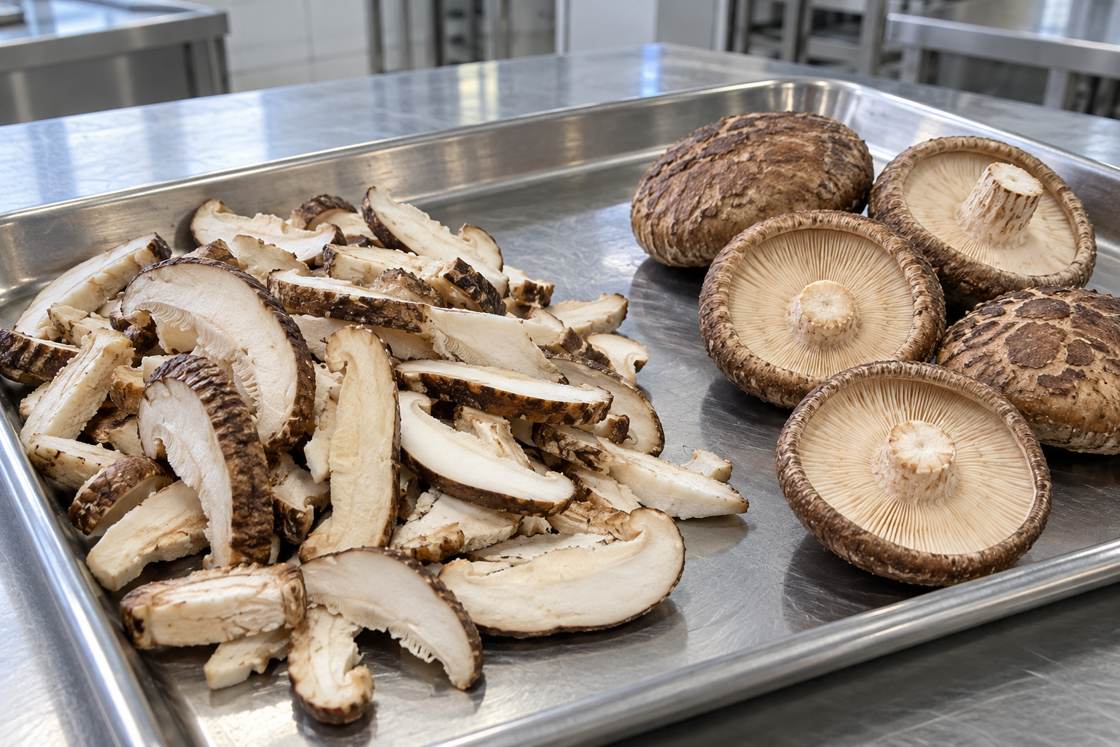
This route assumes one ingredient: cultivated Lentinula edodes grown and processed in Mainland China, trimmed and sliced, individually frozen and packed for industrial or foodservice use. The buyer will cook it before service or further processing. The seller and importer should agree whether the slice is raw, blanched or otherwise pretreated from the actual batch record. None of those descriptions makes it ready to eat without an intended-use and process validation. Hong Kong's Centre for Food Safety places food importer and distributor registration under the Food Safety Ordinance. The CFS food-import guide names meat, poultry, eggs, milk, frozen confections and marine products for additional special arrangements. Frozen cultivated shiitake slices are not automatically in those named categories.

A trader should still check any current food safety order, origin notice or special requirement for the exact commodity before shipping. The difference matters: calling every frozen item a specially licensed high-risk food can misdirect a mushroom buyer, while overlooking trader registration leaves the business unable to meet its own traceability duty. Cultivated shiitake should be identified by species, not by a general 'mixed mushroom' description. A shipment with porcini or another mushroom changes the contaminant and product-category question and may change the commercial value of the test panel. If the processor uses stems, the buyer should decide which stem length is edible and which basal material counts as trim. Where a customer wants a soup ingredient, the actual water-release and aroma profile matter more than an image of a pristine frozen slice.
Keep the basic identity in the purchase contract, invoice, carton mark and laboratory request. The CFS guidance addresses the business and food safety framework, while the exact HS classification belongs to Hong Kong Customs and the declarant. Both should see the same product description. We can prepare a concise botanical and process statement that prevents an ambiguous sales name from propagating into declarations.
Register the importer and keep movement records
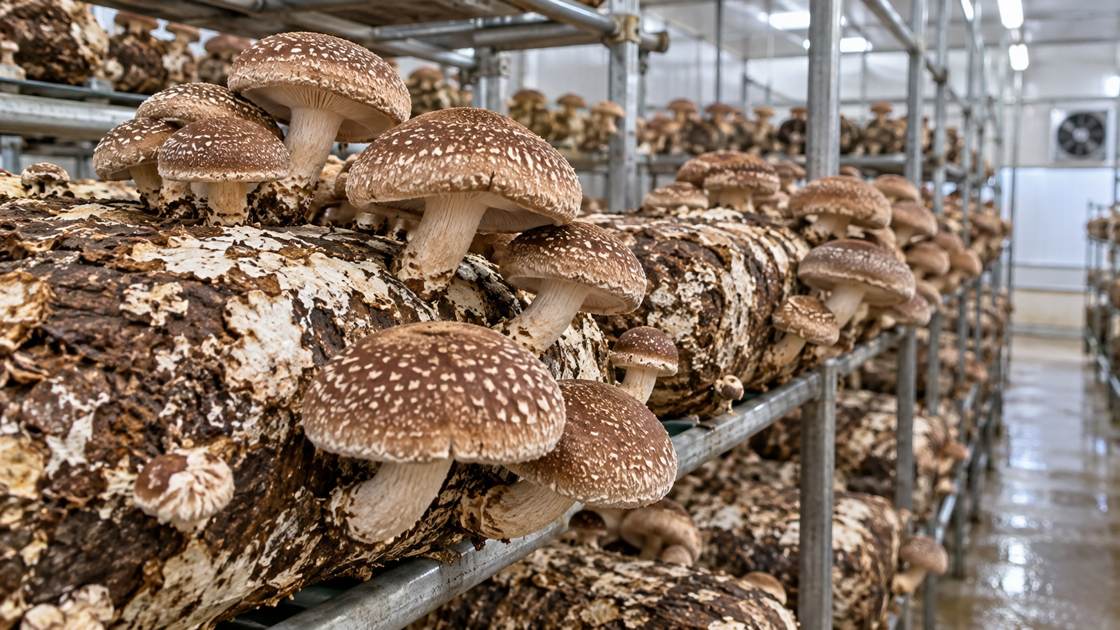
The Hong Kong legal entity that carries on the import business should complete Food Trader Portal registration or Form FEHB 245 as a food importer, and also as a distributor when that activity applies. CFS offers the online form and a paper route; the applicant should use its actual business identity, address, responsible contact and food category. Keep the registration outcome in the shipment file, verify the particulars are current, and apply for updates when the business changes. The Food Safety Ordinance also requires records of food movement so the importer can identify supplier, customer, description, date, quantity and lot in a recall. For shiitake slices, that means a lot can be traced from cultivation and processor through carton labels, customs documents, cold store receipt and onward distribution.
A certificate for an exporter is no substitute for the Hong Kong importer registration. Before booking, the importer should name the customs declarant, freezer warehouse and party responsible for CFS communication. We provide shipment and lot data in a form the importer can carry into those records. Registration and traceability have different evidentiary outputs. A trader-portal account or registration confirmation demonstrates the importer's business status; a movement ledger demonstrates which lots it actually handled. For each shipment the importer should capture its supplier and customer identities, transaction dates, quantity and description, then connect these to the carton code and delivery note. A customer that repacks slices into smaller foodservice bags becomes part of that chain and should preserve the original lot reference.
During a recall simulation, the importer should be able to locate all consignees who received a named lot, quarantine on-hand stock and distinguish sold from unsold cases. Record contact details and an after-hours escalation path, since a CFS notice may arrive after the warehouse closes. These are operational decisions the Hong Kong buyer controls; we can supply batch mapping, manufacturing records and investigation support once an affected lot is identified.
Prepare entry and declaration without mixing release concepts
Hong Kong Customs requires a complete import declaration within 14 days after import unless the articles are exempt. Food items listed in Appendix I of the Hong Kong Imports and Exports Classification List use Form 1A. The broker must map the exact mushroom form to the local commodity line, check whether it is within Appendix I, and lodge through an appointed electronic service provider. The 14-day declaration period is a reporting deadline, not a food release window and not permission to hold temperature-sensitive cargo unrefrigerated. At physical arrival the carrier or forwarder manages manifest, bill of lading, delivery order and terminal charges; Customs handles cargo controls; CFS may inspect or sample food. The importer obtains each relevant decision, releases the reefer to its freezer or inspection site and records handover temperature.
A carrier delivery order shows control of the cargo but cannot demonstrate that a CFS sample is compliant. If inspection is requested, the warehouse should keep pallets segregated and traceable while the importer waits for instructions. The customs timetable should be planned around the physical movement. Before the container or truck arrives, the forwarder should confirm manifest description, transport reference, consignee, reefer power and available frozen space. The customs declarant then validates the commodity line, food form and Form 1A applicability. A Form 1A lodged within 14 days after import satisfies a declaration requirement; it is not a promise that a vehicle can cross a checkpoint without any control. If CFS selects a sample, document the sample date, sampling location, lot and hold instruction.
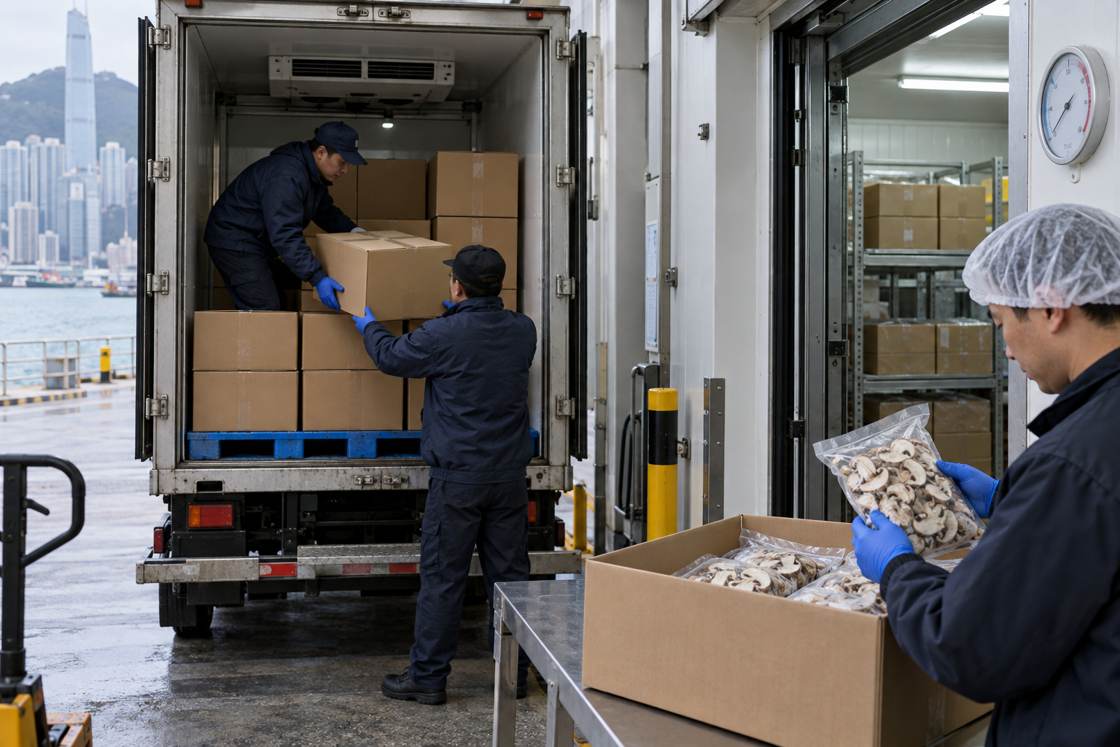
The warehouse's receipt should record pallet count, visible carton condition, set point and seal. The distribution team should wait for the relevant regulatory and operational release messages before allocating stock. A delayed analytical result must be reflected in the customer-delivery date rather than hidden by a normal customs filing receipt. For a Mainland-origin shiitake shipment, do not automatically copy a fresh-vegetable border procedure onto frozen cultivated mushrooms. CFS describes vegetable tags and Mainland export lists in the context of vegetables entering through specified channels; the importer should ask whether that arrangement applies to the exact mushroom form and route. If the cargo moves by road, plan a cold-chain handoff at the vehicle crossing and a reachable frozen warehouse.
If it moves by sea, include port reefer-power and container collection arrangements. Neither route removes the obligation to keep supplier and recipient movement records. The importer's entry memo should state the chosen transport mode, classification and any CFS inspection contact so the same assumptions reach the customs declarant and the warehouse. This is where a practical shipment plan adds value beyond merely listing two laws.
Choose the label for the actual route to market
Schedule 3 of Hong Kong's Food and Drugs (Composition and Labelling) Regulations sets prepackaged food particulars, subject to its specific exemptions. A consumer-ready bag and an industrial carton may need different final artwork and supporting documents, so the importer should decide its distribution channel before approving print. The food name should identify cultivated shiitake and sliced frozen form. For a single-ingredient pack, the ingredient wording must agree with the actual composition; do not claim water, salt or additives are absent until the recipe and process aids have been reconciled. Durability indication, special frozen-storage conditions, cooking instructions, manufacturer or packer details, net weight and language requirements need review against the applicable Schedule and package presentation. If the label uses English and Chinese, CFS notes that the name and ingredient list appear in both languages.
Where a buyer repacks locally, maintain the origin, lot and identity chain between industrial bags and the final consumer label. 'Cook before eating' should be prominent if this is the confirmed cook-required branch. An industrial-pack decision should be written down. If ten-kilogram inner bags remain in business-to-business circulation and are never sold as consumer units, the importer should ask its legal adviser which Schedule 3 elements apply and what paperwork must travel with the goods. If a retailer later takes smaller packs, its consumer-facing label must be reviewed before repacking. The product name must not switch between shiitake and a vague mushroom mixture when the composition is one species. Date marking should follow the actual shelf-life study and storage condition, and a cooking instruction should be tested in the buyer's intended process.
If both language versions are used, translators should check the scientific and common species terms against the identical ingredient list. The case label should allow receiving workers to identify the correct lot without opening frozen bags. We can provide source data and draft artwork input, while the Hong Kong importer approves the local legal presentation.
Translate legal residue rules into a shiitake test plan
Hong Kong's Pesticide Residues in Food Regulation uses maximum or extraneous maximum residue limits for specified pesticide-food pairs. CFS explains that when a pesticide-food pair has no Schedule 1 limit, the sale or import assessment turns on whether consumption is dangerous or prejudicial to health, except for exempted pesticides. It would be misleading to apply a vegetable-leaf limit to cultivated shiitake or to quote a blanket zero-residue rule. The buyer and supplier QA should start from the cultivation substrate and crop treatment history, identify the named active substances and map each to the current mushroom commodity entry. The lab method must cover the residue definition and a limit of quantification suitable for the legal or agreed threshold.
Record the sampled lot, matrix, result and uncertainty. This guide does not assert a numeric shiitake MRL because a specific pesticide, mushroom category and current Schedule entry have not yet been selected. Separately, CFS microbiological guidelines for ready-to-eat food should not be pasted onto this cook-required ingredient as if it were RTE. The buyer may set a defensible non-RTE microbiological acceptance plan for its process and use, then validate the later cooking step in its own production. A separate metal screen has a named shiitake value. The 2025 amendment to Cap. 132V specifies cadmium at 0.5 mg/kg for shiitake mushrooms, Lentinula edodes. CFS says a grace period through 5 March 2027 permits a food to comply wholly with either the pre-amendment or revised framework; from 6 March 2027 the revised framework governs.
At the current October 2026 date, the importer should document which whole framework is being applied, rather than mixing favourable values from both. The amendment's lead figure of 0.3 mg/kg is expressly for fresh farmed Agaricus, shiitake and oyster mushrooms, so it should not be copied unqualified onto a frozen processed shiitake slice. Ask the importer or CFS how the fresh-food entry and any processing conversion apply before setting that numeric lead acceptance limit. For cadmium, retain a lot-specific report on the frozen mushroom matrix and check the current statutory table and interpretation at shipment. For the cadmium screen, a lab report is useful only if the sample represents the material being sold. Ask whether it sampled intact fresh cultivated caps, a mixed cap-and-stem frozen slice lot, or dried product, and retain the wet-weight or converted basis used to compare it with the law.
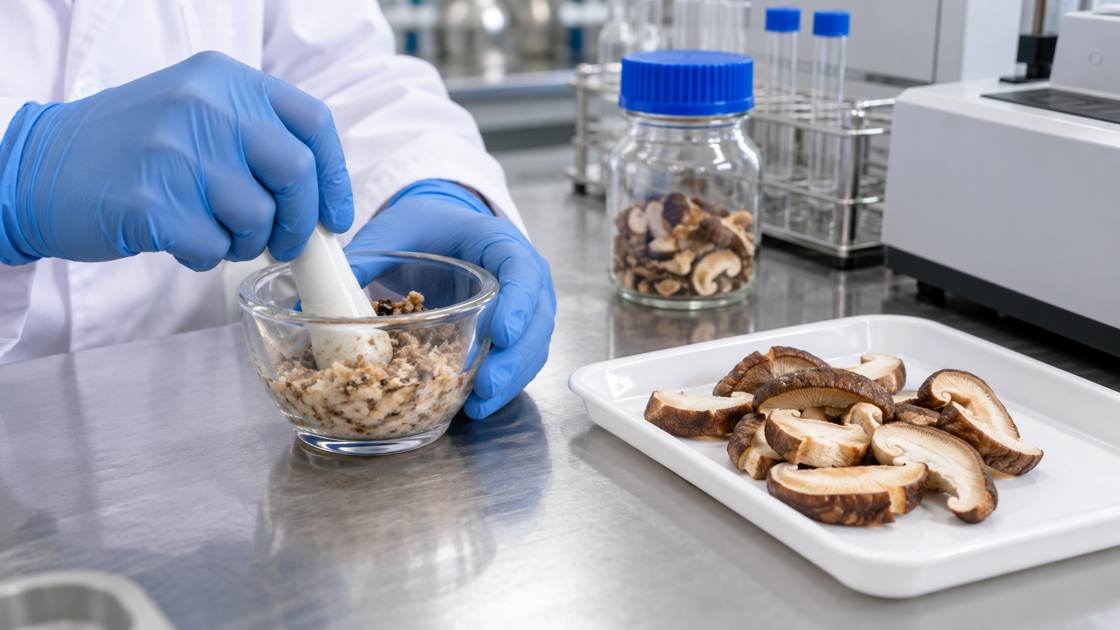
Freezing generally changes water distribution but can create drip on thawing; do not silently convert a dry-matter result into a fresh-weight figure. The 2025 amendment's shiitake entry is species-specific and the lead entry cited for three mushrooms is fresh-farmed, so a one-line 'mushrooms 0.3' rule would be wrong for this frozen product. Document the CFS interpretation or importer's qualified legal assessment before freezing the buyer's laboratory panel. During the grace period the whole prior or whole revised scheme can govern a food item; choose and document one complete scheme rather than selecting individual lenient rows. A failed cadmium result requires a source and substrate review, affected-lot hold and an importer disposition, not just a second sample taken from an easier carton.
A buyer may ask whether the 0.5 mg/kg cadmium number can be used as a contractual release criterion now. It can be an agreed contractual target if the product matrix and the revised provision are confirmed, but the current grace period means legal compliance is assessed under one whole applicable framework, and a contract may set an even stricter target. State those as separate decisions. The lab result should identify cadmium specifically, not 'heavy metals pass', and its report should indicate whether the sampled material included the permitted stem portion. Cultivation substrate and environmental inputs can affect metal levels, so a failed result should lead to investigation of source and substrate lots. If the buyer changes from frozen slices to dried shiitake, stop and re-evaluate the weight basis and legal item rather than transferring the frozen-lot conclusion.
This is a concrete example of why species, state and processing have to travel together in the compliance file. Generic supplier microbiology figures for frozen mushroom slices may be useful commercial proposals, but they are not substitutes for a current Hong Kong legal category or an agreed cooking validation. Before copying a number from another supplier's specification, ask whether the sample was raw or blanched, whether stems were included, how many packages were tested and what the result predicts in the buyer's final cooked dish. The importer can then separate a statutory contaminant limit, an agreed manufacturing hygiene indicator and a customer-specific acceptance value in its release sheet.
Agree a slice and stem specification that predicts kitchen yield
Frozen shiitake purchasing decisions often fail at the point of use. A catalogue image says little about recovered cooked yield, aroma or broth colour. Define the mushroom as cultivated Lentinula edodes, then agree cap diameter before cutting, nominal slice thickness, allowable thick pieces, basal stem trim, acceptable stem ratio and broken-fragment definition. Record whether the batch was blanched or frozen without blanching. The process choice can alter aroma, colour and water release, so a soup or prepared-meal buyer should compare coded samples under equal net mushroom input and the same cooking process. Measure drained or cooked recovery after a fixed program, and compare flavour in the actual recipe rather than relying only on an uncooked visual grade.
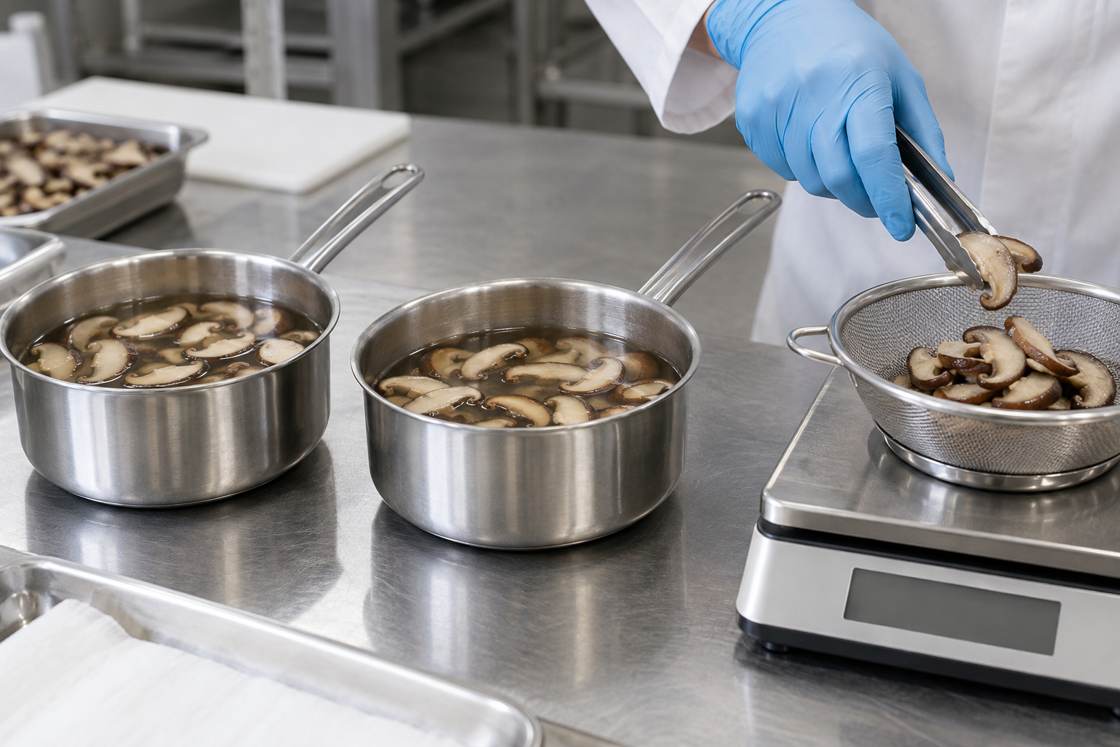
Keep sand, substrate residue, extraneous material, ice clumps, freezer burn, carton condition and net weight as separately described acceptance items. Any numeric tolerance should carry a sample plan and method. Our quality team can prepare a retained pre-shipment sample and a specification sheet, but the accepted commercial grade remains the one signed for the particular order. A controlled soup trial can compare two legitimate pretreatment branches from the same crop and size grade. Fix the mushroom input mass, slice thickness, broth recipe, water volume, vessel, heating and hold. Present samples in coded order so the taster knows neither branch. Score aroma, broth appearance, slice chew and cooked-drained yield separately, then review which property matters in the final meal.
A stronger aroma in broth may coincide with lower slice firmness; the buyer should choose based on its application rather than a universal 'better' grade. If a sauce maker chops slices further, the initial slice size may matter less than stem toughness and moisture release. The signed specification should capture this use-specific decision alongside objective defects. A repeat order can then test whether the same process branch and growing source produced a comparable result.
Hold a traceable frozen chain through local distribution
The supplier file should connect approved grower or substrate source, harvest and reception lot, species confirmation, washing and trimming, slicing, actual heat branch, IQF record, metal detection, packing and dispatch. The lot COA should report the agreed test panel rather than a generic all-safe conclusion. Logistics should record container condition, reefer pre-cool, set point, seal, loading time, pallet count and any logger location. A stable frozen plan at or below minus 18 Celsius may be specified commercially and is consistent with the site product reference, but it must be written into the order and maintained through arrival; this guide does not present that value as a universal Hong Kong law for every frozen mushroom. At arrival, the Hong Kong importer checks seals, package damage, temperature evidence and lot match before releasing stock to customers.
Source-to-delivery action sequence
- Confirm cultivated shiitake species, slices, heat branch and cooking use in the purchase file.
- Verify food importer registration, movement-record owner and any current food order for this form.
- Approve source, contaminant, residue and lot trace evidence against the chosen applicable legal framework.
- Classify the import and decide Form 1A applicability; arrange forwarder and frozen receiving capacity.
- Respond to Customs or CFS inspection and keep any selected lot segregated until the relevant decision.
- Submit the declaration within 14 days after import and retain the delivery and customer trace records.
A temperature excursion or missing origin document starts a documented hold, investigation and disposition. The importer then updates its movement records so the affected cartons remain locatable after distribution. At the final handover, the buyer should have a small evidence bundle that a warehouse supervisor can use: shipment reference, container/seal, lot list, carton count, expected pack, minimum storage requirement, any CFS sampling status and a named release contact. If a temperature logger shows a gap, recover reefer events and terminal dwell records before deciding whether the product was exposed. If cartons were cross-docked, record the duration and temperature environment. A broken case in an otherwise sound container may be isolated; an undocumented mixed lot calls for broader quarantine.
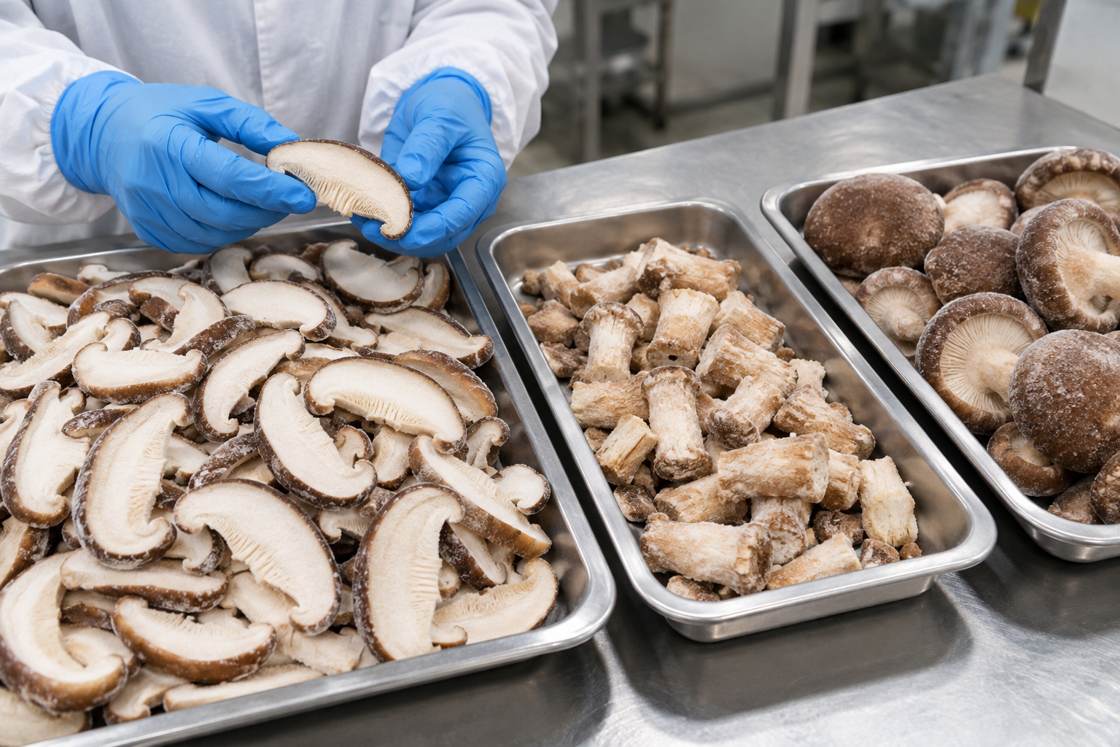
The importer should not redistribute a held lot while waiting for metal or pesticide confirmation. Our QA team can provide retained samples and process trace, while local disposition and notifications remain with the registered Hong Kong operator. A distributor should decide in advance how it will answer a customer complaint after product has been split across restaurants. Require each outbound note to retain the supplier batch and delivered quantity. If one kitchen reports grit or unusual aroma, identify whether the complaint is isolated to a case, a processing shift or an entire cultivation batch. Inspect a retained sample using the same cooking method before concluding that the mushroom itself differs. If CFS issues a food safety order or recall instruction, the importer must act under local law and notify customers promptly using its movement record.
GreenLand can provide upstream trace and source investigation, but cannot substitute for a local registered operator's recall execution. This closes the route at the point where a frozen food shipment becomes a controlled distribution programme.
Official services
Use the current official service and exact product description for a shipment decision. Record the result date, commodity and any applicable conditions with the importer.
Related reading
Frozen Shiitake Mushrooms: Specs, Grades, Best Applications
Turn slice thickness, stem trim and cooked yield into an order specification.
Importing Frozen Mushrooms: Documents, Labeling, Compliance Checklist
Compare the shipment document and label fields before booking entry.
Blanched vs Unblanched Frozen Mushrooms
Ask for the actual pretreatment record before approving a cook-required slice specification.
Discuss a shipment-ready specification
GreenLand-food is a China-based supplier and manufacturer coordinating factory-direct wholesale supply of IQF cultivated shiitake slices. Send the product form, intended cooking use, pack, quantity, destination, required documents and planned delivery window so we can review the lot and regulatory questions with your importer.