


Singapore Import Guide for Blanched Frozen Edamame in Pods
Oct 19, 2026
Leave a message
Reviewed: 19 October 2026. Recheck the official rules, classification and shipment conditions for the exact SKU before ordering.
Blanched frozen edamame pods are processed food for Singapore import administration. The importer needs SFA registration and an approved TradeNet permit, with soy labelling, lot evidence and a cook-required instruction matched to the actual process.
Product case: blanched IQF edamame in pods (Glycine max, immature beans), Mainland China origin, industrial pack. Intended use: cook before consumption; blanching is not proof of RTE status.
Classify this exact frozen pod product
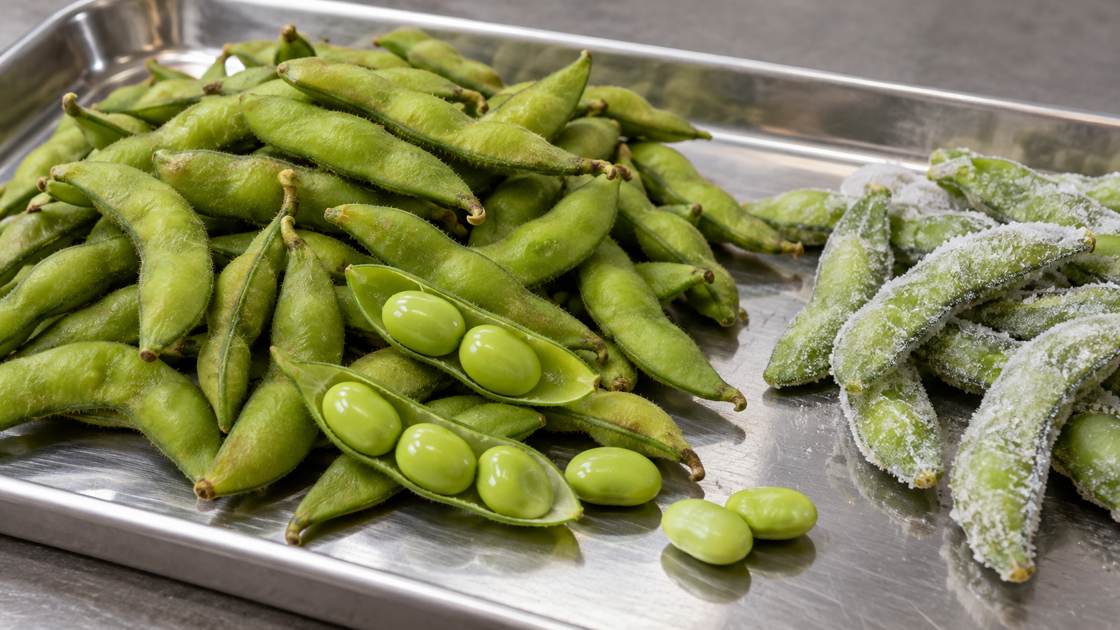
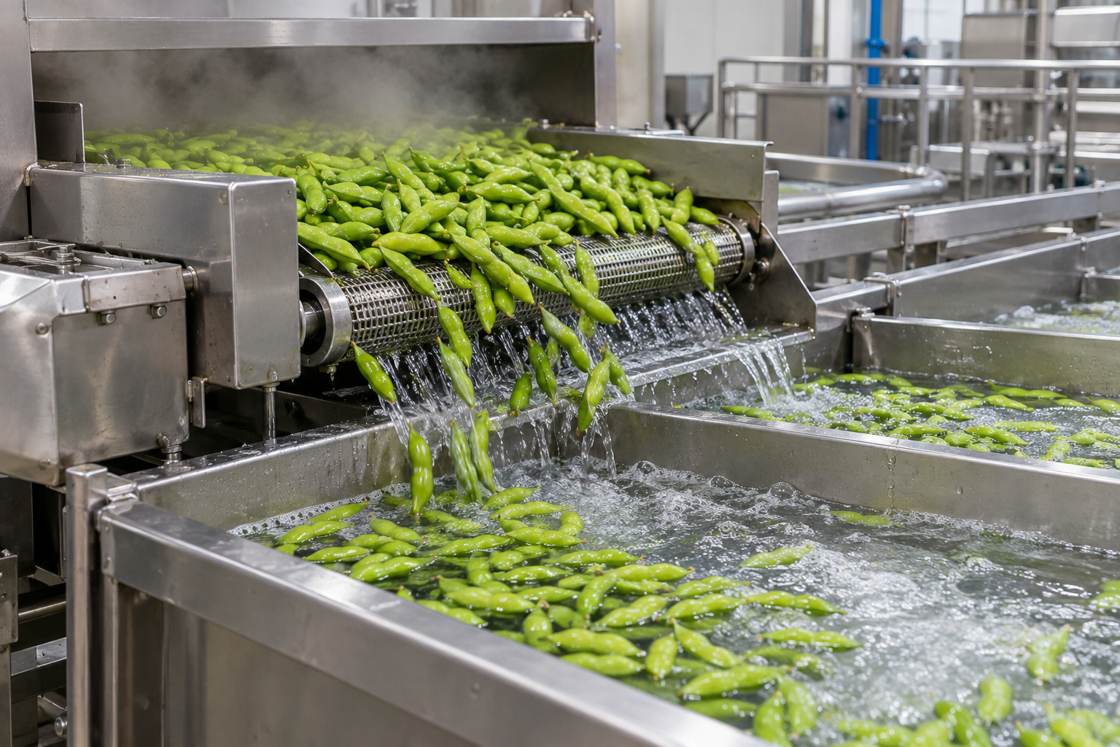
The proposed consignment is immature Glycine max beans still in their pods, grown and processed in Mainland China, selected, washed, blanched, cooled, individually frozen and packed as a single ingredient. The buyer's foodservice or retail customer will cook the product before eating; the blanch does not by itself substantiate a ready-to-eat claim or a validated pathogen kill step. Singapore Food Agency's classification excludes fruits and vegetables that have been cut, peeled or frozen from the fresh fruit and vegetable category and regulates them as processed food. This matters because a fresh-vegetable import licence and a processed-food registration are different application paths. The importer should use SFA's product-code search for the exact in-pod frozen edamame description, record the CA product code and confirm the HS code with Singapore Customs or its declaring agent.
The whole pod is a presentation format; the beans inside are the edible portion. The proposed plain, single-ingredient formulation should not silently become a salted or flavoured product. Any recipe change triggers a new ingredient, allergen, label and code review. The precise processed-food conclusion follows the actual physical treatment. SFA's classification page specifically says freezing is processing, so a whole intact pod is still routed as processed food once frozen. That differs from a fresh pod shipment and from shelf-stable roasted soybean snacks. The buyer should save the classification page and its product-code search output with the item description used in the application. A CA product code is a regulator code for the exact food item; an HS code serves Customs classification.

A match in one field does not automatically validate the other. If a selected code has a different preparation or ingredient scope, the importer should seek SFA advice before shipping rather than using the nearest keyword. We will mirror the approved wording on the invoice, packing list and carton. This prevents an avoidable TradeNet query when one document calls the goods fresh soybeans, another calls them blanched frozen pods and a third describes shelled edamame. The registered processed-food route also affects price and timing. Customs duty and GST treatment depends on the exact HS classification and movement, while the SFA registration concerns the food regulator. The buyer should budget the declarations, agent fee, local refrigerated handling and any requested inspection or analysis separately from the product price.
A quoted delivered price without these assumptions can conceal who pays for a query-related reefer dwell. For repeat orders, keep a master product-code dossier with the current official lookup screenshot, SFA registration number, ingredient and process statement and approved label. Review it when the plant changes the blanch level, sells a shelled version, introduces seasoning or changes its brand. The legal classification may remain the same, but the official lookup needs to be checked rather than presumed.
Put the Singapore importing entity in place
SFA's general requirements start with a business registered with ACRA, an activated Singapore Customs account and a GIRO arrangement with SFA. The importer then applies for Registration to Import Processed Food Products and Food Appliances through the current GoBusiness route. SFA lists this registration as free with a stated processing time of one working day for complete applications; it is a planning value, not a guarantee for an incomplete or queried case. Keep the registration number and legal entity name aligned with the TradeNet declaration, invoice, shipping document and local label. A buyer can appoint a declaring agent or submit itself if registered as one and set up for TradeNet. The agent handles data entry but the importer remains responsible for truthful product description and compliance.
Before purchase-order confirmation, the buyer should identify the legal importer, seller, cold store, declaring agent and contact who will answer SFA inspection messages. We provide factory and product information but cannot submit the Singapore entity's application on its behalf. Registration should be in the right entity's name. A restaurant group buying from an existing Singapore distributor may not itself be the importer, while a retail brand using a freight agent may still be the importing legal party. Put the UEN, SFA registration and Customs account against that legal party in the responsibility sheet. Confirm whether the same entity pays the invoice, enters the goods and appears on the local label. If not, document the distribution relationships and addresses accurately.
The nominated declaring agent needs authority and the information necessary to answer product-code or source questions; send it the botanical name, whole-pod presentation, blanch record and ingredient statement. SFA's one-working-day registration processing time should be scheduled before the first sales order, with a buffer for questions. It is separate from the consignment permit review. A signed purchase order can define when final artwork and production may begin, but cannot substitute for a valid processed-food registration at import.
Apply for the consignment permit before arrival
Singapore Customs requires an import permit through TradeNet before goods enter. SFA's processed-food requirements direct the trader to declare the processed-food registration number, CA/SC product code, quantity, unit and brand or manufacturer. The HS code and exact product code should be looked up on the current official tools. Attach the invoice, packing list and any health certificate, analytical report or other evidence required for the product or requested by SFA through the TradeNet front end. SFA's commercial import page says complete permit applications submitted before its stated cut-offs are normally approved by the next working day; conditions and queries can change that result. The approving output is a Cargo Clearance Permit. Read all SFA conditional approval messages before dispatching the vehicle to a warehouse, because some permits require an inspection appointment or other action.
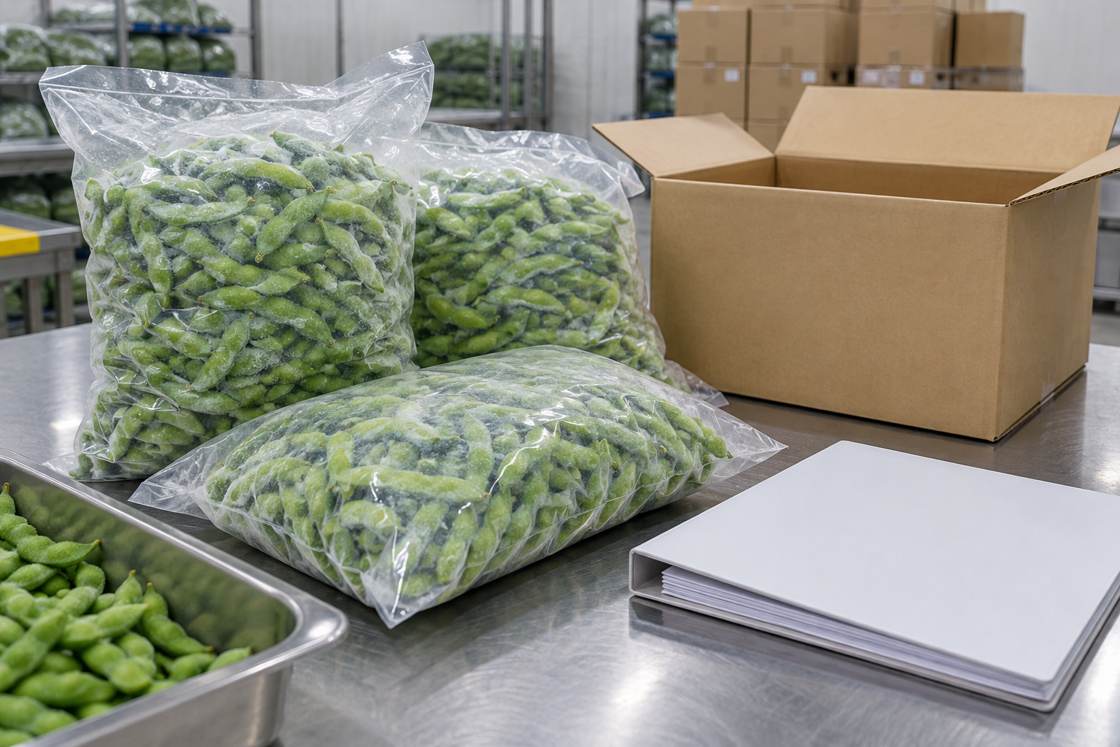
Customs permit approval, SFA food requirements and a carrier delivery order are separate pieces of the cargo-release sequence. After the checkpoint and any inspection or sampling instructions, the importer should retain the approved permit, clearance proof, delivery order and warehouse receipt with the same lot and carton count. The permit application should carry a consistent unit of quantity and brand field. SFA's FAQ says an unbranded food may use the manufacturer name or intended brand, while product description should not collapse multiple foods into one line. The declaring agent should enter each SKU as required with correct HS and CA product codes, quantity and packaging, then attach supporting files in the TradeNet front end. The supplier can supply the commercial invoice, packing list, bill of lading, actual processor identity, specification, certificate of analysis and process flow.
SFA may request more material based on the product's risk or a conditional permit message; we cannot declare one generic health certificate mandatory for every edamame shipment without such a requirement. Keep a copy of the approved Cargo Clearance Permit and the precise conditions. If the permit is rejected, correct the data and obtain a new approved reference; a pending application does not authorize arrival. Plan reefer and warehouse bookings so a regulatory query does not force product to wait without power. Singapore Customs explains that the approved permit must be used according to its conditions and that a declaring agent can file for the importer. Give that agent the final booking reference, expected arrival date, shipment quantity and carton dimensions before it sends the TradeNet entry.
A data correction is not merely an invoice edit if the approved permit already names the wrong item. The importer should follow Singapore Customs' permit amendment or replacement rules and obtain an updated approval, then show the operative version to the checkpoint and warehouse. If SFA instructs inspection, book it through the current SFA service and preserve the appointment and result. The carrier then releases the shipment only after its own bill-of-lading and terminal requirements. This creates four linked but distinct outcomes: the importer registration, consignment permit, any SFA inspection disposition, and physical carrier delivery.
Write a soy label and cooking direction for the actual channel
SFA's labelling guidance requires imported prepacked food to identify the local importer, distributor or agent and the country of origin. The buyer should review the full Food Regulations for its final retail or foodservice presentation, including food name, ingredient list, net quantity, date mark, storage instructions and required allergen wording. Soybean is an allergen and the edible beans remain within pods; a clear label should identify the product as edamame soybeans in pods and state that the pod is normally discarded after cooking. If the agreed order is plain edamame, do not introduce a salt ingredient or nutrient claim. The label should direct cooking before eating because the actual blanch is not a finished ready-to-eat validation.
A warehouse master carton and a consumer bag may have different display space but must remain linked by lot code. Private-label artwork should be approved before printing and reconciled with the invoice, CA code and manufacturing records. A later decision to sell the product as ready to eat requires a separate process and microbiological risk review, not a simple wording change. For a consumer pack, have a Singapore label reviewer compare the final print proof with the current Food Regulations and SFA guidance, not with an export carton used for another country. It should accurately name edamame or immature soybeans, show the product is in pods, identify the single soybean ingredient and provide the applicable soy allergen statement.
The local importer or distributor identity and Mainland China origin must be correct. Cooking instructions should be specific to the actual blanch level and pack size after a preparation trial, while the private specification keeps an explicit cook-required status. If the buyer plans foodservice bulk bags, it should decide which parts of the retail artwork are needed on each bag and which information travels on the carton and invoice. The warehouse must still be able to identify lot and expiry without breaking the case. A claim such as organic or non-GMO needs batch-specific evidence from a certificate or test route that covers this SKU; a web-page list of possible certificates is not proof.
Use product-specific safety limits and avoid false numeric claims
The relevant pesticide screen begins with the growers' use history and a Singapore commodity mapping for immature soybean pods. A laboratory should report the named active substances and residue definitions, method and limit of quantification for the actual pod or edible-part matrix. We cannot responsibly print one numerical MRL for every pesticide or substitute a mature dry-soybean limit without an applicable legal mapping. SFA may require supporting health or laboratory documents for products under stricter import control, and the permit message can call for inspection. Blanching time and temperature are critical manufacturing data, but a blanch designed for colour or enzyme control should not be described as a validated ready-to-eat kill step. The producer's QA plan should address foreign matter, crop residues, process water, microbial hazards and post-blanch handling for a cook-required frozen product.
Negative lot sampling helps monitor the system yet cannot prove every unit sterile. The buyer can add contractual test parameters after its intended cooking route and risk assessment are agreed, with each number defined by sample plan, method and acceptance decision. The incoming crop deserves two separate questions: what was legally used in the field and what can the laboratory actually detect in this sample. The grower records should identify treatments, application date, quantity and field, plus any neighbouring field exposure. Use that history to select a pesticide panel, then compare each named result with SFA's current Food Regulations and the applicable Codex maximum residue limit or other rule that Singapore adopts for the specific commodity and residue.
The weight basis matters for in-pod immature soybeans: a result on whole pods may not equal a result on shelled edible beans. The importer should confirm the legally relevant commodity presentation before using a numeric value. Soy allergen declaration is a labelling question, not a pesticide result. Microbiological targets for a cook-required frozen ingredient should be linked to process risk and customer use. A documented blanch provides evidence of a controlled step, but unless the product has validated lethality and protected post-process handling, it still requires cooking and cannot borrow ready-to-eat microbial criteria simply to support a label claim. The SFA Food Regulations contain pesticide rules that may use a commodity-specific Singapore figure or a Codex maximum residue level when a local value is not prescribed.
That is a legal hierarchy, not a blanket 0.01 mg/kg default. To produce a usable release sheet, the importer should choose the exact residue, search the current regulation and the relevant Codex commodity entry for immature soybean pods, and record the resulting value, residue definition and sample portion. An analytical service should confirm it can detect each residue at a suitable LOQ in a green pod matrix. If the bean is eaten but the pod is discarded, the testing and legal commodity definitions still need to be reconciled; do not reduce the number by multiplying by an assumed edible yield. The same principle applies to any heavy-metal limit: look up the exact food category and basis.
A buyer's broad statement that the product meets Singapore standards is only as strong as the dated item-by-item mapping and lot report behind it. SFA's currently linked heavy-metal table gives a useful named metal screen without borrowing a fresh-vegetable row: under regulation 31, the 'any other food' entries are cadmium 0.2 ppm and mercury 0.05 ppm. Plain blanched frozen edamame appears to fall outside the named dried-mushroom, fish and other narrower categories, but the Singapore importer should confirm the table mapping and ask SFA or the laboratory how the statutory sample is prepared for this SKU before treating these as release criteria. Beans are the edible portion for consumption risk; pesticide commodity sampling may follow a different prescribed portion.
Do not dilute an edible-bean metal result by averaging it with discarded pod mass. The table's arsenic and lead entry for 'fresh fruits and vegetables' should not be pasted into this frozen processed-food route. SFA's 2024 non-ready-to-eat amendment sets statutory microorganism tables for named categories including meat, shellfish and eggs; it does not supply one edamame-specific Salmonella number that we can honestly quote. The producer and buyer should instead set an evidence-based contractual microbiological panel for the cook-required product and confirm any later amendment at shipment.
Match pod quality to the commercial use
For an appetizer programme, the buyer should specify variety, pod count per defined net weight, two- and three-bean pod distribution, empty-pod tolerance, stem length, colour, insect damage and broken-pod classification. A pack for industrial processing may value bean recovery and throughput differently from a presentation-grade retail pack. We can sample the current crop, count pods by an agreed method and test cooking yield and tenderness under the buyer's equipment. The acceptance sheet should state whether 500 g is weighed frozen, how frost is handled, and whether defects are counted by pod or by weight. A nominal size number without those details invites disputes. Record whether the proposed product is unsalted and single ingredient, its blanch branch, bag and carton format, labelled net quantity and storage condition.
The final preparation time belongs to the validated kitchen or label instruction for this SKU; a generic consumer blog time cannot be copied into an industrial contract. Retain a matched shipment sample so a later colour or pod-fill complaint can be reviewed against the signed grade. A robust pod-count trial takes packages from different case positions and production timepoints, not only a showroom sample. Count the pods in a defined frozen net mass, classify two- and three-bean fill, and measure empty, yellow, broken and insect-damaged pods according to a written visual standard. The buyer may also weigh edible beans recovered after cooking to compare price on a useful-yield basis. When two varieties look similar but differ in tenderness after holding, a coded kitchen trial can show which meets the foodservice need.
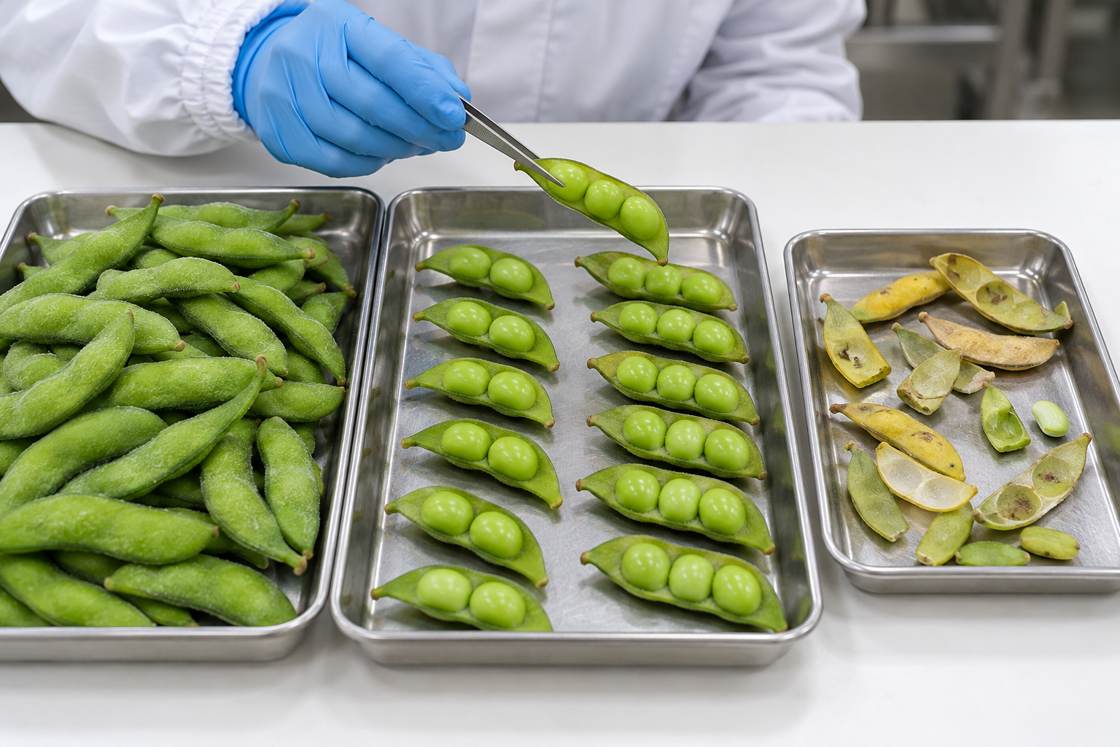
Record heating time, water volume, drained yield, colour and bite in the actual serving process. For retail packs, open several bags after a simulated delivery journey to assess clumping and case compression. If excessive loose ice or water appears, inspect the freezing and temperature record. These measured outcomes form a purchase specification a supplier can manufacture against, rather than broad promises of 'premium green quality'. A pod-size chart from a seller can help shape a trial, but the buyer should not adopt a rival brand's percentage as a universal grade. Record the actual number of pods per defined frozen weight, the pod-length distribution, the bean fill and the edible bean recovery after the agreed cook.
Where blanch performance is screened by an enzyme test, the method and acceptable endpoint belong in the signed specification; a negative peroxidase result does not by itself establish the product as ready to eat. This distinction protects the cooking instruction and the laboratory plan from drifting apart during private-label development.
Release the lot from source to Singapore freezer
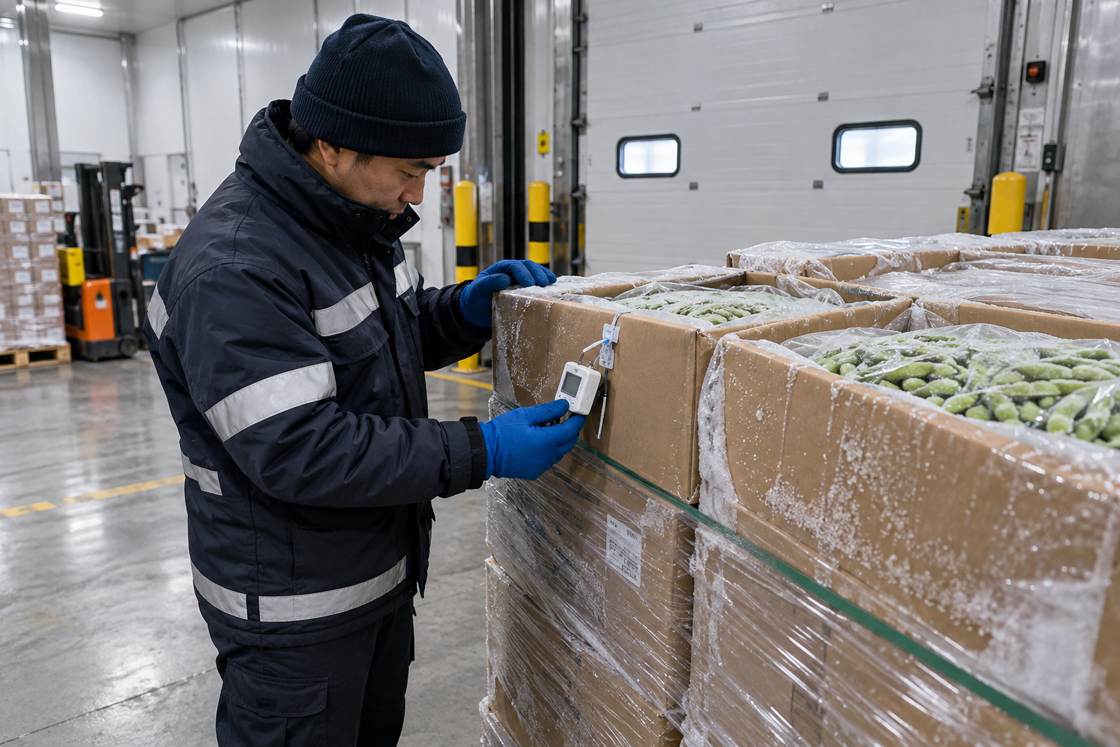
Our sourcing team should hold grower identity, field lot and treatment records. Production records connect incoming pods to washing, grading, actual blanch time and temperature, cooling, IQF freezing, metal detection, bagging and case coding. Release QA checks that the specification, label, COA and document set all describe the same product, site and lot. Logistics records reefer condition, pre-cool, set point, seal, pallet count and loading temperature. The buyer should arrange frozen storage on arrival and inspect the seal, carton condition and temperature data before routine distribution. An SFA inspection or laboratory hold requires segregation and documented instructions. A broken seal, thawed carton, allergen omission or inconsistent permit description starts a deviation: isolate affected pallets, preserve evidence, contact the importer and decide lawful correction or rejection.
Source-to-delivery action sequence
- Confirm in-pod Glycine max, plain recipe, blanch record, soy declaration and cooking instruction.
- Verify the importing entity, processed-food registration and exact CA/HS product codes.
- Approve the source, lot, named residue and metal sampling plan before production release.
- Submit the TradeNet permit with correct product and consignment information before entry.
- Follow any SFA conditional inspection message and separate permit, checkpoint and carrier releases.
- Receive frozen stock by lot, check temperature and pod grade, then resolve deviations before sale.
We can support lot tracing and replacement discussion through the documents, while the Singapore importer retains the regulatory decision and local recall responsibility. Repeat-order changes in variety, origin farm, formula, process, pack or label need formal review before the next TradeNet declaration. Use change control to keep the approved permit description aligned with what was actually packed. An alternate soybean variety can be acceptable within a signed grade, but a switch from in-pod to shelled, plain to salted, or cook-required to ready-to-eat changes more than appearance. Sales should request buyer approval before making those substitutions. QA reviews the ingredient and allergen statement, process record, label, test panel and expected code impact. Logistics checks whether quantity, carton count, seal, vessel and arrival date still match the permit.
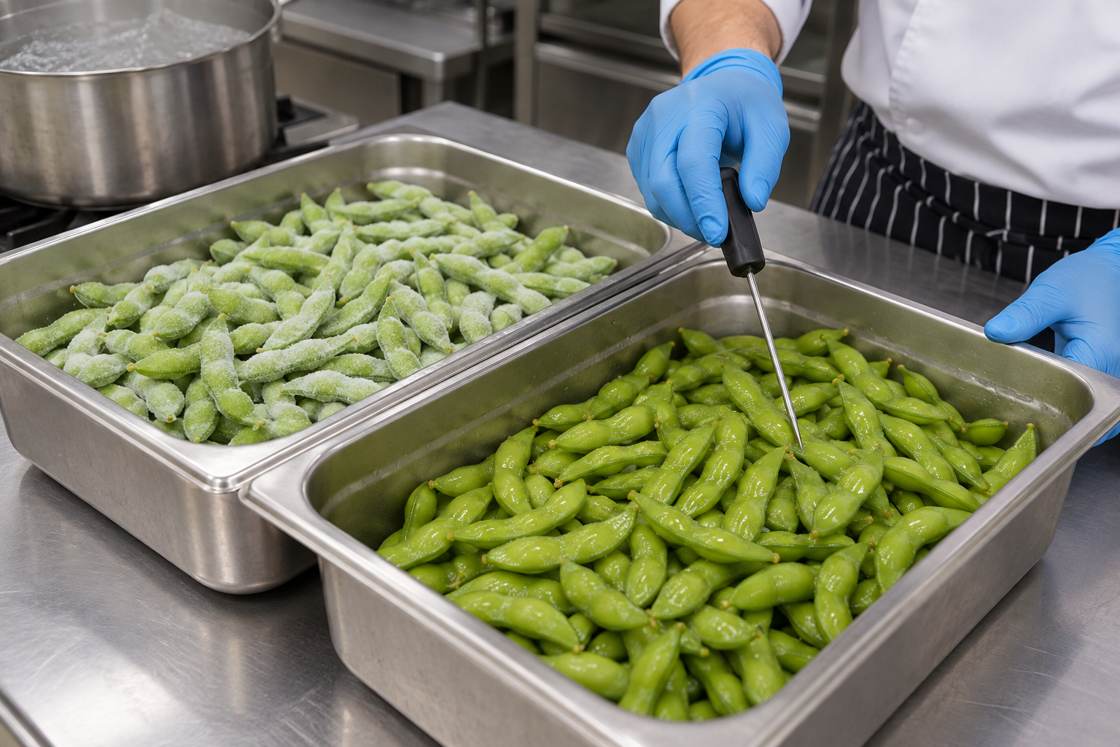
If the change occurs after a TradeNet approval, the importer and agent determine whether an amendment is available or a new application is needed under Singapore Customs rules. At receiving, preserve the original permit, any corrected reference, SFA query messages and the warehouse acceptance record. That document chain lets a buyer demonstrate how one shipment moved from Chinese source lot to the precise Singapore goods entered and distributed. At the first import, the buyer should conduct a paper rehearsal before the container leaves China. Reconcile product code, HS code, Singapore importer UEN, seller name, processor address, ingredient wording, carton count, lot and label against the TradeNet draft. Confirm frozen storage space and an inspection contingency.
This rehearsal prevents a late permit query from becoming a temperature-control incident. After delivery, measure the buyer's accepted pod grade and cooking outcome on a sample of the actual lot. Record that trial beside the arrival temperature and permit result. For the next season, compare the same metrics rather than assuming last year's variety and blanch program still apply. The resulting file provides a useful purchasing baseline and a defensible record if the customer later questions fill, colour or cooking performance.
Official services
Use the current official service and exact product description for a shipment decision. Record the result date, commodity and any applicable conditions with the importer.
Related reading
Bulk Frozen Edamame Buying and Storage Guide
Define pod grade, storage handover and foodservice packing expectations.
Do You Need to Cook Frozen Edamame?
Develop a preparation instruction for this cook-required in-pod case.
Common Import Risks When Sourcing Frozen Vegetables
Check shipment documents and cold-chain handover evidence before dispatch.
Discuss a shipment-ready specification
GreenLand-food is a China-based supplier and manufacturer coordinating factory-direct wholesale supply of blanched IQF edamame in pods. Send the product form, intended cooking use, pack, quantity, destination, required documents and planned delivery window so we can review the lot and regulatory questions with your importer.