


Hot Sauce from Frozen Chili Peppers: Measuring Straining Loss and Finished Yield
Oct 19, 2026
Leave a message

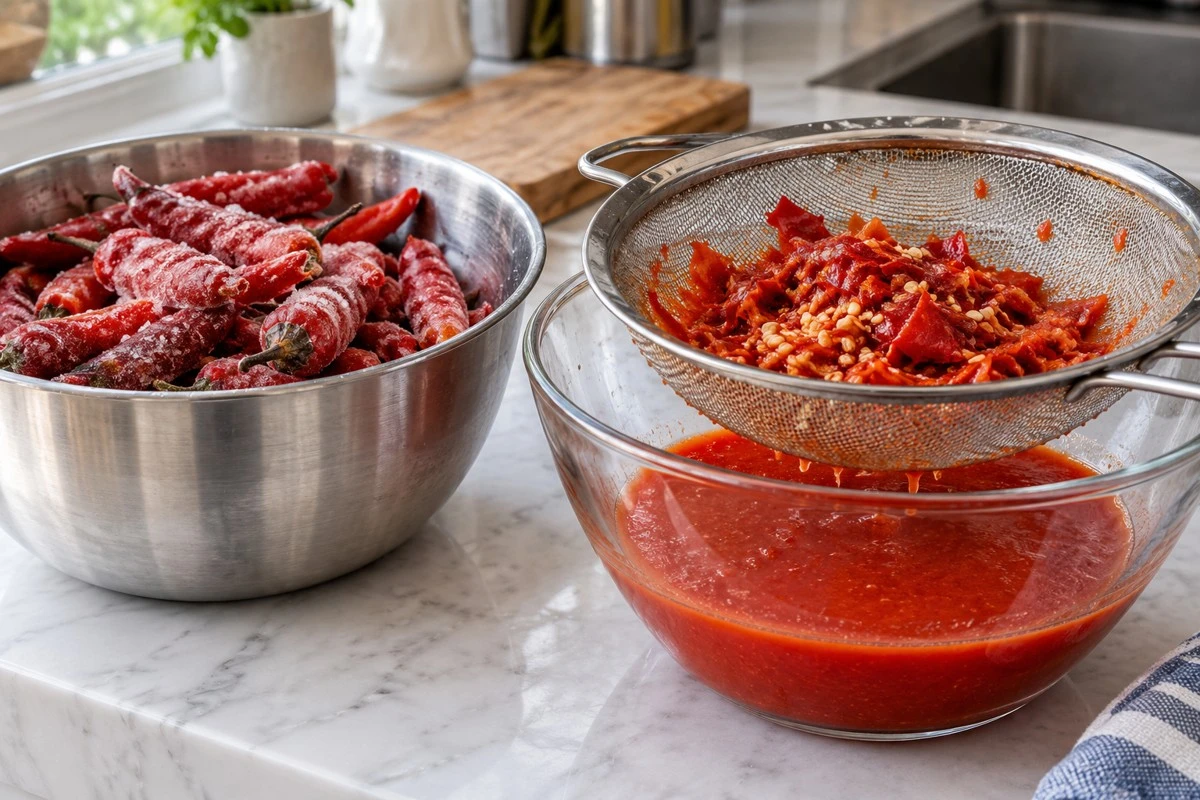
Straining loss deserves particular care. The residue contains skins, seeds and other retained plant material together with sauce that has not passed through the screen. A wet residue therefore does not tell you the amount of dry pepper solids rejected. More pressing may recover additional sauce, yet it can also change particle size and mouthfeel. The useful operating point is the one that delivers the intended sauce consistently at an acceptable cost.
For GreenLand-food inquiries, we ask for the named chili type, supplied form and intended process before discussing yield. A thin table sauce, a coarse cooking paste and a fermented mash have different endpoints. The following measurements help a purchasing and production team compare those endpoints without mistaking added water for improved recovery. The numerical examples are illustrative calculations, not GreenLand batch results or a shelf-stable hot-sauce recipe.
Choose the yield you are measuring
Begin at the boundary that answers the commercial question. If purchasing wants to know how many kilograms of frozen chili are required for a production order, the denominator should be the net chili charged. If the operator is evaluating a screen, use the mash actually entering that screen. If finance is checking filling performance, compare accepted packed sauce with the sauce available to the filler. All three calculations may be correct while producing different percentages.
Suppose a trial starts with 10.00 kg of frozen peppers and adds 4.00 kg of vinegar, water and other ingredients. After the specified process, 11.20 kg of accepted sauce is packed. Finished sauce divided by pepper input is 112%; packed sauce divided by total ingredients is 80%. The first figure describes recipe output per kilogram of pepper. The second describes recovery of the total charged mass. Neither establishes how much pepper tissue remains in the sauce, and neither should be described simply as pepper yield.
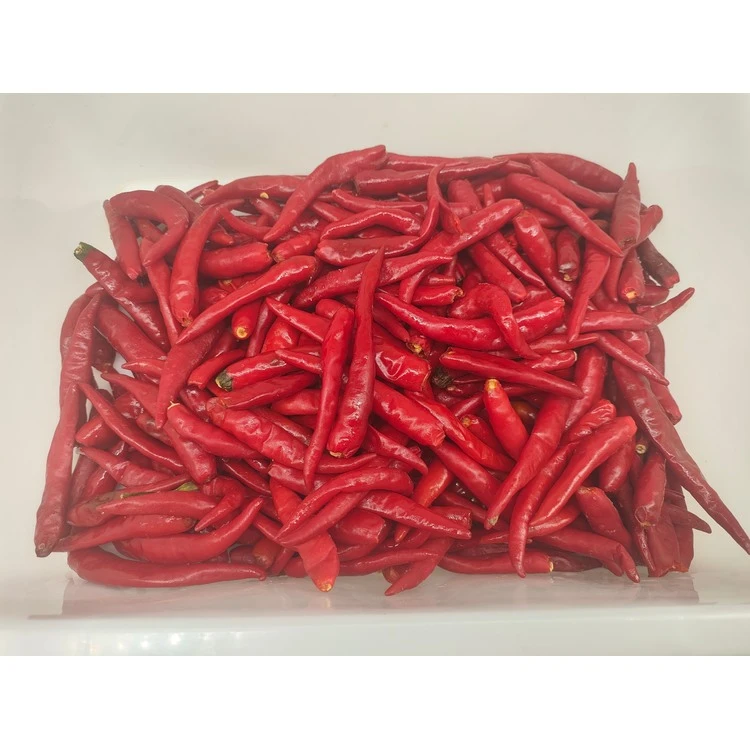
Whole red chili pods in the published product tray; a photograph does not establish cultivar or pungency.
Screen recovery needs its own figures. If 12.50 kg of mash enters a screen and 10.00 kg passes through, recovery at that operation is 80%. The retained material and any equipment residue must account for the remaining 2.50 kg, within the measurement uncertainty. Using the original 10.00 kg pepper charge as the denominator would give a different number and conceal what happened at the screen. Record the mass immediately before and after the operation wherever practical.
Weighing is generally easier to reconcile than measuring volume through the process. Hot sauce can contain air after blending, and its density depends on composition and temperature. A jug reading and a bottle count should not be combined with kilogram inputs without a measured basis for conversion. If the sales unit is a bottle, use the actual average net fill mass from the trial to connect the packed mass with the number of acceptable units.
Keep the calculation names on the trial sheet alongside the formula. Include whether packaging, thaw liquid, trimming and retained samples are inside the boundary. A different operator should be able to repeat the calculation without reconstructing the trial from memory. This also makes a supplier discussion more productive: a low screen recovery and a high filling loss call for different investigations, even when both reduce the number of bottles available for sale.
Keep thaw liquid and trimming visible
Frozen peppers may release liquid as they thaw because their tissue has been affected by freezing. Whether that liquid enters the sauce is a recipe and process decision. A trial that discards it before weighing the peppers is testing a different input from a trial that charges the complete contents of the bag. State the thawing condition, collection method and treatment of the liquid before comparing two lots.
For a controlled trial, establish the incoming net product mass separately from the carton and liner. When the planned process includes thawing and draining, collect the separated liquid in a tared container and weigh the drained pepper fraction. Keep the drain time, equipment and sample temperature consistent. A short drain and a prolonged drain can give different apparent recovery from the same raw material. Do not turn uncontrolled draining into a supposed supplier specification.
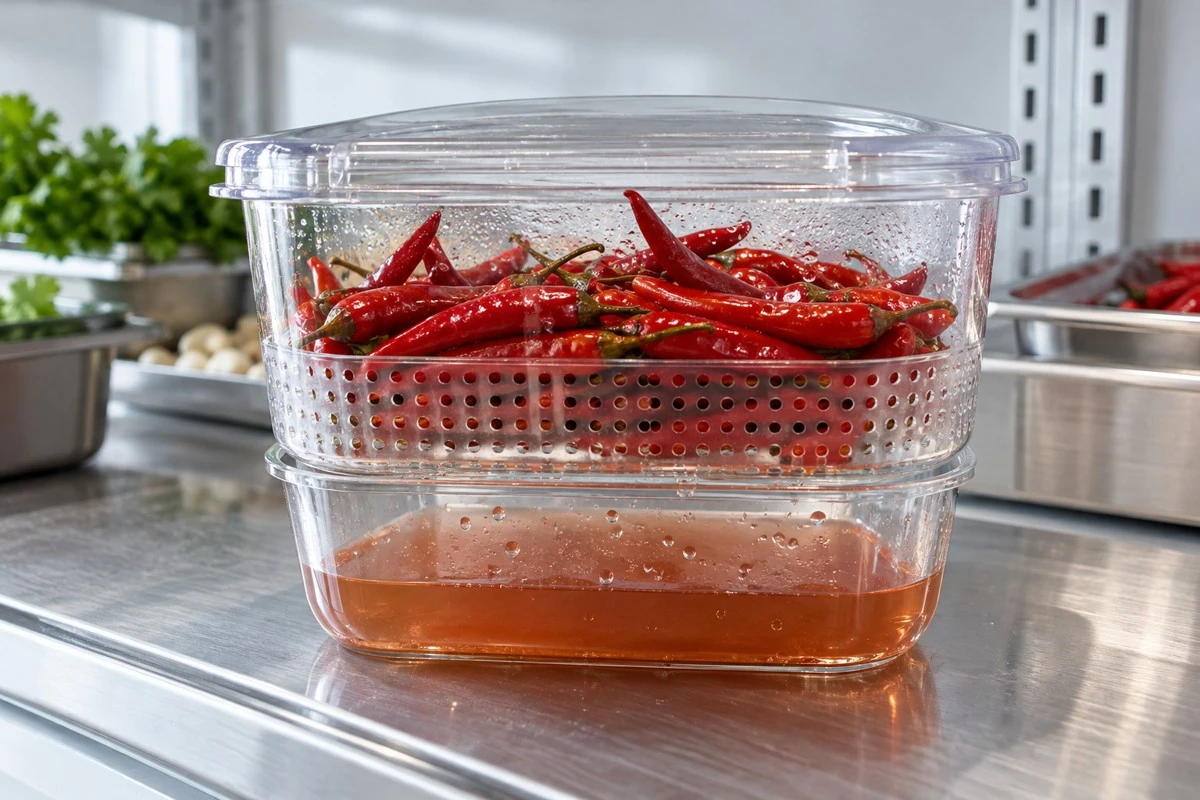
Record the liquid released during the defined thawing step.
The liquid may carry dissolved material and fine particles. Discarding it changes more than water weight, while adding it back changes the solids and liquid distribution entering the mill. Its contribution to flavor, color or pungency cannot be inferred from its volume alone. If those properties affect the product, evaluate the complete sauce under the agreed preparation. Any microbiological controls and handling limits still follow the operation's established process and the supplied product instructions.
Trimming is another separate stream. Whole peppers supplied with stems require a different preparation allowance from a confirmed stemmed form. Removing seeds can also remove attached internal tissue and flesh. Record what the operator actually removes, rather than describing all rejected material as seeds. A sauce buyer may tolerate small seeds in a coarse paste but require a different preparation for a smooth table sauce. That choice belongs in both the trial instructions and the purchase specification.
For example, a 10.00 kg net frozen sample might give 0.30 kg of trimming and 0.60 kg of separated thaw liquid, leaving 9.10 kg of drained peppers. If the liquid is included later, it is a separately identified return to the process. If it is discarded, it remains a measured outgoing stream. The figures close to the original mass and reveal exactly what was used. They are an example of accounting, not an expected loss allowance for chili peppers.
Our guide to freezing hot peppers explains the broader texture change. For a sauce specification, the narrower question is how the agreed incoming form behaves in your process. Record frost, clumping and pack condition at receipt as observations alongside the weighing data. Those observations help investigate variation, but a photograph of frost alone cannot quantify added water or prove a temperature history.
Make the milling trial repeatable
The mill or blender determines what reaches the screen. A coarse mash can retain recognizable pieces of skin and internal tissue; a finer treatment can distribute smaller particles through the liquid. If one sample receives an extra blending cycle, its screen recovery may improve even though the ingredient itself has not changed. Match the milling conditions before attributing a difference to crop, cultivar or supplier.
Record the equipment, working batch size, preparation temperature, processing time and any adjustable settings that materially affect the result. A small laboratory blender and a production mill expose material to different forces and residence times. Use the bench trial to compare candidate ingredients under controlled conditions, then confirm the selected option on the actual line. A favorable kitchen result alone does not establish production throughput or the condition of the finished commercial sauce.
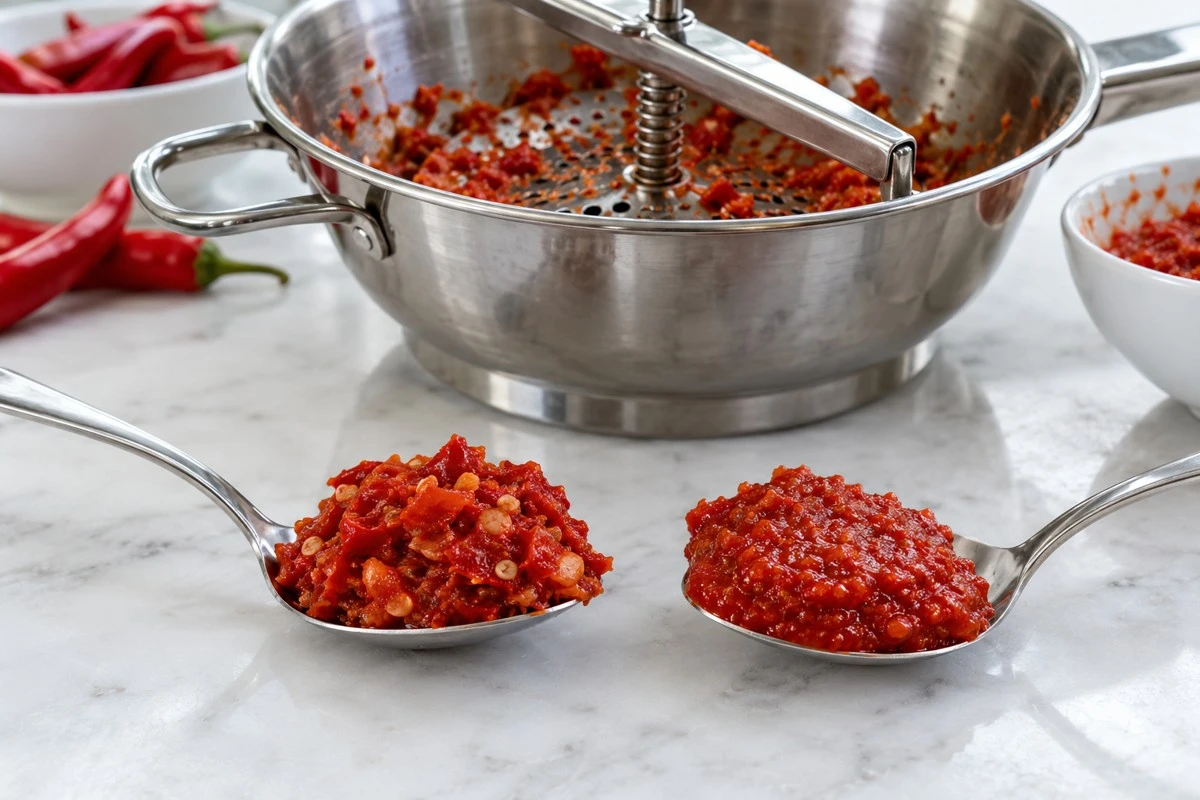
Particle size changes what reaches the screen and what passes through it.
The order of liquid addition matters. Adding the full recipe liquid before milling can change circulation and the ease with which material moves through a screen. Adding it afterward produces a thicker screening feed. Choose the sequence required by the intended formula and keep it fixed during ingredient comparison. Any liquid used to rinse pepper from the blender into the kettle must be measured and included in the recipe balance, even when the amount seems small.
For whole frozen pods, consider whether the equipment can accept the supplied state. Some lines need tempered material; others are designed around a specific frozen input. Follow equipment and product instructions, and document the condition actually used. Forcing hard frozen pieces into unsuitable equipment is not a valid way to reproduce industrial milling. It can also create a trial whose apparent losses are dominated by handling difficulties rather than sauce performance.
Evaluate particle condition before straining. Spread a small representative portion on a suitable inspection surface or examine it with the agreed particle assessment. Note visible skin fragments, seeds and coarse tissue. Retain a sample from each candidate under appropriate conditions so the team can connect screen behavior with feed condition. A simple descriptive record often explains why two batches with similar total mass require different straining times.
Treatment before freezing also belongs in the comparison. A raw, blanched or roasted ingredient may differ in softness, flavor and water distribution. GreenLand's frozen chili pepper supply page makes the preparation status subject to the agreed product. Confirm that status for the actual quotation. Buying a finer cut may reduce preparation work, but it does not automatically deliver the same sauce as changing the treatment or milling intensity.
Measure what the screen retains
Weigh the screen assembly or collection vessel before use, then collect the retained fraction consistently. Identify the screen opening or mesh specification, the working area and the endpoint used to stop the operation. Terms such as fine sieve and well strained are too subjective for a repeat-order comparison. A replacement screen that looks similar can change the passage of particles and the amount of sauce left with the residue.
Pressure and time also change recovery. Gravity draining, hand pressing and a powered finishing operation do not produce identical fractions. A pilot instruction might define a fixed screening time and a reproducible mechanical setting. A manual development trial should at least record the action and endpoint clearly. Avoid comparing one sample pressed until nearly dry with another stopped when the flow first slows. That comparison measures operator effort as much as ingredient behavior.
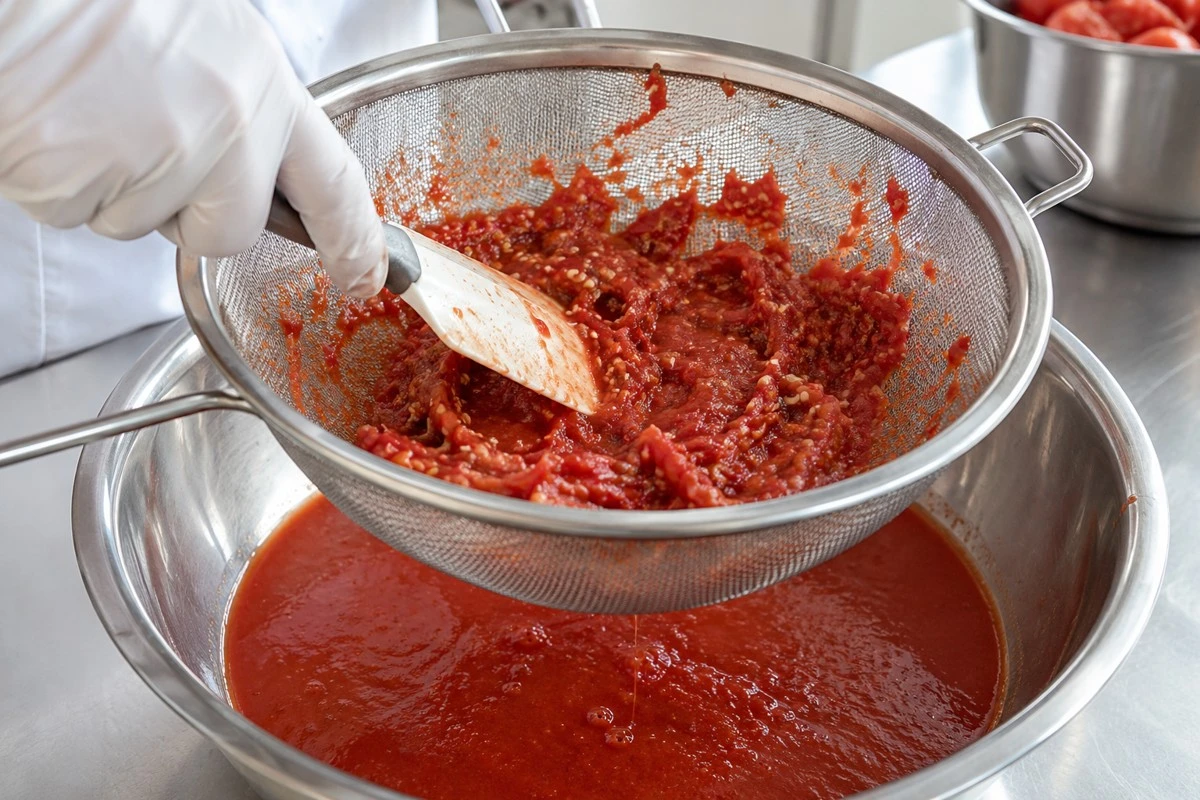
Wet screen residue contains both plant material and retained sauce.
The retained mass contains a mixture. Seeds and skins are visible, but liquid and fine pulp can remain trapped among them. Wet residue divided by feed mass is a wet reject percentage. Drying a representative portion under a suitable analytical method could answer a different question about dry solids, but it does not retroactively turn the original wet residue figure into dry waste. Keep the result names aligned with the measurement that was actually performed.
An illustrative screen balance is 12.50 kg feed, 10.00 kg recovered sauce, 2.30 kg wet residue and 0.20 kg coating or retained material in the screen equipment. These streams account for the feed. If the residue alone is weighed and the equipment coating ignored, the operator may incorrectly infer a scale error or evaporation. A visible accounting gap should trigger a check of the measurement boundary before a change to the ingredient specification.
A second pass can be tested as a separate operation. Weigh any liquid added to the residue, measure the additional sauce recovered and assess that fraction before combining it with the main batch. Additional recovery can have a different consistency or sensory profile. The cost of time, cleaning and handling also matters. Incorporating every recoverable gram is useful only when the final product still meets its agreed requirements.
Do not estimate heat removal from the weight of seeds in the residue. Capsaicinoids and their distribution require an appropriate analytical or application assessment; the retained fraction contains more than seeds. When heat consistency is commercially important, test the relevant sauce or ingredient on a declared basis. The purchasing team should receive screen-recovery data and pungency evidence as distinct information, each answering its own question.
Reconcile cooking and filling losses
After straining, track the mass through heating, formulation adjustment and filling. Evaporation reduces mass while concentrating the remaining material, whereas an addition increases mass and may dilute it. A change in kettle time can therefore alter both finished output and sensory intensity. Establish the intended endpoint before judging a larger packed weight as an improvement. A thinner sauce may fill more bottles while failing the approved product description.
A complete illustrative trial can begin with 10.00 kg peppers and 4.00 kg other ingredients. It might end with 11.20 kg accepted packed sauce, 1.60 kg wet screen residue, 0.80 kg evaporative loss, 0.25 kg equipment residue, 0.10 kg retained samples and 0.05 kg spills or rejected fills. Those values sum to 14.00 kg. They describe a hypothetical accounting exercise; actual quantities need to come from the trial and its measurements.
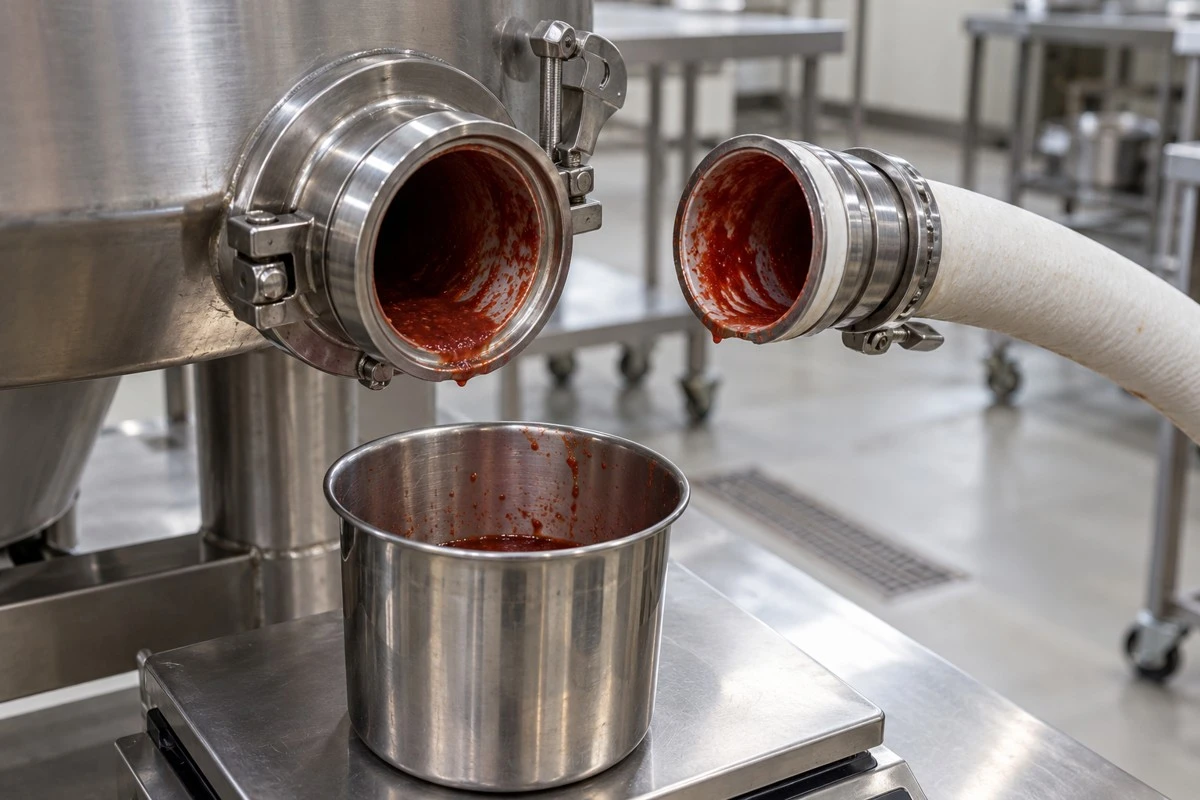
Transfer residue belongs in the same balance as packed sauce.
Evaporation is often calculated from a balance rather than collected directly. If it is the balancing difference, identify it as an estimate and check that other streams have been measured adequately. Otherwise an unrecorded transfer, sample or spill can be mislabeled evaporation. For development work, weighing the vessel at suitable process stages may provide a clearer estimate, provided the equipment and procedure permit a reliable measurement.
Equipment hold-up can be substantial in a small batch relative to the amount produced. A coating on a blender jar, a pump cavity or a hose contains product even when there is no visible puddle. Record the handling practice used to recover it. Scraping, rinsing and draining can change the balance, but any rinse incorporated into saleable sauce must comply with the formula and process. Cleaning water cannot simply be counted as recovered product.
At filling, distinguish acceptable packs from all filled packs. Samples, underweight units, damaged closures and product left at the end of the run affect saleable yield differently. Weigh representative net fills using an appropriate procedure and reconcile the number of accepted units with the bulk sauce consumed. A bottle count based only on the nominal label volume can conceal overfill or a change in density.
Preservation controls remain separate from the mass balance. A sauce's yield, bright color or pungency cannot establish shelf stability. The required formulation, heat treatment, packaging and verification belong to a suitable validated process. Are Bell Peppers Acidic? explains why acidity, taste and freezing are different properties. Apply the relevant technical controls to the complete chili sauce rather than borrowing a generic pepper pH or an informal recipe's storage promise.
Compare cost at an equivalent sauce endpoint
An ingredient comparison should deliver sauces with equivalent agreed characteristics. Those may include particle condition, apparent viscosity under a defined test, color, pungency, salt and acid balance. Choose the attributes that determine acceptance in the actual application. If candidate A produces a thicker sauce than candidate B, their packed weights alone do not establish which pepper offers better value. First determine what adjustment each requires to reach the same product.
Illustrative arithmetic shows why invoice price can mislead. A pepper costing 2.00 currency units per kilogram and producing 0.80 kg of acceptable pepper-derived intermediate per kilogram has an ingredient cost of 2.50 per kilogram of that intermediate. Another costing 1.80 but producing 0.65 kg has a corresponding cost of about 2.77. This comparison applies only when the intermediate is defined identically and the yields are measured without confusing recipe additions with pepper recovery.
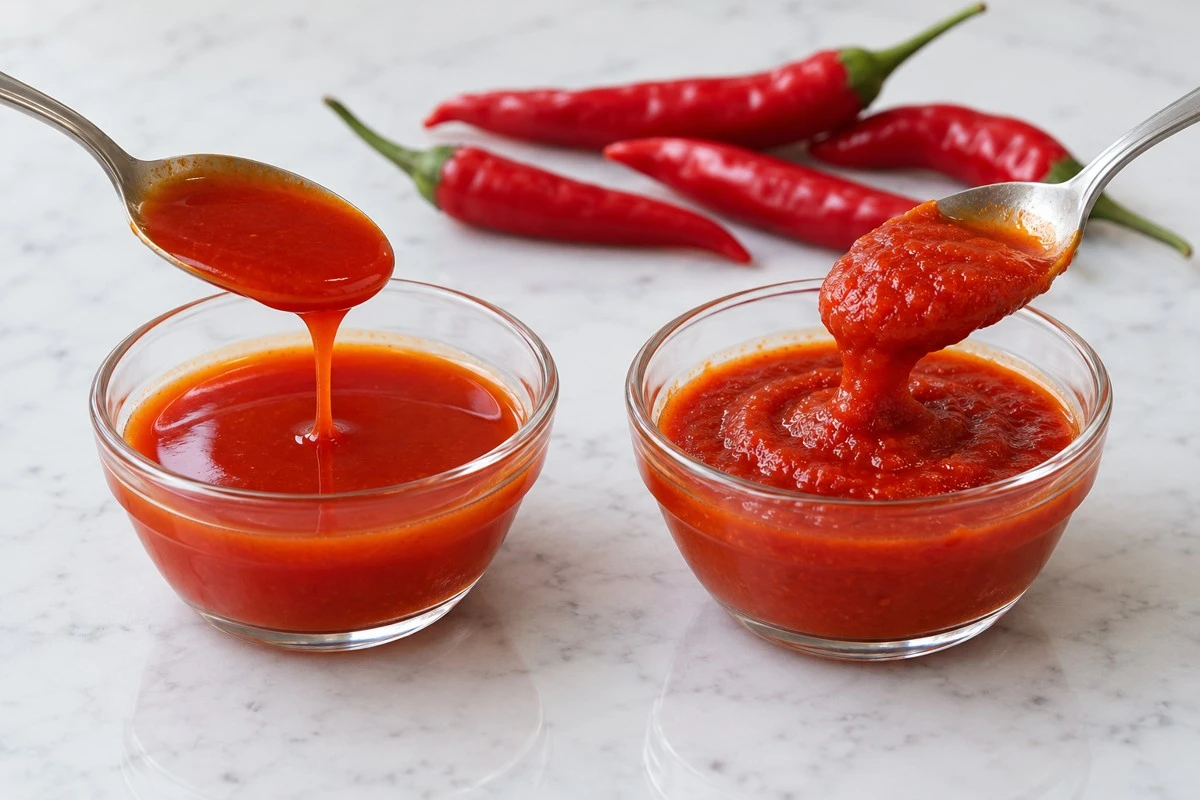
Compare recovery only after the sauces meet the same agreed endpoint.
For the finished sauce, include the other ingredients and operating costs that change between options. A low-cost whole pod may require more trimming labor than a prepared form. A higher recovery may take longer screening time and reduce line capacity. A formulation that needs more concentration can consume additional energy. Keep constant costs separate from the differences that actually influence the decision so the calculation remains understandable and useful.
Repeat the comparison across more than one representative sample when the decision concerns a continuing supply program. Individual pods and portions are variable, and one small favorable sample can give a misleading impression of the lot. The number and distribution of samples should suit the buyer's risk and operation. Record the observed range and the reasons for excluding a trial, rather than reporting only the best result.
Sensory comparison should follow the intended preparation and serving condition. A small hot spoonful immediately after cooking can differ from sauce assessed after its normal equilibration or storage stage. Keep dilution, portion and serving temperature consistent. Use suitable handling precautions for pungent materials and assess flavor through the established sensory procedure. Increasing chili concentration until the panel is uncomfortable does not produce a more informative comparison.
The frozen vegetable product-form guide provides background on whole and cut ingredients. For this decision, translate form into measured preparation time, accepted sauce mass and the required endpoint. The chosen form should help the production team repeat the sauce economically. Its visual appearance in the bag is supporting information, while the controlled application trial supplies the more relevant performance evidence.
Write the pepper specification around the trial
Start the order description with the chili's agreed market type or cultivar, color stage and supplied form. Define stems, seeds, internal tissue and broken pieces in terms that can be inspected. If the intended sauce requires a pungency range, state the analytical method, reporting basis and acceptance procedure separately from visual grading. Redness and pod length cannot substitute for a measured or approved heat profile.
Attach the preparation conditions used to approve the sample. Include whether the material was processed from frozen, tempered or thawed; whether liquid was retained; how it was milled; and the screen and endpoint used. These conditions make a reported yield interpretable. A supplier cannot reasonably guarantee a customer's finished bottle count without knowing the recipe, equipment and operating conditions that determine it.
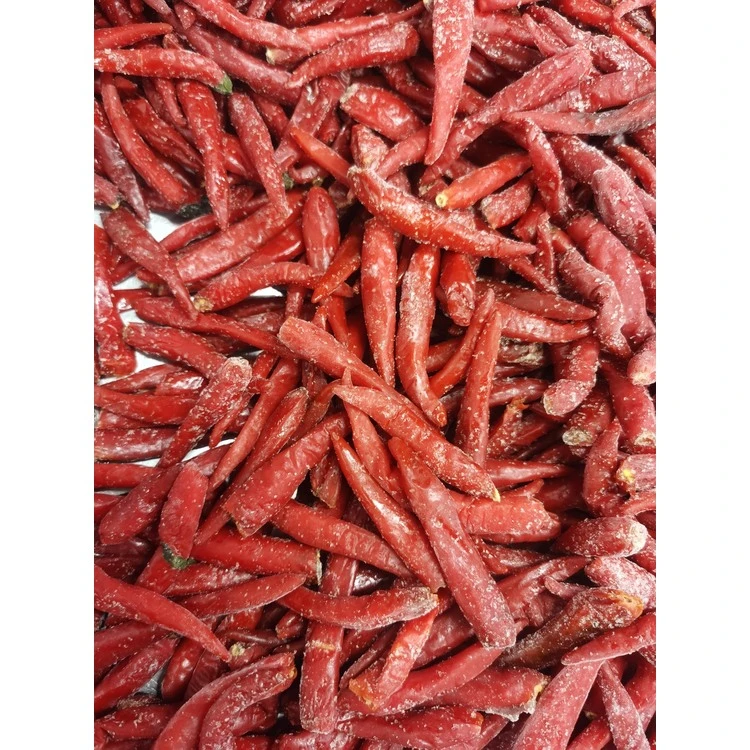
Published frozen red chili sample showing pod and surface condition; heat and acceptance limits require separate evidence.
Agree which measurements are purchase acceptance criteria and which are development observations. A specified stem tolerance may be a direct incoming check, while a pilot sauce yield may be an application reference subject to defined repeatability. The distinction helps prevent disputes when scale, recipe or equipment changes. Keep the approved sample, written limits and trial record together so a later investigation compares the same material and process.
Packing should fit the batch schedule. A bulk liner may work when the complete unit is charged, while smaller bags can simplify partial dosing and reduce repeated handling. Confirm the net weight, storage and preparation instructions, lot identification and required documents for the actual order. Ask about production quantity and lead time after the form and pack are settled, since those choices affect the supply arrangement.
We use the trial brief to review what can be offered and what evidence is required for the proposed chili specification. Send the target sauce, ingredient quantity, desired form, packing, destination and the measurements that determine acceptance. A clear record of trimming, thaw liquid, screening and packed output gives both teams a practical basis for improving yield and investigating a change in performance on a repeat shipment.
When a later lot falls outside the agreed application range, preserve the original observations before adjusting the recipe. Check the incoming identity and net charge, then compare the individual loss streams with the approved trial. A rise in trimming directs attention to preparation or defects; a rise in screen residue directs attention to feed condition and screening; a rise after filling directs attention farther down the line. That evidence helps locate the change. It also prevents a successful recipe adjustment from erasing the information needed to determine whether the ingredient, equipment or operating conditions caused the difference.
Source frozen chilli peppers with GreenLand-food
GreenLand-food is a professional frozen chilli peppers supplier and manufacturer in China, providing factory-direct wholesale supply for importers, food manufacturers, foodservice distributors and private-label programs.
Send your product form, specification, packing, quantity, application, destination, private-label needs and requested documents. We help your purchasing team confirm the sample, order details and supply plan for the intended use.