


How Long Does Edamame Last in the Fridge?
Sep 07, 2026
Leave a message
The direct answer
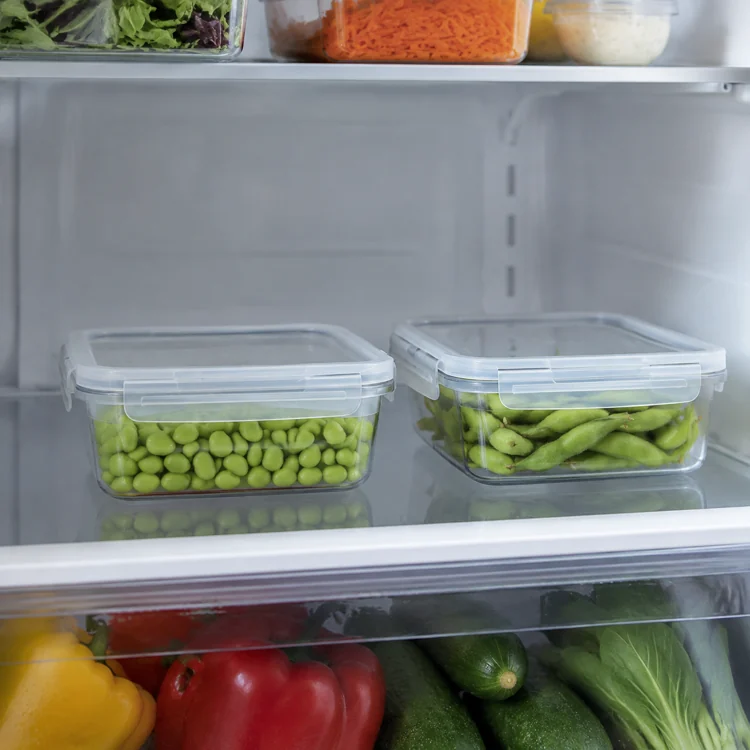
Use the three-to-four-day refrigerator guideline for properly handled cooked leftovers. Follow product-specific directions for thawed frozen edamame. An unopened frozen bag belongs under its labeled frozen conditions; its printed frozen shelf life does not become a refrigerator shelf life after thawing.
Keep these distinctions in mind
Start with the condition of the edamame
Cooked edamame leftovers generally keep for three to four days in a refrigerator at 4°C (40°F) or below, provided they were handled safely and refrigerated promptly. That guidance does not automatically apply to an unopened frozen bag moved into the fridge, thawed uncooked beans or fresh pods. Those products need their own label instructions and handling decisions.
The word edamame identifies the food, but it does not describe its storage history. A bowl cooked yesterday, a frozen bag that thawed overnight and a bag of fresh pods can look similarly green while being in different states. Start by identifying which one you have before choosing a date.
The USDA's cooked-food storage advice supports the three-to-four-day window for refrigerated cooked leftovers. It assumes proper handling; it is not a promise that food left warm for too long becomes safe after refrigeration. A use-by date cannot repair an earlier temperature-control failure.
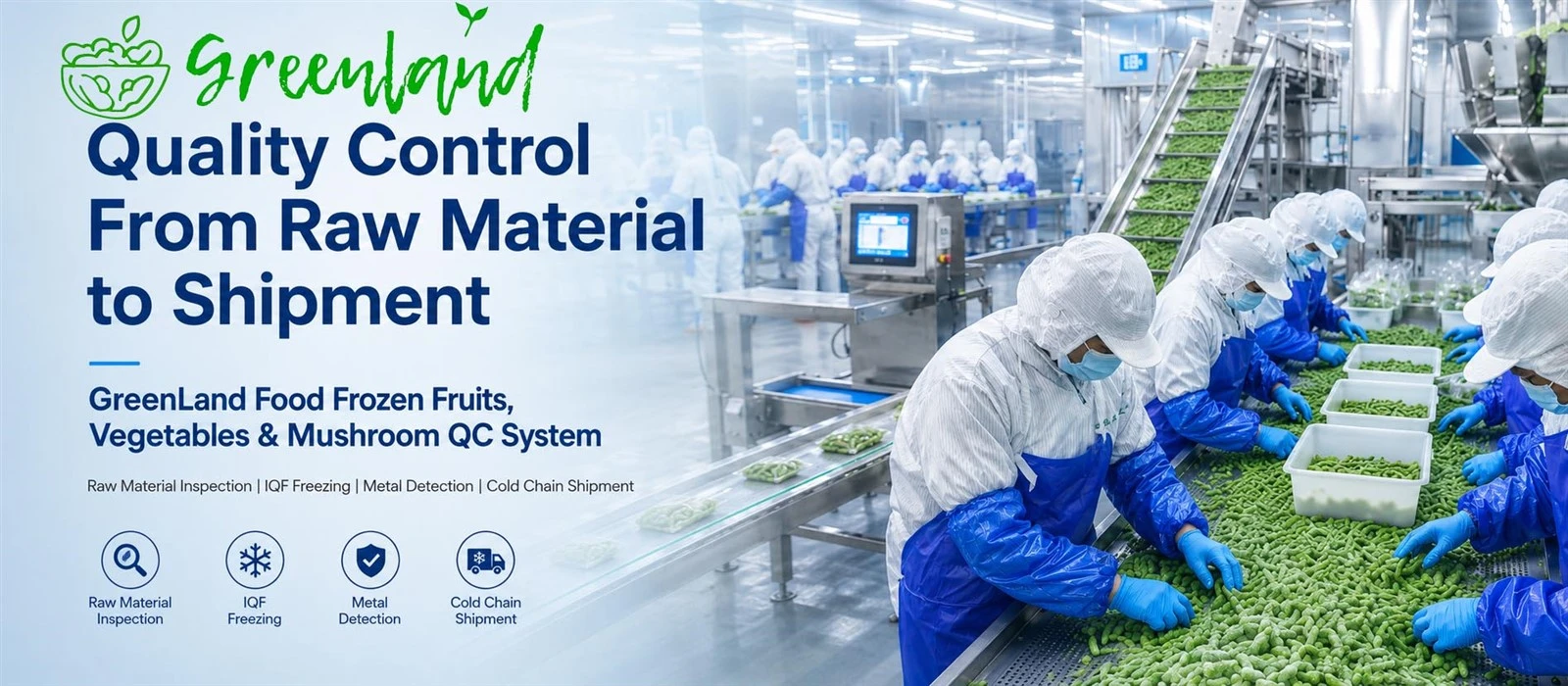
For restaurants and meal manufacturers, we recommend a state-based record: frozen stock, thawing stock, cooked product and prepared leftovers should be identifiable. Each transition needs the appropriate time and temperature controls. Writing only the original production date on a container leaves staff guessing about what happened after the bag was opened.
Cooked leftovers: count from cooking and chill promptly
Refrigerate cooked edamame within two hours, or within one hour when the surrounding temperature is above 32°C (90°F). Divide a large quantity into shallow containers so it cools more effectively. Do not wait for a deep bowl to become completely cold on the counter before putting it into the refrigerator.
These are general household leftover controls from the USDA's leftovers and food safety guidance. Commercial operations should use the cooling and holding procedures applicable to their process and jurisdiction. A household storage window is not a substitute for a validated commercial shelf-life program.
Count the refrigerated life from the original cooking and handling history. If the beans are transferred to a new container the next day, their age does not restart. If they are mixed into a salad later, the older ingredient still matters when deciding how long the finished dish may be kept.
Store the container in a part of the refrigerator that reliably stays cold, and check the appliance with a thermometer. A control dial does not show the food's actual temperature. Crowding the refrigerator with large warm loads can also interfere with cooling, particularly in a small domestic appliance.
If you do not expect to eat the cooked beans within the safe refrigerated period, freeze them promptly while they are still suitable. Freezing is a planning option, not a rescue step for food already kept too long. Label the container so its earlier cooking date and later freezing date remain understandable.
Thawed frozen edamame: read the handling directions
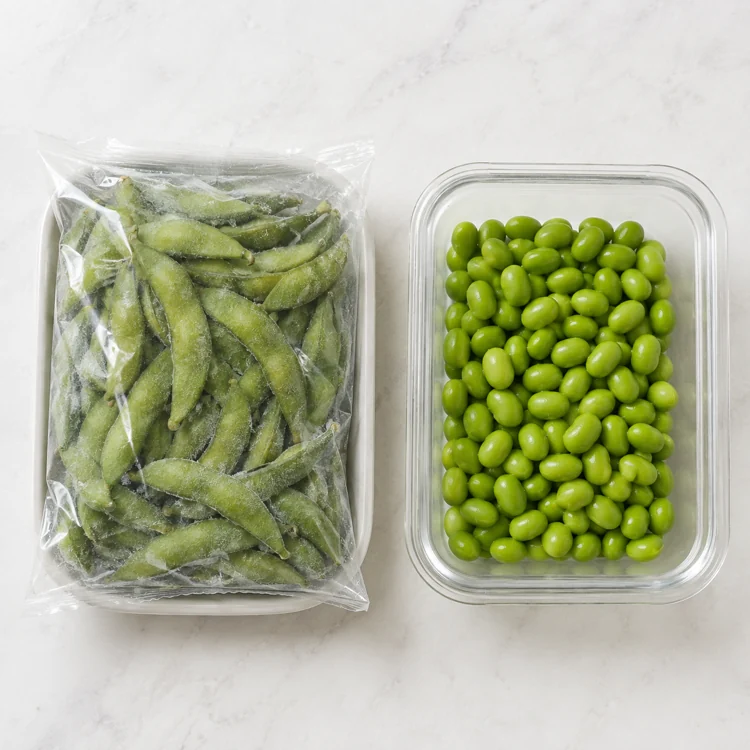
A frozen bag may contain blanched beans that still require cooking, or a differently processed product with another intended use. Once it thaws, the printed frozen shelf life no longer describes the same storage condition. Read any directions for thawing, use after opening and preparation before assigning a refrigerator deadline.
Do not apply the cooked-leftover three-to-four-day rule to every thawed bag. That rule describes cooked food handled as leftovers. A thawed cook-before-eating ingredient has a different process history, and the manufacturer may specify a shorter use period or direct cooking from frozen instead.
If the product is intended to cook from frozen, thawing it for several days adds an unnecessary step. Take the required portion from the freezer and follow the instructions. For a product that requires refrigerated thawing, keep it contained, protect it from contamination and record when thawing began.
When instructions are unclear, contact the supplier with the product name, lot and intended use. Ask whether the product requires cooking and what chilled handling is permitted. A generic internet answer cannot establish the shelf life of a specific formulation and process.
For foodservice supply, we confirm the product form and preparation instructions with the buyer. If a kitchen plans to thaw bulk edamame for repeated service, that plan should be reviewed before ordering. A bag designed for direct cooking may be a poor fit for an operation that expects several days of ready-to-use chilled stock.
An unopened frozen bag belongs in the freezer
An unopened package is not automatically shelf-stable or protected from the effects of warming. The seal helps maintain package integrity, but it does not keep the beans frozen once the bag is placed in a refrigerator. Storage conditions are part of the shelf-life statement, not optional fine print.
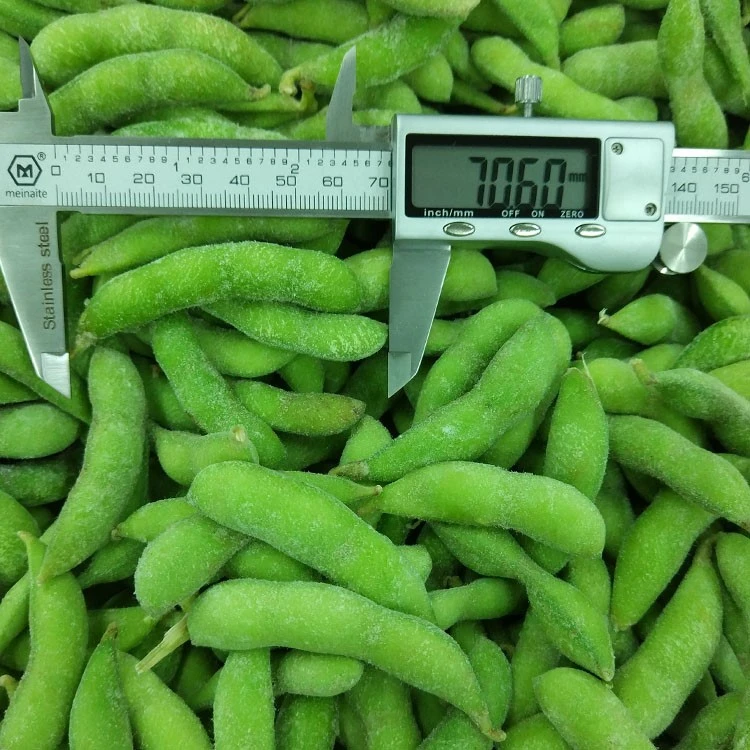
Keep frozen edamame under the labeled frozen conditions, commonly at or below -18°C (0°F). Use the manufacturer's date and instructions for that product. A long frozen shelf life should not be translated into an equally long refrigerator life, even if the bag remains unopened.
If the bag has accidentally thawed, assess the actual time and temperature history and the supplied directions. Do not decide solely from whether a few ice crystals remain in one corner. The condition may be uneven, and a photo cannot establish how long the warmest part was above its intended temperature.
| Product condition | Useful storage rule | Assumption to avoid |
|---|---|---|
| Cooked leftovers, promptly chilled | Generally three to four days at 4°C or below | That refrigeration fixes earlier unsafe holding |
| Thawed frozen ingredient | Follow product-specific thawing and use instructions | That every thawed bag gets the leftover window |
| Unopened frozen bag | Keep under labeled frozen conditions | That an intact seal preserves frozen shelf life in the fridge |
| Fresh pods | Follow fresh-produce handling and supplier guidance | That the cooked or frozen date applies |
| Dry-roasted snack | Follow that separate product's label | That advice for a dry snack applies to moist cooked beans |
Dry-roasted edamame is particularly easy to confuse with moist frozen or cooked beans in search results. Its processing and moisture are different. Keep its storage advice separate from the food discussed here.
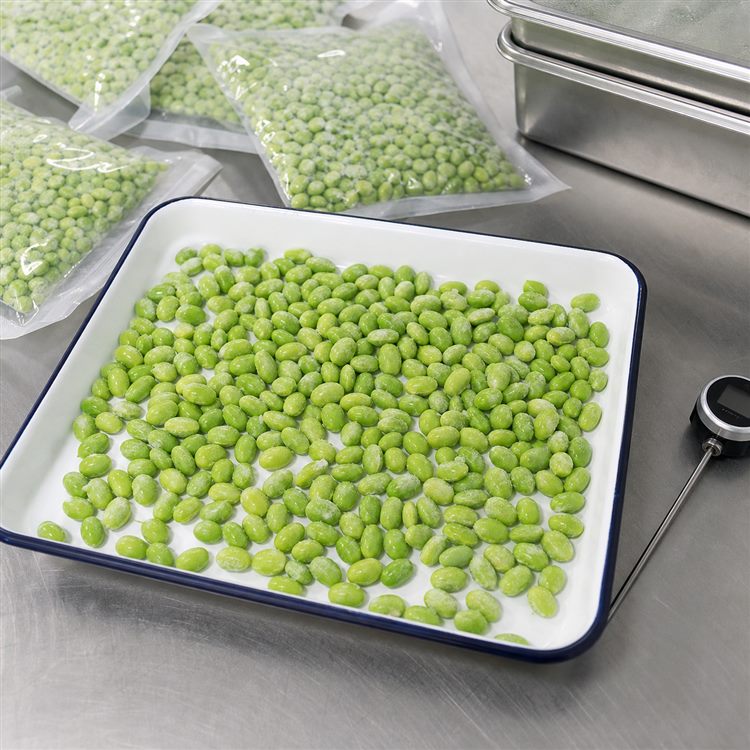
Fresh pods have a quality window of their own
Fresh edamame is harvested as a young vegetable soybean. Its sweetness, tenderness and green appearance are qualities associated with that stage, and they can change after harvest. Virginia Tech's edamame guidance emphasizes the importance of harvest timing and handling for vegetable quality.
For harvest and seasonality details, see When to Harvest Edamame: Pod Fill, Green Color and IQF Raw-Material Quality.
Buy fresh pods in a condition suitable for prompt use, refrigerate them appropriately and follow the supplier's date and advice. Do not invent a universal fresh-pod life from a cooked-leftover rule. The age at purchase and the earlier cold chain affect how much useful time remains.
Inspect for obvious spoilage or damage, but keep sensory checks in their proper role. Yellowing or shriveling can indicate quality loss; visible mold, slime or an objectionable odor calls for rejection. The absence of those signs does not prove that all prior handling was safe.
Wash and prepare fresh produce with clean hands and equipment. Keep the uncooked ingredient separate from cooked beans and other ready-to-eat food. A container used for fresh pods should not be reused for the cooked product without appropriate cleaning.
For a restaurant that uses edamame irregularly, frozen portions may fit demand better than a fresh purchase that sits unused. The choice should be based on the intended dish, available storage and actual turnover. Frozen supply can simplify planning, but it still requires clear cooking instructions and disciplined handling after preparation.
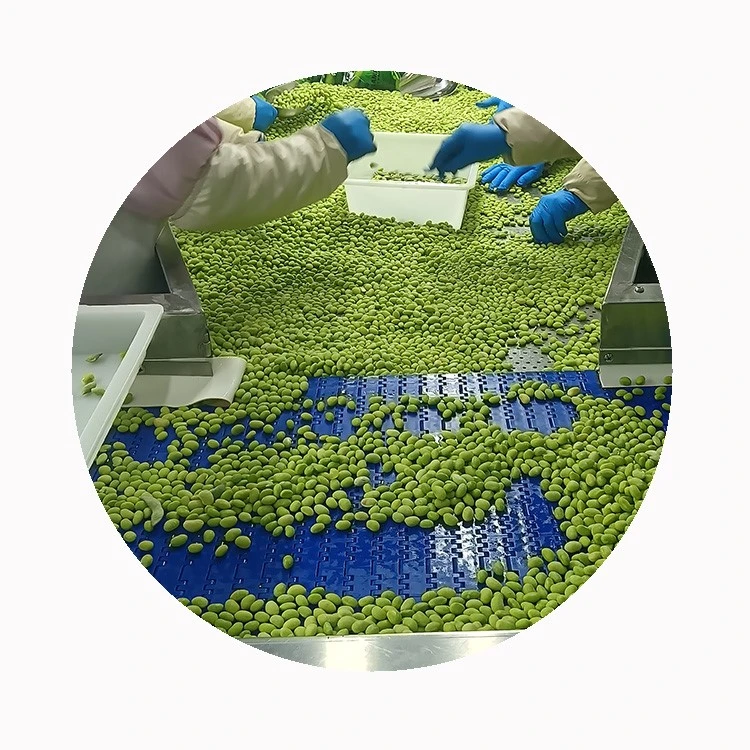
Store a cooked portion without trapping the wrong assumptions
Use clean, food-safe containers that allow the quantity to cool effectively. A shallow layer is easier to manage than a deep, tightly packed mass. Protect the food from contamination while following an appropriate cooling method, then keep it covered under refrigeration.
Label the container with a clear description and the cooking or preparation date. Include the time where the operation's system requires it. "Edamame" alone is insufficient when several batches are present. Staff need to know which portion to use first and whether it has already been mixed with other ingredients.
Pods and shelled beans both need proper cooling and storage. The pod is not a protective package that cancels the leftover rules. Shelled beans may be easier to distribute in a shallow container, while pods take more space; choose containers that suit the actual load.
Keep sauces and garnishes in mind. A bowl containing edamame, rice, dressing and another cooked ingredient should be managed as the complete prepared dish. Its storage decision may be limited by the oldest or most restrictive component. Adding fresh dressing does not refresh the age of yesterday's beans.
Avoid eating directly from the storage container and returning the remainder repeatedly. Portion with clean utensils and take only what will be served. This reduces handling and makes the remaining stock easier to track. In a commercial kitchen, a small service container replenished under a controlled system can be more manageable than repeatedly exposing the entire cooked batch.
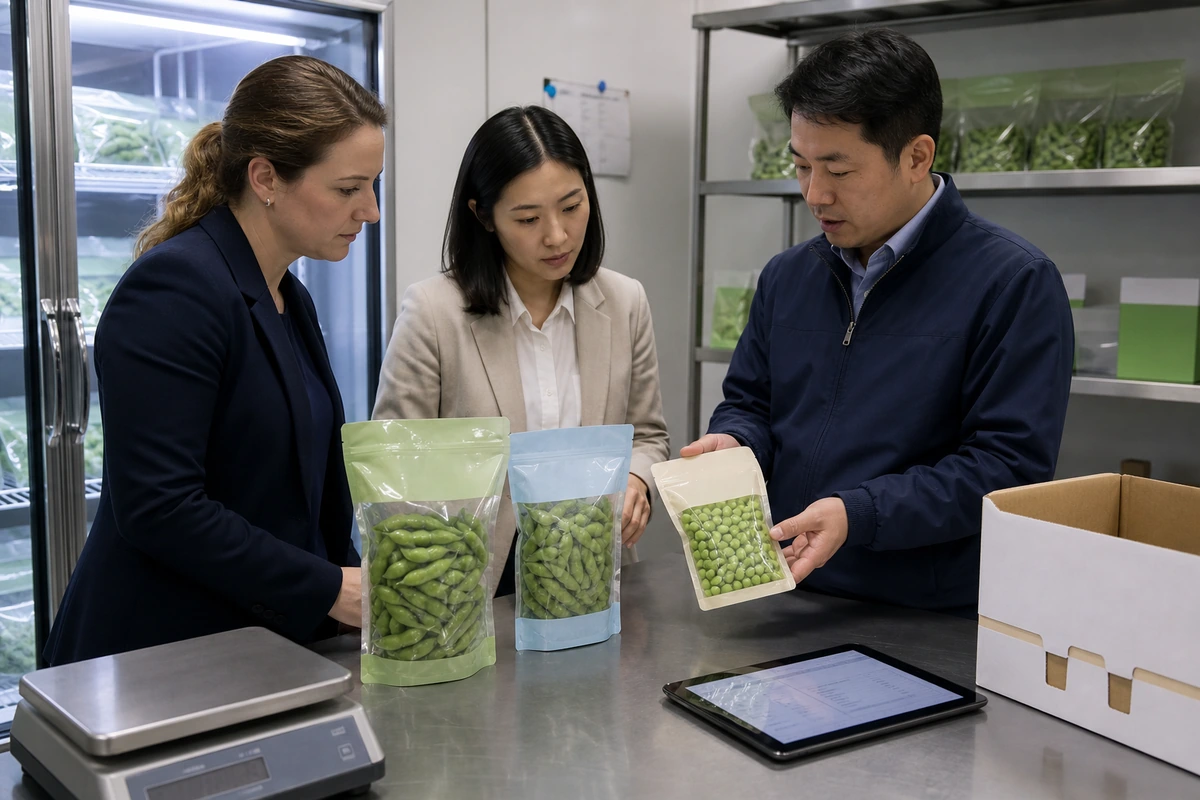
What smell, slime and color can and cannot tell you
An unpleasant odor, visible mold or unusual slime is a reason to discard edamame, not an invitation to rinse it and try again. Do not taste suspect food to decide whether it is safe. Reheating is not a reliable rescue for a spoiled or improperly held product.
However, apparently normal beans can still be unsafe if their time and temperature history is unsuitable. Harmful microorganisms do not always produce obvious changes that a person can smell or see. That is why storage decisions need records and known handling, not only a final sniff test.
Color can change for several reasons. Overcooking, oxidation, drying and storage can all affect the green appearance. A dull color may be a quality problem without identifying its exact cause. Conversely, a bright green bean is not evidence that it stayed cold or was cooked correctly.
| Observation | What it can support | What it cannot establish |
|---|---|---|
| Slime, mold or objectionable odor | A decision to reject the food | A safe way to recover it by rinsing |
| Dry, wrinkled surface | Possible moisture loss or quality decline | The complete storage history |
| Bright green appearance | A visual quality assessment | Absence of pathogens |
| A dated container | Age tracking when the date is accurate | Proof of correct cooling by itself |
| Refrigerator thermometer | Evidence of appliance conditions | Earlier transport or counter exposure |
When the history is unknown and the product may have been mishandled, do not create a new date based on appearance. In a business, hold the affected stock for the responsible food-safety decision instead of returning it to normal service without review.
Meal prep and restaurant batch control
Prepare the amount that fits the planned consumption window. A large batch can save cooking effort, but it also creates a cooling load and a deadline. If demand is uncertain, smaller cooking runs or frozen portions may give better control than repeatedly carrying cooked leftovers forward.
For home meal preparation, mark the cooking date and plan the meals that will use the beans. Keep the remaining frozen product in the freezer. This separates long-term frozen stock from the short refrigerated life of the portion already cooked.
For foodservice, define a batch size, a cooling method, a storage location and a service procedure. Include what happens to unused service portions. A container left beside the line is not equivalent to untouched stock held continuously in the refrigerator, even when both began as the same cooked batch.
Avoid topping up an older container with a new batch. Mixing dates makes rotation difficult and can extend the apparent life of the older food. Use separate, clearly identified containers and the operation's approved rotation system.
We ask buyers how much edamame they use per service period because packing and product form can support this control. A smaller inner pack may reduce leftover volume. A bulk pack may be efficient for a high-throughput kitchen with a suitable process. Neither format is automatically better; the useful choice matches consumption, equipment and storage capacity.
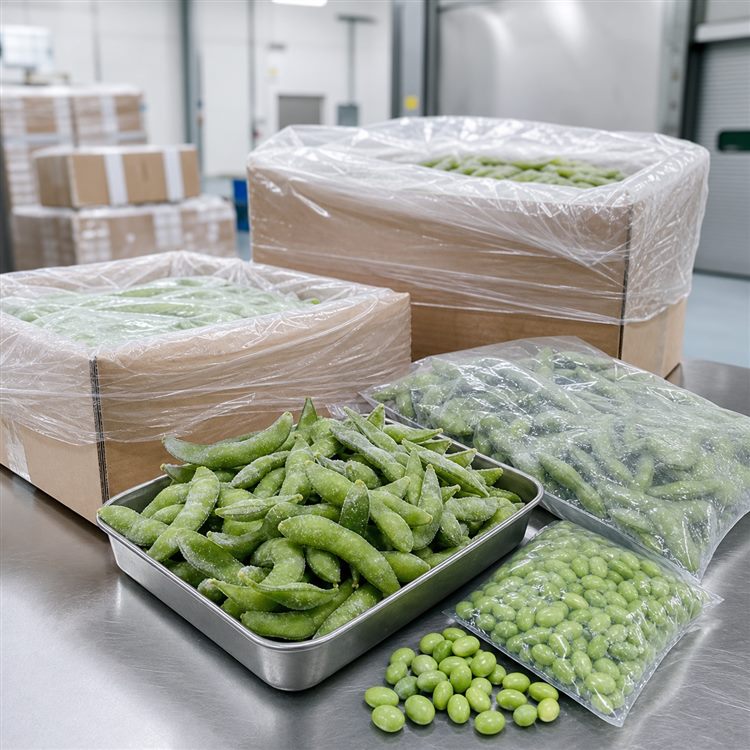
Freezing leftovers and reheating without resetting the clock
Freeze suitable cooked leftovers promptly if they will not be used within their refrigerated period. Portioning before freezing makes later use easier and avoids warming the full batch just to remove a small amount. Record the cooking and freezing dates so the history remains clear.
Freezing slows deterioration while the food remains frozen, but it does not reverse unsafe handling that occurred earlier. Do not freeze a questionable bowl on the assumption that cold will make it safe again. The decision to freeze should happen while the product is still suitable for storage.
When reheating cooked leftovers, the USDA recommends reaching 74°C (165°F) throughout. Use a method that heats evenly, such as covered moist heat, and check the temperature appropriately. A few steaming pods at the surface do not prove that the center of a deep container is equally hot.
Reheat only the portion needed. Repeated warming and cooling adds handling and can damage texture. It also creates opportunities for confusing the age of the food. Reheating does not create a new three-to-four-day storage period for the original batch.
The first cooking of a frozen ingredient is a separate question. Our guide to whether frozen edamame needs cooking explains why the processing status and label matter. Do not apply leftover reheating instructions to a product that has not yet received its required initial cook.
Packaging choices that reduce repeated warming
Choose a pack that can be used in a practical number of preparation runs. If a kitchen needs a small quantity daily, a very large bag may be opened many times. That can increase handling and make it tempting to soften the contents for portioning. A more suitable inner-pack size can reduce that problem.
Individual separation also matters. A product intended to portion freely should be assessed under normal storage conditions. If it arrives as a solid mass, investigate whether that is normal for the product or evidence of a handling issue. Do not make repeated partial thawing the standard solution to a pack that does not fit the operation.
For cooked storage, container size should support cooling and clear rotation. Large catering tubs can conceal a warm center and encourage staff to keep adding new product. Smaller identified portions can make the age and intended use easier to manage, provided the handling system remains clean and controlled.
Retail instructions need to be understandable to the end user. Storage, cooking and any use-after-opening directions should describe the actual product. A private-label design with a large frozen-life claim and unclear thawed handling can create confusion even if the ingredient specification itself is correct.
When we review a frozen edamame supply request, we can discuss pod or kernel form and the required packing. The buyer should state whether the product will be cooked by consumers, served by a kitchen or incorporated into a manufactured meal, because each route needs different instruction and pack decisions.
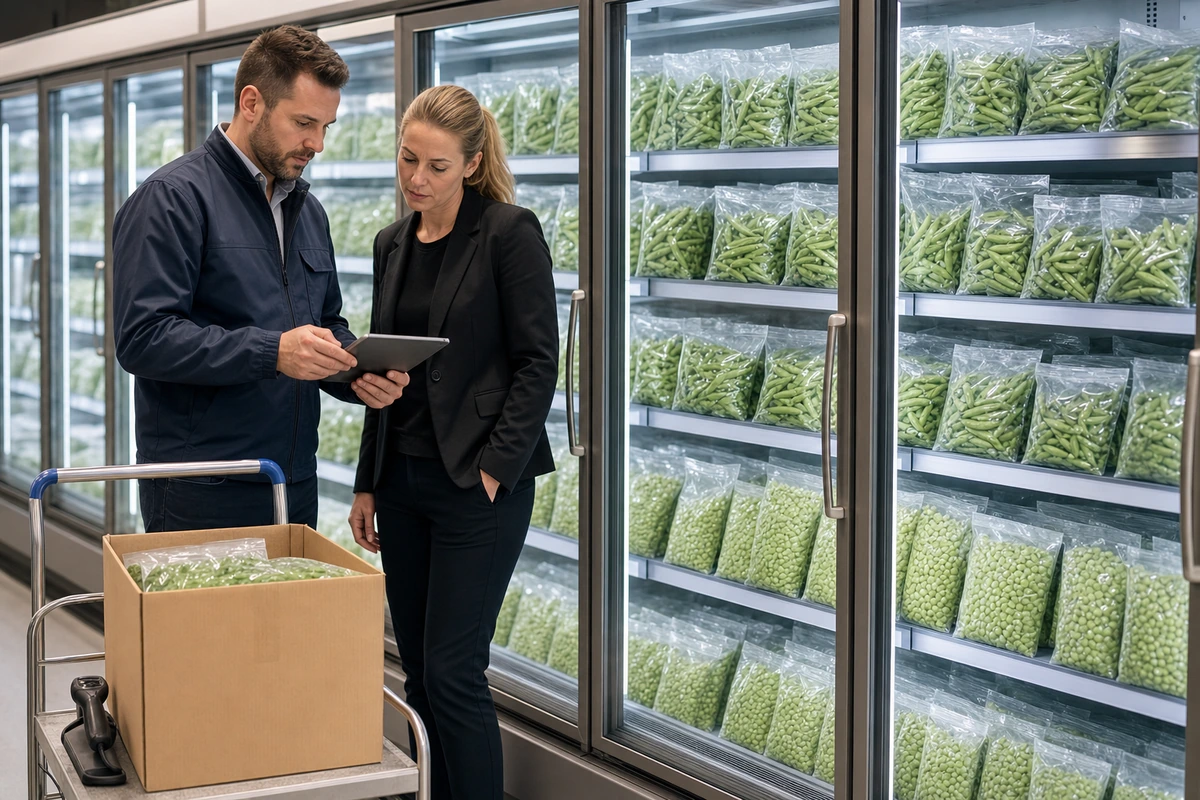
What a buyer should request about shelf life and distribution
Ask for the product's storage conditions, shelf-life basis, cooking instructions and any defined chilled handling after thawing or opening. These should refer to the specific product, not a general edamame statement. If a chilled shelf life is needed for a new application, it requires appropriate assessment rather than an assumed extension of the frozen date.
Confirm how lot codes, production dates and best-before or use-by information will appear on the inner pack and carton. The format should be understood by the receiving and kitchen teams. A date that can be read two different ways across markets creates avoidable rotation mistakes.
Request relevant quality documents and the transport information agreed in the supply contract. At arrival, inspect seals, packaging, quantities and lot identity alongside the temperature evidence. Record any deviation before the stock is mixed into normal inventory.
Minimum order quantity, pack availability, lead time and private-label requirements should be confirmed with the intended demand. Include the destination, expected volume and any documents required by the importer or quality team. A realistic ordering schedule helps avoid both stock shortages and excess product waiting in the wrong storage condition.
For day-to-day use, the central decision remains simple: identify whether the edamame is frozen, thawed, fresh or already cooked. Apply the instructions for that state, preserve its history and portion it to fit demand. That gives a defensible refrigerator decision without pretending one number applies to every green bag or bowl.
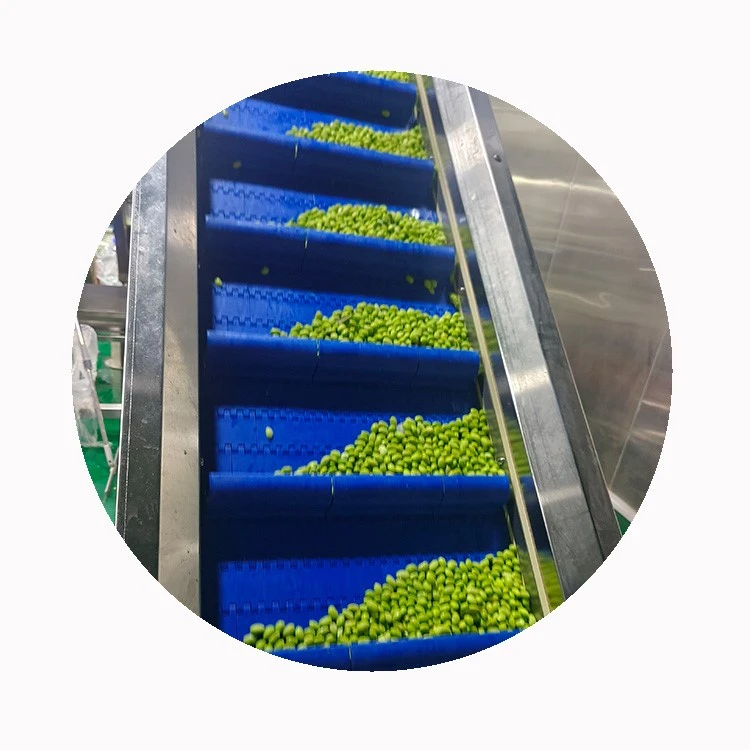
Source frozen edamame with GreenLand-food
GreenLand-food is a professional frozen edamame supplier and manufacturer in China, providing factory-direct wholesale supply for importers, food manufacturers, foodservice distributors and private-label programs.
Describe your cooking-batch size, frozen stock turnover and any chilled handling planned after thawing or preparation.
Send your product form, specification, packing, quantity, application and destination, together with private-label needs and requested documents. We will review the requirement and confirm the available sample, packing and commercial options for your order.