


How to Cook Chestnut Mushrooms
Sep 08, 2026
Leave a message
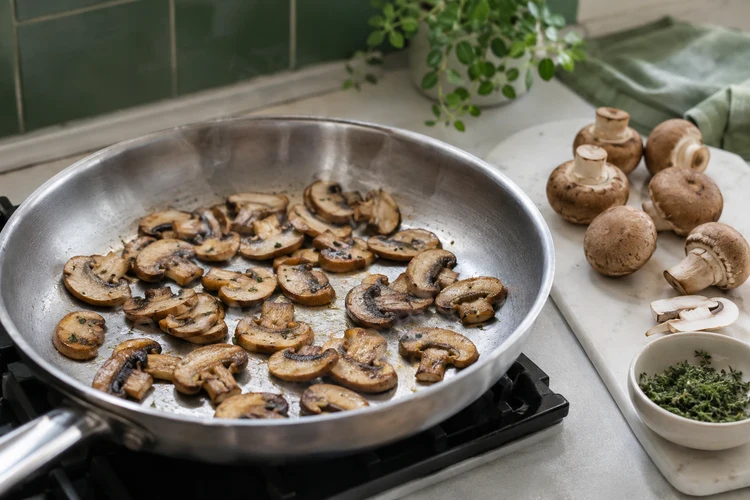
Here, chestnut mushrooms primarily means brown Agaricus bisporus, also called cremini or brown button mushrooms. Specialty growers may use the same name for clustered Pholiota adiposa. Check the label before following a recipe because the stem structure and preparation differ.
Frozen mushrooms need another adjustment: they release more liquid as they heat and should follow their labelled cooking instructions. They can work well in sauces, soups, fillings and sautéed preparations when the recipe accounts for that moisture. The method below explains how to choose the cut, manage the pan and judge the finished result without treating one cooking time as suitable for every product.
Identify the mushrooms and choose the cut
A tray of individual, round brown mushrooms in a UK-style supermarket is usually brown Agaricus bisporus. In this form, the cap and short stem can be prepared much like white buttons. The CooksInfo chestnut mushroom entry documents that common use of the name. Check the actual pack, especially when buying from a specialty grower or an international supplier.
The other product often called chestnut mushroom, Pholiota adiposa, is commonly supplied in clusters with smaller golden-brown caps and longer stems. It should be identified and prepared as that species. This guide includes a separate section for it so that advice for brown buttons is not transferred simply because the English names match.
Choose the cut according to the dish. Slices offer more surface area for a quick sauté and distribute well through pasta sauces. Quarters create a more substantial bite in a stew or pie. Small whole buttons can look attractive as a side, but their centres take longer to heat and soften than thin slices.

The rounded pale caps shown here are white button mushrooms, the same species as brown Agaricus chestnut mushrooms. Keep the requested colour and identity clear when buying; whole caps, halves and slices still require their own preparation and cooking trials.
Keep the pieces reasonably even. A pan containing very thin slices, thick stem sections and whole mushrooms forces you to choose between overcooking the small pieces and underpreparing the larger ones. Separate size groups where necessary, or cut larger mushrooms to approximate the cooking thickness of the smaller pieces.
For a first trial, slices around 5–7 millimetres thick are a practical starting point for brown buttons. That is a suggested kitchen cut, not a universal supplier grade. If the dish needs visible pieces after a long simmer or reheating stage, a thicker slice or quarter may hold its identity better. Test the complete preparation before fixing the cut.
The stem is usable when it is sound and suitably tender. Trim the dry or dirty end and assess whether the remaining stem suits the recipe. Finely chopped stems can enter a filling even when the cap is reserved for larger pieces. Record that separation if you are measuring yield; otherwise the apparent waste can be overstated.
For a bulk purchase, specify the cut you actually need rather than relying on a recipe photograph. At GreenLand-food, we review frozen mushroom requirements in relation to the intended dish, including whether the customer needs whole pieces, slices or a finer format for further processing.
Clean and dry them without prolonged soaking
Clean mushrooms shortly before cooking. Remove visible growing material, rinse under clean running water and drain well. Trim damaged or unsuitable portions as appropriate, and discard mushrooms showing spoilage. Health Canada's mushroom guidance provides a useful basis for purchasing, storage and preparation hygiene.
Avoid a prolonged soak for fresh mushrooms intended for sautéing. It adds a handling step and can leave more surface water to remove before browning. A brief rinse followed by drying is practical for ordinary kitchen preparation. Cleaning and drying serve different purposes: the first removes dirt, while the second helps the cooking surface behave as intended.
Spread rinsed mushrooms on a clean towel or absorbent paper and blot gently. Pay attention to the cut surfaces and the spaces around stems. Do not crush the caps in an effort to dry them. A little residual moisture is manageable; a bowl containing pooled rinse water will noticeably slow the pan.
Peeling sound brown buttons is generally unnecessary for a normal cooked dish. It removes part of the cap surface and creates extra labour and waste. If a recipe requires a particular appearance, peeling may be a deliberate preparation choice, but it should not be presented as a reliable way to make a deteriorated mushroom acceptable.
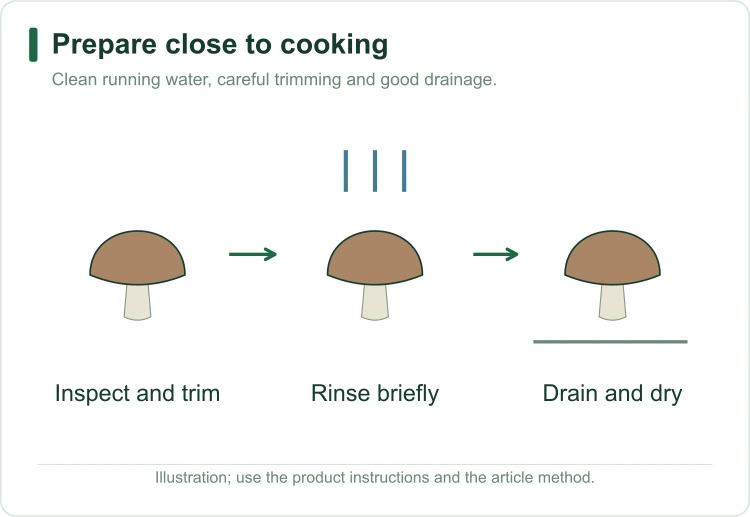
Clean shortly before preparation, then remove excess surface water. The drying step supports pan performance and remains separate from the hygiene purpose of rinsing.
Prepare the aromatics before heating the pan. Chopped garlic, herbs, shallots and measured seasoning should be ready when needed. Mushrooms can change quickly once their water has evaporated, and leaving the pan to prepare another ingredient makes it easier to scorch the surfaces or burn delicate aromatics.
Keep the board and utensils separate from raw meat and poultry handling. A mushroom side dish can be contaminated after cleaning if it is returned to a used board or bowl. The FDA's produce safety advice also advises against washing produce with soap or detergent. Use clean water and hygienic handling.
For foodservice, define whether cleaning and cutting take place immediately before cooking or as a controlled preparation batch. Store prepared mushrooms under the appropriate cold conditions and use them promptly. The method should prevent a large bowl of wet, cut mushrooms from standing warm while successive small pans are cooked.
Sauté brown chestnut mushrooms in manageable batches
Use a wide, heavy pan with enough surface area for the quantity. Heat it over medium-high heat, add a measured amount of oil and then the prepared mushrooms. The pan should be hot enough for active cooking without smoking aggressively. Keep the mushrooms in a shallow layer so that water can escape.
For an illustrative starting batch, use about 250 grams of sliced brown buttons in a 26–28 centimetre pan with 10–15 millilitres of oil. Adjust for the pan, heat source and desired recipe. These quantities are a starting method for a kitchen trial, not a tested guarantee for every stove or mushroom size.
Allow the mushrooms to contact the pan before stirring repeatedly. Turn or toss them as needed to expose new surfaces. They may release liquid early in cooking. Continue until that liquid has largely evaporated and the surfaces begin to brown, while avoiding dry scorching. If the pan fills with water, reduce the batch size next time rather than simply adding more oil.
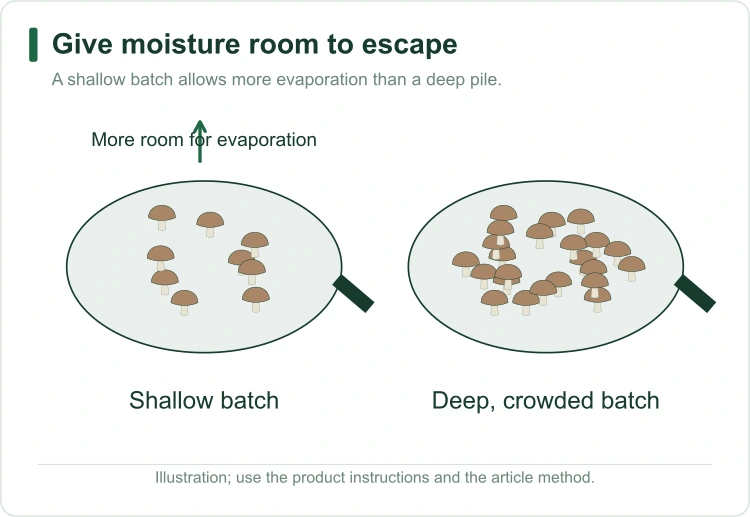
Batch depth changes the way released moisture escapes. A crowded pan can remain in a wet cooking stage longer, delaying browning and changing the finished texture.
Sliced fresh brown buttons often take roughly 8–12 minutes in a household sauté, but the endpoint is more useful than the clock. The pieces should be cooked through, tender to the desired degree and free of the raw, spongy centre you are trying to remove. A crowded pan, thicker cut or lower heat can take longer.
Add garlic and delicate herbs near the end so they have time to cook without burning during the main evaporation stage. Butter can also be added later for flavour. Season to the recipe, then taste a cooked piece before serving. If adding wine, stock or cream, account for the extra liquid and allow the sauce to reach its intended consistency.
| What happens in the pan | Likely explanation | Useful adjustment |
|---|---|---|
| A pool of liquid remains | Batch is deep or evaporation is slow | Use less product per pan or a wider pan |
| Edges burn while centres stay firm | Heat is too aggressive for the cut | Reduce heat and use more even pieces |
| Mushrooms look pale and wet | They are still cooking in released moisture | Continue appropriate cooking before expecting browning |
| Garlic becomes bitter | It entered too early or scorched | Add it later in the next batch |
| Finished pieces are greasy | More fat was added than the recipe needed | Measure the starting fat and avoid repeated pours |
Transfer the cooked mushrooms to the next recipe step or serve under suitable holding conditions. Do not pile successive batches into a covered deep bowl if the intended result is a dry sauté; trapped steam can soften the browned surfaces. Plan the holding method around the texture you want on the plate.
Roast or simmer according to the finished dish
Roasting is useful when you want several portions with limited pan work. Cut fresh brown buttons into similar sizes, dry them, toss with a measured amount of oil and spread them on a shallow tray. Leave space between pieces so that hot air can reach them. A deep pile is more likely to steam in its own liquid.
A household starting point is an oven around 200°C, with the mushrooms checked and turned during cooking. Depending on size and tray load, roasting may take roughly 20–30 minutes. Treat that as a trial range rather than a safety guarantee. Follow the product instructions where given and check that the mushrooms are cooked through and suitably tender.
Tray colour, oven airflow and crowding affect browning. If one side of the tray cooks faster, rotate it as appropriate for the oven. Keep a record when developing a commercial method. A temperature setting alone does not explain the result without the product weight, tray area and cooking time.
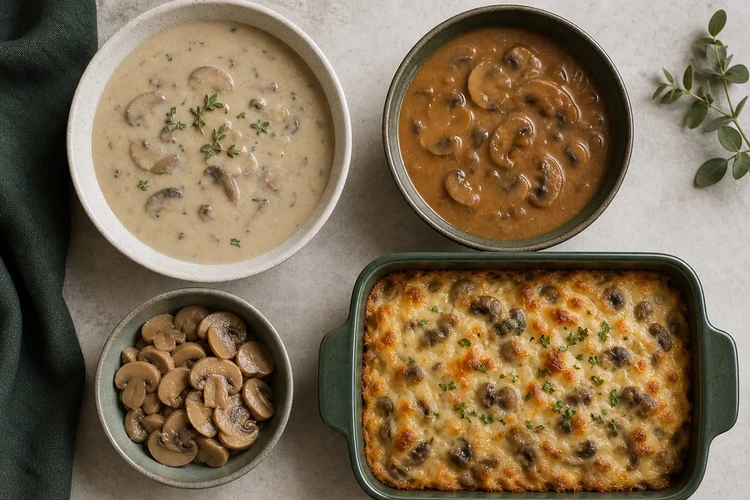
Cooked mushroom applications need different moisture endpoints. A soup can incorporate liquid that would make a pastry filling or baked topping too wet.
For a sauce or stew, decide whether browning is important. Sautéing first can provide a more developed flavour and reduce some liquid before the mushrooms enter the sauce. Adding them directly can be appropriate for a simmered preparation, but the recipe must accommodate their released moisture and provide enough cooking time.
A cream sauce can become thin if a large quantity of mushrooms is added without accounting for their water. A pie filling has the same problem: liquid released during baking can wet the pastry. Cook and adjust the filling before assembly according to the recipe, and evaluate the final baked product rather than judging only the mixture in the pan.
Roasted mushrooms may suit a grain bowl or vegetable side, while simmered mushrooms can fit soups and braised dishes. Neither method is inherently the correct one for every chestnut mushroom. The desired surface texture, sauce consistency and portion shape should determine the method.
For prepared meals, repeat the chosen method through the full cooling, freezing and reheating sequence used by the operation. A mushroom that is ideal immediately after roasting may soften in a moist meal compartment. The approved recipe should reflect the food the customer eats, including the reheating directions on the pack.
Adjust the preparation for clustered chestnut mushrooms
If the pack identifies Pholiota adiposa, begin with the supplier's preparation instructions. The cluster has a different cap-to-stem balance from brown buttons and may include a connected base that needs trimming. Confirm how much preparation has already been done before estimating the usable portion.
Separate the cluster gently into portions suited to the dish. Small groups can preserve the distinctive appearance, while shorter cut lengths distribute more easily through noodles or a sauce. Avoid treating a large intact cluster as though it were a thin slice: heat needs to reach the centre of the portion as well as the outside stems.
The Forager Chef chestnut mushroom cooking guide discusses this specialty mushroom as a distinct culinary ingredient. Its treatment of the product helps explain why a recipe image and species name matter. Use it as culinary context while following the actual food supplier's instructions for the mushrooms you have.
Cook the identified specialty mushrooms thoroughly. Do not rely on a brief toss for colour or apply advice about raw white buttons. A cluster can look wilted on the outside while remaining unevenly heated where stems are tightly packed. Smaller, evenly separated portions make the process easier to control.
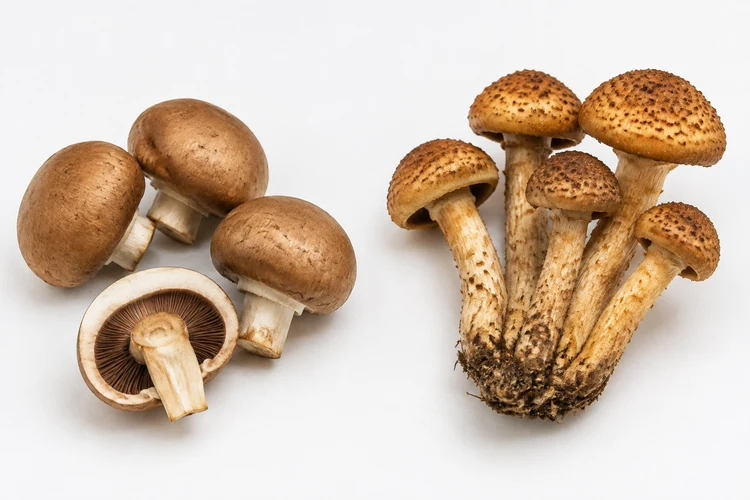
Confirm whether the product is brown Agaricus or a separate clustered specialty mushroom. Base trimming, portion size and cooking instructions should follow that actual identity.
Assess stem bite after cooking. Some dishes benefit from a more noticeable, resilient stem texture; others need shorter pieces so that the mushroom is comfortable to eat with a spoon or fork. If the stem feels too prominent, changing the cut may be more effective than cooking the entire dish for much longer.
For a mixed mushroom preparation, cook components separately if their sizes and moisture behaviour differ substantially. Combine them when each has reached the appropriate stage, then finish the recipe together. This gives more control than expecting a single batch of unlike mushrooms to reach the same result simultaneously.
For purchasing, record the species, cluster size, base trimming and intended portion form. A whole-cluster sample and a separated frozen product may both be called chestnut mushrooms while creating different labour and yield results. Review the actual supplied format in the kitchen before treating them as equivalent.
Cook frozen mushrooms with their released moisture in mind
Frozen mushrooms should be prepared according to the pack or supplier instructions. Many cooked applications can use them directly from frozen, but the correct method depends on the product and recipe. Do not thaw them on the counter simply to imitate the handling of fresh mushrooms. If thawing is specified, use the stated controlled method.
For preparation details, see Can You Freeze Cooked Mushrooms? Storage & Reheating.
As frozen mushrooms heat, they can release substantial liquid. In a soup or sauce, that liquid can become part of the formulation. In a sauté, it must largely evaporate before pronounced browning develops. The pan may therefore spend longer in a wet cooking stage than it does with freshly prepared mushrooms.
Use a wide pan and manageable batches when a browned result is required. Add the frozen product carefully because ice and water can cause hot fat to splatter. Follow a method appropriate to the product; an excessive amount of oil will not solve the water problem and can leave the finished mushrooms greasy.

A white button mushroom slice is shown with a caliper as an example of a defined frozen cut. For brown chestnut mushrooms, request a matching sample and compare moisture release, browning and piece integrity in the intended pan or oven process.
For a sauce trial, measure the liquid released and observe its effect on consistency. You may need to reduce added stock or adjust the cooking sequence. For a filling, prepare the mushroom component to the moisture level the final product needs. A recipe that works with dry sautéed fresh slices may need modification when frozen slices are substituted.
The cut matters as well. Thin frozen slices can soften and break more readily during vigorous stirring. Whole pieces and quarters retain a different shape and may need longer cooking through the centre. Use utensils and mixing intensity that preserve the intended portion, especially where visible mushroom pieces are part of the product's appeal.
A frozen mushroom's pre-freezing treatment should be recorded in the specification. Blanching or another heat treatment can influence texture and cooking behaviour, but it does not automatically establish ready-to-eat status. Taste the sample only after the required preparation. Our mushroom freezing guide provides wider background on format changes.
When comparing suppliers, use the same cooking method and assess both the starting sample and finished dish. Record clumping, broken pieces, liquid release, cooked yield and sensory quality. Price per frozen kilogram becomes more meaningful when the buyer knows how many acceptable portions that kilogram produces.
Repeat the result in foodservice and prepared meals
A repeatable mushroom dish needs more than a pan temperature and a rough time. Record the species, cut, starting product state, batch weight, equipment and added ingredients. Define the finished endpoint in terms the team can observe: cooked through, tender, a specified degree of browning and an acceptable amount of free liquid.
For a sauté line, set a maximum practical batch size for the pan. Operators often increase the load during a busy service, which changes evaporation and delays browning. If the dish requires a dry, browned mushroom, a second pan or successive batches may be more effective than filling one pan deeply.
For a central kitchen, evaluate the full equipment load. A small development pan and a large kettle have different surface-area-to-volume relationships. The same ingredient ratio can therefore produce different moisture results. Scale the cooking process with measured trials rather than multiplying a household time by the batch size.
Keep a simple yield record. Weigh the mushroom input, any trimmed waste, added ingredients and finished usable output. If a sauce is included in the final weight, make that clear. Otherwise one trial may appear to have a better mushroom yield simply because it contains more retained liquid.
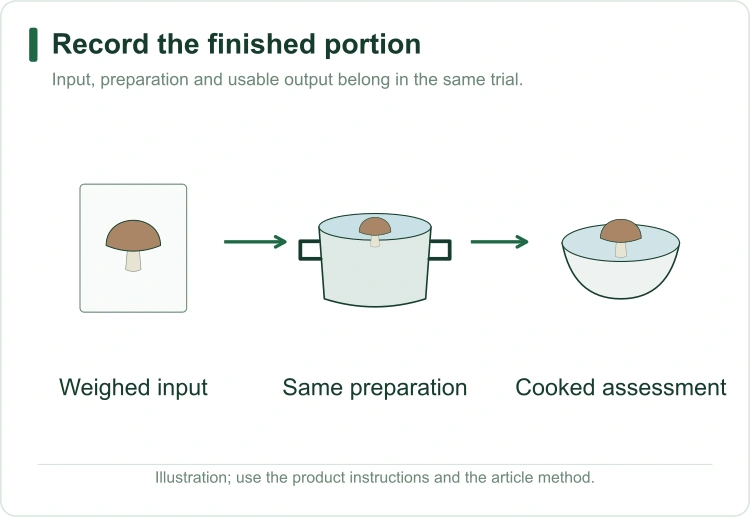
A repeatable trial records the starting product and the usable cooked result. Include the normal holding or reheating stage when the recipe is intended for foodservice.
Document the holding and reheating stage too. A dish served immediately and a chilled prepared meal need different evaluations. Check texture, sauce separation and portion appearance at the point of service. Follow the operation's established food safety procedures for cooling, storage and reheating.
A useful enquiry to GreenLand-food includes the confirmed species, desired cut, destination, pack size, expected volume and cooking application. If the customer already has an approved recipe, share the relevant preparation conditions and target result. We can then review the frozen format against a specific use rather than a general request for good mushrooms.
Keep a reference batch record beside the recipe: mushroom identity, cut, starting weight, pan or tray load and finished usable weight. Add a photograph of the acceptable cooked portion under ordinary kitchen lighting. This gives a new operator something concrete to reproduce and makes it easier to investigate a pale, watery or excessively soft batch.
When the result changes, first repeat the approved method with the current product. If that restores the expected dish, preparation may explain the difference. If it does not, compare the cut, supplied condition and product information with the approved sample. This sequence supports a useful discussion with the supplier while avoiding an immediate, unsupported assumption about the cause.
Match a frozen mushroom cut to your kitchen
GreenLand-food is a professional frozen mushrooms supplier and manufacturer in China, providing factory-direct wholesale supply for importers, food manufacturers, foodservice distributors and private-label programmes.
Share the confirmed species, required cut, pack size, destination and planned volume. Include the cooking equipment, typical batch and finished dish where those affect moisture or portioning. We will review a suitable proposed format and the sample information needed to assess its cooked performance.
Use the product range and downloadable catalogue to review the wider selection, then send the specification and order details that matter to your application.