


How to Cook Frozen Burdock Strips for Kinpira and Soup
Oct 19, 2026
Leave a message

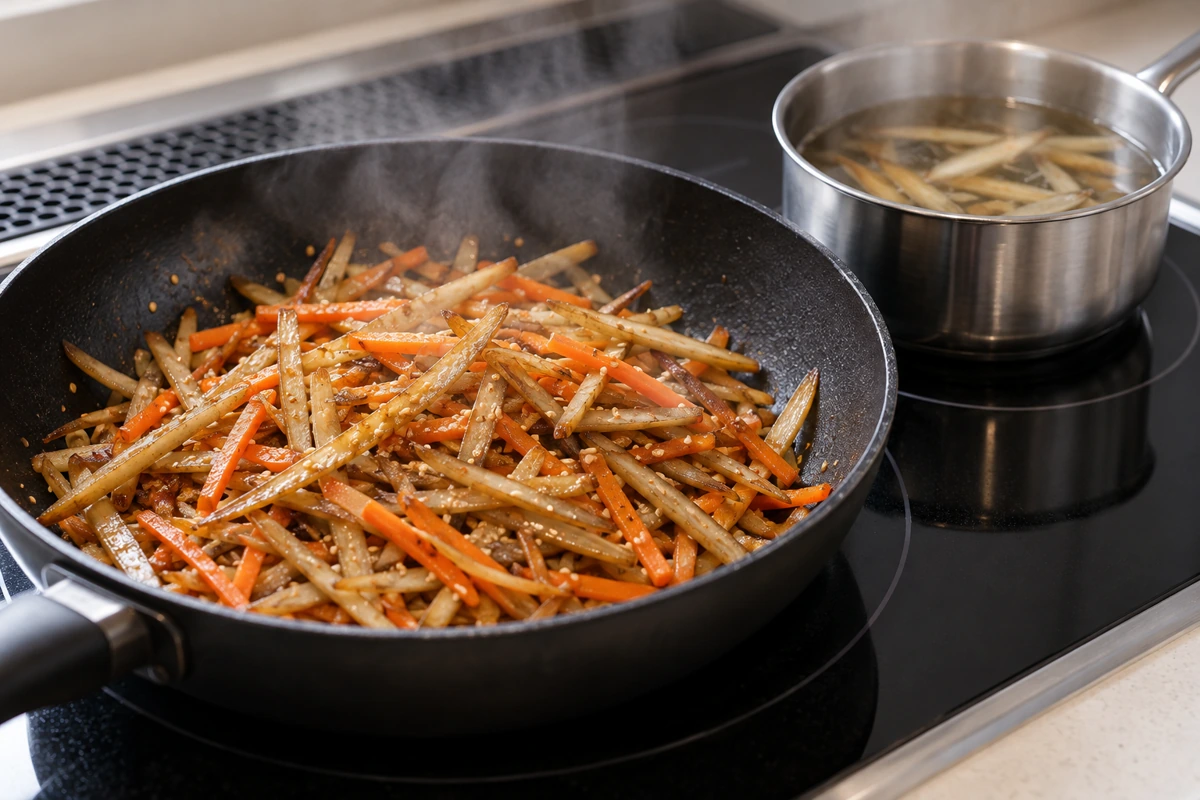
There is no single reliable cooking time for every frozen burdock strip. Thickness, preparation before freezing, starting condition and equipment all affect the result. Many commercially prepared strips can go straight from frozen into cooking when their instructions allow it. Washing, soaking or thawing them automatically can add an unnecessary variable. A repeatable method begins with the supplied product, moves through a controlled cooking sequence and ends with a sample of the food as it will actually be served.
Start with the frozen strip and its use instruction
Before heating the pan, read what the bag says about the ingredient. Plain cut burdock, blanched strips and a fully prepared seasoned side dish are different products. A kitchen should know which one it has before deciding whether it is cooking a vegetable or reheating a finished food. A product's pale color or apparent softness cannot settle that question. If the description is incomplete, obtain the preparation status and intended use instruction from the supplier.
Look at the cut as well. Long thin matchsticks will behave differently from broad shavings or thick rectangular pieces. The thickest part of a strip is often more relevant to tenderness than its length, while length influences tangling and serving. A recipe developed using fine hand-cut gobo may need adjustment when the frozen ingredient has a more substantial cross-section. Write down the form used for the trial so that a later purchase can reproduce it.
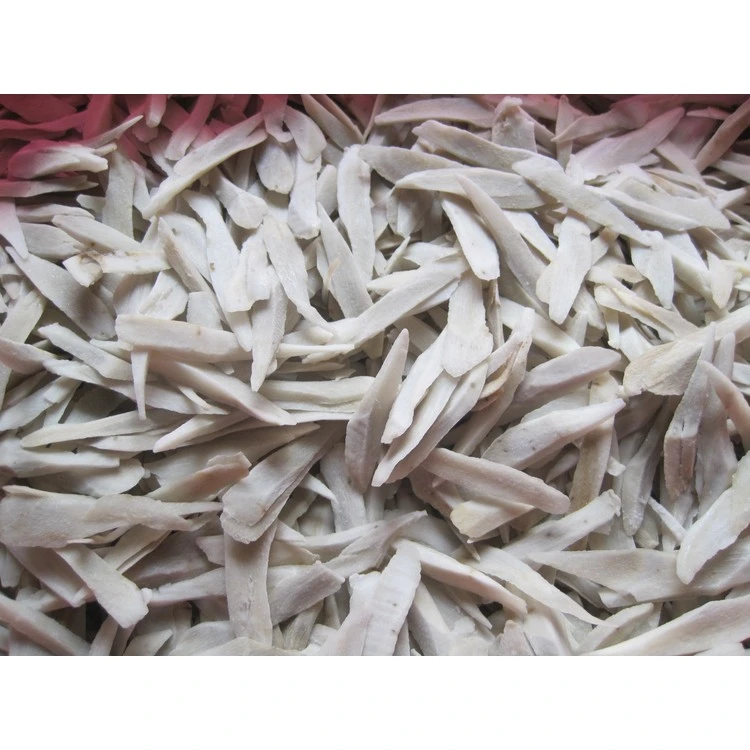
The product reference shows irregular oblique burdock strips; agree the cut distribution needed for the dish.
Straight-from-frozen cooking is common in recipes that specifically use prepared frozen gobo. For example, the original Here Comes Umami kinpira recipe uses frozen pre-cut burdock directly. This is evidence for that recipe and ingredient format. It does not replace the instructions for another product or establish that every frozen vegetable is ready for the same handling. A commercial kitchen should preserve that distinction when adapting a household method.
If thawing is required, include its method and the treatment of any released liquid in the trial record. A thawed-and-drained portion and an equal frozen portion are not necessarily equal inputs. The first may have already lost water before it reaches the pan. This affects sauce concentration, final yield and how rapidly the cooking surface heats. Keep the preparation basis consistent when comparing two lots or testing a change in recipe.
Weigh the intended quantity while preserving the identity of the sample. Record the lot, pack size, portion taken and starting state. Return retained material to its specified storage promptly using the agreed handling procedure. In a busy development kitchen, the same bag may otherwise spend different periods on a bench before each trial. That variation can make a sound cooking method look inconsistent and can obscure the difference between a product issue and sample handling.
If the trial includes a mixed frozen vegetable blend, confirm the burdock proportion and the preparation of the other components. The cook may otherwise assume that every piece has received the same treatment. A method suitable for a plain burdock bag is a starting point for investigation, but the complete blend needs assessment because its moisture and cooking behavior depend on all of the ingredients.
Prepare the pan and manage released water
For kinpira, pan capacity is part of the recipe. A shallow pan holding a manageable layer of strips allows the cook to move the vegetables and observe the liquid around them. Filling the vessel deeply can change the operation into a wetter cook because water is released faster than it leaves the crowded mass. Simply increasing heat may scorch the material touching the base while the center remains slow to warm. Start with a load appropriate to the equipment.
Have the other ingredients ready before adding the burdock. Carrot should be cut for a compatible eating texture, and seasoning should be measured so that the cook can focus on the state of the vegetables. A frozen ingredient may release moisture as it heats, so avoid adding an assumed volume of water merely because a fresh-root recipe contains it. The actual product and desired method determine whether additional liquid is needed.
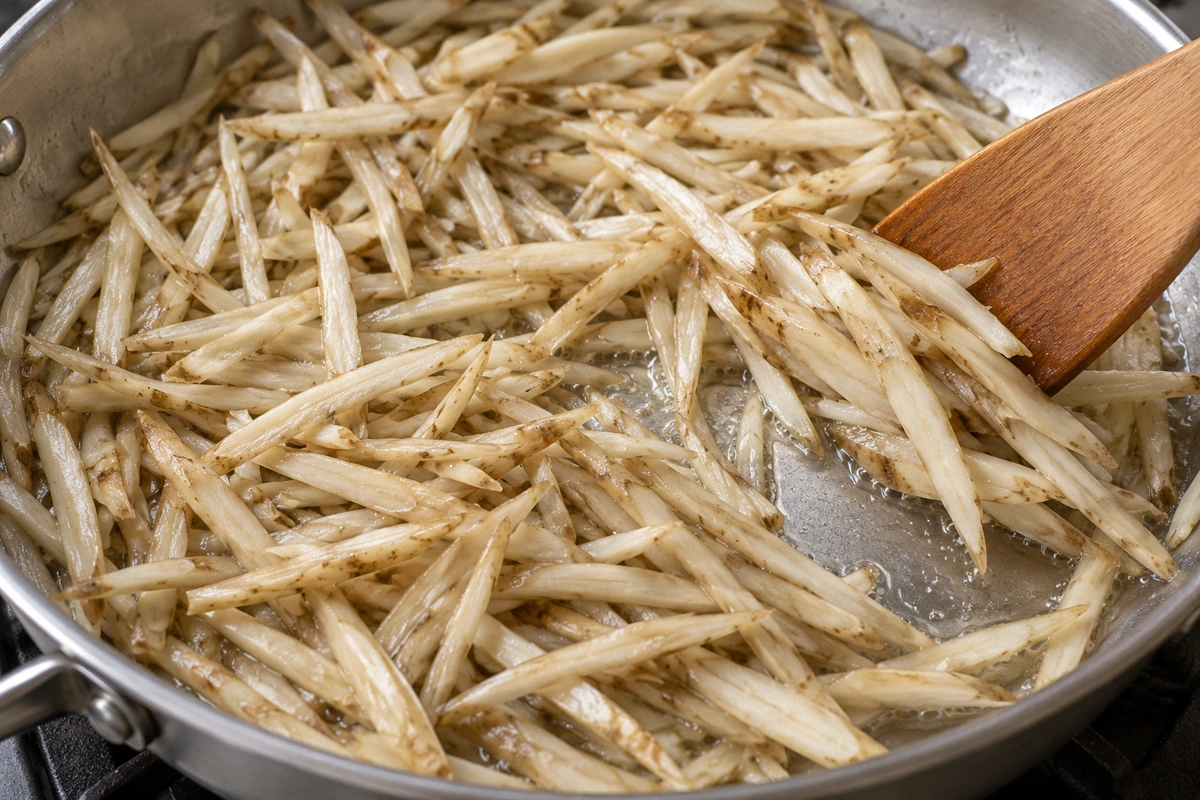
The visible liquid between strips helps the cook judge the early pan stage.
Observe the surface during the early stage. A small amount of released water may help transfer heat and separate the pieces. A large pool changes the way the strips cook and dilutes the seasoning if it is added too early. Decide whether the recipe is intended to use that liquid, evaporate it or drain it under a defined method. Each choice can work in an appropriate application, but switching between them without recording the change makes results difficult to compare.
Gentle movement is usually enough to redistribute narrow strips in a small trial. Scraping aggressively or repeatedly chopping through a compact pile with the edge of a utensil can create shorter pieces. Use an implement suited to the pan and move the food from the base without crushing it. If the strips are joined in a frozen clump, follow the product handling instruction and allow appropriate separation during heating rather than forcing a knife through the mass.
The cook should distinguish time spent bringing the batch into active cooking from time spent finishing the texture. A larger frozen load may delay recovery even on the same hob. Record when the ingredient enters the vessel and what the pan is doing when the tenderness check begins. These observations explain differences that a single total time cannot. They are especially useful when transferring a successful small trial to foodservice equipment with different heat input and vessel geometry.
Do not judge pan capacity solely by whether the food physically fits. The cook needs room to move the strips without spilling or compressing them, and the vessel needs to handle the moisture released during heating. A smaller repeatable batch can be operationally preferable to a larger batch that requires unpredictable correction and produces uneven tenderness.
Build kinpira in a controlled cooking sequence
Kinpira is a practical way to give burdock a clear role on the plate: recognizable strips, a pleasant bite and a restrained savory glaze. Published methods vary in the order and amount of liquid, but the central task is to cook the vegetable and then finish the seasoning without losing the cut. The Kikkoman kinpira recipe provides one culinary example of sautéing followed by seasoning and reduction. Adapt the method to the actual frozen product.
For a development trial, use the following sequence with the supplier's required cooking conditions. It provides observation points rather than a universal time setting.
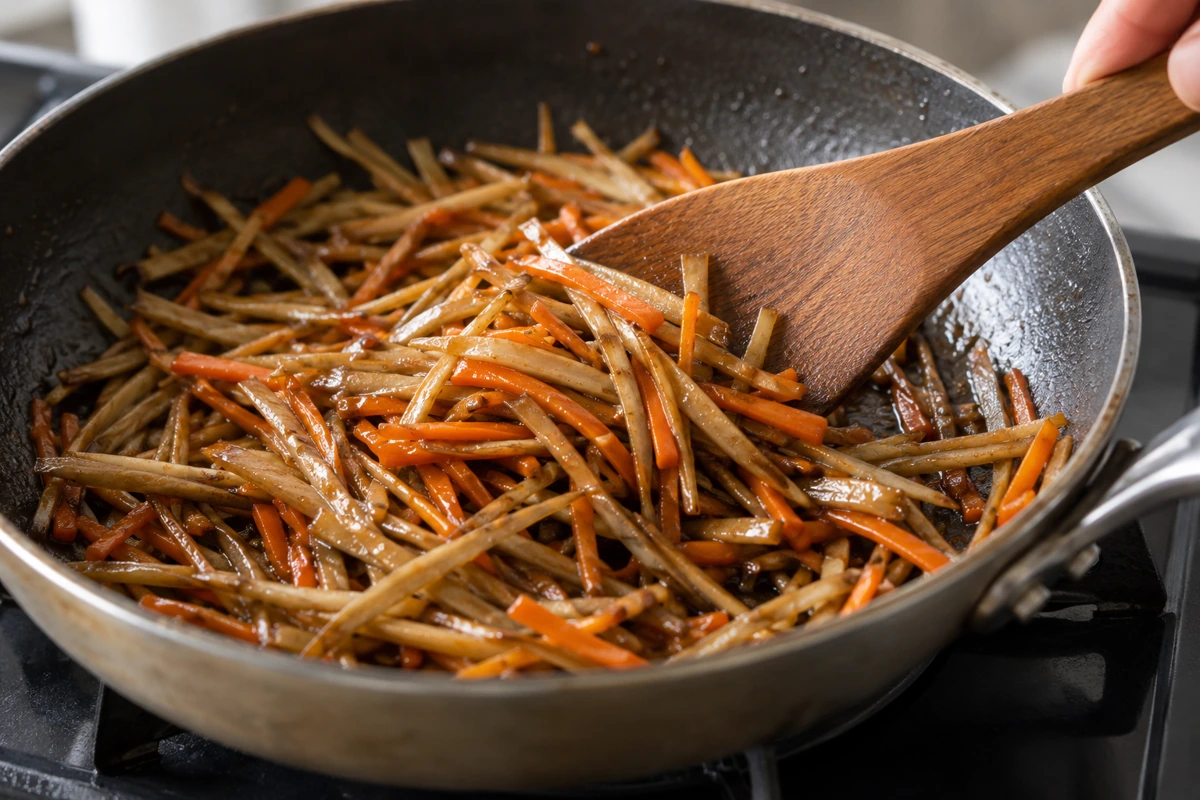
Gentle folding distributes the glaze without deliberately cutting through the softened strips.
- Prepare the measured burdock, carrot and seasonings, and bring the chosen pan into the condition required by the recipe.
- Add the strips using the declared frozen or thawed starting state. Distribute them so that heating and movement are reasonably even.
- Cook while checking the thicker pieces and the amount of free liquid. Add any recipe liquid deliberately and record it.
- Add the measured seasoning at the stage appropriate to the vegetable's tenderness, then turn the strips gently to coat them.
- Finish to the agreed texture and sauce condition, check that the required cooking instruction has been met, and assess a representative serving.
The seasoning stage deserves attention because the vegetable continues to cook while the liquid reduces. If the burdock is already at its softest acceptable point before a large amount of sauce is added, the remaining reduction can push it beyond the intended texture. Conversely, if the strips are still tough and the pan is almost dry, continuing to fry them may darken the surface without resolving the center. Adjust the sequence in the next trial instead of rescuing every batch by guesswork.
Carrot adds another cooking target. Its sweetness and color are useful, but the ratio and cut should be chosen for the finished side dish. A fine carrot matchstick can soften earlier than a thick burdock strip. Depending on the recipe, the ingredients may need different entry points or a revised cut pairing. The test should assess both vegetables together so that one ingredient does not meet its target at the expense of the other.
Judge the glaze on an ordinary serving rather than by the pan alone. There may be little visible liquid in the vessel while a spoonful still leaves a watery puddle on the plate. Alternatively, an aggressively reduced coating may look glossy yet taste too concentrated. Allow the portion to reach its intended serving condition, then check coating, bite and flavor together. Record the final batch mass if the method will later be used to calculate portions or ingredient cost.
For a flavored oil or sesame finish, use the stage specified by the recipe and evaluate its effect after the final service handling. Adding more aroma at the end of a development trial can make the sample attractive without representing the actual production sequence. Record the complete formulation so that the approved taste does not depend on an undocumented finishing adjustment.
Bring burdock into soup without losing the bite
Soup offers more liquid and a different finishing problem. The root can contribute flavor while cooking in the broth, but it still needs to reach a suitable eating texture. Add it at a point that gives the actual cut enough cooking opportunity before the other ingredients become overdone. The correct point depends on whether the strips were previously heated and on the soup's planned cooking and holding sequence.
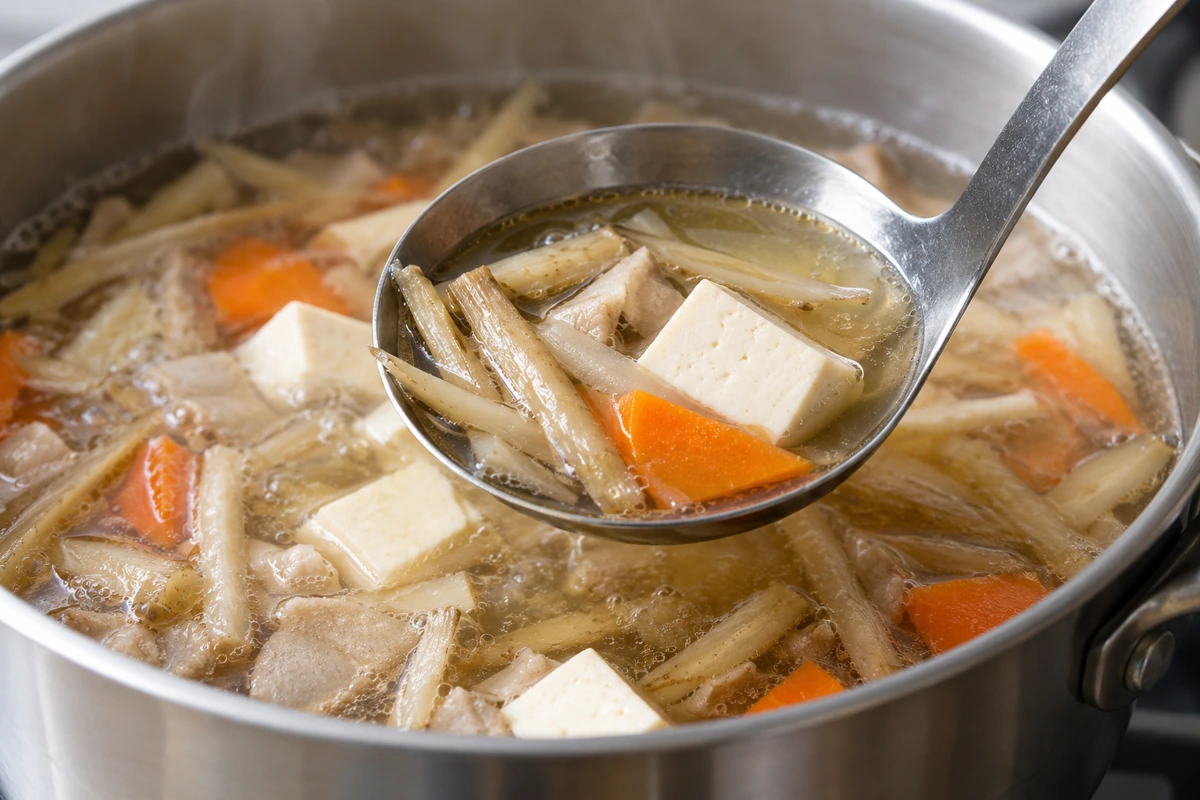
A ladle shows whether burdock and the other pieces fit together in an ordinary spoonful.
A clear broth makes texture and cut shape particularly noticeable. A ladle can bring together burdock, tofu, carrot and other vegetables, each with a different resistance. Taste a complete spoonful and ask whether the burdock complements those pieces. Long strips may need a different specification for a compact soup serving than for a kinpira side dish. Cutting cooked strips down at the last moment can solve an immediate service problem, but it also changes labor and portion consistency.
Kenchinjiru illustrates the root's role in a mixed vegetable soup. The original Just One Cookbook recipe combines root vegetables with tofu and broth. The useful principle for a buyer is that burdock participates in the soup's overall texture and flavor. The exact household sequence should not be treated as a validated process for a different frozen cut, larger kettle or packed ready meal. Those conditions need their own trial.
Consider the water introduced with the ingredient. If a recipe uses the full frozen portion directly, any liquid released becomes part of the soup. If the development team previously used a thawed and drained sample, the same nominal ingredient weight may produce a different broth concentration. Keep this choice explicit in the batch sheet, and make seasoning corrections only after the vegetable has been incorporated under the intended method.
The final evaluation should include the planned service interval. A soup tasted immediately after cooking may give the burdock the desired bite, while the same soup held or reheated later may feel softer. Draw samples from the vessel using the normal ladle and mixing practice. Check whether the root is distributed throughout portions or collects unevenly. A technically successful cooking stage has limited value if ordinary service gives some bowls many strips and others almost none.
A packed soup introduces a distribution problem that a single pot tasting can miss. Stir using the intended filling practice, then examine several containers. The target is a reasonable spread of burdock and other pieces, not only an acceptable average ingredient percentage across the kettle. If the strips bridge or settle, changing their length may help more than changing the seasoning.
Check tenderness across the thick and thin strips
Tenderness is a distribution within the batch, not a property established by one bite. Select pieces that represent the visible range of thickness, length and appearance. Include several of the thicker strips because they can reveal an uneven cooking result that the finest pieces conceal. A short piece can also be thick, so length alone is an unreliable guide when choosing what to taste.
Use a consistent preparation for comparisons. If one sample receives a longer simmer or more water, it may appear easier to cook simply because the method changed. Record the endpoint and the actual observations before discussing preference. Useful notes include even bite, a firm center in the thick pieces, soft edges with a persistent strand, or excessive fragmentation during stirring. These descriptions help decide whether to change the method, the cut specification or the raw material.
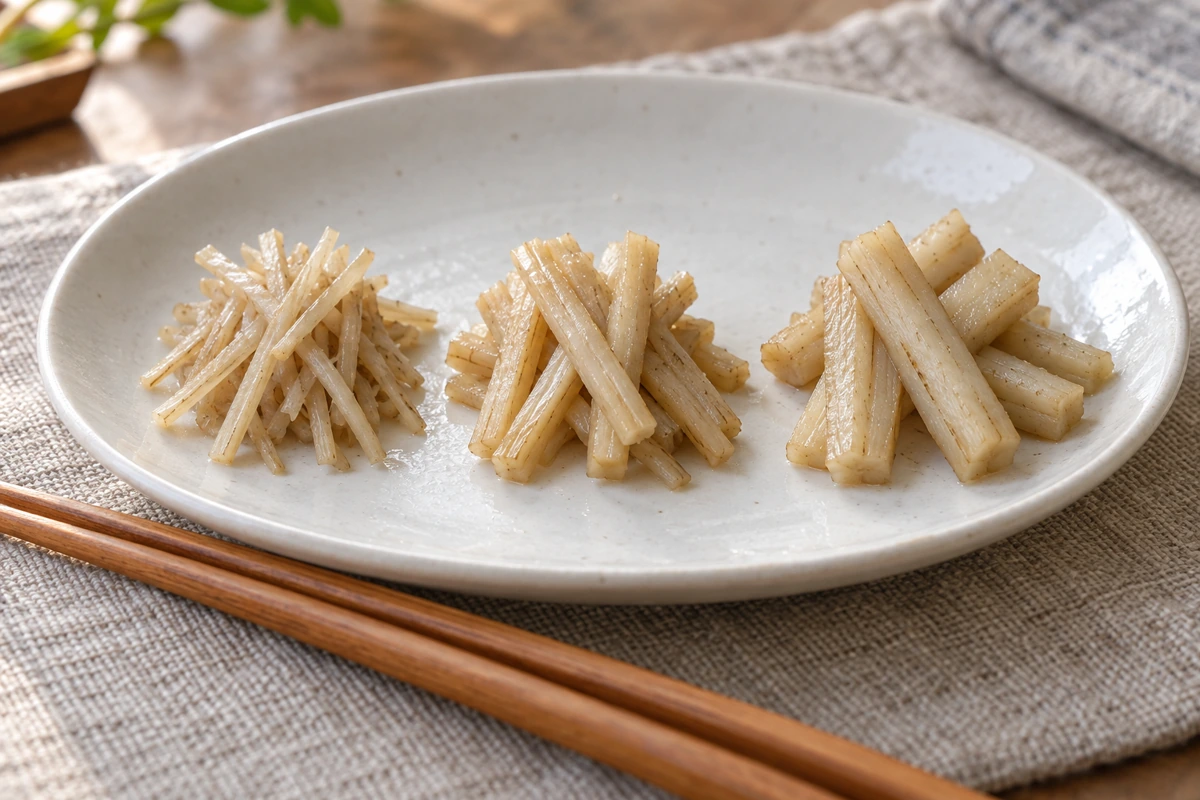
Comparing slender strips of different thickness helps focus a cooked tenderness check.
Persistent fiber deserves separate attention. A root strip can have a tender outer portion and a coarse central strand. Extending cooking until that strand becomes acceptable may leave the surrounding food too soft. In that situation, it is reasonable to discuss trimming, maturity or the accepted core condition with the supplier. A cooking instruction should not become a way to conceal an ingredient that cannot reach the required texture within the recipe's practical limits.
Appearance can help select a piece for evaluation, but it cannot replace eating-quality assessment. A pale strip may still be coarse; a slightly tan strip may cook acceptably. Likewise, a darker sauce can make it harder to observe surface differences without changing the underlying bite. Begin the investigation with a plain prepared sample when necessary, then return to the finished dish to establish whether the difference matters to the customer experience.
Keep quality tasting separate from confirmation that required cooking conditions have been achieved. A strip can feel tender before a particular product's cooking instruction has been completed, and a dish can meet that instruction while missing its preferred sensory target. Both questions need answers. Where a kitchen uses a documented food-safety process, follow that process and record the appropriate evidence rather than substituting a texture observation or a visual impression of steam.
When a cooked piece needs closer examination, let it reach a suitable tasting temperature and use clean utensils to separate the tissue. A cut cross-section can help document where resistance remains, but its appearance should be described alongside the eating observation. A photo of a central strand is useful evidence of structure; it cannot quantify how difficult the whole batch will be to chew.
Scale the method for a repeatable service batch
Scaling starts with the vessel, batch depth and heat input. Multiplying ingredient quantities does not guarantee that a pan or kettle will recover at the same rate or lose water at the same rate. A small successful sauté can become a prolonged wet cook when moved into a deeper container. Choose a practical batch size for the equipment and test that size before using its result to set production timing or portion cost.
The batch record should capture the variables that explain performance. Include burdock lot and cut, starting state, net input, carrot ratio, added liquid, seasoning, vessel, heat setting or program, and the observed finish. Record the mass available for serving after the specified transfer and resting stage. These details make a trial reproducible while keeping the focus on the food. They are more valuable than adding many measurements that have no clear relationship to the result.
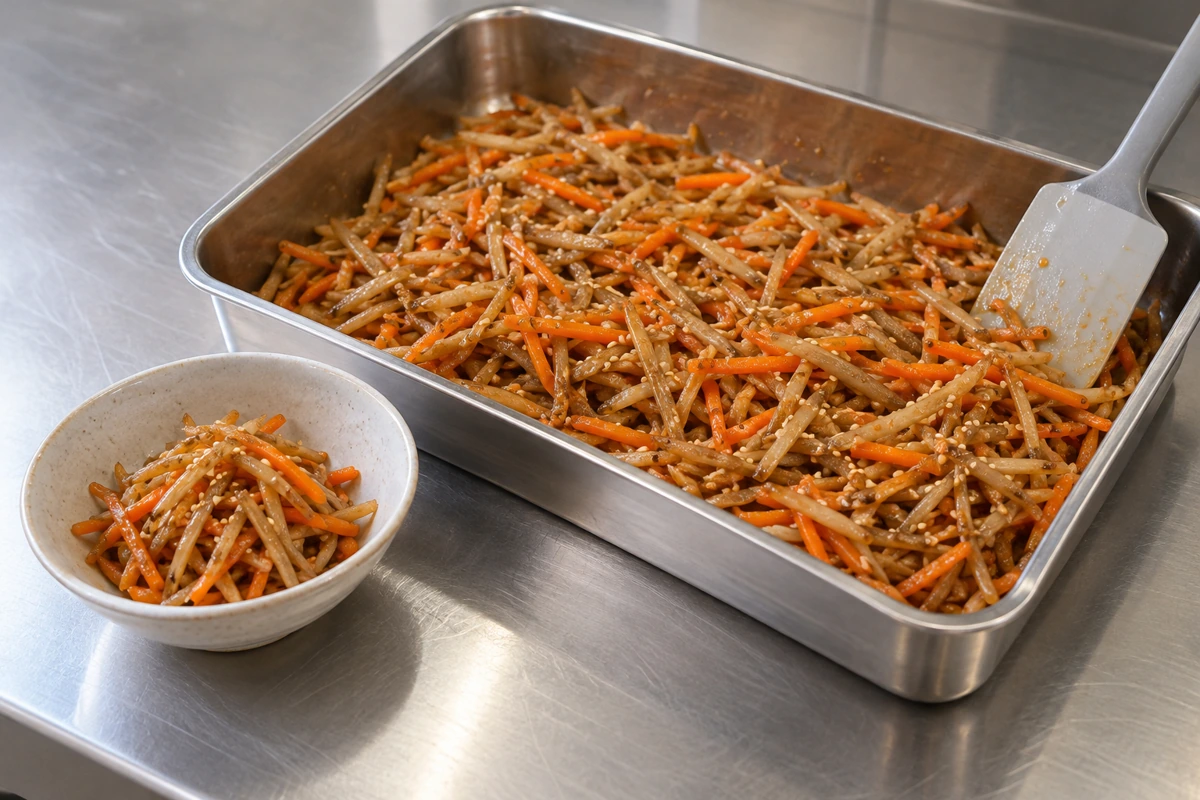
A shallow service pan makes strip distribution and ordinary portion access visible.
Stirring also changes at scale. A utensil that turns a small pan gently may drag through a deep mass and break strips in a larger vessel. The person serving the food can add further damage by compressing it into a scoop or repeatedly stirring the same area. Examine the ingredient after cooking, after transfer and after normal portioning. That sequence helps locate where an increase in short pieces occurs and avoids assigning every fragment to the incoming frozen product.
For a prepared meal, extend the trial through the actual later stages. Use the intended container, fill amount and reheating method, then assess the food at serving. If the product will be sold chilled for reheating, or frozen as part of a meal, the necessary process controls and instructions must be established for that finished product. A successful ingredient trial alone cannot establish the finished meal's storage life or use conditions.
Compare more than one service portion. For a hypothetical development run, a kitchen might weigh several ordinary servings drawn at the beginning, middle and end of a pan. The purpose is to see whether normal handling changes mass or the proportion of long strips. These observations are a proposed trial design, not an assertion about any existing GreenLand production result. Set the number of observations and acceptance limits to match the decision and the variability actually encountered.
A revised method should be tested by someone who did not create the original successful batch. If that person needs repeated verbal guidance, the written method may be missing an important observation point. Add the practical details that make the result reproducible, such as the intended liquid condition before seasoning, without pretending that every useful cooking judgment can be replaced by a timer.
Choose frozen strips for your actual cooking route
The best buying description begins with the method the kitchen intends to use. State whether the burdock enters a shallow sauté for kinpira, a simmering soup, a filling or a prepared meal that will be reheated. Describe the desired serving appearance and bite, and identify the equipment and practical batch size. This information gives meaning to a cut request and helps distinguish a sample that is unsuitable from a recipe that needs adjustment.
The GreenLand-food frozen burdock page identifies root strips as the reference product form. When discussing a sample with us, include the cut dimensions or a useful reference photograph and the preparation instructions you expect to follow. The actual process status, ingredient declaration and available packing should be confirmed for the order. A different cut or treatment requires its own confirmation rather than an assumption based on a generic product name.
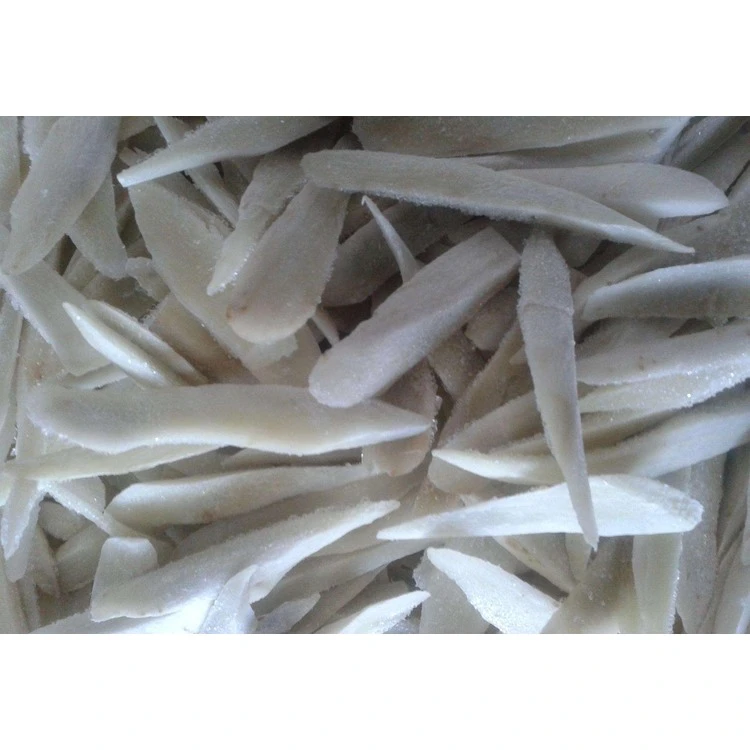
The closer product view shows tapered cut surfaces; appearance alone does not establish treatment or cooked bite.
Specify the observations that would prevent approval. For kinpira, these may include coarse strands, too many short fragments after normal cooking, or an unacceptable color once coated. For soup, excessive length, uneven tenderness or a weak result after the intended hold may matter more. Keep these concerns tied to a test method and an agreed sample. A bare instruction to provide premium quality gives the supplier little guidance about which result the kitchen needs.
Discuss packing in relation to batch use. If a kitchen repeatedly takes small quantities from an inner bag, portion access and resealing practice matter. If the line uses the full bag each time, the package should fit the chosen batch size and handling arrangement. Include quantity, destination, desired delivery window and document needs when requesting a quote. These inputs support a useful commercial discussion without assuming a universal pack size, minimum order or lead time.
Retain the approved method with the approved ingredient specification. When a later lot or cut changes, repeat the relevant cooking and serving checks before treating it as interchangeable. A well-defined burdock method gives cooks room to judge the food while preserving the decisions that make the result consistent: the starting form, the liquid balance, the actual cooking requirement and the bite expected at service. Those are the controls that make both kinpira and soup dependable uses for frozen strips.
When comparing prices, use the same usable-product basis. Include any extra preparation, draining, sorting or correction that a candidate ingredient requires to reach the agreed result. A lower purchase price can be attractive, but it should be evaluated with the portion and labor consequences visible. The calculation is most useful after both candidates have passed the same relevant cooking and sensory requirements.
Discuss frozen burdock with GreenLand-food
GreenLand-food is a professional frozen burdock supplier and manufacturer in China, with factory-direct wholesale supply discussed against your agreed product specification.
Send the product form, cut specification, packing, quantity, application, destination, private-label needs and requested documents. Include the cooking or reheating route and the texture you need in the finished dish so we can review the sample requirement.