


How to Cook Frozen Fries in the Oven
Sep 01, 2026
Leave a message

Start with the package direction, a fully heated oven and one loose layer
For most frozen fries, preheat the oven completely, spread the fries in one uncrowded layer on a sturdy sheet pan and bake from frozen, turning once near the midpoint. Many products fall somewhere around 400–450°F / 205–230°C and roughly 15–30 minutes, but the package direction controls because shoestring, straight-cut, crinkle, coated and steak fries do not share one universal time.
This article stays with the oven method. It does not substitute air-fryer or deep-fryer settings, and it treats temperature and time as product- and equipment-dependent rather than as one guaranteed number.
Key takeaways
- Do not thaw ordinary oven fries unless the product specifically instructs it; thawed surfaces become wet and pieces stick.
- Preheat fully, use one pan per rack when possible and leave gaps so steam can escape.
- Add little or no extra oil to pre-oiled or coated fries; excess oil can delay surface drying and make the pan greasy.
- Judge doneness by even golden color, hot centers and the target bite, then record the exact method for repeat service.
Oven timing by fry cut and loading behavior
| Fry style | Likely timing tendency | Main watch point | Best adjustment |
|---|---|---|---|
| Shoestring fries | Fastest; begin checking early | Thin ends dark before centers dry | Lower the load, turn gently and remove finished pieces promptly |
| Standard straight-cut fries | Middle range and most forgiving | Crowding creates pale contact points | Use one loose layer and turn once |
| Crinkle or coated fries | Follow the specific package because coating changes heat transfer | Extra oil can make coating heavy | Start with no extra oil and test |
| Steak fries or wedges | Longest center-heating time | Outside browns while thick center remains cool | Use adequate time, spacing and a center check |
| Two crowded pans | Longer and less even than one loose pan | Restricted airflow and oven recovery | Rotate rack positions or cook batches |
The package instruction is a product specification, not decoration
Frozen fries are partially processed foods. The potato variety, dry matter, blanching, par-frying, surface oil, batter or invisible coating, cut and freezing system all influence the oven method. One brand may be designed for 425°F while another uses 450°F or a convection instruction. Start with the current package and treat any general web range as troubleshooting context only.
The pre-fried frozen fries guide explains why the pack's processing route changes oven color and final cook time.
If fries are repacked for foodservice or private label, the cooking instruction should be developed from the actual product, pack amount and target equipment. Copying a competitor time can create pale centers, burned ends or an unsafe and inconsistent instruction. Keep the approved product code and method linked in kitchen documentation.
Preheat the oven and the air around the pan
A cold-start oven spends the first part of the cycle warming steel, air and food together. During that period surface ice melts, oil remains viscous and the fries release steam without strong browning. Wait until the oven has reached its set point. A heavy dark pan transfers heat more decisively than a thin bright pan, so the same clock may produce a different underside.
Preheating the empty pan can accelerate bottom browning, but it also increases burn risk and makes loading more hazardous. Use it only after a normal-pan method has been tested. Parchment improves cleanup but slightly changes contact heat; a rack can increase airflow yet allows thin fries to sag. Choose the simplest setup that gives repeatable results.

Loading density controls steam and color
Fries need exposed surface. In a crowded mound, melting ice and internal water become steam that is trapped between pieces. Contact points remain pale and soft while exposed ends brown. Spread the fries in one layer with small gaps. A few touches are harmless; overlapping stacks are not. When the package amount does not fit, use two pans or cook batches.
Two pans can restrict airflow and slow oven recovery. In a home oven, rotate front to back and exchange rack positions if the manufacturer allows it. In convection equipment, do not assume the fan removes every hot spot. Record which rack and pan position were used when comparing trials.
How much extra oil should frozen fries get?
Many commercial frozen fries are already par-fried or carry surface oil, and some have a coating designed to crisp in an oven. Begin with no extra oil unless the package calls for it. If a test batch remains dry and pale, a very light, evenly distributed film may help heat transfer. Pouring oil into the pan creates greasy low spots and can soften coating.
Oil type also changes flavor and allergen or labeling considerations. A foodservice kitchen should standardize the amount by weight or measured spray time, not by an unrecorded visual drizzle. If a supplier sample needs a large addition of oil to reach acceptable browning, include that cost and labor in the product comparison.

Turn once without tearing the surface
The pan side browns differently from the exposed side. Turn or toss the fries near the midpoint once the underside has set enough to release. Turning too early can tear a delicate coating; turning too late leaves one dark face and one pale face. A thin rigid spatula is gentler than repeated shaking for fragile shoestring cuts.
After turning, redistribute any pile and move edge pieces toward the center if the oven has a strong perimeter hot zone. Avoid opening the door repeatedly. Each inspection releases heat and extends the cycle. Use the oven light, a timer and one planned midpoint check until the method is established.
Cut size changes both timing and the meaning of crisp
Shoestring fries have a high surface-to-center ratio. They dry and brown quickly but can become brittle. Standard straight cuts offer a balance of crisp shell and fluffy center. Steak fries and wedges require more time for the thick center to heat and soften; their exterior may never feel as uniformly crisp as a thin fry. Crinkle cuts create ridges and thicker valleys that brown at different rates.
Coating further changes the result. A clear starch coating can preserve crispness during holding, while an uncoated fry may soften sooner. Compare like with like. Do not reject a thick steak fry for lacking shoestring crunch if the product brief calls for a substantial potato center.

Troubleshoot pale, burnt, greasy or limp fries
Pale limp fries usually point to incomplete preheating, crowding, too low a set point, too much product or a pan that insulates the underside. Burned ends with cool centers point to a thin cut mixed with thick pieces, excessive heat or a late turn. Greasiness may come from too much added oil, a low-temperature crowded bake or the product formulation.
Fries that leave the oven crisp but soften quickly are losing surface heat while internal moisture migrates outward. Serve promptly in a vented container or on an open tray. A closed container traps steam. For delivery or hot holding, evaluate at the real ten-, twenty- or thirty-minute point; immediate oven quality alone is not the commercial result.
Map the real oven before standardizing a time
Home and commercial ovens can be inaccurate or uneven even when the display looks precise. Use an oven-safe thermometer or the site calibration program, then test front, center and rear zones. Note recovery time after the door opens and after a frozen load is added. A weak recovery curve extends the pale steaming phase, while a strong bottom element can overbrown a dark pan before the centers are ready.
Standardize the pan, liner, rack, load weight and starting freezer condition. A trial on a bare dark pan cannot be applied directly to a double-stacked light pan with parchment. If several ovens are used across a chain, validate each equipment family and write a practical range plus visual endpoint instead of pretending every location needs the same minute.
Use weight per pan as the crowding control
One layer is useful language but still open to interpretation. Weigh the maximum acceptable load for the actual pan and cut. A kilogram of shoestring fries covers more surface than a kilogram of thick steak fries. Record both mass and visual spacing. Staff can then repeat the setup without arranging each piece individually or overfilling the pan during a rush.
If output needs exceed that load, compare more pans, a second oven cycle or a different equipment route. Adding product to one pan may appear to save time but can extend the cycle, increase labor for turning and reduce acceptable yield. Throughput should be measured as approved portions per hour, not as raw kilograms placed in one oven.
Color is a process signal, but not the only endpoint
Even golden color indicates surface drying and browning, yet added sugar or coating can darken before a thick center is hot. Break or cut a representative fry and assess the center. It should match the product brief-fluffy, creamy or firm-without a cold dense core. Use the applicable food-safety procedure for any product that contains additional ingredients or is served in a regulated operation.
Color charts can help procurement and operations agree on light, target and dark limits. View samples under consistent neutral light because warm pass lighting exaggerates gold. Record the percentage of very dark ends, pale pieces and gray defects rather than choosing one attractive fry. The finished pan distribution is the customer experience.
Packaging and holding can undo a good bake
Fries continue releasing steam after the oven. A closed solid carton traps that moisture and softens the crust; an open tray preserves crispness but loses heat. Vented packaging balances the two, and portion size changes the steam load. Test the exact carton, bag or clamshell for the intended delivery time. Do not judge a delivery product at the oven door.
For hot holding, keep the layer shallow and avoid covering unless the system is designed for it. Track acceptable quality at five-minute intervals. A coated fry may justify a higher ingredient cost when it extends the service window and reduces returns. An uncoated fry may be preferable for immediate dine-in service and a simpler ingredient declaration. The correct format follows the service model.
Turn a good test pan into a reliable operating method
Once the target is found, write the product code, frozen portion weight, pan and liner, rack position, oven mode, temperature, midpoint action, time range and color endpoint. Include the maximum number of pans in one cycle. A single-pan method should not silently become a four-pan method at dinner service. If two loads are approved, record the different time or rotation that the heavier load needs.
Train staff to recognize the failure signals. Pale wet patches mean pieces are overlapping or the oven has not recovered. Very dark tips with pale thick centers mean mixed cuts, excessive heat or a late turn. A greasy pool suggests too much added oil or a coating and pan combination that is not drying. The instruction should offer one corrective action for the next batch instead of encouraging repeated door opening and random extra minutes.
Measure saleable yield and hold performance. Weigh frozen input and acceptable served output, count broken shorts if appearance matters and record waste after the hold limit. For delivery, pack the standard portion and score temperature and crispness at the customer time. A fry that loses quality in the carton may need different venting, a smaller portion or a coated format rather than a hotter oven.
Review the method whenever the supplier, cut, coating, oven, pan or pack changes. Small formulation differences can shift browning and oil needs. Keep the package direction available, but use the locally validated method when it has been approved for that exact product and operation. This is how an approximate web answer becomes a controlled repeatable service result.
Seasoning should follow the surface you actually produced
Fine salt adheres best while the fries are hot and carry a light surface oil film. Season in a bowl or pan large enough to distribute without crushing. Heavy seasoning before baking can draw moisture, darken spices or fall onto the pan and burn. If the frozen product is already seasoned, begin without more and taste after cooking; the flavor may concentrate as water leaves.
For foodservice, weigh seasoning per finished kilogram and account for loss left in the bowl. Test barbecue, cheese or herb powders during the real hold because hygroscopic seasonings can soften the crust. Sauce should normally be served separately when crispness matters. A loaded-fries concept is different: apply sauce at the defined final step and judge the customer eating window, not an unsauced reference fry.
Keep a plain control portion in each development session. It separates potato and oven performance from seasoning effects. If the plain fries are crisp but the seasoned fries soften, adjust the powder, oil carrier or application time rather than increasing the bake and drying the center. When selling a seasoned product, confirm that the ingredient list and nutrition data match the tested formula. Record the approved dose, mixing time and serving limit so the result can be repeated during busy service. Check the final salt level after the full holding period, because perceived seasoning changes as steam leaves and the surface cools.
How to cook frozen fries in the oven
-
Read the package and identify the cut
Confirm oven type, temperature, portion and timing for the exact product. Note whether fries are shoestring, straight-cut, crinkle, coated, steak-cut or wedges.
-
Preheat completely
Let the oven reach the specified temperature before loading. Use a sturdy clean pan and decide whether parchment is part of the approved method.
-
Load one loose frozen layer
Move fries directly from freezer to pan and spread them without overlapping stacks. Cook batches when the required quantity does not fit.
-
Start with the product oil level
Do not automatically add oil to par-fried or coated fries. If a controlled trial supports added oil, measure and distribute only a light film.
-
Turn once and manage hot spots
Turn near the midpoint after the first side has set. Redistribute edge pieces and rotate the pan only when the oven pattern requires it.
-
Check color, center and service hold
Remove fries when color is even and centers meet the intended bite and applicable safety procedure. Season, serve promptly and evaluate any required hot-hold or delivery period.
Specify fries for the actual oven and service window
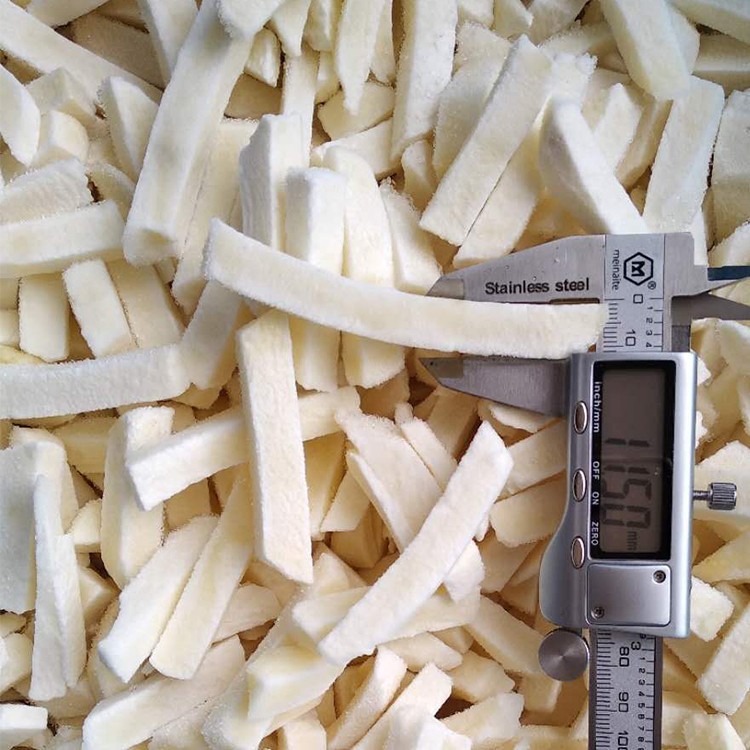
A useful frozen-fries inquiry includes potato cut dimensions, skin-on or skin-off identity, coated or uncoated status, surface oil, desired color, oven type, pan load, target cook time and service model. A product designed for deep frying may not brown acceptably in a conventional oven, while an ovenable coating may not match a clean-label brief.
Run a controlled test with a weighed frozen portion and a logged oven. Record frozen clumps, broken short pieces, color distribution, time to target center, crispness, potato flavor, oiliness and yield. Score again after the actual hold or delivery time and in the intended carton or vented pack. Repeat across multiple bags before approving a high-volume program.
Commercial checks include pack size, inner bag strength, net weight, carton, MOQ, loading quantity, shelf life, storage temperature, label, nutrition and ingredient declaration, allergen controls where coatings are used, facility scope and destination documents. GreenLand-food can review available frozen fries formats, but the final instruction and acceptance criteria should be tied to the agreed product and verified trial.

Frequently asked questions
What temperature should I cook frozen fries in the oven?
Use the package direction for the exact product. Many fall around 400–450°F / 205–230°C, but cut, coating and oven type make one universal temperature unreliable.
How long do frozen fries take in the oven?
Many products take roughly 15–30 minutes, with shoestring fries faster and thick steak fries slower. Start with the package time and check color and center early.
Should frozen fries be thawed before baking?
Usually not. Cook them from frozen unless the package specifically says otherwise. Thawing creates wet surfaces and sticking.
Do frozen fries need extra oil in the oven?
Often no, because many are par-fried, pre-oiled or coated. Test first without added oil, then use only a measured light film if the product and result require it.
Why are my oven fries not browning evenly?
The usual causes are incomplete preheating, overlapping pieces, an overloaded oven, mixed cut sizes or an uncorrected hot spot. Use one loose layer and turn once.
Reference points
- USDA FSIS - freezing and food safety
- FoodSafety.gov - safe minimum internal temperature chart
- McCain Foodservice - product-specific cooking directions example
These references support the measured handling points and method boundaries. Product labels, local food-safety requirements, site procedures and lot-specific specifications still control a real decision.
Confirm frozen fries against your real application
GreenLand-food is a frozen-food supplier supporting each manufacturer, importer, distributor and wholesale buyer. For factory-direct sourcing support, send the required form, cut, application, packing, quantity, destination and trial method. We will review available frozen fries specifications and the next practical step.