


How to Dry Mushrooms Without a Dehydrator
Sep 03, 2026
Leave a message
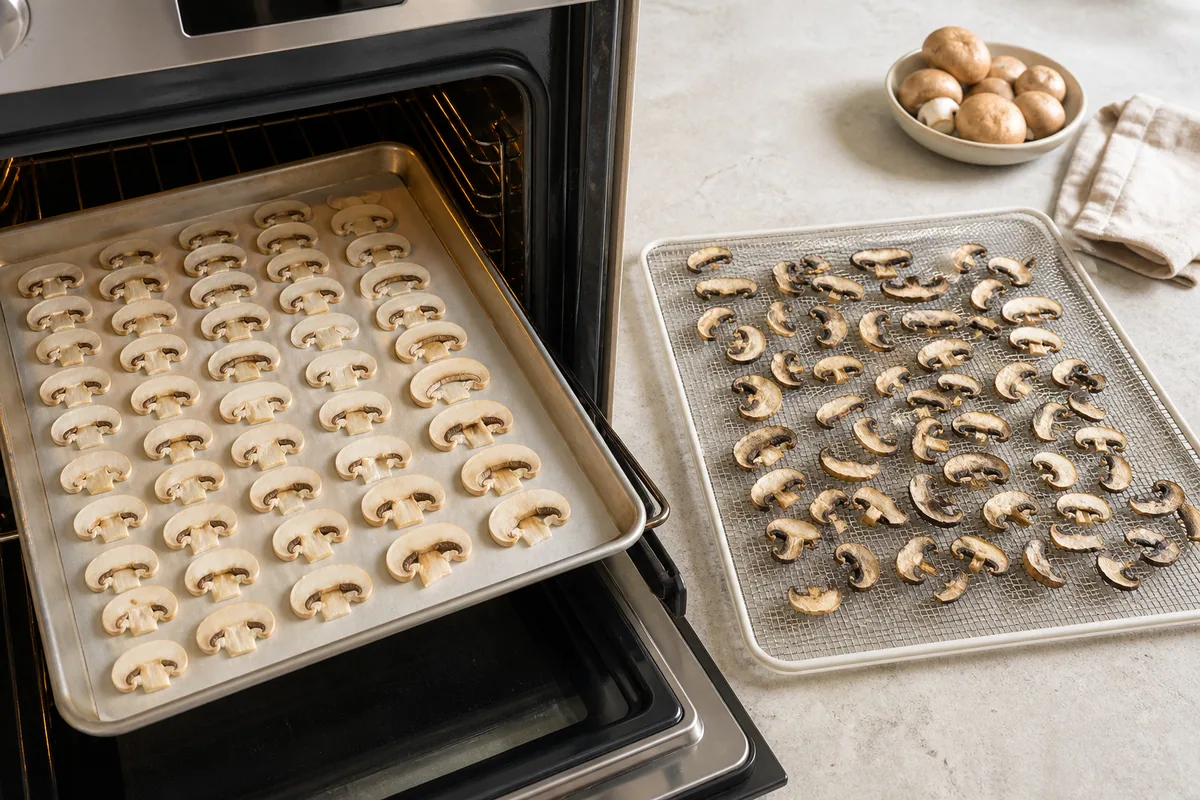
Use a low oven unless your air is reliably dry
Clean sound mushrooms, cut them into even slices, arrange them without overlap and dry them at the lowest practical oven setting-commonly around 140–170°F / 60–75°C-with airflow, turning as needed. Air drying requires mesh, a fan or cross-ventilation, low humidity and daily inspection. Stop only when the thickest pieces snap rather than bend. Cool completely before airtight packing; discard any batch with mold, slime or an abnormal odor.
Ovens vary at low settings. Time is only a planning cue; slice thickness, species, load, airflow and room humidity determine the actual endpoint.
Key takeaways
- Do not use a warm calendar estimate as proof of dryness; break the thickest slice and inspect the center.
- Leave space around every piece. Overlap traps moisture and creates a mixed batch of dry edges and wet centers.
- Passive air drying is unsuitable when the room stays humid, the slices remain tacky or any spoilage appears.
- Dried, freeze-dried and IQF mushrooms are different commercial ingredients; choose by rehydration, flavor, texture, labor and final application.
Quick comparison
| Method or format | Best fit | Main control | Expected result |
|---|---|---|---|
| Low home oven | Small household batches | Low stable heat, airflow and even slices | Concentrated flavor; crisp dry pieces when complete |
| Passive air drying | Dry climate and thin pieces | Relative humidity, fan, insect protection and daily inspection | Slow drying with more environmental variation |
| Commercial hot-air dried | Shelf-stable soup, sauce and seasoning ingredients | Moisture or water activity, grade and barrier packing | Concentrated, rehydratable piece or powder |
| Freeze-dried | Premium light, porous pieces | Process validation, oxygen/moisture barrier and rehydration test | Very light structure and fast water uptake |
| IQF frozen | Ready meals, foodservice and visible cooked pieces | Species, cut, pre-treatment, free flow, drip and cold chain | Moist frozen ingredient designed for cooking |
Start with sound mushrooms and one clear purpose
Drying preserves the condition you begin with; it does not rescue mushrooms that are slimy, moldy, sour-smelling or badly decayed. Choose firm specimens with normal species aroma. Brush away soil, trim damaged areas and rinse only when needed. If you rinse, drain and dry the surface before slicing. Extra water lengthens the first stage and makes a crowded tray even less predictable. Never use a general drying guide to decide whether a wild mushroom is edible. Identification is a separate safety decision that must be made before preservation.
Decide how the mushrooms will be used. Thin pieces for powder can be dried more aggressively than attractive slices intended for soup. Dense stems need thinner cuts than delicate caps. Shiitake, button, oyster and wild species do not lose water at the same rate, so a mixed tray should be sorted by thickness and checked piece by piece. A practical home target is roughly 3–6 mm for many cultivated mushrooms, but consistency matters more than pretending one thickness fits every species.

Low-oven method: the most controllable option
Line a tray or use a clean rack that allows air to move around the slices. Arrange one layer with gaps. Set the oven to its lowest stable temperature; many home guides work in the broad 140–170°F / 60–75°C range. If the appliance cycles higher, use a thermometer and open the door slightly only when the manufacturer permits it. A fan-assisted setting improves air movement. Drying is not roasting: dark, oily edges and toasted smoke mean the heat is too high.
Turn the slices and rotate trays so the back and front receive similar exposure. Thin pieces may finish in several hours, while thicker, wetter pieces take longer. Remove pieces that are already crisp rather than leaving them to scorch while the thickest catch up. Cool a test piece for a few minutes before judging it; warm food can feel more flexible. The batch is ready when the thickest cooled piece is dry through the center and snaps or crumbles instead of folding.
- Select sound mushrooms and cut even pieces.
- Arrange one uncrowded layer on clean trays or racks.
- Use the oven's lowest stable heat with airflow.
- Turn pieces and rotate trays; remove fully dry pieces first.
- Cool and break the thickest piece to inspect the center.
- Condition, pack airtight, label and store away from heat and light.
Air drying: useful only when the room cooperates
Place thin slices on food-safe mesh so both faces are exposed. A clean fan can keep air moving without blowing dust directly onto the food. Protect the rack from insects, pets, cooking steam, direct rain and strong sunlight. Direct sun may heat and bleach the surface while the center remains moist. In a dry room, slices can gradually become leathery and then crisp over several days. Turn them and separate pieces that touch. The method is slow by design, so sanitation and daily inspection matter.
Do not keep pushing an air-dried batch through a humid week. If pieces stay damp, become tacky, show fuzzy growth, develop wet dark spots or smell fermented, discard them. Moving a questionable batch to the oven does not erase spoilage that already developed. A hybrid route-air movement for early moisture removal followed by a low oven-can shorten oven time, but it still requires sound food and a confirmed brittle endpoint. When climate control is poor, begin with the oven instead.
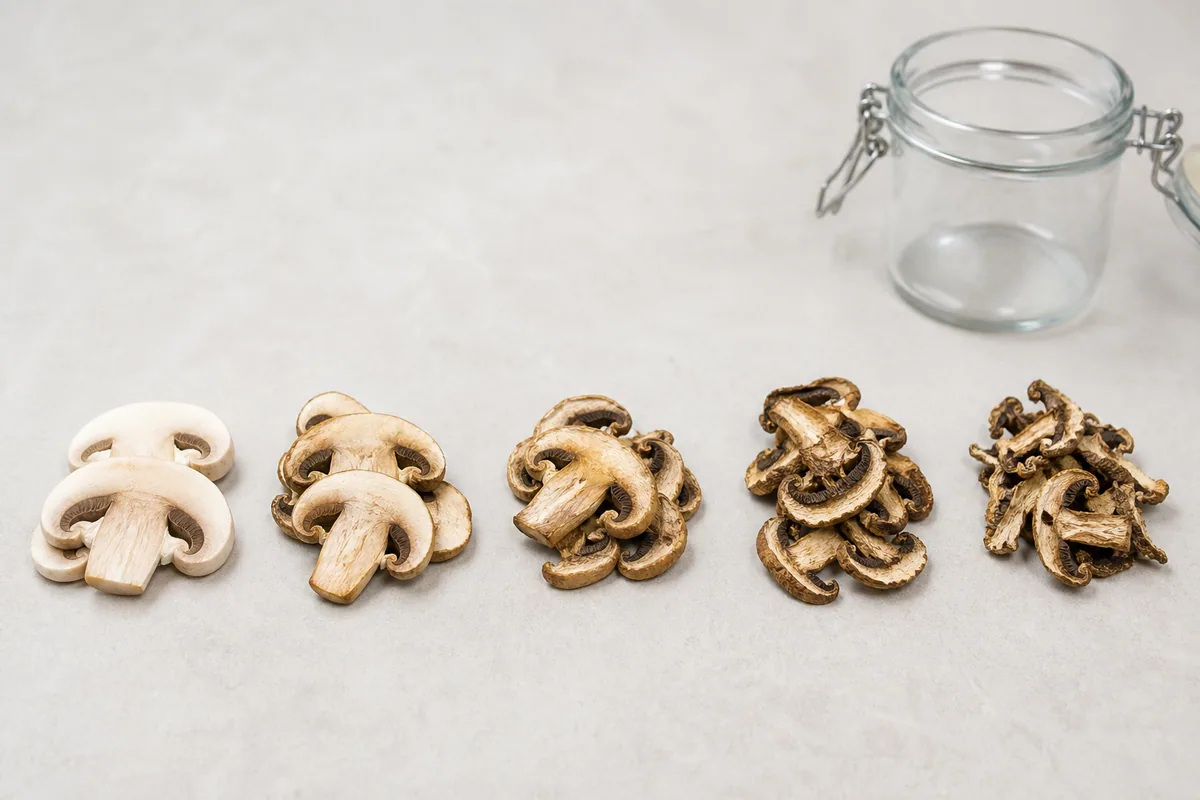
Conditioning exposes hidden moisture before long storage
Let fully dried mushrooms cool in a dry room. Warm pieces sealed immediately can create condensation. Put the cool pieces loosely into a clean jar for several days and examine it daily. This conditioning step allows small moisture differences to equalize. If droplets appear or some pieces soften, return the whole batch to controlled drying promptly and reassess. Any visible mold or abnormal odor is a discard signal, not a reason to re-dry. Once stable, pack in smaller portions so opening one container does not expose the entire lot repeatedly.
Use airtight packaging with good moisture and oxygen resistance. Store it cool, dark and dry, and label the species and date. A food-safe desiccant can support a properly dried product, but it cannot compensate for an under-dried center. Home storage guidance varies because dryness, packaging and temperature vary. Inspect before use: moisture, insects, mold, a rancid or fermented odor, or a soft rehydrated texture that seems abnormal all require caution.
Rehydrate by application, not by habit
Cover dried pieces with clean warm water and allow them to soften. Thin slices may rehydrate quickly; dense shiitake or stem pieces need longer. Keep the soaking liquid only when the species is known, the dried product is sound and the recipe benefits from its flavor. Strain it through a fine filter because grit can remain. Cook rehydrated mushrooms thoroughly in soup, sauce, braise or filling. Do not expect the springy bite or bright appearance of a fresh or IQF piece.
The rehydrating dried mushrooms guide turns drying success into a test of yield and cooked texture.
For a recipe trial, weigh the dry input, added water, drained rehydrated weight and cooked yield. Note the time to soften, the percentage of tough pieces and whether the liquor becomes muddy or bitter. These simple records reveal why two dried lots with the same name perform differently. A powder needs a different acceptance test: particle size, dispersibility, flavor intensity, color and sediment matter more than whole-piece recovery.
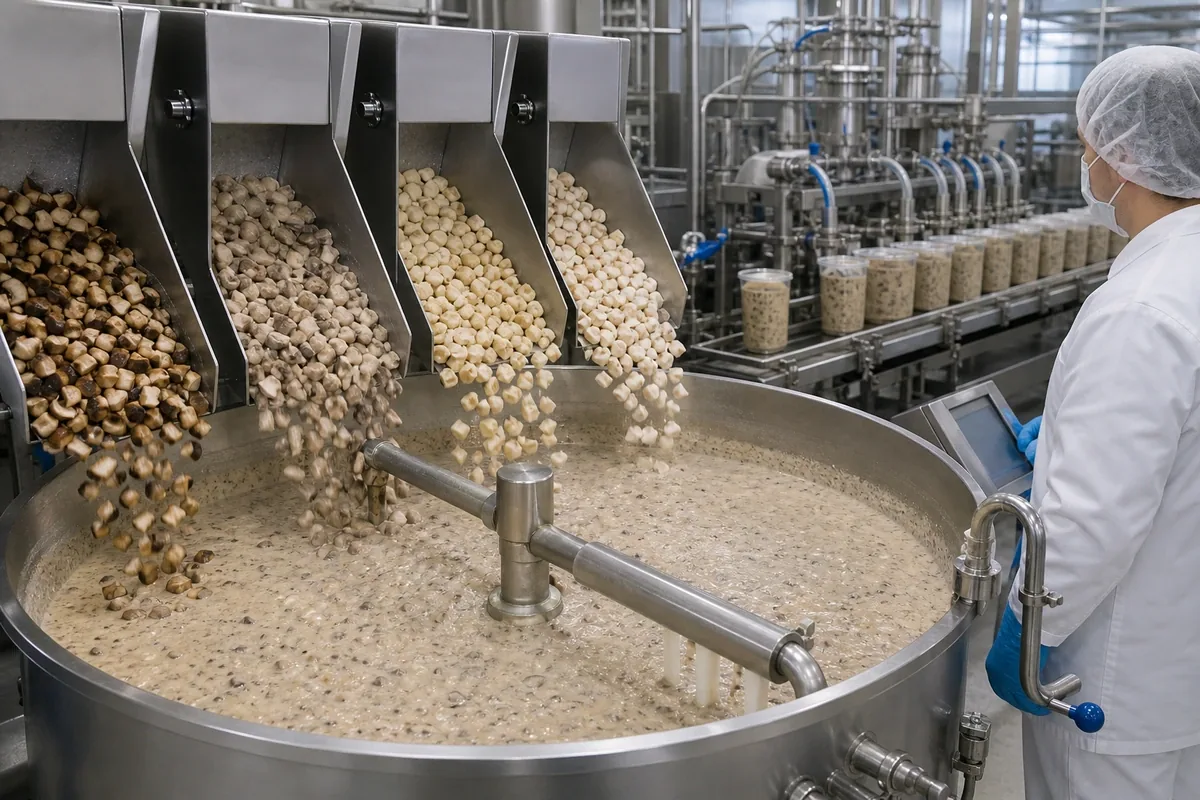
Dried, freeze-dried and frozen mushrooms solve different jobs
Hot-air drying removes water under heat and usually concentrates earthy, roasted or savory notes. Freeze drying removes frozen water under vacuum and can create a much lighter, porous piece that rehydrates quickly. IQF freezing retains water in the ingredient and therefore requires a cold chain, but it can preserve recognizable mushroom pieces for ready meals and foodservice. None is universally superior. A soup powder may favor hot-air dried product; a premium cup meal may favor porous freeze-dried pieces; a stir-fry or prepared meal may need frozen pieces with visible identity.
Do not compare quotations on price per kilogram alone. Dried material has much less water, freeze-dried material is extremely light and IQF product carries its natural moisture. Compare cost per finished portion, rehydrated or cooked yield, labor, storage, pack volume and waste. This article mentions freeze drying only to clarify the format decision; it does not repeat GreenLand-food's separate news coverage of freeze-dried mushrooms or imply that a home oven reproduces that industrial process.
Commercial acceptance needs measurable dry and frozen criteria
A dried-mushroom specification should identify species, origin, whole or slice form, thickness, color, aroma, moisture or water-activity target, foreign matter, insect damage, microbiology, rehydration ratio, tough-piece tolerance, packing and declared shelf life. The method for moisture and rehydration must be agreed, because different laboratories and soak conditions can produce different numbers. Barrier material, pack size, oxygen management and storage conditions belong in the same approval file.
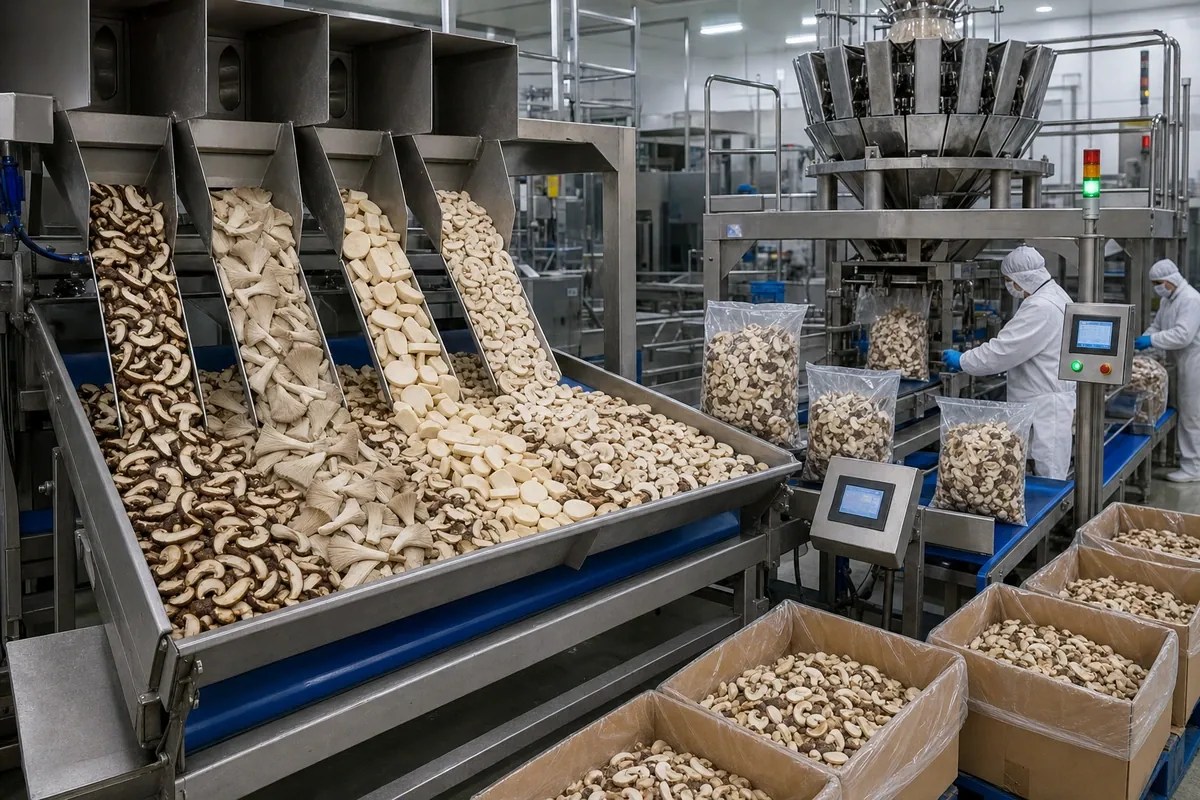
An IQF request uses a different language: species, cut, pre-treatment, free-flow condition, clumps, ice, broken pieces, color, drip loss, cooked yield, packing and cold-chain evidence. At GreenLand-food, we review frozen mushroom options against the buyer's soup, sauce, ready-meal, foodservice or retail application. We do not describe a frozen oyster or button mushroom as a dried or freeze-dried product. Final availability and binding limits follow the selected product, approved sample and confirmed order.
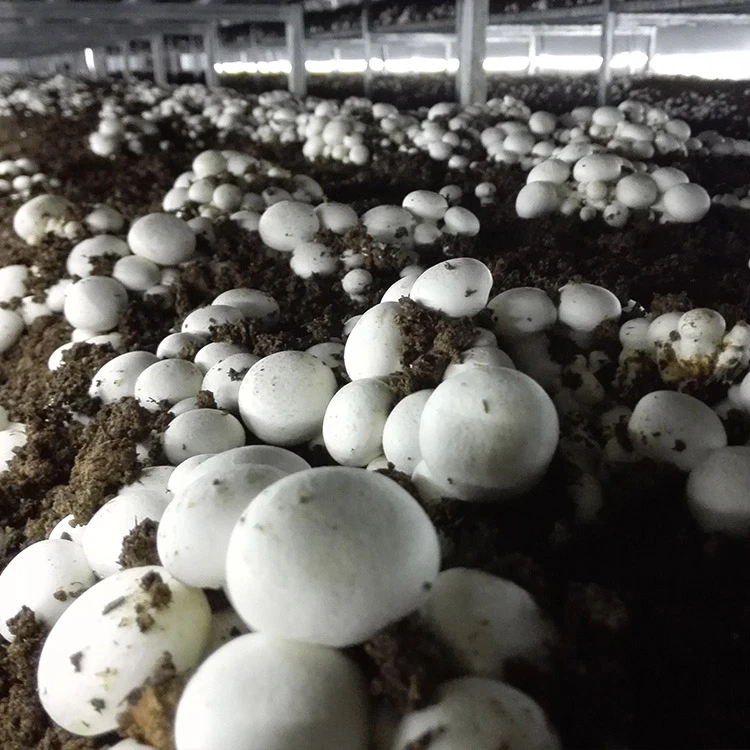
A side-by-side kitchen trial makes the format decision visible
Prepare the same soup or sauce in three small batches: one with rehydrated dried mushrooms, one with the proposed IQF product and one with the buyer's current ingredient. Standardize mushroom solids, cooking time, salt and final volume. Record preparation labor, water added, cooked yield, piece identity, liquor color, aroma and texture after hot holding. The result often shows that the strongest flavor is not automatically the best visible piece and the best-looking piece may not give the lowest cost per serving.
Keep the test method with the approved sample. For repeat buying, compare each new lot under the same conditions and retain photographs of dry, rehydrated and cooked states. This is more useful than relying on the phrase premium quality. It also prevents format drift: a food developer can see whether a cheaper dried piece changes the sauce, whether an IQF cut releases too much water or whether a freeze-dried format disappears during long cooking.
Worked decisions that a short answer cannot cover
Worked oven example: mixed thickness on one tray
Imagine half the slices are 3 mm and half are 8 mm. After four hours, the thin pieces snap while the thick centers still bend. Leaving everything together risks scorching the thin group; packing everything risks hidden moisture. Remove the finished slices, keep the thick group drying and record two size bands for the next batch. The lesson is simple: the oven time was not wrong-the preparation was inconsistent.
A commercial processor solves the same problem with calibrated cutting, loading depth, airflow and in-process checks. A buyer can ask for thickness distribution and rehydration results rather than an attractive top-of-bag photograph. Consistent geometry is one of the quiet drivers of repeatable drying.
Why a jar fogs after apparently successful drying
A slice can feel crisp at the edge while holding moisture near the stem. When warm pieces enter a sealed jar, that moisture migrates and condenses on cooler glass. Open the container, assess odor and appearance, and return a sound batch to the oven promptly. If spoilage is present, discard it. Do not add a desiccant and pretend the warning has disappeared.
For a commercial lot, moisture migration also interacts with pack barrier and headspace. Sampling only a few thin pieces may miss a wet tail. The acceptance plan should specify where and how many samples are tested and which moisture or water-activity method controls release.
Powder is not a way to hide weak pieces
Grinding increases surface area and makes flavor easy to dose, but it also makes identity and defects harder to inspect. Use only sound, fully dry mushrooms. Grind in small batches, avoid inhaling dust and allow the mill to cool. Store powder in a tight container and inspect for caking or abnormal odor.
Industrial buyers should define particle size, species purity, carrier or additive status, moisture, microbiology and allergen cross-contact. A darker powder may reflect species or heat, not automatically strength; compare it in the final formula.
Format choice changes warehouse and line design
Dried product can reduce frozen storage and freight weight but needs rehydration time, clean water and a plan for soak liquor. IQF product needs frozen space and a reliable cold chain but can reduce soaking labor. Freeze-dried product can be bulky for its weight and needs excellent moisture protection.
Map the whole process from receiving to finished pack. If a line has no controlled soak tank, a cheap dried ingredient may create labor and microbial risk. If freezer capacity is tight, IQF may create congestion. The best format is the one the factory can handle repeatedly, not the one with the most fashionable name.
More detail for a repeatable decision
Troubleshooting a home batch before it becomes waste
If slices brown rapidly while their centers stay soft, reduce heat and improve spacing. Browning is not the same as drying. If the tray steams, reduce the load and open the permitted vent path. If only one corner stays wet, rotate the tray and check whether the oven fan or door creates an uneven zone. A thermometer can reveal cycling that the control knob hides.
When air-dried pieces feel sticky after a cool night, assess humidity before continuing. A fan moves air but cannot remove water from an already saturated room. Transfer a sound batch to a controlled oven or stop. Do not place it in a closed cupboard to "finish slowly"; enclosed air keeps the surface humid and hides early spoilage.
Record species, cut thickness, starting weight, tray load, room humidity or oven setting, drying time and finished weight. The notes show whether a disappointing yield came from wet raw material, thick cutting or over-drying. They also make the next batch safer because the cook knows which pieces and loads required extra attention.
Home storage should be designed around opening frequency
Divide a successful batch into small jars or pouches. Every opening brings humid air into the container, and a large jar used weekly has many opportunities to soften. Keep one working portion and leave reserve portions sealed. A transparent container makes condensation and insects visible, but it still needs a dark cupboard to protect flavor and color.
Label the mushroom identity, preparation date and any seasoning. If several species are dried, do not mix them unless the recipe and identification are certain. A jar labeled only "wild mushrooms" is poor evidence months later. For a gift, include rehydration and cooking directions instead of assuming the recipient understands the product.
When a container is opened, inspect before soaking. A crisp piece can gradually become flexible from moisture uptake. Re-drying a recently softened but otherwise sound batch may restore quality, yet repeated cycles signal weak packaging. Mold, webbing, insects, fermentation or an abnormal chemical odor require disposal.
Commercial sampling must find the wet and tough tail
A supplier can present perfect thin slices while the lot contains thick stem pieces. Sampling should cover several bags and positions in the case. Measure moisture or water activity by the agreed method and run rehydration on a composite that represents both caps and stems. Report the distribution, not only the best-looking value.
After soaking, count pieces that remain woody or disintegrate. A high weight gain can look efficient but may reflect water trapped in damaged tissue rather than useful bite. Cook the rehydrated sample in the intended soup or sauce and record retained identity after the real hold time.
For powder, take samples where fine and coarse particles can segregate. Confirm particle-size distribution and whether the powder cakes during storage. If a carrier, salt or anti-caking agent is present, it belongs in the ingredient statement and formulation calculation. Mushroom solids should not be inferred from total powder weight.
Choosing a format for three common factory lines
A dry soup cup needs low shipping weight and rapid rehydration in a short steep. Small hot-air-dried or freeze-dried pieces can be tested for recovery, while IQF usually conflicts with an ambient cup format. A retorted sauce can accept dried flavor but may need IQF pieces for visible identity. The two formats can even be combined deliberately.
A frozen ready meal already has cold-chain infrastructure. IQF pieces can move directly into filling or pre-cooking and avoid a soak tank. The development team should measure water release so sauce solids are not diluted. A dried ingredient may save freezer space but adds rehydration water, time and a new controlled step.
A seasoning plant may prefer powder for uniform dosing, but species identity, heat history and particle size determine flavor. Comparing those three factories shows why "which preservation method is best?" has no universal answer. The line, product claim, consumer texture and storage system complete the question.
What to confirm before approving volume
A useful inquiry describes the ingredient and the job it must do. Send the product identity, form, target application, packing, quantity, destination and the quality points your team will measure. We will review current availability and an appropriate supply route where possible. Final size, process, ingredients, limits, microbiology, documents, shelf life, lead time and commercial terms remain subject to the approved specification and order confirmation.
- Name the mushroom species and exact dry or frozen form.
- Define slice thickness, moisture or water activity, and rehydration test for dried product.
- For IQF, define cut, pre-treatment, free flow, ice, drip and cooked yield.
- Approve aroma, color and texture in the real recipe.
- Confirm packing barrier, storage condition, declared shelf life and documents.
- Keep final limits tied to the approved sample and order.
Frequently asked questions
What temperature should I use to dry mushrooms in the oven?
Use the lowest stable setting your oven can safely maintain; many home methods work around 140–170°F / 60–75°C. Airflow and the brittle endpoint matter more than one exact number.
How long do mushrooms take to dry in an oven?
Thin slices may take several hours, while thick or wet pieces take longer. Turn and remove finished pieces as they become brittle; do not pack by the clock.
Can mushrooms be air-dried indoors?
Yes, only in a clean, dry, well-ventilated room with thin pieces on mesh. Stop if humidity keeps them tacky or any mold, slime or abnormal odor appears.
Should mushrooms be washed before drying?
Brush off soil when possible. If rinsing is needed, keep it brief and dry the surface well before slicing so the tray does not begin with unnecessary water.
How do I know dried mushrooms are done?
Cool and break the thickest piece. It should snap or crumble and show no soft, leathery or cool moist center.
Can I finish air-dried mushrooms in the oven?
A sound batch can be finished under low controlled heat, but the oven cannot make a moldy, fermented or spoiled batch safe.
Are oven-dried mushrooms the same as freeze-dried mushrooms?
No. Oven drying uses heat and airflow. Freeze drying is an industrial vacuum process applied to frozen material and creates a different porous structure.
Are dried mushrooms better than frozen mushrooms?
They are better for some jobs, not all. Dried formats concentrate flavor and store without a freezer; IQF formats can retain more visible piece identity for cooked applications.
What should a commercial dried-mushroom specification include?
Include species, origin, form, thickness, color, aroma, moisture or water activity, rehydration method, defects, foreign matter, microbiology, pack and shelf life.
Can GreenLand-food discuss frozen mushrooms instead of dried formats?
Yes. We can review available frozen mushroom species, cuts, pre-treatments, packing and application tests. Final product and facility scope are confirmed for the order.
Reference points
- National Center for Home Food Preservation: Drying Vegetables
- USDA AMS IQF mushroom description
- GreenLand frozen mushroom solutions
These sources support the classification, method or supply boundaries used above. The applicable product label, specification, food-safety plan and destination-market rules still control a real batch.
Source Frozen Mushrooms for your real application
GreenLand-food is a frozen mushrooms supplier and manufacturer in China, providing factory-direct wholesale support for importers, food manufacturers, foodservice distributors and private-label programs. Send the required form, specification, packing, quantity, destination, application and documents. We will review available order options and the next practical step.