


How to Reheat Eggplant Parmesan
Sep 11, 2026
Leave a message
Research This Article & Topic with AI
Verify key claims, compare reliable sources, and explore GreenLand-food's practical frozen food knowledge.
Article details and research questions are prepared in the links. Sign-in or sending may be required.
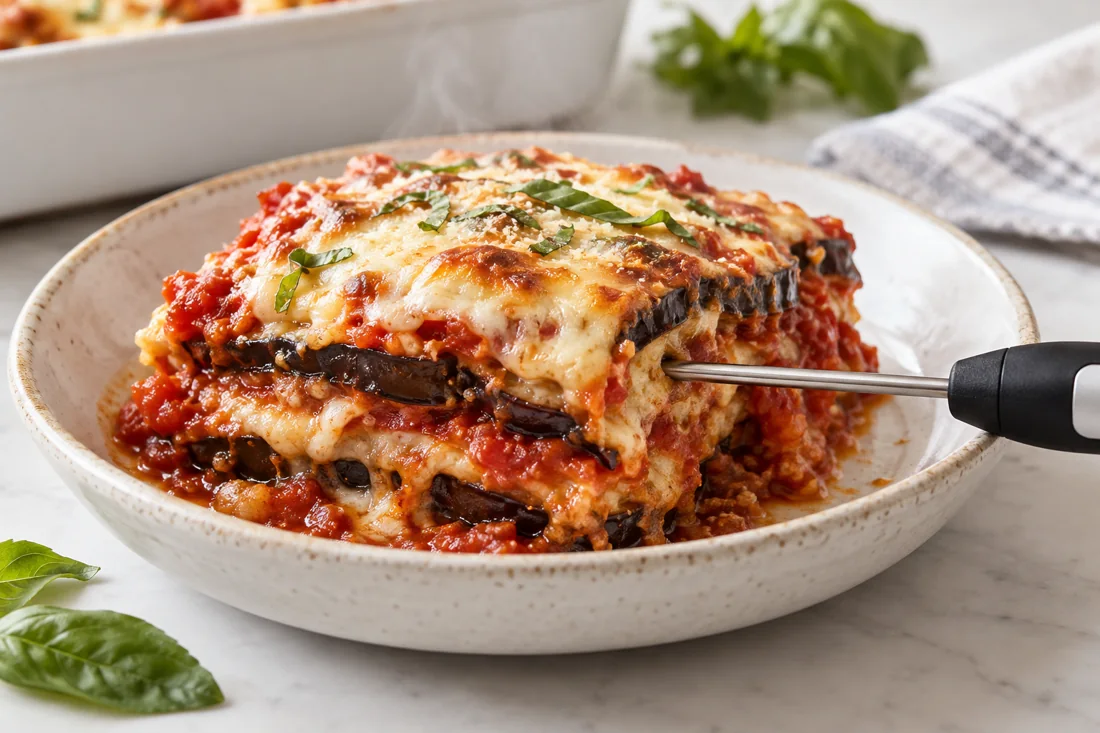
The time depends on whether the food is chilled or frozen, how deep the portion is, the container and the equipment. Bubbling sauce at the edge or melted cheese on top does not establish the temperature in the centre. For a purchased meal, follow its preparation instructions, including any directions about covers, standing time and cooking from frozen.
Start by confirming that the item is already cooked. An assembled but uncooked frozen tray needs its full cooking method; plain frozen eggplant slices are an ingredient and are not a ready-made parmesan meal.
For preparation details, see Can You Freeze Eggplant Parmesan? Before or After Baking.
Check the starting condition and choose a method
Only reheat food that has been stored and handled appropriately. A reheating step does not make every poorly stored leftover suitable to eat. Check the product's storage instructions, date information and known handling history before deciding how to warm it. For a commercial operation, use the site's receiving, storage and food-safety procedures. For a purchased prepared meal, the label is the starting reference for the actual product.
Identify the starting state clearly: refrigerated cooked portion, frozen cooked portion, refrigerated full tray or frozen full tray. Those are different heating loads. A small chilled square has a shorter path to its centre than a deep frozen casserole. If a written method simply says "reheat for 20 minutes," it leaves out information needed to interpret that instruction and to judge whether it applies to the food in front of you.

Portion thickness and tray depth affect reheating.
Choose the equipment according to the result you want. An oven can help preserve a more distinct surface and gives room for several portions in a suitable dish. A microwave is convenient for a single serving but generally produces a softer breaded layer. Neither method guarantees the original freshly cooked crispness, because sauce contact and storage have already changed the structure of the dish.
The container must be suitable for the selected method. Transfer food from packaging that is not intended for oven or microwave use, unless the product instructions explicitly allow that container in the appliance. A clear plastic tray, for example, cannot be assumed suitable for a conventional oven because it held the chilled meal. Check the actual packaging information instead of deciding from appearance.
Portioning can make reheating more manageable when the product and handling process allow it. Heating one or two portions avoids repeatedly warming an entire tray when only a small amount is needed. It also makes the centre easier to access with a thermometer. Handle the remaining food under its required storage conditions rather than leaving the full tray out while individual servings are prepared.
For foodservice and retail development, record the intended equipment and portion format together. A restaurant oven method, a domestic microwave instruction and a catering tray method need their own assessment. The ingredient may be similar, but the customer is following a different process. Choose the method on the basis of the actual serving format and verify both the centre condition and the resulting texture.
Reheat a chilled portion in the oven
For a homemade chilled cooked portion, an oven around 350°F, approximately 175°C, is a reasonable recipe-development starting setting. A purchased product's instructions take precedence for that item. Use a shallow oven-safe dish where practical, arrange the portion so heat can reach it, and cover loosely with an appropriate lid or foil. The cover helps limit surface drying while the centre warms.
If the portion looks unusually dry, a small amount of compatible tomato sauce can help protect exposed areas, provided it fits the recipe. Do not flood the dish automatically. Excess liquid can soften the breading further and change the balance of the meal. The aim is to support the existing sauce, not turn the portion into a different preparation because a large amount of water or sauce was added before reheating.

A loose foil cover helps protect an oven-reheated portion from drying.
Use time as a cue to check, rather than as proof that the food is ready. A modest chilled portion may need roughly 20–30 minutes in this kind of oven method, but thickness, equipment and container can move it outside that illustrative range. Begin checking before it dries at the edges, and continue until the centre reaches the required temperature. This range is practical guidance, not a validated instruction for every commercial tray.
Insert the thermometer probe into the thick central area, taking care that it measures the food rather than the hot dish. For a thin portion, entering from the side can help place the sensing area in the centre. Check another location if the shape or heating pattern makes uneven temperature likely. Melted cheese and bubbling sauce are useful visual observations, but they cannot replace this measurement.
Once the centre is appropriately reheated, uncover for a short finishing period only if the surface needs it and the recipe allows. Watch closely because cheese and exposed breading can darken quickly. A hotter finishing step affects the surface much faster than the deep centre, so it should not be used to compensate for a portion that is still inadequately heated inside.
Serve after any standing step required by the product or method, using care with the hot container and sauce. A brief settling period can also make layers easier to portion, but it does not replace the temperature check. In a commercial process, record the actual load, dish and observed result. That provides a better basis for repeat instructions than a single successful timing from a different oven.
Use a microwave for a smaller serving
A microwave can be a practical choice for one chilled cooked portion when speed matters more than a crisp top. Place the food in a microwave-safe dish and use an appropriate vented cover. Follow the meal and appliance instructions, including any standing period. Do not place foil or an unsuitable metal container in the microwave merely because foil was useful in the oven method.

Use a microwave-safe dish and an appropriate vented cover.
Arrange the portion with attention to its thickness. A tall stack heats differently from a shallower piece with the same weight. If the recipe and presentation allow, separating a large portion into smaller pieces can make reheating more manageable, but it changes the appearance. Develop the method for the way the food will actually be sold or served instead of relying on an arrangement that the customer is unlikely to reproduce.
Use controlled heating intervals and check progress between them. The appropriate time depends strongly on microwave power, portion size and starting temperature, so an unexplained minute count is not a reliable universal instruction. Rotate or reposition the dish where the appliance and product directions call for it. Stirring is often useful for loose foods, but a layered parmesan portion needs handling that does not unnecessarily destroy its structure.
Check the centre and other representative locations with a food thermometer after the instructed heating and standing steps. Microwaves can leave unevenly heated areas, especially in thick or irregular portions. A very hot sauce pocket does not show that the neighbouring eggplant layer is at the same temperature. The 165°F, or 74°C, leftover and casserole reference applies to the food's internal condition, not to the dish's surface warmth.
Expect a softer breaded layer. Moisture retained under the cover and within the sauce changes the crust, even when the food is heated appropriately. If a more distinct surface is essential, an oven method may fit the product better. For a retail meal intended mainly for microwaving, develop the recipe and description around the texture customers will receive rather than promising the crispness of a freshly fried component.
Open the cover carefully because steam can collect underneath it. Keep the portion in a suitable serving dish and follow the appliance's handling instructions. For product development, record the microwave power, portion mass, container, heating sequence and standing period. Those details make a trial useful to the technical team and help distinguish an instruction problem from a recipe that simply does not perform well in that format.
Adjust for a frozen portion or a whole tray
A frozen cooked portion needs more heating than a comparable chilled one because the centre begins colder and must pass through the thawing stage during the process. Follow a cook-from-frozen instruction when the product provides one. Do not substitute a chilled timing without adjustment, and do not leave the food on the counter to thaw as an informal way to make a short reheating method seem applicable.
If a product is intended to be thawed before reheating, use its specified thawing method and required storage controls. A homemade item also needs appropriate handling before the reheating step. The key is to know the starting condition that the method assumes. A partly frozen centre can remain much colder than the edges even when the surface resembles a fully chilled portion.

A frozen portion and a chilled full tray require different reheating plans.
Whole trays create another challenge: depth and mass can vary independently of the visible top area. Two trays that fit the same oven shelf may contain different amounts of food or have different layer thicknesses. The centre of a deep casserole can lag well behind the edges. Record tray dimensions, fill weight and product depth when developing a repeat method, rather than defining the load only as "one tray."
Keep the surface protected while the centre heats, using a cover suitable for the method and the packaging. Remove it for finishing only when appropriate. If the top repeatedly dries before the centre is ready, review the dish depth, cover, oven conditions and recipe instead of treating excessive edge browning as unavoidable. A more practical portion format may be needed for the intended equipment.
Distinguish a fully cooked frozen meal from a ready-to-cook assembled product. Both can look like eggplant parmesan in a package, yet the required preparation is different. The presence of cheese and tomato sauce does not establish that the layers have already received the full cooking process. Use the label or confirmed product information to determine which method applies before setting the appliance.
For catering or production, verify temperatures in representative positions according to the operation's procedure. A check near one edge cannot establish the condition of a deep full tray. Keep the temperature evidence with the trial's equipment and load details, then assess the quality of portions from different parts of the dish. The useful method produces an appropriately reheated meal with acceptable texture across the whole serving load.
Protect the crust, sauce and cheese
Reheating changes a layered dish that has already absorbed moisture during storage. A breaded eggplant surface in contact with tomato sauce will not behave like a dry freshly fried slice. Set a realistic target: cohesive layers, a moist centre and an appealing top may be more achievable than fully restoring the original crispness. That expectation should be reflected in a retail product description and in the kitchen's quality assessment.
A loose cover helps protect the surface during the main heating stage, while a brief uncovered finish can allow some moisture to escape. The balance depends on the portion and recipe. Leaving the food uncovered for the entire period may dry the cheese before the centre is ready. Keeping it covered throughout can retain more surface moisture. Neither approach is universally correct without considering the intended texture.

Excessive heating can dry the cheese and disturb the sauce.
Sauce quantity matters before reheating begins. Too little can leave exposed edges dry; too much can overwhelm the breaded structure and collect as a pool after heating. If a prepared meal repeatedly separates or becomes watery, review the original eggplant preparation, sauce formulation and assembly process. Adding extra cheese to the reheated surface may improve appearance temporarily without correcting the source of the moisture imbalance.
Avoid repeated reheating of a large reserve tray when only a few portions are needed. Repeated temperature changes can create handling complications and further soften or dry the dish. Portion and store food according to the applicable process, then heat the quantity needed for service. A well-planned portion format often protects quality more effectively than trying to rescue the last section of a tray that has been warmed several times.
Check the underside and centre when tasting a trial. A browned top can conceal a wet base, a dry middle layer or unevenly heated sauce. Use the same portioning utensil and plate planned for service so the test includes whether the layers hold together. A photograph of the top alone cannot establish that the product is easy to serve or pleasant through the complete bite.
If the meal includes bread, salad or another side, decide whether that component should be heated with the main. Cold salad needs a practical way to remain outside the reheating step, while bread may soften in a covered humid tray. The side dishes can change the available space and heating load as well. Assess the full pack when writing instructions, not just a loose eggplant parmesan portion on a separate plate.
Plan reheating for prepared meals
Develop the reheating method alongside the recipe and packaging. The portion weight, layer depth, sauce amount and container all affect the result. A product designed for a domestic microwave may need different assembly choices from one intended for a restaurant oven. Define the intended equipment and serving format early so the team is not trying to write a short instruction around a meal that heats unevenly by design.
Keep the cooking status clear in product information. Fully cooked, ready to reheat and ready to cook are different descriptions with practical consequences. The label and supporting specification should tell the customer what process is required. Plain frozen eggplant pieces are raw materials for a recipe; they should not be described as an assembled parmesan meal simply because that dish is shown as an application idea.

Whole eggplants and skin-on pieces at a cutting station.
For a range using several eggplant formats, separate the component specifications. Skin-on chunks can suit a mixed vegetable sauce, while layered parmesan portions commonly need slices with suitable dimensions and preparation. These ingredients can release moisture and retain shape differently. When changing the cut or supplier, check the completed meal's reheating performance rather than assuming the same instruction remains valid for every eggplant form.
Run the quality trial through the complete approved process: preparation, cooking where required, cooling or freezing, packing, storage and reheating. Inspect portions after the same sequence that the customer will use. Record centre-temperature results separately from sensory observations such as sauce separation, cheese dryness and layer integrity. Both are necessary to judge whether the method and product format are suitable.
Instructions should be specific enough to reproduce the tested conditions. Include the starting state, equipment assumptions, cover handling, any standing period and the relevant completion check. Where more than one appliance method is offered, assess each one. An oven trial cannot establish the result of a microwave instruction, even when the nominal total time appears reasonable.
Storage life requires its own evidence for the complete food. An appealing reheated sample does not establish a commercial shelf life or excuse unsuitable earlier handling. Keep the technical validation, packaging specification and recipe records aligned, and reassess them when material changes occur. For foodservice, the corresponding process should also define how the reheated food is served or held under the requirements that apply to the operation.
Choose eggplant slices for repeatable results
The eggplant component influences what reheating can achieve. Slice thickness and diameter affect layer depth, portion shape and the balance between vegetable, breading, sauce and cheese. A broad distribution of dimensions can produce uneven stacks even when every portion is assembled to the same weight. Define the intended meal format before choosing the cut, and evaluate the ingredient through the actual assembly process.
Confirm whether the offered ingredient is plain or has received a particular pretreatment. A frozen slice, a roasted piece and a breaded component are different purchasing requirements. We can review the requested frozen eggplant form and confirm what is available for the application. A general frozen vegetable listing should not be taken as a commitment to every possible prepared-meal component.
Assess moisture and cooked shape in the full recipe. An ingredient that performs well in a loose tomato sauce may behave differently in a layered meal that is chilled and reheated. Record the preparation method and final observations with the sample decision. If the slice specification changes, repeat the relevant meal trial before assuming that a previously developed reheating instruction still produces the same result.

Frozen skin-on eggplant pieces in a lined container.
Agree on measurable product characteristics and practical acceptance methods. Cut dimensions, peel condition, preparation state, irregular pieces and cooked texture may all matter, depending on the format. A product photograph can help discuss visible form, but it cannot establish the temperature reached during reheating or the finished layer's tenderness. Keep those application findings with the written ingredient specification.
Include packing, expected volume, destination and required quality or export documents in the inquiry. State any private-label or prepared-component requirements separately so their scope can be reviewed. We will confirm the proposed product and commercial arrangements against the actual order needs. Keeping the ingredient description precise makes it easier for procurement and the development kitchen to work from the same reference.
Source frozen eggplant with GreenLand-food
GreenLand-food is a China-based frozen vegetable supplier and manufacturer offering factory-direct wholesale supply. We can review frozen eggplant cuts for your foodservice or prepared-meal application and confirm suitable specification, sample and packing options. Send the intended recipe, product form, quantity and destination. Our frozen-food catalog is available to download when you are planning eggplant and other vegetable components for the same range.