


How to Ripen Kiwi Fruit: Timing, Storage and Signs of Readiness
Sep 01, 2026
Leave a message

Room temperature ripens kiwi; refrigeration pauses the process
Keep firm, mature kiwi on the counter in a shallow bowl. Ordinary room-temperature ripening can take several days, and fruit from different lots will not follow the same clock. If speed matters, the ethylene from a ripe apple or banana in a paper bag can shorten the wait. Do not seal kiwi in airtight plastic where moisture accumulates.
When kiwi reaches the required give, move it to the refrigerator to slow further softening. Refrigeration preserves the stage; it is not the fastest way to bring hard fruit to readiness. Heat from an oven or microwave can soften tissue but does not reproduce normal ripening, aroma development and flavor balance.
Key takeaways
How to tell whether kiwi is ripe
| Check | Firm/unripe | Ready-ripe | Over-soft or suspect |
|---|---|---|---|
| Pressure | Feels hard, almost no give | Yields slightly and evenly | Collapsed, leaking or uneven mushy areas |
| Aroma | Little aroma | Fresh, lightly fruity kiwi aroma | Fermented, sour or rotten odor |
| Cut flesh | Firm, tart and less juicy | Juicy, characteristic color and balanced sweet-tart flavor | Wet breakdown, mold or strong discoloration with off odor |
Why one kiwi ripens faster than another
Harvest maturity sets the starting point. Kiwi intended for storage is commonly harvested firm, but it must have developed enough to ripen normally. A very hard fruit from an early harvest may need more time and can produce disappointing sweetness even when it softens.
Temperature changes the rate. A warm room speeds biological activity, while a cool room slows it. Direct sun or an appliance hotspot can overheat the fruit surface and increase water loss instead of producing even ripening. Use ordinary room conditions and inspect rather than chasing maximum speed.
Ethylene exposure matters. Kiwi is responsive to ethylene, so a bag with ripe apple or banana changes the rate. Fruit stored near ethylene-producing produce during distribution may arrive closer to readiness than a buyer expects. Conversely, fruit held cold and isolated can remain firm.
Cultivar, fruit size, storage duration and condition add variation. Gold and green kiwi do not always share the same eating cues or flavor balance. Follow the supplier's variety information, then build a simple lot-specific check.

Fresh ripening and frozen kiwi are separate supply decisions
GreenLand's frozen kiwi slices serve smoothies, desserts, fruit preparations and other processes that accept soft post-thaw texture. They do not replace a fresh ripe slice where crispness and immediate fresh presentation matter.
For ingredient format details, see How to Tell If Kiwi Has Gone Bad: Fresh, Cut and Frozen Signs.
This article does not repeat the existing "Can Kiwi Be Frozen?" guide. Its job is to help readers reach and recognize fresh readiness, then identify when a frozen ingredient format is the more controllable operational choice.
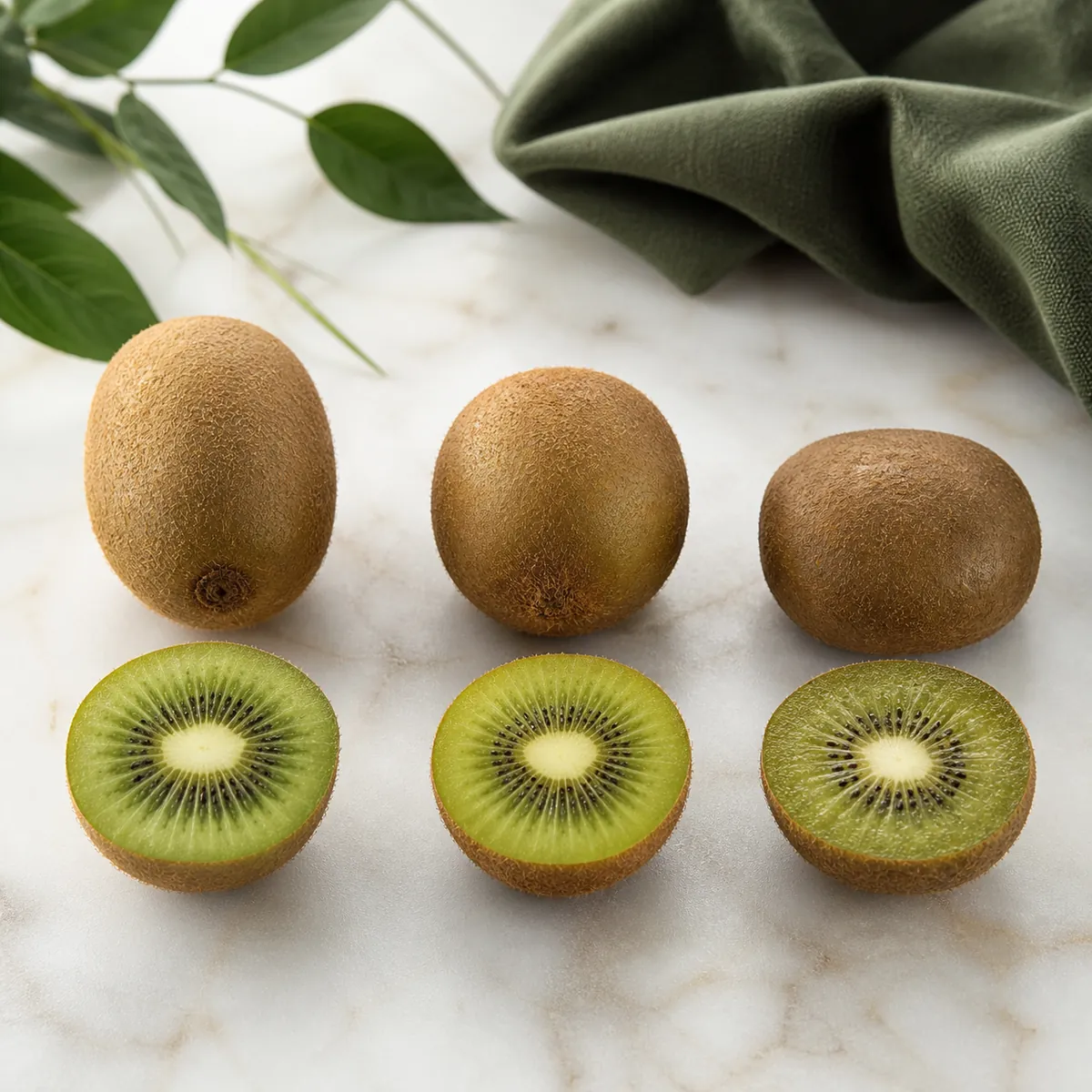
How to ripen kiwi fruit step by step
- Inspect the fruit. Set aside kiwi with mold, leakage, split skin or wet collapse. A firm sound fruit is a candidate for ripening.
- Choose normal or faster ripening. For ordinary timing, place kiwi in a shallow bowl at room temperature. For faster timing, use a paper bag with one ripe apple or banana.
- Keep the bag loose. Fold the top rather than sealing airtight. This retains some ethylene while allowing moisture to escape.
- Check every day. Remove any deteriorating fruit and test for gentle, even give near the stem end.
- Cut a representative fruit when necessary. For an important meal or batch, taste one rather than guessing that every fruit is ready.
- Refrigerate at the target stage. Remove the apple or banana and chill the ready kiwi to slow further softening.
- Use by condition. Eat, process or freeze sound fruit before it moves from ripe to wet breakdown. Do not use heat tricks to imitate ripening.
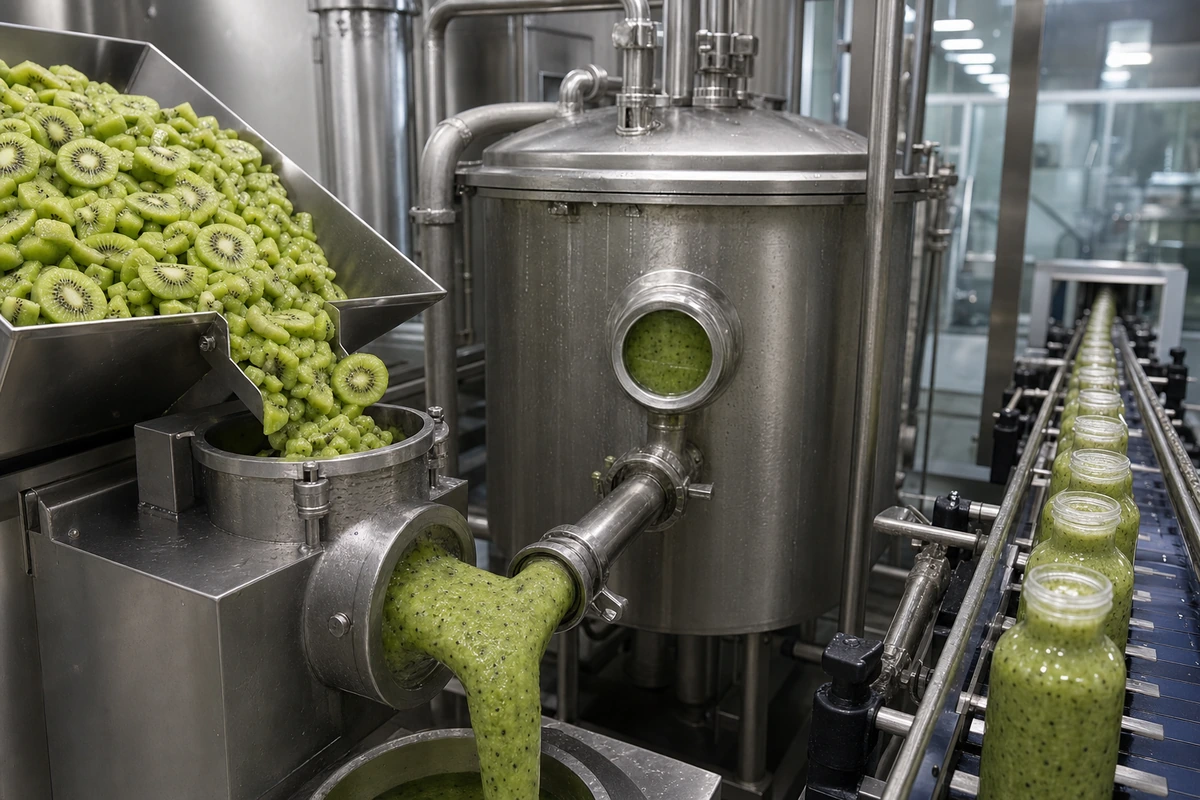
A smoothie process needs flavor readiness, not serving firmness
Fresh kiwi for hand slicing may need enough firmness for clean cuts. Fruit entering a smoothie can be softer, provided flavor is developed and the fruit is sound. The application defines the acceptable window.
Frozen slices remove daily ripening from the production line, but buyers must approve color, flavor, maturity, treatment, piece size and post-thaw yield.
Choose a method by timing and use
| Method | Use when | Control point |
|---|---|---|
| Open bowl at room temperature | Timing is flexible and gradual ripening is preferred | Check daily; avoid direct heat and pressure |
| Paper bag with apple or banana | Mature fruit is needed sooner | Do not seal airtight; remove ready fruit promptly |
| Refrigeration | Fruit has reached the desired stage | It slows change; it is not a fast ripening method |
| Frozen kiwi format | The process values year-round portion and does not need fresh texture | Approve post-thaw performance in the application |
What not to do
Do not microwave or bake kiwi to "ripen" it. Heat can soften cell structure, cook flavor and create hot spots. Ripening involves coordinated changes in texture, aroma, acid and sugar perception; simple heating is not equivalent.
Do not seal wet fruit in plastic. Trapped condensation encourages deterioration. Keep fruit dry and use breathable or loosely closed ripening containers.
Do not squeeze the same fruit repeatedly. Rough testing bruises the tissue and creates the soft spot you later mistake for ripeness. Use gentle pressure and rotate which fruit is sampled.
Do not expect an exact overnight result. Starting maturity, storage history and room temperature differ. Promise readiness only after inspection, not because a timer expired.

What a frozen kiwi buyer should confirm
Specify green or gold type, maturity, sweetness and acid target, peel removal, slice or dice dimensions, treatment, color, seed and core appearance, broken pieces, clumps, pack and required documents.
Thaw a representative sample under the intended method, measure drip if it affects yield and test the fruit in the actual beverage, dairy or dessert process.
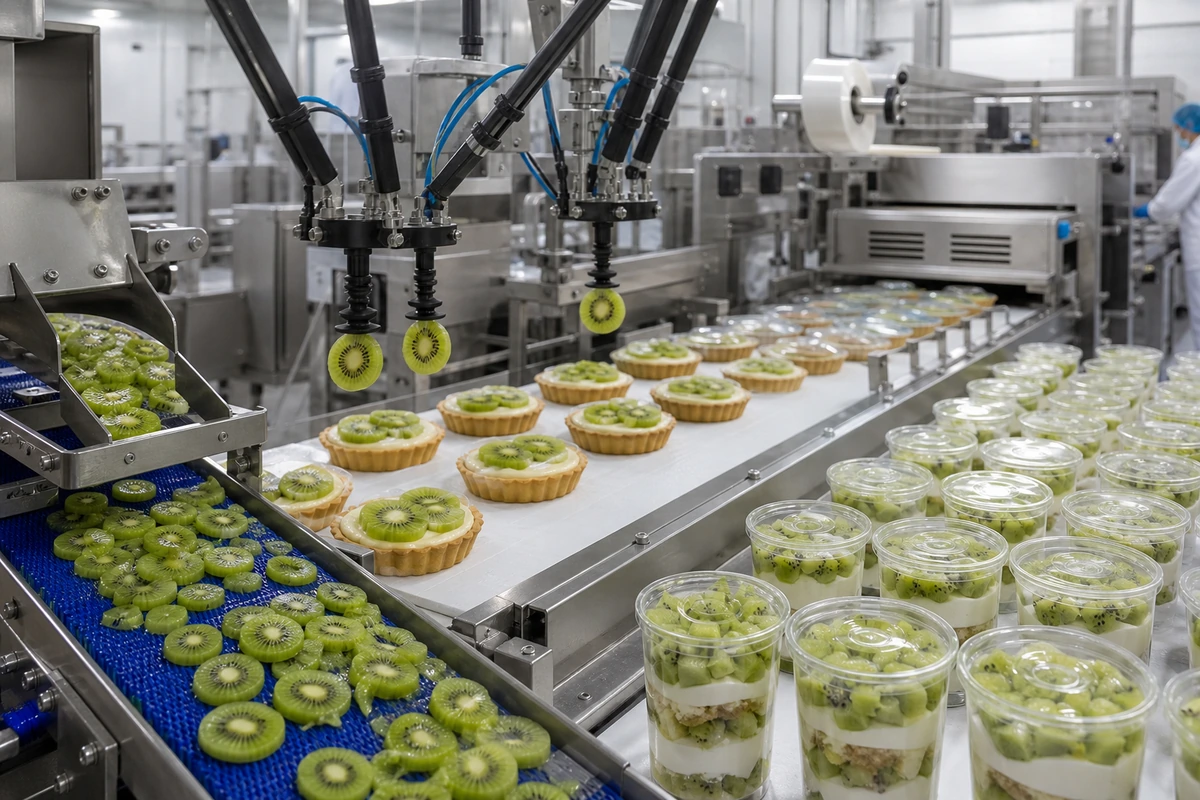
Set a readiness window for operations
A dessert garnish needs clean slices and attractive color; a puree can accept softer sound fruit. Write simple visual and firmness references for each use, then rotate inventory by condition.
For frozen supply, use receiving temperature, packaging, clumping, color and lot checks to maintain the approved ingredient state.
Managing kiwi readiness across a batch
One household can press every kiwi. A retailer, hotel or preparation plant needs a sampling system. Begin by identifying cultivar, arrival date, supplier lot, storage temperature and intended use. Separate fruit that is already responsive from fruit that remains very firm. Mixing those states into one ripening bag produces an uneven result.
Define readiness for the application. A spoon-eating kiwi can be softly yielding. A slice for a fruit tray needs developed flavor while retaining enough firmness for clean cutting. A smoothie or puree can use softer sound fruit. The same lot can be sorted into uses, but the standards should be written before staff improvise them.
Use representative firmness checks. Sample across cartons, pallet positions and fruit sizes. Apply gentle pressure consistently or use an instrument under a defined technical method. Do not squeeze every fruit aggressively; the inspection itself can cause bruising that appears as a soft defect later.
Ethylene treatment at commercial scale is not simply a larger paper bag. Concentration, temperature, humidity, airflow, exposure time and fruit maturity interact. Professional ripening rooms require designed equipment, monitoring and trained procedures. Do not extrapolate the household apple-bag method into an unventilated storage room.
Keep incompatible produce in mind. Ethylene-sensitive items can deteriorate when stored with ripening fruit, while ethylene-producing items can accelerate kiwi unexpectedly. Warehouse placement and ventilation affect the rate before the customer ever sees the fruit. Receiving history helps explain why one delivery is already soft.
Temperature controls both speed and holding. A deliberate room-temperature phase can develop readiness; refrigeration slows change after the target is reached. Repeated warm-cold cycles make inventory less predictable and can increase condensation. Move a batch based on measured stage, not because a fixed number of hours has passed.
Humidity and water loss affect feel. A dehydrated kiwi may wrinkle and feel lighter while the interior is not ideally ripe. Excess surface moisture increases decay risk. Keep fruit dry, use suitable ventilation and distinguish softening from shriveling. The goal is juicy, sound tissue, not merely reduced firmness.
Cut-testing provides information that pressure cannot. Examine flesh color, core, seeds, juice, flavor and internal disorders in representative fruit. A kiwi can soften yet remain tart or show internal breakdown. Record the results by lot so future orders and maturity specifications improve.
Rotate by condition. A later pallet can be more advanced than an earlier one because harvest maturity and transit differ. Mark batches and direct the closest-to-ready fruit toward immediate orders. Hold firmer fruit for later demand. This reduces both unripe service and overripe waste.
Create a downgrade path only for sound fruit. Kiwi too soft for a garnish can enter a same-day puree or cooked preparation if its handling is safe and it has no mold, leakage or off odor. Overripe and spoiled are not synonyms, but a downgrade rule should never become permission to use decayed fruit.
Measure waste causes separately: immature flavor, bruising, dehydration, over-softening, mold and forecast excess. If bruising dominates, change handling. If fruit remains hard, review maturity and ethylene exposure. If ready fruit expires, revise order timing or move more volume into a frozen ingredient route.
For a frozen comparison, specify the exact application. Record fresh purchase weight, peel and trim, ripening loss, labor and usable puree or pieces. For frozen kiwi, record net weight, thaw drip if discarded, labor and finished yield. Include the value of consistency and the cost of frozen storage.
Frozen kiwi maturity still matters. A pale tart fruit does not become ripe because it is frozen. Ask for green or gold type, maturity, soluble-solids and acid approach, color, treatment and form. Test aroma and flavor in the finished product after the intended storage and serving temperature.
Manage enzymes and formulation interactions in application trials. Fresh kiwi can affect some dairy or gelatin systems, and processing or heat treatment changes that behavior. The correct technical response depends on the actual product. Test the real formula rather than assuming every yogurt, dessert or beverage responds alike.
Close the loop with a readiness report. Note lot, date, starting stage, method, temperature, daily checks, ready percentage, defects and destination. This small dataset replaces claims such as "kiwi usually ripens in two days" with evidence the operation can use for forecasting and supplier review.
Troubleshooting a kiwi that will not ripen as expected
It stays rock hard: the fruit may be very immature, very cold or isolated from ethylene. Move sound mature fruit to room temperature and test the paper-bag method, but do not promise that immature fruit will develop good flavor.
It softens but remains sour: starting maturity may be weak, or the fruit may need more time. Cut a representative sample and compare sweetness, acid and aroma. Softness alone is not full readiness.
The outside wrinkles before it softens: water loss or unsuitable storage may be involved. Review humidity, airflow and time. A dehydrated kiwi can feel misleading and may have low usable yield.
One side is mushy: pressure or impact likely caused a bruise. Cut and inspect if there is no mold or off odor. Improve carton and handling practice rather than changing the ripening time.
Fruit in one bag ripens unevenly: starting stage, fruit size and ethylene exposure differ. Use fewer fruit, turn the bag gently, remove ready pieces and sort future lots by firmness before treatment.
Mold appears in the bag: moisture, damaged fruit or excessive holding can contribute. Discard moldy kiwi, inspect neighboring fruit, clean the container and keep future bags loose and dry.
Ready fruit becomes over-soft in one day: it remained warm after reaching the target or the lot was already advanced. Inspect more frequently and refrigerate at readiness. Reduce the ripening batch to match demand.
Retail customers find hard centers: the pressure check may sample only the outside or the ready percentage may be overstated. Cut-test representative fruit and define an acceptable distribution for sale.
A dessert line destroys pieces: the fruit may be too soft for slicing, or mixing shear may be high. Use a firmer readiness window for fresh pieces or test a specified frozen slice under the actual equipment.
Frozen kiwi tastes unripe: freezing did not cause ripeness. Review the raw maturity and flavor specification. Test Brix-acid balance and sensory quality before adjusting the final product.
Forecasts miss the ready date: replace one universal time with lot-based observations. Record starting firmness, temperature, ethylene method and percentage ready each day.
The remedy is a controlled sequence: accept mature fruit, sort it, choose the ripening rate, inspect daily, refrigerate at the use stage and direct each firmness band to an appropriate application.
A practical readiness log
Record the kiwi type, supplier lot, arrival date, storage history and intended use. Note starting firmness using the same gentle or instrumental method each time. Photograph a representative whole and cut fruit under neutral light.
Describe the method: open bowl, paper bag with apple or banana, or controlled professional ripening. Record room temperature, start time and number of fruit. Do not combine data from materially different methods.
At each daily check, count hard, ready, over-soft and defective fruit. Remove ready fruit to refrigeration and remove deteriorating fruit from the batch. This keeps ethylene exposure and condition more uniform.
Cut-test at least one representative fruit when the batch approaches readiness. Note flesh color, core, aroma, sweetness, acid and juice. Pressure alone may miss poor internal flavor or disorder.
Calculate the ready percentage by day. A hotel can use it to schedule fruit trays; a retailer can plan display replenishment; a processor can decide whether enough fruit exists for a run.
Record causes of rejection separately: mold, impact bruise, dehydration, immature flavor and simple over-softness. These categories point to different supplier or handling actions.
Compare the log with demand. If fruit consistently becomes ready after the sales window, order earlier or review starting maturity. If it overripens before use, reduce batch size or refrigerate sooner.
A short log turns ripening from a trick into a managed process. It also provides the evidence needed to decide whether fresh handling or an approved frozen kiwi format is the better ingredient route.
Build a kiwi ripening schedule for service
Sort incoming kiwi before choosing a treatment. Separate very firm fruit, fruit beginning to yield, ready fruit and damaged fruit. A single bag or room cannot correct mixed maturity predictably. Record the date, supplier lot and starting firmness so the team can learn how each delivery changes.
Estimate when the fruit is needed. Keep the longest-lead portion at a cooler holding condition appropriate to the fruit, and move only the next service quantity into a controlled room-temperature ripening step. If faster ripening is required, a paper bag with an ethylene-producing fruit can help at home scale, but the bag should be checked daily and must not trap wet, damaged fruit.
Test readiness at the same time each day. Use gentle pressure around the fruit rather than squeezing one spot, then cut a representative piece when color and flavor matter. Ready fruit should yield slightly and have developed flavor; an isolated soft patch, leaking area or fermented odor signals damage rather than successful ripening.
Move ready fruit to refrigeration if it will not be used immediately, following the food operation's storage rules. Mark the container or tray with the lot and readiness date. Rotate by condition, not simply by purchase date, because a later lot can occasionally arrive more advanced.
For menu planning, include a buffer for variability and a fallback for applications that do not require fresh slices. A specified frozen kiwi format may suit blended, sauce or processed uses, but it will not reproduce the structure of freshly ripened fruit after thawing.
A useful schedule is a small feedback system: receive, classify, assign a use date, check daily, refrigerate when ready, record yield and adjust the next order. That is more reliable than asking every kiwi to ripen on the same number of days.
Frequently asked questions
How long does kiwi take to ripen?
Often several days at room temperature, but starting maturity and temperature change the timing. A paper bag with an apple or banana can speed the process. Check daily instead of relying on a fixed number.
How do you tell if a kiwi is ripe?
It should yield slightly and evenly to gentle pressure, smell fresh and fruity, and have juicy flesh with developed sweet-tart flavor. Hard fruit needs more time; collapsed or leaking fruit needs a spoilage check.
Will kiwi ripen in the refrigerator?
Ripening slows substantially under refrigeration. Use room temperature to ripen firm fruit, then refrigerate it when it reaches the desired stage.
Can you ripen kiwi with an apple?
Yes. Put mature kiwi and a ripe apple in a loosely closed paper bag. The apple releases ethylene. Check daily and remove kiwi as it becomes ready.
Does microwaving ripen kiwi?
No. It can heat and soften tissue but does not create normal ripening. Use room temperature and ethylene fruit instead.
When is frozen kiwi a better ingredient?
Frozen kiwi suits products that value controlled portions and can accept soft post-thaw texture, including smoothies, preparations and some desserts. It does not replace a firm fresh garnish.
Compare fresh ripening with frozen kiwi supply
GreenLand-food is a frozen kiwi supplier and manufacturer supporting factory-direct and wholesale programs. Share your cut, color, application, pack, market and volume so our team can review frozen kiwi supply and sample requirements.