


Red Currants vs Black Currants: Flavor, Color and Kitchen Uses
Oct 19, 2026
Leave a message

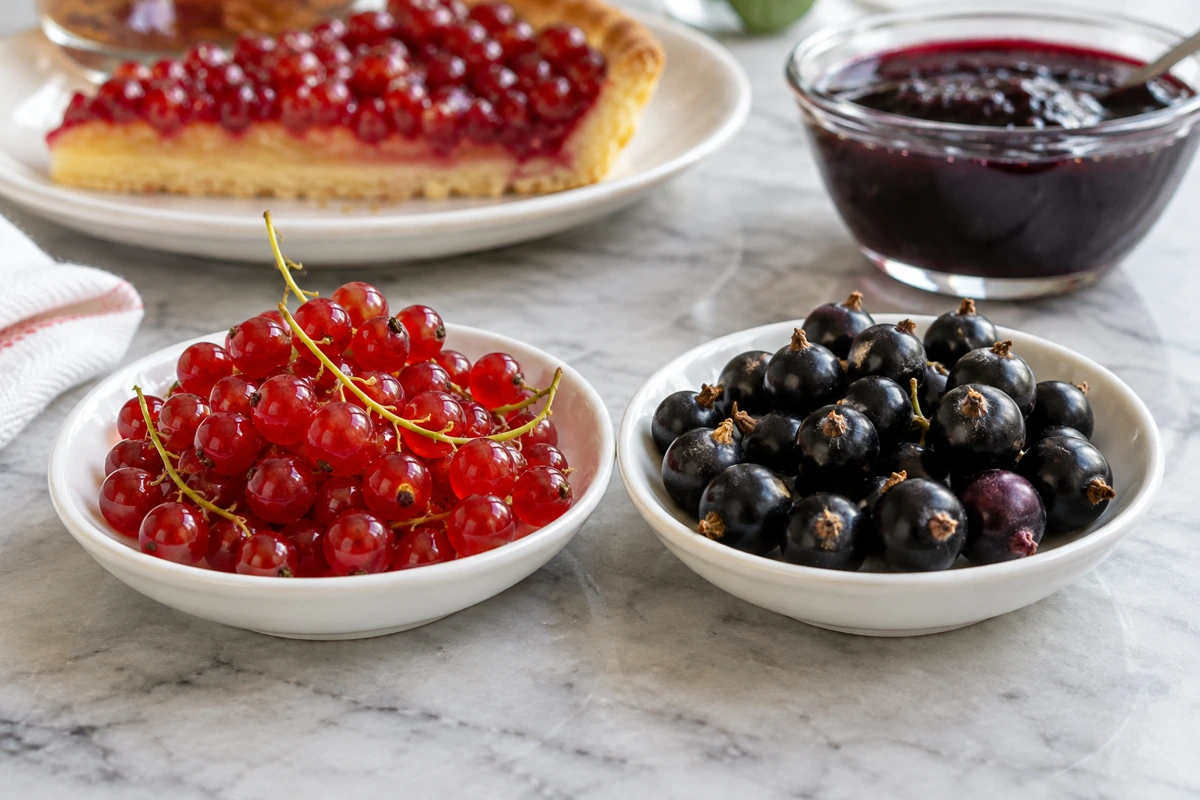
Sweetness cannot be ranked reliably from colour alone. Cultivar, maturity, storage and the recipe all influence the result. When we discuss frozen currants with a purchasing team, we start with the intended food and the sample that will go through its real preparation. A sharply flavoured redcurrant jelly, a dark blackcurrant drink and a cake with visible berries require different decisions. The comparison below connects those kitchen choices to the fruit form and order specification that can reproduce them.
Recognize the two berries before comparing them
Red currants and black currants are related members of the Ribes group. They are different fruits, rather than early and late ripeness stages of the same berry. Cultivated redcurrants are commonly described as Ribes rubrum, while European blackcurrants are Ribes nigrum. Naming within cultivated redcurrant groups can vary between horticultural references, so a commercial order should retain the supplier's verified identity and cultivar information where available. The RHS redcurrant guide is a useful reference for the familiar red fruit and its long clusters.
Look at sound fruit in ordinary light. A redcurrant is generally small, round and glossy, with light passing through the red skin. Blackcurrants are dark purple to almost black and much more opaque. Both contain small seeds. A dried floral remnant can be visible at the berry's blossom end; a piece of cluster stalk is a separate preparation issue. Size varies, and berry diameter by itself is a poor identification method. Photographs help communicate a form, but the product name and lot record should establish what is being purchased.
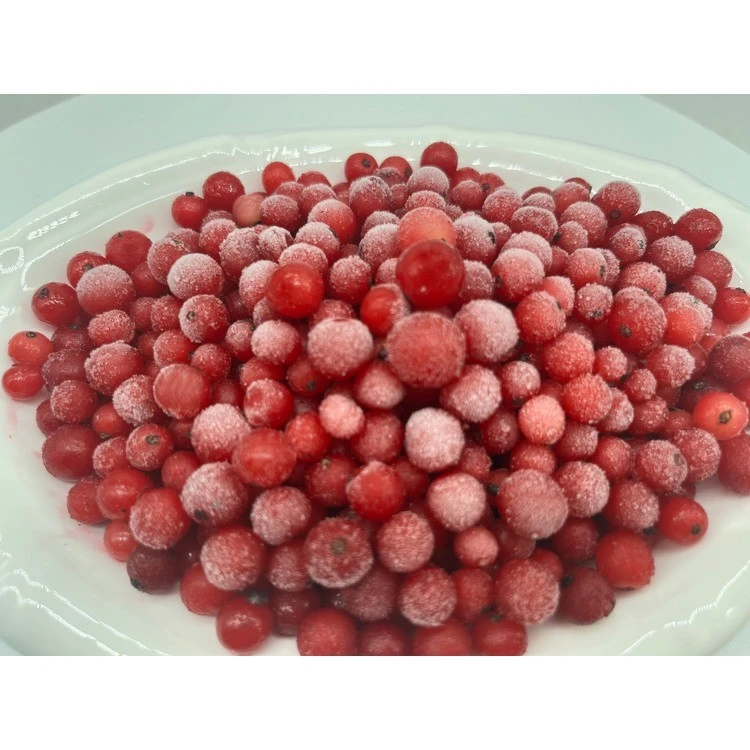
GreenLand product photograph of loose frozen redcurrants on a plate.
Fresh clusters are often attractive on a dessert, while loose frozen berries are a more practical ingredient for measured additions. These forms should have separate expectations. Freezing and thawing can soften the fruit and release juice, so an attractive frozen sphere does not guarantee the firm, glossy effect of a fresh garnish. If the finished plate depends on an intact cluster, specify that use at the outset. A loose destemmed frozen product is not a substitute for a fresh cluster merely because the species is correct.
The word currant also appears on dried Zante currants, which are small dried grapes. That distinction matters when interpreting an old recipe or an abbreviated ingredient list. A recipe for a currant bun may mean dried fruit, while a redcurrant jelly recipe uses a juicy Ribes berry. Read the ingredient description before comparing red and black fruit. For this article, red currants and black currants refer to Ribes berries in fresh or frozen form, without assuming that a dried product shares their cooking behaviour.
For incoming frozen fruit, record the visible condition before handling changes it. Note whether the sample contains separate berries, loose ice, small clusters, split fruit or attached stalks. Then assess the prepared sample under the intended method. Our frozen redcurrant product page describes loose berries and application-based preparation limits. It provides a starting form for discussion; the agreed sample and specification still determine the actual shipment.
Separate aroma, tartness and sweetness
Aroma is usually the most useful first distinction. Blackcurrant can have pronounced dark-fruit, green, resinous or cassis-like notes. Redcurrant typically has a lighter aroma, allowing its acidity and fresh fruit character to stand out. These descriptions are a vocabulary for comparison, not a promise about every cultivar. The Savanna Institute blackcurrant guide includes cultivar juice evaluations with quite different flavour descriptions. A buyer should therefore ask what the actual lot contributes after preparation.
Tartness, sweetness, bitterness and astringency should be considered separately. A berry can smell strong without having the highest acidity. A sweetened sauce can still leave a drying sensation, and adding more sugar may make it heavy before that sensation becomes acceptable. During a tasting, first identify the desired fruit note, then describe any sharpness, drying finish or unwanted cooked character. This makes the next adjustment more specific than a single comment that the fruit is too strong.
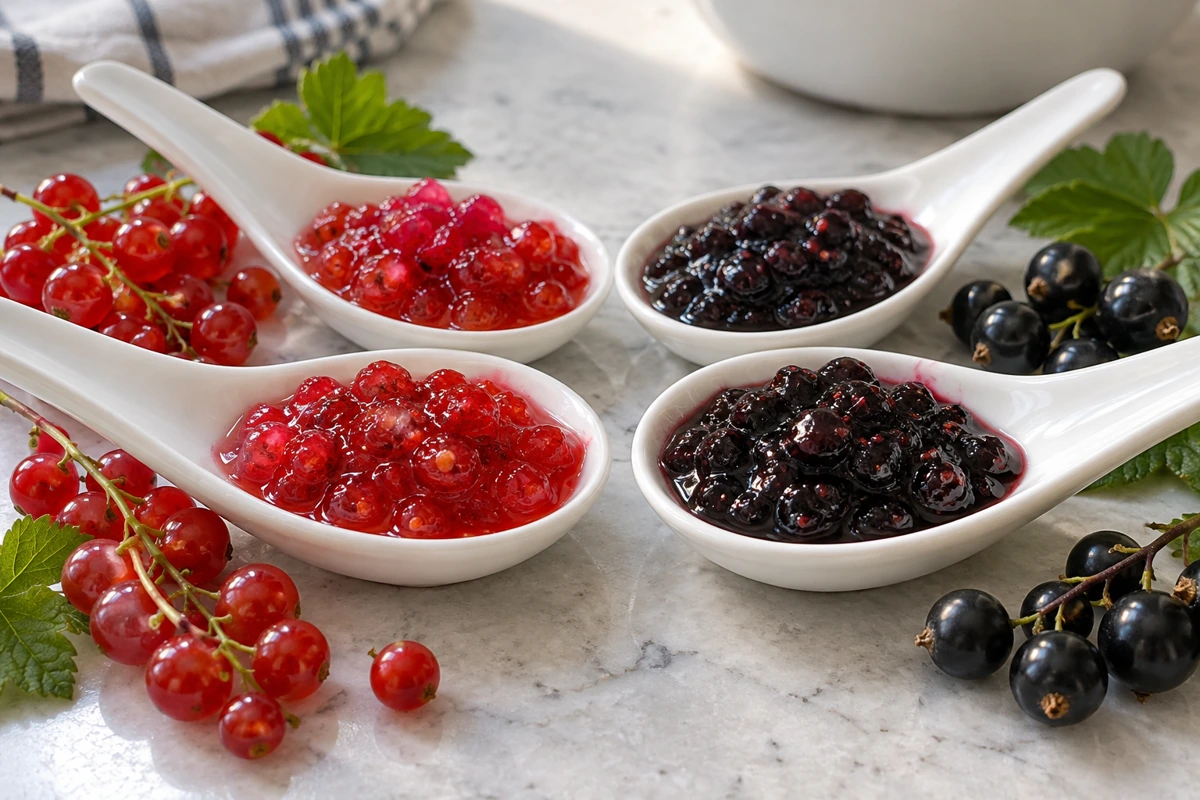
Compare aroma and taste using similarly prepared fruit samples. Illustrative scene.
Use the same preparation state when comparing two samples. A cold, intact frozen berry releases less aroma than a warm crushed sample. Comparing one directly from the freezer with another after cooking combines species, temperature and processing effects. Prepare both according to their intended use, keep the portion size and serving temperature consistent, and avoid leaving one uncovered for much longer. A meaningful comparison needs enough information to be repeated by someone who was not present at the first tasting.
Sugar and acid measurements can support the sensory decision. Soluble solids give useful context for a fruit preparation, but a Brix reading includes soluble material beyond sugar and does not fully predict perceived sweetness. Titratable acidity and pH answer different questions. Neither alone supplies a complete flavour description. When analytical limits matter, agree the sample preparation and method as well as the number. An undefined reading on thaw liquid cannot fairly be compared with a result measured on a fully mixed fruit sample.
Think about the surrounding food. A rich butter cake may soften the impression of sharp fruit; a lightly sweetened drink can expose it. Dairy, chocolate, spices and other fruits can also change how easily the currant aroma is recognized. Test the finished food before choosing a higher fruit dose. Increasing blackcurrant may deepen aroma and colour while also changing acid and seed load. Increasing redcurrant may sharpen the dish without creating the dark aromatic character the developer had in mind.
An established reference sample is more useful than a universal claim that one colour is sweeter. Keep the accepted recipe, preparation route and tasting description together. For repeated purchasing, note which changes the customer can tolerate and which would alter the product identity. We can then discuss a lot against that specific target. The more detailed background in our blackcurrant flavour guide helps when a development team needs to distinguish its characteristic aroma from a defect.
| Decision | Red currants | Black currants |
|---|---|---|
| Fruit appearance | Usually translucent red berries | Opaque very dark purple to black berries |
| Aroma direction | Often a bright, lighter berry impression | Often a more pronounced cassis or green-herbal impression |
| Recipe choice | Useful where red fruit identity and tartness matter | Useful where dark colour and distinctive aroma matter |
| What still needs testing | Actual lot, preparation, dose and final food | Actual lot, preparation, dose and final food |
Judge colour in the finished food
Whole redcurrants offer a translucent red appearance that is difficult to reproduce with an opaque dark berry. Blackcurrants usually create darker purple fruit pockets or preparations. That difference can guide an early product concept: a pale dessert with red accents, for example, has a different visual target from a uniformly dark fruit filling. Make the choice with the food in view. The appearance of a heap of berries on a white plate is only one stage of the decision.
Crushing releases coloured juice and skin material, while screening changes what remains in the preparation. A smooth sauce, a clear juice and a mixture containing skins can look different even when all begin with the same fruit lot. Establish the intended fruit fraction before setting a colour expectation. If one sample is strained more finely, its appearance should be assessed as the resulting product, with recovery and flavour considered alongside colour. A darker sample is not automatically the more useful ingredient.
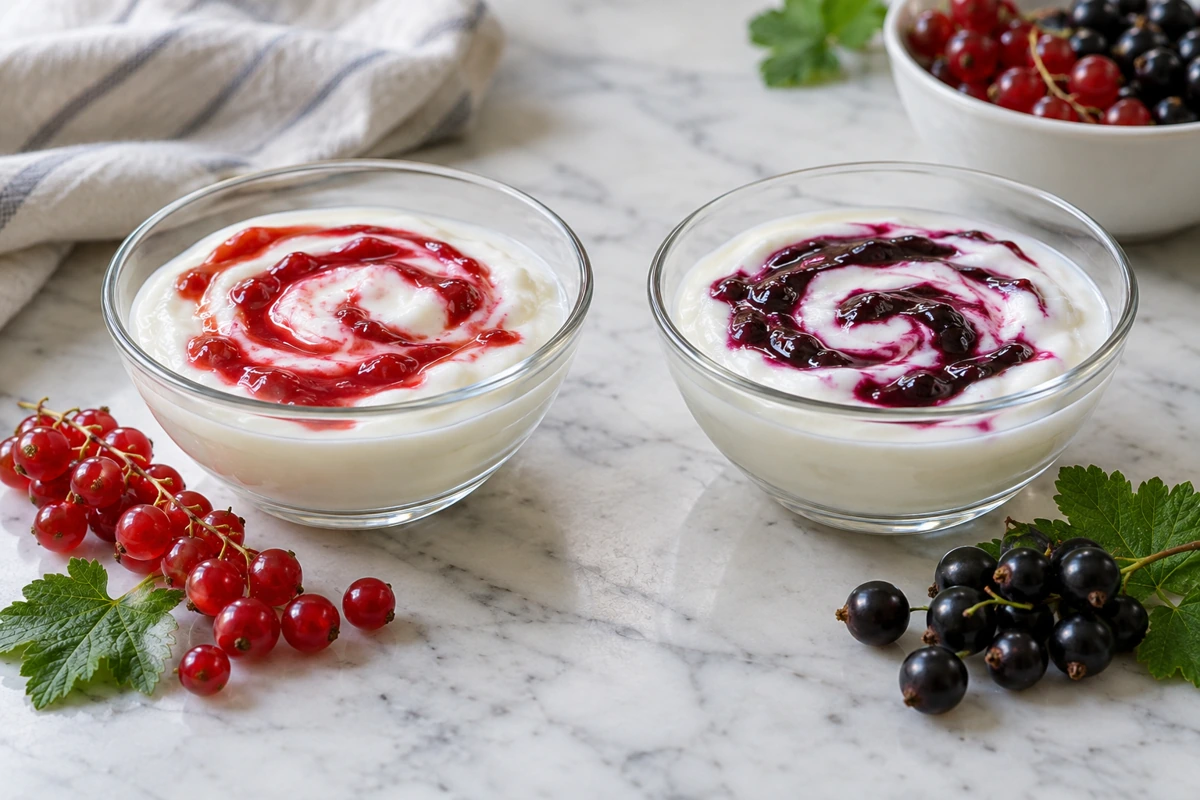
A white dairy base makes differences in fruit colour and distribution easy to observe. Illustrative scene.
The background also matters. A small amount of redcurrant preparation on white yogurt looks different from the same amount stirred throughout it. A blackcurrant swirl may create a pronounced visual boundary; complete mixing produces another shade and removes that boundary. Decide whether the design requires a separate layer, a marble effect or a uniform colour. Then use the same placement and mixing method in the comparison. Photographing a fresh swirl and an aged mixed sample does not establish which fruit colours the product better.
Heating, holding, dilution and the formulation can change the appearance that customers eventually see. Rather than promising an exact colour from a raw-berry photograph, carry the candidate fruit through the intended process and examine it at the intended serving point. For a baked product, cut it after the normal cooling period. For a sauce, check the same depth in the same vessel. For a chilled dessert, include the expected holding interval. These are proposed development checks, not claims that a particular GreenLand lot has undergone them.
Colour can spread beyond the original berry. In a cake, some staining around fruit pockets may be part of the desired appearance, while a pale batter may need cleaner separation. Gentle incorporation, fruit condition and the recipe influence that result. It is usually more informative to compare the baked crumb than to judge whether the uncooked batter looked tidy. A visually clean mixing bowl can still produce pronounced staining during heating, and a streaked batter can produce an acceptable finished slice.
Agree a practical reference under consistent lighting. Include the food background, fruit dose and relevant storage point in the record, so the next delivery is compared with the same target. Where instrumental colour measurement is justified, specify the sample and method; where it is not, use clear reference photographs and an agreed viewing procedure. Keep food safety and identity checks separate from colour acceptance. Appearance can support a quality decision, but it cannot establish microbiological condition or confirm a treatment history.
Choose the berry for the bake
Choose redcurrants when bright red fruit pockets and a sharp interruption to a sweet crumb support the product. Choose blackcurrants when the bake benefits from a more assertive currant aroma and dark fruit colour. These are useful development directions, with room for either fruit in many recipes. The deciding question is how the fruit works with the dough or batter after baking and cooling. A pleasant spoonful of raw sweetened berries does not tell you whether a cake slice will hold together.
Whole berries, crushed fruit and screened preparations have different effects. Whole berries create separate pockets and keep the fruit identifiable. Crushed fruit spreads more widely through the mix. A screened preparation can give a smoother filling but must have the right consistency for the pastry or cake. Decide which effect is intended before comparing red with black. A whole-redcurrant cake and a blackcurrant-puree cake test several changes at once, making the result difficult to translate into a purchasing decision.
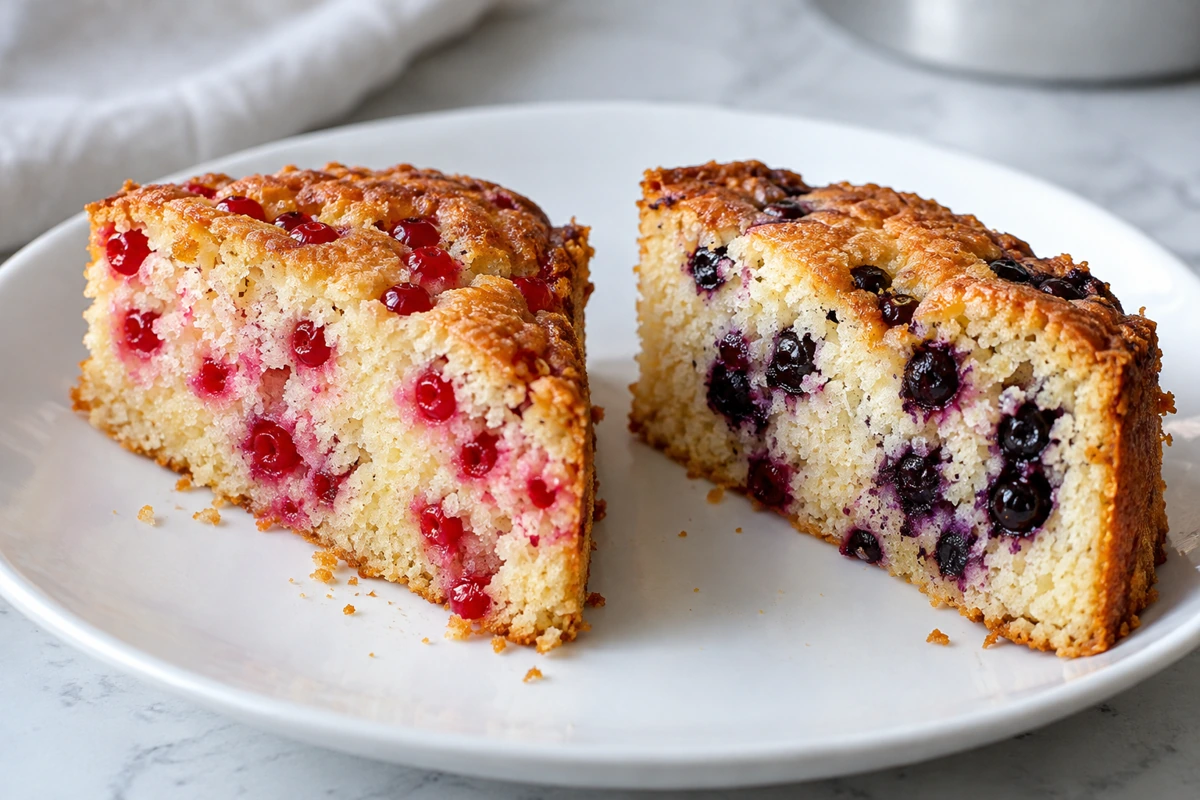
Assess the fruit pockets and surrounding crumb after the actual bake. Illustrative scene.
For frozen fruit, follow a recipe or process developed for the chosen addition state. Some bakes accept fruit directly from frozen; a short cooking time may require a different approach. Frozen berries also cool the mixture and release liquid as they thaw. Keep the fruit weight, starting condition, mixing time and pan fill consistent in a small trial. Check the product's cooking endpoint by its appropriate method. A fixed extra number of minutes cannot be assumed to work across pan sizes, oven loads and recipes.
Assess the cooled product, including the crumb immediately around the berries. Look for acceptable fruit distribution, moisture, colour spread and bite. A warm cake can seem soft simply because it has not finished setting; an attractive top can hide wet pockets inside. Cut equivalent portions and compare them at the same time after baking. If the product will be held, chilled or reheated before sale, repeat the assessment after that route. The relevant standard is the food the customer receives.
Seeds and skins become more noticeable in some formats than others. A rustic cake with whole berries can accommodate a different texture from a smooth pastry cream or thin filling. Straining may solve a texture problem, but it also changes the input from berries to a preparation. Record the resulting yield and the amount used. It would be misleading to compare the cost of a kilogram of whole fruit with a kilogram of screened filling without accounting for retained material and any added ingredients.
Use substitution trials to identify a workable recipe, rather than assuming a one-for-one change is invisible. Start with a controlled comparison, then adjust one factor at a time toward the desired product. A bakery may keep redcurrant for a lighter seasonal cake and choose blackcurrant for a richer filling. That is a legitimate range decision. The purchasing specification should describe the chosen berry form and application result, so a cheaper alternative is evaluated against the actual bake rather than a generic fruit description.
Build sauces and preserves around the fruit
Redcurrant is a useful choice when a sauce or jelly needs a bright tart flavour and a clear red visual identity. Blackcurrant can give a deeper, more aromatic sauce or syrup. Either fruit can be used with sweet or savoury foods when the recipe suits it. The balance changes with the serving portion: a small spoonful beside a rich dish has a different role from a generous dessert topping. Taste the sauce with the food and at the temperature at which it will be served.
Separate juice extraction from the final recipe. A clear jelly starts from a differently prepared liquid than a fruit sauce retaining pulp and skins. Removing particles changes mouthfeel, appearance and usable output. Pressing more material through a sieve may increase recovery while producing a cloudier or coarser preparation. Establish the required endpoint before choosing a method. There is little value in maximizing clear juice yield for a topping whose appeal depends on visible fruit, or preserving coarse pulp for a delicate glaze.
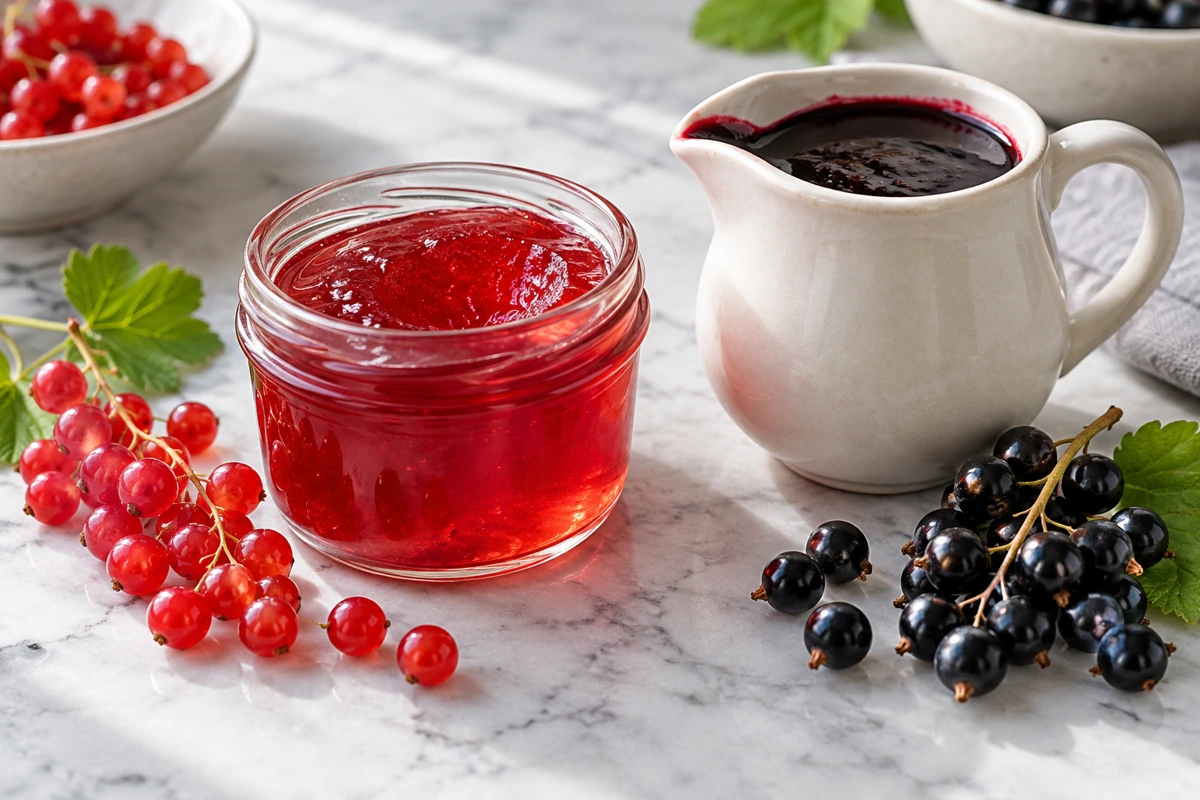
Clear jelly and a pulpy sauce ask for different preparation and texture targets. Illustrative scene.
Currants are traditionally useful in jellied products, but fruit identity alone does not guarantee that a particular formula will set. Ripeness, extraction, added ingredients and the recipe determine the result. For home preserves intended for shelf storage, use a tested recipe with its specified ingredients and processing instructions. A chilled trial sauce is a different product. Changing fruit, reducing sugar or replacing juice with pulp can change more than flavour, so a successful taste test cannot establish preservation safety.
In a commercial fruit preparation, the developer should define consistency at both processing and use temperatures. A hot sauce may pour readily but become too firm after chilling; another may flow well yet separate during holding. Test the actual container or dispenser when that matters. The blackcurrant syrup article explores clear and pulpy routes in greater detail. Here the choice between red and black starts with the intended colour, aroma and texture, before the process is refined.
For a savoury sauce, evaluate the fruit with the complete recipe, including stock, fat, seasoning and any acid already present. A redcurrant addition may supply sufficient sharpness without further acid; a blackcurrant version may need a different fruit dose to keep other flavours visible. These outcomes require a trial. Avoid compensating for every strong impression by adding sweetness, because that can move the sauce away from its intended role and alter its consistency at the same time.
Record the usable fruit fraction and finished output when evaluating cost. A lot that yields more acceptable sauce at the target flavour may have a different value from one that looks better as whole berries. Keep the incoming safety and foreign-material requirements firm while choosing physical tolerances for the process. Some sound broken berries may suit further processing, whereas stems and unrelated material remain separate defects. The agreed grade should reflect a deliberate application decision, supported by the buyer's actual equipment and finished-product checks.
Make a fair kitchen comparison
Begin a comparison with one clear product question. A pastry team might ask which fruit gives the preferred filling at an acceptable dose; a dairy developer might ask which keeps its character after mixing into the base. Avoid trying to answer every question in one tasting. Establish the recipe, output and serving condition first. Then select representative samples of the candidate fruits and retain their lot identity, so a promising result can be traced back to the material that produced it.
For the initial comparison, keep common conditions as similar as the application allows. Weigh the fruit, account for added sugar and water, use the same equipment and record any straining loss. If one material is sweetened or supplied in another form, state that difference instead of pretending the samples are directly equivalent. A concentrate and whole frozen berries need a defined comparison basis. Ingredient names alone do not reveal how much fruit, water or added sugar enters the finished food.
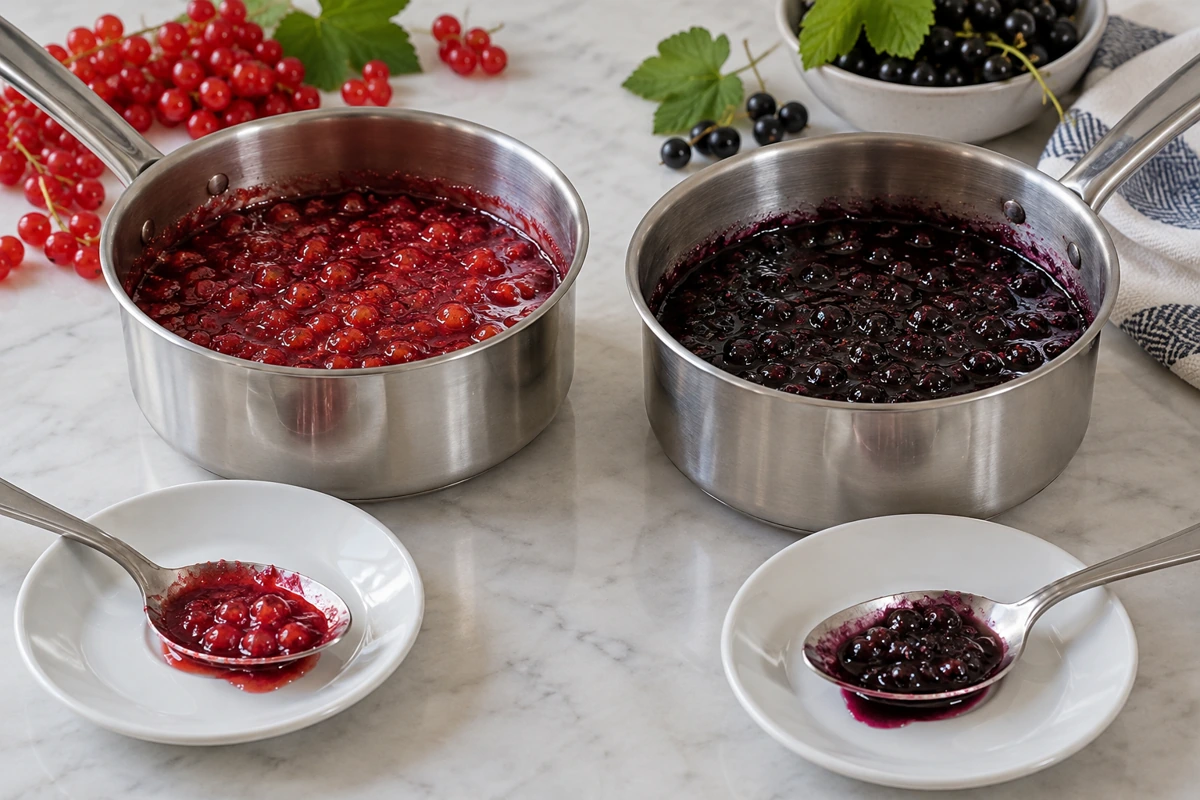
A matched recipe trial keeps the fruit comparison separate from changes in the base. Illustrative scene.
Use separate observations for aroma, taste, texture and appearance. The preferred colour may come from a sample with too much drying sensation, while the best flavour may need a change in fruit form to meet the texture target. A single overall score can conceal those tradeoffs. Invite tasters to describe the specific feature they would change, and retain the comments with the formula. Where practical, use neutral sample codes so brand, supplier or price does not dominate the first sensory judgment.
After the initial comparison, develop the preferred version through a small sequence of controlled changes. Adjusting fruit dose, sugar and thickener simultaneously can make an acceptable sample difficult to reproduce. Change the factor most closely connected to the observed problem, then reassess the complete product. The result may justify different recipes for red and black currants. Equal fruit weight is a useful starting condition, but commercial acceptance should ultimately depend on the intended food and a clear cost basis.
Repeat the useful checks on another lot when feasible. Natural fruit variation can be hidden by a single excellent sample. The aim is to learn which incoming attributes predict a change in the finished product. If intact berry share drives appearance, make that visible in the specification. If acid balance drives the serving dose, agree the relevant analytical method. If screen recovery determines cost, retain the preparation and weighing procedure. This is how a kitchen preference becomes a practical repeat-order requirement.
Keep the decision record brief enough to use. Include the chosen fruit and form, reference sample, recipe version, relevant handling, acceptance observations and unresolved questions. Proposed measurements should be identified as a trial plan until they have actually been performed. We can help the purchasing team describe the frozen ingredient and request the relevant lot information; the manufacturer or kitchen remains responsible for validating its finished food, preparation process and shelf life under the conditions in which it will be sold.
Specify the frozen fruit that passed the trial
An effective inquiry names redcurrants or blackcurrants in full and describes the form that passed the trial. For loose frozen redcurrants, state whether the berries remain visible, are cooked into a sauce or are screened for another preparation. That use helps explain why whole-fruit share, stems, breakage and released juice matter. A broad request for premium currants leaves these priorities unclear and can result in quotations that describe different products under a similar commercial label.
Define preparation limits in a way that can be checked. An acceptable stem allowance needs a sampling basis and a counting or weighing method. Whole-berry share needs a definition of an intact berry and a specified handling state. A sample examined while deeply frozen may look different after thawing, so the two observations should not be interchanged. Use photographs to support written criteria, particularly where the receiving team needs to distinguish a normal floral remnant from an attached stalk fragment.
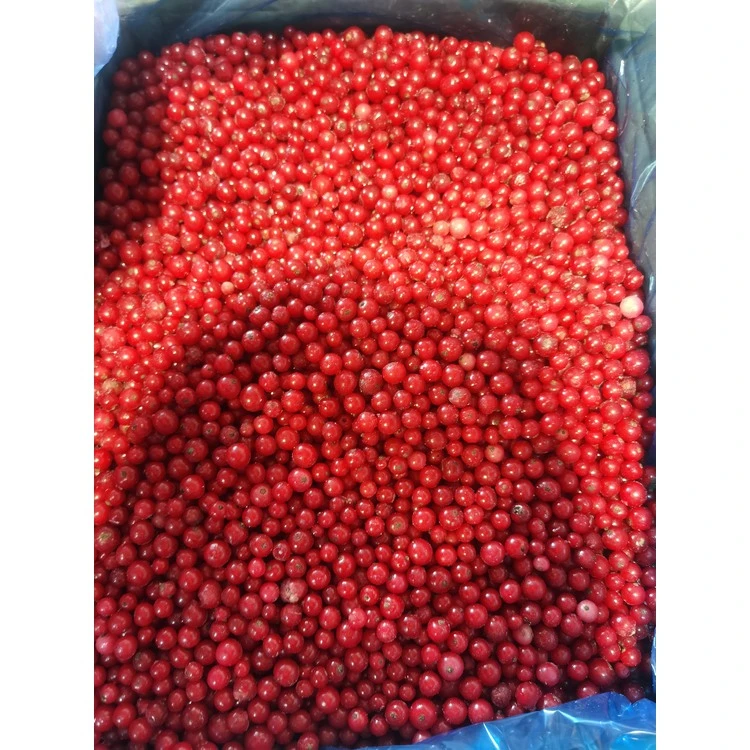
GreenLand product photograph of frozen redcurrants in a lined carton.
Packing should suit the portioning route. A kitchen opening small amounts at a time has a different need from a processor using a full liner in one batch. Confirm net weight, liner and carton arrangement, closure condition and how a partially used pack will be protected under the buyer's procedure. Product form and packing affect handling together. A suitable berry grade can lose value if the pack encourages unnecessary thawing, rough separation or repeated exposure during portioning.
Keep commercial and quality information connected to the lot. Confirm the available crop, origin or cultivar where required, quantity, shipment timing, destination and requested documents before placing the order. Do not infer a fixed minimum quantity or lead time from an article. The quotation should state the current offer and the accepted specification. Where microbiological or residue reports are requested, identify the required scope and represented lot rather than treating an unrelated certificate as proof about the consignment.
At receipt, compare the shipment with the agreed frozen condition and records. Photograph damaged packs or unusual clumps before handling obscures them, and follow the agreed procedure for a held or disputed lot. A change in kitchen performance can come from ingredient variation, transport, storage or preparation, so preserve enough information to investigate the cause. The approved recipe and reference sample make that discussion more useful than a complaint based only on the fruit being redder, darker or softer than expected.
The final choice should remain understandable to the people who cook, purchase and receive the fruit. Redcurrant may be selected for a bright red appearance and a lighter aromatic profile; blackcurrant may be selected for a deeper signature flavour. Once the food is approved, specify the form and controls that preserve that decision. We use those details to discuss an appropriate frozen redcurrant supply proposal and the sample needed for your application, with order-specific limits confirmed before dispatch.
Related reading
Explore blackcurrant aroma and taste in more depth before selecting a sensory reference.
Follow blackcurrants through clear and pulpy syrup routes, with attention to filtration and pourability.
Resolve another ingredient name: cassis identifies blackcurrant, while the supplied form still needs confirmation.
Source frozen redcurrants with GreenLand-food
GreenLand-food is a professional frozen redcurrants supplier and manufacturer in China, providing factory-direct wholesale supply for importers, food manufacturers, foodservice distributors, and private-label programs.
Send the product form, specification, packing, quantity, application, destination, private-label needs, and requested documents.