


What Is Cassis? Blackcurrant Fruit, Puree and Flavor Explained
Sep 24, 2026
Leave a message
Research This Article & Topic with AI
Verify key claims, compare reliable sources, and explore GreenLand-food's practical frozen food knowledge.
Article details and research questions are prepared in the links. Sign-in or sending may be required.
VIDEO EXPLAINER
What Is Cassis? One Fruit Name, Different Forms
Short educational video from GreenLand-food. Watch on YouTube
What cassis means on a fruit specification
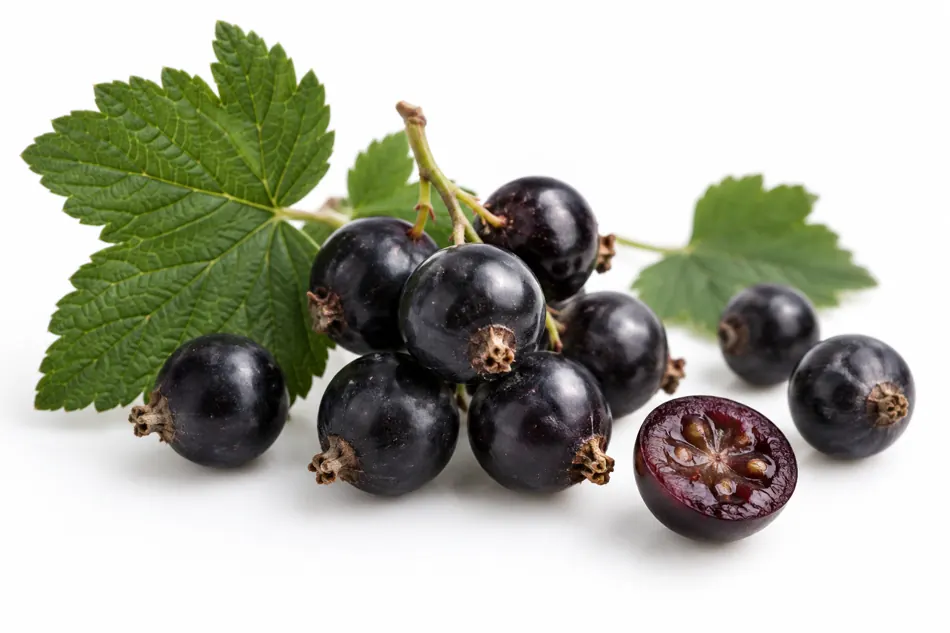
The French noun cassis identifies the blackcurrant plant and its fruit. The botanical name Ribes nigrum helps keep an ingredient specification unambiguous when a supplier, importer, and label team use different languages. Blackcurrants are small, nearly black purple berries borne in clusters. Their smooth skin encloses soft pulp and small seeds. They are separate from blackberries, which are bramble fruits made of many drupelets, and from the dried grapes that some English speakers call currants. A product name such as "cassis berries" should therefore lead to Ribes nigrum on the specification, not merely to a dark berry photograph.
The word also extends to prepared products. In French a shop may sell cassis fruit, cassis preserve, cassis syrup, or crème de cassis. On an English beverage brief, "cassis" can mean a blackcurrant flavor direction with no clear statement about the source ingredient. These uses share a sensory reference, but their composition, handling and labeling are very different. A frozen fruit carton should identify the raw material and form. A puree document should tell the buyer whether it contains only blackcurrant, whether it has been sieved, and whether sugar or other ingredients have been added. A flavoring needs its own ingredient and regulatory description. Ask for the complete product name and ingredient declaration when the word appears alone.

Cassis whole berry and puree.

Blackcurrants growing on a branch.
Blackcurrant's appearance is useful for a first check, but color cannot establish identity by itself. Very dark blueberries, elderberries, and some grapes can make a preparation look similar. Whole berries show size, skin, crown and stem traits that give more information than puree. Once fruit is crushed or filtered, traceability and supplier documentation matter more. We align the name on the quote, sample, carton, commercial invoice and certificate of analysis so a buyer does not approve one ingredient and receive another form under a broad flavor label.
For an importer, it is practical to put both names in the document: "IQF frozen blackcurrants (cassis), Ribes nigrum." This supports searches in both markets while defining the raw material precisely. The specification can then state origin, crop or lot, whole berry grade, packing, temperature, and intended application. The name may open the conversation; the accepted sample and measurable tolerances settle the purchase. That discipline also helps the product development team communicate with marketing colleagues who may use cassis as a consumer friendly flavor term.
The name also crosses several culinary languages, which can cause a purchasing misunderstanding even when every participant believes they are ordering the same flavor. A pastry developer may ask for cassis puree because a recipe uses that phrase, while a commodity buyer may search only for blackcurrant. The supplier may answer with whole frozen fruit suitable for making puree rather than an already pureed ingredient. The solution is to describe the material after the name: whole fruit, crushed fruit, sieved puree, juice or concentrate; ingredient percentage; sweetening status; and frozen or ambient delivery. These details are more useful than debating which word is more familiar in a given market.
How the fruit differs from finished cassis products
A whole blackcurrant is an agricultural ingredient. An IQF berry is sorted and quickly frozen so individual fruit can be weighed and dosed while frozen. A fruit puree is made by disrupting the berry and usually adjusting the level of skins and seeds through sieving. Juice is the liquid fraction expressed from fruit. A concentrate has had water removed. Preserves, syrups, dessert sauces and liqueurs add processing steps and may contain substantial sugar or other ingredients. They are not interchangeable simply because the front label says cassis.
The difference appears immediately in a formula. Whole berries retain visible fruit identity in a muffin, compote or retail bag, but they release juice as they heat or thaw. Puree distributes dark pigment and tart flavor more evenly through a yogurt fruit layer, beverage base or sorbet. Juice provides liquid flavor and color but less pulp texture; a concentrate can be efficient in a drink line but needs controlled reconstitution. A sweet syrup delivers fruit character in a ready-to-use balance, yet the buyer gives up some control over sweetness. Any finished alcoholic product belongs in a separate supply and labeling discussion from frozen fruit.

Blackcurrant fruit anatomy.
"Cassis flavor" does not necessarily certify a percentage of blackcurrant fruit. It may describe a sensory target achieved through fruit, flavorings or a combination. The ingredient panel and technical sheet should answer that question. If a brand promises blackcurrant fruit in a finished product, its formulation and label must follow the applicable destination-market rules, including how fruit content and added flavorings are declared. We avoid inferring those details from a flavor name. Buyers should ask for an ingredient breakdown, processing method, Brix, acidity and sample in the relevant form.
The commercial cost comparison also changes with form. The price per kilogram of puree and whole fruit says little without usable yield and formulation data. A processing plant may accept broken but sound berries for a puree route if the approved grade and defect limits allow them; a visible topping needs a stronger whole berry standard. Conversely, a puree that saves in-house pressing labor could justify a higher unit price when it meets seed, viscosity and packaging needs. Compare cost in the finished recipe and line, including handling loss, rather than treating all cassis products as one commodity.
Sampling should follow the same distinction. A whole berry sample can establish fruit identity, size, color and frozen separation, but it cannot prove the behavior of a finished puree supplied by another processor. A small puree sample may show aroma and seed texture but reveal little about the whole fruit grade used upstream. When a quote covers several forms, request a separate representative sample and specification for each form. Record the sample date and lot, because crop variation may make an old reference unsuitable for accepting a new season's shipment without a comparison test.
The taste and color of blackcurrant
Raw blackcurrant has a pronounced acid bite, dark fruit depth and a distinctive aroma that some tasters describe as leafy, herbal or floral. Those descriptions vary by cultivar, ripeness and the person tasting. A strongly aromatic berry may be valuable in a dilute drink where milder fruits disappear, while the same strength can overwhelm a delicate dairy base if the dose is too high. We recommend tasting the supplied form both on its own and at the intended use level in the finished matrix. A supplier's broad "typical cassis flavor" statement cannot substitute for a panel or production trial.
For a closer explanation, see What Does Blackcurrant Smell and Taste Like?.
Skin and juice contribute a deep red-purple color. Its strength is part of blackcurrant's appeal in beverages, frozen desserts and fruit preparations, but color can change with pH, heat, oxygen, light and storage. A dark frozen berry does not guarantee that a beverage will keep the desired shade after dilution or shelf life. Test the actual formula under the planned process conditions. In yogurt, observe pigment movement into the white base over the expected storage time. In bakery filling, check the post-bake color and the fruit's tendency to bleed into dough. In a clear drink, verify clarity and sediment expectations along with color.
For preparation details, see Can Blackcurrants Be Frozen?.

Bulk whole frozen blackcurrants.
The balance of soluble solids and acid matters more than either figure alone. Brix is a useful reading of soluble solids in fruit juice, yet it does not state perceived sweetness by itself because blackcurrant acidity is prominent. A sweeter crop lot may still taste sharp if acidity is high; dilution can expose green notes as well as soften tartness. When reviewing a COA, ask which test method was used and compare lots under the same method. Sensory acceptance can be written against an approved reference sample rather than an adjective on a sales sheet.
Sweetness, heat and fat change how cassis reads. Sugar rounds the acid edge in jam and fruit preparation. Dairy fat can soften sharpness while preserving dark berry aroma. Baking introduces cooked fruit notes and may reduce some fresh top notes. That is why a chilled whole berry, a boiled filling and an ambient syrup should not be used as sensory equivalents. A formulation team should name the critical perception: vivid fresh acidity, rich cooked berry, a dark natural color, or visible fruit pieces. The right ingredient grade follows that target.
Tasting terminology is most useful when it leads to a decision. If the purchasing team calls one lot "more cassis-like," write down what changed: stronger fruit aroma, more leafy character, higher apparent acid, deeper color or a longer drying finish. Then test whether that change matters in the target formula. A panel tasting straight juice can rank acidity very differently from a panel tasting a sweetened yogurt. Consistent sample preparation, temperature, dilution and tasting order make supplier comparisons more reliable. Keep the language descriptive and avoid treating a poetic flavor phrase as a measurable specification.
Whole frozen cassis and puree behave differently
Whole IQF blackcurrants offer visible identity and flexible use across several lines. Their small size can help distribute fruit throughout a bakery mix or fruit preparation, provided the berries remain sufficiently separate in frozen handling. A buyer should check berry size range, whole fruit percentage, broken and crushed tolerance, stems, leaves, foreign matter, surface ice, and clumps. Those are practical receiving points because a block of berries cannot be dosed like a free-flowing product. If the intended application is a clear juice, whole fruit may create extra pressing and filtration work, but it leaves those decisions with the processor.
Puree moves part of that work upstream. The processor crushes fruit and may sieve out seeds or skin fragments to meet a texture target. That makes the ingredient easier to disperse through a beverage or dairy line, but buyers need to specify the pulp level and the treatment used. "Puree" is not one universal texture. A coarse puree may suit a rustic fruit preparation; a smooth preparation may need finer screening. A sweetened fruit preparation cannot be substituted for 100% fruit puree without recalculating sugar, fruit content and label copy. Ask for a sample that represents the proposed lot and a specification that describes the actual form.

Blackcurrant pressing and puree.
Freezing protects supply planning, yet a stable cold chain remains essential. Blackcurrants soften after thawing and release colored liquid; this is expected fruit behavior rather than automatic evidence of spoilage. Excessive clumping, heavy surface ice, leaked juice in a sealed carton, or a thawed and refrozen block can signal temperature abuse or poor packing. We review product condition, carton integrity and storage records with the application in mind. A puree delivered in frozen blocks needs a planned thawing and portioning method; whole IQF fruit needs a receiving setup that keeps it frozen until use.
There is also a yield question. Straining skins and seeds from whole fruit reduces usable puree mass, and extraction settings change the outcome. A buyer comparing whole berry and puree quotes should run a trial using the same berry input and the target sieve, then count retained solids and line time. A high visual grade may not be economically necessary when the fruit will be pressed immediately, although food safety and defect limits remain in force. For a retail whole berry pack, appearance and separation carry much more value. We help purchasers specify grade against that end use rather than overbuying one attribute and overlooking another.
Processing should preserve the distinction between normal thaw behavior and a preventable supply defect. Fruit cells break during freezing and thawing, so even sound blackcurrants may release purple juice. A contract that rejects any liquid after thawing would misstate the material. It is more useful to define a thaw protocol and compare drip loss, breakage and color against an approved sample. The same protocol should specify how long the fruit is held, the container used and whether surface moisture is included. These decisions help the buyer interpret a receiving test without penalizing normal fruit behavior or overlooking evidence of an unstable cold chain.
Explore Frozen blackcurrant supply for available forms and order details.
Where the ingredient works in food and drink
In beverages, cassis can provide a recognizable dark berry note at a relatively modest fruit addition, but an actual dose must be established by sensory trial. A still drink, sparkling drink and dairy beverage place the aroma in different environments. Carbonation can lift acidity, while dairy can mask it. If the drink is filtered, decide how much cloud, sediment and pulp are acceptable before choosing whole fruit pressing or puree. Also test color and flavor after the planned heat treatment and packaging, not just in a freshly blended bench sample. A fruit flavor concept only becomes an order specification once the line requirements are known.
In dairy, a blackcurrant puree or fruit preparation can form a layer or swirl with high visual contrast. The buyer should consider fruit piece size, viscosity, acid compatibility and color migration into the base. Yogurt fruit-on-bottom, stirred yogurt and ice cream need different distribution and freeze-thaw behavior. Whole berries may give a premium visible identity but can firm up in a frozen dessert and release liquid during thaw. A smoother puree can be easier to meter, though seed and skin texture still need agreement. We propose a form after seeing the product's target texture and process sequence.

Blackcurrant food applications.
Bakery and confectionery use cassis for strong color and an acid counterpoint to sweet dough, cream or chocolate. A filling needs control of free water, set and color bleed. A visible berry piece needs enough integrity to survive mixing and baking; a puree can deliver a more even flavor through a mousse or glaze. Frozen berries can go into a process while still cold if the recipe accounts for the resulting water and bake time. The purchasing brief should distinguish a fruit topping, a baked filling and a smooth puree base. Those are different performance tests even when all three use the same Ribes nigrum fruit.
Jam, sauce and sorbet each reveal another part of the berry. Cooking rounds the fresh sharpness and builds a fuller fruit impression in jam. A sauce may keep some seed texture or be finely sieved according to the menu. Sorbet exposes both acid and aroma because there is little fat to soften them; sweetness and freezing alter perception, so bench tasting should occur at serving temperature. Cassis also pairs well with sweeter fruit such as apple or strawberry when a product needs dark berry depth without full blackcurrant intensity. The blend ratio is a formulation decision, not a fixed property of the ingredient.
What buyers should confirm before ordering
Begin the RFQ with the exact product name and intended food use: IQF whole blackcurrants or a specified blackcurrant puree, with Ribes nigrum in the identity line. Add the desired size or texture, target Brix and acidity if they matter to the recipe, natural color range, aroma reference, defect and foreign matter tolerances, and any microbiological or residue requirements for the destination market. State whether the fruit must be unsweetened and whether other ingredients are permitted. A clear brief allows a supplier to propose a suitable grade and quote rather than guessing from "cassis."
Then state packing, quantity and process needs. Whole berries for an industrial line may be packed in lined cartons, while a puree needs a container and portion size that fit thawing and dosing. Foodservice and private-label packs add different artwork, case and barcode decisions. Ask for current stock and crop information, a representative sample, lead time, and shipment temperature plan. The quote should identify whether the proposed form is currently available or requires a production run. We confirm those points against the actual order rather than promising every possible format under one catalog line.

Blackcurrants with a caliper size check.
Acceptance should be testable at both sample and arrival. Keep an approved reference sample or written sensory target, define how size and broken ratio are checked, and agree what documents travel with the batch. A specification and COA should connect to lot numbers; packing list and invoice should match carton marks; available certificates and test reports should be confirmed for the supplying facility and market. At receiving, inspect temperature, seal condition, clumping or leakage, and a representative fruit or puree sample. A shipment can have an attractive color and still fail the application's seed, defect or handling standard.
For buyers comparing cassis with other berry ingredients, request trial material early enough to test the final formula. The most useful comparison is how each form performs after your process and during storage. If whole berry appearance matters, inspect several cartons. If puree flavor and color are the reasons for purchase, measure the actual beverage, dairy or bakery result. We supply frozen blackcurrant programs around confirmed form, grade, packing, quantity and destination requirements, and can discuss additional processing options only after the target specification is clear.
Source frozen blackcurrant with GreenLand-food
GreenLand-food is a professional frozen blackcurrant supplier and manufacturer in China, providing factory-direct wholesale supply for importers, food manufacturers, foodservice distributors and private-label programs.
Send the product form, specification, packing, quantity, application, destination, private-label needs and requested documents. We will confirm the proposed lot and terms against your requirements.