


What Does Blackcurrant Smell and Taste Like?
Sep 03, 2026
Leave a message
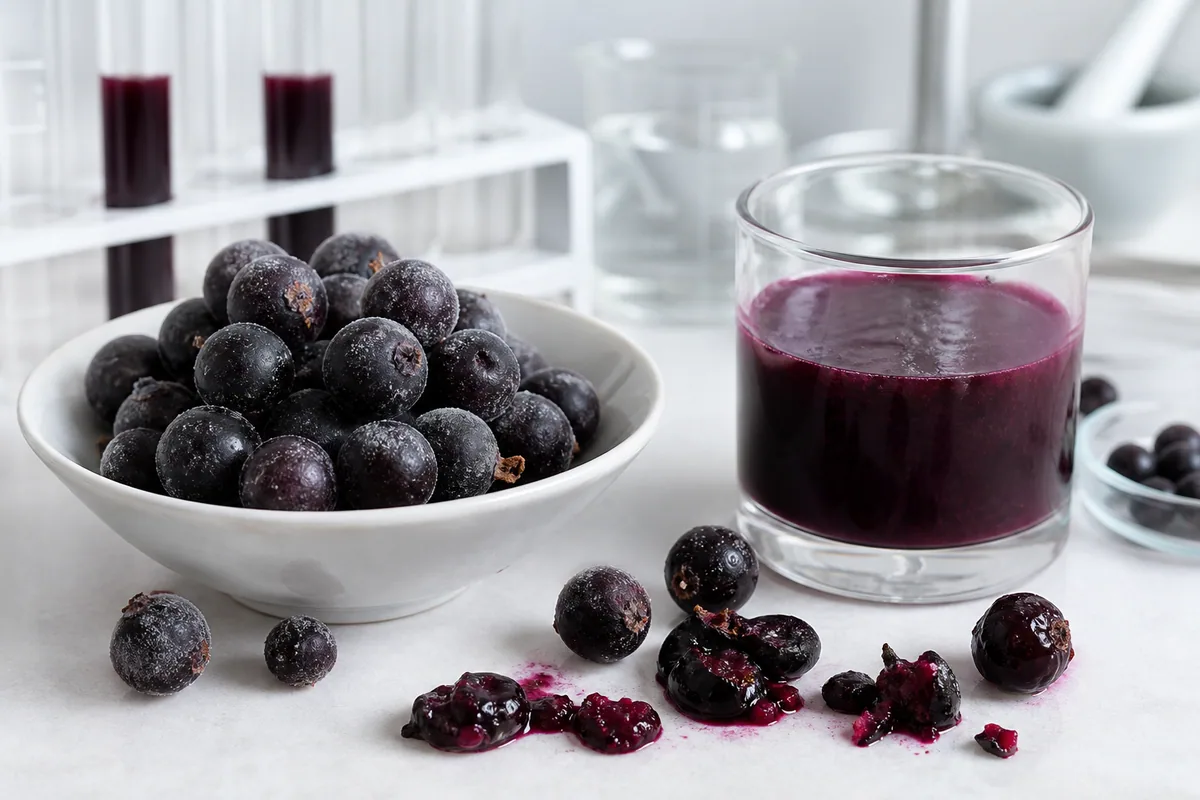
Dark berry, tart, green-herbal and distinctly aromatic
Ripe blackcurrant fruit can smell like concentrated cassis, blackberry skin, grape skin, herbs, flowers and a faint resinous or earthy note. On the palate it is sharply acidic, moderately sweet, juicy and astringent. Some people notice a musky or sulfurous edge, especially in concentrated or underripe material. The balanced profile becomes rounder in syrup, jam, dairy and baked fillings.
Blackcurrant fruit aroma is not identical to the strong green or catty scent associated with blackcurrant buds, leaves or perfumery accords.
Key takeaways
- Blackcurrant is more intense, acidic and aromatic than blueberry and usually more herbal than blackberry.
- Fruit, buds, leaves and fragrance accords should not be described as the same sensory material.
- Whole IQF berries, puree and juice release aroma, color, skin and seed solids differently.
- Buyers should approve a lot in the real formula using Brix, acidity, aroma, color, stems, broken ratio and off-odor controls.
Quick comparison
| Form | Sensory behavior | Best applications | Buyer check |
|---|---|---|---|
| Whole IQF berries | Burst acidity, skin and seed texture, visible fruit | Retail packs, inclusions, toppings, compote | Whole rate, size, stems, broken berries, free flow |
| Crushed fruit or puree | Immediate color and aroma, distributed solids | Beverages, yogurt prep, sauce, filling | Brix, acidity, seed/skin level, viscosity |
| Juice or clarified base | Clean dosage and color with less texture | Drinks, syrups, confectionery | Strength, dilution basis, acidity, color stability |
| Sweetened preparation | Rounder cassis profile and lower perceived sharpness | Dairy, bakery, dessert, foodservice | Fruit percentage, added sugar, flavor and stabilizers |
Blackcurrant aroma is layered, not simply "berry"
The first impression of ripe Ribes nigrum is often concentrated dark fruit: cassis, grape skin, blackberry and plum. Underneath sit green-herbal, leafy, floral, earthy or resin-like notes. Depending on cultivar and maturity, a taster may also notice a musky or sulfurous edge. That complexity is part of blackcurrant identity, not automatically a defect. The useful question is whether the note is normal for the approved lot and balanced in the final product.
A fermented, moldy, stale or chemical odor is different. Evaluate berries first while frozen for visible condition, then after controlled thawing and finally in the formula. Cold suppresses aroma, crushing releases it rapidly and heating changes it again. A single sniff of a sealed frozen bag is not a complete sensory approval.

Fruit aroma is different from bud and perfume language
Blackcurrant buds and leaves are used in fragrance discussions and can smell intensely green, resinous, sulfurous or catty. Perfumery also uses the word cassis for an accord that may exaggerate selected notes. Edible ripe fruit includes some green complexity but is usually assessed with juice, sweetness, acidity, skin and seed. An article about what the fruit tastes like should not copy a fragrance description as if consumers were eating buds.
For application details, see What Is Cassis? Blackcurrant Fruit, Puree and Flavor Explained.
For ingredient specifications, name the material: whole fruit, puree, juice, concentrate, natural flavor or another preparation. A "blackcurrant flavor" compound is not the same purchase as IQF Ribes nigrum. Ingredient statements, dosage, regulatory status and application testing differ.
Acidity and astringency shape the taste
Blackcurrant's high perceived acidity gives a quick bright attack. Natural sugars provide body, but ripe berries can still taste much sharper than blueberries. Skin and seed compounds create an astringent drying sensation, especially in crushed whole fruit or long extraction. Underripe fruit can be greener and harsher; overripe or damaged fruit may lose freshness or develop fermentation. The best lot is not simply the one with the highest Brix.
Taste Brix together with titratable acidity, pH, aroma and maturity. Two berries at the same soluble-solids reading can feel different if acid differs. For a beverage, the formulator can adjust water and sugar, but a coarse green or fermented note is harder to repair. Record a target sensory balance and a reference formula rather than approving raw sweetness alone.
Whole fruit, puree and juice behave differently
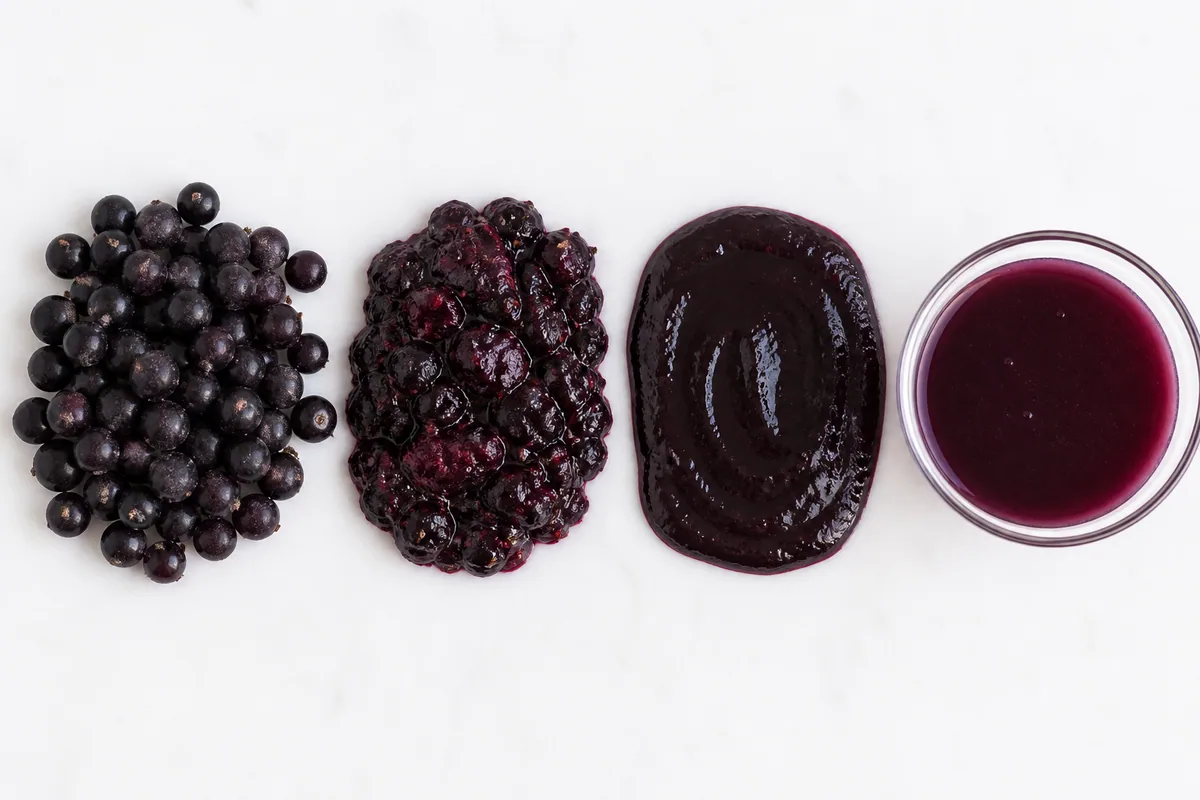
Whole IQF berries release flavor gradually. In a muffin or yogurt, the consumer experiences a tart burst, skin and small seeds. Crushed fruit and puree distribute color and acid through the matrix, which improves consistency but removes the contrast of intact berries. Juice or clarified base provides cleaner dosing and fewer solids but may lose some body. A concentrate adds another variable because dilution determines the final sensory strength.
Compare forms on an equivalent fruit-solids or finished-formula basis. A kilogram price comparison is misleading if one product is diluted juice, one is puree and one is whole fruit with natural water and solids. Record yield after straining, retained seed load, viscosity and loss during pumping. Choose the form that the line can handle, not only the form with the strongest sample aroma.
Processing temperature changes aroma and color
Gentle thawing under refrigeration preserves a more fresh-fruit profile than leaving an open container warm. Heating softens sharp green notes and builds jammy depth, but prolonged boiling can flatten high notes and darken color. In bakery, the fruit experiences high oven temperature inside a protected wet filling; in beverages, pasteurization and storage may expose aroma and anthocyanin color to oxygen, light and pH changes.
Run a time-zero and shelf-life sensory check in the real pack. The bright purple color seen in an acidic laboratory cup may shift in dairy or a neutral bakery matrix. GreenLand-food can discuss frozen whole fruit and applications, but the final formulation stability belongs to the buyer's process validation.
Balance blackcurrant in beverages and puree systems
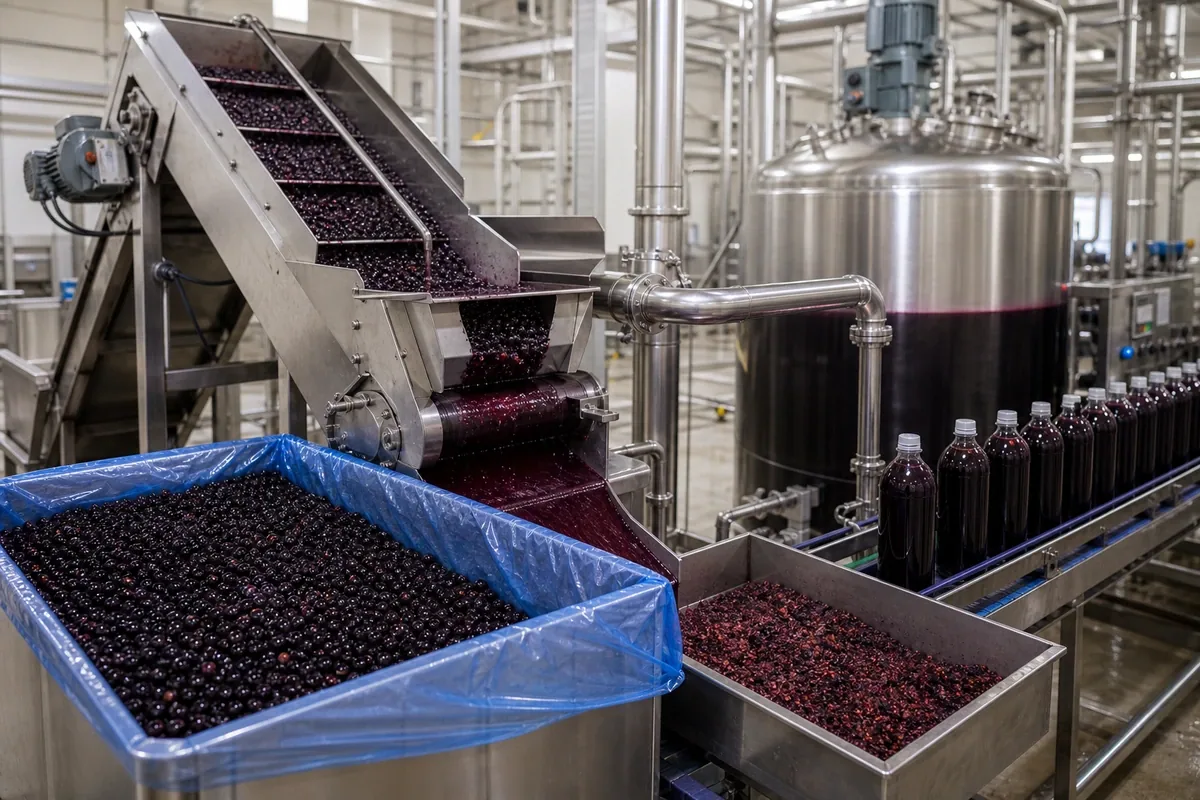
Start with a small unsweetened fruit dose and build sweetness after tasting the acid. Too much sugar can turn complex fruit into generic candy; too little can leave an aggressively sharp drink. Citrus may brighten the top note but can also make total acidity severe. Apple, pear, grape or mild berry bases can add body and soften cost while leaving blackcurrant recognizable. Record fruit percentage, added sugar, acid and final Brix.
For puree or smoothie use, skin and seed particles affect mouthfeel and sediment. Decide whether the product will be strained, homogenized or allowed to separate naturally. A beverage factory should test pumpability, screen blockage, color ring and aroma after pasteurization. The best whole-berry grade is not necessarily the best puree input; controlled broken fruit can be commercially rational if food-safety and defect standards remain equal.
Bakery and dairy expose different parts of the profile
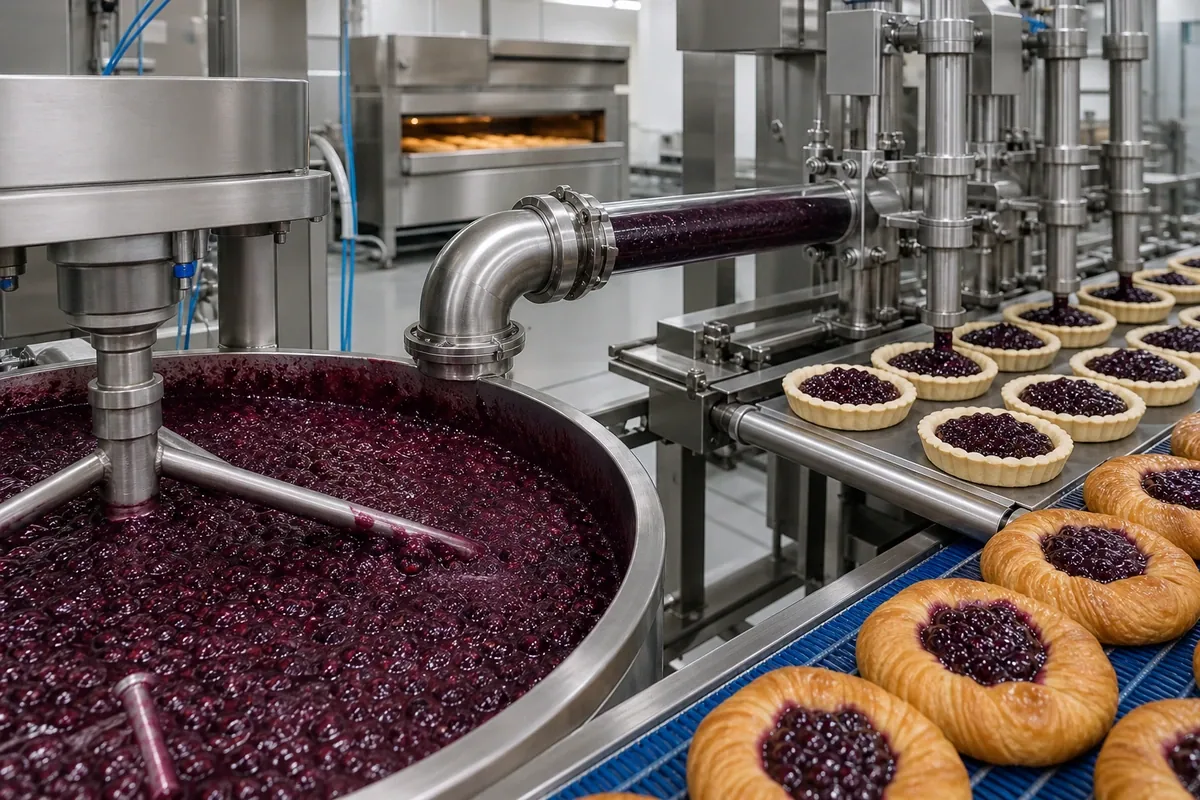
In bakery filling, blackcurrant's acid can cut through sugar and fat. Whole berries create bursts but may bleed juice and leave cavities; puree creates an even ribbon but can thin a filling. Pectin, starch and solids need adjustment through formulation, not by blaming the fruit. Bake a standardized filling and assess spread, leakage, color, seed perception and flavor after cooling.
In yogurt or ice cream, dairy fat and cold temperature soften aroma and perceived acidity. A fruit preparation often needs more concentrated flavor than a room-temperature tasting suggests. Test swirl definition, whey separation, freezing behavior and flavor after the product warms slightly in the mouth. Again, the raw fruit's darkest color is not a complete approval criterion.

Build a repeatable sensory and specification trial
Code samples so the panel does not know supplier or price. Compare frozen appearance, controlled-thaw aroma, unsweetened puree taste and the final application. Score dark-fruit intensity, green note, off-odor, sweetness, acidity, astringency, color, seed texture and aftertaste. Use at least two lots where possible to learn natural crop variation. Keep a retained approved sample within its quality window.
A commercial IQF blackcurrant request should define species, origin, grade, berry size, Brix reference, acidity when needed, dark color, stem and leaf tolerance, broken ratio, clumps, surface frost, foreign matter, pack and testing. At GreenLand-food, we confirm current-lot and order details rather than promising one sensory number for every crop.
Worked decisions that a short answer cannot cover
Worked beverage adjustment: sugar alone is not the answer
A 5% whole-fruit puree drink tastes too sharp, so the team adds sugar until it becomes heavy but the green edge remains. A better trial holds sweetness and tests a slightly lower fruit dose, a mild apple base and the same finished acidity. The objective is recognizable blackcurrant with clean finish, not the maximum fruit number.
Record the full formula. Without water, sugar, acid and fruit-solids data, the next lot cannot be compared honestly.
Why a thawed sample smells stronger than a frozen bag
Volatile compounds move more readily as the fruit warms, and crushing exposes juice and skin. Frost and low temperature suppress what the nose detects. This is why frozen-bag aroma is useful for off-odor screening but weak for full flavor approval.
Standardize thaw time, sample temperature and crushing method. Sensory consistency begins with the test, not only the ingredient.
Stem tolerance depends on visible use
A small stem may be screened out during juice processing but remain obvious in a retail berry pack or yogurt topping. One universal grade can overpay in one application and create complaints in another.
Define stem and leaf tolerances with photographs and sampling. Food-safety and foreign-material controls remain firm even when a processing grade accepts more broken fruit.
Cassis can disappear in a strongly flavored matrix
Chocolate, coffee, heavy spice and high-fat dairy can mask blackcurrant's top notes. Increasing fruit may raise acid and seed load without restoring the desired aroma. A compatible flavor system or format change may work better.
Run the trial after the full heat and storage cycle. A bench-top fresh mix is not proof of launch performance.
More detail for a repeatable decision
Build a sensory vocabulary that a panel can repeat
Begin with five agreed axes: dark-berry intensity, green-herbal note, floral or resinous complexity, acidity and astringency. Add disqualifying terms such as fermented, moldy, rancid or chemical. Give panelists reference samples so one person's "earthy" is not another person's "dirty."
Use a simple 0–5 scale and leave space for comments. Blind codes reduce price and supplier bias. Evaluate at a fixed sample temperature because a cold berry releases less aroma than a warm puree. Clean water and plain crackers can reset the palate between lots.
Do not average away a serious defect. If one cup contains fermented berries, investigate distribution and sample plan. A clean average score across many sound berries does not make a localized defective pocket acceptable.
Color and aroma do not always move together
A very dark berry can have weak top notes after long storage or heat. A slightly lighter lot can smell fresher. Anthocyanin color responds to pH, oxygen and processing, while volatile aroma follows different pathways. Approve both instead of using color as a proxy for flavor.
In an acidic drink, blackcurrant may appear bright red-purple; in dairy it can move toward a duller violet and may fade or separate over time. Packaging light barrier and oxygen exposure matter. A bench cup photographed on day one does not prove shelf-life color.
If color is critical, define an instrumental or physical reference along with sensory limits. Digital images support communication but should be captured under controlled lighting without filters.
Crop maturity affects green and sulfurous notes
Underripe blackcurrants can taste sharply acidic and greener. Ripe fruit develops fuller cassis character and sweetness. Damaged overripe fruit may begin fermenting. A representative maturity distribution at intake helps the processor manage flavor before freezing.
Cultivar also changes aroma. A buyer should not demand one universal descriptor from every origin. Instead, approve a range that fits the formula and identify notes that are unacceptable. Current-lot tasting is especially useful for premium beverages.
Freezing holds the crop profile but does not improve weak fruit. Sorting removes leaves, stems, rot and abnormal odor; it cannot manufacture aroma. A strong specification begins with raw-material selection and ends with the application.
Formulation trials need a cost-and-yield worksheet
For whole fruit, record thawed drained yield and the share lost to stems or screening. For puree, record usable solids and pump loss. For juice, record strength and dilution. Convert all three to cost per liter of finished beverage or kilogram of filling.
Then add formulation consequences: sugar, acid, stabilizer, heat time and filtration. A low-price fruit that needs heavy correction can cost more in the final product. A premium whole grade can waste money if it is crushed immediately.
Put sensory score beside cost rather than choosing one first. The useful option meets the target profile, runs on the line and delivers predictable yield within the commercial plan.
Turn a sensory target into purchase and production limits
Write a target profile in plain language before requesting samples: pronounced ripe cassis aroma, clean green-herbal complexity, bright acidity, controlled astringency and no fermentation. Add the final beverage, filling or dairy application because the same raw intensity will not survive every matrix.
Choose two measurable anchors that matter to that product. A beverage may use fruit Brix, titratable acidity and puree viscosity. A retail berry pack may use size, whole rate, stems and broken pieces. Do not add laboratory numbers merely because they are available; each limit should support a formulation, process or customer expectation.
Approve the current lot under a fixed thaw and tasting method. Record sample temperature, fruit dose, sugar, acid, heat and panel result. Retain enough approved material for a comparison within its proper storage life. If the next crop shifts naturally, the reference allows a controlled decision rather than an argument over memory.
During production, check the mixed tank or filling at a defined point. A correct incoming puree can be overheated, over-diluted or exposed to oxygen. Finished-product color, aroma and acidity must still meet the company's release plan. Supplier approval and factory control are connected but not interchangeable.
Finally, align marketing language with the tested result. Use tart, dark-berry, cassis-like and green-herbal only when the product delivers those cues. Avoid promising one poetic perfume note across every crop. Honest sensory copy leaves room for natural fruit and builds a more reliable blackcurrant identity.
Putting the answer into practice
For first-time tasting, dilute unsweetened puree or crush a few thawed berries rather than eating a large spoonful of concentrate. Notice the dark-fruit aroma first, then acidity, sweetness, green complexity and the drying finish. Add sugar only after the baseline is clear.
For beverage development, keep one neutral reference base. Every new lot should enter at the same fruit solids and processing condition. If a panel changes water, sugar and fruit simultaneously, it cannot identify whether the ingredient or the formula caused the difference.
For bakery or dairy, test after the complete heat and storage period. Blackcurrant can look vivid and taste sharp on the bench, then soften or fade inside fat, starch and cold temperature. The finished matrix is the buying evidence.
The best description is specific but not theatrical: concentrated dark berry, bright tartness, green-herbal complexity and astringency. That language serves consumers and gives buyers a sensory framework they can actually test.
What to confirm before approving volume
A useful inquiry describes the ingredient and the job it must do. Send the product identity, form, target application, packing, quantity, destination and the quality points your team will measure. We will review current availability and an appropriate supply route where possible. Final size, process, ingredients, limits, microbiology, documents, shelf life, lead time and commercial terms remain subject to the approved specification and order confirmation.
- Confirm Ribes nigrum and whole, crushed, puree or juice form.
- Define Brix reference together with acidity, pH or sensory balance when relevant.
- Set berry size, whole rate, broken ratio, stem and leaf tolerances.
- Inspect clumps, frost, foreign matter and abnormal odor.
- Approve the lot frozen, thawed and in the final formula.
- Confirm pack, cold chain, testing, documents and crop-lot variation.
Frequently asked questions
What does blackcurrant smell like?
Ripe fruit smells dark-berry and cassis-like with green-herbal, floral, earthy or resinous undertones.
What is blackcurrant flavor similar to?
It combines aspects of blackberry, tart grape skin, plum and a green herbal note, but it is more intense and acidic than blueberry.
Is blackcurrant sweet or sour?
Both, but sharp acidity usually dominates unsweetened fruit. Ripeness, cultivar and sugar in the final product change the balance.
Why does blackcurrant sometimes smell unusual?
The fruit naturally has green, musky and occasionally sulfurous complexity. Buds and perfume accords can be even more catty; fermented or moldy odor is a separate defect.
Does frozen blackcurrant taste different from fresh?
Freezing softens tissue and cold suppresses aroma, but well-handled IQF fruit can retain strong color, acid and cassis character for cooked or formulated uses.
Are blackcurrants the same as blackberries?
No. Blackcurrants are small round Ribes nigrum berries; blackberries are aggregate Rubus fruit. Their flavor and texture differ.
What form is best for beverages?
Puree, juice or controlled crushed fruit usually doses more consistently than whole berries. Choose by solids, mouthfeel, color and process.
Are whole blackcurrants good for bakery?
Yes, when tart bursts and visible fruit are desired. Test juice bleed, seed perception, filling viscosity and bake stability.
What should buyers include in a blackcurrant sensory specification?
Include normal aroma and color, disqualifying off-odors, Brix or acidity references, whole and broken ratios, stems, leaves, frost and application test.
Can GreenLand-food supply IQF blackcurrants?
We can discuss whole IQF blackcurrants, grade, size, Brix reference, packing, quantity, destination and documents against current crop and order details.
Reference points
- Illinois Extension blackcurrant overview
- Blackcurrant Foundation research resources
- GreenLand IQF frozen blackcurrants
These sources support the classification, method or supply boundaries used above. The applicable product label, specification, food-safety plan and destination-market rules still control a real batch.
Source Frozen Blackcurrants for your real application
GreenLand-food is a frozen blackcurrants supplier and manufacturer in China, providing factory-direct wholesale support for importers, food manufacturers, foodservice distributors and private-label programs. Send the required form, specification, packing, quantity, destination, application and documents. We will review available order options and the next practical step.