


What Do Mushrooms Taste Like?
Aug 31, 2026
Leave a message
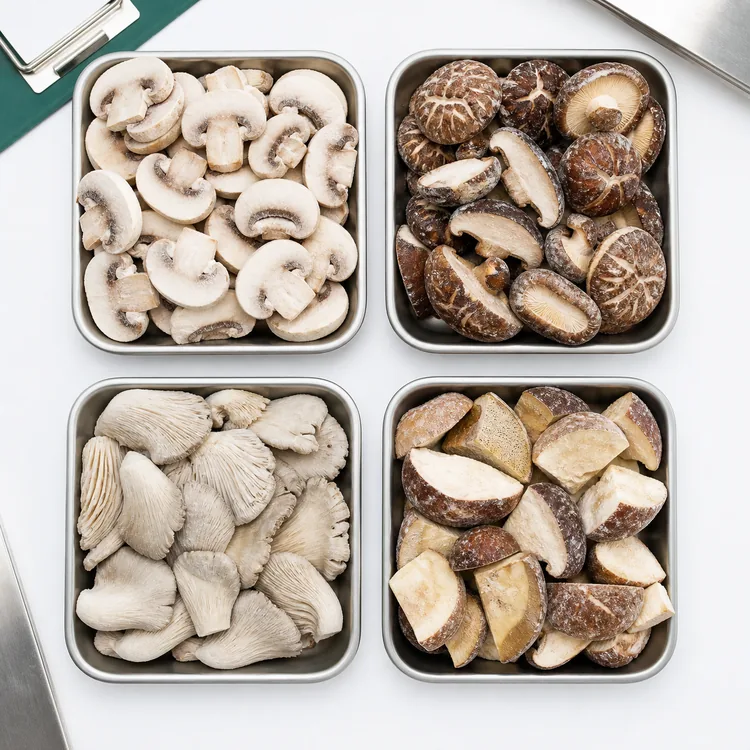
Mushrooms taste savory, but each variety plays a different role
Choose button mushrooms when you want a familiar, mild base; shiitake when the mushroom itself should contribute a bold savory note; oyster mushrooms when tender texture and subtle flavor matter; and porcini when a premium, nutty woodland aroma should lead. In a commercial product, confirm the variety in the same form you intend to buy. A dried porcini powder, an IQF porcini slice and a freshly sautéed porcini do not produce the same aroma, bite or dosage.
Button vs. shiitake vs. oyster vs. porcini: the commercial comparison
The table below describes the typical role of each mushroom, not an absolute sensory specification. Growing conditions, maturity, raw-material grade, blanching, freezing, storage and recipe conditions can all move the result. Use it to shortlist candidates, then confirm the chosen lot in your own process.
| Mushroom | Flavor profile | Texture and cooking behavior | Recommended commercial cut forms | Suitable commercial applications |
|---|---|---|---|---|
| Button | Mild, clean, gently earthy and lightly savory. Browning adds roasted depth without making the mushroom overly dominant. | Compact, smooth and moderately firm. Slices soften with cooking but retain a recognizable bite when thickness and heat are controlled. | Whole, caps, halves, calibrated slices and dice. Slice thickness should match cook time and visual coverage. | Pizza, pasta, soup, sauce, omelet fillings, prepared meals, foodservice mixes and retail packs. |
| Shiitake | Pronounced savory and umami character with woodsy, roasted and sometimes smoky impressions after cooking. | Resilient, slightly chewy cap; stems are firmer and more fibrous. The bite remains present in soups and stir-fries. | Whole caps, trimmed caps, slices, strips and dice. Stem inclusion should be agreed because it changes bite. | Asian-style meals, broths, noodles, dumpling fillings, sauces, plant-forward recipes and mushroom blends. |
| Oyster | Delicate, gently savory, mildly earthy and sometimes faintly sweet. Usually less forceful than shiitake or porcini. | Tender, silky caps with layered edges; stems can be pleasantly fibrous. Pieces can lose definition if overcooked or heavily agitated. | Small clusters, torn-style pieces, strips and calibrated chunks. Cap-to-stem balance affects tenderness. | Stir-fries, noodle meals, soups, plant-forward fillings, mixed mushrooms, foodservice sides and premium retail blends. |
| Porcini | Robust, earthy, nutty and woodland-like, with a deep savory aroma. Dried porcini can be substantially more concentrated than frozen pieces. | Dense and meaty when the raw material is sound. Frozen pieces need careful handling because softer tissue and free water can reduce definition. | Halves, slices, cubes and graded pieces; powders or granules for seasoning systems. Grade and allowable breakage need definition. | Risotto, pasta sauces, premium soups, gravies, fillings, compound butters, seasoning bases and high-value mushroom blends. |
Why do mushrooms taste savory?
The umbrella word is umami: the savory impression associated with compounds such as free glutamate and certain nucleotides. Their levels and the way we perceive them vary by species and processing. Mushrooms also bring volatile aromas that people describe as earthy, woody, nutty, roasted or forest-like. Those terms are useful only when a buyer defines the state being tasted.
A raw mushroom, a browned mushroom and a mushroom simmered in broth are three different sensory events. Browning can add roasted notes; drying can concentrate characteristic aromas; blanching can soften or mute some fresh notes; freezing and thawing can change cell structure and water release. Seasoning, fat, salt and recipe pH then reshape the result again. A commercial specification therefore should not promise "strong mushroom flavor" without a reference sample, preparation method and acceptance language.
Button mushrooms: mild, familiar and easy to position
Button mushrooms are the safest starting point when a formulation needs visible mushroom identity without an aggressive aroma. Their flavor is mild, clean, lightly earthy and gently savory. The raw bite can seem almost neutral; sautéing produces more roasted depth, while simmering lets the mushroom absorb broth or sauce. That flexibility explains their broad use in mainstream foodservice and retail recipes.
The texture is compact and smooth rather than fibrous. Whole buttons and caps give a strong visual cue but require more cooking time. Halves balance visibility and heat penetration. Calibrated slices distribute well across pizzas, pasta dishes and prepared meals; dice work when even dispersion matters more than the mushroom silhouette. A thin slice may soften quickly and release water sooner, while a thicker slice preserves more bite but needs enough time and heat to cook through.
When qualifying frozen button mushrooms, ask for variety, cap-size range, cut, slice thickness, stem allowance, blanching status, glazing if any, broken-piece tolerance and cooking result. Our frozen button mushroom form guide gives a more detailed specification framework.

Shiitake mushrooms: deeper umami and a resilient bite
Shiitake tastes more assertive than button or oyster mushroom. Typical descriptors include deep savory, woodsy and roasted. Some cooked samples may suggest a gentle smokiness, but that should not be written into a purchase specification without a mutually approved reference. In broths, sauces and Asian-style meals, shiitake can contribute enough character to remain recognizable beside soy, garlic, ginger or meat-based flavors.
Its cap has a resilient, slightly chewy structure. That can be an advantage in soup, noodle and reheated meal systems where a delicate mushroom would disappear. The stem is much firmer and more fibrous, so stem inclusion is a commercial decision rather than a minor cosmetic point. Whole or trimmed caps emphasize identity. Slices give controlled distribution and faster heating. Strips fit noodles, stir-fries and fillings, while dice spread flavor through dumpling or savory bakery fillings.
Ask suppliers to state cap diameter, cap-to-stem ratio, slice thickness, color range, maturity and broken-material tolerance, then compare aroma after cooking. For frozen supply, evaluate the product after the intended cook or reheat cycle-not only after thawing. The frozen shiitake specification guide covers the main grade and format questions.
Oyster mushrooms: subtle flavor, layered texture
Oyster mushrooms are usually gentler than shiitake and porcini. They offer a soft savory base, mild earthiness and, in some lots, a faint sweetness. Their commercial value often comes from texture and shape: the layered cap can look natural and premium, while strips can give a satisfying fibrous bite in plant-forward recipes.
Cap and stem do not behave identically. Caps are tender and silky; thicker stem sections are firmer. Large irregular pieces may look artisanal but create portion variation. Calibrated pieces improve dosing, yet aggressive cutting or mixing can increase breakage. Overcooking can collapse the layered structure and make the product feel soft.
Specify species, cluster or piece form, size band, cap-to-stem expectation, broken-piece tolerance, pretreatment and target bite after cooking. Read our oyster mushroom texture-control guide before setting a frozen product standard.
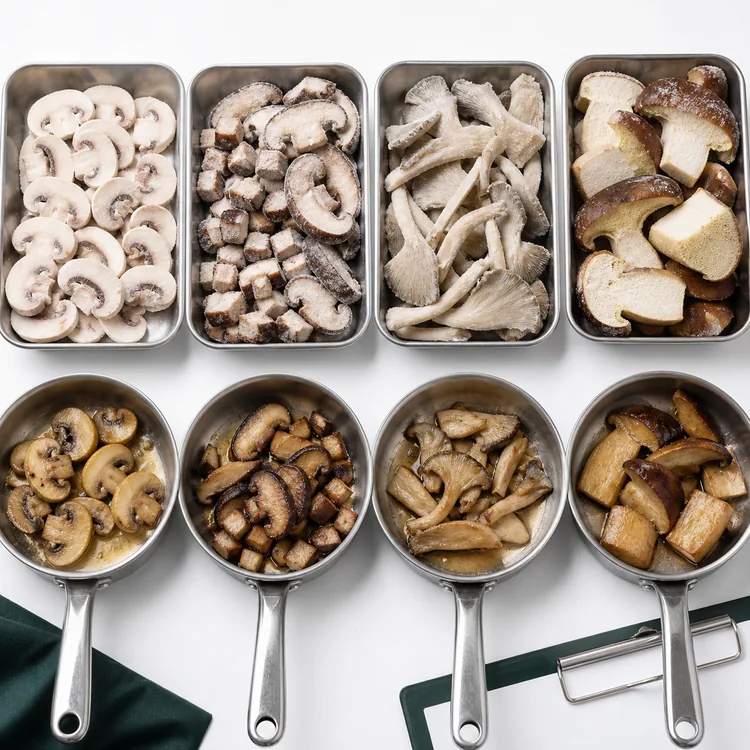
Porcini mushrooms: robust, nutty and distinctly woodland-like
Porcini is the most aroma-led option in this comparison. Good material can taste robust, deeply savory, earthy and nutty, with a characteristic woodland quality. The word "strong," however, hides an important distinction. Dried porcini and porcini powder can deliver concentrated aroma at a relatively low inclusion rate, while frozen slices contribute visible pieces, a meaty bite and a generally softer aroma profile. They are related ingredients, not direct equivalents.
Porcini texture should feel dense and substantial, but raw-material condition matters. Mature, damaged or heavily handled tissue can become soft, broken or watery after freezing and cooking. Slices and halves serve premium visual applications; cubes or graded pieces are more practical where even distribution matters. Powder or granules can reinforce a sauce, soup or seasoning system without adding a visible piece.
For commercial evaluation, define species, origin, grade, cut dimensions, cap and stem proportions, allowable defects, breakage, color, aroma reference and cooking test. Wild-harvested materials also deserve clear controls for sorting, foreign matter and lot variability. Our frozen porcini grade guide explains the major buying distinctions.

Product state changes the answer
When someone asks what mushrooms taste like, the species is only one variable. The state presented to the cook can change aroma intensity, water release, bite and dosage. Treat the following as a decision map rather than a ranking.
Fresh
Fresh mushrooms show the clearest raw appearance and can develop strong browned notes. Shelf life, respiration and handling affect consistency. A fresh result should not be used as the only approval reference for a frozen purchase.
Dried
Drying concentrates characteristic aroma and creates a separate ingredient behavior. Rehydrated pieces contribute flavor and solids; powder delivers fast dispersion. Define rehydration ratio or dosage in the actual recipe.
Blanched
Blanching supports process control but can moderate some fresh aroma and change firmness. Time, temperature and cooling conditions matter, so "blanched" alone is not a complete sensory specification.
Frozen
Freezing makes year-round commercial supply practical, but ice formation and pretreatment affect cell structure. Evaluate free-flow, ice, breakage and cooked water release; do not judge the lot from a thawed raw piece alone.
Cooked
Dry heat favors browning and aroma concentration. Wet heat moves mushroom flavor into the surrounding liquid. Reheating can further soften the bite. Approval should reproduce the customer's actual thermal process.
Mixed or seasoned
A blend can combine button economy, shiitake depth, oyster texture and porcini aroma. Confirm the percentage basis, piece-count impression and whether seasoning masks or amplifies the intended difference.
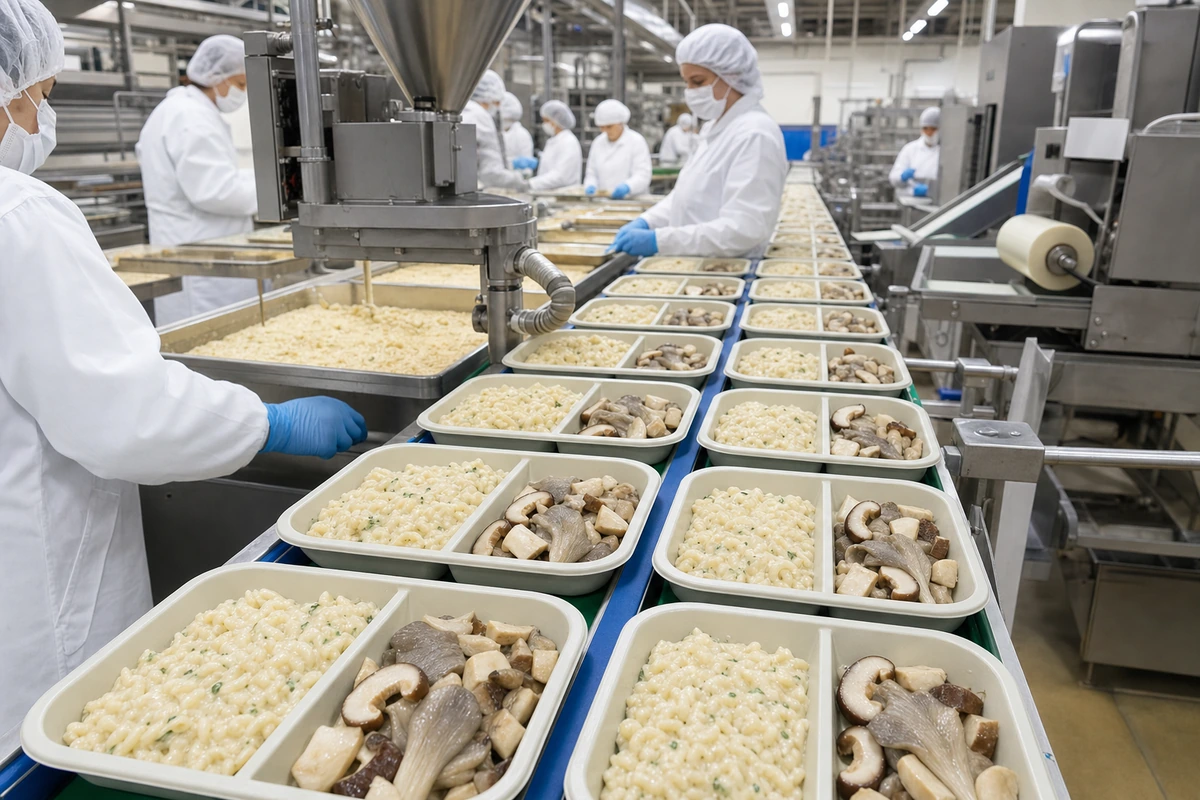
Match the mushroom to the application
Pizza and flatbread: button slices offer familiar coverage and mild flavor. Shiitake can create a more premium savory profile, but dosage and stem control matter. Test pre-bake water release because excessive moisture can affect the base and cheese surface.
Soups and broths: shiitake and porcini add depth; oyster pieces add visual variety and a softer bite; button remains neutral and economical. Decide whether flavor should stay in the piece or move into the broth.
Sauces and gravies: porcini powder or small pieces create a concentrated premium note. Button dice add solids without overwhelming seasoning. Shiitake works where a darker umami signature is welcome.
Ready meals and foodservice: use the final reheat cycle to select thickness and species. Resilient shiitake tolerates longer wet cooking; oyster may need gentler handling; button provides predictable familiarity; porcini is often best used as a value-adding accent.
Retail packs: visual recognition, free-flow and piece integrity matter alongside flavor. A coherent mix should look intentional, with declared composition and no single low-value component dominating the bag. See our broader frozen mushroom application guide.
A practical application matrix
| Application | Strong first candidate | Reason | Critical sample check |
|---|---|---|---|
| Mainstream pizza | Button slices | Familiar profile and even visual coverage | Bake loss, surface moisture and slice integrity |
| Asian soup or noodles | Shiitake slices | Assertive umami and resilient bite | Stem toughness and aroma after holding |
| Plant-forward filling | Oyster strips plus shiitake dice | Fibrous texture supported by deeper flavor | Piece length, binding and bite after reheating |
| Premium sauce or risotto | Porcini pieces or powder | Concentrated nutty woodland signature | Aroma intensity, grit, dosage and piece softness |
| Mixed retail bag | Calibrated multi-species blend | Visual variety and several flavor roles | Composition, free-flow, breakage and piece balance |
Turn taste words into approval points
Descriptors help a team discuss samples, but a purchase decision needs observable boundaries. "Earthy" may be attractive in porcini and excessive in a mild button-mushroom sauce. "Firm" may mean resilient enough for a retort-style meal to one developer and unpleasantly tough to another. Build a short scorecard around the actual product role.
- Aroma: define the expected mushroom character after the agreed cook, plus unacceptable musty, fermented, burnt or stale notes. Use a retained reference when possible instead of expecting a written adjective to carry the whole decision.
- Flavor intensity: decide whether the mushroom should lead, support or remain neutral in the finished recipe. Compare at the intended inclusion rate because a concentrated porcini ingredient and a visible frozen piece serve different functions.
- Texture: name the useful attribute-compact, resilient, tender, fibrous or meaty-and the defect to avoid, such as rubbery, mushy or woody. Score caps and stems separately when their proportions can vary.
- Appearance: record cut dimensions, recognizable species features, color range, piece integrity and distribution after processing. A piece that looks acceptable while frozen may become visually insignificant after cooking.
- Process behavior: track free liquid, cooked yield, breakage and flavor transfer into sauce or broth. These observations connect sensory preference to portion cost, line handling and finished-product consistency.
Keep the scorecard short enough for repeated use. The goal is not a laboratory vocabulary exercise; it is to let product development, quality and purchasing reach the same conclusion from the same sample.
Run one controlled sample test before approving a frozen mushroom
A useful approval test separates supplier performance from kitchen variation. Keep a written method and compare all candidates under the same conditions.
- Record the frozen state. Photograph the sealed sample and an opened portion. Note package temperature, clumping, loose ice, glazing, color, cut distribution and visible breakage before thawing.
- Set the sample mass. Weigh equal portions from representative areas of each bag. Do not select only the best-looking pieces. Record the proportion of fines or undersized material separately.
- Use the intended process. Cook from frozen or thawed according to your production reality. Fix the pan, load, heat, oil, salt, time and agitation. For a wet application, fix the liquid ratio and holding time.
- Measure the outcome. Record cooked yield, free liquid, visible shrinkage and piece integrity. Where useful, measure drained or cooked weight with the same equipment and timing.
- Score the sensory result. Use simple agreed anchors for mushroom aroma, off-notes, savory intensity, firmness, fibrousness, juiciness and overall fit. Taste blind when comparing suppliers.
- Repeat in the final recipe. A plain sauté reveals ingredient differences, but the approval decision should also survive sauce, seasoning, cook-hold and reheat conditions. Retain the approved method and reference for future lots.
What to put in a commercial mushroom RFQ
At GreenLand-food, we begin a frozen mushroom inquiry with the intended dish and production route. We then narrow the species, cut, pretreatment and pack so a visually attractive sample is not approved for the wrong cooking behavior. Add whole, cap, slice, strip, dice or piece form; target dimensions; tolerance for broken or undersized material; cap-to-stem expectations; blanching or other pretreatment; glazing; and any agreed sensory reference.
Then state pack size, bulk or retail format, bag and carton requirements, labeling language, private-label scope, order quantity, destination, target delivery window and loading preference. Ask which documents can be supplied for the quoted item and facility, rather than assuming every certificate applies to every product. Depending on the market and program, buyers may need product specifications, ingredient statements, allergen declarations, microbiological or residue criteria, traceability records, inspection documents and shipment paperwork.
Cold-chain expectations should cover storage temperature, loading condition and how temperature is monitored. Lot coding should connect finished packs to raw material and processing records. For repeat programs, define what requires reapproval: a new origin, major crop change, revised cut, different factory, updated pretreatment or sensory shift.
If you are still choosing a form, our Frozen Mushrooms 101 guide explains the main species, IQF and BQF formats, and buying variables.
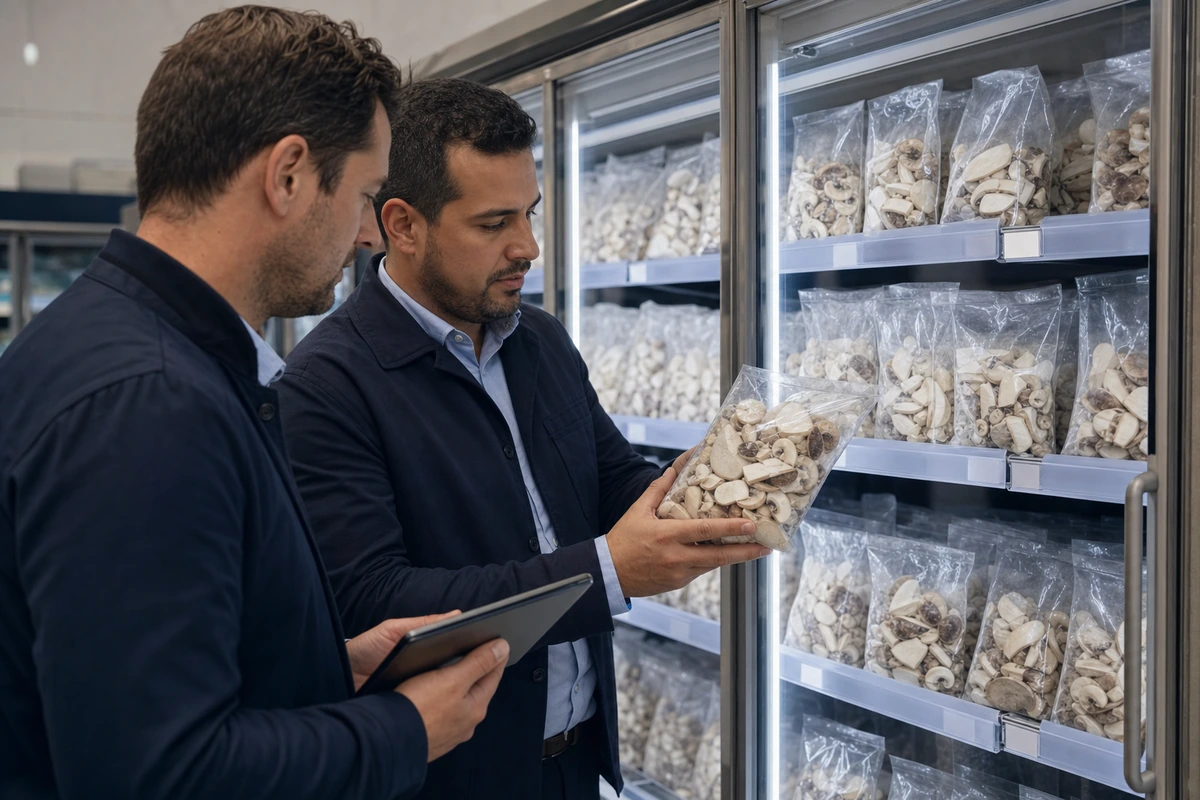
The sourcing conclusion
Button, shiitake, oyster and porcini are not simply four strength levels of the same flavor. Button is a mild platform; shiitake adds dark savory character and chew; oyster contributes subtle flavor and layered tenderness; porcini brings a distinctive premium aroma. The right choice depends on the role the mushroom must play after manufacturing, storage and reheating.
For a defensible decision, name the species, state, cut and intended application; approve a representative sample under a fixed cooking method; then turn the accepted sensory and physical result into specification language. That process is more useful than choosing from adjectives alone.
Frequently asked questions
Do all mushrooms taste like meat?
No. "Meaty" can describe a savory impression or substantial bite, but mushrooms do not all taste like meat. Button is mild, oyster is delicate, shiitake is more assertive and porcini is strongly aromatic. Cooking and seasoning influence the comparison.
Which mushroom has the mildest taste?
Button mushroom is usually the mildest and most neutral of these four. Oyster mushroom is also gentle, but its layered texture creates a different eating experience.
Which tastes stronger: shiitake or porcini?
Both are strong in different ways. Shiitake tends to give a deep, woodsy savory note and resilient bite. Porcini is more nutty and woodland-like; dried porcini can be especially concentrated. Compare the exact purchased form in the recipe.
Do frozen mushrooms taste the same as fresh mushrooms?
Not exactly. Frozen mushrooms can retain a clear species identity, but pretreatment, freezing, storage and cooking affect aroma, firmness and water release. Frozen products should be approved using the intended commercial process.
Can one mushroom replace another at the same inclusion rate?
Usually not without testing. The substitute may change flavor intensity, piece visibility, water release and bite. Start with the role you need, then adjust cut, ratio and seasoning through a controlled trial.
How can a buyer reduce watery results from frozen mushrooms?
Specify the form and pretreatment, check loose ice and glazing, cook representative portions from the intended state, avoid overloading the cooking surface, and record cooked yield and free liquid. Compare suppliers with the same method rather than relying on raw appearance.
Technical reading
For readers who want the science behind sensory variation, see the peer-reviewed mushroom sensory lexicon study and this review of mushroom flavor components. The commercial recommendations above are practical synthesis and should be verified against the buyer's product, process and market requirements.
Source Frozen Mushrooms with GreenLand-food
GreenLand-food is a professional supplier and manufacturer of frozen mushrooms in China, providing factory-direct wholesale supply for importers, food manufacturers, foodservice distributors and private-label programs.
Send the species or blend, product form, specification, packing, quantity, application, destination, private-label needs and requested documents.