


What Do Plums Taste Like?
Aug 31, 2026
Leave a message
Research This Article & Topic with AI
Verify key claims, compare reliable sources, and explore GreenLand-food's practical frozen food knowledge.
Article details and research questions are prepared in the links. Sign-in or sending may be required.
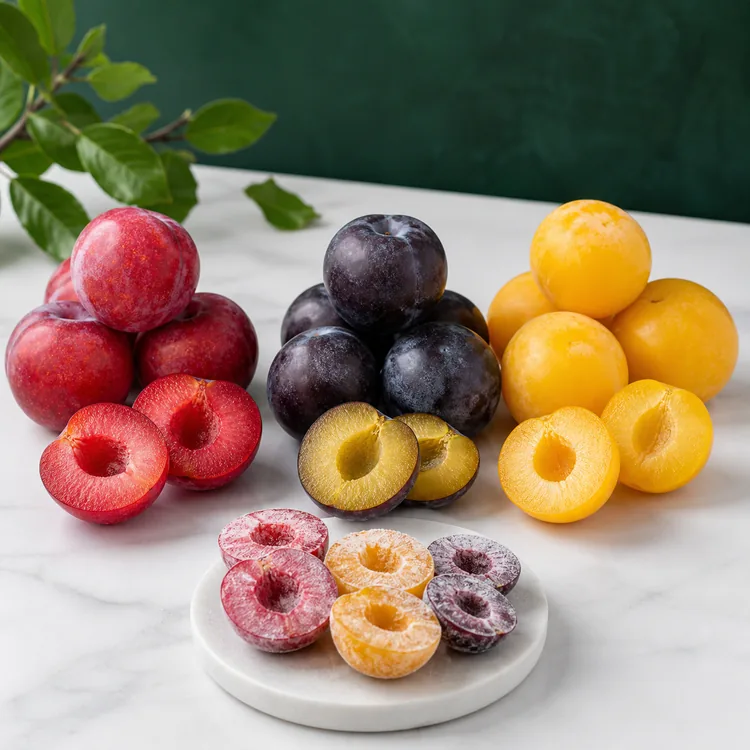
Plum flavor is a balance, not a color code
Most ripe plums combine berry-like or wine-like fruitiness with sweetness, lively acidity and plenty of juice. Black-purple plums often seem rich and mellow, red plums often read as bright and sweet-tart, and yellow plums can feel honeyed, floral or gently tangy. Those are useful shopping descriptions, not dependable specifications: a tart black cultivar can taste sharper than a ripe red one, and yellow flesh can sit under red or almost black skin.
For frozen supply, the useful question is not simply which color tastes sweetest. It is which cultivar and lot deliver the required Brix, acidity, aroma, skin impact, color, particle form and thawed behavior in the buyer's real recipe.
Color gives direction
Black, red and yellow labels help describe appearance and a likely style, but they do not identify cultivar, flesh color, maturity or sugar-acid balance.
The skin changes the finish
The flesh may taste soft and sweet while the peel adds sourness, slight bitterness or a drying sensation. Skin-on and skin-removed products can perform differently.
Freezing shifts texture first
Frozen plums keep a recognizable tart-sweet profile, but thawing softens the flesh, releases juice and can reduce the fresh aromatic lift.
Approve the application
A beverage, jam, bakery filling and yogurt preparation do not need the same plum. Test the proposed lot in the real matrix before fixing the order.
What creates the taste of a plum?
The familiar answer-sweet and tart-is accurate but incomplete. Plum flavor comes from several signals arriving together: dissolved sugars, organic acids, volatile aroma compounds, phenolics in the peel and flesh, juice release, and texture. The balance matters more than the highest number in any one column. A high-Brix fruit can still taste lively when acidity is also high, while a lower-acid plum can seem sweet even at a more moderate soluble-solids reading.
A peer-reviewed study of 86 plum accessions identified glucose, fructose and sucrose as major sweetness contributors, with malic and quinic acids supplying much of the sour impression. It also found that phenolic compounds-including epicatechin and proanthocyanidins-help explain astringency. The peel contained far more phenolics than the flesh in the studied accessions. That supports a practical tasting observation: bite through the skin and the first impression may be brighter or drier than the soft, sugary flesh that follows. See the open-access Food Chemistry: X plum flavor study for the analytical detail.
Texture changes perception as well. Firm flesh releases juice more slowly and can make acidity feel crisp. A fully ripe, soft plum floods the mouth with juice and dissolved sugars, often giving a rounder and more aromatic impression. This is why two plums with similar chemistry can taste different when one is firm and the other is meltingly ripe.
| Flavor driver | What you notice | Commercial interpretation |
|---|---|---|
| Soluble sugars | Sweetness, body and a ripe-fruit impression | Use Brix as one lot measure, then taste it in the finished formula; Brix alone does not predict balance. |
| Organic acids | Brightness, tang and a clean finish | Confirm the test method and target acidity or pH where the recipe depends on repeatability. |
| Skin phenolics | Tartness, light bitterness, astringency and darker color | Specify skin-on, skin-reduced or refined puree according to the desired finish and appearance. |
| Aroma compounds | Floral, berry-like, honeyed, wine-like or spicy notes | Evaluate the sample at the real serving temperature and after the intended heating or holding step. |
| Firmness and juice | Crisp, succulent, soft, jammy or watery perception | Match cut, maturity and thaw method to visible-piece, puree, sauce or filling requirements. |
UC Davis likewise treats soluble solids, acidity, their ratio, phenolic content and firmness as relevant quality indices for plum acceptance. It also warns that a red or dark surface can mask maturity, which is another reason to avoid using skin color as the acceptance method. The practical source is the UC Davis plum postharvest factsheet.

Color can describe a lot, but it cannot approve it
A photograph can confirm that the fruit is dark-skinned, red-fleshed or yellow-fleshed. It cannot establish sweetness, acidity, aroma, pit control, thaw loss or flavor consistency. Those points need a written specification, representative sample and agreed test method.
Use images to align the visual direction, then use the lot sample to approve the eating and processing result. This division prevents a deep-red sample photograph from becoming an accidental promise for every crop, cultivar or production lot.
Red, black and yellow plums: the useful comparison
The comparison below describes common sensory tendencies, not hard variety rules. Retail names usually refer to skin appearance, yet a black-purple plum may have amber flesh and a red-skinned plum may have yellow, orange or red flesh. Even fruit from one named cultivar changes as it ripens. Treat the table as a direction for sampling and application planning.
For a closer explanation, see How to Ripen Plums and Know When They Are Ready.
| Retail group | Typical flavor direction | Skin and color character | Strong frozen application fit | What to verify |
|---|---|---|---|---|
| Red plums | Often bright, juicy and sweet-tart; some red-fleshed cultivars give a deeper berry-like impression. | Red skin may cover yellow, orange or red flesh. Skin can provide a sharp edge and useful color transfer. | Bakery fillings, compote, fruit preparation, red-toned sauce, smoothies and visible fruit pieces. | Flesh color, Brix/acidity balance, skin bitterness, bleed, cut integrity and drip after thawing. |
| Black-purple plums | Often rich, mellow and sweet with a wine-like or dark-fruit impression; some cultivars remain distinctly tart. | Dark peel can add color and phenolic grip. Flesh may be amber, yellow, orange or red rather than black. | Jam, chutney, dark sauce, beverage puree, bakery filling and products that benefit from a deeper color. | Actual flesh color, peel load, astringency, cooked color, puree yield and the cultivar named on the offer. |
| Yellow plums | Can be honeyed, floral, mild and juicy with a gentle tart finish; some small yellow types are markedly acidic. | Light skin and flesh preserve a golden direction but may brown or look dull if maturity and processing are weak. | Light-colored beverage bases, yellow fruit blends, preserves, dessert sauces and products where red bleed is unwanted. | Cultivar identity, maturity, aroma intensity, browning, acidity and color after heating or thawing. |
A buyer who requests only "black plum" may receive a dark-skinned fruit with amber flesh, a dark-skinned fruit with red flesh, or a different named cultivar from one season to the next. Add the visual target, cultivar or approved equivalent, flesh color, maturity direction and sample reference to the specification when those distinctions affect the finished product.
Ripeness and cultivar can outweigh the color name
Plums generally become sweeter and less sharply acidic as they ripen, but the route is not identical for every cultivar. An underripe yellow plum may taste greener and more sour than a ripe red plum; a high-acid black-purple variety may retain an energetic finish even when the flesh is soft and sweet. Storage history also matters. Fruit that looks fully colored can still lack developed flavor, while poor postharvest conditions can produce mealiness, internal browning or flavor loss.
For fresh eating, a slight yield under gentle pressure and a clean plum aroma are useful cues. A commercial frozen program needs a more repeatable language. Define acceptable maturity, the sensory direction, and measurable checks appropriate to the application. "Sweet" is too loose for a beverage concentrate; "typical plum flavor, free from off-flavor" is too loose when the buyer is matching an established retail formula.
A stronger specification might require a named cultivar or approved equivalent, a lot-specific Brix result by an agreed method, a defined acidity or pH method when relevant, a skin-on or skin-removed statement, and sensory approval against a retained sample. It should also make room for agricultural variation: the practical aim is a controlled acceptance range and consistent finished-product performance, not a claim that fruit behaves like a synthetic flavor.
Flesh color deserves its own line. Red skin does not guarantee red flesh, and black-purple skin does not guarantee a dark puree. If color carries through to yogurt, beverage, filling or retail presentation, approve the thawed and processed color in the real matrix rather than approving a whole fresh fruit photograph.

Compare the frozen pieces and the thawed fruit together. Color, free-flowing condition, released juice, skin impact and the lot's measured flavor balance all affect application approval.
Freezing keeps the plum identity but changes how it arrives
Freezing does not turn a red, black or yellow plum into a different flavor family. A suitable ripe raw material should still deliver recognizable plum sweetness and acidity. What changes first is structure. Ice formation damages some cell walls, so the fruit becomes softer and releases liquid during thawing. The flavor may seem more concentrated in the recovered juice while the flesh feels less crisp.
Temperature changes perception too. Very cold foods mute aroma and sweetness, while acidity can remain prominent. A frozen plum piece tasted straight from cold storage can therefore seem less aromatic and sharper than the same lot after controlled thawing. Conversely, heating a puree or filling releases aroma and develops a fuller, cooked, jammy profile. Evaluate at the temperature and processing stage that the customer will actually experience.
Freezing also changes the value of texture. A softened thawed half is weak for a fresh garnish but useful in jam, puree, sauce, smoothie, compote and many bakery fillings. The right question is whether the changed structure becomes part of the desired product. Our detailed plum freezing guide covers forms and thaw decisions; this page keeps the focus on taste and selection.

Beverage flavor is decided after dilution
A plum that tastes balanced as a thawed half can become weak after dilution, dairy addition or sweetener adjustment. Dark skin may give desirable color, but excessive peel particles or phenolic grip can make a smooth drink feel rough.
Approve puree yield, Brix, acidity, color, sieve or refining result, and the finished beverage after its actual heat treatment and hold time. A bench tasting of neat puree is only the starting point.
Which plum flavor fits each frozen application?
Application fit depends on contrast, color, texture and process. A high-acid plum can be excellent in a sweet bakery filling because sugar and starch soften the sharpness. The same fruit may be too aggressive in a lightly sweetened yogurt. A mellow yellow plum may make a clean beverage base but need acid support for a vivid jam. Start with the finished product, then work backward to the fruit.
| Application | Useful flavor direction | Preferred form | Trial focus |
|---|---|---|---|
| Jam and fruit spread | Pronounced plum character with enough acidity to remain lively after sweetening | Halves, pieces, broken fruit or puree; skin-on when color and rustic character help | Fruit-to-sugar ratio, final soluble solids, acidity, set, peel perception and cooled flavor |
| Bakery filling | Sweet-tart profile that survives sugar, starch, fat and baking | Dices, slices, halves or controlled broken pieces according to visible-particle need | Drip, thickener demand, bake loss, color bleed, particle survival and flavor after cooling |
| Beverage and smoothie | Clean aroma and acidity that remain recognizable after dilution or blending | Pitted pieces for blending or refined puree for a smoother system | Puree yield, sieve result, dilution curve, pH, color, sediment and serving-temperature flavor |
| Yogurt and dairy preparation | Round fruitiness with controlled acidity and no harsh peel finish | Diced fruit preparation, puree or refined fruit base | Acid balance in the dairy matrix, serum separation, color migration, particle suspension and shelf-life flavor |
| Sauce, glaze and chutney | Deeper sweet-sour profile that can stand beside salt, spice, vinegar or savory ingredients | Broken pieces or puree; skin-on for color, refined when smooth coating is required | Cooked aroma, reduction yield, pumpability, coating, color and flavor after reheating |
| Retail frozen fruit | Accessible sweet-tart flavor with clean aroma and attractive color | Free-flowing pitted halves, slices or dices | Piece identity, separation, breakage, frost, pit fragments, label directions and consumer-use performance |
The strongest commercial choice is often not the plum with the highest sweetness. It is the lot whose flavor remains balanced after the buyer's full formula and process. If a jam formula adds substantial sugar, acidity may be the scarce asset. If a light dairy product has little added sugar, a softer acid profile may be easier to control. If the fruit is milled, paying for perfect intact halves adds little value; pit control, flavor, color and usable yield matter more.
For more post-freezing process choices, use our guide to what to do with frozen plums. It covers thaw stage, moisture control and product formats without duplicating this flavor comparison.
Product form changes what the buyer can taste
A whole or halved sample exposes skin, flesh and texture separately. A dice increases cut surface and thaws quickly. Puree integrates the peel load, flesh and released juice into one system. The same lot can therefore seem sharper as a skin-on puree than as peeled flesh.
Ask whether the offered format is IQF, block-frozen, crushed or pureed; whether the fruit is pitted; and whether the skin is retained, reduced or removed. Define cut size and tolerance when visible pieces matter.
The GreenLand-food frozen plum range is the commercial starting point for current form and sample discussions.

Approve a frozen plum lot in six steps
A color name can start the conversation; it should not finish the purchase decision. Use the following sequence when flavor influences the brand promise or factory formula.
-
1. Define the finished-product target
Describe the application, serving temperature, sweetness level, acid tolerance, required color and texture. "For bakery" is not enough: a visible tart topping and a milled sweet filling need different fruit behavior. State whether the plum must remain distinct, become a smooth base or simply supply color and acidity.
-
2. Align identity and form
Confirm the named cultivar or approved equivalent when available, plus skin and flesh color, maturity direction, pitting status, skin status, cut, IQF or block format, and added-sugar status. If the offer uses only red, black or yellow, request a representative sample before treating that label as the flavor identity.
-
3. Record the frozen condition
Inspect separation, surface frost, clumping, color, breakage, dehydration, visible defects and pit fragments. Photograph the sample with its lot identity. A tasting result is difficult to interpret if the sample has partly thawed, refrozen or arrived with damaged inner packaging.
-
4. Thaw by an agreed method
Fix the sample weight, thaw temperature, time, screen or container, drainage time and measurement of recovered fruit and juice. Taste the flesh and skin separately when skin impact matters, then taste them together. Record aroma, sweetness, acidity, astringency, off-flavor, texture and drip rather than relying on one adjective.
-
5. Measure what controls the formula
Use Brix, acidity, pH, puree yield, sieve loss, drip loss, particle size or color measurements only where they support the real decision. Record the method and temperature. A number without a method is hard to reproduce, and a Brix result without acidity can misrepresent perceived sweetness.
-
6. Run the actual application trial
Use the intended sugar, dairy, starch, fat, spices, heat, mixing, filling and hold conditions. Evaluate the product at the point of sale or service, not only while hot on the bench. Approve the sample, written specification and acceptance method together, then retain a reference for repeat-lot comparison.

A bakery trial should judge the plum after mixing, depositing, baking and cooling. Flavor balance, released juice and particle survival are linked decisions.
Frozen plum buyer checklist
Build the RFQ around the finished application. Ask for the product name, cultivar or approved equivalent, skin and flesh color, maturity direction, pitting statement, skin status, cut or puree form, IQF or block condition, ingredient declaration, and the proposed Brix and acidity approach. Add size tolerances, pit-fragment control, defect limits, foreign-material controls, free-flowing requirement, and the agreed thaw or application test.
Packing should identify inner bag, carton, net weight, label language, lot coding, pallet pattern and private-label artwork needs. MOQ and lead time depend on product form, crop availability, production scheduling, pack customization and shipment plan; request confirmation for the actual order rather than treating a general website figure as universal.
Confirm the document set before production. Depending on the market and agreement, it may include the signed specification, COA, test reports, packing list, invoice, traceability records, origin or health documents, certificate support and loading evidence. Certificate names alone are not enough; the current holder, product scope and validity need to match the order requirement.
For frozen handling, use the contract, label and destination requirements as the controlling reference. GreenLand-food pages commonly use at or below -18°C for frozen storage and transport. At receiving, check the seal, cartons, inner bags, labels, lot codes, product temperature by the agreed method, wet or crushed areas, clumping and other thaw-refreeze indicators. Isolate and document a suspect lot before deciding on release.
Common selection mistakes
Buying the darkest color
Dark skin can support color, but it does not prove sweet flesh, low acidity or a stable processed shade. Approve flesh color and cooked or blended color separately.
Choosing on Brix alone
Perceived sweetness depends on acidity, aroma and matrix effects. Pair the agreed Brix method with acidity and a finished-product sensory trial.
Ignoring the peel
Peel can add attractive red-purple color and distinctive plum character, yet it can also add flecks, bitterness or astringency. Define skin status and refining.
Tasting only at room temperature
Cold suppresses aroma and sweetness; heating changes aroma release and concentration. Judge the plum at the real processing and serving temperatures.
Paying for the wrong appearance grade
Intact premium halves matter in visible toppings. They add little value in a fully milled sauce where flavor, usable yield and pit control dominate.
Approving an untraceable sample
Record the lot, sample condition, test method and formula. Otherwise, the next shipment cannot be compared with the decision that won approval.
FAQ about what plums taste like
Are black plums sweeter than red plums?
Black plums are often described as mellow or sweet, while red plums are often described as brighter and more sweet-tart. That is a tendency, not a rule. Cultivar, ripeness, flesh color and acidity can reverse the comparison. For a commercial order, compare representative lots by Brix, acidity, skin impact and finished-product trial rather than approving sweetness from skin color.
For a closer explanation, see Are Red or Black Plums Sweeter?.
What do yellow plums taste like?
Ripe yellow plums can taste honeyed, floral, juicy and gently tangy. Small yellow cultivars may be considerably sharper, and underripe fruit can taste sour or green. Their lighter color is useful in golden beverage, preserve and dessert systems where a red-purple color transfer is not wanted.
Why does plum skin taste sour or bitter?
Plum peel can contain more acids and phenolic compounds than the flesh, so it may taste sharper, slightly bitter or astringent. The effect changes by cultivar and maturity. In processing, keeping the skin can strengthen color and plum identity; removing or refining it can create a smoother, softer finish.
Do frozen plums taste different from fresh plums?
Frozen plums retain a recognizable sweet-tart plum profile, but the experience changes. Thawed flesh is softer and releases juice, very cold fruit can seem less aromatic and less sweet, and heating can create a fuller cooked or jammy note. Taste the sample at the temperature and process stage used by the final product.
Which plum color is best for jam or bakery filling?
No single color is automatically best. Jam often benefits from a pronounced plum flavor and enough acidity to stay lively after sweetening. Bakery filling needs flavor that survives sugar, starch and heat, plus controlled juice release. Select by cultivar or lot profile, flesh and skin color, Brix/acidity balance, form and application trial.
Can a buyer specify frozen plum flavor by color alone?
No. Color can define a visual direction, but it does not reliably define flesh color, sweetness, acidity, aroma or skin astringency. A stronger frozen plum specification includes cultivar or approved equivalent, maturity, skin and flesh color, skin status, Brix and acidity methods where relevant, pitting, form, tolerances and an approved application sample.
Source Frozen Plums with GreenLand-food
GreenLand-food is a professional frozen plum supplier and manufacturer in China, providing factory-direct wholesale supply for importers, food manufacturers, foodservice distributors, and private-label programs.
Send the product form, specification, packing, quantity, application, destination, private-label needs, and requested documents. Include the preferred color or cultivar direction, pitting requirement, skin status, Brix or acidity target, and sample test when flavor is critical.