


When Are Mandarins in Season?
Sep 03, 2026
Leave a message
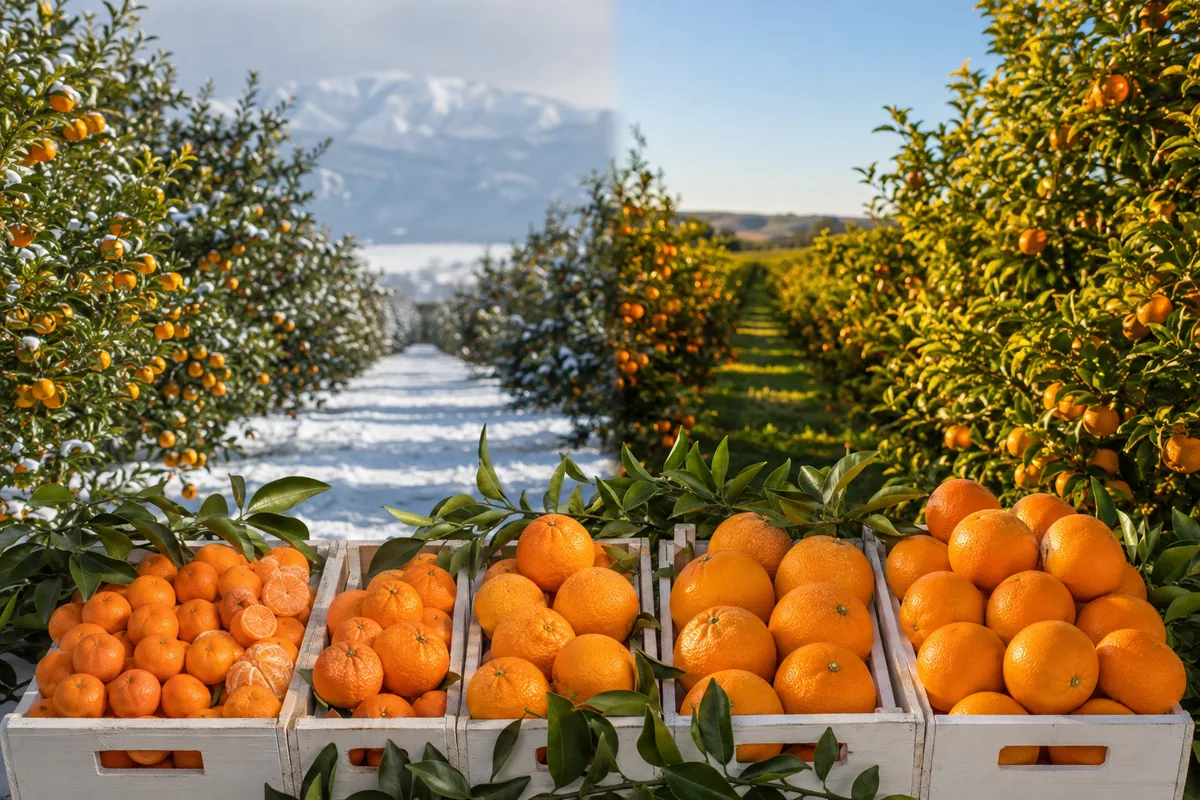
Mandarin season moves with hemisphere, origin and cultivar
In the Northern Hemisphere, fresh mandarins commonly begin in autumn and run through winter into early spring-roughly November to April in many U.S. retail guides. In the Southern Hemisphere, major windows often run from April toward October. Early satsuma or clementine types arrive before later Murcott, Tango or Orri types, so no single month range fits every market.
Fresh harvest, IQF processing and frozen shipment are three different dates. Frozen segments can ship outside the orchard window when contracted stock remains available and the current lot is approved.
Key takeaways
- Northern Hemisphere shoppers most often see peak mandarin quality from late autumn through winter.
- Southern Hemisphere supply can complement that window, commonly harvesting from autumn into spring.
- Clementine and satsuma types are generally earlier than Murcott, Tango and Orri types.
- Retail availability can reflect imports and storage, not a local orchard harvest.
- Frozen segments extend shipping availability, but crop quality, production capacity and stock must still be confirmed.
Quick comparison
| Origin / market example | Typical fresh window | What changes it | Frozen sourcing implication |
|---|---|---|---|
| California / U.S. retail | About November-April | District, weather and cultivar | Processing and stock decisions start around crop intake |
| Mediterranean origins | Autumn through winter and early spring | Country and early/late easy-peeler mix | Frozen or processed programs follow contracted raw material |
| Australia | Commonly April-October | Region and cultivar; some later fruit | Southern crop can complement northern seasons |
| Peru | Main harvest often April-October | Early satsuma/clementine vs later Murcott/Tango/Orri | Useful Southern Hemisphere processing window |
| Year-round retail shelf | Possible through imports and storage | Trade flow, quality and price | Does not mean every origin harvests year-round |
Start with hemisphere before asking for a month
Mandarin trees respond to local climate, so the calendar reverses between hemispheres. A U.S. guide that calls mandarins a November-to-April fruit is describing a Northern Hemisphere market. An Australian guide that begins in April is not contradictory; it describes a Southern Hemisphere crop. Always attach the country or production region to a season claim.
Retail shelves add another layer. Imported fruit can arrive when local orchards are quiet, and stored fruit may extend a marketed window. "Available in stores" therefore does not always mean "currently being harvested nearby." For sourcing, ask whether a quoted lot is current crop, stored fresh fruit or frozen stock.

Northern Hemisphere mandarins usually build from autumn into winter
California and Mediterranean easy peelers commonly begin with early types in autumn. Volume broadens through winter as more cultivars mature, then narrows toward early spring. Exact dates move with temperature, rainfall, bloom timing, maturity standards and market demand. A calendar should be treated as a planning band rather than a guaranteed loading week.
Fresh color can also lag or lead internal maturity depending on night temperatures. Commercial harvest decisions use soluble solids, acidity, juice condition and cultivar rules, not calendar date alone. A warm season may change external color while fruit reaches acceptable internal maturity on a different schedule.
Southern Hemisphere production fills a different part of the year
Australia commonly markets mandarins from April through October, with early Imperial-type fruit and later cultivars extending the run. Peru reports a main April-to-October harvest with a middle-season peak, while some production exists outside that main band. These origins help international buyers bridge Northern Hemisphere gaps.
Complementary calendars do not make supply frictionless. Transit time, cultivar mix, pack style, phytosanitary conditions and destination demand differ. For frozen processing, the relevant questions are the actual intake weeks, raw-material contracts, plant schedule and how much finished inventory is allocated after production.
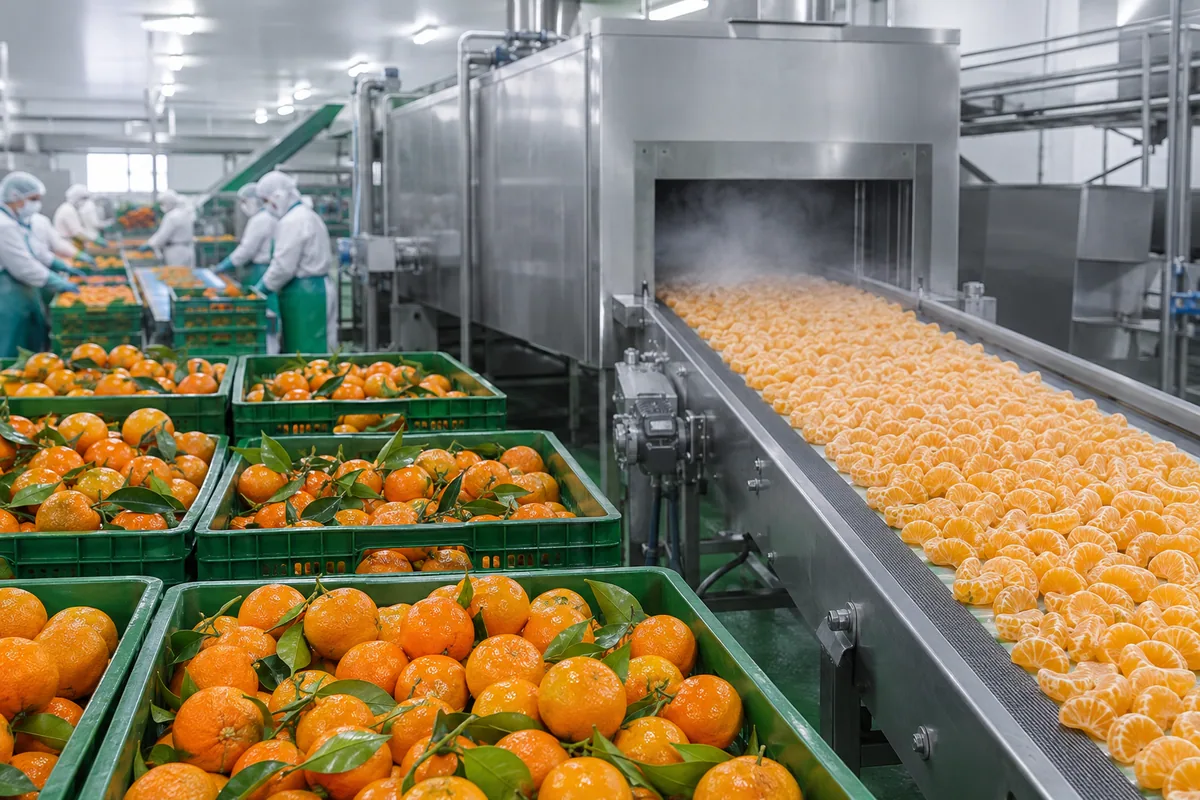
The variety sequence matters as much as the country
Satsumas and many clementine or Primosole types are used as early-season easy peelers. Murcott, Tango, Orri and similar late types extend availability. Each has its own color, peel behavior, seed tendency, acidity and segment strength. Calling all of them simply "mandarin" hides differences that affect both fresh eating and processing.
A buyer planning one consistent product across several months may need more than one cultivar or origin. That can be workable, but the specification should say which attributes may vary and which must remain stable. Brix, acidity, color, seed fragments, membrane removal and whole-segment rate are more useful anchors than variety name alone.
Mandarin, tangerine and clementine season searches overlap
Tangerine is commonly used for reddish-orange mandarin types, especially in U.S. language, while clementine is a particular easy-peel mandarin type. Their seasons overlap because they belong to the broader mandarin group, but they are not one identical cultivar. Search volumes cluster around the names; procurement documents should be more exact.
For a closer explanation, see Are Mandarins and Tangerines the Same?.
If a customer asks for clementine segments, the supplier should not silently substitute any orange-colored easy peeler. Confirm acceptable cultivar, origin, color, seed tolerance and sensory direction. Where the customer only needs a functional orange segment, an approved sample and performance specification may be more practical than a narrow naming rule.
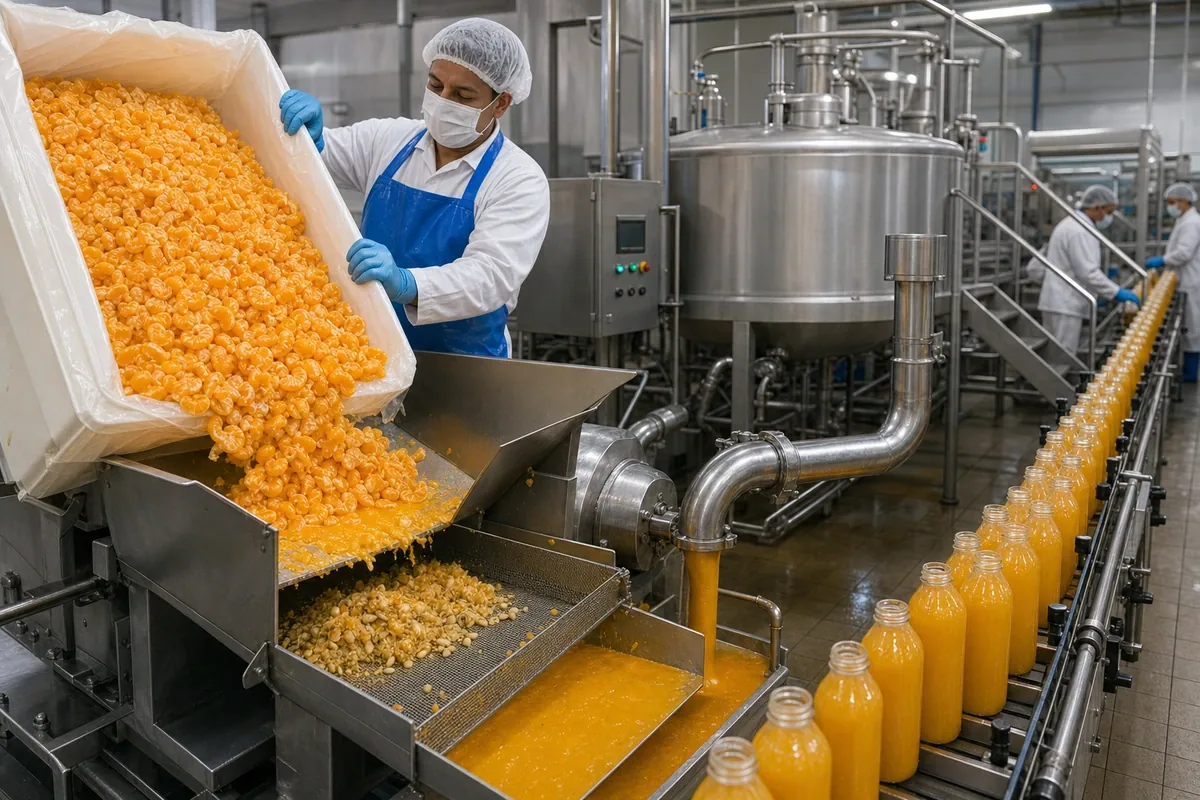
Harvest week and IQF production week are close-but not identical
Frozen segments are made when sound raw material is available and the processing line is scheduled. Fruit must be received, peeled, membrane-treated or cleaned as required, inspected, frozen and packed. Weather or fresh-market competition can change intake. The useful production calendar therefore combines orchard maturity, factory capacity and the target finished specification.
A processor buying during the crop may choose to book volume before the peak, then approve current-lot samples as production starts. Waiting until the fresh season is nearly over can narrow cultivar and grade options. Early contracting does not eliminate crop variation, but it creates time to agree on samples, packaging and documents.
Frozen availability can continue long after fresh harvest ends
Once produced and held continuously frozen, IQF mandarin segments can be offered outside the fresh-fruit window. This is why beverage, bakery, dessert and foodservice users can run programs through more of the year. Availability remains subject to finished stock, allocation, shelf life, packing and lot quality. It should not be described as unlimited year-round production.
A quote issued months after harvest should identify production date, best-before basis, lot, pack and storage history. Buyers should compare current frozen appearance, whole-to-broken ratio, free ice and thaw behavior-not assume that all carry stock performs like a newly produced reference sample.

Crop timing influences quality and commercial decisions
Early fruit can have brighter acidity and a different sugar-acid balance from late fruit. Late-season fruit may be sweeter or softer, but outcomes depend on cultivar and weather. Segment integrity during peeling and freezing can also change with maturity. A target built for visual fruit cups may need a narrower maturity and whole-segment window than a puree or bakery filling program.
Season also affects price and lead time. Peak raw-material volume can support efficient processing, yet packing materials, factory slots and cold storage must be available. A complete seasonal plan considers both fruit and the system around it.
Build an annual sourcing calendar with decision dates
Start with the destination launch date and work backward through ocean transit, production, packaging approval, sample approval and raw-material booking. Mark early, peak and late crop windows rather than one season bar. Decide which attributes may change if the program moves from one cultivar or origin to another.
Then set review points: pre-crop specification confirmation, first-production sample, mid-season quality check and carry-stock review. This makes the calendar useful for purchasing and QA instead of a decorative list of months.
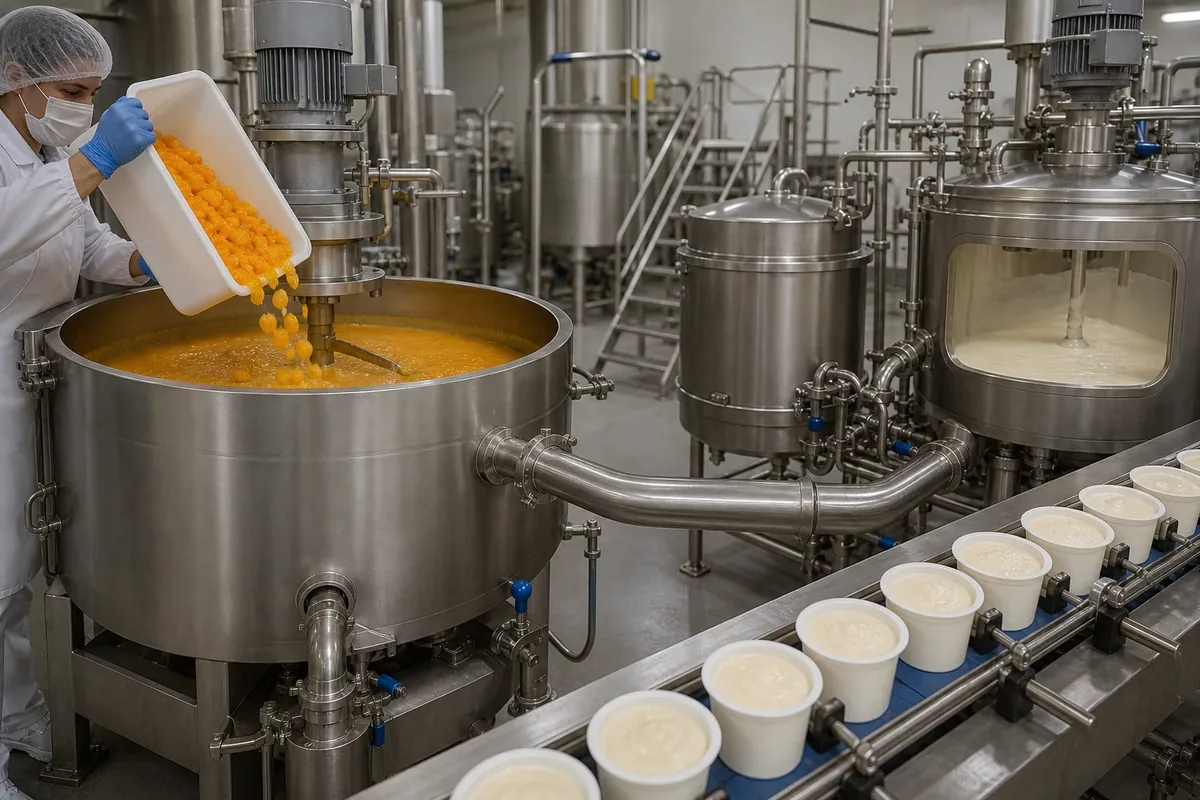
Worked decisions that a short answer cannot cover
Name the ingredient before comparing quotations
The useful starting identity for this buying exercise is peeled IQF mandarin orange segments, with cultivar or approved easy-peeler group, origin and crop identified when they affect the program. That wording matters because a quotation for one form cannot be compared fairly with another. A whole piece, a half, a dice, a segment, a puree input and a controlled broken grade may all come from the same fruit family, yet they create different yields, handling steps and presentation results. Write the commercial name, process form and intended use on the first line of the inquiry. Then keep cultivar or origin language only where it changes the result that the buyer needs.
This discipline also keeps an informational answer from becoming an accidental purchasing specification. The article explains how to think about when are mandarins in season?, but an approved order still needs a named product and a current-lot reference. Ask the supplier to repeat the identity on the offer, sample label and specification. If those descriptions drift, pause the comparison and reconcile them before discussing price, because a lower quotation may simply describe a different product.
Translate useful cues into measurable acceptance language
For IQF frozen mandarin segments, the acceptance conversation can cover whole-segment rate, broken pieces, seed and membrane residues, Brix-acid direction, color, texture, free ice, microbiology and application-relevant thaw performance. Each item should have a method, a unit or a visual reference whenever the distinction affects release. "Good color" is too open to interpretation; a retained approved sample, color range or defect definition gives both teams something they can use. "Sweet" is equally incomplete when acidity changes the way the same soluble-solids value tastes. The goal is not to make the longest specification. It is to name the few characteristics that decide whether the ingredient works.
For preparation details, see Can Mandarin Oranges Be Frozen?.
Separate three layers in the approval file. Identity says what the product is. Condition says how the received lot must look, smell, separate and perform. Contract limits say which deviations trigger rework, claim review or rejection. That separation makes discussions faster when a lot differs from the sample. It also prevents a consumer cue in this article-such as color, softness or size-from being treated as the only commercial decision.
Use a representative sample and a recorded thaw method
A practical sampling plan for this subject is to review first production, representative in-season lots and carry stock separately, using frozen inspection and the same thaw or dosing test. One convenient top-carton sample is useful for orientation, but it cannot show pallet-to-pallet variation. Record carton and pallet positions, batch codes, dates and product temperature. Photograph the frozen condition before pieces are handled. If the product is free-flowing, note separation and clumping before thawing; once water and gravity have changed the sample, that evidence cannot be reconstructed.
Thaw only the amount needed for the agreed examination and keep time, temperature and container the same between samples. Weigh the sample before and after the test if drip or yield matters. Examine aroma and flavor at a comparable serving temperature, not directly from the freezer in one test and after a long warm hold in another. A short method written beside the score sheet often prevents more argument than a long list of adjectives.
More detail for a repeatable decision
Test the ingredient in the actual application
The application boundary for IQF frozen mandarin segments is clear: fruit cups and visible desserts need stronger whole-segment and color control; beverages, yogurt and bakery can use different broken ratios when flavor and foreign-material limits remain suitable. A bench sample should therefore be used in the buyer's real formula or service process. Check the point at which the fruit is added, the mixing force, heating or hold time, serving temperature and the time between preparation and evaluation. A piece that looks excellent in a white tray can disappear in an opaque beverage or break under an industrial mixer. Conversely, a visually imperfect piece may be fully suitable when it is intentionally milled.
Record what success means before testing. It may be visible piece identity, clean flavor, color retention, a target count per portion, puree yield, controlled drip, texture after baking or ease of dispensing. Compare the proposed lot with the retained control under the same conditions. If the new sample fails, describe the observed result rather than writing only "not good." That description tells a supplier whether the next sample needs a different cut, maturity, firmness, grading tolerance or process route.
Read frozen condition as evidence, not decoration
Cold-chain handling for the proposed item should follow this boundary: protect finished stock continuously at contracted frozen temperature and review production date, shelf life, allocation and loading condition before off-season shipment. Frost on a bag or carton can arise from more than one event, so it should trigger a closer review rather than an automatic conclusion. Check product temperature, carton condition, liner integrity, piece separation and signs of a partial thaw. Compare multiple pallet positions and retain photographs with time and location.
The same appearance may have different consequences by application. A small cluster may be inconvenient for automatic dosing but harmless for a puree kettle. Heavy clumping, crushed pieces or large ice deposits may change portion control, drip or usable yield. State the operational consequence in the receiving report. This connects evidence to the specification and gives both parties a clearer basis for investigation.
Keep guidance, sample approval and contract limits separate
An article can explain typical signs and useful ranges, while a sales sample shows one available lot at one point in time. Neither should silently replace the signed specification. The approved file should identify the reference sample, test method, tolerances, pack format, storage condition, shelf-life basis and required documents. Any value that matters commercially should be confirmed for the offered product and order.
This boundary is especially important when the search question invites a single answer. Fruit varies with cultivar, origin, crop window, maturity and process. A useful supplier response acknowledges that variation and then narrows it through a sample and written agreement. That approach is more reliable than promising that every lot will match an unqualified adjective such as "ripe," "sweet," "small" or "premium."
Build a short RFQ that can be answered accurately
For this product, send target launch and delivery dates, product identity, acceptable cultivar/origin range, whole-segment and seed limits, Brix-acid direction, pack, quantity, destination and documents. Put those inputs in one message or worksheet and mark which points are essential, preferred or open to recommendation. Include the annual or trial quantity separately, because the right packing and supply route for a small evaluation may not be the right route for a repeat program. Destination and required delivery window help the supplier review crop, stock and transport options without guessing.
Ask the reply to identify what is confirmed, what is a current indication and what still depends on sample approval or production scheduling. This makes commercial comparison more honest. It also reduces the chance that an attractive unit price hides a different cut, pack, glaze condition, tolerance or document scope. A precise RFQ is not bureaucracy; it is the shortest path to a sample that answers the buyer's real question.
Prepare a claim and change-control path before the first shipment
Agree how the teams will handle a material deviation before volume starts. The file should name the notification window, evidence required, sample-retention practice and contact route. Useful evidence includes unopened pack photographs, label and lot code, temperature records, pallet position, representative defect counts and the application result. Do not discard all affected material before the supplier has had a reasonable opportunity to review it unless food-safety controls require immediate action.
Change control matters as much as claim handling. A new crop, origin, cultivar, cut, packing material or processing facility may alter the result even when the sales name stays the same. Decide which changes require notice, documents, a fresh sample or full reapproval. This protects continuity for the buyer and gives the supplier a clear standard for communication.
Four buyer scenarios, four different definitions of "right"
An importer reviewing IQF frozen mandarin segments first needs an offer that survives document and receiving checks. The importer should align product identity, origin, pack, labeling, destination requirements and the evidence used to release the lot. The consumer question in this article is still useful because it identifies the physical cues behind maturity, condition, size or variety. The importer's job is to turn those cues into a repeatable inspection rather than rely on one attractive sample.
A food manufacturer starts from formula performance. The development team should run the proposed form through the real sequence and record yield, visible piece retention, color, flavor and handling. The purchasing comparison should then use the approved performance window, not merely the lowest price per kilogram. If a controlled broken grade performs equally in a blended application, that can be a rational cost decision; if pieces remain visible, form and defect limits become more important.
A foodservice distributor needs consistency at the portion and pack level. Operators may open, reseal, scoop and hold the ingredient under conditions that differ from a factory test. The distributor should check pack convenience, separation from frozen, portion count, preparation instructions and the condition after a realistic service period. A product that requires excessive sorting or creates unpredictable portions can cost more in use even when its invoice price looks competitive.
A private-label buyer has one additional layer: the product must fit a declared consumer promise and a finished retail pack. Artwork, ingredient statement, claims, net weight, coding and case configuration need approval alongside the fruit. The buyer should make sure marketing language does not promise a characteristic that the specification cannot support. A retained finished-pack sample is often more useful than a loose ingredient sample because it shows appearance after the intended packing and storage process.
Putting the answer into practice
For a first enquiry about IQF frozen mandarin segments, begin with the intended application and the result that matters most. Then name the form, pack, quantity, destination and review method. This order gives the supplier room to suggest an appropriate option while keeping the buyer's non-negotiable requirements visible.
For a sample review, use a simple score sheet with identity, frozen condition, thaw method, appearance, aroma, flavor, texture, usable yield and application result. Add photographs and the lot code. Record "accept," "accept with agreed adjustment," or "reject with reason." A clear decision is more valuable than many unranked comments.
For repeat supply, compare each received lot with the approved specification and retained reference at the agreed frequency. Trend the few defects or performance measures that affect production. A trend can reveal crop or handling changes before they become a large claim, and it gives both teams a factual basis for improving the next order.
The final practical rule is simple: use the article to understand the fruit, use the sample to understand the offered lot, and use the specification to define the purchase. Keeping those three tools separate makes the answer useful to both curious readers and professional buyers.
What to confirm before approving volume
A useful inquiry describes the ingredient and the job it must do. Send the product identity, form, target application, packing, quantity, destination and the quality points your team will measure. We will review current availability and an appropriate supply route where possible. Final size, process, ingredients, limits, microbiology, documents, shelf life, lead time and commercial terms remain subject to the approved specification and order confirmation.
- State the destination market and required delivery months.
- Separate fresh harvest, processing and shipping availability.
- Define acceptable cultivar or approved-sample range.
- Set whole, broken, seed and membrane limits.
- Review first production and carry stock as different decisions.
- Book packing and frozen allocation before the crop closes.
Frequently asked questions
When are mandarins in season in the United States?
Many U.S. guides use roughly November through April, with exact timing varying by state, district and cultivar.
When are mandarins in season in Australia?
Fresh Australian mandarins commonly run from about April through October, with cultivar-specific starts and finishes.
Are clementines and tangerines in season at the same time?
Their windows often overlap, but they are different mandarin types and individual cultivars mature at different times.
Can mandarins be available all year?
International imports, storage and processed products can extend retail availability, but one origin does not necessarily harvest all year.
When are frozen mandarin segments produced?
They are generally processed near the fresh crop intake window, when suitable fruit and plant capacity are available.
Are frozen mandarin segments available year-round?
They can ship beyond harvest when finished inventory remains, but availability, production date and lot quality must be confirmed.
Does late-season mandarin always taste sweeter?
Not always. Sweetness perception depends on cultivar, Brix, acidity, maturity and weather.
When should a buyer contract frozen mandarin volume?
Before or early in the expected processing season, leaving time for specification, sample, packaging and document approval.
Reference points
- What's in Season: Mandarin Oranges
- When Are Mandarins in Season in Australia?
- Guide to Australian mandarins: Varieties & Seasons
- Mandarins: everything you need to know
- Citrus in the garden
- USDA FAS Peru Citrus Annual
These sources support the classification, method or supply boundaries used above. The applicable product label, specification, food-safety plan and destination-market rules still control a real batch.
Source IQF Frozen Mandarin Orange Segments for your real application
GreenLand-food is a IQF frozen mandarin orange segments supplier and manufacturer in China, providing factory-direct wholesale support for importers, food manufacturers, foodservice distributors and private-label programs. Send the required form, specification, packing, quantity, destination, application and documents. We will review available order options and the next practical step.