


Can You Freeze White Button Mushrooms?
Aug 28, 2026
Leave a message
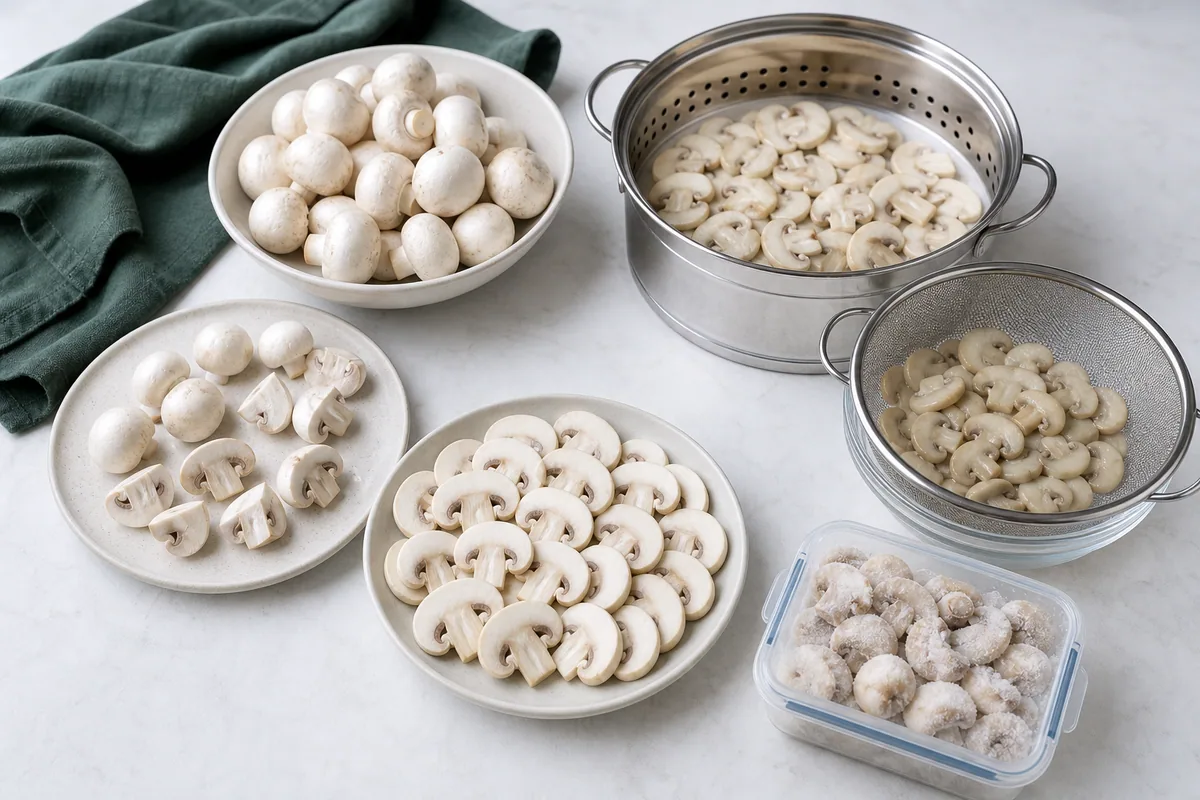
Match the preparation to the mushroom form
Choose sound white button mushrooms, sort by size and clean and trim them. For the NCHFP steam method, use 5 minutes for whole mushrooms, 3½ minutes for buttons or quarters and 3 minutes for slices. Cool promptly, drain and pack with ½ inch headspace. Alternatively, heat small batches in fat until almost done, cool and pack. Raw freezing is possible, but color, texture and water release are less predictable.
Quality ranges assume sound mushrooms and proper cold storage. A label, destination-market rule, site procedure or documented temperature event can require a shorter decision.
Key takeaways
- Use the measured steam time for the actual form; whole mushrooms, buttons or quarters, and slices are not interchangeable.
- The optional lemon or citric acid dip supports color; it does not replace cooking, cooling or cold storage.
- Sautéing gives stronger flavor, while steaming keeps the product neutral for later recipes.
- Commercial buyers should define cap diameter, slice thickness, stem and broken-piece limits instead of ordering only "button mushrooms."
Quick comparison
| Form | NCHFP steam time | Home use | Commercial control point |
|---|---|---|---|
| Whole mushrooms | 5 minutes | Roasting, stew and recipes needing visible whole form | Cap diameter, stem length, open veil and broken units |
| Buttons or quarters | 3½ minutes | Soup, casserole, hot pot and mixed dishes | Size distribution and retained cap-stem identity |
| Slices | 3 minutes | Pizza, pasta, sauce and ready meals | Thickness, diameter, long stems, fines and breakage |
| Small dice | Use the slice/size guidance only after checking the full method | Filling, soup base and blended sauce | Dice dimensions, fines, dosing and cooked yield |
White button mushroom identity matters
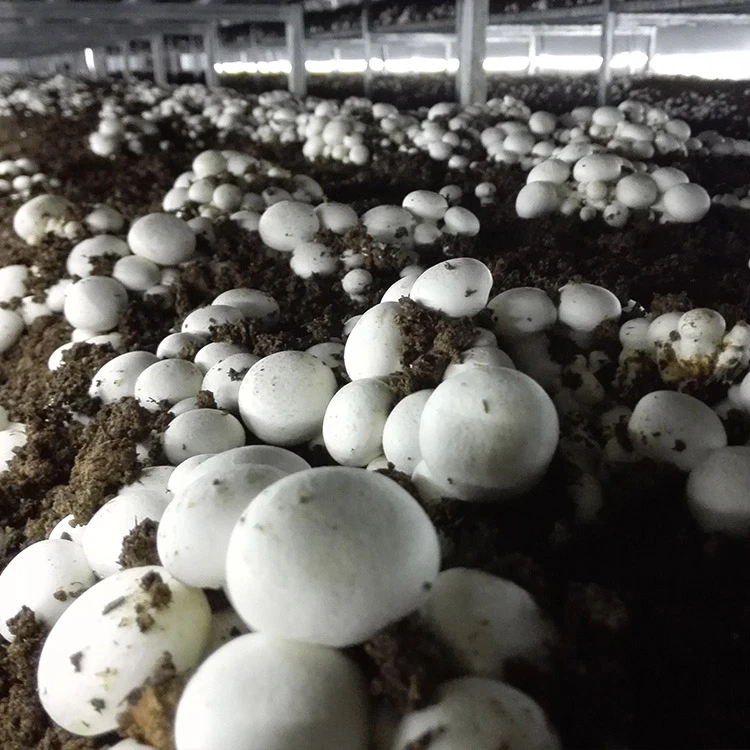
White button mushroom, white mushroom and champignon commonly refer to the cultivated white form of Agaricus bisporus. It is not the same commercial product as mature brown Portobello, even though they share a species. For home freezing, the identity helps you choose the right handling. For trade, it determines the product name, appearance, cap size, cut, maturity and defect limits written into the specification.
Start with mushrooms that are sound, firm and reasonably uniform. Reject decay, mold, slime, abnormal odor and extensive wet browning. Small closed buttons may be frozen whole; larger caps should be quartered or sliced so heat treatment and freezing are even. Trim the dry end of the stem. A mixed-size batch treated for the largest pieces can overcook the smallest, while a time chosen for slices can under-treat whole caps.
Optional anti-darkening treatment
White mushrooms show browning clearly, so color control matters. The NCHFP method states that mushrooms to be steamed have better color if they receive a five-minute dip in a solution containing 1 teaspoon lemon juice or 1½ teaspoons citric acid per pint of water. Measure the solution rather than estimating acidity. Drain after the dip and continue to the specified steam treatment.
This is a quality step, not a sterilization claim. It does not make deteriorating mushrooms acceptable, replace proper steaming or create a shelf-stable product. Commercial processors may use different permitted processing aids and validated conditions. Any citric acid, salt, sulphite or other ingredient used in a commercial route must be declared as required; a buyer should not assume every white product is additive-free.
Measured steam method for whole, button, quarter and slice forms
Place the prepared mushrooms in a steamer and count the treatment for the actual form: whole mushrooms 5 minutes, buttons or quarters 3½ minutes, and slices 3 minutes. Work in batches that allow steam to circulate. A deep overloaded basket produces uneven heating. The times come from the NCHFP mushroom guide and should be read with its full preparation, cooling, draining, packing and headspace instructions.
Cool promptly when the time ends, then drain thoroughly. Lingering heat continues to soften the tissue, while trapped surface water becomes unnecessary frost. Pack in suitable freezer containers with ½ inch of headspace, seal and freeze. If you want loose pieces, pre-freeze the drained mushrooms in a single layer before final packing. Avoid leaving the cooled batch at room temperature while arranging trays.
- Select sound mushrooms and sort by size.
- Wash in cold water, trim stems and cut mushrooms larger than 1 inch.
- Use the optional measured anti-darkening dip for steamed mushrooms.
- Steam whole 5 minutes, buttons or quarters 3½ minutes, or slices 3 minutes.
- Cool promptly and drain thoroughly.
- Pack with ½ inch headspace, seal, label and freeze.
Sautéing is the flavor-led alternative
The NCHFP also allows heating small quantities in margarine or butter in an open pan until almost done. In an everyday kitchen, a small amount of suitable fat and an uncrowded pan lets mushrooms release water and brown lightly. Stop before they become dry because they will cook again in the final dish. Cool in air or use the cold-water pan method described by NCHFP, then pack with headspace, seal and freeze.
Sautéed mushrooms are convenient for omelets, pasta, filling and sauce because part of the cooking is already complete. Added fat and seasoning, however, reduce formula flexibility and can develop stale notes during storage. Label what was added. For a neutral ingredient that may enter several recipes, steaming is usually easier to standardize. For one known recipe, sautéing can produce the better flavor.
Raw freezing is a convenience tradeoff
Raw white button mushrooms can be sliced, tray-frozen and packed, but the thawed pieces are more likely to darken, soften and release water. Use that route only when preparation speed matters more than texture and the final dish is forgiving. Very fresh, dry raw material and fast single-layer freezing improve the result, but they do not reproduce a pre-treated product.
Cook raw-frozen slices directly in soup or a hot pan when possible. A slow room-temperature thaw exposes the damaged tissue and creates a wet surface. If a recipe needs thawed yield, thaw under refrigeration in a covered container and record the released liquid. Use the number to adjust sauce or filling rather than guessing. Never use the freezer to preserve mushrooms that are already slimy or decayed.
Plan the cut around the final dish
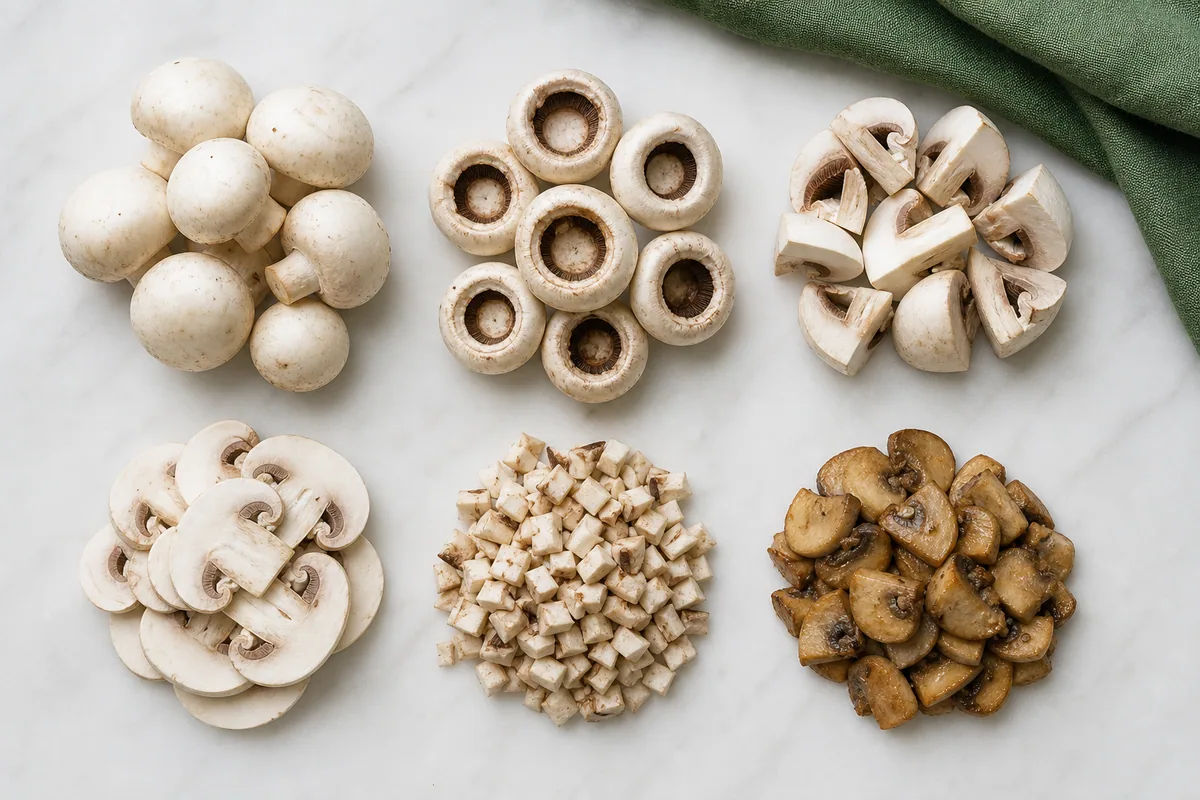
Whole buttons fit stew, hot pot and visual side-dish applications but require consistent diameter. Quarters offer a thicker bite with faster heating. Slices spread evenly on pizza and through pasta, soup or ready meals, while dice and pieces suit sauce, filling and soup base. A consumer bag can choose the form by preference; a commercial line needs dimensions and tolerances.
For frozen pizza, a thin slice may dry or disappear while a thick slice releases water and shifts bake performance. For cream soup, intact identity may matter less than color and flavor. For retail whole mushrooms, broken caps and long stems directly affect presentation. Write the application first, then set cap diameter, slice thickness, stem allowance, broken-piece level, fines and maximum clumps. Product name alone cannot control those outcomes.
How commercial IQF differs from a home batch
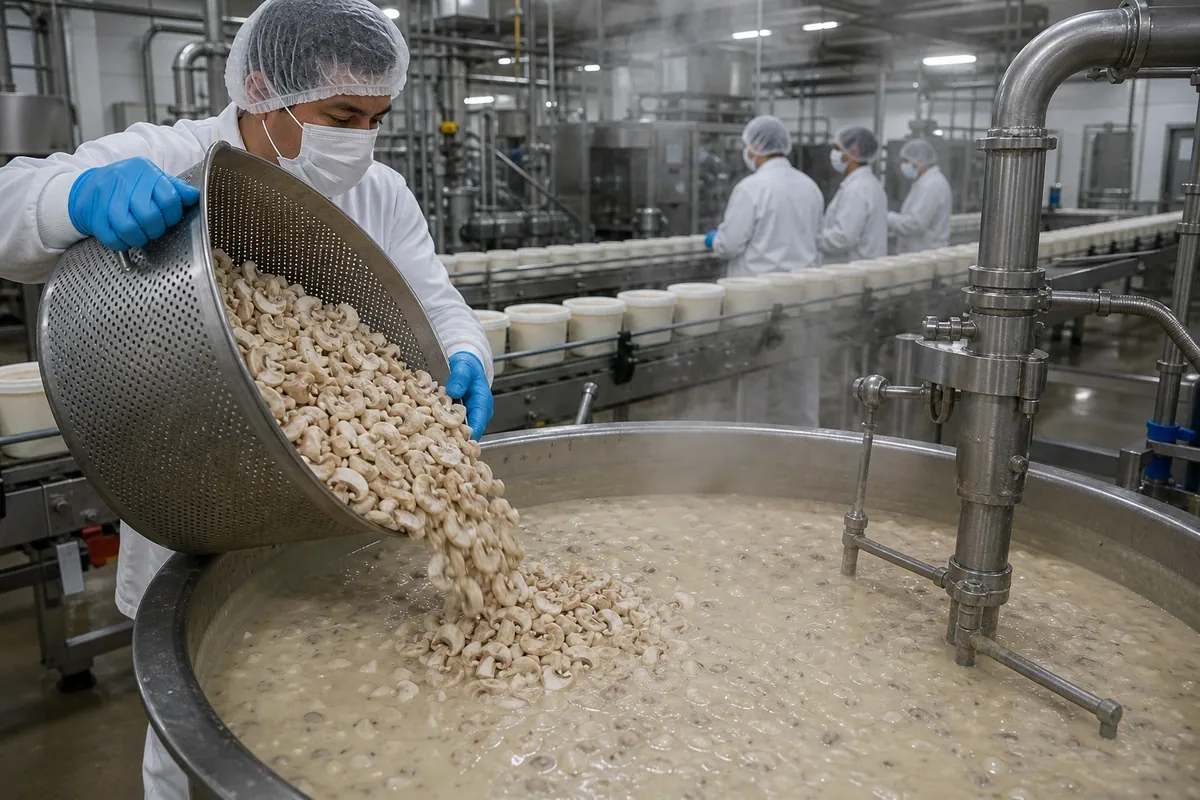
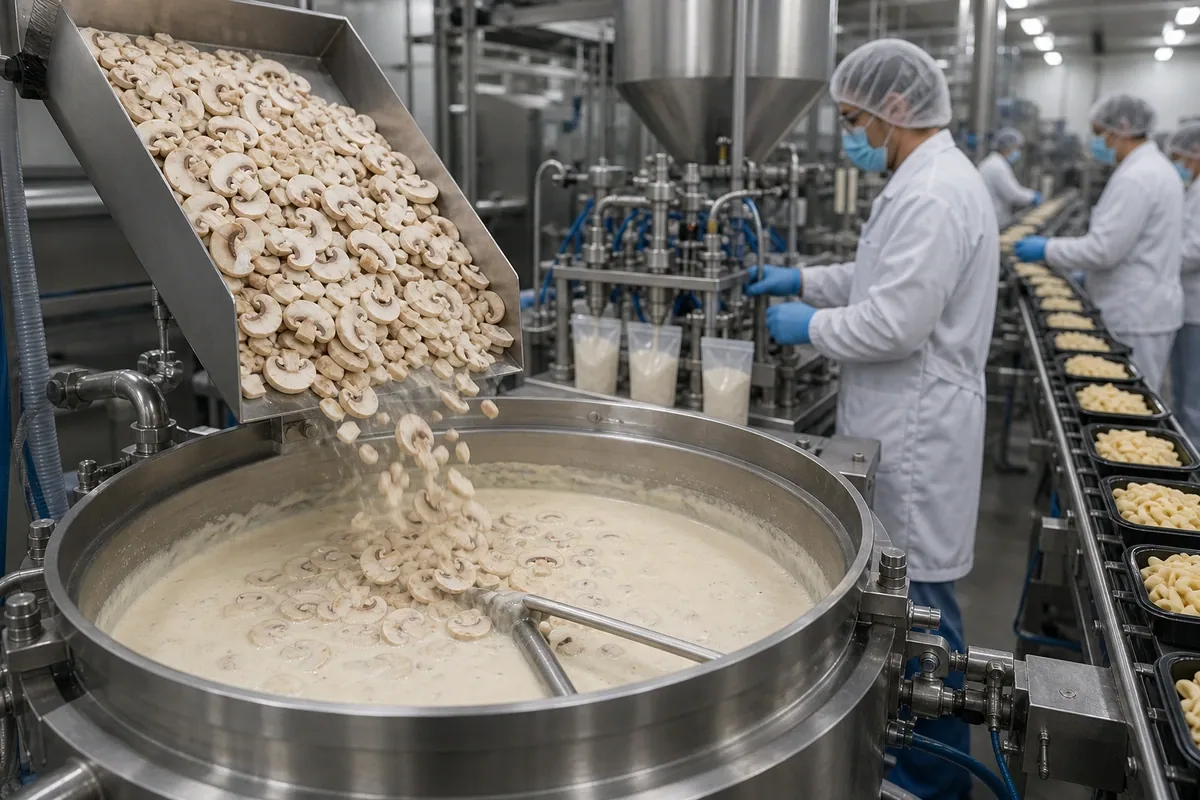
Commercial IQF mushrooms move through raw-material receiving, sorting, washing, trimming, cutting, the declared pre-treatment, rapid freezing, packing, metal detection and frozen storage under a controlled process. That system is not automatically superior in every sensory attribute, but it is designed to deliver an agreed lot against a repeatable specification. A home batch is smaller, flexible and usually lacks the same freezing rate and verification file.
At GreenLand-food, we supply white button forms subject to product availability and the confirmed order plan. We connect whole, cap, slice, quarter, dice or pieces with size, thickness, stem, color, defects, drip loss, microbiology, packing and cold-chain requirements. The verified product page gives detailed example ranges, but the final order follows the signed specification rather than a general web table.

Run a cooking and yield trial before volume approval
Sample frozen slices from several parts of the bag, not only the top. Record input weight, visible ice, clumps, broken pieces and slice dimensions. Cook with the actual equipment and load. Measure the time until loose, liquid release, drained or cooked yield, color, bite and identity after the normal hold. Compare products on the same basis. A whiter raw sample is not necessarily the best performer after sauce or pizza baking.
Retain an approved description and a photograph with the specification. Define how defects are counted and what constitutes a broken slice or large clump. Check that the product name, ingredient declaration, carton marks, batch code, COA and storage instruction match. This gives purchasing and QA a common release method and prevents repeated debate over subjective terms such as "nice," "clean" or "premium."
Packing and cold chain protect the work already done
Air exposure causes dehydration and freezer odor, while temperature fluctuation encourages frost and clumping. Use packaging suited to the intended life and handling. For home packs, remove excess air, seal well and label the date. For foodservice and industrial packs, confirm bag thickness, seal integrity, carton strength, pallet pattern, date coding and whether partial bags can be resealed.
Keep frozen mushrooms at or below the declared storage temperature-commonly -18°C / 0°F-and avoid repeated thaw-refreeze stress. At receiving, inspect carton condition, product temperature, inner-bag seals, frost, clumps, batch marks and remaining shelf life. Temperature records support the review but do not replace physical inspection. Our cold-chain guide covers those buyer controls in more depth.
Worked decisions that a short answer cannot cover
Timing errors usually come from mixed size and overloaded steamers
A basket holding whole 40 mm caps and thin slices cannot receive one ideal treatment. The slice can over-soften before the center of a large whole mushroom receives the intended steam exposure. Sort by size and form before timing. Keep the steam path open and begin the count using the full published method. An overloaded basket also cools unevenly and retains more water, so batch size is part of repeatability.
Do not use the stated minutes as a stand-alone safety validation for commercial production. They belong to a home-preservation method with preparation, cooling, draining, packing and freezing steps. A factory's blancher, belt load, mushroom size, water or steam conditions and downstream controls require its own validated process and HACCP or food-safety review.
Color needs an agreed reference, not "as white as possible"
White button mushrooms naturally range from white to cream and may show light gray at cut or gill surfaces. Demanding an unrealistically bright sample can encourage confusion about additives or hide the fact that the sample and order used different processing routes. Define acceptable natural color, brown or rust spots, black tissue and cut-surface darkening with an approved reference and counted defect method.
Evaluate color both frozen and cooked. A slice that looks pale in the bag may darken in sauce, while a blanched product can retain a controlled appearance but give a softer bite. Record lighting during visual inspection and compare samples after the same thaw or cooking process. Phone photographs under different lighting are useful claim evidence but poor color standards on their own.
Worked slice specification for pizza
A practical pizza trial might begin with white Agaricus bisporus slices, cap diameter 20–55 mm and thickness 4–6 mm, then set stem, broken-slice and fines limits. Apply 80 g to a standard base, bake at the normal temperature and record visible slice count, water pooling, browning, shrinkage and bite. Repeat after normal frozen storage and with pieces from several bags.
Those example dimensions are not a universal recommendation. A quick-service pizza with a short, hot bake can need a different thickness from a retail frozen pizza heated by consumers. A cream sauce may accept pieces and stems that a visible topping rejects. Translate the trial result into a written specification, then price the correct grade instead of comparing unmatched whole, slice and pieces offers.
A two-stage sample plan reduces approval mistakes
First review the supplier file: identity, process route, ingredient statement, facility certificates and scope, specification, micro criteria, pack, shelf life and storage. Then request a representative frozen sample and inspect dimensions, defects, ice and separation. Only after the desk and physical reviews align should the product enter a controlled cooking trial. This prevents an attractive sample from masking missing documents or a strong document package from masking weak application performance.
For repeat orders, compare the production lot with the approved standard. Confirm batch code, COA, carton marks and loading condition. If the crop, facility, route or pack changes, decide whether reapproval is required. At GreenLand-food, final capability and documents are confirmed for the selected facility and order; a website list of possible certificates is not a claim that every certificate covers every item. Purchasing should also preserve the trial recipe, equipment setting, sample weight, cooking time and scoring sheet. Without that record, a new team may approve a visually similar slice that releases more water or breaks on the line. Repeatable evidence protects both supplier and buyer when a later lot is disputed. Before shipment, agree which inspection photographs, temperature records, batch COA and loading details will be supplied. At arrival, sample representative cartons and keep any claim tied to the affected lot, pallet and container. This closes the approval loop instead of treating the sample review as the final control. Review customer complaints by the same cut, pack and cooking method. A breakage complaint from a pizza line should not be compared with a soup sample prepared under different time and agitation. Consistent evaluation keeps corrective action specific, traceable and fair to every party. Record who sampled the lot, which cartons were opened and how the product was stored before the test. Keep the same evidence for acceptable lots so investigators can separate normal variation from a true defect.
What to confirm before approving volume
A useful inquiry describes the mushroom and the job it must do. Send the product identity, form or cut, target application, packing, quantity, destination and the quality points your team will measure. We will review current availability and match an appropriate product and facility route where possible. Final size, process, ingredients, defect limits, microbiology, documents, shelf life, lead time and commercial terms remain subject to the approved specification and order confirmation.
- Confirm white Agaricus bisporus identity and ingredient declaration.
- Define whole, cap, quarter, slice, dice or pieces with dimensions.
- State fresh-IQF, blanched, roasted or sautéed processing route.
- Set color, open veil, stem, breakage, clump, ice and foreign-matter limits.
- Test released liquid, cooked yield and bite in the actual application.
- Align pack, label, shelf life, documents and -18°C cold chain.
Frequently asked questions
Can white button mushrooms be frozen raw?
Yes, but raw-frozen mushrooms usually become softer, wetter and darker. Steaming or light sautéing gives a more controlled result for most cooked dishes.
How long do you steam whole mushrooms before freezing?
The NCHFP method specifies 5 minutes for whole mushrooms. Cool promptly, drain and pack with ½ inch of headspace before sealing and freezing.
How long do you steam button mushrooms or quarters?
Steam buttons or quarters for 3½ minutes under the NCHFP method, then cool promptly, drain and pack. Sort by size so the treatment is even.
How long do you steam sliced mushrooms?
Steam slices for 3 minutes after the optional anti-darkening treatment. Follow the full NCHFP method rather than using the time by itself.
Do white button mushrooms need lemon juice before freezing?
It is optional. NCHFP says a measured lemon-juice or citric-acid dip gives steamed mushrooms better color. It is a quality step, not a replacement for heat treatment or cold storage.
Is sautéing better than steaming?
Sautéing gives stronger cooked flavor and removes some water. Steaming keeps the ingredient more neutral and is easier to use across different recipes. The better choice depends on the final dish.
Should frozen button mushrooms be thawed before cooking?
Often no. Loose pieces can go directly into soup, sauce, pizza topping preparation or a hot pan. Thaw under refrigeration only when the process needs drained weight or strict moisture control.
How long do frozen white button mushrooms last?
Home guidance often uses roughly 9–12 months for best quality when properly prepared and packed. Commercial shelf life may differ and must follow the actual label and specification.
Are white button mushrooms and champignon the same?
In trade, white button mushroom, white mushroom and champignon commonly refer to the cultivated white form of Agaricus bisporus. Confirm the intended market name and product identity on all documents.
What should a commercial white button mushroom RFQ include?
State form, cap diameter, slice or dice size, stem allowance, processing route, ingredients, defect limits, clumps, drip loss, pack, quantity, destination, certificates and cooking application.
Reference points
- NCHFP freezing mushrooms
- GreenLand white button product specification
- USDA AMS IQF mushroom description
These sources support the measured methods and quality-versus-safety boundaries. The applicable product label, specification, food-safety plan and destination-market rules still control a real batch.
Confirm the mushroom format against your real cooking process
We supply frozen mushroom ingredients for importers, distributors, food manufacturers, foodservice operators and private-label programs. Send us the species, cut, application, packing, quantity, destination and trial method. We will review an available specification and next step.