


How to Make Cranberry Juice from Fresh or Frozen Berries: Extraction Choices
Sep 27, 2026
Leave a message

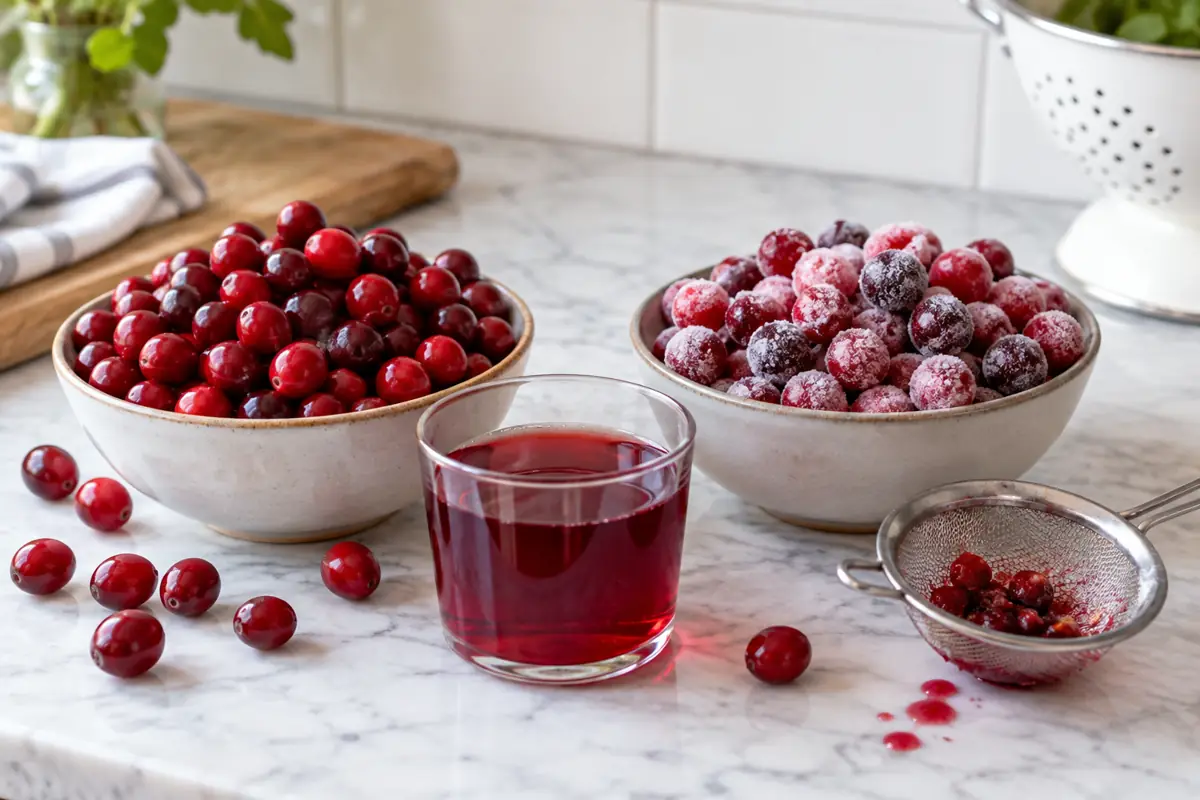
That separation keeps a useful home answer from becoming an unsafe industrial shortcut. Published household methods vary widely. Some cook until the berries pop and strain; another runs fresh or thawed frozen berries through a juicer and fine sieve. Both can make a drink, yet they differ in added water, pulp, color and output mass. A factory buying whole frozen fruit needs to know which component of the berry it wants and how it will treat the resulting liquid. At GreenLand-food, our contribution is the frozen cranberry ingredient and the lot information a developer needs to compare methods. We do not describe our whole-berry product as a ready bottled juice.
Choose the juice format before extraction
The word "juice" covers several practical products in a beverage brief. A clear, transparent cranberry liquid can be attractive in a premium sparkling drink, where sediment would be conspicuous. A cloudy juice may carry more suspended fruit material and a fuller mouthfeel. A pulpy beverage base may be intentionally opaque and used in a smoothie, sauce drink or fruit preparation. Sweetened cranberry drink and a single-strength unsweetened extract are different formulas again. Choose the desired appearance and fruit content before selecting a screen, press or heat step; otherwise the team may optimize yield into the wrong format.
Cranberries are firm and naturally sharp. Their skins and internal structure affect how quickly liquid and color are released. Directly blending whole fruit with water creates a mixture with skin, seed and flesh particles. It can be appropriate as a puree base, but it should not be called a clarified juice until those solids are deliberately separated. Heating whole berries until their skins split helps release colored liquid into added water. Direct pressing or juicing can avoid that cooking step, but equipment and pretreatment determine how much fruit liquid is recovered and how much fine pulp follows it. No one route is best without a defined endpoint.
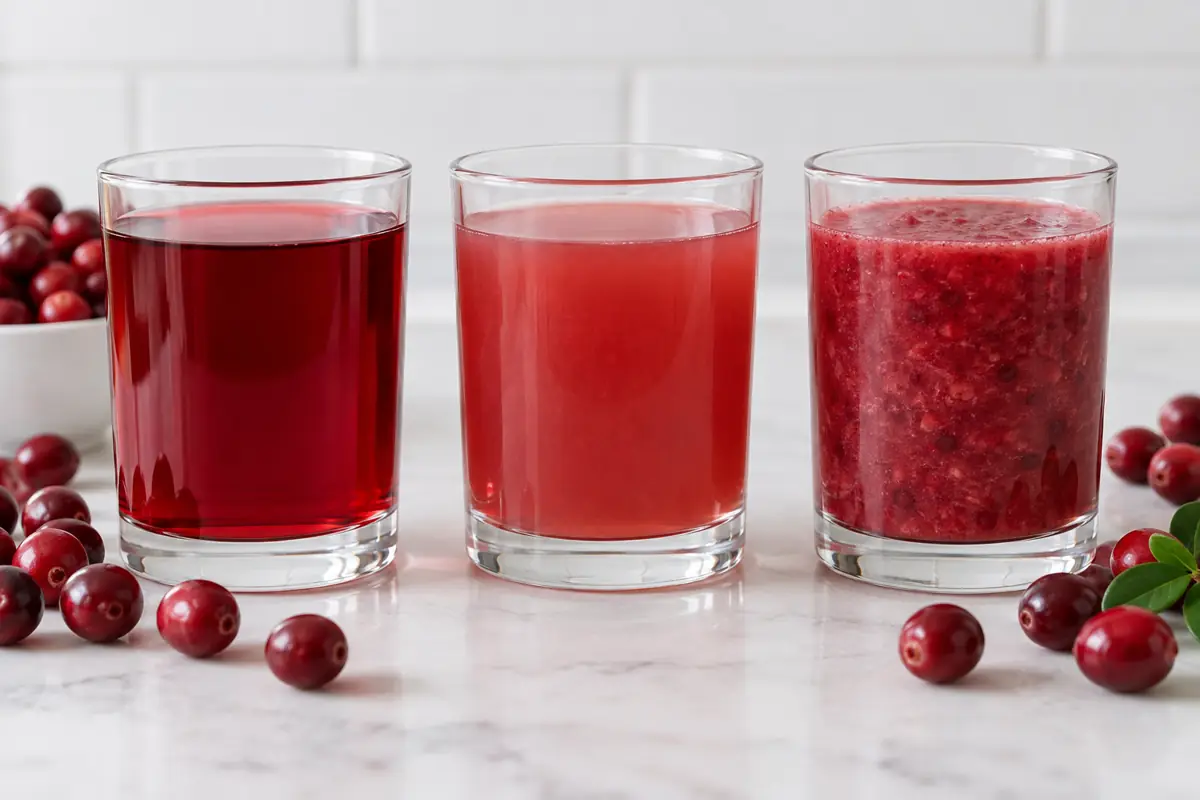
Three physical drink formats: clear, cloudy and pulpy.
Consider how the product will be sold. A restaurant pouring a freshly made drink has a different clarity and stability need from a shelf-stable bottled beverage. A chilled foodservice concentrate may be diluted immediately. A bottled clear juice may need controlled filtration, thermal or other validated treatment, oxygen management, compatible packaging and shelf-life evidence. The ingredient trial can identify a promising extraction route, but it cannot substitute for those finished-product controls. The buyer should name the market and package early enough for the development team to choose relevant measurements.
The visible appearance should be defined with a reference sample. "Clear" can mean transparent enough to read through in a standard glass, or it can mean only that large particles are absent. "Pulpy" can mean fine, stable haze or pieces that settle rapidly. Use a consistent glass, fill depth, background and observation time when comparing candidate extracts. Photographing a glass in changing light can make one route look richer even when the same mass of fruit was used. A simple reference prepared under the chosen route gives procurement and production a shared endpoint.
Flavor needs equal attention. Cranberries contribute strong acidity and astringency, while the balance of fruit mass, added water and sweetener determines what the consumer actually drinks. Brix alone does not tell the whole story: a low-sugar extract can feel intense because it is acidic, and a sweetened beverage can hide variation in the fruit. Decide whether the program needs a tart base for later blending or a finished balanced drink. Keep fruit extraction and sweetening as separate recorded steps during the first trial so a change in berry lot can be detected.
Prepare fresh or frozen whole cranberries
Start with sound fruit. For fresh berries, sort out stems, field material, moldy, very soft or visibly damaged berries, then wash according to the procedure. Household recipes from established preservation sources begin with this sorting step for good reason: poor fruit will not improve when it is cooked. A frozen commercial lot should also be checked as received for carton integrity, lot coding, temperature condition, free-flowing state, excessive loose ice and foreign material. Its specification may describe prior washing and sorting, but the buyer still needs a receiving procedure for the lot delivered.
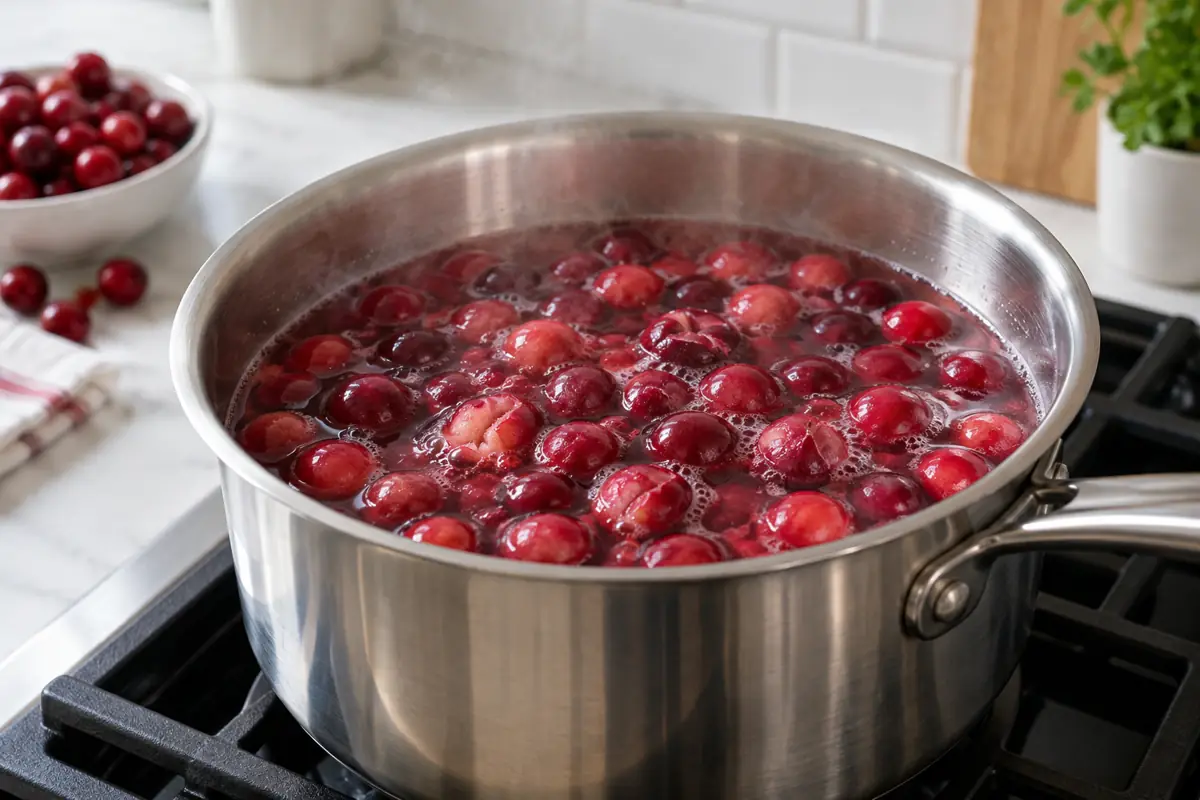
Whole berries begin splitting in heated water.
Use the same basis for fresh and frozen comparisons. Weigh fruit as received and record the presence of frost or free water. If the frozen sample is thawed, weigh and retain the drip separately before deciding whether it returns to the extraction. If one run includes all the drip and another discards it, the results cannot be compared fairly. A direct cooking trial can begin with frozen fruit when the pot and process are designed for it; a direct press may require thawing or size reduction so the equipment can extract liquid without damage. Follow the equipment maker's limits rather than forcing a frozen whole berry into an unsuitable juicer.
For a home cook, a straightforward method is to place sorted berries in a stainless saucepan with water, heat until the fruit splits, and strain. The Vermont Foodbank recipe explicitly accepts fresh or frozen whole cranberries and uses light mashing before straining for a pulpier result. Bernardin's cranberry juice directions also cook to the splitting point, then strain and allow sediment to settle for a clearer liquid. Those methods demonstrate the physical extraction choices. Their domestic quantities and preservation steps do not define an industrial formula or a commercial shelf-life claim.

Close view of whole frozen cranberries as extraction input.
Control the water addition when evaluating yield. If a trial starts with one kilogram of berries and adds two kilograms of water, the collected liquid weight is not a pure berry juice yield. Track fruit weight, added water, mass of collected liquid, mass of retained solids and any loss to equipment. Those figures let the developer compare methods on an equal input basis. Label a result as "extract recovered" or "finished beverage" according to what was actually measured. Avoid borrowing yield percentages from recipes that use different water additions or fruit lots.
If the same GreenLand frozen cranberry product will supply future production, sample the offered lot and confirm origin, crop year, berry form, packing and any relevant process information. The site's freezing guide describes handling of whole berries; it does not establish the yield of a particular juice line. The extraction trial supplies that missing information for the buyer's equipment. Where formulation depends on year-round access, plan when a new crop lot will be retested against the approved reference.
Compare cooking, pressing, and puree filtration
A side-by-side trial should use one berry lot, the same as-received mass per run and documented water addition. For a cooked extract, heat berries in a measured amount of water until splitting and color release reach a chosen endpoint, then drain through the specified screen. Keep time and temperature records. For a direct press, prepare the fruit in the state the equipment accepts, press under a controlled setting, then strain the liquid if needed. For a puree-and-filter route, reduce the fruit to a defined particle size and pass it through a chosen filter or sieve. These are trial designs, not fixed operating parameters for a production plant.
The cooked route is accessible and can give a strong ruby color, but it changes the raw berry flavor and adds water unless the system is designed otherwise. Heat also softens the berry, making it easier to release liquid and skin material. Pressing the softened solids can increase recovery at the expense of extra haze. A gentle gravity drain may look clearer, yet leave more liquid in the pomace. Record both weight and appearance, because "more juice" and "clearer juice" can pull in different directions. A buyer making a dark sauce beverage may accept haze that a clear sparkling drink cannot.
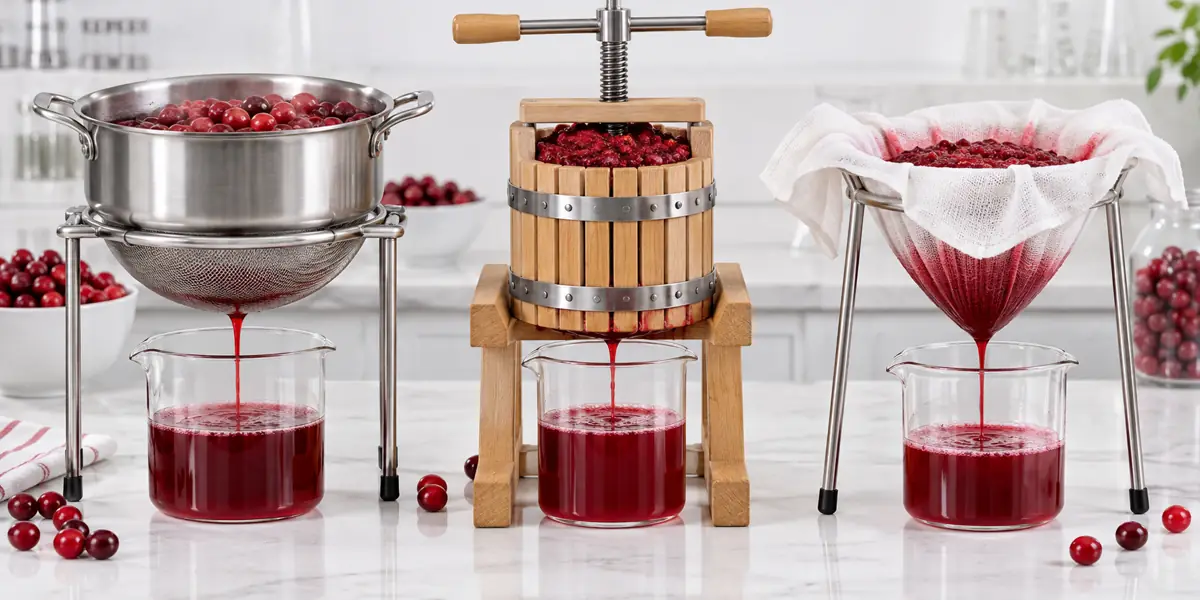
Cooked, pressed and puree-filtered extraction routes.
Direct pressing asks a different question: how much liquid can the actual machinery recover from prepared fruit without the cooked flavor profile? The Epicurious recipe puts fresh or thawed frozen berries through an electric juicer and then a fine sieve. That supports the possibility of a household direct route, but it does not predict commercial yield or microbiological status. Cranberries have tough skins and strong acids; equipment design, thaw state and any maceration step will influence extraction. Compare the output by mass and chemistry on your own line rather than importing a cookbook's yield into purchasing calculations.
Puree filtration can capture a high fruit flavor load, but the finer the particles become, the more difficult the liquid may be to clarify. A coarse sieve removes large skin and seed pieces; fine mesh or cloth can remove more visible pulp but may clog or slow the process. Industrial operations may use specialized separation equipment, yet the right choice depends on throughput, sanitation and target beverage. A bench test can reveal whether the current fruit form is even promising before a team specifies equipment. Keep the retained solids; weighing and observing them gives clues about missing yield and the likely cleaning burden.
The comparison table should record the same attributes for each route: fruit mass, added water, final recovered liquid, retained wet solids, color, visible turbidity, Brix, pH, titratable acidity, taste and the next process step. Do not fill the table with invented values. A trial may show that the clearest route has the lowest recovery or that a higher-yield route needs a second filtration. Those are useful findings precisely because they are measured under one set of conditions. If the finished beverage will be sweetened, compare the unsweetened extracts first, then evaluate the formula that consumers will taste.
Measure yield, tartness, and dissolved solids
Yield needs a denominator. A statement such as "the method gives two liters" has little meaning without fruit weight and added water. For each run, record the as-received berry mass, any drip after thawing, added water, recovered extract, wet pomace and material remaining in equipment. When a cooker evaporates water, include that loss. Calculate recovery on the chosen basis and use the same basis throughout the comparison. A commercial buyer can then estimate fruit requirement per liter of the proposed beverage, but the calculation should be labeled as provisional until repeated with more than one lot.
Measure degrees Brix on a filtered representative sample at an appropriate temperature and under the instrument procedure. It reports soluble solids, not the total amount of cranberry fruit in a diluted drink. A recipe that adds sugar will produce a higher Brix even if the underlying berry extraction has not improved. For lot comparison, measure before sweetening and record any dilution. Brix combined with a mass balance helps the developer see whether a change came from fruit, water or processing. An unusually high number should prompt a check of sample preparation and added ingredients rather than automatic praise.
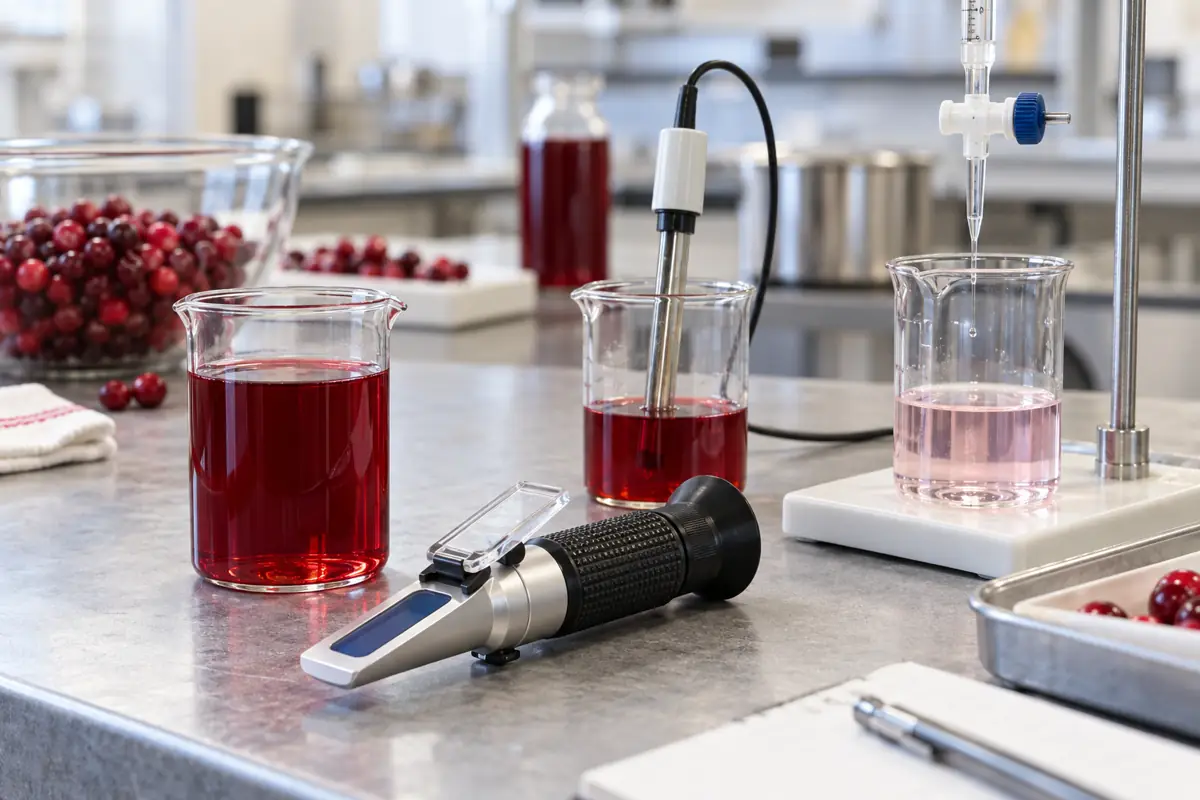
Juice samples with refractometer, pH probe and titration setup.
pH and titratable acidity answer related but different questions. pH describes hydrogen ion activity in the sample, while titratable acidity estimates the acid neutralized in a defined test to its endpoint. Cranberry tartness in the mouth is influenced by both acid and sweetness, as well as other berry components. Measure them consistently on the extracts and on the finished beverage if they are part of the specification. Do not infer microbiological safety or a validated thermal schedule from pH alone; a product's process authority must consider the complete formulation, package and distribution conditions.
Color can be measured instrumentally if the program has a method, but a simple controlled visual comparison is already more useful than a loose adjective. Compare equal path lengths in identical clear vessels against a consistent white background. Note whether the extract is ruby, dull red or brownish, and how it changes after exposure to air or heat. Frozen fruit color in the bag may not predict extract color because skin rupture and extraction conditions change pigment release. A brighter liquid may be associated with higher extraction or a different berry lot; the trial must identify which variable changed.
Repeat the measurement on a second production day or lot before writing a tight acceptance range. A single bench batch can be affected by fruit thaw time, operator handling or screen loading. If the target is a fruit base for later dilution, specify properties of that base; if it is a ready drink, specify the final formula. Mixing the two sets of numbers creates expensive disputes at receipt. GreenLand can provide the frozen fruit lot information required for repeat testing, while the beverage developer defines acceptable extract and finished drink criteria.
Control clarity and pulp in the target drink
Clarification is a decision about what may remain in the glass. A fine strainer can remove large fragments, while finer filtration or settling reduces visible haze. Pressing the pulp increases recovered liquid but may drive small particles through the screen. Simply Canning and Bernardin both describe straining followed by settling or another filtration for a clearer household juice. That visible lesson transfers to product development: record how much clarity is gained and what yield is lost at each stage. It does not transfer their home canning schedule to a factory.
Observe samples after they sit. A freshly strained extract can look uniformly colored and later develop a visible sediment layer. Place equal volumes in clear containers and assess the top liquid and bottom layer after a defined time and temperature. If the intended beverage is shaken before service, a small reversible sediment may be acceptable; a premium clear bottled juice may reject it. Decide with the actual package and use case in mind. A photo from the moment of filtration cannot prove that the drink will remain clear in distribution.
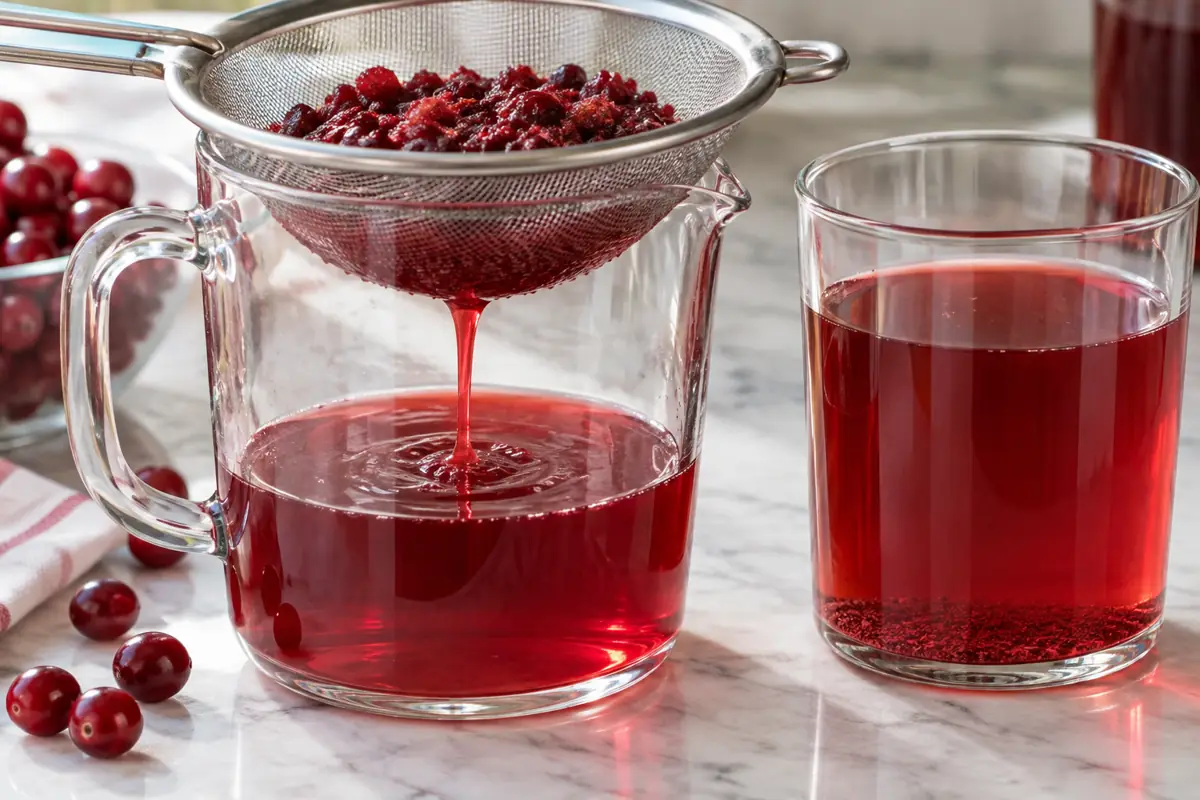
Sieve retains pulp as juice drains and sediment forms.
Filter medium and particle size affect both quality and operations. A finer filter can trap more pulp but load rapidly, reducing throughput. A coarser screen may make more sense when the drink will be intentionally cloudy. If a machine needs frequent cleaning, the theoretical yield benefit of extra pressing can disappear in labor and downtime. A pilot trial should measure not only recovered liquid but also filter time, pressure if relevant, cleaning frequency and the character of retained solids. These practical observations help distinguish an attractive beaker sample from an implementable process.
The flavor can change with clarification. Removing pulp may alter body and perceived intensity even when the liquid remains strongly colored. Test the filtered and less-filtered versions at the same fruit mass and finished beverage dilution. If sweetness or other fruit juices will be added, use the same formula for both. This extraction comparison is specifically about obtaining liquid from whole berries and controlling the solids that remain; broader cranberry applications need their own processing trials.
Keep terminology honest in the final specification. "100% cranberry juice," "cranberry juice drink," "juice base" and "cranberry puree beverage" can have different legal or commercial meanings by destination. The formulation and regulatory team should check the appropriate standard before finalizing a label. Ingredient procurement should state what is actually bought: whole frozen cranberries, a prepared puree, a juice or a concentrate. The GreenLand whole berry product should not be described as if the extraction and bottling steps had already been performed.
Separate ingredient trials from commercial beverage validation
A kitchen extraction shows that a method can produce a drinkable liquid. It does not establish a safe shelf life for a commercial package. A beverage line needs hazard analysis, sanitary equipment, controlled ingredients, validated treatment where required, packaging integrity and distribution conditions. The appropriate controls depend on the destination market and whether the product is sold chilled, frozen or shelf stable. A process authority or qualified food safety team should evaluate the exact finished formula and equipment. Household canning times printed for jars are designed for that context and cannot simply be copied into a factory's bottle or pouch process.
The frozen ingredient has its own controls. Ask for the lot identity, product form, country of origin, packing, temperature and documents required by the buyer. Confirm the intended microbiological and foreign material criteria for the raw material. Check the cartons at arrival and preserve traceability through thawing, extraction and mixing. A batch record should connect the frozen berry lot to the finished beverage batch. That is essential if a product complaint, label question or process deviation later requires investigation.
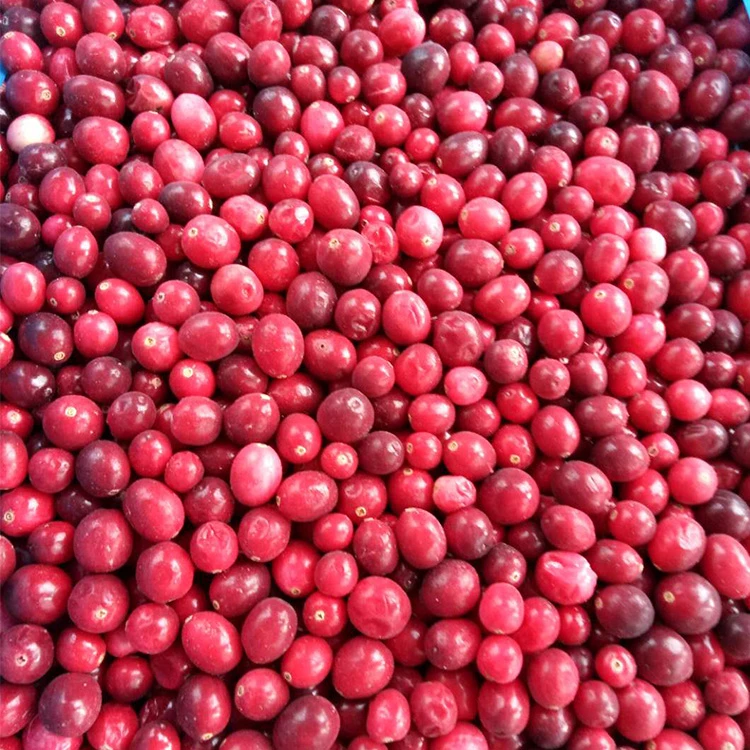
GreenLand whole cranberry product lot for ingredient procurement.
Processing aids and other ingredients also need review. A developer may add sweetener, another juice, water or a clarification aid. Each changes the finished composition and sometimes the extraction measurement. Record these after the base route has been compared. If the goal is a clear ruby juice, ask whether the selected filtration and treatment maintain the target color during shelf life. If the goal is a pulpy base, confirm how the product should be mixed before filling or serving. Stability trials should cover the real package and distribution temperatures rather than a beaker left on a bench.
When GreenLand quotes frozen cranberry supply, the useful RFQ names whole berry form, quantity, pack size, destination, target production period, requested documents and the proposed extraction trial. We can discuss current lot and sample availability, then the buyer's beverage team can run its own controlled comparison. If a new crop or alternate origin is later offered, test it under the same chosen route before approving substitution. This keeps ingredient quality separate from the formulation and safety responsibilities of the beverage producer.
For a first project, make the trial small enough to run several routes accurately. Collect a representative sample of the offered fruit, divide it into equal masses, and retain a portion for repeat checks. Document the three extraction routes, record mass balance and chemistry, then taste the final beverage formats at equal fruit contribution. Select one route for a larger pilot and use that pilot to set ingredient acceptance and processing controls. This sequence allows a buyer to answer the original household question and build a defensible commercial decision from it, without claiming that a kitchen pot is a validated production line.
Source Frozen Cranberry with GreenLand-food
GreenLand-food is a professional frozen cranberry supplier and manufacturer in China, providing factory-direct wholesale supply for importers, food manufacturers, foodservice distributors and private-label programs.
Send the product form, specification, packing, quantity, application, destination, private-label needs and requested documents. We will confirm the current lot and sample plan.