


How to Reheat Edamame Without Drying It Out
Sep 07, 2026
Leave a message
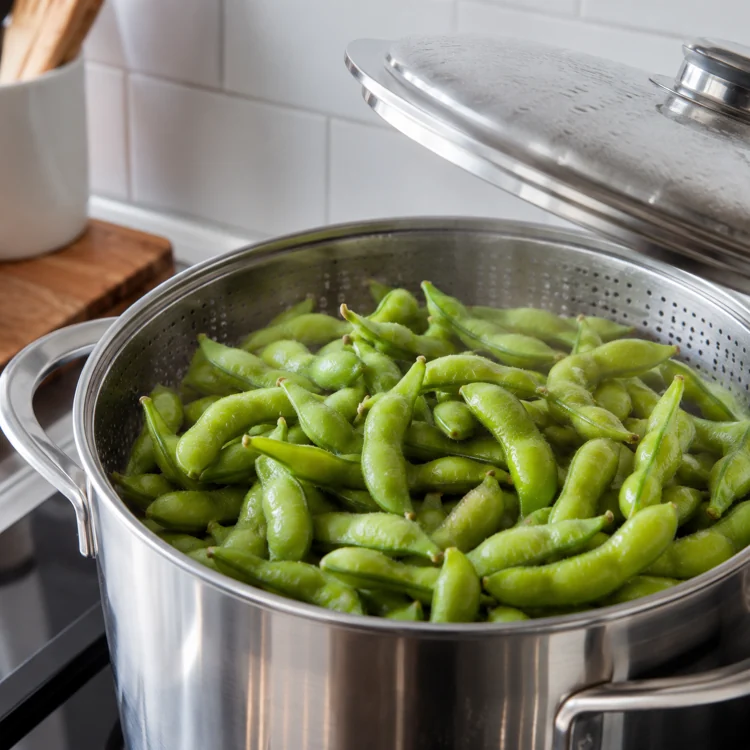
The direct answer
For safely stored cooked leftovers, add a little moisture, cover with a vent and heat evenly to 74°C (165°F) throughout. Stir or rearrange as needed and reheat only the serving portion. Follow the separate pack instructions when frozen edamame still needs its first cook.
Keep these distinctions in mind
Choose moist heat for tender reheated beans
To reheat cooked edamame without drying it out, use a microwave-safe container with a little water and a vented cover, or steam the beans in a shallow layer. Heat only the portion you need and check that it reaches 74°C (165°F) throughout. The exact time depends on the portion, starting temperature and equipment. Moisture helps preserve the bite, but it does not replace the temperature check.
This advice is for edamame that was already cooked and safely stored. A frozen bag that has only been blanched may still need its first full cooking step. Read its label rather than treating every green frozen bean as a leftover. The difference affects both the required process and the result in the bowl.
The USDA recommends 165°F for reheated leftovers. A covered method, stirring and a suitable temperature check help address uneven heating. Steam at the surface alone does not show that the whole portion is hot enough.
For a restaurant, the best method is the one that gives a repeatable safe result at the actual service load. A thirty-second success with a small spoonful is not a tested procedure for a deep catering container. We look at portion size, bean form and the final dish before recommending a sample trial or pack format.
Confirm that the edamame is already cooked and safely stored
Check the food's history before selecting the reheating method. Identify when it was cooked, how promptly it was chilled and whether it remained under proper refrigeration. Reheating is intended to prepare suitable leftovers for eating, not to recover food that has been left warm too long or whose history is unknown.
Cooked leftovers generally have a three-to-four-day refrigerated window at 4°C (40°F) or below when handled correctly. A product-specific instruction may be more restrictive. Do not apply that general leftover rule to an uncooked thawed ingredient, and do not restart the date each time a portion is warmed.
Discard food with spoilage signs such as mold, slime or an objectionable odor. Do not taste it to check whether reheating is worthwhile. Normal appearance is not proof of safe handling either, so an accurate date and known temperature history remain important.
If the beans came straight from a commercial frozen bag, consult the label. Our guide to cooking frozen edamame addresses the first-cook question. That route may resemble reheating in equipment, but the product's required instructions determine what must happen.
Separate the portion to be reheated with clean utensils and return the untouched remainder to appropriate storage promptly. This keeps the remaining food's history simpler and avoids repeatedly warming an entire batch for a small serving. In a business, use the approved batch and service procedures rather than improvising a new schedule for each container.
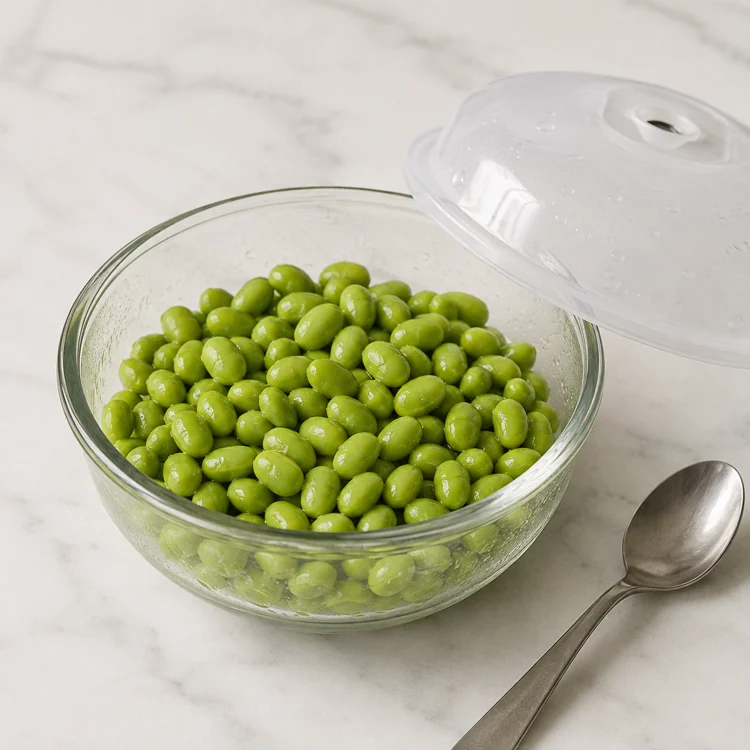
Microwave a small portion with a vented cover
A microwave is convenient for a small amount of cooked shelled edamame or pods. Put the portion in a microwave-safe dish, distribute it evenly and add a small amount of water to provide moisture. Cover with a microwave-safe lid or cover that allows steam to vent. Never use an airtight sealed container for this purpose.
Heat in short increments, stirring or rearranging between them. The objective is to bring the coldest part of the portion to the required temperature without keeping the already-hot edges under heat for much longer. Microwave power and container shape affect the result, so a fixed minute count should be treated as a trial setting rather than a guarantee.
- Check that the cooked leftovers are suitable to use.
- Spread the required portion in a microwave-safe container.
- Add a little water and fit a vented cover.
- Heat, then stir or rearrange to reduce cold spots.
- Check that the portion reaches 74°C (165°F) throughout.
- Open the cover carefully away from your face and serve.
Use enough water to support gentle steam, not so much that the beans sit in a soup unless that is the intended dish. Shelled kernels need particular care because their surfaces are directly exposed. Pods take more space and can form uneven layers, so rearranging them may be more useful than a quick stir at the center.
For small foods, temperature measurement can be awkward. Use a clean, suitable thin-tip food thermometer and check several representative locations according to the instrument's instructions. Do not measure only the hot dish or the pool of water and assume that result describes every bean.
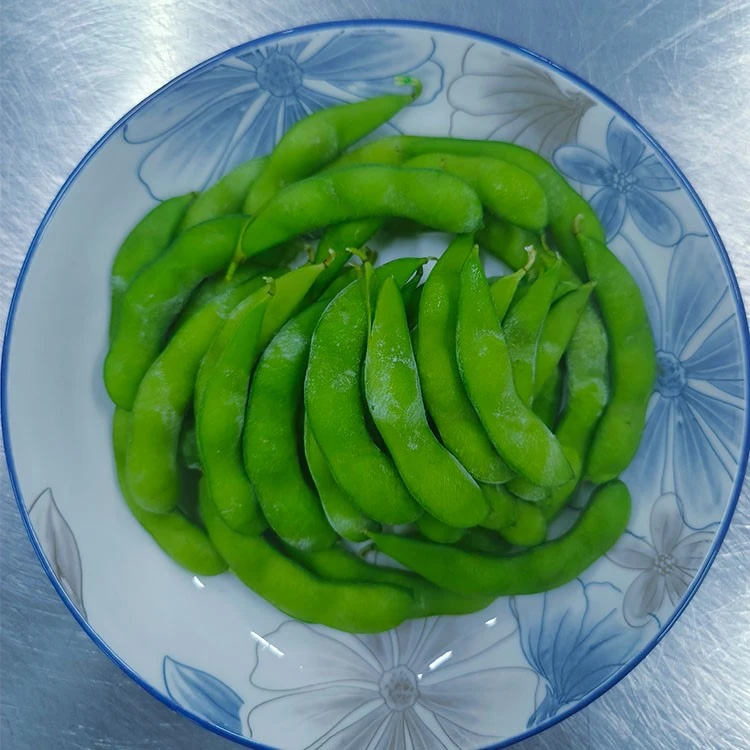
Steam pods or shelled beans in a shallow layer
Steaming adds heat without immersing the beans in a large volume of water. It can be a useful choice when the aim is a moist, clean-tasting portion with limited flavor dilution. Use a steamer basket or tray that holds the beans securely and allows steam to circulate.
Arrange the cooked edamame in a shallow, reasonably even layer. A deep mound can heat unevenly, especially if pods overlap tightly. Cover the equipment as intended and check the result at several points. The required endpoint remains hot throughout, rather than merely a warm outer layer.
Shelled beans may need a suitable perforation size or a food-safe insert so they do not fall through the basket. Pods are easier to contain but can trap cooler pockets between layers. Choose the tray and load around the form being served rather than assuming both formats behave identically.
Drain any condensation before seasoning if excess water would dilute the dish. Season after reheating when that gives better control over salt and sauce concentration. For a pod snack, a light coating may work well; for kernels entering a bowl, distribute the seasoning through the edible portion.
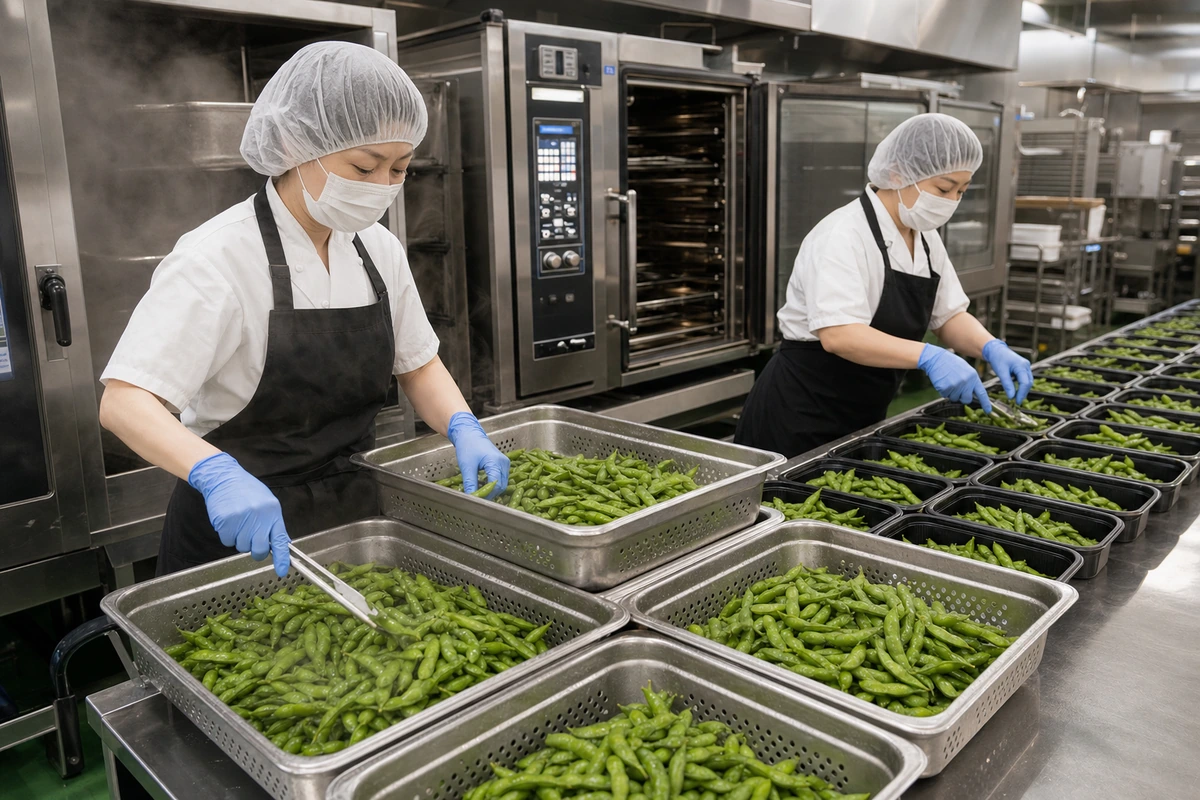
In a commercial steamer, test the actual tray depth, load and placement. A trial on one lightly filled tray does not automatically validate a full cabinet. Record the settings and the check points, and have the responsible team confirm that the procedure meets the operation's food-safety requirements. Texture can then be assessed within that controlled process.
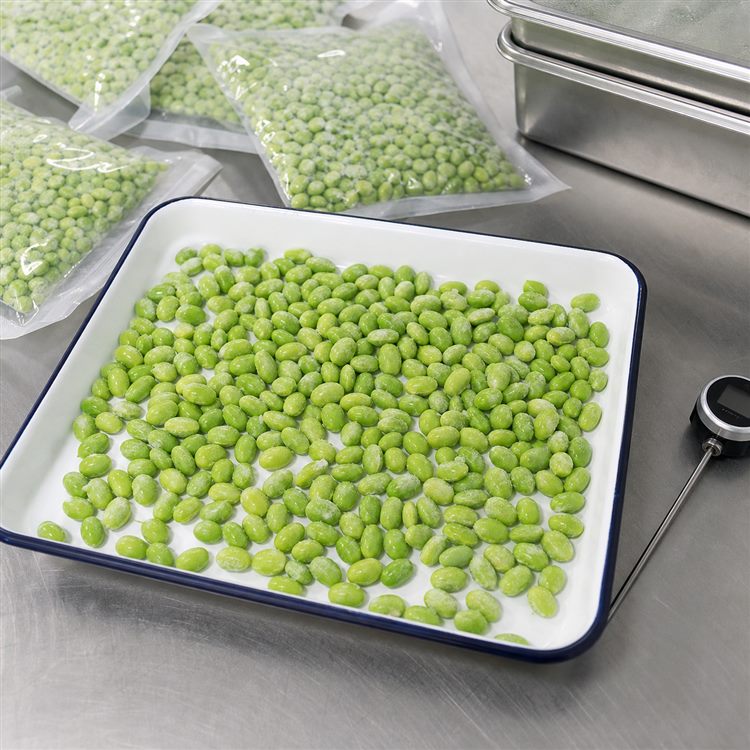
Warm edamame in a covered pan or finished dish
A covered pan can reheat cooked edamame gently when a small amount of water or suitable sauce is included. Use enough heat to bring the food through the reheating process efficiently, while avoiding prolonged dry contact with the pan. Stir carefully so the beans heat evenly without being crushed.
For shelled beans, a spoonful of the dish's sauce or broth may fit better than plain water. Consider the final concentration: a very thick sauce may heat unevenly, while too much thin liquid can leave the finished food watery. Adjust the recipe deliberately rather than adding liquid repeatedly without measuring it.
When adding edamame to rice, noodles or another prepared dish, the temperature of the whole mixture matters. Cold beans can lower the temperature of an otherwise hot pan. Fold them through and continue the appropriate heating until the complete portion reaches the required condition.
Do not assume that a hot sauce poured over cold beans is enough. The outside may feel warm while the center remains cooler. A similar problem occurs when a large cold portion is stirred briefly into a small amount of boiling broth. Check the actual food after mixing.
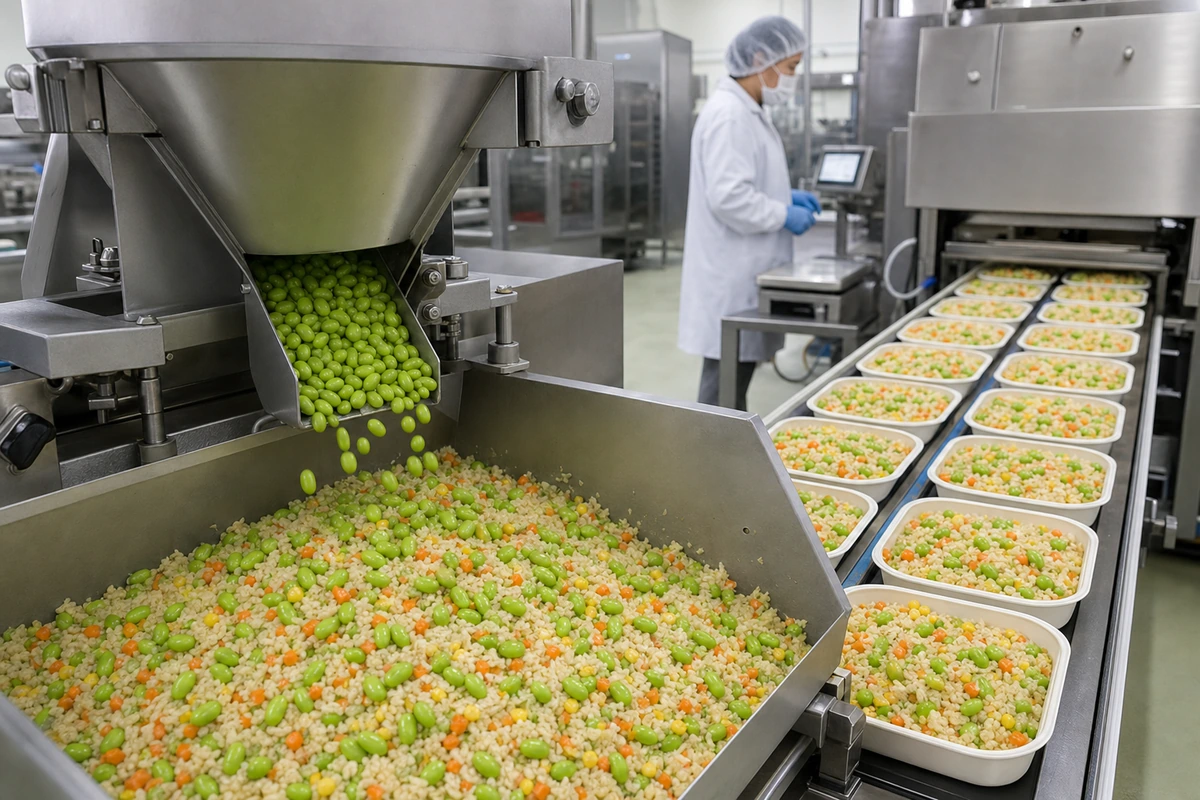
For a meal manufacturer, this stage should be part of the finished-product process rather than a separate informal warming step. The ingredient's earlier cooking status, the final heating route and the intended chilled or frozen storage all need to be understood. We use that information when reviewing an edamame sample for a multi-stage application.
Boiling, oven and air fryer: when they help and when they dry
Briefly heating cooked edamame in water can work, but prolonged boiling may soften the beans and wash flavor into the liquid. Drain promptly once the required reheating is achieved. If the beans are part of a soup, the liquid remains in the dish and the flavor tradeoff is different from a plain side portion.
An oven is usually less convenient for a small, plain serving because exposed beans can lose moisture before the whole portion heats evenly. A covered oven-safe dish with appropriate moisture may suit a larger prepared recipe. The oven temperature and elapsed time still need to be checked against the food, not treated as proof of its internal temperature.
An air fryer creates a dry, moving-air environment. That can be useful when the intended result is a deliberately roasted or toasted character, but it is less forgiving when the goal is to preserve the tender texture of ordinary cooked edamame. A few minutes too long can produce wrinkled skins and hard edges.
| Method | Good fit | Main limitation |
|---|---|---|
| Covered microwave | Small portions of pods or kernels | Uneven heating without stirring and checking |
| Steamer | Moist, plain reheated portions | Deep loads can create cold areas |
| Covered pan | Beans entering a sauce, rice or noodle dish | Dry contact or insufficient mixing can affect texture |
| Water heating | A simple portion or soup application | Extra softening and flavor loss if prolonged |
| Oven or air fryer | A recipe designed for that finish | Surface drying can occur before an even result |
Choose the method around the intended bite. A crunchy roasted snack is a different product target from tender reheated beans and should have its own recipe trial.
Why reheated edamame becomes wrinkled, tough or watery
Wrinkling often points to moisture loss. It can appear when shelled beans are heated uncovered, kept hot for too long or repeatedly reheated. Adding more time usually makes that problem worse. A vented cover and an appropriate amount of moisture can improve the next properly controlled batch.
Toughness may reflect the original ingredient, its first cook or the reheating process. If the beans were already dry or overmature before reheating, a better cover may not restore the desired texture. Compare a freshly prepared reference with the stored portion to identify when the problem began.
Wateriness can come from excess added liquid, condensation or a product that releases water during thawing and heating. Drain where appropriate, but do not remove liquid blindly if it is needed for the recipe's heating method. In a sauce, account for the ingredient's contribution to the final volume.
| Problem | Likely area to investigate | Next controlled trial |
|---|---|---|
| Wrinkled, dry kernels | Uncovered heating or long holding | Use a vented cover and smaller reheated portions |
| Uneven hot and cold beans | Deep load or limited mixing | Reduce depth and check multiple locations |
| Soft, split beans | Excess total heat exposure | Review both the first cook and reheating stage |
| Watery bowl | Too much added water or released moisture | Measure liquid and assess drained output |
| Stronger-than-expected salt | Reduction or repeated seasoning | Season after heating and record the quantity |
Keep the original sample and method in mind when investigating a commercial complaint. A bean that was approved under steaming may behave differently after dry-air reheating. The correct response may involve the process, the ingredient specification or both; the final symptom alone does not identify which one.
Reheat only the amount that will be served
Small portions are easier to heat evenly and usually spend less time waiting after reheating. Decide the serving quantity before opening the storage container. Return the untouched remainder to its proper storage promptly, using clean utensils and preserving the original date information.
Avoid reheating the same full bowl whenever someone wants another serving. Each cycle adds handling and can worsen texture. It also makes the food's time and temperature history harder to follow. Reheating does not reset the age of the original cooked batch.
For meal preparation at home, separate individual portions after appropriate cooling. For a restaurant, align the reheating batch with the realistic service demand and the approved holding procedure. The goal is a portion that can be served promptly, rather than a large quantity kept warm because it was convenient to heat at once.
A service container should not be topped up indefinitely with newly heated beans. Mixing batches hides the age of the oldest portion and complicates rotation. Use a defined replacement system that the staff can follow consistently during a busy period.
If leftovers are frequent, look earlier in the workflow. The solution may be a smaller first-cook batch, a different inner-pack size or more accurate demand planning. Reheating technique can preserve a suitable portion, but it cannot compensate for routinely preparing more food than the operation can safely use.
Adapt the method for a foodservice batch
A foodservice procedure needs more detail than "microwave until warm." State the product form, starting condition, portion weight, container, equipment setting and method of checking the result. Staff should be able to reproduce the approved process without making a new judgment about every bag.
Test the largest normal load, not only a small sample. Equipment recovery, tray depth and the arrangement of pods or kernels can change the coldest point. A method that works under ideal conditions may fail when the kitchen is at its expected production volume.
Include the time between reheating and service in the texture assessment. Beans held under a cover may continue to soften; exposed beans may dry. The quality target should describe the food at the point it reaches the customer, while the holding system meets the applicable requirements.
Train staff to distinguish the ingredients they handle. A pre-blanched frozen product awaiting its first cook should not share an ambiguous container label with cooked leftovers awaiting reheating. Clear identification reduces the chance that a shortened reheating procedure is applied to the wrong starting material.
Record any change of equipment or load that affects the approved process. Moving from a microwave to a steamer, changing the tray or doubling the batch warrants a practical recheck. The purpose is not paperwork for its own sake; it is to maintain a known result when the operation changes.
Specify frozen edamame around its final heating route
The best starting ingredient is one that performs under the actual preparation sequence. In-pod edamame for a steamed appetizer has different presentation needs from shelled kernels in a frozen rice meal. Both may be called edamame, but their sample assessment should reflect their different uses.
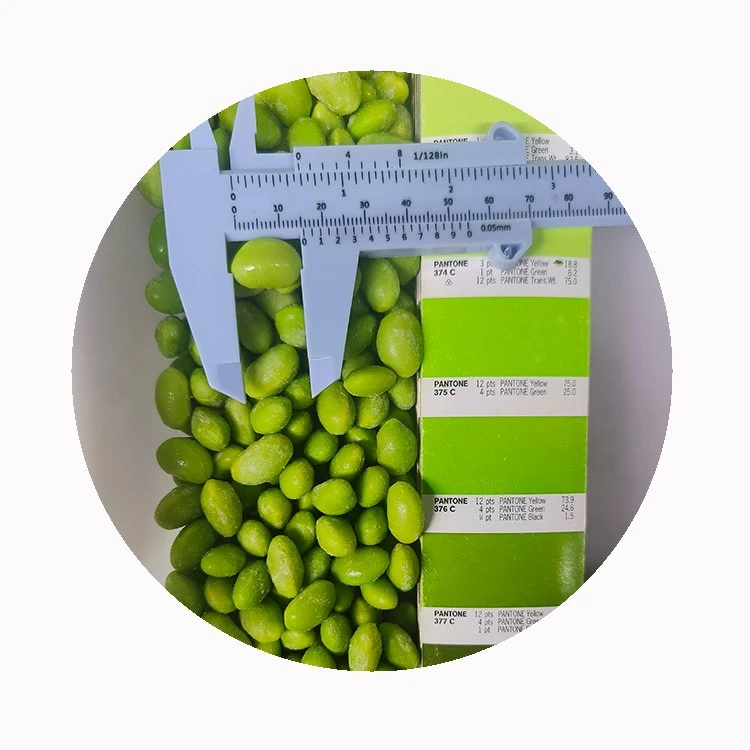
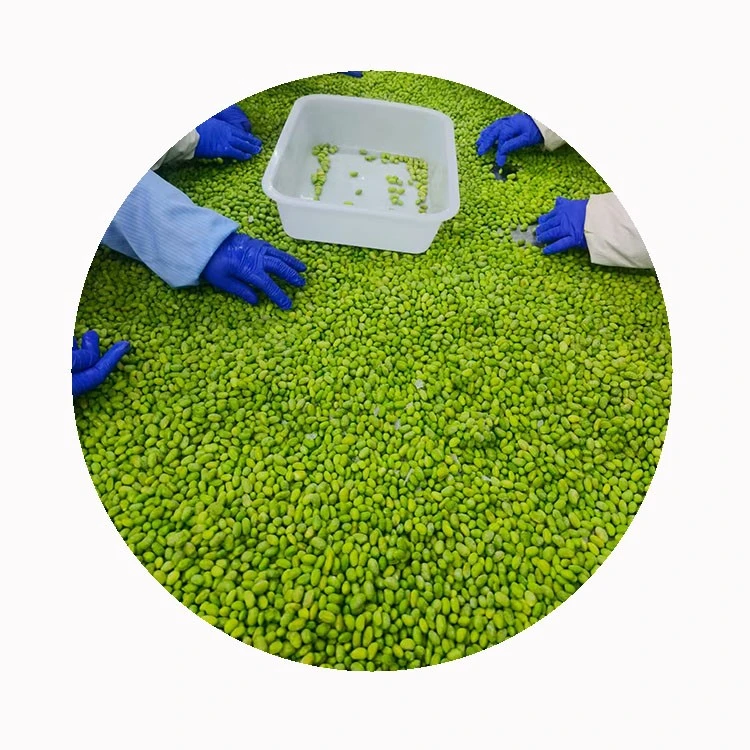
For pods, look at integrity, fullness and ease of eating after the complete cooking and reheating route. For kernels, assess firmness, broken pieces, loose skins and color in the finished dish. A raw frozen photograph cannot show whether the product will remain pleasant after a second heating stage.
We supply frozen edamame and review the pod or shelled requirement with the customer's application. Tell us whether the beans will be served immediately, chilled for later service or incorporated into a meal that consumers reheat. That information helps define the right trial and the questions the quality team needs answered.
Confirm ingredients, cooking status and storage instructions in writing. If a product is intended for ready-to-eat use, that status needs appropriate documentation; it should not be inferred from a supplier's casual use of the word blanched. For cook-before-eating products, the buyer needs a clear final treatment route.
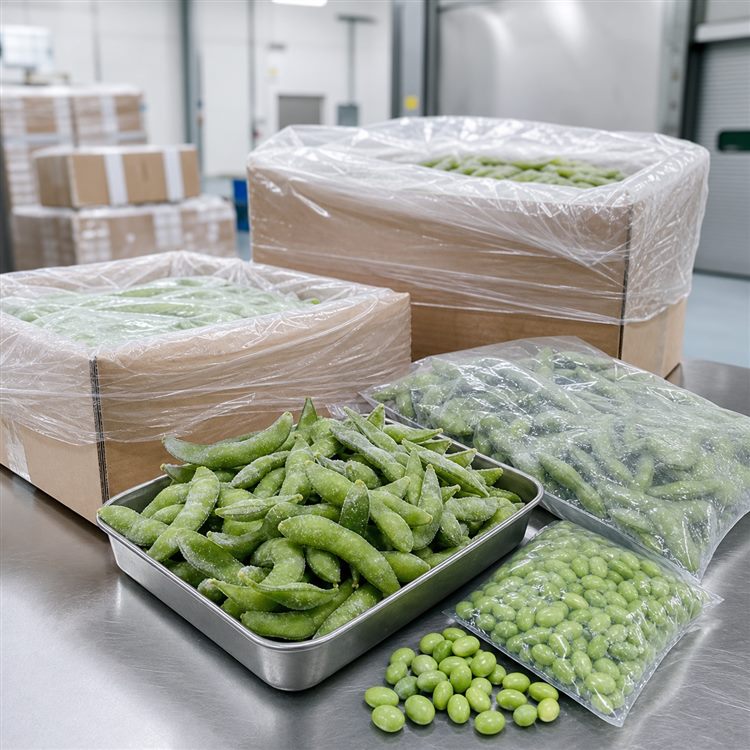
Packing should match the preparation load. A convenient inner pack can reduce repeated opening and make portion control easier. Minimum order quantity, available grades, private-label options and lead time should be confirmed for the specific requirement rather than assumed from a general product description.
Write clear instructions and evaluate samples
Sample instructions should identify the starting product and the intended endpoint. For reheating cooked leftovers, include the storage assumptions, the container and the need for even heating. For a commercial frozen product's first cook, use the validated or supplied instructions appropriate to that product instead.
Run a side-by-side trial of the most promising methods at equal portion weights. Compare tenderness, moisture, color and the amount of liquid left in the bowl after reaching the required temperature. Note operator effort and the equipment time as well as the taste. The easiest method to describe may not be the most practical during service.
For a prepared meal, test the final pack and the proposed consumer instructions. Container shape and food distribution influence microwave performance. An edamame component tucked into a dense corner of rice may heat differently from beans spread over the surface, so the complete meal needs assessment.
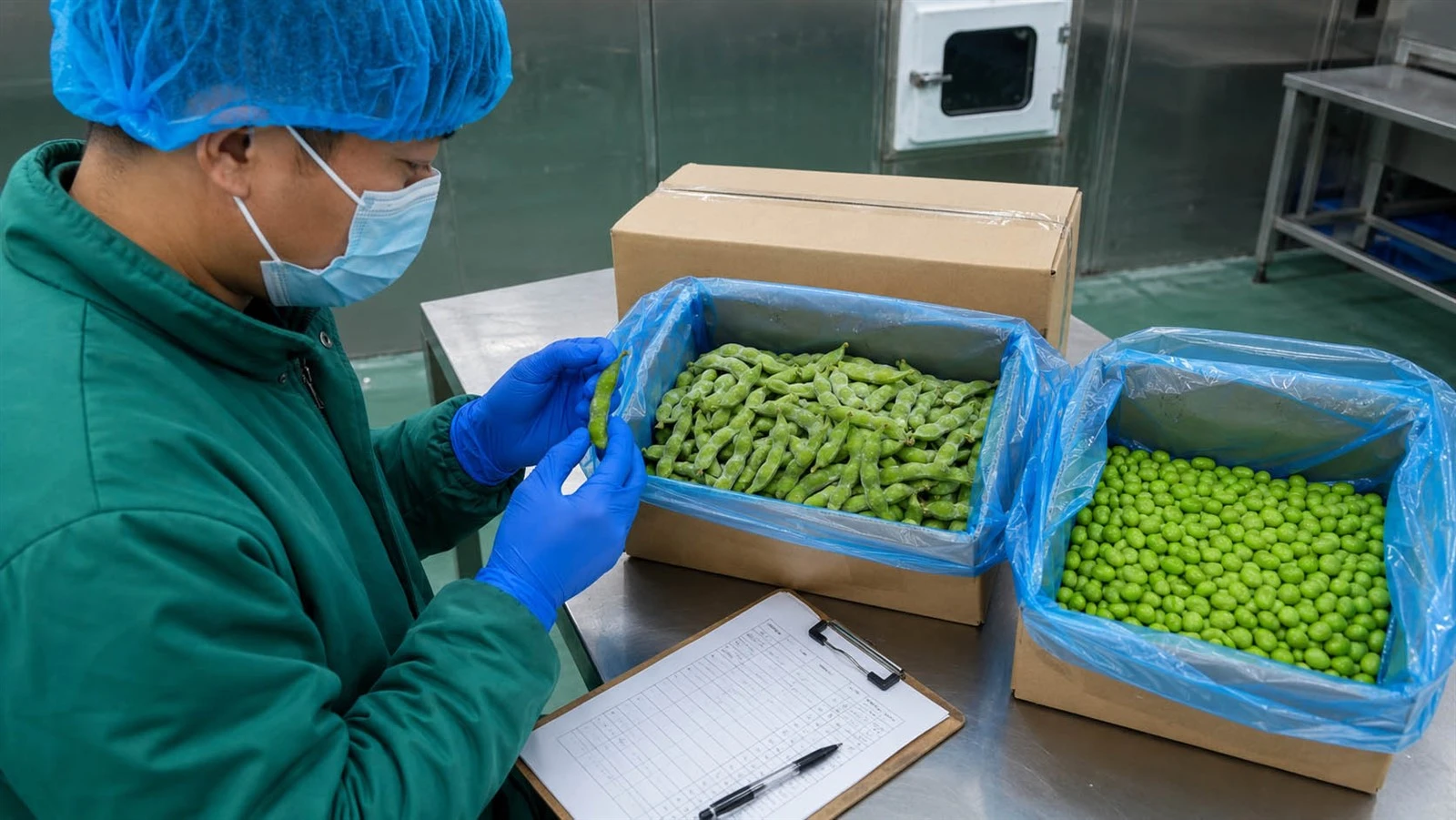
Keep the approved sample record with the product specification and relevant quality documents. At receipt, check lot identity, package condition and the agreed cold-chain information. Store the frozen ingredient under its labeled conditions and maintain that identity through preparation.
Send the form, application, batch size, equipment, packing, quantity and destination with a supply inquiry. Include private-label needs and requested documents. With that context, we can review the product and sample plan around a concrete result: properly heated edamame that remains moist and pleasant when it is actually served.
Source frozen edamame with GreenLand-food
GreenLand-food is a professional frozen edamame supplier and manufacturer in China, providing factory-direct wholesale supply for importers, food manufacturers, foodservice distributors and private-label programs.
Include the first-cook and reheating sequence, equipment, portion size and texture expected at the point of service.
Send your product form, specification, packing, quantity, application and destination, together with private-label needs and requested documents. We will review the requirement and confirm the available sample, packing and commercial options for your order.