


How to Cure Onions After Harvest
Sep 07, 2026
Leave a message
The direct answer
Select sound storage onions, provide shelter and airflow, inspect during drying and move on when necks and outer scales reach the intended dry condition. Sort unsuitable bulbs separately. Curing, dehydration and freezing are distinct processes with different endpoints and resulting products.
Keep these distinctions in mind
What curing does to a harvested onion
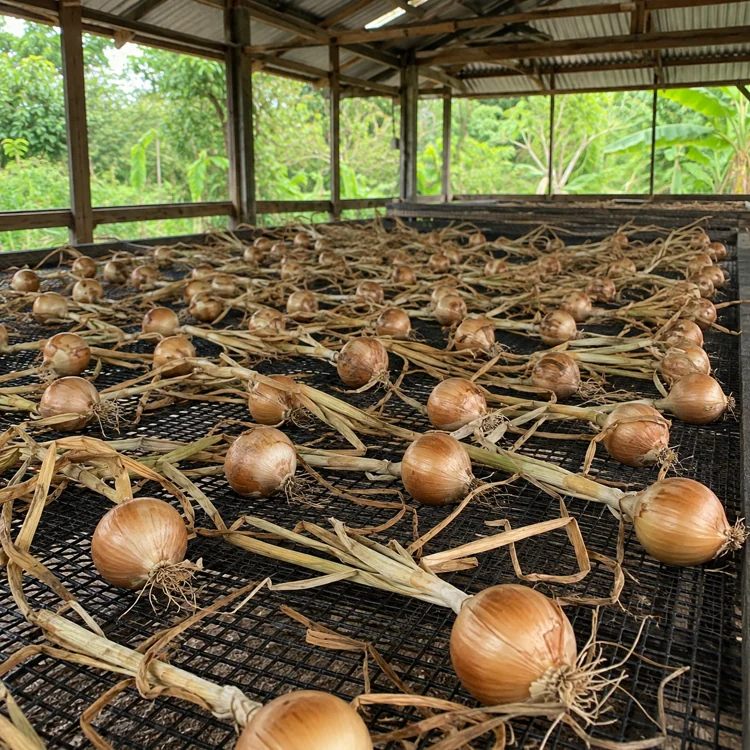
To cure onions after harvest, lay sound mature bulbs in a dry, sheltered, well-ventilated place and allow the necks and outer scales to dry. This often takes a few weeks, but the endpoint matters more than the calendar: the neck should be dry and tight, and the outer skins should feel dry and papery. Keep the fleshy bulb intact; curing is not the same as dehydrating onion pieces.
Curing prepares suitable storage onions for the next stage of handling and storage. It does not repair rot, reverse bruising or turn an immature, thick-necked bulb into an ideal long-storage onion. Start with appropriate raw material and keep unsuitable bulbs out of the storage lot.
Iowa State's onion guidance describes drying harvested onions before storage and using neck and skin condition to assess readiness. Other extension references give somewhat different time ranges because weather, airflow, bulb type and the starting condition affect drying. A fixed number of days is therefore a planning estimate, not a universal guarantee.
For a frozen-food buyer, curing is a raw-material issue rather than a freezing instruction. We review the condition of onions intended for peeling and cutting, along with the final product specification. A well-cured bulb can support predictable handling, but it still needs inspection and a controlled processing route.
Choose sound storage onions for curing
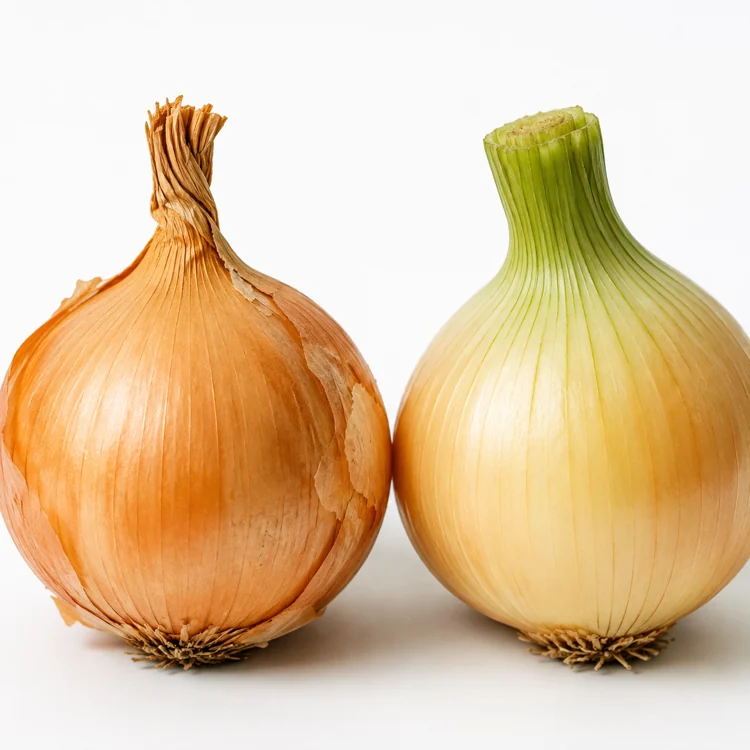
Select mature onions suited to storage, with sound bulbs and appropriate neck development. Natural yellowing and top fall help identify maturity in dry bulb onions, but the bulb itself should also be checked. A crop with damaged or flattened leaves is not automatically ready simply because its tops are down.
For harvest and seasonality details, see When Are Onions Ready to Harvest?.
Separate bulbs showing decay, leakage, soft areas or other unacceptable defects. Curing is not a treatment for spoiled food. Sound onions with mechanical damage, bolting or thick necks may need a prompt-use plan rather than long storage, depending on their condition and local guidance.
Variety matters. Sweet onions and storage types can differ in keeping quality, so do not assume every onion in a mixed harvest will store equally well. Identify the variety or source lot where possible and keep lots separate when their intended handling differs.
| Starting condition | Sensible route | Why |
|---|---|---|
| Sound mature storage onions | Cure, inspect and store appropriately | Suitable starting material for dry storage |
| Sound but damaged bulbs | Assess for prompt use | Injuries can limit keeping quality |
| Thick-necked or bolted sound bulbs | Separate and use under a suitable shorter plan | They may not dry or store like the best storage lot |
| Soft, leaking or decayed bulbs | Reject | Drying does not restore soundness |
| Mixed varieties or maturity | Sort into identifiable groups | Different drying and storage behavior is likely |
For a commercial lot, record the sorting basis. A later processing team needs to know whether it is receiving storage-grade onions or a sound lot intended for prompt preparation. The description should remain clear if the schedule changes.
Set up a dry sheltered space with moving air
Choose a place protected from rain and unsuitable direct sun, with enough air movement to carry moisture away. A roofed, ventilated space or an appropriate drying area can work, depending on the climate. The aim is to dry the outer parts without overheating or wetting the bulbs.
University of Nebraska–Lincoln's curing guidance emphasizes suitable drying conditions and careful handling. The practical details need to fit the local weather. A method that works during a dry spell can perform poorly in a humid, still room.
Use a clean surface or rack that allows reasonable airflow around the onions. Avoid a deep heap where the center stays damp. Make enough space for the quantity harvested; crowding the drying area because the field is ready can undermine the next stage.
Ordinary home curing does not require improvising a high-temperature dryer. Commercial forced-air systems use controlled settings appropriate to the crop and equipment. Do not copy a temperature from an unrelated dehydration recipe or raise the heat aggressively to shorten the process.
Plan access for inspection and sorting. If bulbs are stacked where the inner layers cannot be checked, developing problems may go unnoticed. A layout that allows staff to examine necks and remove unsuitable material is more useful than one that simply holds the maximum weight in the smallest space.
Lay out the bulbs and inspect them during drying
Handle the bulbs gently and remove loose soil without knocking them together. For normal curing, avoid washing the onions beforehand, because added surface moisture works against drying. Leave the tops and roots as appropriate during the initial stage rather than cutting into moist tissue unnecessarily.
Arrange the onions with enough space for air to circulate. Depending on the setup, a shallow layer on a suitable rack or another ventilated arrangement can help maintain a more even condition. Keep the bulbs protected from rain and from contact with contaminated surfaces.
- Sort the harvest and identify the lots suitable for curing.
- Prepare a dry, sheltered area with adequate airflow.
- Lay out the bulbs without deep, compacted piles.
- Inspect the necks, outer scales and bulb soundness during drying.
- Remove unsuitable bulbs and correct wet or poorly ventilated areas.
- Move to trimming and storage only when the intended endpoint is reached.
Inspect representative bulbs from different parts of the layout. The edge of a rack may dry faster than a crowded center. If the lot is uneven, separate the slower-drying sound bulbs rather than declaring the entire batch finished from a few dry examples.
Record significant weather or handling changes in a commercial operation. A period of high humidity, a ventilation failure or accidental wetting can affect the outcome. That record helps explain why one batch took longer and whether additional inspection is needed before storage.
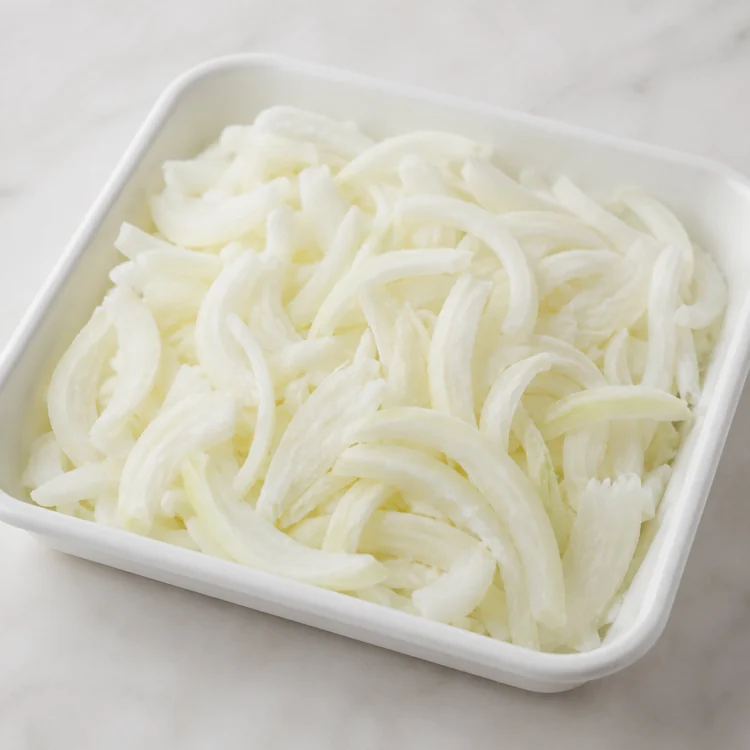
Know when the neck and outer scales are dry enough
The useful endpoint combines a dry, tight neck with dry, papery outer scales and a sound bulb. The onion should still have firm fleshy layers inside; curing is intended to dry the protective outer parts, not turn the whole bulb into a dehydrated product.
Time varies with the starting material and conditions. Two or three weeks may be a useful expectation in favorable circumstances, while another lot can need a different period. The RHS onion guide and extension references emphasize drying before storage, but the actual condition should decide when the lot moves on.
Check more than the surface skin. A papery outside can coexist with a neck that has not dried sufficiently. Likewise, waiting longer does not necessarily solve a thick neck or a developing defect. Inspect and sort rather than extending every bulb's stay until the calendar feels reassuring.
| Check | Desired observation | Reason to pause or sort |
|---|---|---|
| Neck | Dry and appropriately tightened | Moist, thick or soft areas remain |
| Outer scales | Dry, papery protection | Persistent dampness or extensive damage |
| Bulb | Firm and sound | Softness, leakage, decay or objectionable odor |
| Lot uniformity | Most bulbs meet the same defined condition | Wet pockets or large differences across the layout |
For purchased cured onions, define these observations in the receiving standard. The word cured should refer to a condition that can be checked, not simply a statement that the bulbs spent a certain number of days in a shed.
Trim, sort and move to ventilated storage
Once suitable drying is complete, trim the tops and roots according to the chosen storage method without cutting deeply into the bulb. Keep enough dry neck to protect the top. Braiding and loose storage can require different handling, so use a method suited to the onion type and the operation.
Sort again before storage. Some defects become clearer during curing, and bulbs that were initially acceptable may no longer belong in the long-storage lot. Do not allow the effort already invested in drying to become a reason to keep unsuitable material.
Use clean, ventilated containers or storage arrangements. Avoid trapping residual moisture in an airtight bag. The storage environment should suit the variety and the intended duration, with protection from moisture, unsuitable temperatures and physical damage.
Keep lots identifiable. Mark the source, harvest or receipt period and any sorting information needed for rotation. Mixing new and older bulbs without a record can make later quality problems harder to investigate and can leave older stock overlooked.
Inspect stored onions periodically under the operation's procedure. Curing improves the suitability of appropriate bulbs for storage, but it does not remove the need for monitoring. If conditions change or a lot begins to deteriorate, reassess the plan rather than relying on the original curing date as permanent assurance.
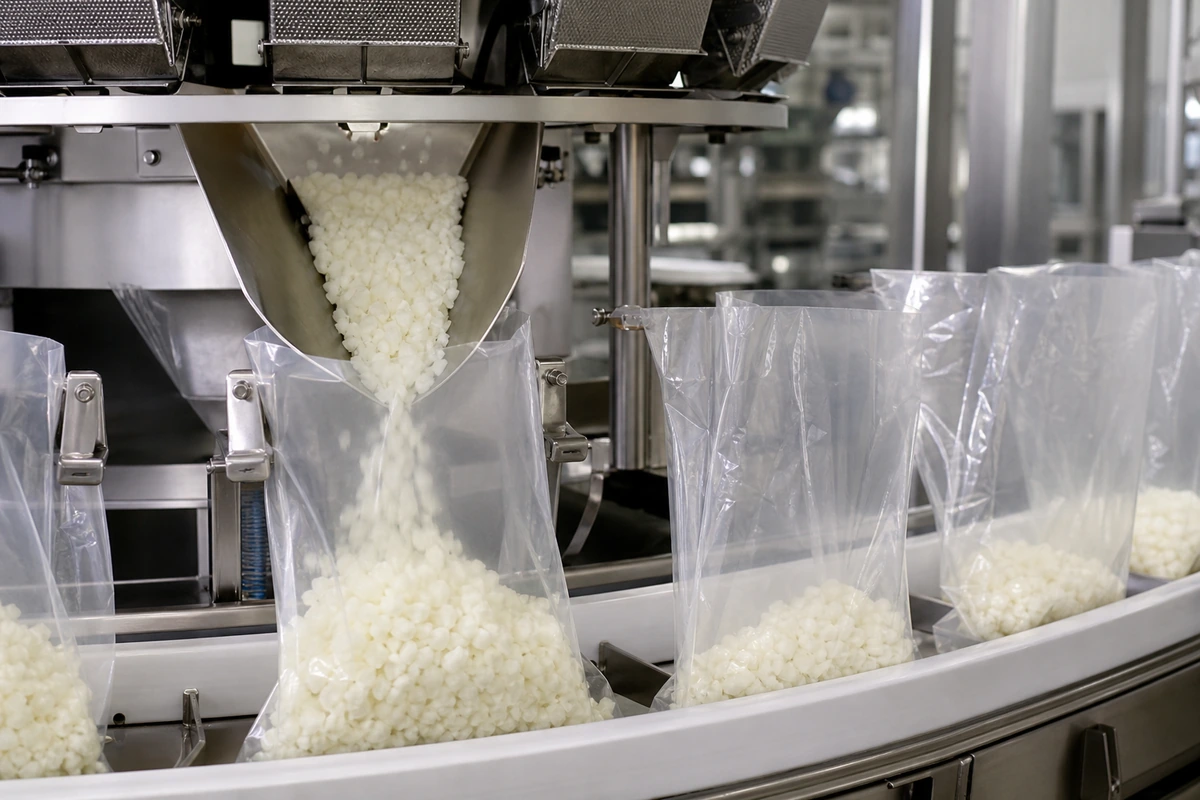
Why onions rot during curing
Rot during curing can reflect unsuitable raw material, injuries, wet conditions, poor airflow or other crop and handling problems. The exact cause may require assessment, particularly when many bulbs are affected. A single surface symptom does not always identify the underlying issue.
Deep piles and crowded racks can keep some bulbs damp while the outer layer appears dry. Rain, condensation or a humid enclosed space can also interfere with drying. Improving ventilation may help sound material, but it does not make an already decayed bulb suitable for food.
Mechanical damage creates another weakness. Bruising, cuts and rough removal of soil can compromise the bulb even when it looked acceptable at lifting. Gentle handling before and during curing reduces avoidable injury; it is easier to prevent damage than to correct it later.
| Problem seen during curing | Area to investigate | Appropriate response |
|---|---|---|
| Damp bulbs in the center of a pile | Load depth and airflow | Reassess the layout and inspect the affected material |
| Repeated wetting | Rain protection, condensation or leaks | Correct the environment and sort the lot |
| Decay around injuries | Harvest and handling damage | Reject unsuitable bulbs and improve handling |
| Neck remains moist | Maturity, variety and drying conditions | Separate and assess rather than relying on extra days alone |
| Widespread unusual symptoms | Crop health or storage problem | Seek appropriate technical assessment |
Keep records of rejected quantities and observed defects in commercial supply. They help identify recurring causes and make yield expectations more realistic for the next crop or supplier lot.
Sweet onions, thick necks and damaged bulbs need different plans
Not every onion is intended for the same storage life. Sweet onions may have a shorter keeping period than suitable pungent storage types. A sound bulb can therefore be perfectly useful for prompt cooking without being a good candidate for extended storage.
Thick necks can dry differently from naturally matured, tighter necks. Do not assume that leaving the bulb in the curing area indefinitely will make it equivalent to a well-matured storage onion. Sort and choose a realistic use plan based on soundness and appropriate guidance.
Bolted onions and mechanically damaged but otherwise sound bulbs also deserve separate attention. Their storage limitations should be understood before they are mixed into a long-term lot. If they are suitable for prompt food use, keep that destination and timing clear.
Reject rot and other unacceptable defects. "Use soon" is a route for suitable sound food with limited keeping quality, not a label that makes spoiled bulbs acceptable. The distinction should appear in staff instructions and receiving criteria so commercial pressure does not blur it.
For processing supply, ask how raw-material lots are selected and scheduled. A sound lot intended for immediate peeling should not sit for an extended period because a production slot moved. If the timetable changes, inspect the condition again and review the storage arrangement rather than assuming the earlier approval still covers the new delay.
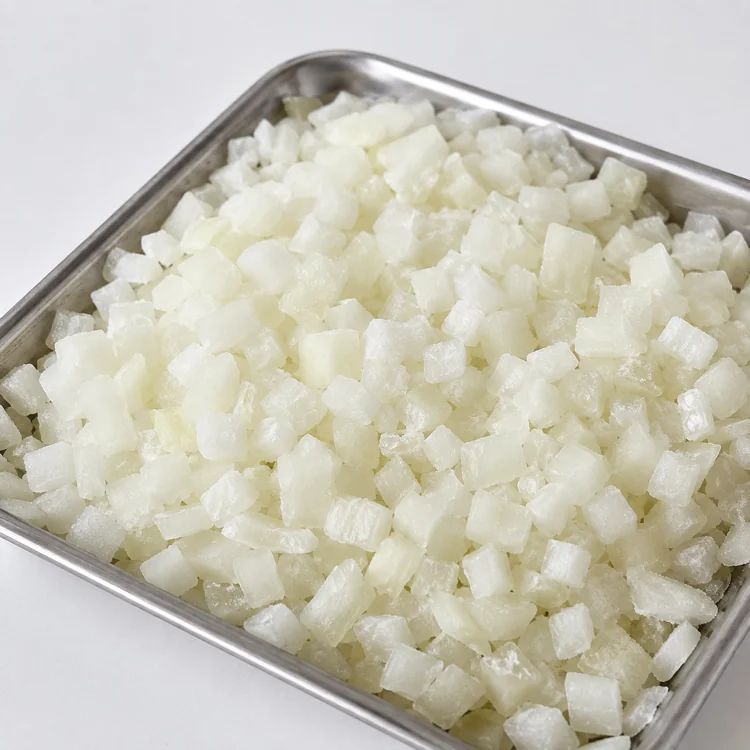
Curing is different from dehydration and freezing
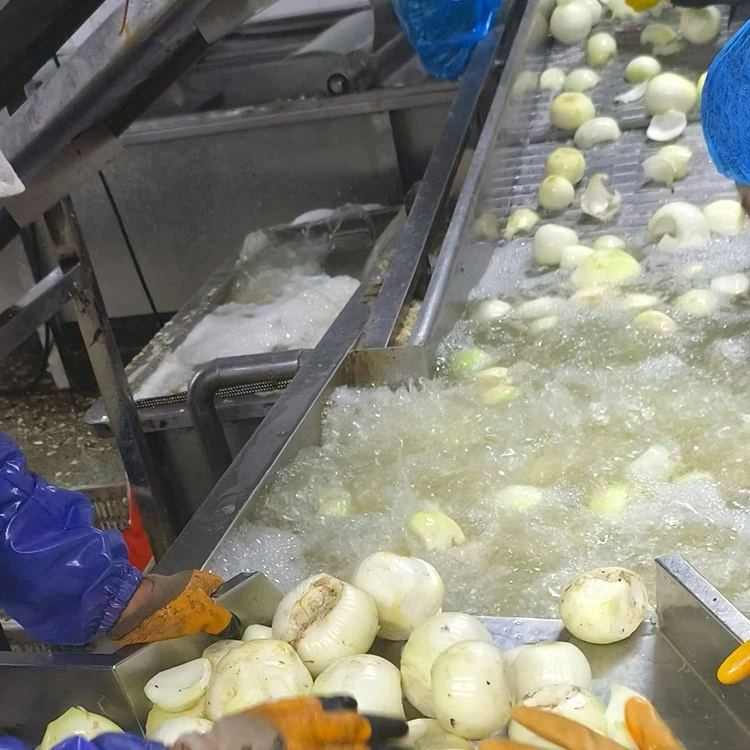
Curing dries the neck and outer scales of an intact bulb. Dehydration removes much more moisture from prepared onion pieces to produce a dried ingredient. Freezing preserves a prepared product under frozen conditions and commonly changes its later texture. These are different processes with different products and instructions.
Confusing them can lead to poor advice, such as putting whole storage onions into an oven using a diced-onion drying recipe. It can also mislead buyers who assume a cured onion is already suitable for every later processing route. The ingredient still needs appropriate preparation and quality checks.
| Process | Main product change | Typical resulting ingredient |
|---|---|---|
| Curing | Neck and outer scales dry while the bulb remains intact | Whole dry-storage onion |
| Dehydration | Moisture is removed from prepared pieces | Dried flakes, pieces or powder |
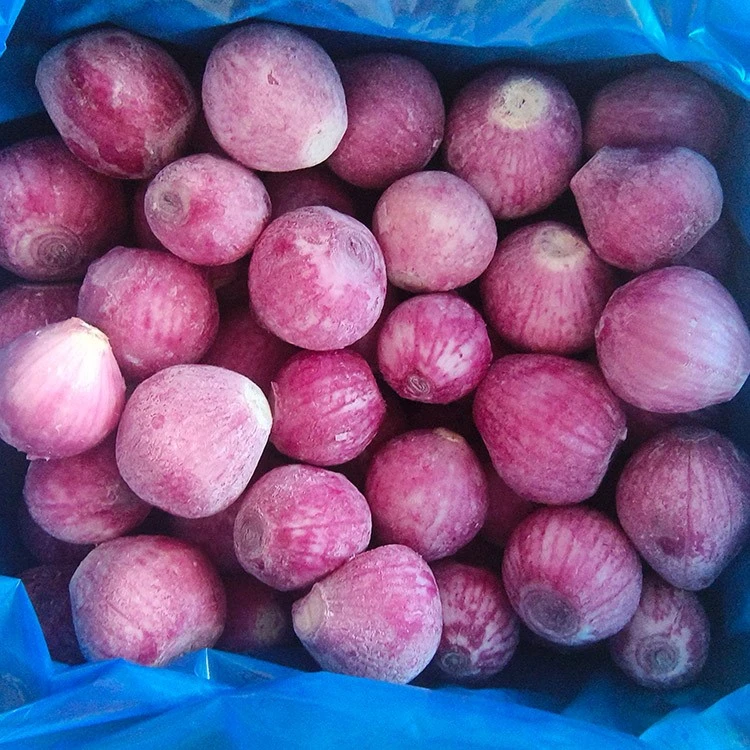
| Freezing | Prepared onion is held frozen | Frozen dice, strips, slices or whole bulbs |
| Cooking | Heat changes texture and flavor | A prepared component or finished dish |
For freezing, use sound material and an appropriate process. Our article on whether onions can be frozen explains the later texture and use questions. A frozen cut is often well suited to cooking, while it may not recreate a fresh raw garnish.
There is no need to impose the same curing schedule on every sound onion that will be processed promptly under a controlled plan. The raw-material requirements should be defined for the actual operation. What matters is suitable condition, traceability and the finished product's intended use.
What cured raw material means for frozen cut onions
Appropriate raw-material preparation can support consistent peeling and handling, but a cured label alone does not predict frozen-cut quality. The bulb type, soundness, size and layer condition influence yield. Cutting, pretreatment, freezing and later storage then add their own effects.
For dice, check size consistency, fines and residual skin. For strips or rings, layer integrity and shape retention become more visible. Whole small onions need a suitable diameter range and careful trimming. The best raw-material lot is the one that can meet the intended product specification reliably.
Measure the path from received bulb to acceptable prepared cut. Record peeling loss, trim waste and the amount that meets the required grade. A low raw-material price can be misleading if the lot causes more rejection, labor or interruption on the line.
We supply frozen onion products for cooking applications and review the required cut with the buyer. Tell us whether the onion will form a sauce base, remain visible in a vegetable mix or undergo another cook after meal assembly. That context determines which quality observations matter most.
Confirm the ingredients, processing status and cooking instructions for the supplied product. Curing information belongs to the raw-material history; it does not establish that the frozen onion is ready to eat. A clear specification keeps those stages separate while connecting them through traceability.
Keep raw-material and finished-cut observations in separate columns during a trial. A dry neck may explain that the bulb reached the intended curing condition, while the percentage of acceptable dice describes the later preparation result. Recording both avoids blaming every cutting defect on curing, or assuming that a dry bulb automatically produces a good frozen ingredient. If two lots differ, repeat the same peeling and cutting method before attributing the difference to the crop. A controlled comparison gives the buyer and processor a more useful basis for correcting the next run.
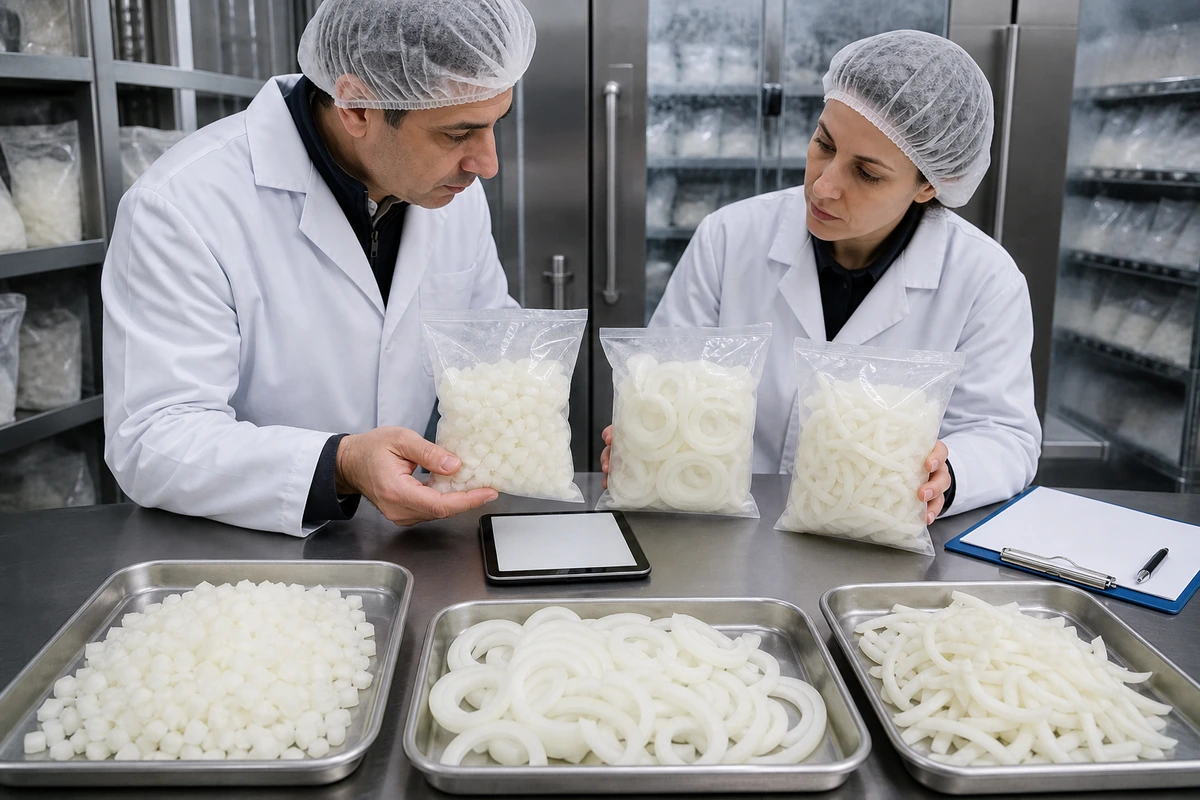
Records, sample checks and a commercial sourcing plan
Useful records connect the crop or source lot, harvest or receipt period, curing condition and processing lot. Where a buyer makes an origin or harvest-related claim, supporting documentation should match that claim. A general description of the region does not replace the actual lot connection.
Assess samples after the intended cooking method, including any hold or reheating stage. Note texture, water release, shape retention and acceptable cooked yield. Those observations show whether the raw material and processing route produce a useful ingredient in the customer's kitchen.
Choose packing to fit the operation. A large industrial pack and a smaller foodservice bag can create different handling and portioning needs. Confirm minimum order quantity, available formats, lead time and private-label requirements against the actual program rather than an assumed standard offer.
At receipt of frozen goods, inspect package integrity, lot codes, quantities and the agreed cold-chain evidence. Store the product under its labeled frozen conditions, commonly at or below -18°C. Sound raw material and proper curing cannot compensate for poor handling after freezing.
Send the target onion type, cut, application, packing, volume and destination, together with the documents needed for approval. We can then review a practical sample and supply plan. The purpose of curing is to prepare suitable bulbs for their next stage; the purpose of the specification is to ensure that the buyer's next stage works as intended.
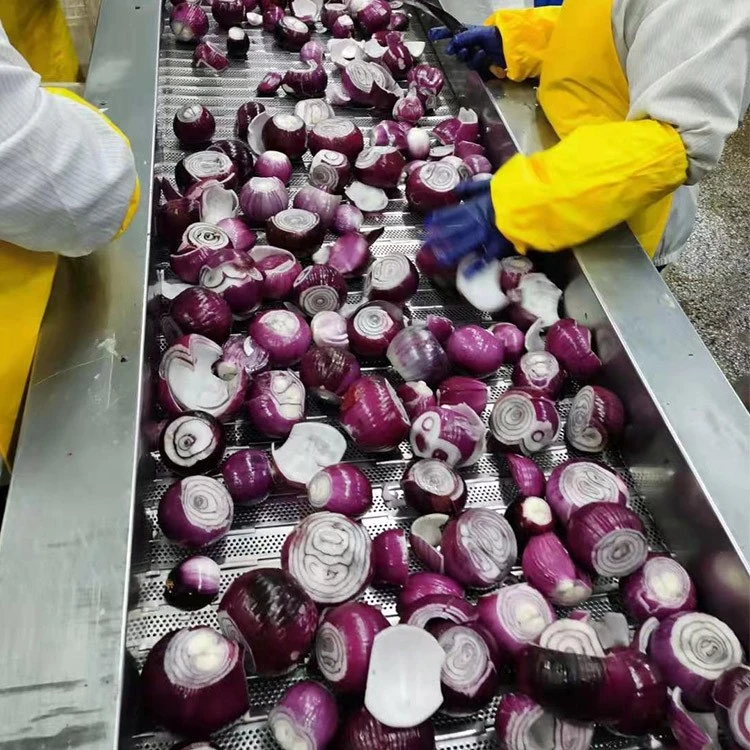
Source frozen onion with GreenLand-food
GreenLand-food is a professional frozen onion supplier and manufacturer in China, providing factory-direct wholesale supply for importers, food manufacturers, foodservice distributors and private-label programs.
Describe the final frozen cut and any raw-material condition, peeling-yield or traceability criteria needed for the program.
Send your product form, specification, packing, quantity, application and destination, together with private-label needs and requested documents. We will review the requirement and confirm the available sample, packing and commercial options for your order.