


How to Store Fresh Pineapple
Sep 07, 2026
Leave a message
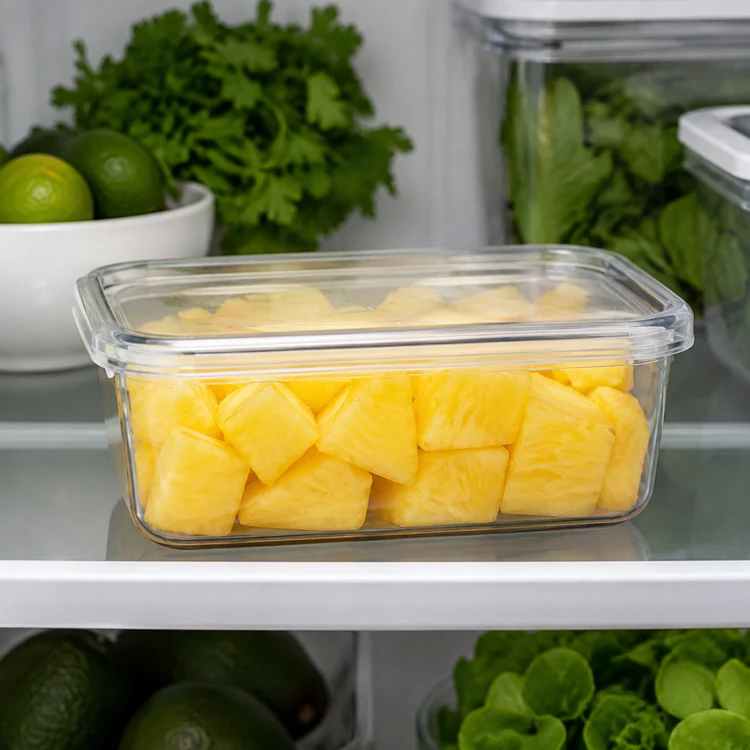
The storage plan changes when the knife cuts the fruit
Once cut, put the pieces in a clean covered container and refrigerate at 4°C or below. Plan to use cut fruit within about three days for best flavor, while following any shorter package instruction and rejecting spoiled or mishandled fruit sooner. Storage preserves a suitable pineapple; it does not turn an immature fruit into a sweeter one. Reduce the amount cut in advance when demand is uncertain. A small preparation log can reveal whether waste comes from poor incoming fruit, excessive batch size or a pack that does not match the kitchen's rate of use.
Treat intact-fruit holding and cut-fruit refrigeration as different tasks, with a clear preparation date and use plan.
A pleasant smell cannot override poor handling history; use condition checks to reject deterioration, not to prove safety.
Choose a preparation batch and pack size that match demand, and consider freezing while suitable fruit is still within its plan.
Store whole and cut pineapple differently
The rind protects an intact fruit in a way that a bowl of cut pieces no longer has. That is why a general instruction to "keep pineapple on the counter" should not be applied to prepared chunks. Once the fruit is peeled or cut, handling, cleanliness and refrigeration become more immediate concerns.
| Pineapple condition | Practical storage approach | Decision to make |
|---|---|---|
| Sound whole fruit for prompt use | Keep cool, dry and out of sun | Choose a near-term preparation time |
| Whole fruit needing a short household hold | Refrigerate where appropriate and inspect regularly | Avoid treating the fridge as a long-term ripening room |
| Freshly cut pieces | Cover and refrigerate at 4°C or below | Label and use promptly |
| Purchased fresh-cut pineapple | Maintain refrigeration and follow the pack | Respect its use and opening instructions |
| Frozen pineapple | Keep frozen under the supplied instructions | Plan the required thawing or direct-use step |
Commercial whole-fruit storage is more specialized than a household refrigerator. Temperature recommendations can depend on maturity, duration and the risk of chilling injury. Do not transfer a long-term whole-fruit shipping regime to cut pineapple, or assume a general home-fridge instruction defines a commercial storage specification.
What to do when the fruit arrives
Inspect the pineapple before deciding where to put it. Look for sound condition, damage, leakage and areas of deterioration. Keep damaged or doubtful fruit separate while making the acceptance decision. A convenient storage space does not compensate for unsuitable raw material, and a delivery should not be accepted solely because the crowns look green.
If the fruit will be prepared soon, choose a cool place away from sun, cooking heat and contamination. If it must wait, decide on an appropriate short hold and check it rather than leaving it indefinitely. The purchase date alone does not reveal how long the fruit has already spent in distribution, so avoid adding a generous storage allowance without considering its condition.
For foodservice receiving, record the supplier and lot information needed by the site's traceability system. Match the quantity to planned demand and identify which stock should be used first. When fruit from several deliveries is mixed in one display or crate, the staff can lose track of the older stock. Keep a simple rotation method visible before the preparation rush begins.

How to refrigerate cut pineapple
Prepare the container before cutting so the fruit can move promptly into protected storage. Use a clean food-safe container with a well-fitting cover. Choose a size that accommodates the pieces without crushing them and can be handled easily in the refrigerator. Several smaller containers can be more practical than one large vessel opened repeatedly throughout service.
- Prepare cleanly. Wash the intact rind under running water and use clean hands, knife and board. Separate rind handling from the container that will hold the finished pieces.
- Inspect the pieces. Remove unwanted eyes, rind and fibrous core according to the recipe. Reject spoiled material rather than mixing it with acceptable pieces.
- Transfer and cover. Put the fruit in a clean container and close it. Do not leave it exposed while other preparation work continues.
- Refrigerate promptly. Maintain 4°C or below for the cut fruit in a domestic refrigerator, or follow the operation's applicable controlled storage plan.
- Identify and rotate. Record preparation or opening information and use the oldest suitable stock first. Follow any shorter supplier instruction.
Store the container away from raw-food drips and dirty packaging. Keep serving utensils clean and avoid returning fruit that has been handled or displayed back into the main stored batch. The container protects the product best when the opening and serving routine is also controlled.
How long is a useful planning window?
University of Minnesota's pineapple guidance recommends eating pineapple soon after purchase and within three days of cutting for best flavor. This is a practical quality target, not a guarantee that every batch remains safe or acceptable for three days regardless of its history.
For whole fruit, plan prompt use rather than treating a fixed number of counter days as a ripening requirement. Condition at purchase, room temperature and prior handling vary. For fresh-cut retail packs, follow the package storage, use-by and after-opening instructions. An unopened pack and a container repeatedly opened during service should not automatically receive the same remaining life.
In a commercial kitchen, establish the permitted hold through the site's food-safety and quality system. Record what happens in normal service: how often the container is opened, how much time it spends outside refrigeration and whether it is exposed to other foods. Those conditions matter more than an optimistic internet shelf-life claim. If demand is too uncertain to use the prepared quantity promptly, reduce the preparation batch or evaluate a frozen format before waste becomes routine.
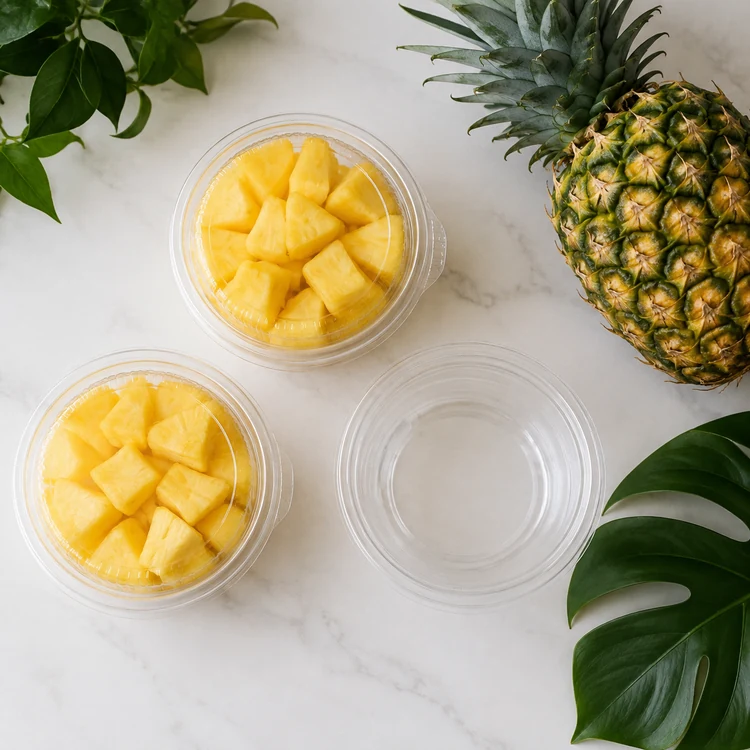
Storage does not turn an immature pineapple sweet
Pineapple is harvested for use at an appropriate maturity. Unlike fruits that gain substantial sweetness through postharvest ripening, a pineapple should not be expected to become sweet simply by sitting on a kitchen counter. UF/IFAS pineapple guidance supports choosing the fruit at suitable maturity rather than relying on a waiting trick.
The rind can change in appearance and the fruit can soften during storage, but those changes should not be equated with a reliable increase in sugar. Turning the fruit upside down or leaving it near other fruit is not a substitute for a suitable starting pineapple. If a sample tastes weak or excessively tart for the recipe, storage is unlikely to solve the purchasing problem predictably.
For a repeat menu, evaluate the fruit or prepared ingredient in the actual application and retain an approved reference. If a delivery does not meet the flavor requirement, discuss the lot and specification with the supplier. Do not leave it longer in the hope that deterioration will become ripening. Good stock planning begins with an ingredient that is already appropriate for the intended use.
Recognize spoilage and keep safety separate
Visible mold, slimy surfaces, unusual leakage, deteriorating texture and objectionable fermented odors are reasons to reject fruit. Inspect the whole batch when one portion appears abnormal, especially if pieces have shared a container. Do not taste questionable pineapple to decide whether it is safe, and do not use a blender or cooking step as an automatic rescue plan.
Normal appearance cannot prove safety. Handling history and temperature still matter when the fruit looks attractive. FoodSafety.gov advises refrigerating cut produce promptly, within two hours or one hour when exposed to temperatures above 32°C. These general household limits are particularly relevant to picnics, takeaway preparation and fruit left beside a warm cooking station.
If the time or temperature history is unknown, make a conservative decision under the applicable food-safety guidance rather than inventing a new shelf life from a smell test. For a business, identify the affected lot or container and record the disposition. This allows the team to correct the cause, such as overfilling the refrigerator or leaving a service container out, instead of repeatedly discarding unexplained spoiled fruit.
Prevent juice leakage and refrigerator odors
Cut pineapple releases juice, so use a container that can contain the liquid during normal handling. A loose cover or overfilled tub can leak onto shelves and other food. Leave enough room to close the lid properly and keep the container upright. Clean spills promptly using the refrigerator's normal cleaning procedure.
The appropriate amount of retained liquid depends on the application. A fruit salad may use the released juice, while a topping may require a defined draining step just before use. Draining repeatedly during storage adds handling and changes the weight available for the recipe. If draining is required, record the method and include it in the yield calculation.
A well-fitting cover also helps protect the fruit from unrelated refrigerator odors. Do not store an open bowl beside strongly aromatic ingredients and then interpret the changed aroma as a raw-fruit defect. Container choice, shelf placement and serving practices are small operational decisions, but they can materially affect the customer's experience of a delicate fresh fruit portion.
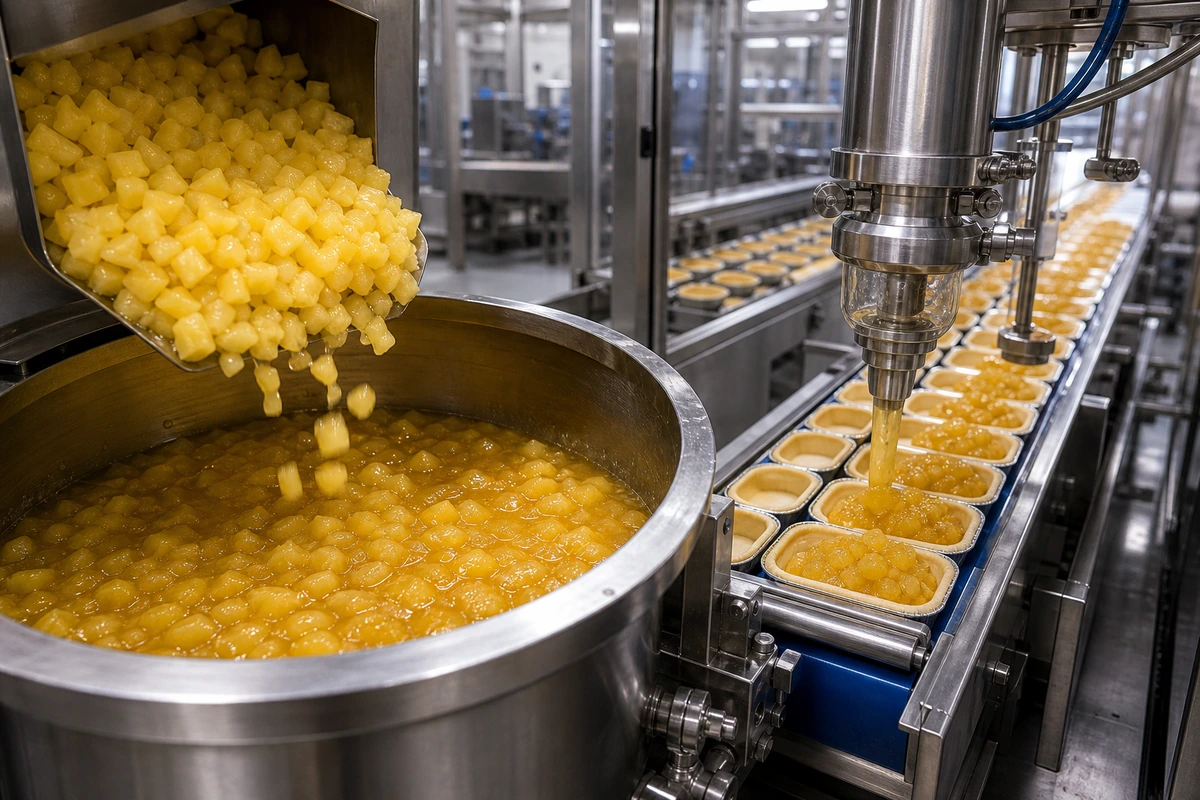
Plan preparation around actual demand
Start with the amount sold or used during a normal service period. Prepare a manageable batch, retain the remaining suitable whole fruit under appropriate conditions and review demand before cutting more. This reduces the time that prepared fruit spends waiting for a customer who may not arrive.
Consider a café that expects twelve fruit cups at lunch, each using 80 g of pineapple. The planned need is 960 g of prepared pieces. If the team routinely cuts enough for thirty cups, it creates 1.44 kg of additional prepared stock before knowing whether it will be sold. This is an illustrative planning example, but it shows why a preparation habit can be the main cause of waste.
Use a simple record over several days: quantity prepared, quantity served, quantity retained within the permitted hold and quantity discarded. Note unusual events such as catering orders or quiet days. The resulting pattern helps decide whether smaller preparation runs, a different fruit size or an alternative frozen format would be useful. The objective is enough acceptable fruit for service, with a clear plan for every prepared container.
A staged preparation plan can be tested without changing the menu. Keep the planned daily total the same, but divide cutting into an initial service batch and a later review point. Record whether the second batch was needed and how much prepared fruit remained at closing. Compare this with the previous practice of cutting the whole daily estimate at opening time.
The tradeoff is real: smaller runs can reduce the age of cut fruit but require staff and equipment to be available later. If the kitchen cannot prepare safely during the rush, a different pack size or a prepared ingredient may be more practical. Choose the arrangement that the team can actually maintain, rather than writing a schedule that depends on uninterrupted attention at the busiest moment.
Keep a limit on the service container as well. A small container replenished through a controlled routine may be easier to keep cold than a large tub left beside the counter. Do not top up old fruit with new pieces and lose the age of the mixture. Use clean containers and a defined changeover so the preparation record continues to describe the food being served.
When freezing surplus is sensible
Freezing can be useful when sound, properly handled pineapple will not be used within the planned fresh window and the later application accepts the texture change. It should be a deliberate decision made while the fruit is still suitable, not an attempt to extend the life of spoiled or temperature-abused leftovers.
Choose the later use before freezing. Blended drinks, cooked fillings and some sauces may accommodate texture changes more readily than a premium fresh fruit cup. Portion the fruit around that use and identify it clearly. Follow an established freezing method and keep the product under appropriate frozen storage conditions.
Our separate guide to whether pineapple can be frozen covers the freezing decision in more detail. For regular commercial demand, compare in-house freezing with a specified IQF ingredient. In-house freezing has its own labor, equipment, handling and consistency requirements; it is not automatically equivalent to purchasing a prepared commercial product.

Fresh-cut and IQF pineapple in a commercial kitchen
Fresh-cut pineapple gives the kitchen direct control over the fruit and preparation, but it requires frequent decisions about receiving, trimming and short storage. IQF pineapple can simplify portioning and reduce daily peeling work when the supplied format and final texture suit the recipe. Neither route is best for every dish.
For ingredient format details, see How to Freeze Fresh Pineapple: Chunks, Rings and Puree.
| Operational question | Fresh-cut route | IQF route |
|---|---|---|
| Daily preparation | Peel, core and cut | Portion the supplied cut |
| Main stock concern | Short fresh holding window | Frozen storage and controlled handling |
| Texture assessment | Evaluate fresh pieces at service | Evaluate after the intended thawing or cooking step |
| Yield measurement | Whole fruit to accepted chunks | Net input to acceptable application output |
| Pack planning | Fruit size and cutting batch | Inner pack size and consumption per run |
We review frozen pineapple supply against the customer's intended use. A sample should be assessed in the actual dish, including holding and any reheating. A frozen ingredient that works well in a filling may not be the desired substitute for a fresh fruit platter. Keep that distinction visible when comparing labor savings and waste reduction.
Record temperature, opening and use-by decisions
A refrigerator setting is not the same as a verified product environment. Use an appropriate thermometer and the site's monitoring method to check that the storage system performs as intended. Avoid packing the space so tightly that normal cooling and access become difficult. Investigate deviations through the operation's established procedure.
For each prepared container, retain enough information to identify the source and age. The exact label format depends on the business, but preparation or opening information and the applicable use decision should be clear to the next shift. A handwritten label is useful only if staff know what the date means and which instruction controls the discard time.
Keep records proportional to the job. A small café may need a short preparation log and clear container labels; a distributor or manufacturing operation needs more extensive lot and cold-chain records. The common requirement is that somebody can explain what the fruit is, how it has been held and whether it is released for use. Do not depend on one person's memory of when a container was first opened.
An opening label should tell the next shift what action to take. Writing only "Monday" can be ambiguous: it may mean received, cut, opened or due for disposal. Use the site's defined wording and include the relevant date or time where required. Keep the original supplier information available so an internal label does not accidentally extend a shorter package instruction.
If a refrigerator problem occurs, record the affected containers and the information available about the event. Do not assume that restoring the thermostat setting restores the food's previous status. The disposition should follow the applicable safety guidance and the site's procedure, taking the known time and temperature history into account. If that history is missing, a new label cannot supply it.
For quality review, note recurring problems such as excessive liquid, crushed pieces or odor transfer. These may point to overfilled containers, rough handling or inappropriate shelf placement rather than the pineapple itself. Correct the specific cause and observe the next normal batch. There is no need to extend the storage period to prove the improvement; the relevant test is whether the fruit remains acceptable through the operation's already approved use window.
Share the useful findings with purchasing. If the kitchen consistently needs smaller prepared quantities or a different cut to avoid damage, the next order can address that. Storage instructions are most effective when the product and pack size fit the actual workflow.
Order packs that match your rate of use
Calculate the quantity consumed in one normal production run and the maximum quantity the team can handle without repeated uncontrolled warming. Use that information when discussing inner packs and carton configuration. A large pack may have a lower handling cost at a factory while being inconvenient for a small kitchen.
For frozen pineapple pieces, confirm the cut, accepted size distribution, physical condition and handling instructions. If the recipe needs more regular portions, review the available cube specification. Ask for relevant product and lot information, and test the ingredient after the stage that determines customer acceptance.
Send the quantity, destination, pack preference, intended application and requested delivery timing. We confirm MOQ, lead time, private-label arrangements and required documents for the proposed order. A well-matched pack reduces unnecessary partial-pack handling and makes stock rotation easier. The benefit comes from fitting the ingredient to the actual rate of use, not simply moving the same overproduction habit from the refrigerator to the freezer.
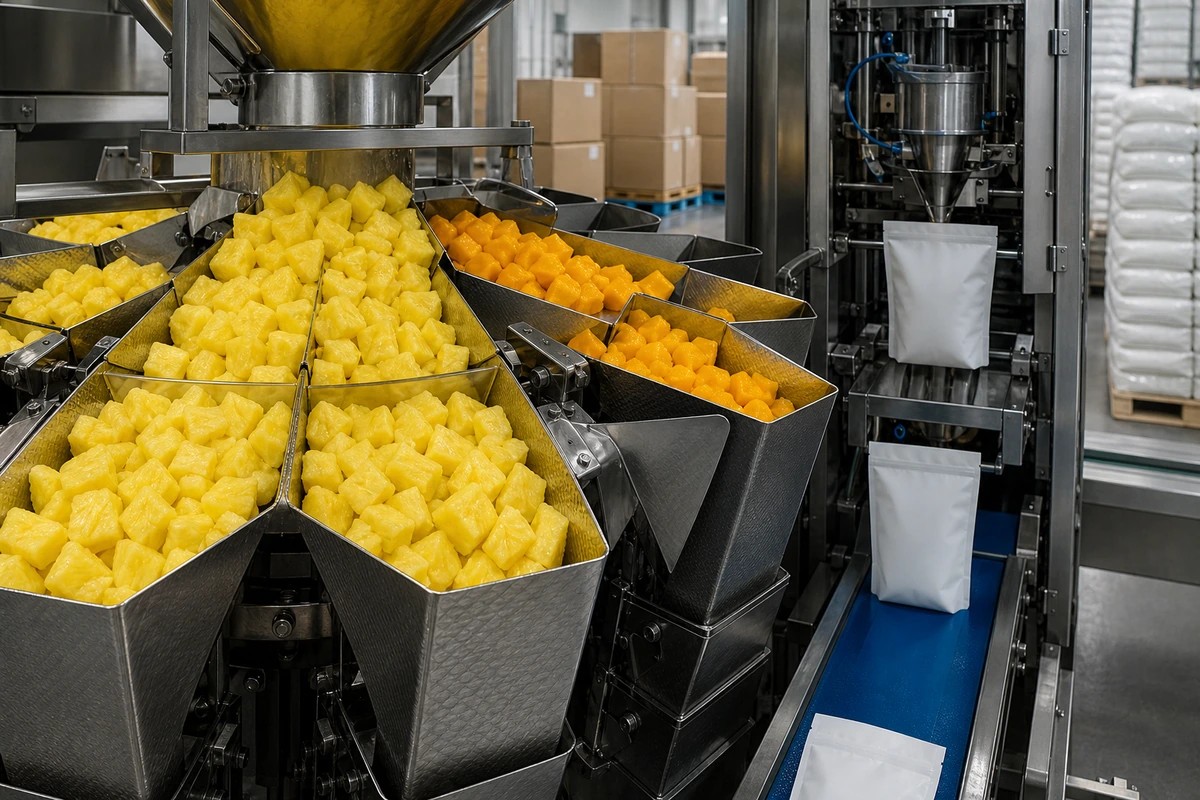
Questions about fresh pineapple storage
What should an internal preparation label mean?
Use the site's defined wording so staff know whether a date means received, cut, opened or due for disposal. Retain the original product information and apply the earliest relevant instruction. A new internal label should not extend a shorter supplier limit.
Should a refrigerator fault be handled by relabeling the fruit?
No. Record the affected stock and available time and temperature information, then follow the applicable safety guidance and site procedure. Restoring the equipment setting does not erase the event, and a new label cannot replace a missing handling history.
Source frozen pineapple with GreenLand-food
GreenLand-food is a professional frozen pineapple supplier and manufacturer in China, providing factory-direct wholesale supply for importers, food manufacturers, foodservice distributors and private-label programs.
Tell us the product form, required specification, packing and quantity, along with the application, destination and delivery timing. Include seed or cut preferences where relevant, private-label requirements and the documents your team needs. We will review the sample, MOQ, lead time and loading arrangement for the proposed order.