


Importing Food into the UK: A 2026 Frozen Fruit and Vegetable Buyer Checklist
Aug 27, 2026
Leave a message
Buyer guide · Updated August 26, 2026
A route-first checklist for Great Britain importers to identify applicable controls, build a consistent document pack and prevent avoidable border delays.
Quick answer: For a 2026 Great Britain frozen fruit or vegetable import, fix the exact product, country of origin, processing, intended use and organic status before booking. Most ordinary products of non-animal origin do not require the same health-certificate route as animal products, but named high-risk product-origin combinations can require an approved Border Control Post, IPAFFS pre-notification, CHED-D, an official certificate and laboratory results. Check the current restriction list and the chosen port for every shipment.
Four rules before a reefer is booked
- This checklist is mainly for Great Britain-England, Scotland and Wales. Northern Ireland has a different regulatory route and must be checked separately.
- "Frozen vegetables" is not enough. Controls can depend on product, CN/commodity identity, origin, contaminant or pathogen risk, processing and destination use.
- A health or official certificate is conditional, not universal. Identify high-risk and special-measure status before requesting or waiving one.
- Food-safety controls, plant health, labelling, customs and organic certification are separate workstreams. Passing one does not close the others.
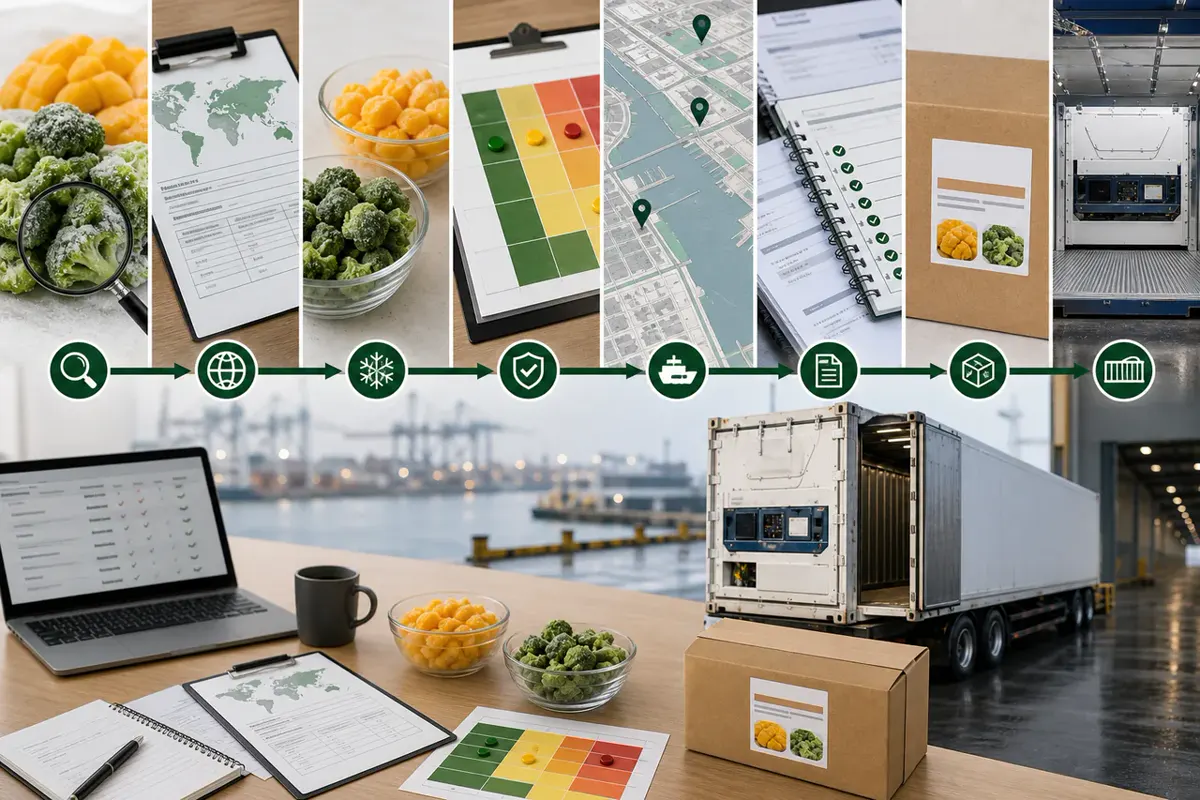
The correct border workflow starts with product composition, origin, restriction status and destination.
Scope: Great Britain is not the same as the whole UK
Government guidance often uses "Great Britain" for England, Scotland and Wales and treats Northern Ireland separately. This article follows the Great Britain route for products of non-animal origin. It does not provide a complete Northern Ireland import procedure. If the delivery point or market is Northern Ireland, check current DAERA, EU and UK arrangements before contracting or labelling.
The first commercial control is therefore a destination field. "UK customer" is too broad. Record the consignee and final market, the port of entry and any onward movement. A product labelled for Great Britain may require different responsible-business or market information from one placed on the Northern Ireland market.
Frozen fruits and vegetables are generally products of non-animal origin when they contain no animal-derived ingredients. A berry-and-yogurt product, vegetable in butter sauce or ready meal may move outside this simple scope. Obtain a complete ingredient and processing statement before deciding which import guidance applies.
This is a procurement checklist, not legal advice. Laws and risk lists change. The importer or food business operator should confirm the current position with the Food Standards Agency or Food Standards Scotland, the relevant port health authority, customs adviser and other competent bodies before shipment.

The exact product description, pack and processing facts should match the commercial and border documents.
Step one: classify product, origin and intended use
A reliable import file begins with a product identity sheet. Do not ask, "Do frozen berries need a health certificate?" until the following fields are complete.
| Identity field | Examples of relevant detail | Why it matters |
|---|---|---|
| Product and species | Strawberry, spinach, sweet pepper, wild mushroom, mixed vegetables | Risk restrictions and food standards can be product-specific. |
| Form and processing | Whole, cut, blanched, cooked, puréed, sweetened, mixed or otherwise prepared | Can change commodity code, risk category and labelling. |
| Ingredients | Single ingredient, added sugar, sauce, dairy, allergens or additives | Determines whether the product is still a simple non-animal food and which rules apply. |
| Country of origin | Where the relevant product was produced, not merely loaded | High-risk controls are often product-origin combinations. |
| Country of dispatch | Direct shipment or triangular trade through another country | Dispatch route can affect documents, but does not automatically change origin. |
| Intended use | Retail RTE, foodservice, no-cook ingredient or validated further processing | Shapes hazard analysis, labels and buyer verification. |
| Claims | Organic, non-GMO, allergen-free or other controlled claims | May create separate certification and traceability requirements. |
Confirm the customs commodity code separately. Customs classification and food-safety risk listing are connected by product identity but are not the same decision. A supplier's HS code is an input; the importer remains responsible for the entry classification.
Retain a production flow for products processed in more than one country. The current FSA list of foodstuffs with GB import restrictions explains that unprocessed goods routed through another country remain subject to controls based on their origin. Triangular trade does not wash away the original product-origin restriction.
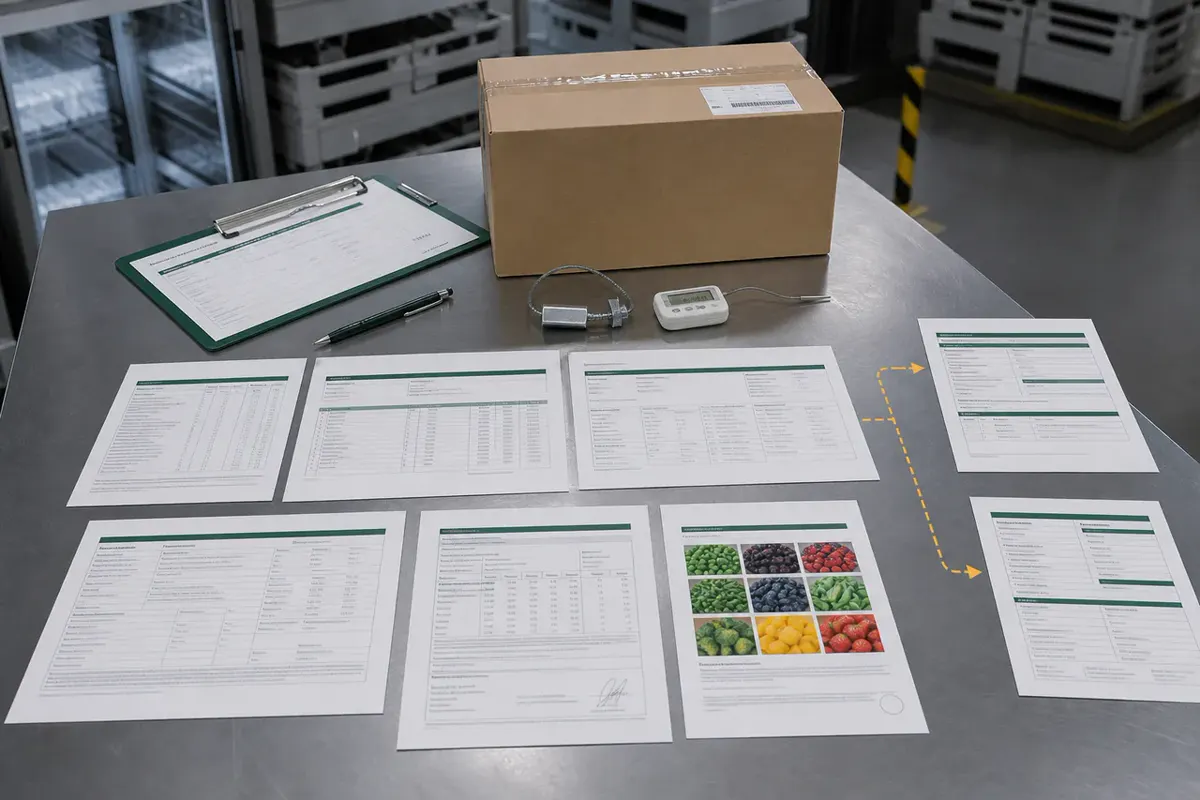
Small inconsistencies in names, weights, addresses, lot codes or dates can create border questions and release delays.
When is a health or official certificate required?
For ordinary non-high-risk frozen fruit and vegetable consignments, an export health certificate is not generally the default document in the way it is for many products of animal origin. That is a starting point, not a waiver. Special measures can require an official certificate, laboratory results or other documents for defined product-origin combinations.
High-risk food not of animal origin is commonly divided through the assimilated Regulation (EU) 2019/1793 framework. Annex I products are subject to temporarily increased official controls. Annex II products are subject to special import conditions and generally require an official certificate and results of sampling and analysis for the defined hazard. Other special measures, including controls linked to certain contaminants or historical events, can have their own documentation.
| Consignment status | Usual document direction | Buyer must verify |
|---|---|---|
| Ordinary non-POAO, not on a current special list | Commercial and food-compliance documents; no HRFNAO official certificate by default | Current list status, port facilities, customs, plant-health and local authority requirements |
| Annex I high-risk product-origin | IPAFFS/CHED-D and increased official controls; official certificate not required solely by Annex I | Current frequency, pre-notification, designated BCP and port acceptance |
| Annex II high-risk product-origin | IPAFFS/CHED-D, official certificate and consignment-specific laboratory results | Correct model, hazard, sampling authority, dates, originals and BCP capability |
| Other special measure | Documents defined by the specific measure | Exact regulation, product, origin, contaminant and certificate model |
Do not ask the exporter to obtain "a UK health certificate" without identifying the model and legal basis. The wrong certificate can delay or invalidate the consignment. Equally, do not remove a document from the booking file because last year's shipment did not require it. Risk lists are amended.
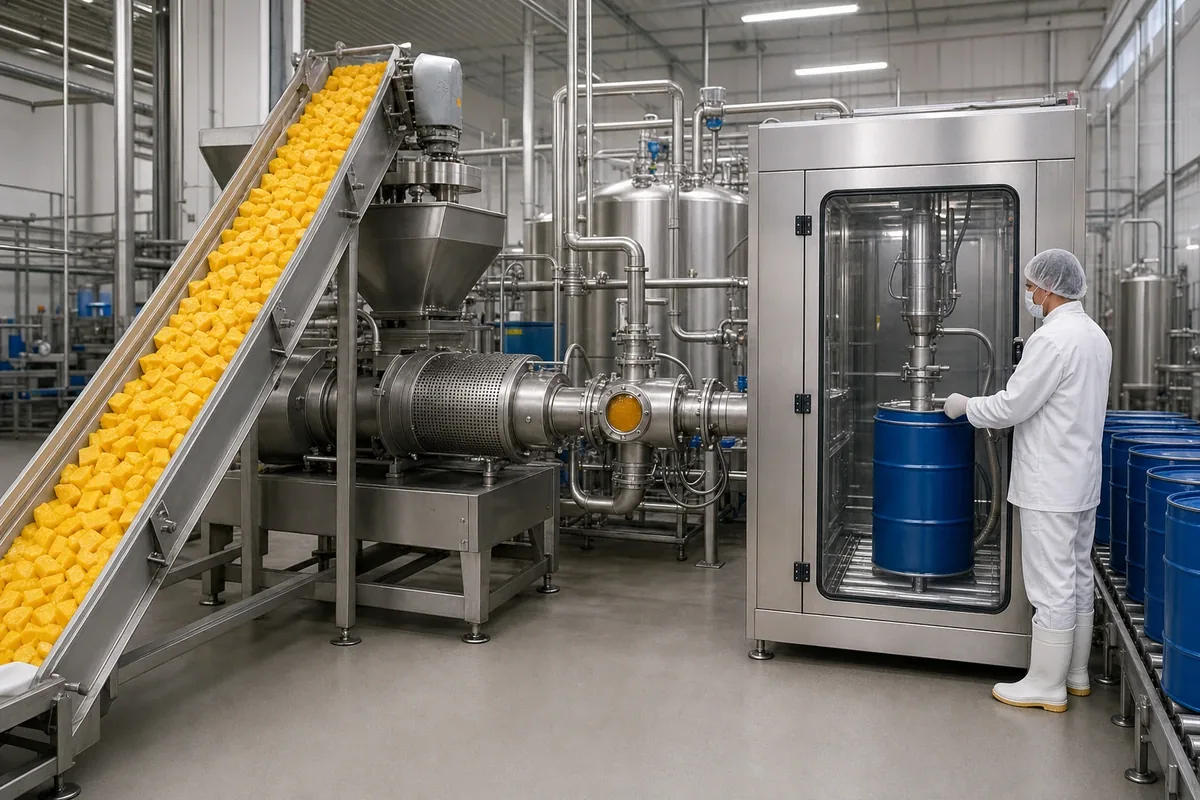
Buyers need a stable core pack plus additional evidence triggered by the product, origin and control route.
High-risk status is a live product-origin check
The FSA restriction page is arranged by country and identifies products, hazards and control measures. It states that restricted consignments can enter only through designated Border Control Posts and that importers remain responsible for current requirements. Save the table entry and update date used for the shipment decision.
Run the check at three points: supplier approval, purchase order and pre-booking. A product can enter or leave an increased-control list between annual approval and shipment. Build an alert into the procurement calendar so the check is repeated before documents and route become expensive to change.
Match the wording exactly. "Peppers" can be limited by species, fresh/chilled/frozen state or origin. "Berries" may refer to defined genera or special contaminant controls. A similar product from another origin does not inherit the same measure. If the list refers to a CN code or botanical identity, reconcile it with the specification.
Check whether a composite or mixed-vegetable product contains a controlled ingredient and whether any percentage threshold applies under the relevant measure. Do not assume blending removes high-risk status. Ask the authority or specialist when the legal treatment is unclear.

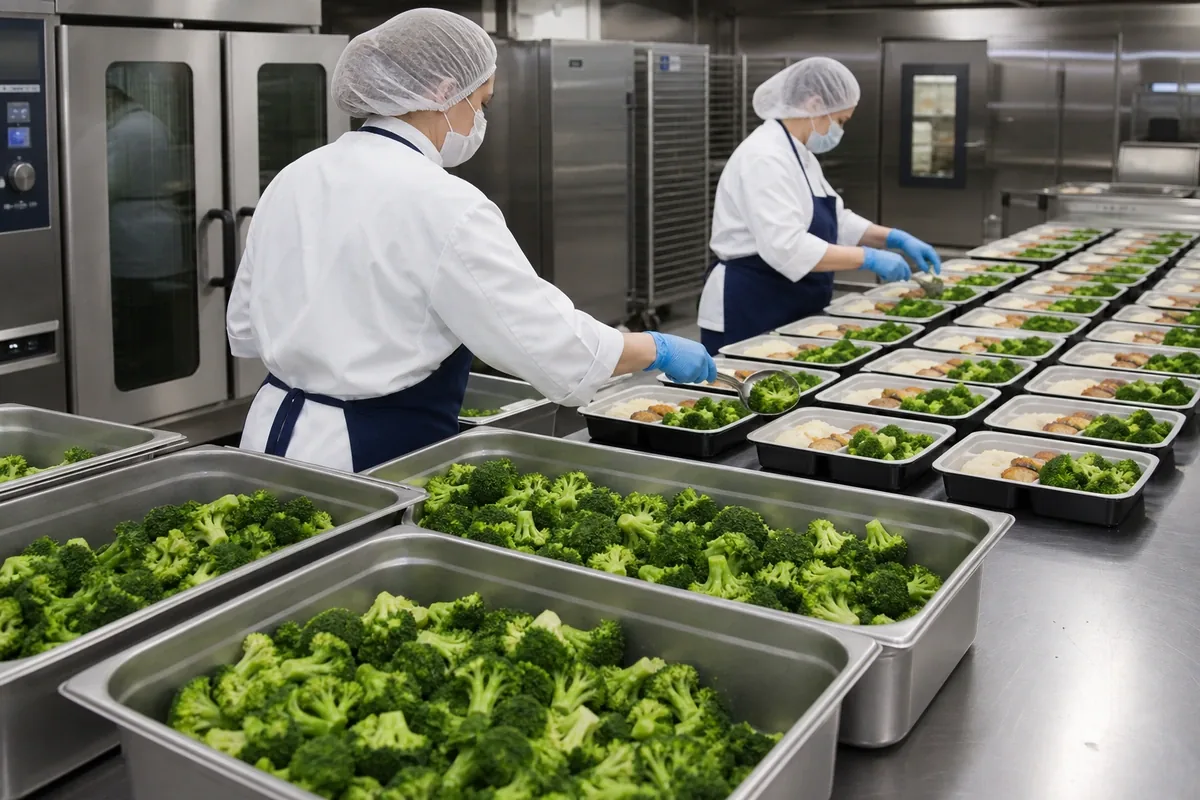
Product composition and origin determine which import, label and due-diligence checks apply.
Choose a Border Control Post that can handle frozen goods
A port can be a BCP for one commodity or temperature class and not another. The Dover Port Health HRFNAO guidance, for example, states that Dover is not approved for chilled or frozen high-risk food even though it handles certain other high-risk non-animal products. A shipping line's service to a port does not prove that port can clear your controlled frozen consignment.
Before booking, obtain written or published confirmation that the BCP accepts the exact commodity and frozen temperature status. Check inspection booking, working hours, pre-notification lead time, original-document handling, sampling arrangements, cold-store capacity, fees and what happens while laboratory results are pending.
If the consignment is selected for identity or physical checks, product may need to remain under control. Plan demurrage, detention, plug-in electricity, cold storage and sample-release time in the landed-cost model. A cheaper route can become the most expensive if the BCP cannot receive the product or lacks temperature-controlled inspection capacity.
A pre-dispatch review confirms the route, documents, labels, seal, temperature plan and contact responsibilities.
IPAFFS, CHED-D and pre-notification
For relevant high-risk non-animal food, the importer or agent uses the Import of Products, Animals, Food and Feed System (IPAFFS) and raises a Common Health Entry Document, CHED-D. The timing and attachments depend on the control and port. The chosen port health authority should confirm local submission instructions.
Typical records include the commercial invoice, packing list, transport document, product and origin details, and-where the measure requires them-the correct official certificate and laboratory report. The CHED-D, certificate, laboratory result and commercial records must all describe the same consignment. Product wording, quantity, net weight, lot, origin, container and seal discrepancies can trigger documentary problems.
Annex II laboratory analysis should address the contaminant or hazard named for the product-origin combination and follow the legal sampling and laboratory conditions. A routine supplier COA is not automatically the official result required by the measure. Confirm which competent authority must sign or perform the work and how old the report may be.
Do not route or release high-risk goods before the documentary and border process is complete. Assign responsibility for monitoring IPAFFS status and port instructions. The haulier should know where to wait and what evidence is needed before departing the controlled area.
Pesticides, contaminants and routine buyer evidence
Even when a product is not on a high-risk import list, it must comply with food-safety law. Build a risk-based supplier and lot file for pesticide residues, contaminants, microbiology, foreign material and additives as relevant. High-risk-list status does not define the complete product specification.
For cold-chain and shipping details, see Pesticide Residue Testing for Frozen Produce: What EU Importers Should Recheck in Batch Documents.
For pesticides, confirm the applicable GB MRL framework and current database or legal source for the product and origin. For contaminants, check current maximum levels and any product-specific controls. Ask for the laboratory method, sample identity, LOQ, actual result and lot traceability. "EU compliant" or "UK compliant" with no test scope is not a reproducible statement.
Review viral hazards for frozen berries and other products commonly consumed without cooking. Define intended use, preventive controls and verification. A negative certificate alone should not replace farm, water, worker-hygiene, process and traceability controls.
Labels, outer cartons and business documents
The GOV.UK food labelling guidance lists mandatory information for prepacked food, including the food name, ingredients and allergens where applicable, net quantity, date mark, responsible food-business operator, storage and other required information. From 2024, prepacked food sold in Great Britain generally needs a UK FBO address under the guidance.
B2B bulk goods still need enough information to allow the downstream business to comply. Commercial documents may carry certain information when permitted, but they must travel before or with the food. Outer packaging for products that will be removed and sold or used by mass caterers has specific information needs, including food name, date, storage and business details.
For frozen goods, check storage wording, minimum durability, lot code, net weight, glaze declaration where relevant, cooking or use instructions, origin statements and any claim. Align inner bag, carton, specification, invoice and certificate. A relabel plan after arrival should be approved before shipment and must not interrupt lot traceability.
Organic imports are a separate path
Organic status does not replace food-safety import controls, and food-safety clearance does not prove organic status. Organic consignments from third countries can require certification by recognised control bodies and an electronic certificate of inspection through the applicable system. The importer, first consignee, product description, quantity and transport records must match.
Check organic equivalence or compliance route, control-body scope, operator certificates, certificate timing, port procedure and traceability before booking. Do not print organic artwork or sell as organic while the certification chain is unresolved. If a consignment loses organic status, assess relabelling and commercial disposition separately from food safety.
A pre-booking document pack
| Core document | Always or conditional | Key reconciliation |
|---|---|---|
| Approved specification and purchase order | Core | Product, processing, ingredients, origin, pack, temperature and documents |
| Commercial invoice and packing list | Core | Seller/buyer, quantity, net/gross weight, lots and origin |
| Transport document | Core | Container, seal, route, shipper, consignee and dates |
| COA and laboratory reports | Risk/specification based | Same lot, methods, actual results, limits and laboratory |
| CHED-D/IPAFFS record | High-risk or measure based | Product-origin-control identity and BCP |
| Official certificate and official analysis | Annex II or other specified measures | Correct model, authority, dates, hazard and originals |
| Label and carton proof | Channel based | GB market, FBO, product, allergens, weight, date, lot and storage |
| Organic COI and operator certificates | Organic only | Operators, product, quantity, origin and shipment |
Numbered 2026 buyer checklist
- Confirm Great Britain or Northern Ireland as the legal destination.
- Lock exact product, species, processing, ingredients, intended use, origin and dispatch route.
- Confirm customs classification and importer/agent responsibilities.
- Check the current GB product-origin restriction list and special measures.
- Determine whether ordinary, Annex I, Annex II or another control path applies.
- Select a BCP and route approved for the exact frozen commodity where required.
- Confirm IPAFFS, CHED-D, pre-notification and inspection-booking timing.
- Obtain the correct official certificate and official laboratory result when required.
- Review routine pesticide, contaminant, microbiological and traceability evidence.
- Approve retail/B2B labels, outer cartons and UK FBO information.
- Run the separate organic certification path if the product will be sold as organic.
- Reconcile every document to lot, quantity, container and seal before loading.
- Recheck rules and port acceptance immediately before booking and again before dispatch.
- Keep contingency cost and instructions for inspection, sampling, delay or refusal.
Questions to send the supplier
- What is the exact botanical and commercial product, processing state and ingredient list?
- Where were the crop, freezing, blending and packing steps performed?
- Which facility and certifications apply to this production lot?
- Is the product intended for ready-to-eat/no-cook use or validated further processing?
- Which pesticide, contaminant, microbiological and foreign-material controls support the lot?
- Can the supplier provide actual laboratory reports with method, LOQ, result and sample identity?
- Which lot code appears on inner bags, cartons, pallet records and the packing list?
- Has the product-origin combination been checked against the current GB restriction list?
- If controlled, who obtains the official certificate and official analysis, and which model applies?
- Can the proposed port accept this exact frozen high-risk commodity?
- What is the organic certification and COI route, if applicable?
- Which changes require the supplier to notify the importer before shipment?
How GreenLand-food supports a GB import file
Three pre-booking scenarios
Scenario 1: ordinary IQF broccoli for industrial use
The importer buys single-ingredient IQF broccoli from a country not listed for a relevant special food-safety measure. The product has no animal ingredient and will enter Great Britain for use in ready meals. The buyer documents the current restriction-list check and confirms the proposed port can handle the frozen commercial cargo. It does not request an HRFNAO official certificate solely because the product is imported food.
The ordinary route still requires work: customs classification, supplier approval, pesticide and microbiological risk assessment, specification and COA, transport and cold-chain documents, traceability, outer-carton information and the downstream label data needed by the meal manufacturer. "No official certificate" is not "no compliance file."
Scenario 2: a product-origin combination on Annex II
A buyer discovers that its frozen vegetable and origin match a current Annex II special condition for pesticide residues. The supplier's routine private laboratory COA is not enough to complete the border route. Before booking, the importer confirms the current measure, designated frozen-capable BCP, IPAFFS and CHED-D timing, correct official certificate model, competent-authority sampling and analytical requirements, original-document handling and expected control fees.
The shipping line initially proposes Dover. A port capability check shows that the relevant Dover facility does not handle chilled or frozen high-risk food. The importer changes the route before the container is loaded. That single pre-booking check avoids arrival at a port unable to complete the required control.
Scenario 3: organic frozen berry blend
The blend is not on the current high-risk food list, but it will be marketed as organic. The importer runs the ordinary food-safety and customs route plus the separate organic certification path. It confirms each berry origin and operator, approved control-body scope, certificate of inspection workflow, importer and first-consignee details, quantities and timing. Private-label artwork remains provisional until the organic documentation is accepted.
One component origin changes after the PO. The food-safety risk assessment, product-origin restriction check, organic operator chain and label origin claims are all reopened. The supplier cannot treat the change as a logistics substitution. Because the change is caught before loading, the buyer can approve, relabel, postpone or reject it without a port crisis.
Master-data controls that make the checklist repeatable
Store risk status by product-origin version, not only by supplier. The master should contain botanical identity, processing, ingredients, intended use, CN/HTS code, origin, dispatch route, current high-risk result, required BCP capability, certificate model, label market and organic status. Attach the source and review date.
Create blocks for missing or expired evidence. A shipment should not progress to booking if origin is blank, a special measure has not been reviewed, the certificate model is unresolved, or the port has not confirmed frozen capability. Overrides should require a named approver and expiry, not an email buried in the file.
Revalidate when the supplier changes facility, raw-material origin, ingredients, processing, pack, destination, route or claim. Schedule periodic review even without a change because government lists and port services evolve. A clean prior shipment proves only what applied to that shipment.
Arrival and post-entry controls
Track the consignment until authorities complete required checks and the importer has an authorised release. Reconcile seals, quantities and temperature records on receipt. If sampling occurs, segregate the controlled lot and prevent customer allocation until the permitted status is clear.
After clearance, retain the CHED-D or port decision where applicable, entry documents, certificates, laboratory results, invoices, packing lists, transport records and traceability links. Record delays and charges against the risk model. If one route repeatedly creates plug-in or inspection problems, pre-booking should use that evidence.
Food-business responsibilities continue after import. Verify storage, labels, customer information, complaints and recall readiness. Border acceptance does not guarantee that the product meets every customer specification or that no later official control will occur.
Close the shipment file with a short variance review. Compare planned and actual route, documents, inspection, temperature, release time and cost. Feed any discrepancy into the next supplier instruction and port plan. Repeated learning is what turns a long checklist into a reliable import process.
We supply frozen fruits, vegetables and mushrooms through matched production partners. We can coordinate product identity, processing, origin, facility, specification, pack, lot and available laboratory information for the importer's review. We do not decide the importer's legal route or promise that one document set fits every product-origin combination.
Review our frozen fruit range, frozen vegetable range, traceability approach, or download the full product catalog. A useful enquiry includes product, origin preference, pack, GB destination, organic status, annual volume and planned shipment date.
Frequently asked questions
Do frozen fruit and vegetable imports into Great Britain always need a health certificate?
No. Ordinary products of non-animal origin do not all follow a universal health-certificate rule. Defined high-risk or special-measure product-origin combinations can require an official certificate, laboratory results, IPAFFS/CHED-D and BCP entry. Check the live FSA restriction list and the exact legal measure.
Can any UK port clear a frozen high-risk non-animal food consignment?
No. Use a designated Border Control Post approved and operational for the exact commodity and frozen temperature class. Confirm acceptance, pre-notification, document and inspection arrangements with the port before booking; a port may handle some high-risk goods but not chilled or frozen ones.
Build the product file before choosing the route
Send the frozen product, processing, origin, pack, Great Britain destination, organic status and shipment window. We will coordinate the supplier-side product and lot information needed for your importer and port review.