


What Do Beets Taste Like? Raw, Roasted and Frozen Beetroot Compared
Sep 27, 2026
Leave a message

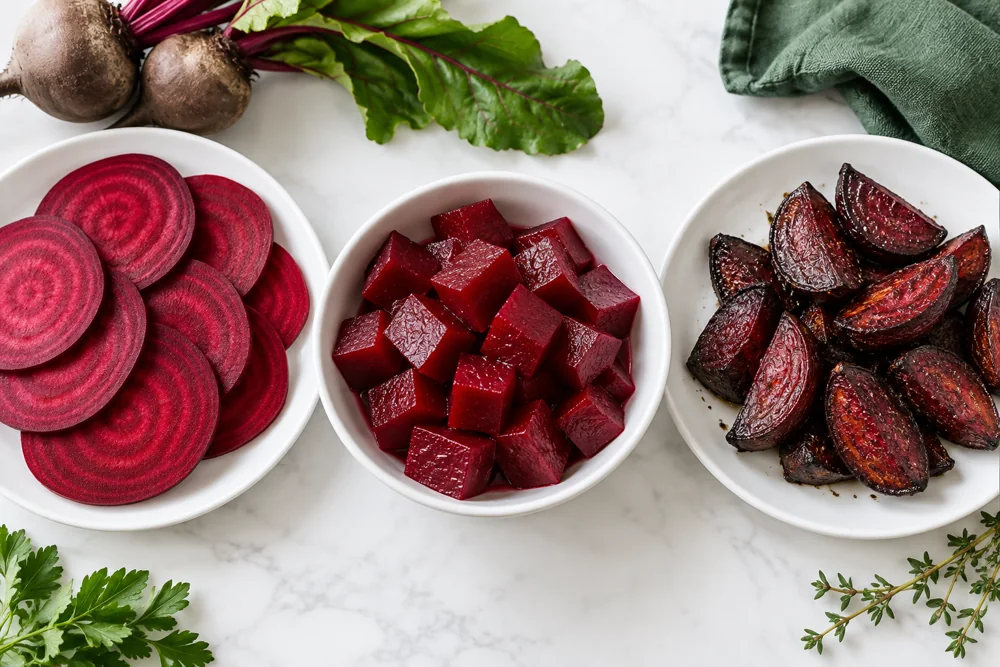
The earthy sweetness of beetroot
Earthiness is a recognizable part of beetroot flavor. Geosmin is one researched contributor to its earthy aroma, but a single compound does not explain every person's response. A table-beet breeding and sensory study found that geosmin concentration was not the central determinant of liking. Its results support a practical distinction: measuring a flavor-related compound and deciding whether a beet suits a dish are different tasks.
Sweetness, bitterness, aroma and texture all contribute to the eating experience. Two tasters can agree that a sample is earthy while disagreeing about whether that makes it appealing. A buyer therefore needs a target description that relates to the application. An earthy beet may suit a savory vegetable bowl, while a mild fruit-and-vegetable blend may tolerate less of the same character. Neither preference makes the ingredient universally good or bad.
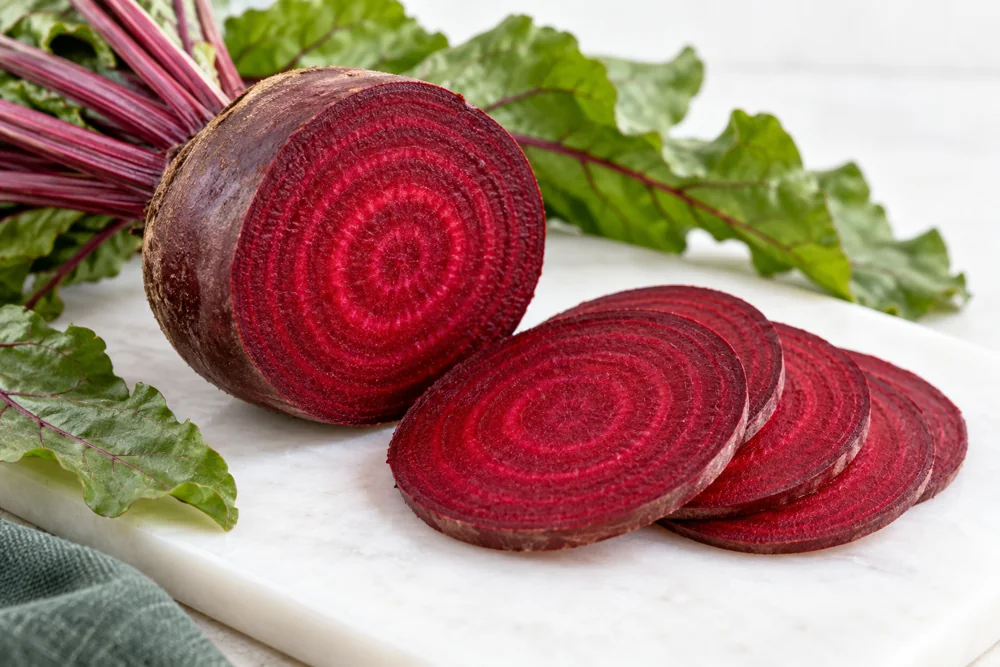
A thin raw slice has a different bite from a thick piece.
Earthy aroma also should not be treated as proof that a washed beet still contains soil. The root has its own characteristic flavor chemistry. Washing remains part of appropriate preparation for fresh produce, but it cannot be expected to eliminate every sensory feature associated with beetroot. A procurement specification that promises no earthy flavor needs a clear reference sample and assessment method if it is to be meaningful.
Separate normal beet character from an abnormal odor or questionable condition. A tasting is appropriate only for a sample that has met the operation's ingredient and handling requirements. If the product has a suspect storage history, damaged packaging or signs of deterioration, refer it for the established quality and safety assessment. Adding vinegar, herbs or a strong dressing to hide an off odor is not a sound evaluation method.
For a first comparison, taste a suitable prepared sample without a complex seasoning mixture. Describe the initial sweetness, the intensity of earthy aroma and any lingering bitterness. Then evaluate the same beet in the target recipe. This two-stage approach helps distinguish a raw-material difference from a recipe imbalance. A dressing can make two different beet lots seem similar, while a plain tasting may exaggerate a difference that has little effect in the meal.
The buying language should remain sensory and testable. Terms such as mild earthiness, distinct beet flavor or tender pieces become useful when the team agrees what they mean through an accepted sample. An unsupported claim that a particular color or freezing method guarantees better taste is much harder to apply consistently at receiving.
Compare raw, boiled and roasted beets
Raw beetroot offers the firmest comparison point. Thin slices and fine shreds reduce the effort needed to chew the root, while thick raw pieces can feel dense. The cut therefore changes the eating experience before any cooking takes place. Keep slice thickness consistent when comparing varieties, and record whether the recipe includes a dressing or other treatment that affects the final texture.
Boiled beetroot generally has a moist, tender character. The result depends on the size of the root or pieces and the chosen cooking endpoint. A large piece can remain firm in the center after its surface has softened. If a sample is cooked longer merely because its cut is larger, the trial is testing both size and treatment. Those factors should be identified before the panel interprets differences as a supplier issue.
Roasting exposes the surface to a different environment. Water loss and dry heat can change the surface, aroma and perceived intensity. The outcome varies with cut size, oven loading and whether the beets are covered. A wrapped whole beet and uncovered small wedges should not be assigned the same sensory expectation simply because both came from an oven. Describe the actual method behind the tasting result.
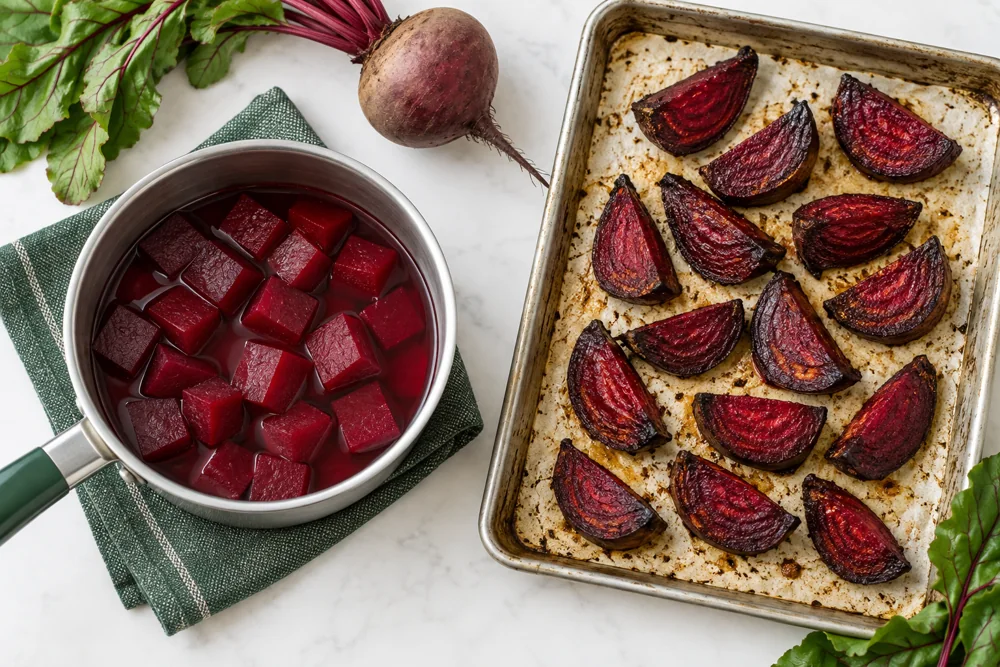
Moist cooking and dry heat produce different surface conditions.
The Utah State University beet guide describes raw, boiled and roasted preparations. For development work, those categories provide a starting point. A comparative study of beetroot preparation also found that the sensory qualities associated with suitability differed between raw, boiled and pan-fried samples. The finding supports testing the intended cooking route instead of ranking all forms with one general preference score.
| Preparation | Texture to examine | Flavor observation | Application check |
|---|---|---|---|
| Raw, appropriately prepared | Crispness, density and cut thickness | Earthiness, sweetness and bitterness | Does the cut work in the intended salad or slaw? |
| Boiled | Center tenderness and surface integrity | Beet aroma and sweetness in a moist piece | Does the piece remain intact during mixing? |
| Roasted | Dry edges, tender center and consistency | Concentrated flavor and any browned notes | Does the actual oven load produce the desired result? |
| Frozen product, prepared as directed | Tenderness, drip and cut integrity | Flavor after the required treatment | Does it perform after the recipe's complete hold or reheat? |
Use the table as a comparison plan, not a promise that every sample has the same result. A useful tasting includes observations from more than one piece. A single ideal wedge can hide a wide range of texture within the batch, especially when the cut distribution is uneven.
If the final dish is served cold, cool and handle the sample under the operation's approved procedure before tasting it at the intended service temperature. A warm sample alone cannot answer a chilled-product question. If the recipe is reheated, include that reheat in the comparison and record the additional softening or surface change it produces.
What freezing changes in the final dish
Frozen beetroot is purchased for a defined product form and preparation route. Confirm whether the offered product is raw, blanched, cooked or otherwise prepared, and follow its intended-use instructions. Blanching and freezing do not by themselves establish that every product can be used without a further cooking step. The label and confirmed specification should guide sample preparation before sensory evaluation begins.
Freezing can change the structure of plant tissue, and thawing can release liquid. For beetroot, that affects both bite and the movement of its red color into surrounding ingredients. The degree depends on the product, its earlier processing and its storage history. Avoid presenting a single drip percentage or tenderness rating as a universal property of frozen beetroot. Measure the actual sample with a defined method if either attribute matters to the recipe.
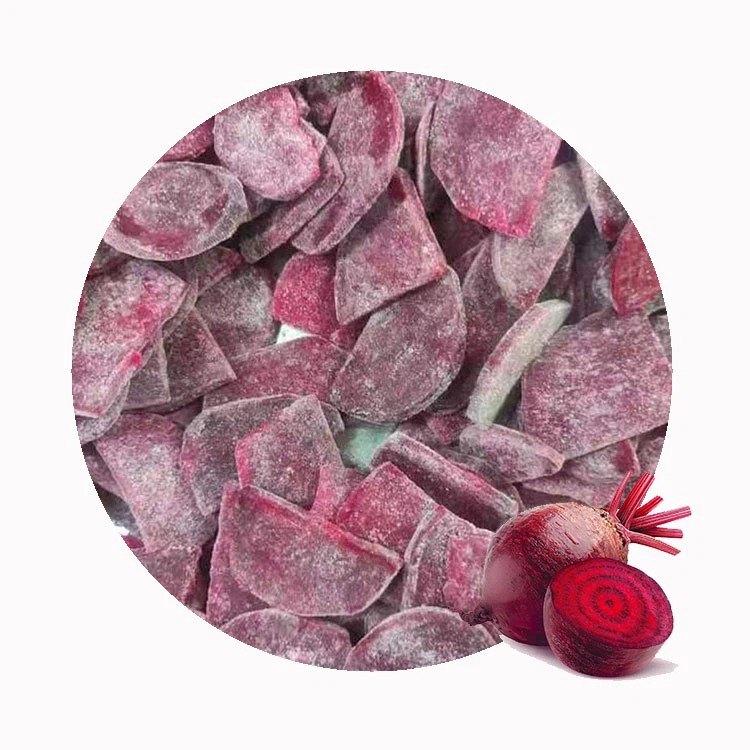
Frosted beetroot slices in the frozen product range.
A grain salad makes these effects easy to see. Beet cubes may taste satisfactory on their own but color pale grains after mixing and refrigerated holding. That color transfer may be acceptable in a uniformly pink salad and undesirable in a recipe intended to keep distinct colors. The same ingredient can therefore suit one presentation and miss another without a change in its basic flavor.
In a soup or blended sauce, a softer structure may create fewer practical problems because the recipe does not depend on a crisp piece. Released liquid still belongs in the formulation balance. If a trial drains the product, record the drained mass and treatment. If another trial uses the whole package contents, its ingredient and water balance differs. Comparing the two as equal additions by starting package weight can be misleading.
Cooking directly from frozen and thawing before cooking also create different conditions. Use the route required for the product and appropriate to the dish. When the operation is comparing two permitted routes, keep the cut size, cooking equipment and endpoint visible in the record. A crowded pan full of released water may produce a different surface from a lightly loaded tray even with the same frozen input.
For a repeatable assessment, record the starting frozen mass, preparation method, final usable mass, free liquid and piece integrity after the complete recipe process. Photograph the prepared sample with its actual liquid, rather than removing every imperfect piece for the picture. That record helps explain whether a complaint concerns flavor, yield, texture or appearance.
Storage and cooling after cooking require a separate handling decision. Our guide to refrigerating cooked beets covers that topic. The taste comparison here should be carried out only with samples prepared and held under the applicable food-safety controls.
Use red and golden beets with clear expectations
Red and golden beets offer visibly different colors, but appearance alone cannot establish sweetness or the intensity of earthiness. Variety, growing conditions, maturity and preparation all influence the sample a buyer receives. A statement that golden beets always taste sweeter is too broad to serve as an acceptance rule. Compare the actual cultivar and product offered, prepared in the intended recipe.
The practical color distinction is often easier to evaluate than a broad flavor claim. Red beetroot can transfer a strong red-purple color to pale ingredients. Golden beetroot creates a different visual result, but it should still be tested for changes during preparation and holding. If a menu depends on separate colors, use the final dish and its intended container to inspect the outcome.
For a fair tasting, keep pieces similar in size and prepare them to a comparable intended endpoint. Present samples consistently and avoid telling tasters which one is expected to be sweeter. Color is difficult to hide in an ordinary kitchen trial, so acknowledge its possible influence. The objective is a useful development decision rather than a claim that a simple tasting has isolated every chemical cause of preference.
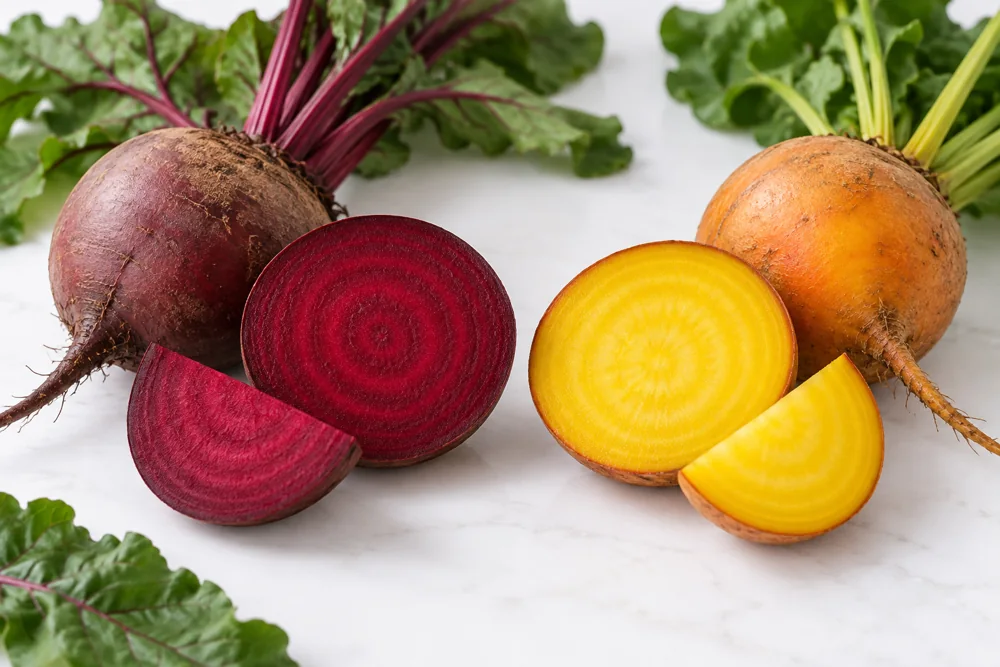
Color identifies an appearance difference; taste requires a prepared sample.
Striped and other specialty beets may add another appearance option, but a raw cut-face photograph does not guarantee that the pattern will look the same after cooking. When visual identity is central to a product, include preparation and hold photographs in the sample approval. A beautiful raw root can be a poor reference for a reheated frozen-meal component.
This article does not establish that every beet color is available from GreenLand-food. Confirm the offered product, crop and packing before building a commercial plan around a specialty variety. The verified frozen beetroot product page provides the appropriate supply discussion for the actual specification. Golden beetroot should be treated as a comparison subject until availability is expressly confirmed.
If the project specifically requires a red beet, put that identity into the request and describe the desired prepared appearance. If the recipe can accept another variety, trial it as a documented alternative. Substitution should be an intentional decision with a checked sensory and presentation result. It should not occur merely because a supplier sample looks lighter or darker than the reference photograph.
An agreed sample is especially useful when the product will be photographed for packaging. Compare production material to the recipe and image expectation before approving final artwork. Otherwise, a color preference can become a purchasing problem only after the printed presentation has fixed an unrealistic expectation.
Pair beetroot with the rest of the recipe
Beetroot's sweet, earthy character can work with acidic, creamy, salty and bitter ingredients. The combination should serve the finished dish. A citrus dressing may make a beet salad feel brighter, while a creamy ingredient changes mouthfeel and the perception of intensity. The useful question is how much beet character the recipe should retain, followed by a measured comparison of the proposed additions.
Begin with a stable base recipe. Keep beet dosage, piece size and serving temperature constant while changing the dressing or seasoning. If the beet quantity drops at the same time that acidity increases, a milder earthy impression has more than one possible explanation. Record the recipe by mass where practical so the preferred result can be reproduced outside the development kitchen.
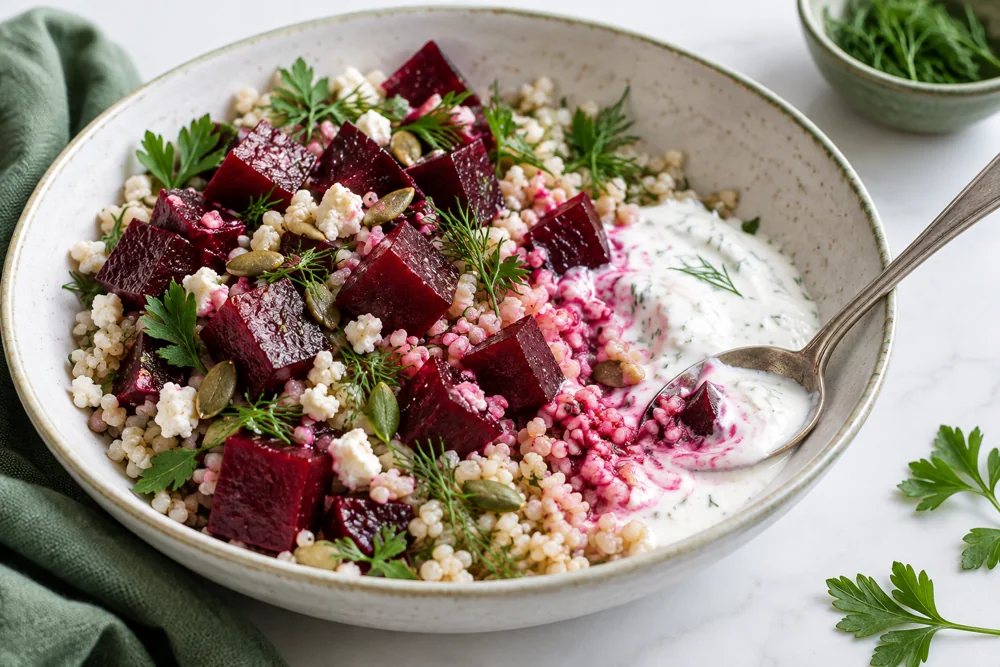
Assess color transfer in the completed recipe after its intended hold.
A pale dressing makes pigment transfer particularly visible. Mix the components in the intended order and inspect the dish after its actual controlled hold. If a restaurant adds beetroot at the final plating stage, the result may differ from a retail salad mixed and packed earlier. Both are valid applications, but they require different expectations for color distribution and presentation.
In a puree or spread, focus on overall smoothness, beet intensity and the balance of the complete formula. The contribution of a softer frozen beet piece is different once it has been blended. Check for fibrous texture or uneven blending with the equipment that will be used in practice. A small high-powered test blender can give a result that is difficult to reproduce in a different production setup.
For a roasted side, evaluate the actual loading density and cooking route. Oil, surface moisture and contact with the tray affect the finished surface. If frozen pieces release liquid, the developer may need to adjust the permitted process to achieve the desired presentation. Any adjustment should be tested with the product's required cooking conditions still met. Do not assume that extending the oven time will improve every part of the eating experience.
A fruit blend raises a different question: whether beetroot should be clearly recognizable or provide a background contribution. Use a suitable prepared ingredient and test the complete serving. A sweet fruit can reduce the prominence of earthiness, but it also changes the product identity and nutrition calculation. Keep ingredient and marketing decisions tied to the actual formula.
When a pairing succeeds, save the recipe together with the approved beet sample reference. The supplier needs to understand the raw-material requirement, and the kitchen needs to reproduce the formulation. Keeping both records prevents a later recipe change from being mistaken for a change in beet quality.
Evaluate a lot with a controlled tasting
A controlled tasting should answer a purchasing decision. Decide in advance which attributes can make the product unsuitable for the application. A visible salad cube may require a specific bite and clean shape, while a sauce ingredient may be judged mainly on flavor, color and usable yield. Giving every attribute the same weight can obscure the feature that actually determines acceptance.
Prepare a reference sample and the candidate lot by the same documented method. Use portions that represent the delivered material rather than selecting only the neatest pieces. Record the lot identifiers privately, then present the samples in a consistent order or rotate the order where practical. Equal serving temperature and portion size help reduce avoidable differences between samples.
Separate descriptive scoring from preference. A sample can have stronger earthiness without being less suitable. Ask tasters first to record the intensity of earthiness, sweetness, bitterness and firmness, using agreed anchors. Then ask whether the prepared sample fits the recipe. The second answer is the purchase-relevant judgment; the first set of observations helps explain it.
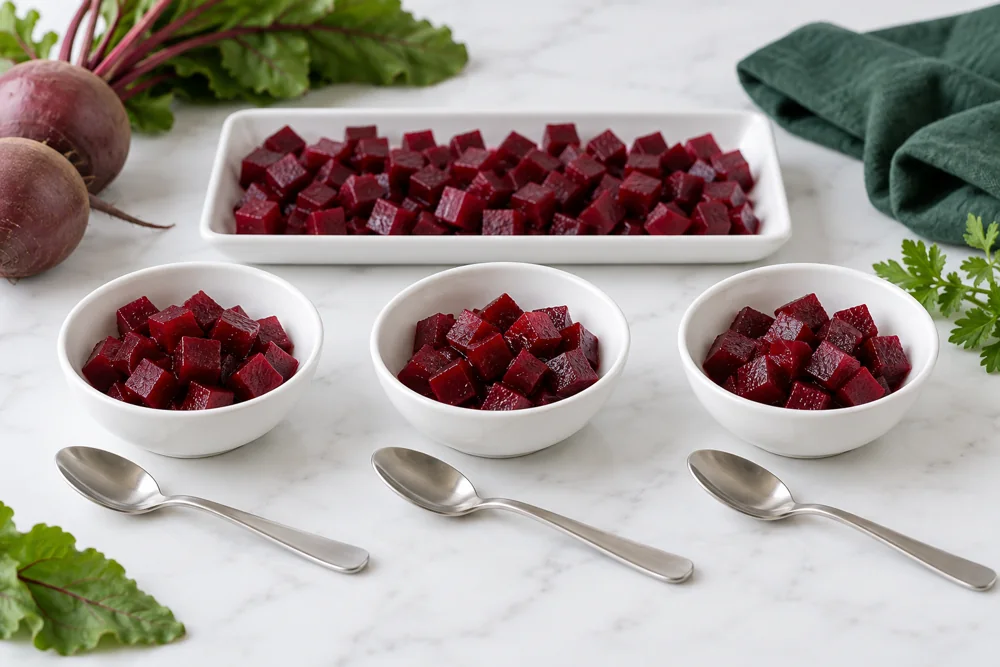
Keep preparation and serving conditions consistent when comparing samples.
Use the same approach for color bleed and drip. Describe the sample treatment, observation time and denominator for any measurement. A percentage of liquid loss is only comparable when the starting mass, draining method and weighing procedure match. A photograph should show the whole test arrangement where useful, including surrounding pale ingredients that reveal pigment migration.
One practical sequence is:
- Confirm that the sample and its preparation are suitable for tasting under the operation's controls.
- Prepare representative reference and candidate portions using the same recipe and equipment.
- Record plain-sample flavor and texture observations at a defined service condition.
- Assess the completed dish after its intended controlled hold or reheat.
- Compare the observations with the application limits and document the acceptance decision.
Repeat a surprising result before changing a specification. An unusually firm piece might reflect a size difference or incomplete preparation. A watery dish might result from inconsistent draining. Checking these possibilities protects the buyer from rejecting suitable material and protects the supplier from receiving a complaint that cannot be reproduced.
Keep the record short enough for routine use. It needs the sample identity, preparation, key observations, decision and reviewer. A long form that staff cannot complete reliably offers little advantage over a clear, repeatable comparison. The strongest record shows why a sample was accepted and how a future lot can be checked against the same requirement.
Write a specification around the finished application
The final specification should describe the beetroot being purchased and the performance that matters after preparation. Include the required form, cut dimensions or agreed size distribution, ingredient declaration, intended use and packing. Where the project depends on a particular color or texture, connect that requirement to the agreed sample and test method. General praise such as premium taste is too vague for resolving a later difference.
Ask how changes in crop or product form will be communicated. A specification can remain unchanged while the sensory result shifts within an allowed range. If the application is sensitive to that range, define a sample approval step for the relevant change. Avoid promising that every crop will produce identical flavor; specify the acceptable outcome and a practical method for checking it.
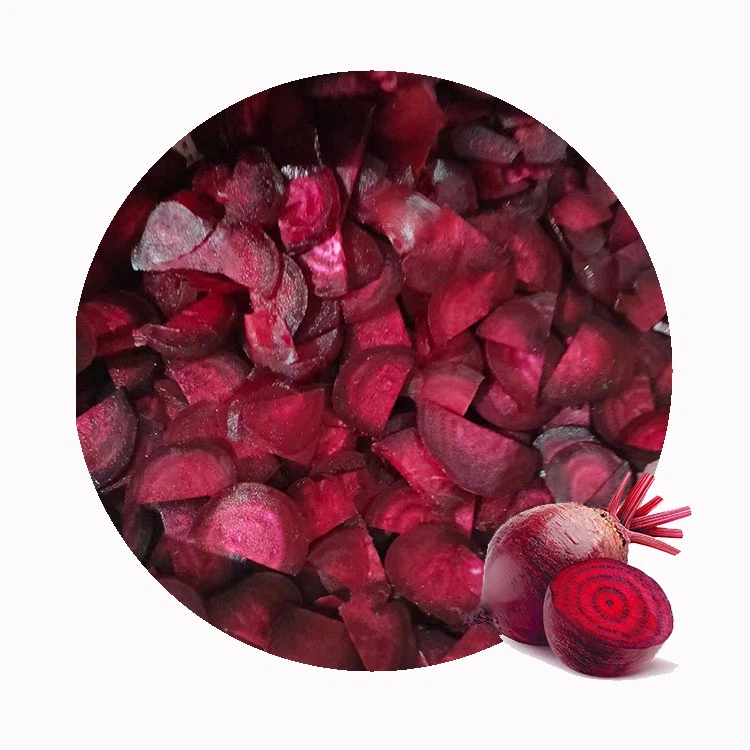
Red beetroot half slices showing cut surfaces.
Packing influences how the kitchen or factory handles the ingredient. Choose a pack size that fits the planned usage and the operation's frozen-storage capacity. Record whether the product must remain readily portionable and what the procedure is for an opened pack. Repeated handling can complicate traceability and make it harder to connect an observed problem to a particular lot.
For a quotation, provide planned quantity, delivery destination, expected application and any private-label requirement. Identify the documents the purchasing and quality teams need to review. A certificate list alone does not describe whether a beet cube will hold its shape in a salad; the quality specification and approved application trial carry that part of the decision.
We help purchasing teams discuss the frozen beetroot form, packing and order requirements before supply is confirmed. Share the recipe context when it materially affects acceptance. A requirement for neat cubes in a pale grain salad is more informative than a request for good beet flavor, because it points to the relevant checks for tenderness, cut integrity and color transfer.
Keep the accepted sample record with the commercial specification. When a new delivery arrives, the team can prepare it using the same method and compare the traits that matter. That gives the earthy sweetness of beetroot a practical purchasing meaning: it is the flavor, texture and appearance that consistently work in the dish your customer will eat.
Source frozen beetroot with GreenLand-food
GreenLand-food is a professional frozen beetroot supplier and manufacturer in China, providing factory-direct wholesale supply for importers, food manufacturers, foodservice distributors and private-label programs.
Send your product form, specification, packing, quantity, application, destination, private-label needs and requested documents. We will review the requirements with your purchasing team and confirm the proposed supply plan.