


Is Edamame Good for You? Nutrition, Benefits and Side Effects
Aug 27, 2026
Leave a message
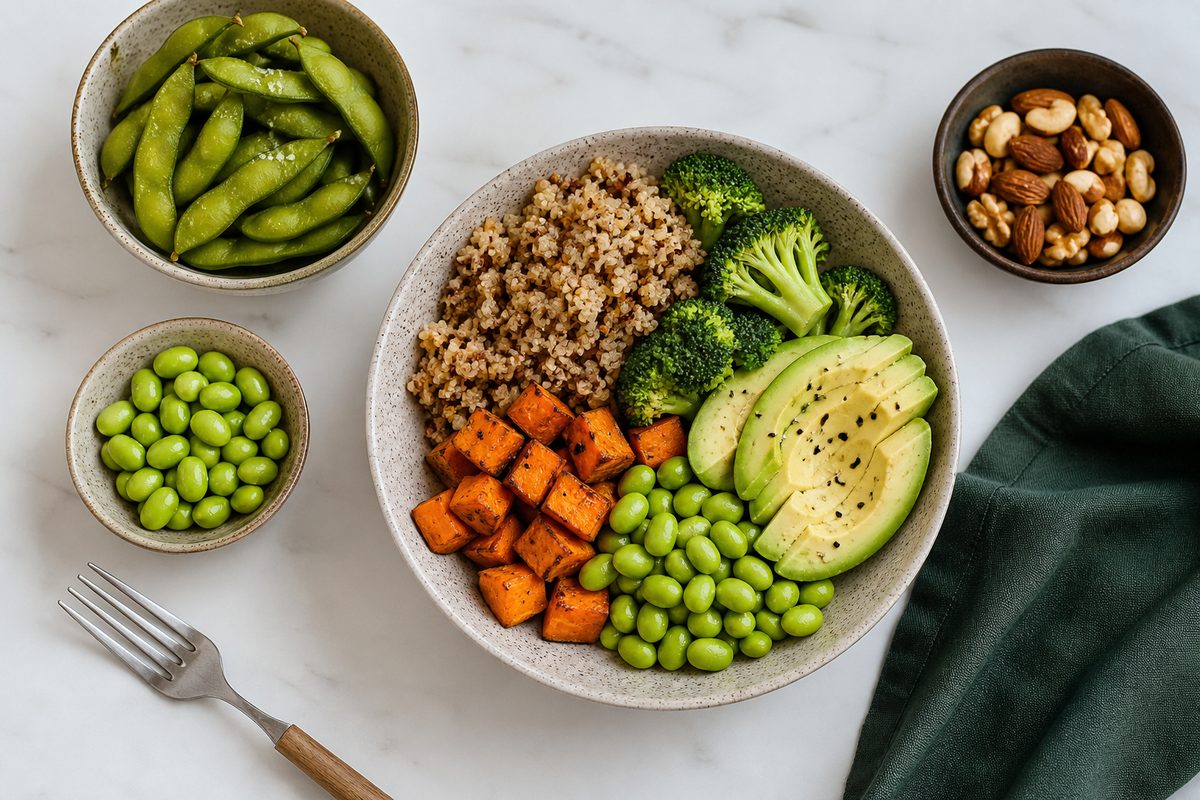
Yes-for most people, plain cooked edamame is a nutrient-dense food.
Edamame combines meaningful plant protein and fiber with folate, iron, magnesium and potassium. It can fit a snack, side dish or mixed meal without added sugar. It is not automatically ideal for everyone: soy allergy is a firm reason to avoid it, large portions can cause gas in some people, and salty or heavily sauced versions may no longer match the nutrition of plain beans.
What Edamame Is-and What You Actually Eat
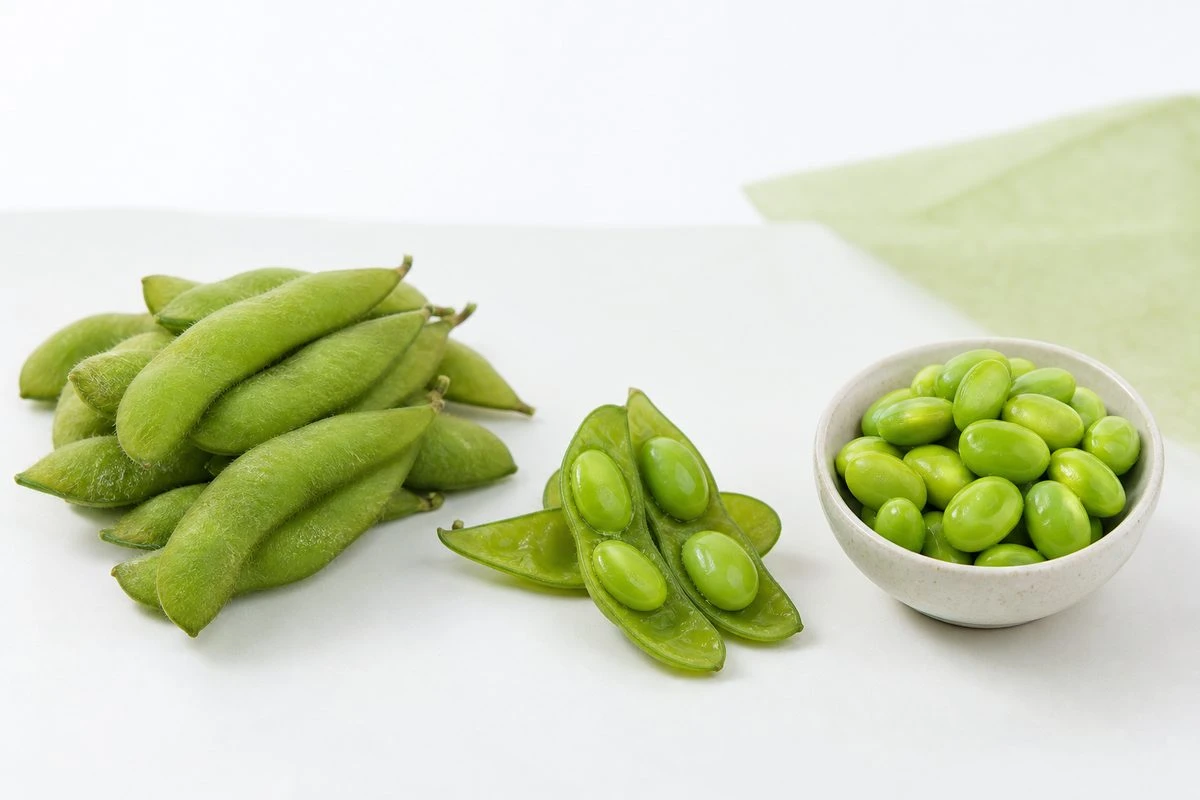
Edamame is the young, green form of soybean harvested before the seed fully matures and dries. The beans are tender, mildly sweet and usually sold either inside the pod or already shelled. It belongs to the legume family, so its nutrition looks different from a low-protein green vegetable. Protein, carbohydrate, fiber and unsaturated fat all contribute to its energy value.
With in-pod edamame, the beans are the edible part. The pod is fibrous and is normally left on the plate after the beans are squeezed or scraped out. This matters when a package lists a net weight: a 400 g bag of pods does not provide 400 g of edible beans. For nutrition tracking, use the serving information on that specific package or weigh the shelled portion rather than treating pod weight as food eaten.
Shelled edamame removes that yield question and works more easily in salads, bowls, soups and ready meals. Our frozen edamame range shows both podded and shelled commercial formats. Product form changes convenience and edible yield; it does not turn the same bean into a completely different food.
For a closer explanation, see How to Eat Edamame: Pods, Shelled Beans and Serving Ideas.
Edamame Nutrition per 100 g, Half Cup and One Cup
Nutrition numbers vary because databases and labels may describe raw, unprepared frozen, boiled, drained or salted edamame. Cup measures also change with how tightly beans settle. A transparent comparison therefore starts with a named form. The figures below use plain cooked shelled edamame as a practical reference and round the values so they are useful without implying false precision.
One cooked 160 g cup is a substantial portion, not a universal recommendation. A half cup is often closer to a snack, side or salad addition. The 100 g column is useful for comparing foods and supplier specifications, while the cup columns help with meal planning. Always let the package Nutrition Facts panel override a general database when you are eating a specific branded product.
| Reference amount | Calories | Protein | Carbohydrate | Fiber | Fat |
|---|---|---|---|---|---|
| 100 g cooked shelled edamame | About 140 kcal | About 11.5 g | About 8.6 g | About 5 g | About 7 g |
| 1/2 cup, roughly 80 g | About 110–115 kcal | About 9 g | About 7 g | About 4 g | About 5.5 g |
| 1 cup, roughly 160 g | About 224 kcal | About 18.5 g | About 13.8 g | About 8 g | About 11 g |
Total carbohydrate should not be confused with sugar. A meaningful share of the carbohydrate is fiber, and plain edamame is not a sweetened food. The fat number is also not a reason to treat it like a low-quality snack: much of the fat is unsaturated. Still, fat carries energy, so a full cup is more calorie-dense than a cup of many non-starchy vegetables. Context and portion decide whether that is helpful.

Why the Protein–Fiber Combination Is Useful
Edamame earns its place in meals mainly because it does two jobs at once. It contributes enough protein to matter, especially compared with peas, green beans or broccoli, and it supplies fiber that supports bowel regularity and adds bulk to a meal. Neither nutrient makes edamame magical, but together they can make a snack or vegetable bowl more substantial than a low-protein vegetable alone.
Soy protein contains all nine amino acids that adults must obtain from food. That is why edamame is commonly described as a complete protein. The phrase does not mean its amino-acid pattern is identical to eggs, dairy or meat, or that a single bowl meets every protein need. It simply means the essential amino acids are present. Total daily protein, energy intake, food variety and individual requirements still matter.
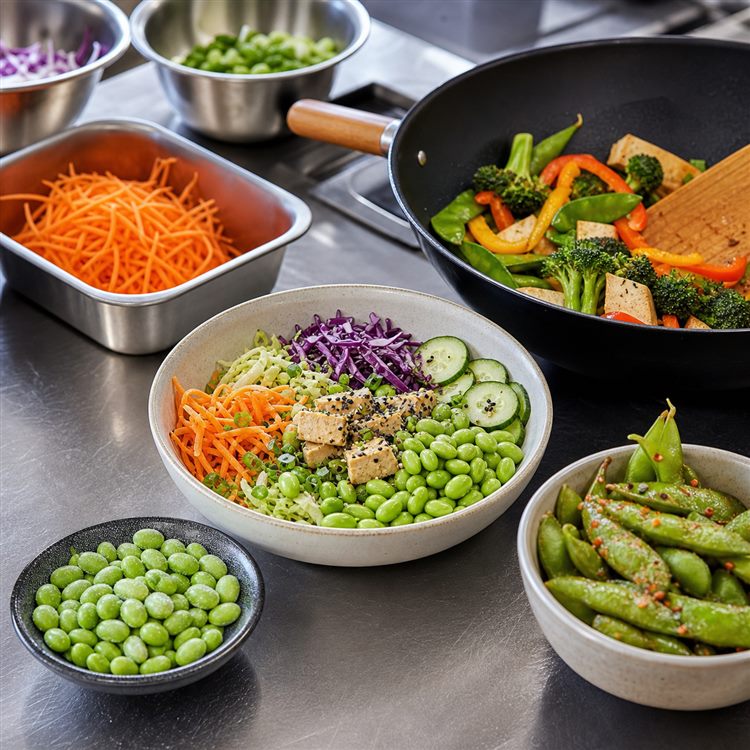
For a plant-based meal, edamame can reduce the need to build every plate around refined carbohydrate. Add half a cup to rice and vegetables, for example, and the dish gains protein, fiber, color and bite. A person with a higher protein target may still need tofu, tempeh, beans, lentils or another protein food in the same day. Our separate protein-focused page is designed to own those calculations once it is published.

Fiber, Fullness and Blood-Sugar Context
Fiber slows the eating experience and helps create volume in the digestive tract. Protein and fat also tend to make a food more satisfying than the same calories from a sweet drink or refined snack. Plain edamame can therefore be a sensible replacement for chips or candy when the goal is a more filling snack. The benefit comes from the substitution and the complete eating pattern, not from a fat-burning property in soybeans.
The carbohydrate in whole edamame arrives with fiber, protein and fat rather than as isolated sugar. That composition can produce a different post-meal response from a sweetened beverage or refined starch. It would still be careless to promise a specific blood-glucose result. Portion, the rest of the meal, medication, activity and individual metabolism all affect the response. People who monitor glucose should use their own plan and label data.
A practical approach is to treat edamame as a protein-rich legume portion. It can accompany non-starchy vegetables and a chosen grain, or replace part of a more refined snack. If you add it on top of an already large meal without adjusting anything else, the nutritional quality may improve while the total energy also rises. Healthy food and unlimited food are not the same idea.
Folate, Iron, Magnesium, Potassium and Other Nutrients
Edamame contributes more than macronutrients. University of Florida extension data based on USDA sources list substantial folate along with iron, magnesium, phosphorus, potassium, zinc and several B vitamins. A cooked cup may supply more folate than many people expect from a green vegetable. Actual values change with cultivar, maturity, processing, water loss and serving weight, so these figures are best treated as reference ranges rather than a product guarantee.
Iron in edamame is non-heme iron. The body generally absorbs this form less efficiently than heme iron from animal foods, and absorption varies with the rest of the meal. Pairing plant iron sources with vitamin-C-rich foods is a practical dietary pattern, but edamame should not be presented as a treatment for iron deficiency. Anyone with diagnosed deficiency needs professional assessment rather than a single-food solution.
Potassium and magnesium participate in many normal body functions, while folate is involved in cell division and red-blood-cell formation. Those statements describe nutrients, not disease cures. The responsible benefit claim is that edamame can contribute useful amounts within a varied diet. It cannot guarantee heart, bone, hormonal or pregnancy outcomes by itself.
What About Soy Isoflavones?
Edamame naturally contains isoflavones, plant compounds that can interact weakly with estrogen receptors. This feature is often simplified into alarming claims that all soy disrupts hormones or enthusiastic claims that soy prevents multiple diseases. Both shortcuts exceed what a food article should promise. Whole soy foods and concentrated isoflavone supplements are not interchangeable exposures.
For most adults who tolerate soy, ordinary food portions of edamame can be part of a varied diet. Personal medical circumstances may change that advice. Someone receiving treatment for a hormone-sensitive condition, managing thyroid medication timing, or using a medically prescribed diet should ask the relevant clinician about the whole eating pattern. The question is more specific than whether edamame is healthy in general.
We also avoid treating non-GMO, organic or conventional production as a direct measure of nutrient quality. Those are sourcing and market attributes that need their own documentation. A buyer should confirm the required claim, certificate scope and destination-market label rather than assume a production claim automatically changes protein, fiber or mineral content.
Possible Side Effects: Gas, Bloating and Eating Too Much
Edamame is a legume with fiber and fermentable carbohydrate. Gut bacteria can use material that was not fully digested earlier in the intestinal tract, producing gas in the process. A person who rarely eats legumes or fiber-rich foods may notice fullness, gas or bloating after a large serving. That response can be uncomfortable without meaning the food is toxic or that a food allergy is present.
Portion and pace matter. A person who feels fine with one third or one half cup may feel uncomfortable after a very large bowl eaten quickly alongside other legumes, cruciferous vegetables and carbonated drinks. Eating slowly, chewing well and increasing fiber-rich foods gradually are more credible strategies than promising that one seasoning or cooking trick eliminates every symptom.
Persistent or severe symptoms deserve a different response. Gas accompanied by repeated vomiting, blood in stool, unintentional weight loss, severe pain, ongoing diarrhea or constipation should not be self-diagnosed through an internet article. Medical advice is appropriate. Our dedicated digestion article is kept separate so this broad health page does not overtake the symptom intent.
Soy Allergy Is Different From Digestive Intolerance
Edamame is soybean, and soybeans are a major food allergen in the United States. A known soy allergy is not something to test with a smaller portion at home. Avoid the food according to the allergy plan and check ingredient and cross-contact statements on packaged or prepared products. Restaurant seasonings can add other allergens, including sesame or wheat-containing sauces, even when plain edamame would not contain them.
Allergic reactions can include hives, swelling, tingling, vomiting, coughing, wheezing, dizziness or difficulty breathing. Breathing difficulty, throat swelling, faintness or a severe whole-body reaction needs emergency action according to the person's prescribed allergy plan and local emergency services. Digestive gas that develops after a large serving is a different mechanism, although symptoms alone are not always enough for self-diagnosis.
For retail and foodservice programs, allergen communication is a product-control issue. The specification, ingredient list, seasoning system, facility controls and final label must agree. A plain frozen vegetable still needs correct soy declaration where required; a seasoned item requires review of every added ingredient and cross-contact statement.
Plain, Salted, Sauced and Roasted Edamame Are Not Identical
Plain cooked edamame starts with a short ingredient list and naturally low sodium. Restaurant versions are often salted on the pod surface. Only part of that salt reaches the beans, but intake depends on how heavily the pods are coated and how the beans are extracted. Frozen retail bags may be plain, lightly salted or sold with sauce packets. Dry-roasted edamame has much less water, so calories and nutrients are concentrated into a smaller volume.
Sauces can change the meal quickly. Oil-based chili crisp, sweet glaze, butter, cheese or creamy dressing adds energy. Soy sauce and seasoning blends add sodium. None of this makes the dish forbidden; it simply means the nutrition is no longer represented by a plain-boiled database entry. Check the ingredient list, serving size and Nutrition Facts panel of the product actually eaten.
A useful comparison keeps the base constant. First decide how much edible edamame is in the serving. Then add the measurable sauce or seasoning. This is more accurate than labeling all restaurant edamame unhealthy or treating a flavored one-cup bowl as nutritionally identical to a half cup of plain shelled beans.
How Much Edamame Is a Sensible Portion?
There is no universal serving that fits every age, appetite, energy need or meal. A practical starting point for many adults is about one half cup of cooked shelled beans as a side, salad addition or substantial snack. A full cup can be appropriate when edamame is a main protein component, but it brings roughly twice the energy, protein, fiber and fat. People new to legumes may prefer to start smaller.
For in-pod edamame, serving bowls look larger because the shells occupy space and become waste. Do not compare a cup of pods directly with a cup of shelled beans. If accurate nutrition is important, follow the package's edible-serving information or shell a representative portion and weigh the beans. Foodservice menu developers should test edible yield rather than costing only by gross frozen weight.
Children need age-appropriate preparation and supervision. Whole round foods can present choking concerns, so beans may need to be mashed or cut for younger children based on professional feeding guidance. Soy allergy history also matters. This article provides general food information, not pediatric feeding or medical advice.
Fresh Versus Frozen Edamame: Does Freezing Remove the Benefits?
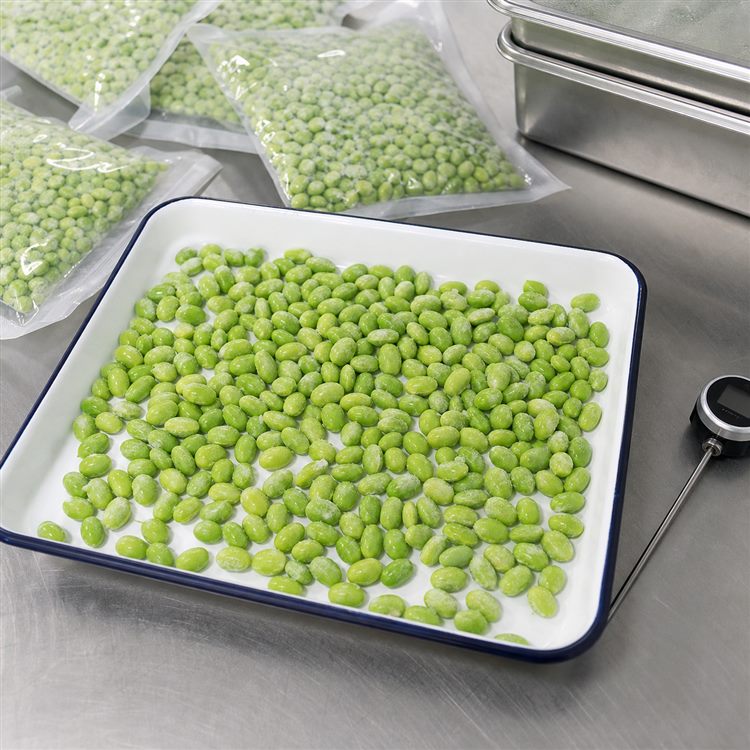
Frozen edamame is commonly blanched or pre-cooked to a defined level before freezing. Blanching helps control enzymes and supports color and storage quality, while heat and water can affect some heat-sensitive or water-soluble nutrients. Freezing itself does not erase protein or fiber. It is more accurate to say that processing and final cooking can change individual nutrients than to claim fresh always wins or frozen always preserves everything.
Frozen form offers practical advantages: year-round availability, shorter preparation and portioning from stock. Those benefits can make nutritious meals easier to repeat, especially in foodservice and ready-meal production. Quality still depends on raw material maturity, blanching control, freezing speed, packaging and cold-chain stability. A thawed and refrozen bag with heavy clumping may perform poorly even though edamame remains the named ingredient.
Follow the product's final-heating instruction. Blanched does not automatically mean ready to eat. Our published guide on whether frozen edamame needs cooking explains that safety boundary, while the cooking guide owns detailed methods and texture troubleshooting.
A Practical Verdict for Different Eaters
| Situation | How edamame may fit | What to check |
|---|---|---|
| General mixed diet | Snack, side or plant-protein addition | Portion and seasoning |
| Vegetarian or vegan eating | Useful complete soy protein alongside varied foods | Total daily protein and energy |
| Weight-management plan | Filling replacement for a less substantial snack | Calorie context and sauces |
| Sensitive digestion | Start with a smaller cooked portion if medically appropriate | Symptoms, other fermentable foods and clinician advice |
| Known soy allergy | Not appropriate | Avoidance plan, label and cross-contact |
| Commercial menu or retail pack | Flexible podded or shelled ingredient | Cooking status, allergen label, sodium and edible yield |
The simple verdict is positive but conditional. Plain cooked edamame is a useful whole soy food for many people. It becomes a poor fit when a person has soy allergy, when a portion repeatedly triggers significant symptoms, or when the product is covered with add-ons that conflict with the person's dietary goal. Those limits do not cancel its protein, fiber and micronutrient value for everyone else.
For food businesses, the same conditional thinking improves product decisions. We confirm podded or shelled form, blanching or pre-cooking status, packing, label direction and destination-market requirements before shipment. The nutrition message used on a retail pack should match the tested product and serving, not a generic online value.
Frequently Asked Questions
Is it healthy to eat edamame every day?
Edamame can fit a daily diet if you tolerate soy and the portion fits your overall energy, protein, fiber and variety needs. Eating it every day is not automatically better than rotating legumes and other protein foods. Check added salt and sauces, and seek individualized advice if you have a soy allergy, a medically prescribed diet or persistent digestive symptoms.
What are the main health benefits of edamame?
The strongest food-level benefits are its combination of plant protein, fiber and useful micronutrients such as folate, iron, magnesium and potassium. These nutrients support normal body functions within a varied diet. Edamame should not be presented as a cure or as a guarantee against heart disease, cancer, diabetes or hormonal problems.
Does edamame have a lot of protein?
Yes compared with most green vegetables. Plain cooked shelled edamame provides about 11 to 12 g protein per 100 g and roughly 18.5 g per cooked 160 g cup. Exact labels vary by product, preparation and serving weight. A half cup provides about 9 g and may be a more typical side portion.
For nutrition details, see How Much Protein Is in Edamame? Is It a Complete Protein?.
Can edamame cause gas or bloating?
It can. Edamame contains fiber and fermentable carbohydrate, and gut bacteria can produce gas while breaking down material that was not fully digested earlier. A large portion or rapid increase in legumes may be more noticeable. Severe, persistent or red-flag symptoms need medical advice rather than repeated home testing.
For nutrition details, see Is Edamame Easy to Digest? Fiber, Gas and Eating Too Much.
Who should not eat edamame?
People with a diagnosed soy allergy should avoid edamame according to their allergy plan. Others may need individualized advice because of a medical condition, medication timing, a prescribed low-FODMAP trial or repeated symptoms. A digestive intolerance is different from allergy, but an internet article cannot diagnose either one.
Is frozen edamame as nutritious as fresh edamame?
Frozen edamame retains protein and fiber and can contribute valuable micronutrients. Blanching, freezing, storage and final cooking can change individual nutrients, so neither fresh nor frozen is always superior in every measure. Frozen form can make portioning and year-round use easier when the cold chain and preparation instructions are controlled.
Can you eat the edamame pod?
The beans inside are the edible part. The mature-looking green pod is fibrous and is normally discarded after the cooked beans are squeezed or scraped out. Shelled edamame is supplied without the pod for direct use in salads, bowls, soups, dips, vegetable blends and ready meals.
Is salted edamame still good for you?
It can still provide protein, fiber and micronutrients, but sodium depends on the amount of salt, how it is applied and how the beans are eaten. Compare the actual package label or restaurant preparation with your needs. Sauces containing oil or sugar can also change calories, so plain-edamame numbers may not describe the finished dish.
Need frozen edamame for a commercial program?
We supply frozen edamame in pods and frozen shelled edamame for foodservice, retail, ready-meal and processing applications. Review our frozen edamame formats and our complete frozen-food catalog, then send your required format, packing, quantity, destination market and intended use.
Send an inquiry