


How Many Asparagus Spears Are in a Serving?
Sep 24, 2026
Leave a message
Research This Article & Topic with AI
Verify key claims, compare reliable sources, and explore GreenLand-food's practical frozen food knowledge.
Article details and research questions are prepared in the links. Sign-in or sending may be required.
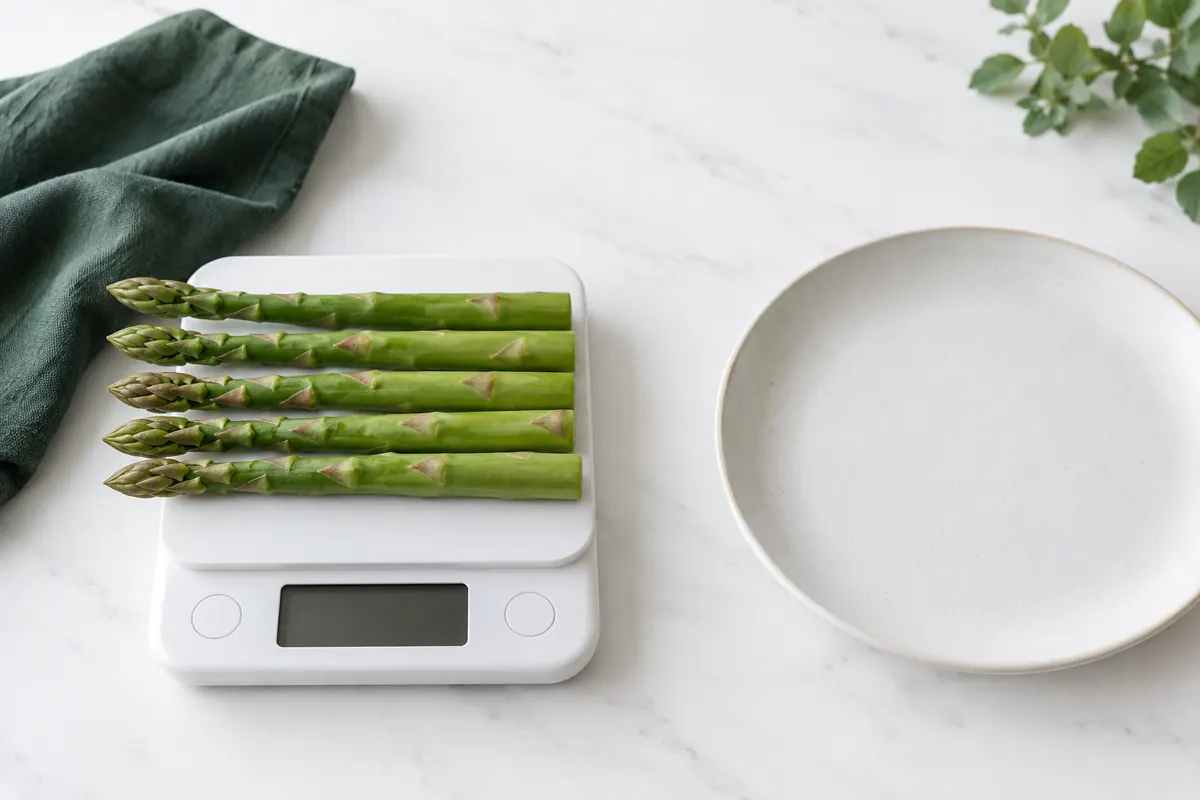
This distinction becomes more useful when asparagus is trimmed, cooked or bought frozen. Five intact spears on one tray may weigh noticeably less than five on another. Tips and cuts cannot be counted in the same way as whole spears. A serving statement built only around the number of pieces can therefore mislead a buyer or leave a cook with uneven plates. We supply whole IQF asparagus, tips and cuts against confirmed size and packing requirements, and we ask customers to define the portion by weight when consistency matters.
What counts as one serving of asparagus?
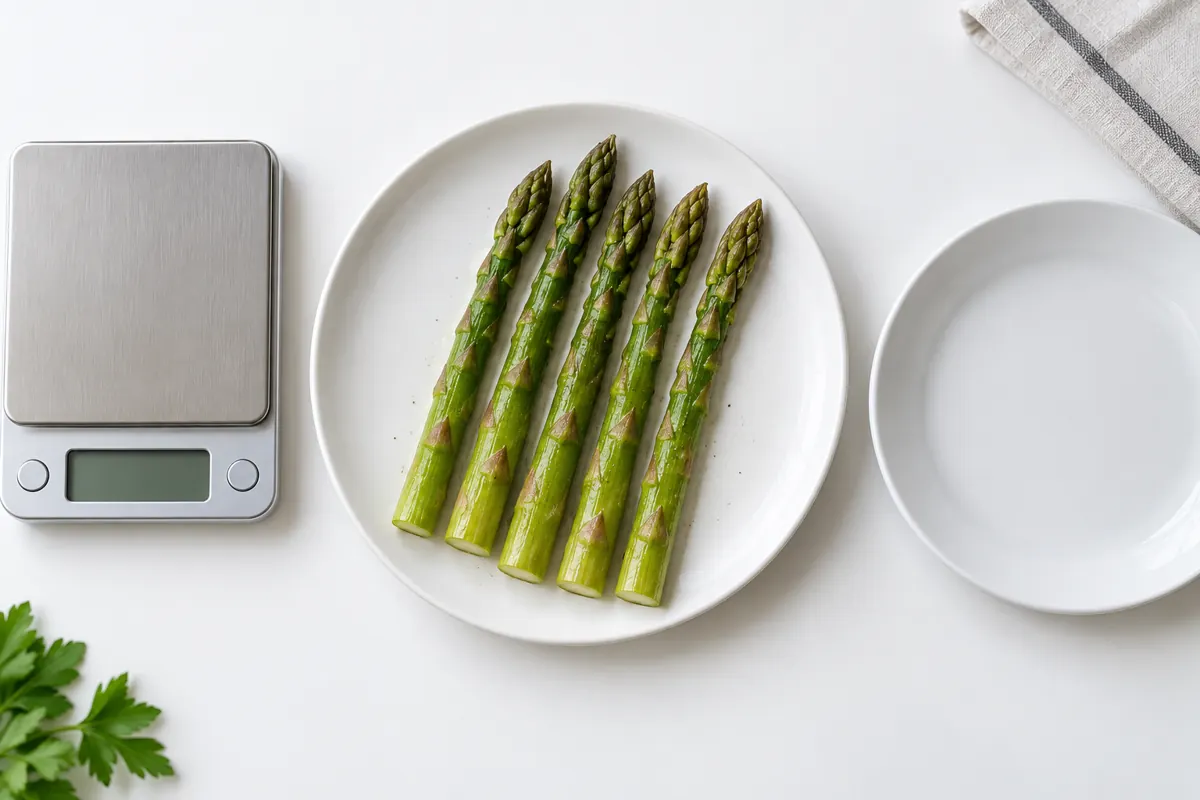
There is no universal number of spears that describes every asparagus serving. A nutrition database, a vegetable-portion campaign, a recipe and a restaurant can use different reference amounts for different purposes. UMass Extension gives five spears as the serving in its asparagus nutrition panel. Health Canada's food reference gives six medium raw spears as 96 g of edible portion. A family recipe from CHEF San Antonio divides one pound into four portions of about five to six spears. These examples agree on a practical range for medium spears, while their underlying weights and preparation contexts are not identical.
For home cooking, five or six medium spears usually make an understandable side portion. If the spears are particularly thin, a plate may need more pieces to reach the same edible weight. If they are thick and long, fewer may suffice. The number should communicate a likely plate appearance rather than claim precise nutrition. The most reliable instruction on a pack is a gram amount followed, if useful, by a count range tied to that pack's grade.
What counts as one serving of asparagus?
Foodservice portions require a more explicit decision. A chef may want a small garnish, a vegetable side, or a substantial share of a mixed plate. These are different serving roles. Set the cooked plated weight for that role and test how many of the supplied spears produce it. A staff instruction such as "five spears" can be convenient after the grade has been fixed and checked, but it should not replace the target weight in the purchasing specification. Otherwise a crop change or a switch between thin and thick spears changes the plate without anyone revising the recipe.
Retail nutrition serving sizes also need their own market review. The figures above are useful for understanding the ingredient; they do not establish the legally required declaration for a specific country or package. The finished label must reflect the destination market's rules and the actual product as packed. If sauce, butter or seasoning is included, the nutrition of the finished product differs from plain asparagus. Keep the ingredient portion, the packaged serving and the prepared plate distinct in the product file.
How spear size changes the count
Health Canada's raw asparagus reference provides a practical way to see the scale of variation. It assigns 12 g to a small spear, 16 g to a medium spear, 20 g to a large spear and 24 g to an extra-large spear, each described with its own length range. On those reference values, eight small spears, six medium spears, about five large spears, or four extra-large spears give roughly the same 96–100 g of raw edible asparagus. The count changes by a factor of two across those examples even though the plate weight is similar.
Actual asparagus grades are not perfectly uniform. A spear can be longer but slender, or shorter and thicker. Diameter near the base affects visual fullness and cooking behavior; length affects how it fits a plate or tray. The tip can be intact or broken. A bundle of whole spears may also include a few specimens outside the advertised size range if tolerance is not defined. That is why a buyer needs more than a "small, medium, large" word on a quote. Ask how the seller measures diameter and length, what range is allowed, and how many pieces in a representative weighed sample fall outside it.

How spear size changes the count
The edible part matters as much as the grade. Fresh asparagus often has a fibrous lower end that is trimmed before serving. A raw purchased spear weighed before trimming is not automatically the same as the edible spear used in a nutrition reference. Frozen asparagus may already be cut to a specified length and blanched. A raw fresh reference can guide a count estimate, but the final count per frozen pack should be measured from that product's actual net weight and piece-size distribution. Counting by eye is less reliable after the pieces move through washing, trimming, blanching and freezing.
For preparation details, see How to Freeze Asparagus Without Blanching: What Changes?.
For a kitchen manager, a ten-portion trial gives a quick reality check. Weigh the edible asparagus allocated to each plate, count the pieces, and record the spread. If one plate has three thick spears and another has eight thin spears, the buyer may need a narrower diameter band even when each plate weighs the same. Conversely, if the dish uses cut asparagus inside soup or pasta, appearance is less dependent on the number of pieces; a weight and cut-length specification can do more useful work than a whole-spear count.
Portion-weight table for small, medium and large spears
The table below uses the Health Canada reference weights for raw edible spears. The count is an approximation for a target near 96 g, not a guarantee for every shipment. A buyer should weigh a sample of the exact packed product before writing a label, costing a menu item, or setting a machine portion.
| Reference spear size | Health Canada weight per spear | Approximate count for 96–100 g edible asparagus | Practical interpretation |
|---|---|---|---|
| Small | 12 g | 8 | More pieces may be needed for a side plate. |
| Medium | 16 g | 6 | A useful starting point for ordinary serving guidance. |
| Large | 20 g | About 5 | Fewer, fuller spears give similar weight. |
| Extra large | 24 g | 4 | Plate appearance and cooking time change markedly. |

Bar chart showing about eight small, six medium, five large or four extra-large asparagus spears per approximately 96 grams
One should avoid treating the table as a conversion formula for all asparagus. The listed sizes describe raw reference units. Product labels, frozen cut lengths and cooked portions may use different measurement bases. If a package contains a mixture of thicknesses, the average weight per spear can conceal wide variation. A six-spear average of 96 g could include both 10 g and 22 g pieces. That might be acceptable for a chopped soup ingredient but unsatisfactory for a premium whole-spear retail pack.
For pack planning, divide the net edible pack weight by the planned grams per portion. A 400 g plain asparagus pack can support four 100 g ingredient portions on a weight basis; the visible number of spears in those portions will depend on grading. The calculation assumes the pack is actually 400 g net and excludes any preparation loss you expect after opening. If the pack includes sauce, ice glaze or another component, identify the net asparagus content separately. Do not present a theoretical count as a verified pack yield before weighing the product.
Foodservice volume can be estimated in the same order. Start with the target plated asparagus weight, multiply by expected covers, then allow for your own observed heating and service loss. Test the specific cut and cooking method rather than importing a generic shrinkage percentage. A steam-heated whole spear and a high-heat roasted cut can finish with different moisture and texture. Keeping the incoming weight, cooked weight and plate weight in a simple trial sheet gives the purchasing team a usable yield number for future orders.
Trimmed and cooked weight versus purchased weight
The word "serving" can refer to asparagus at several points. Purchase weight is the quantity delivered. Edible raw weight is the portion left after woody ends and defects are removed. Cooked weight is what remains after the chosen heating method and any draining. Plated weight includes only what reaches the guest; it may be lower if pieces are broken or held back. Clear records should name the point at which the portion is measured.
Fresh whole asparagus can have an especially large difference between purchase weight and edible weight when the lower stalk is woody. The exact loss varies with harvest condition, spear length and the trimming standard. Snapping each stem at its natural break gives one kitchen result; a commercial cut at a fixed length gives another. If the retail instruction says "six spears," ask whether the count includes the discarded base. If the nutritional portion is expressed as edible grams, the woody end should not silently be included in the calculation.

Trimmed and cooked weight versus purchased weight
Frozen whole spears are commonly processed into a more consistent length before packing, and the supplied pack's net weight is the appropriate starting point for a frozen application. However, thawing or cooking can release water, and overcooking can cause breakage. Use the actual prepared product to test serving yield. If the plate requires intact tips, count the broken tips and short fragments separately during the trial. The customer may want those pieces for soup or sauce rather than for a visibly lined-up side dish; their edible value is not the same as their appearance value.
Cooking method changes the final measurement. Gentle steaming tends to retain a different surface and moisture condition from oven roasting or skillet finishing. Long holding can continue to soften the vegetable. If your operation portions before cooking, measure what lands on the plate after the full service process. If it portions after cooking, make sure the product is drained consistently before weighing. Otherwise water left in the pan or tray can be counted as vegetable yield. A repeatable test procedure matters more than a borrowed universal conversion factor.
For buyers, the commercial consequence is simple. A quote by carton weight can look attractive while producing fewer usable whole-spear plates if the shipment contains excessive short pieces, fibrous bases or broken tips. Define the quality that your application needs, then compare suppliers on usable portions per carton as well as price per kilogram. We can discuss trim length, diameter, tip integrity and breakage tolerance for frozen asparagus against the confirmed order, but the customer should validate the resulting yield in its own cooking line.
Planning retail packs and foodservice plates
A retail pack should make portioning easy without promising a false number of identical spears. If the product is whole IQF asparagus, a front-of-pack photograph may show a uniform serving, while the actual pack can contain a permitted range of lengths and diameters. The useful technical documents are the net weight, grade range, piece-size tolerance, and a representative count distribution. When the pack is small, a few unusually thick or thin pieces can change the visible portion. Sampling more than one pack from a lot helps reveal that variation.
For a two-person household, the intended use might be one vegetable side or one recipe addition. The same 400 g pack can be described by weight without prescribing how many spears each person must eat. Preparation guidance should state whether the product is cooked from frozen and how to avoid overloading a pan, because water released from a crowded pan changes texture. A tip-only pack or a pack of cuts needs a different visual and portion message from whole spears. Counting tips would be an awkward measure when a spoon or scale gives a more repeatable serving.

Planning retail packs and foodservice plates
Foodservice plating is more sensitive to visual uniformity. A restaurant may lay five matching spears beside a protein, while a buffet may serve by a weighed scoop. In the first case, diameter, length and tip integrity have high value. In the second, portion weight and cooked tenderness may dominate. A frozen asparagus specification should reflect which service pattern the kitchen actually uses. Ask for a retained reference sample and compare a cooked trial with it, including the latter part of the service period after holding.
Menu costing should follow usable yield. If a kitchen portions 90 g cooked asparagus for 500 covers, it needs 45 kg of plated asparagus. The incoming frozen quantity will be higher or similar depending on the process and measured loss; do not invent a standard percentage. Trial a representative carton, weigh before and after cooking, and calculate the required input. Record whether the trial used whole spears, tips or cuts, because those formats can retain different amounts of pan moisture and have different rejection criteria for plate presentation.
Consistency also includes service labor. If the ordered size range is very broad, cooks spend time matching pieces on each plate, even when carton weight is correct. A narrower grade may cost more per kilogram but reduce sorting time and improve a premium plate. A cut format may be less visually distinctive yet easier to portion into a prepared meal. These are application choices that the purchasing, culinary and packing teams should agree on before asking suppliers for a price.
Using frozen whole spears, tips and cuts
Whole spears are the clearest format when the question is literally "how many spears?" Their length, diameter and intact tips determine whether a group of five or six looks balanced. Whole IQF spears also let a kitchen remove a weighed quantity without thawing an entire carton, provided the pieces remain free flowing. For premium side dishes, examine a sample for straightness, tip condition, stem color, broken fragments and variation in the lower cut. A carton photograph alone will not show how well the full lot meets a plate standard.
Tips are shorter and can be valuable where tender tip appearance matters, but counting them as if they were complete spears is misleading. The weight per tip is much lower. Health Canada's raw reference gives a short spear tip at 3.5 g, which illustrates why a tip count can rise quickly for an ordinary edible portion. A soup garnish, omelet or ready meal may use a measured quantity of tips because it is easier to distribute evenly. Confirm the cut length and the share of intact tips instead of copying a whole-spear serving statement.

GreenLand frozen asparagus product photograph, first view
Cuts work differently again. They are useful in soups, vegetable blends, pies and prepared foods where uniform pieces are more important than a whole-stalk display. Specify cut length, diameter range and allowable fines. A product with very short fragments can still meet a carton weight but disperse unevenly or soften faster in a reheated meal. When cuts are mixed with other vegetables, the asparagus percentage should be verified by weight, not by the number of visible pieces in a photograph.
Frozen asparagus should be assessed in the state in which it will be used. A grade can look attractive while frozen yet become limp if it is held too long after cooking. Conversely, a few pieces broken in the freezer may be perfectly suitable for a sauce or soup where shape is not a selling point. The IQF asparagus page describes GreenLand-food's available product context; a buyer's own cooked trial should determine which form and grade supports the final portion. For background on raw and frozen preparation differences, see our asparagus freezing guide.
What buyers should specify for consistent portions
An RFQ for portion-controlled asparagus should begin with the eating format: whole visible side, short tips, or cuts in a formulation. State the target edible or plated weight, the intended cooking method, and whether the operation portions before or after cooking. For a whole-spear application, add the preferred length and diameter ranges and acceptable variation. For cuts, give the target cut length and the tolerance for fines. The supplier can then offer a product that fits the serving decision instead of inferring it from a generic "five spears" request.
The sample review should combine counting and weighing. Draw units from more than one pack, weigh a set number of pieces, and count the pieces in several equal-weight portions. Check the top and bottom of the carton, since long and short pieces can separate during handling. Photograph the size spread beside a scale or gauge and retain a cooked comparison. A single perfect portion assembled for a photo is insufficient evidence of lot consistency. The acceptance method should be practical enough for both parties to repeat at loading and receipt.

GreenLand frozen asparagus product photograph, second view
Record other attributes that affect usable serving yield: tip breakage, short pieces, fibrous ends, discoloration, foreign matter, clumping and excessive ice. Determine which defects require rejection and which can be diverted to an application that tolerates cuts. Confirm pack format, net weight, quantity, destination, requested documents and cold-chain handling. These details let the purchasing team compare quotes on the same usable basis. They also help avoid a dispute in which the supplier delivered the correct kilograms while the kitchen expected a specific number of identical spears.
If a menu changes from a garnish to a full vegetable side, repeat the calculation before simply doubling the spear count. A larger portion can require a different pan load, reheating time and holding practice. The same grade may look crowded on a small plate even when its weight is correct. A short trial with the intended plate, cooking equipment and serving utensil reveals these effects quickly. Keep the trial record with the approved sample so the next purchasing cycle can check the same outcome rather than relying on a remembered number of spears.
GreenLand-food is a frozen asparagus supplier and manufacturer in China offering factory-direct wholesale programs for importers, distributors, foodservice and processors. We can confirm whole spears, tips or cuts, size range, packing and order requirements for a proposed shipment. When the final product needs five matching spears on each plate, send us that plating reference as well as the gram target. When weight is the operational measure, tell us the target portion and application. The result is a specification that can be sampled, cooked and checked before it becomes a standing order.
Source frozen asparagus with GreenLand-food
GreenLand-food is a professional frozen asparagus supplier and manufacturer in China, providing factory-direct wholesale supply for importers, food manufacturers, foodservice distributors, and private-label programs.
Send the product form, specification, packing, quantity, application, destination, private-label needs, and requested documents.