


How to Keep Broccoli Fresh in the Refrigerator
Sep 09, 2026
Leave a message
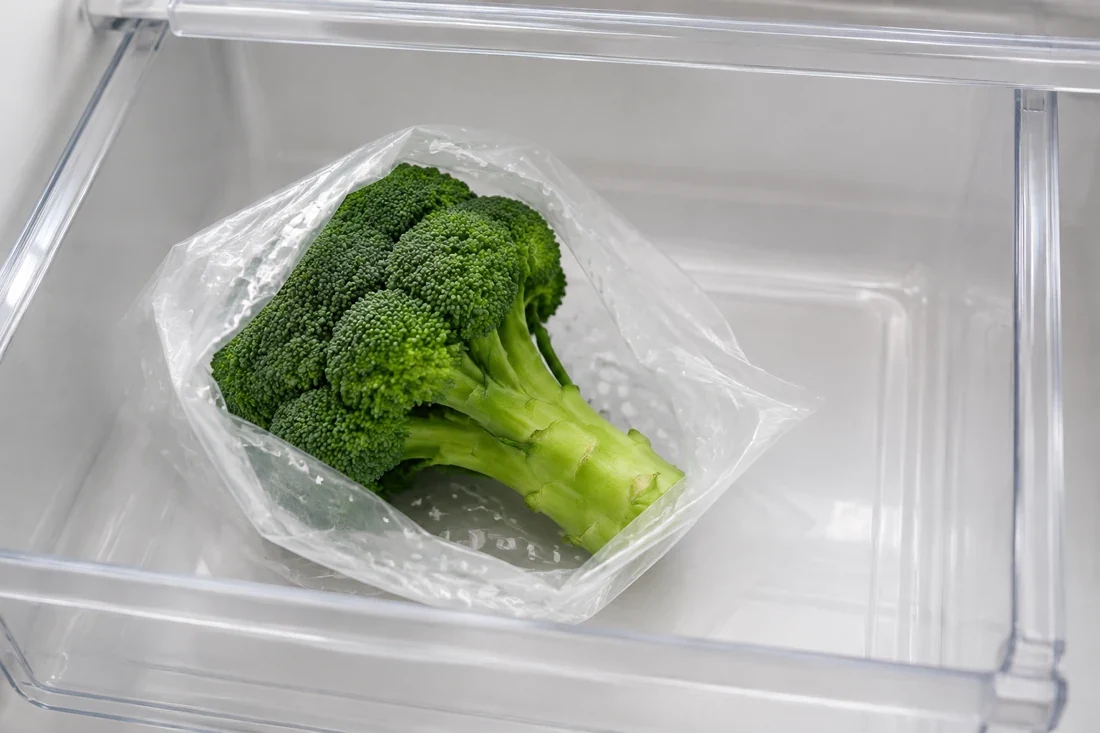
Plan to use purchased fresh broccoli within about three to five days, while checking its condition rather than treating that range as a guarantee.
Whole fresh heads, washed cut florets and cooked broccoli need different handling. A storage tip that works for an intact head should not automatically be applied to a wet container of chopped pieces or last night's cooked side dish. The aim is to manage temperature, moisture and time sensibly. If demand regularly extends beyond a short fresh-use window, freezing sound broccoli or buying an appropriate frozen format is more practical than trying to keep fresh heads indefinitely.
Refrigerate broccoli promptly and keep it whole
Start with the best condition available at purchase. Look for firm heads with tight buds and stems that do not show obvious deterioration. Broccoli that is already badly wilted or yellowing has less useful quality remaining than a sound head, even if both are brought home on the same day. The refrigerator slows further change; it does not restore the condition at harvest. A good storage routine therefore begins with selection and prompt handling rather than with a special container alone.
Keep an intact head whole until it is needed when that suits the meal plan. Cutting exposes more surfaces and creates small pieces that are easier to crush or wet. Leaving the head unwashed until preparation also avoids adding water that must then be managed during storage. Mississippi State Extension's broccoli guidance recommends refrigerated storage in an open plastic bag and a short use window. Its broccoli fact sheet supports this straightforward household approach.
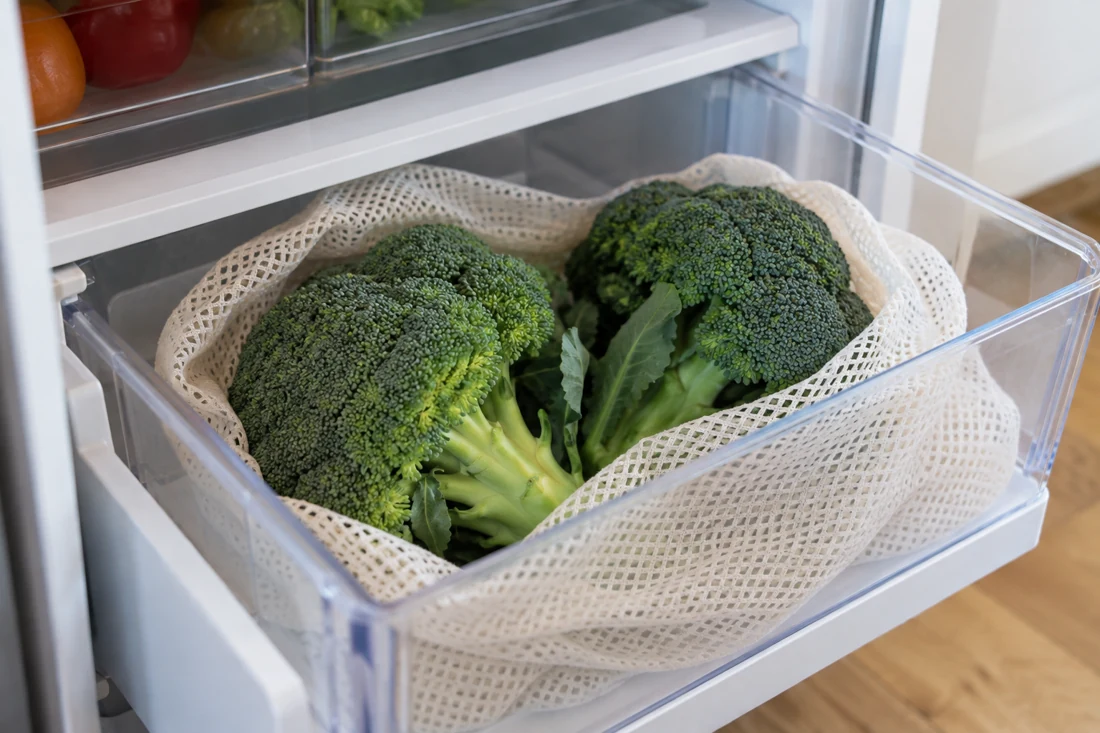
Keep sound broccoli heads whole until preparation when practical. Illustration.
- Choose a sound head and refrigerate it promptly.
- Keep it whole and unwashed until preparation when practical.
- Use a loose or ventilated produce bag in the crisper, without pooled water or crushing.
- Plan use within a few days and inspect the head before preparing it.
Place the broccoli in the refrigerator's produce area where it can be protected from crushing and kept under suitable chilled conditions. Do not leave it on a warm counter while the rest of the groceries are put away and then assume the same storage window applies. A working refrigerator and sensible food separation matter more than a decorative storage arrangement. Keep produce away from raw foods that could drip onto it, and follow the appliance's guidance for the crisper and temperature settings.
The three-to-five-day planning range is a practical target for purchased fresh broccoli, not a precise expiry calculation. Extension sources commonly advise using refrigerated broccoli within about five days. Actual quality depends on how fresh it was when bought and how it has been handled. If the planned meal is later than that, buy closer to use or choose a preservation route while the vegetable is still sound. Waiting until the last possible day usually narrows the options.
For a foodservice kitchen, mark the receipt date and organize use around the most time-sensitive fresh stock. A large delivery can contain heads with slightly different condition, so rotation should include inspection rather than date order alone. Keep the purchasing plan connected to the next services. Buying a larger quantity only improves value when the usable product can be prepared well; discarded heads, trimming losses and emergency replacement purchases can remove the apparent saving on the original invoice.
Balance moisture protection with airflow
Broccoli can lose water and wilt, which is why leaving it completely exposed in a dry refrigerator is not ideal. At the same time, free water trapped around the buds can create an unpleasant wet storage environment. These observations are compatible: the goal is to reduce drying while avoiding pooled surface moisture. A loose or ventilated bag is a practical household way to manage that balance for an unwashed whole head without sealing a wet vegetable into an airtight space.
High humidity in commercial produce storage does not mean the broccoli should sit in water. UC Davis describes broccoli's postharvest requirements under controlled conditions, including the importance of cold storage and moisture management. A commercial humidity target and a domestic bagging method operate at different scales. UC Davis's broccoli storage information helps explain the principle, but it should not be used to promise a long household shelf life under conditions a home refrigerator does not reproduce.
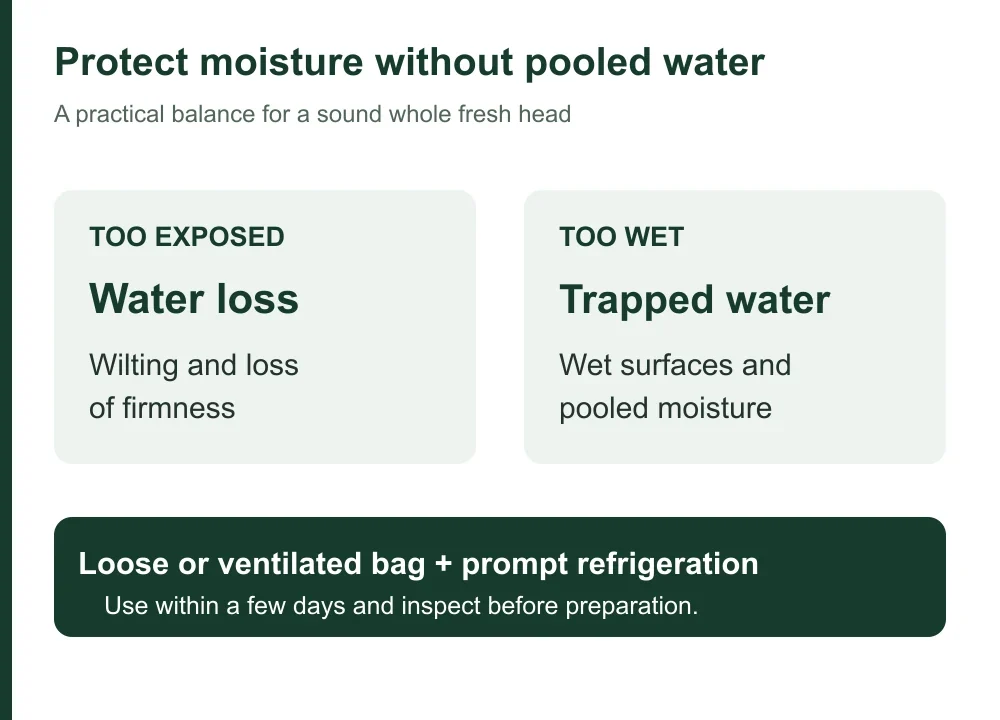
Moisture protection and removal of free surface water solve different storage problems.
View larger diagramCheck the bag or container if condensation becomes substantial. The useful observation is whether the florets remain sound and the surface environment is becoming too wet, not whether a particular wrapping trick has been followed exactly. Avoid compressing the head into a small sealed bag while it is visibly wet. If water has accumulated, reassess the packaging and condition. No packaging choice eliminates the need to inspect a perishable vegetable before preparing it.
Keep broccoli away from produce that can accelerate its quality decline through ethylene exposure, where practical in the refrigerator arrangement. The point is not to memorize a complicated map of every drawer, but to avoid treating all produce as if it shares the same storage behavior. Mississippi State's household advice also separates broccoli from fruit during storage. A simple, consistent arrangement is more useful than repeatedly moving the head among containers while overlooking the age and condition of the vegetable itself.
A paper liner may help manage incidental moisture in some containers, but it should not become a reason to store wet broccoli for longer than planned. Replace or reassess a saturated liner rather than leaving it pressed against the food. The basic method remains the same: sound produce, prompt refrigeration, protection from drying and a short use plan. Additional materials are useful only if they support those conditions; they do not create a new shelf life independent of the starting quality.
Handle cut broccoli and washed florets separately
Cut florets are convenient, but they have been through more handling than an intact head. If you cut broccoli ahead, use clean equipment and a clean working surface, inspect the pieces, and refrigerate them in an appropriate clean container. Keep the preparation date with the container where it will be useful. Do not assume the original whole-head planning window restarts when the broccoli is chopped. The age and history of the head still form part of the new preparation's history.
For a closer explanation, see What Are Broccoli Florets?.
If the florets are washed before storage, drain and remove excess surface water. Water caught among the buds can collect at the bottom of a container and make later preparation less predictable. A dry enough surface is especially useful if the pieces will be roasted or dressed for a salad. The purpose is moisture management, not sterilization. Washing does not correct deterioration, and drying does not make cut broccoli suitable for indefinite holding.
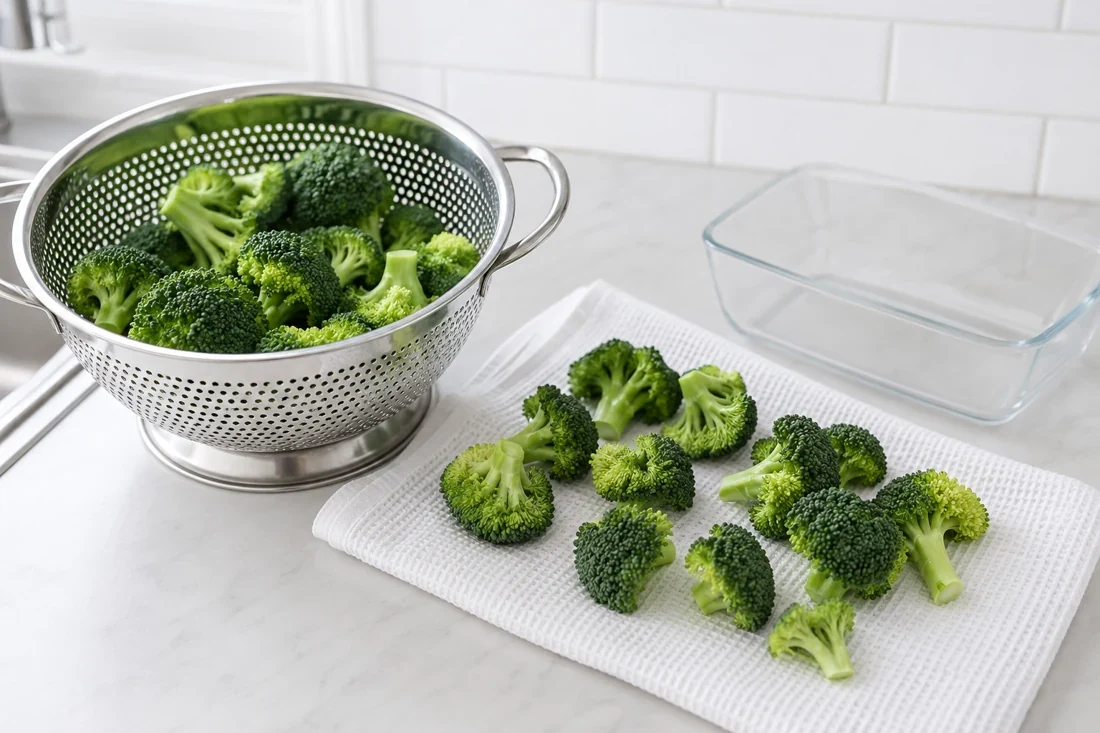
Drain washed florets before placing them in a clean short-term storage container.
| Stored food | Practical approach | Timing basis |
|---|---|---|
| Whole fresh head | Unwashed, loose or ventilated bag, refrigerated | Plan roughly three to five days; inspect condition. |
| Home-cut or washed florets | Clean container; remove excess water | Use promptly; cutting does not restart the head's history. |
| Labeled pre-cut pack | Follow the actual pack directions | Use-by and after-opening instructions. |
| Cooked broccoli | Prompt chilling and cooked-food handling | Follow applicable leftover guidance. |
Commercial pre-cut packs should be handled according to their label, including any use-by and after-opening instructions. Their packaging and processing may differ from a container prepared at home. A general tip to open a bag for airflow should not override instructions on a sealed product designed to be stored as sold. Read the actual pack first. Once opened, retain the identity and relevant directions so the remaining pieces are not treated as an anonymous container of vegetables.
Keep cut broccoli separate from cooked broccoli in both labeling and storage planning. Raw washed florets may be destined for a later cooking step, while cooked pieces have already entered a different handling sequence. Mixing the two to save container space makes their history harder to track. It can also make the next cook uncertain about what preparation is still required. A clear container label is a small action that prevents an avoidable mistake during a busy meal preparation period.
For a kitchen that repeatedly needs ready-cut portions, compare the labor and usable yield of preparing fresh heads with an approved frozen cut. The choice depends on the dish and equipment, not just convenience. A raw salad has different needs from a soup or cooked ready meal. If frozen broccoli fits the application, it can reduce the need to hold large quantities of freshly cut material while waiting for later production. The comparison should be made in the finished recipe.
Recognize wilting, yellowing and spoilage
Wilting usually appears as a loss of firmness and a less crisp structure. It can reflect moisture loss, but the full condition should still be assessed before use. A slightly tired yet otherwise sound head is not the same as a wet, deteriorated one. Decide whether the remaining quality suits the planned dish, and use it promptly if it is appropriate. Do not turn a possible quality issue into an automatic instruction to consume any head that has become limp.
Yellowing is another sign that broccoli quality is changing. It can be associated with age and the progression of the buds, among other handling factors. A head that has moved substantially away from its original green, tight-budded condition may have a less appealing flavor and texture. A comparison photograph can help readers recognize the visual difference, but it cannot establish whether a specific head is safe. Inspect the actual vegetable and consider all signs together.
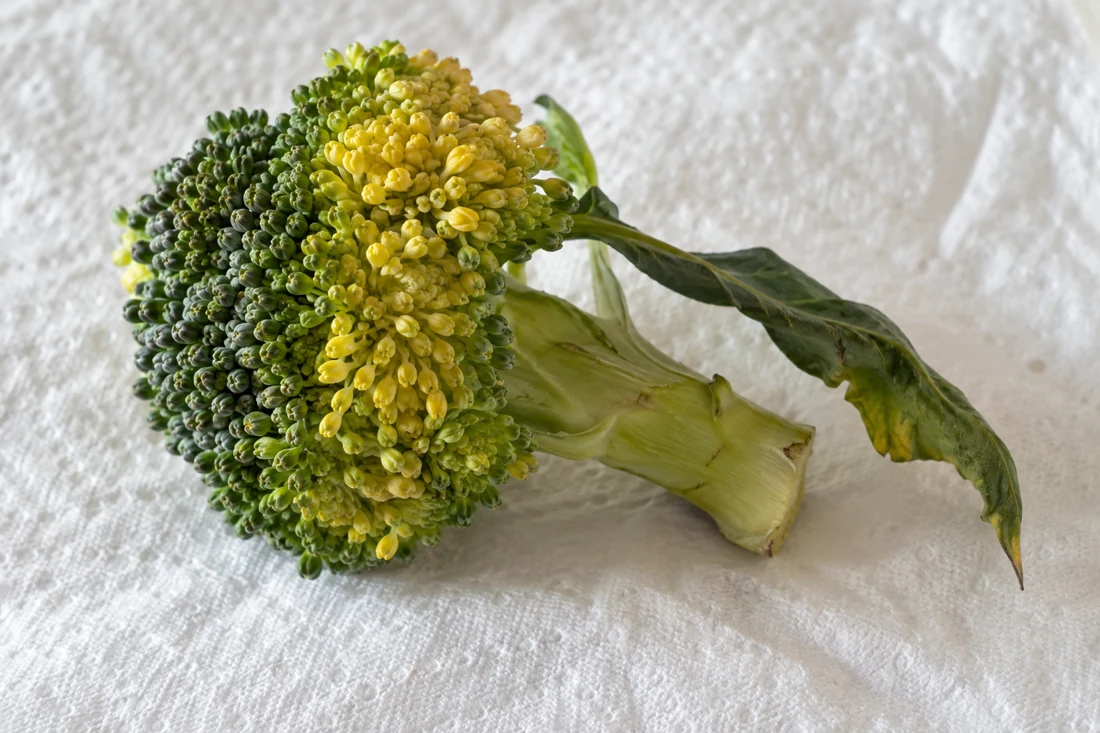
Yellowing and wilting call for a check of the whole product condition. Illustration.
Sliminess, mold and a clearly abnormal odor are stronger reasons to reject deteriorated material. Do not taste questionable broccoli to decide whether it can be saved, and do not assume a long cook will repair spoiled tissue. Cooking changes texture and aroma in sound food; it is not a general rescue method for uncertain produce. The sensible aim of storage is to use good-quality broccoli before it reaches that point, rather than finding a last-minute way to disguise deterioration.
Ordinary broccoli aroma during cooking should not be confused with a strong off-odor noticed when opening a suspect storage container. Brassicas can produce characteristic cabbage-like notes when heated, especially with prolonged cooking. That does not mean every unusual smell from stored raw broccoli is normal. If a pack or container has an uncertain history, damaged packaging or signs of deterioration, follow the appropriate rejection or investigation process for the setting instead of treating the vegetable's natural aroma as blanket reassurance.
In commercial receiving and stock checks, record what is observed rather than using only the word bad. Yellow buds, soft stems, free water, damaged packs and abnormal odor point to different possible issues. A clear description helps the supplier or kitchen manager investigate the lot and handling history. The same habit is useful at home: recognizing why a head lost quality can improve the next purchase and storage routine more effectively than changing containers without understanding the problem.
Keep cooked broccoli on a separate storage schedule
Cooked broccoli should be cooled and refrigerated promptly under applicable leftover-handling guidance. It is no longer an intact fresh head waiting to be washed and cut. Use shallow containers where appropriate so a large cooked quantity is not left as a deep warm mass. Keep it covered and protected from raw-food contamination after chilling. The relevant question is how the cooked food has been handled since preparation, rather than how many days the original fresh broccoli might have lasted.
University of Illinois Extension advises refrigerating or freezing leftovers within two hours, using refrigerated leftovers within three to four days, and reheating them to 165°F. Apply any stricter instructions relevant to your food and setting. Illinois Extension's leftover guidance provides the basis for this cooked-food branch. These limits should not be mixed with the separate fresh-broccoli quality window or interpreted as permission to leave a cooked tray out until the very last moment.
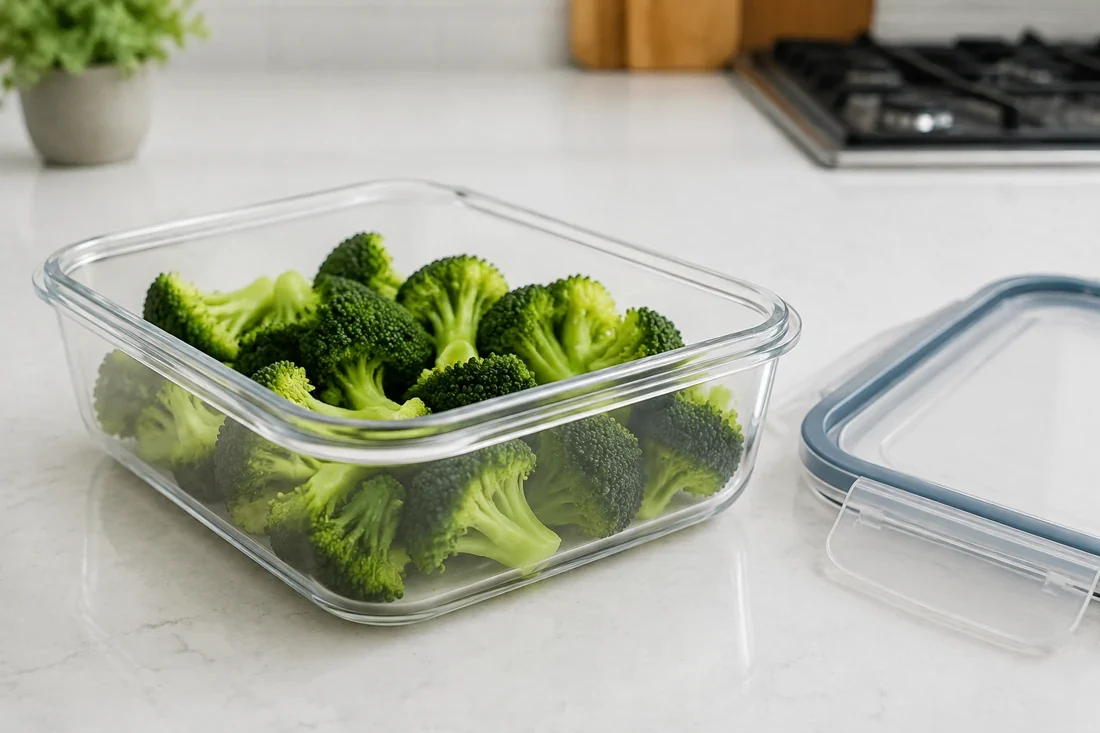
Cooked broccoli belongs in a clearly identified shallow container on a cooked-food schedule.
Texture continues to matter after safe handling has been addressed. Cooked florets may soften further during storage and reheating, and water can collect in the container. A preparation intended as a firm side dish may be less attractive after that second heat step. If planned leftovers are part of the meal schedule, choose a later use that suits the expected texture and handle it safely. A soup or mixed dish may have different quality requirements from a plate of distinct florets.
Label cooked containers clearly, particularly in a shared kitchen where several people prepare food. Include the information required by the kitchen's system so the oldest suitable cooked food can be used deliberately. Do not combine a new batch with older leftovers simply to reduce the number of containers unless the established procedure accounts for the different histories. Mixing ages makes a simple storage decision harder and can conceal how long part of the food has already been held.
For foodservice and manufacturing, household leftover advice is only a starting reference. The business's food-safety plan and applicable requirements govern cooling, storage, reheating and service. A large production batch may need controls that a short home-storage article does not describe. Keep the distinction clear when training staff: fresh produce rotation, cooked-food handling and frozen inventory are connected parts of the kitchen, but they do not share one universal date rule or one method of assessing quality.
Freeze sound broccoli before its quality declines
Freezing is useful when it is planned while the broccoli is still suitable for preservation. It does not reverse yellowing, restore lost freshness or make spoiled material acceptable. If the meal plan changes and a sound head will not be used soon, decide on preservation early enough to prepare it properly. Waiting until the refrigerator window has nearly been exhausted can leave a poorer starting ingredient and less time to follow a careful method.
Home freezing normally involves preparation steps beyond putting an unwashed whole head into the freezer. Cut size, washing, blanching, cooling, draining and packing all affect the result. Use a reliable method appropriate to broccoli rather than treating freezing as a substitute for preparation. Our guide on freezing broccoli and the role of blanching covers that question separately. This storage article keeps the handoff brief so the fresh-refrigerator answer remains easy to follow.
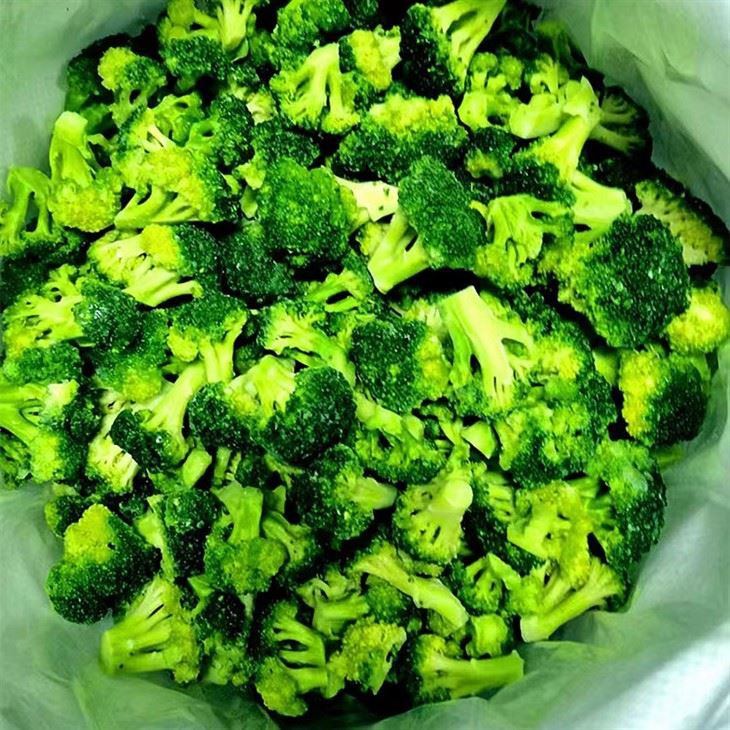
A close view of green broccoli heads and cut stems. Freeze prepared sound broccoli before prolonged fresh storage reduces its quality.
Portioning can make the preserved product easier to use later. Pack quantities that suit the intended recipes and protect them under the chosen freezing method's guidance. Label the contents and preparation date, and maintain appropriate frozen storage conditions. A bag of unidentified green pieces is less useful than a clearly labeled portion prepared for a known application. The practical benefit of freezing comes from a usable ingredient and a clear plan, not simply from moving excess food to another compartment.
Frozen broccoli should be cooked according to the product or preservation method's directions and the intended dish. Do not assume that blanching makes it ready to eat. The final texture may differ from raw fresh broccoli, so assess it in a cooked application rather than expecting it to return to the original raw state after thawing. A sound frozen format can suit many recipes well even when it is not the right replacement for a raw broccoli salad.
For businesses, purchasing an approved frozen ingredient can be more practical than running an improvised preservation process for surplus fresh heads. The decision should account for pack size, cold storage, labor, cut consistency and the final recipe. It also changes which records and preparation instructions are relevant. A commercial frozen lot has its own specification and labeled shelf life; it should not inherit a home-freezing estimate or the original fresh-head refrigerator window.
Plan fresh and frozen broccoli for steady kitchen supply
Begin with the role of broccoli in the menu. A raw salad, a briefly cooked seasonal side and a long-cooked soup create different purchasing needs. Fresh heads may be appropriate where raw structure or on-site trimming is important. Frozen florets may fit a repeat cooked application that benefits from a defined cut and portioning format. The useful comparison is the completed dish and total usable cost, rather than a general argument that one form should replace the other everywhere.
Map the expected demand over the next few services or production runs. Keep fresh purchases close enough to use that the kitchen can maintain quality within a short holding period. Use a suitable frozen format for demand that requires longer continuity, where the recipe supports it. This approach reduces pressure to extend fresh storage beyond its practical value. It also makes urgent menu changes easier because the kitchen knows which stock is intended for immediate use and which is held for later production.

Broccoli florets viewed through a clear bag. Plan frozen stock separately from short-term fresh and cooked broccoli storage.
At GreenLand-food, we supply frozen broccoli formats for B2B ingredient and packing requirements. Buyers can describe the application, desired size range, pack and expected volume so we can review the proposed product. The frozen broccoli floret page gives a starting point for specification discussions. The final order should confirm the selected format and requirements rather than relying on a generic description of frozen vegetables.
Evaluate a representative sample through the actual kitchen process. Record preparation, cooking, holding and reheating where relevant, then assess texture, breakage and usable portions. A freezer format that looks convenient on paper still needs to work in the dish. Conversely, a fresh purchase that looks less expensive per kilogram may require enough trimming and labor to change the comparison. Using the same finished-portion basis makes the purchasing decision more useful than comparing pack weights alone.
For a fresh head at home, the method remains simple: refrigerate promptly, keep it whole and unwashed until preparation, protect it from drying without trapping water, and plan to use it within a few days. Inspect it before cooking and keep cooked leftovers on their own schedule. When the plan needs a longer holding period, preserve sound broccoli deliberately or use a suitable frozen product. That decision protects quality more reliably than searching for a trick to keep fresh broccoli indefinitely.
Discuss frozen broccoli supply with GreenLand-food
GreenLand-food is a professional frozen broccoli supplier and manufacturer in China, providing factory-direct wholesale supply for importers, food manufacturers, foodservice distributors and private-label programs.
Tell us the frozen broccoli format and pack that fit your kitchen schedule, with expected quantity and delivery needs.