


Is Broccolini the Same as Broccoli Rabe?
Sep 09, 2026
Leave a message
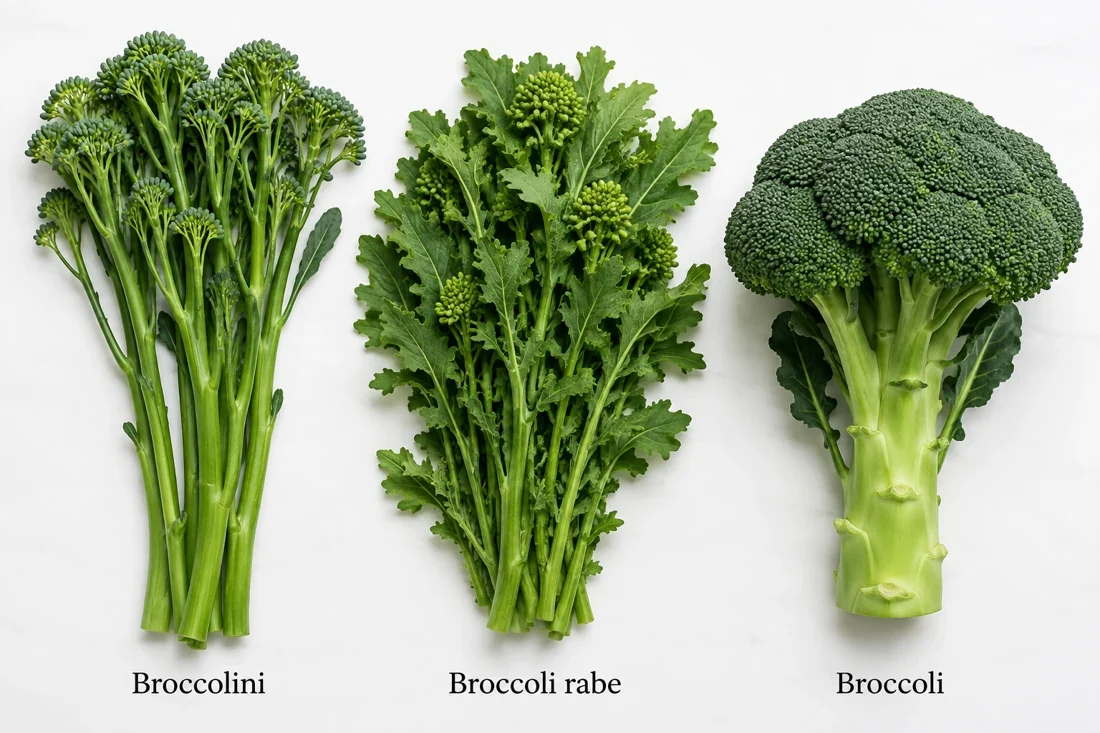
Standard broccoli is different again, with a larger compact head and thicker branching stems.
Their similar names can create confusion in recipes and purchasing, but the differences are easy to see once leaves, stems and buds are compared together. A substitution can change the dish's shape, bitterness, cooking behavior and usable portion. For a commercial order, the correct vegetable name needs its own specification. A frozen broccoli floret specification should not be reused for Broccolini or rapini simply because all three belong to the brassica family.
Broccolini, broccoli rabe and broccoli are distinct vegetables
Standard broccoli belongs to the Brassica oleracea crop group commonly described as Italica. Its familiar edible head consists of many developing flower buds supported by branching stems. The vegetable is usually sold as a whole head, crowns, florets or prepared cuts. Those formats can differ substantially in stem proportion and piece size, but they remain standard broccoli. A small broccoli floret is not automatically Broccolini, and an immature-looking head is not enough to identify a different vegetable.
Broccolini was developed from broccoli and Chinese kale, also known as gai lan. The resulting vegetable combines long edible stems with smaller broccoli-like florets and relatively few leaves. Mann Packing's published background describes its development and introduction to the US market. Mann's Broccolini background is a primary source for that commercial history. The name is also used as a trademark, so buyers should treat branded naming accurately rather than assuming any long-stemmed broccoli can carry the same label.
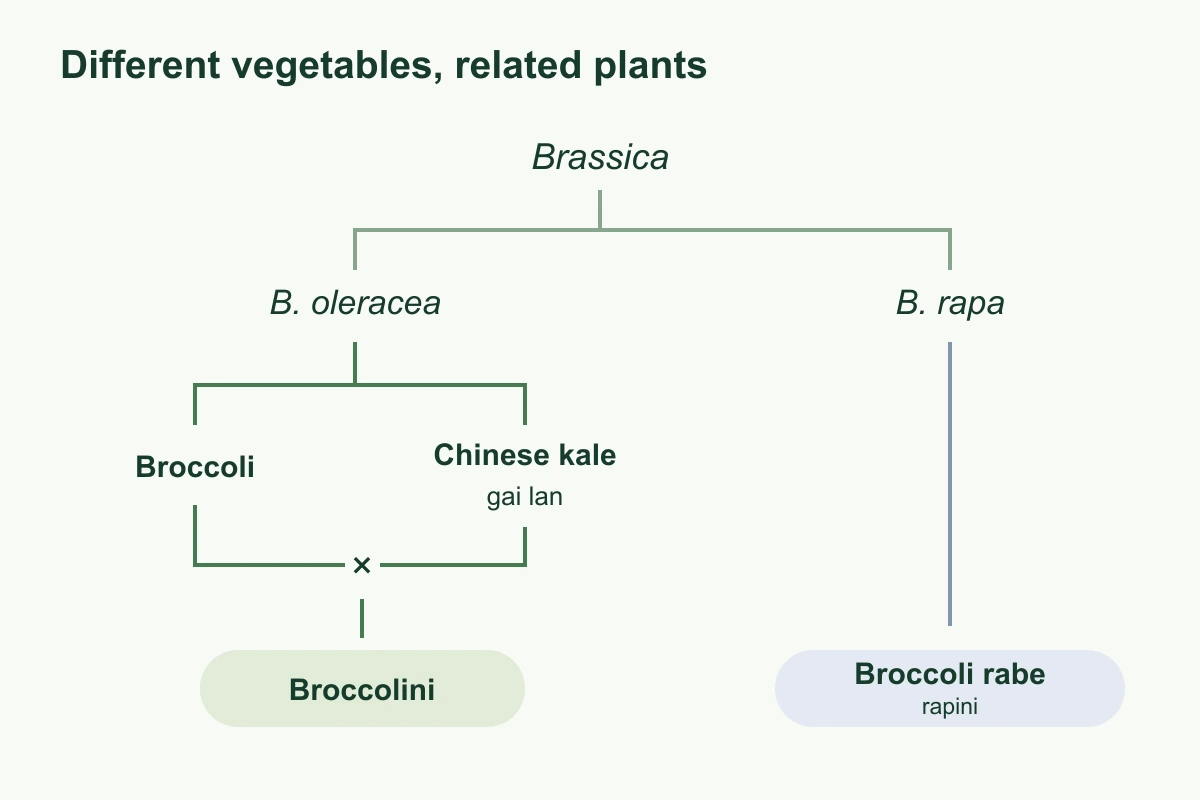
Broccolini combines broccoli and Chinese kale within Brassica oleracea; broccoli rabe belongs to Brassica rapa.
View larger diagramBroccoli rabe is generally identified as Brassica rapa in the Ruvo group. It is more closely associated with the leafy and turnip-related side of the brassica crop family than with the large-headed broccoli form. NC State's plant record identifies the crop and its edible leafy character. NC State's broccoli rabe record provides the botanical basis for separating rapini from standard broccoli. The small buds do not make it a baby version of a broccoli head.
For a closer explanation, see Are Broccoli and Cauliflower Related?.
All three can therefore be called brassicas in a broad family discussion, but that shared relationship is not a purchasing specification. Cabbage and cauliflower also share botanical relationships without becoming interchangeable ingredients in every recipe. A useful explanation moves from family to the particular crop and then to the supplied format. That sequence prevents a technically true broad statement from obscuring the differences that matter to a cook, label writer or buyer approving a commercial sample.
In conversation, use the full name first and clarify regional or branded terminology where needed. If a supplier offers a product under a local common name, request a description and representative image that establish which vegetable is meant. For a more demanding ingredient approval, include the botanical identity in the specification. The goal is not to make an everyday order unnecessarily academic; it is to prevent a familiar-looking word from sending the wrong vegetable into a recipe or production plan.
Recognize the stems, leaves and flower buds
Broccolini is typically recognized by a long, slender stem ending in a relatively small floret cluster, with a limited number of leaves along the stem. The elongated shape is part of its appeal on a plate. A bunch can be served as recognizable stems rather than being broken into a mound of large florets. Individual pieces still vary, so a commercial buyer should not expect every stem to match a styled photograph exactly without an agreed size and quality range.
Broccoli rabe is much leafier. Its leaves are prominent and often irregularly edged, with stems and smaller, looser bud clusters distributed through the bunch. In a cooked dish, the leaves can form much of the visible portion. That balance is a useful identification cue when the names are confusing. A vegetable with abundant leafy material and a few small buds should not be described as standard broccoli simply because the buds resemble a miniature floret at first glance.
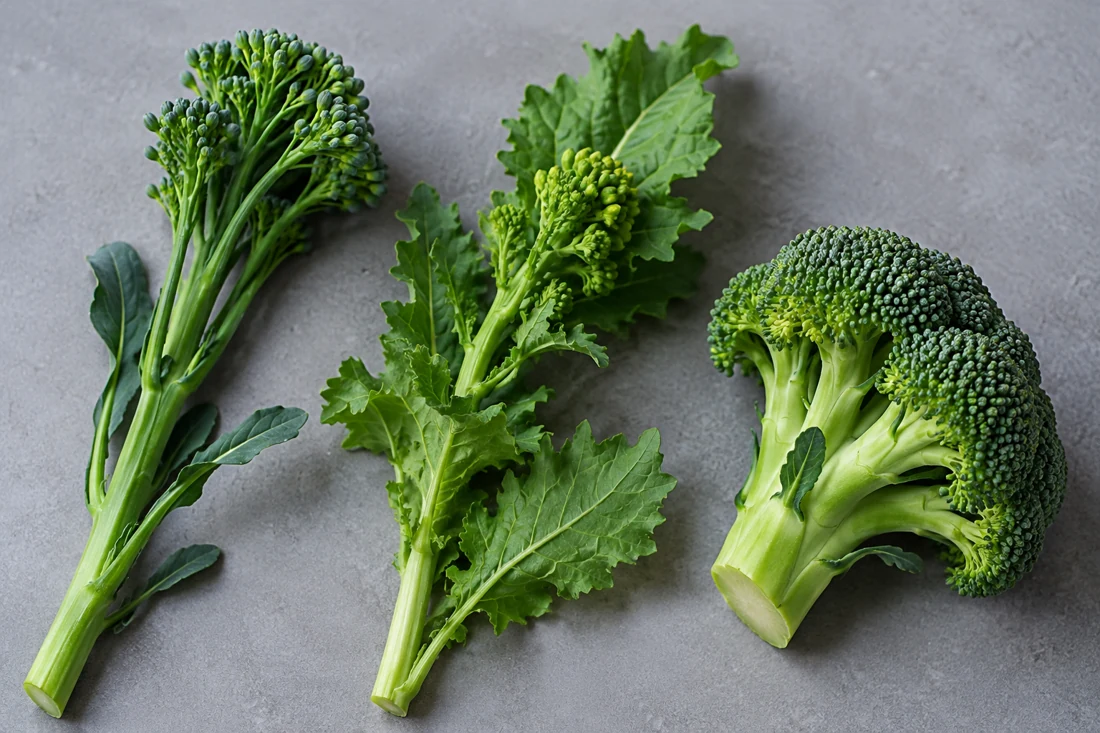
Stem, leaf and flower-bud structure help distinguish the three vegetables. Illustration.
Standard broccoli has a larger compact head made up of many closely grouped florets. When it is cut for commercial supply, the resulting pieces contain bud clusters and branching stem sections. The shape is broader and less elongated than a whole Broccolini stem. Stem length can vary by specification, so a long stem attached to one floret does not by itself establish Broccolini identity. Look at the complete crop description and the supplied product, rather than selecting one visual feature in isolation.
Leaves can become less visible after trimming, and chopped products are harder to identify by shape. This is where labels and specifications become especially important. A photograph of mixed green pieces in a sauce is not a reliable way to distinguish the three vegetables. Keep the original ingredient identity through cutting, packing and recipe records. If the product is purchased frozen or pre-cut, the supplier's product description should establish what was processed before the recognizable whole-plant form was lost.
A side-by-side comparison is useful for training kitchen or purchasing staff, provided it is treated as an illustration rather than a substitute for records. Show the long stem and small floret of Broccolini, the leaf-heavy rapini bunch and the compact standard broccoli head. Then connect those forms to the names used in ordering and recipe systems. The visual lesson is most effective when the same names remain consistent on receiving labels, storage containers and production sheets.
Compare sweetness, bitterness and texture
Broccolini is often described as mild and slightly sweet, with a tender stem when appropriately prepared. The stem contributes much of each portion, so its bite is an important part of the experience. A cooking trial should assess the thicker lower stem as well as the floret. A pleasant tip does not establish that the whole piece is ready to eat comfortably. Mann's foodservice guide presents Broccolini as a distinct long-stemmed ingredient with its own culinary uses. The Broccolini recipe guide illustrates that product role.
Rapini's more noticeable bitterness is part of the reason cooks choose it. In a dish built around that character, replacing it with a much milder vegetable can flatten the intended balance. The leaves also create a different mouthfeel from a compact floret. They wilt and fold around stems and buds, so the finished portion behaves more like a leafy green mixture. The degree of bitterness varies with the material and preparation; it should not be described as identical in every bunch.
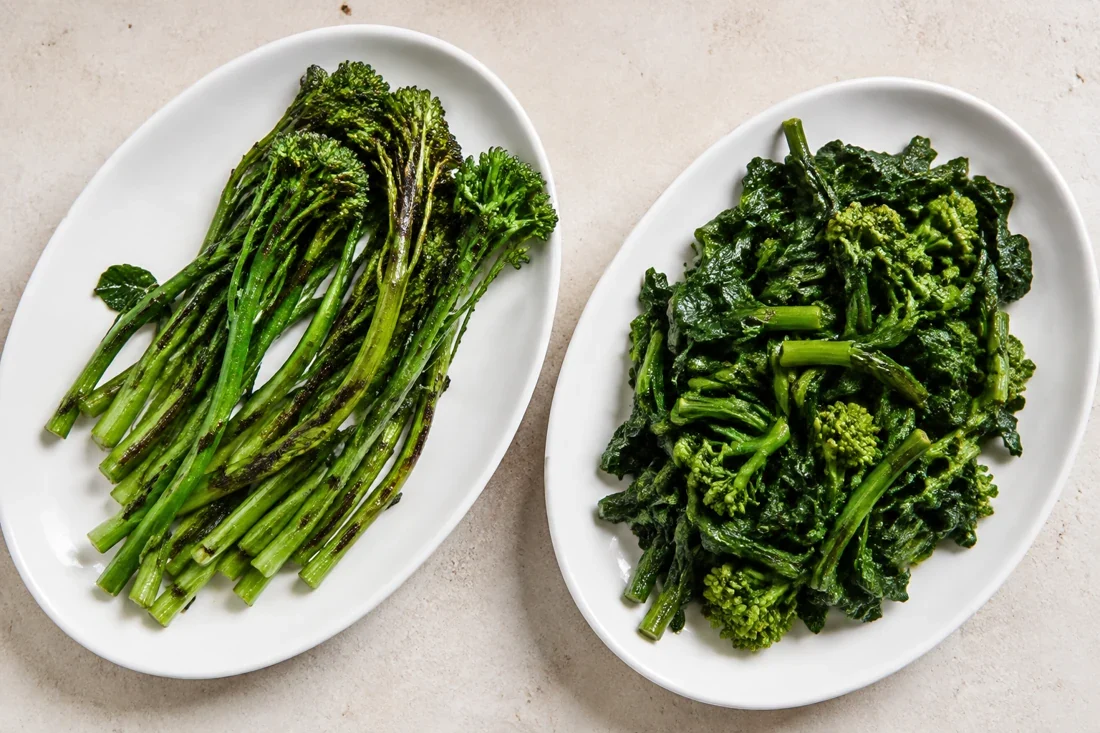
Cooked Broccolini remains stem-led, while rapini contributes a much leafier portion.
| Vegetable | Typical character | Role in the dish |
|---|---|---|
| Broccolini | Mild, slightly sweet; long edible stems | Recognizable elongated portions. |
| Broccoli rabe / rapini | More bitter and leafy | A deliberate leafy-green and bitter component. |
| Standard broccoli | Green, mildly bitter and subtly sweet | Compact florets or defined cuts. |
Standard broccoli brings a green, mildly bitter and subtly sweet profile, with the balance affected by maturity, cut and cooking. Its branching florets hold sauce differently from long stems or wilted leaves. A thick stem section can remain firm while the buds soften, especially if size is uneven. For a recipe using whole visible florets, that texture distribution may be desirable when well managed. For a puree or filling, the shape may matter less than the final consistency and flavor.
Compare the vegetables under conditions that answer the actual question. A plain tasting can reveal their broad differences, but the recipe may change how important those differences become. Garlic, acidity, rich sauces and other ingredients affect the perceived balance. A substitution trial should include the finished dish rather than only a bite of each vegetable alone. Record whether the replacement changes bitterness, stem bite, leaf volume or sauce distribution enough to require a recipe adjustment.
Avoid describing rapini as a failed or overly bitter version of broccoli. It is a different ingredient with a flavor that can be intentional and useful. Equally, a mild Broccolini dish does not establish that every diner will prefer it in a recipe designed around leafy bitterness. A good comparison explains the role each vegetable can play. The purchasing decision should follow the desired result, not a ranking based on which name sounds newer or which flavor is easiest to describe as gentle.
Choose a cooking approach for each vegetable
Broccolini's long stems and small florets can suit roasting, sautéing and other methods that preserve its recognizable shape. The chosen method should bring the stem to a pleasant texture without excessively damaging the smaller floret. Arrange reasonably similar pieces together for a more consistent result. If the stems vary greatly in diameter, preparation or loading may need adjustment. A method developed for chopped broccoli florets should not automatically be applied to a whole long-stemmed bunch without checking the outcome.
Rapini is often prepared as a leafy vegetable, with trimming and a cooking approach that account for stems as well as leaves. Some recipes include a blanching step before sautéing, while others use a different sequence. Follow a complete recipe suited to the desired bitterness and texture rather than assuming one preliminary step is mandatory for every dish. The useful point is that leafy rapini does not occupy the pan in the same way as a tray of compact broccoli florets.
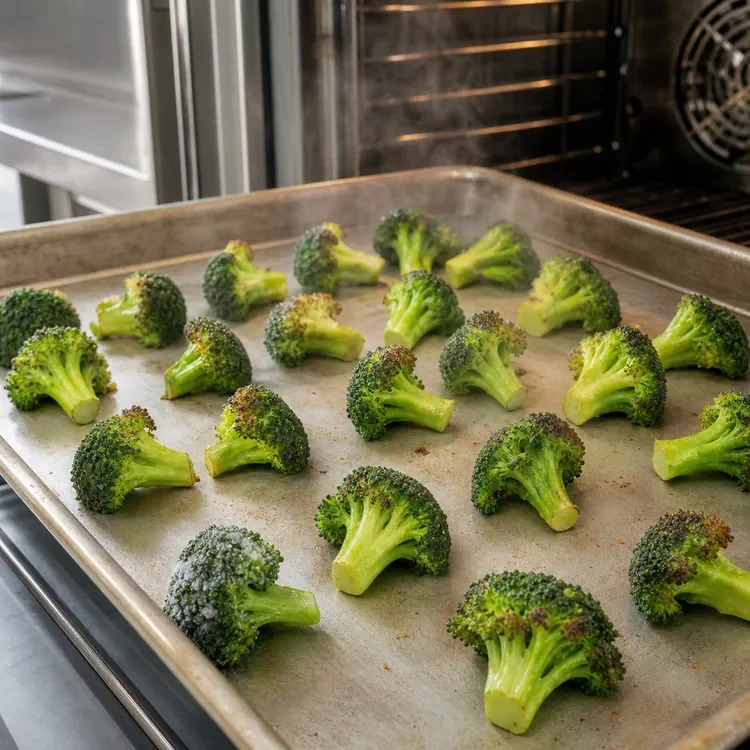
Standard broccoli florets expose different surfaces during roasting than whole stems or leafy greens.
Standard broccoli offers a wide range of cut-based methods. Larger florets, small cuts and stem pieces do not need identical cooking times. Roasting emphasizes exposed surfaces and browning, while steaming or simmering produces a different moisture and texture result. A recipe should specify the starting format and approximate piece size. Without that information, the instruction to cook broccoli for a set number of minutes leaves the most important physical variables undefined.
Water management matters in all three cases, though the effect differs by shape. Wet leaves can contribute substantial moisture to a sauté, crowded florets can steam on a roasting tray, and long stems may cook unevenly if piled into a dense bundle. These are practical preparation issues rather than proof that one vegetable is unsuitable for the method. Dry or drain as appropriate to the recipe, leave suitable space and evaluate the actual result before changing the ingredient itself.
For service or production, include the full sequence in the trial. A vegetable that tastes good immediately after cooking may change during hot holding, chilled storage or reheating. Leafy rapini may wilt further, small florets may break, and stems may lose their preferred bite. The chosen product should be assessed through the process the business actually uses. A recipe photograph taken immediately after cooking is useful inspiration, but it does not establish performance after the later stages of a prepared meal.
Substitute according to the role in the dish
First decide what the original vegetable contributes. If a dish depends on rapini's leafy bitterness, standard broccoli will change both flavor and volume even when the raw weight is the same. If a plate depends on the elegant length of Broccolini stems, chopped broccoli cannot recreate the presentation. If the vegetable will be blended into a strongly flavored soup, the visible shape may matter much less. The substitution question becomes easier once the required role is stated clearly.
Weight alone is a poor universal substitution rule. Different trimming requirements, leaf volume and cooked yield can change the finished portion. A kilogram of leafy bunches and a kilogram of trimmed florets do not necessarily produce the same number of servings or occupy the same space in a tray. Measure the usable prepared and cooked amount in the actual method. That gives a purchasing team a defensible comparison instead of assuming equal pack weight means equal menu value.
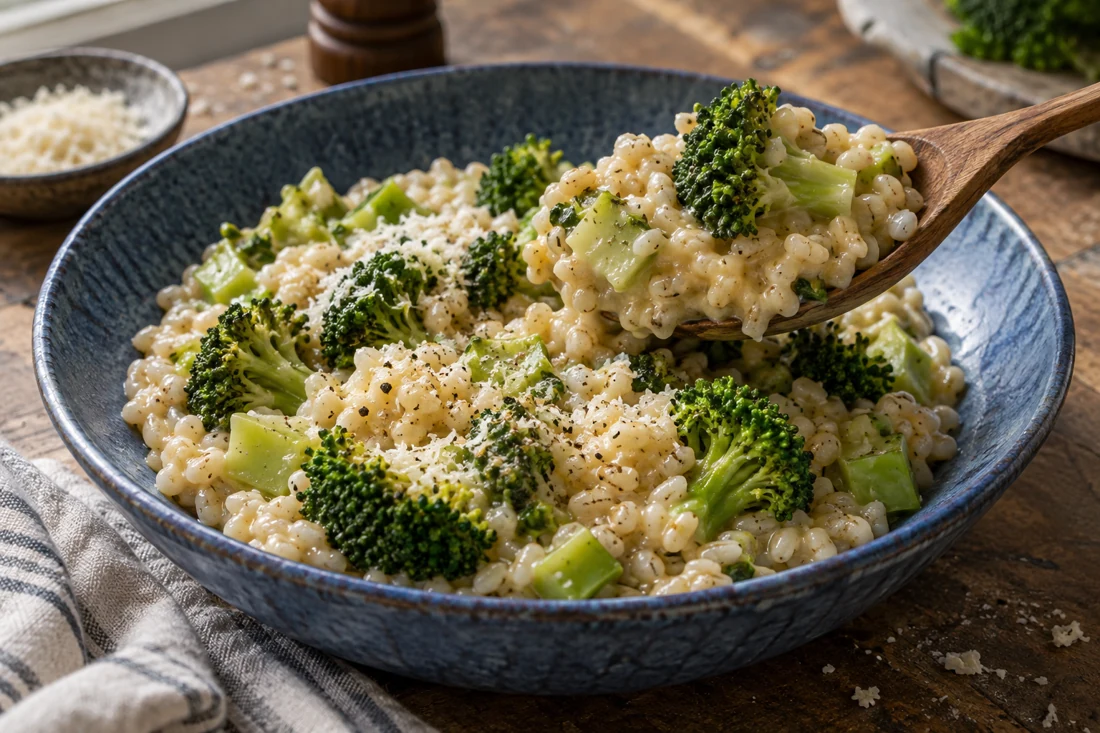
Standard broccoli florets give a grain dish a different structure from leafy rapini. Illustration.
Flavor adjustments should be deliberate. Replacing rapini with a milder vegetable may call for reconsidering the balance of a rich sauce or other components, but it should not be presented as an identical dish without a trial. Replacing mild stems with bitter leafy greens may be an even more obvious change. The aim is to make a good version of the recipe with the available ingredient, not to pretend the ingredient identity has remained unchanged because both foods are green brassicas.
For a restaurant, review menu wording if the substitution changes a specifically named vegetable. A generic seasonal greens description offers a different degree of flexibility from a dish explicitly named for Broccolini or rapini. The purchasing and kitchen teams should communicate the change before service. For packaged foods, the ingredient and labeling review belongs in the business's normal approval process. Similar names do not remove the need to identify the ingredient actually used in the finished product.
The Kitchn's comparison and WebstaurantStore's foodservice discussion both emphasize that these vegetables have different identities and culinary behavior. They are useful secondary references for the everyday substitution question, while botanical and product-owner sources establish the identity more directly. The Kitchn's three-way comparison and WebstaurantStore's comparison provide additional recipe and kitchen context for evaluating a change rather than assuming equivalence.
Keep fresh and frozen specifications separate
Fresh whole bunches and frozen prepared ingredients differ in form, handling and preparation requirements. A fresh specification may focus on bunch size, usable stem length, leaf condition and trimming. A frozen specification may define cut dimensions, processing state, individual piece separation, pack and storage conditions. Even when the vegetable identity is the same, those formats should not share a vague description that leaves the customer uncertain about what work has already been done and what preparation remains necessary.
For standard frozen broccoli florets, measurable features can include the floret size range, stem length or proportion, fines and agreed tolerances for other broccoli material. These features describe a particular cut product. They do not describe a long-stemmed Broccolini bunch or a leaf-heavy rapini ingredient. Copying the same acceptance limits across all three can produce a document that looks complete while measuring the wrong characteristics. Start with the vegetable and supplied form, then define the relevant checks.
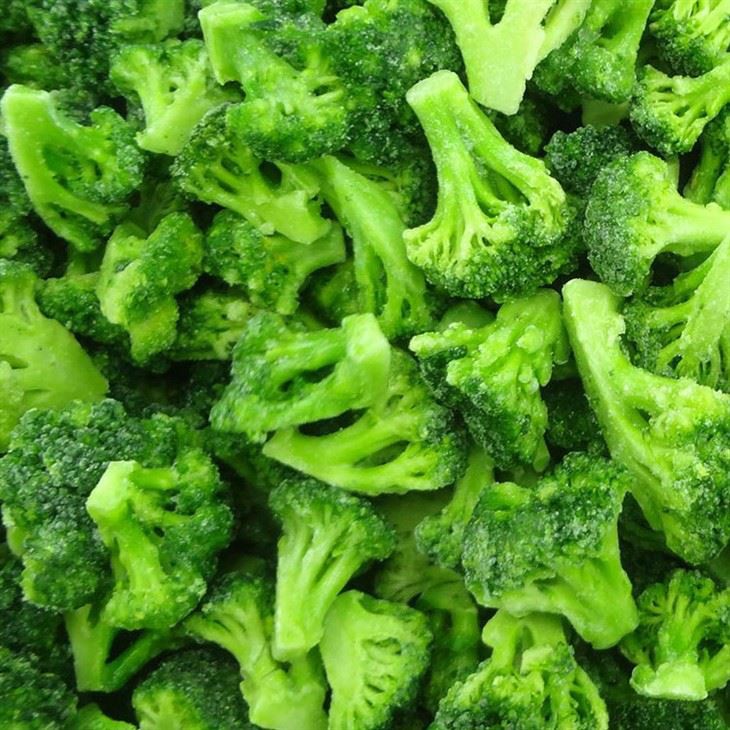
Chopped broccoli with small florets and stem pieces. Standard broccoli needs its own cut specification alongside broccolini and broccoli rabe.
Processing state is equally important. A frozen ingredient may have been blanched, but its label and specification determine the intended further preparation. Do not infer ready-to-eat status from the word frozen or from the softness of a thawed sample. For an assembled ready meal, the final cooking and reheating sequence should be evaluated with the actual ingredient. A successful fresh-vegetable recipe does not establish instructions for a frozen version without a suitable trial and process assessment.
GreenLand-food's verified product scope in this comparison is frozen standard broccoli, including floret formats discussed for commercial supply. This article does not claim that we supply Broccolini or broccoli rabe. A botanical comparison can help a buyer understand those vegetables without extending a supplier's catalog by implication. If a customer needs a different named crop, that requirement should remain explicit rather than being quietly translated into a standard broccoli quotation.
Storage and remaining shelf life should also be confirmed for the actual product. Fresh bunches need a short, condition-based use plan, while a frozen lot has labeled frozen storage requirements and its own shelf-life information. Neither should inherit a number from the other. During approval, keep the product identity, processing description and handling instructions together so the people receiving and using the ingredient can follow the same agreed understanding.
Order the named vegetable with measurable requirements
A useful inquiry begins with the exact vegetable name and supplied form, followed by the intended application. For standard broccoli, state whether the requirement is for florets, cuts or another confirmed format. For a different crop, name that crop clearly and seek a supplier able to confirm it. Include the desired pack, expected volume and destination. This gives the commercial discussion a defined object rather than asking a supplier to interpret a loosely translated request for something like small broccoli.
Then specify the dimensions and quality characteristics that affect the recipe. A whole-stem presentation may require a defined usable length and diameter range. A floret product may need a particular size distribution and stem proportion. A leafy ingredient would raise separate questions about blade, stem and bud balance. Each measurement should connect to the finished food or handling process. More numbers do not improve a specification if they are copied from an unrelated vegetable and never checked in use.
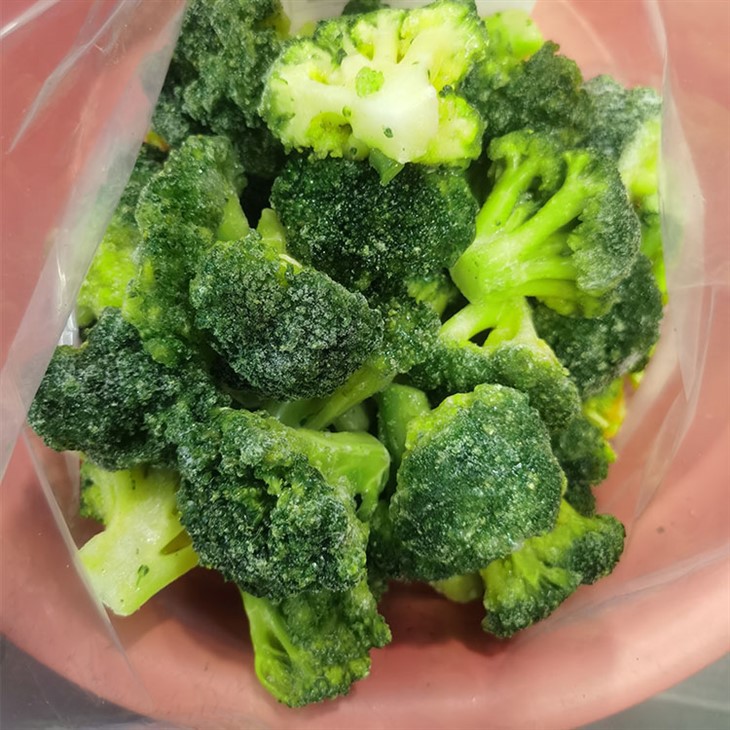
Broccoli florets in a pink-tinted liner. Confirm the vegetable identity and intended use before comparing offers.
Use a representative sample to confirm the written description. Photograph the supplied form, record the lot and prepare it through the intended process. Assess usable yield, appearance, flavor and texture in the finished portion. If a substitution is under consideration, compare both versions on that same basis and record the changes needed. The sample approval should identify what was accepted so a later delivery can be compared with a real reference rather than a memory of a successful dish.
For standard frozen broccoli, our floret product information supports a discussion of size, packing and application requirements. Buyers looking for menu ideas can also use our frozen broccoli application guide. We will review the requested standard broccoli format against the proposed order. The comparison with Broccolini and rapini helps clarify the inquiry; it does not merge those vegetables into the same product specification or supply claim.
Broccolini, broccoli rabe and broccoli can all be useful vegetables, but they bring different structures and flavors to the plate. Recognizing the long mild stems, the bitter leafy bunch and the compact floret head prevents the most common naming mistake. For a cook, that recognition leads to a better method or substitution. For a buyer, it leads to a clearly named ingredient, a relevant specification and a sample trial that matches the food the business actually intends to make.
Discuss frozen broccoli supply with GreenLand-food
GreenLand-food is a professional frozen broccoli supplier and manufacturer in China, providing factory-direct wholesale supply for importers, food manufacturers, foodservice distributors and private-label programs.
For standard frozen broccoli, send the required floret size, stem proportion, application, pack and quantity.