


Are Broccoli Leaves Edible?
Sep 09, 2026
Leave a message
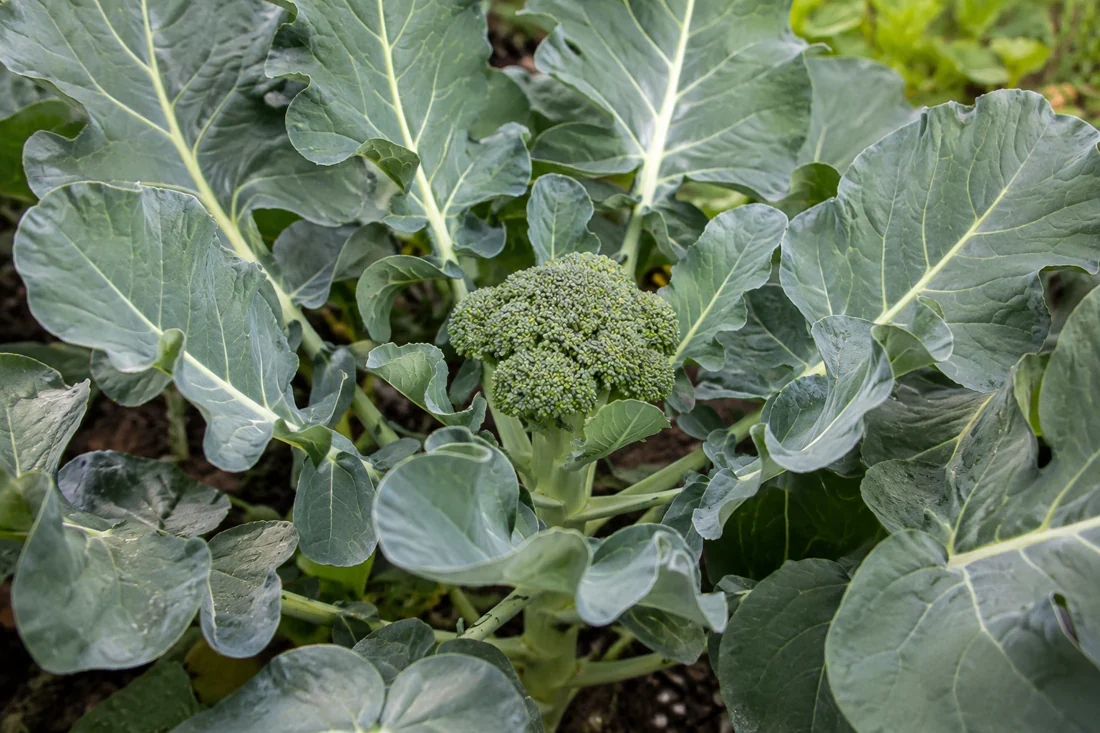
Oregon State University Extension includes broccoli leaves among the usable parts of the plant. Their texture is different from the familiar flower buds, so the best preparation depends on the leaf's condition, size and central rib.
For a closer explanation, see Is Broccolini the Same as Broccoli Rabe?.
Edibility does not make every leaf a desirable part of every broccoli product. A cook deliberately preparing broccoli greens and a manufacturer buying uniform frozen florets have different requirements. This guide covers how to select and use leaves, then explains why a perfectly edible piece of leaf can still be outside an agreed commercial floret specification. GreenLand-food's broccoli supply discussion here concerns frozen broccoli formats; it is not a claim that we offer a separate broccoli-leaf product.
Broccoli leaves are edible parts of the plant
The broccoli head is a cluster of developing flower buds supported by stems. Leaves grow around and below it as part of the same plant. They are not merely packaging for the head, and their presence does not make them inedible. Oregon State's broccoli guidance notes that leaves can be used raw or cooked, including in ways similar to other sturdy greens. Oregon State University Extension's broccoli information supports the basic answer that the leaves can be eaten.
The leaf blade and its central rib do not feel the same in the mouth. The blade is relatively thin and flexible, while the rib provides support and can be more fibrous, particularly in a large leaf. That difference matters more to preparation than the simple yes-or-no question of edibility. A tender small leaf may need little trimming. A broad mature leaf may be more pleasant when the thick rib is removed or treated separately before the blade is cut.
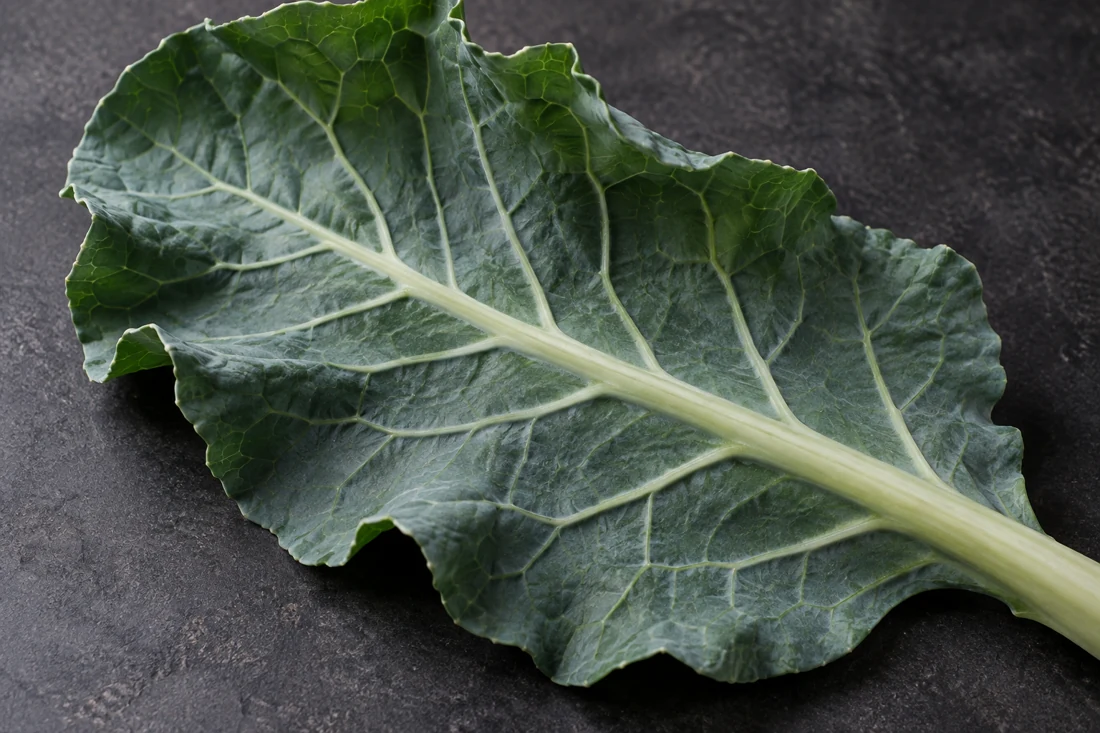
The broad leaf blade is supported by a thicker central rib. Illustration.
Broccoli leaves also differ from the florets in shape and cooking behavior. They wilt and fold, while a floret retains a branching structure of buds and stem. In a soup, leaf strips can distribute through the liquid as greens; a floret creates a more distinct bite. In a salad, a leaf may need fine cutting or a different dressing approach from small raw florets. The two parts can share a dish, but they should not be expected to contribute the same texture.
For a closer explanation, see What Are Broccoli Florets?.
Use leaves from a known edible broccoli crop that has been grown and handled appropriately for food. A plant identification photograph is not a substitute for knowing the source, and an ornamental planting should not automatically be treated as a food supply. Where crop treatments have been used, follow the applicable instructions and harvest requirements. This is the same practical source question that applies to other garden produce, rather than a special permission created by the fact that broccoli leaves are edible.
For a gardener, using suitable leaves can make fuller use of a harvest. For a commercial kitchen, the opportunity depends on whether a reliable, appropriately handled leaf ingredient is actually available. Do not build a purchasing specification from a casual assumption that leaves will always arrive attached to broccoli heads. The edible part, quantity, preparation and quality standard need to be intentional if the kitchen plans to use it regularly, especially when consistency matters across several services or production runs.
Choose tender leaves and inspect them carefully
Start with sound leaves that have a fresh appearance and a texture appropriate to the dish. Small leaves near the developing head may be more tender than broad older leaves farther down the plant, although size alone does not establish quality. Inspect both surfaces and the area around the rib. Soil, insects, damaged sections and deteriorated tissue can be less obvious in folds. A quick glance at the upper surface is not a complete preparation check.
Distinguish an ordinary mature leaf from a spoiled one. A large, firm leaf with a substantial rib may simply need more trimming and cooking. A leaf with slimy deterioration, mold or a clearly abnormal odor should not be selected for a recipe on the assumption that heat will restore it. Cosmetic damage and quality loss require judgment, but deterioration is not a useful ingredient feature. The aim is to prepare sound edible tissue, not to rescue anything green that remains on the plant.
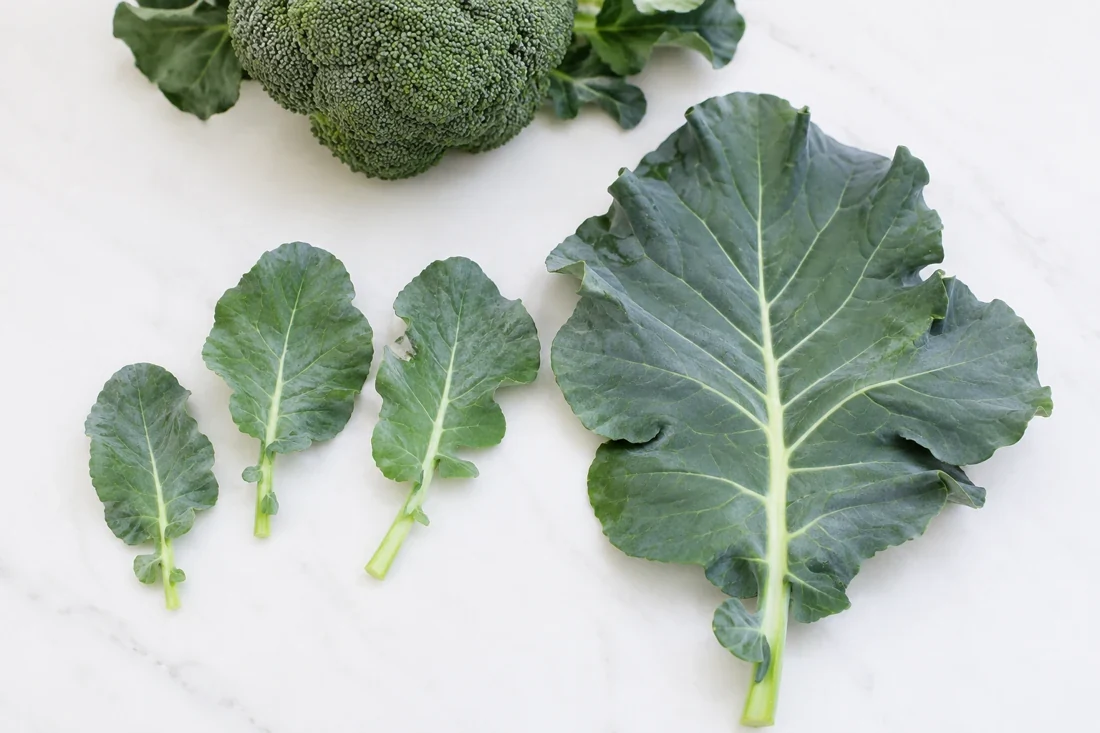
Small tender leaves and larger ribbed leaves may need different preparation.
Leaf color can vary naturally with variety and growing conditions, including the blue-green waxy appearance familiar on broccoli plants. Do not require every leaf to match the bright color of a blanched floret photograph. At the same time, widespread yellowing or collapse may indicate age or stress that affects eating quality. Look at the complete condition rather than a single color patch. If the source or condition is uncertain, choose a better-understood ingredient for the dish.
Harvest and plant condition are related. University extension guidance describes broccoli as a crop in which the head is harvested while its buds remain suitably tight. Leaves support the plant's growth, so a gardener should not interpret leaf edibility as a recommendation to strip the plant indiscriminately during production. The appropriate harvest approach depends on the crop and gardening objective. University of Minnesota's broccoli growing guidance provides the wider context of managing the plant.
For a kitchen trial, separate tender small leaves from larger ribbed leaves before deciding on a method. Cook or taste the suitable raw material in comparable groups so that one tough leaf does not obscure the behavior of the rest. Note the amount removed during inspection and trimming. If the edible yield is low or highly variable, the labor cost may outweigh the benefit for a commercial dish even though the selected leaves themselves can be pleasant to eat.
Wash, trim and cut leaves for the dish
Wash the selected leaves under clean running water as part of normal produce preparation, paying attention to folds and the underside. Remove visible soil and inspect again after washing. Use clean utensils and a clean working surface, especially when the leaves will be served without a later cooking step. Washing is a preparation measure; it does not make deteriorated leaves sound or compensate for an unknown growing and handling history. Begin with suitable produce and keep the preparation process controlled.
After washing, remove excess surface water in a way appropriate to the recipe. A wet leaf can dilute a dressing or release extra water into a sauté pan. For a soup, a little retained rinse water may have less effect on the final texture, but the leaf should still be clean and inspected. Drying is particularly useful when the goal is a briefly cooked green rather than a steamed, watery mixture. The choice follows the dish, rather than a single method applied to every use.
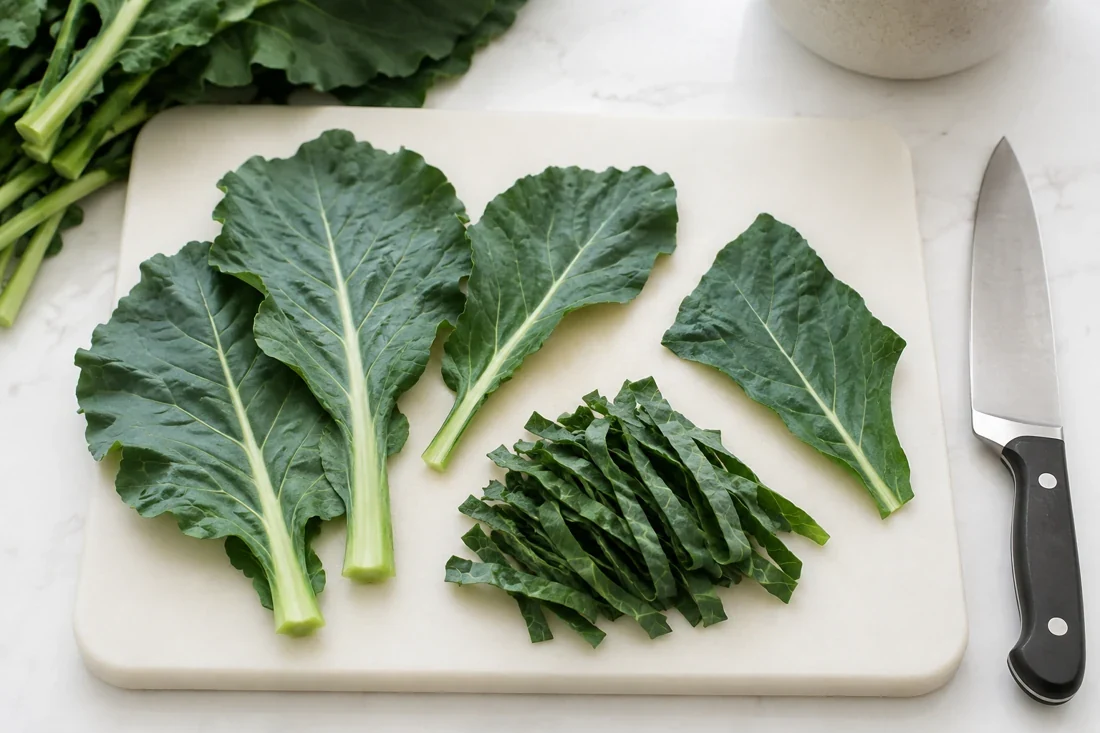
Trim unsuitable ribs and cut clean leaves to fit the intended dish.
- Inspect sound leaves on both sides and wash them under clean running water.
- Remove excess surface water and trim damaged tissue or ribs unsuitable for the dish.
- Cut tender blades to the required size; prepare usable thick ribs separately if needed.
Check the central rib before cutting the blade. Fold a large leaf along the rib or lay it flat, then remove the part that is too tough for the intended preparation. If the rib is suitable for use, cut it more finely and cook it in a way that gives it enough time to soften. There is no need to insist that every part be used in the same dish. Separating textures often gives a better result than leaving a thick rib attached simply because it is edible.
Cut size influences how the greens are encountered in the finished food. Fine ribbons can mix through a soup, grain dish or filling. Broader pieces make the leaf more visible and may suit a sautéed side. For raw use, small tender leaves or finely cut suitable blades are easier to incorporate than large, ribbed pieces. Prepare a small portion first if the material is unfamiliar, then adjust the cut after assessing the actual bite rather than assuming it behaves exactly like spinach.
Illinois Extension's broccoli preparation information treats the plant's edible parts as ingredients whose preparation affects quality. That is a useful approach for leaves as well: the method should address the tissue in front of you. Illinois Extension on preparing broccoli provides related handling and cooking context. In a commercial setting, write the trimming and cut instructions clearly enough that another cook can reproduce the approved result without needing to guess which ribs or damaged areas were removed in the first trial.
Use broccoli leaves raw or cooked
Tender broccoli leaves can be used raw where their texture and flavor suit the dish. Try a small amount among other salad greens, or cut suitable blades finely so the leaf does not dominate each bite. Raw use is a choice about texture as well as food preparation. A large mature leaf may be edible but too firm for the salad you have in mind. If the result feels coarse, cooking is a more useful adjustment than adding enough dressing to hide the problem.
For a sauté, prepare the leaves so that the pieces cook reasonably evenly. Thick rib pieces, if used, may need an earlier start than thin blades. Garlic, oil and a small amount of suitable seasoning can provide a simple setting in which to assess the greens themselves. Keep the first trial straightforward. A heavily flavored sauce can make an unfamiliar leaf seem acceptable without showing whether its texture would work consistently in the intended menu item.
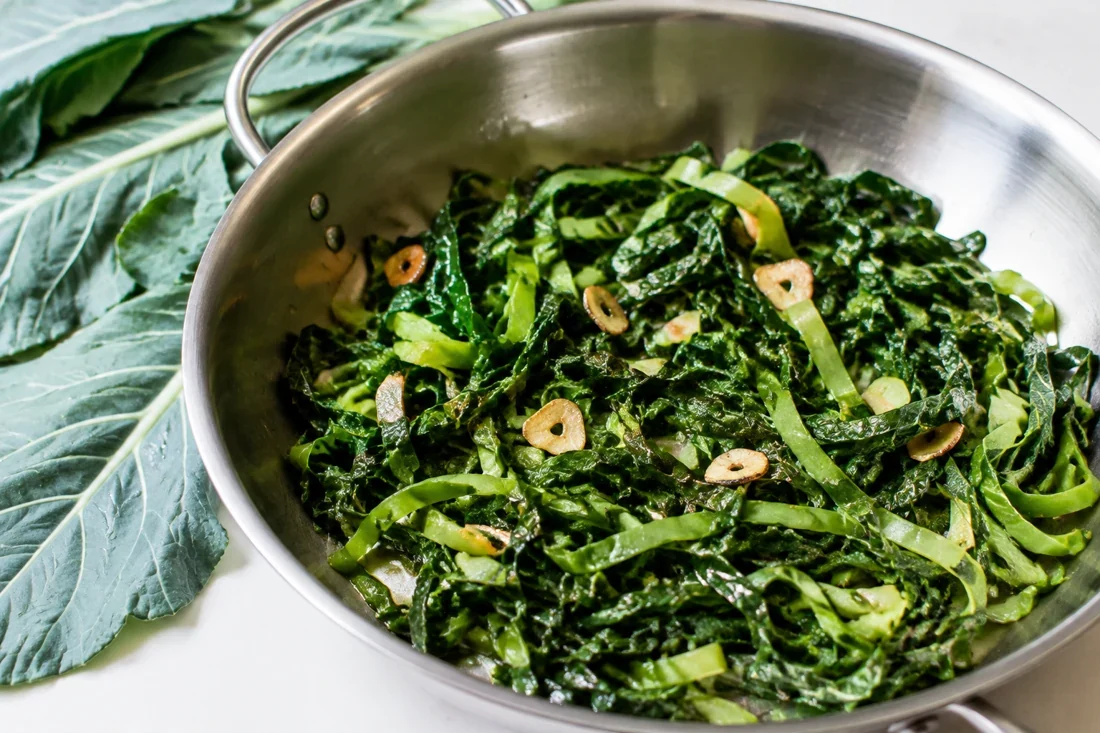
Cooked broccoli leaves can function as a green side dish with garlic.
Soups and stews offer another use because cut leaves can function as a green component within the broth or sauce. Add them at a point that produces the desired tenderness rather than assuming they require the same time as a broccoli floret or another leafy vegetable. Larger pieces remain noticeable, while fine ribbons distribute more evenly. Consider the final serving and any later reheating, since a leaf that is pleasant immediately after cooking may soften further during extended holding.
Chopped cooked leaves can also be explored in savory fillings, grain dishes or a sauce where the flavor is appropriate. Moisture management matters in these uses. A wet cooked green can change the consistency of a pastry filling or make a grain mixture less distinct. Drain or otherwise manage moisture according to the recipe and evaluate the completed dish. Do not assume a one-for-one replacement for another green will leave the filling weight, water content and final texture unchanged.
The broader point is to choose a role for the leaf rather than adding it solely because it is available. A small amount can provide a green note in one dish, while a larger portion may be the main vegetable in another. Record what worked: leaf maturity, trimming, cut and cooking method. Those observations turn a one-off garden experiment into a repeatable kitchen preparation. They also reveal when a different established ingredient would be a more practical choice for the menu.
Store the leaves according to their condition
Leaves have a large exposed surface and can lose quality during storage, so plan to use them promptly. Keep suitable fresh leaves refrigerated under appropriate produce handling conditions and protect them from crushing. A container or bag should help manage moisture without leaving the leaves sitting in pooled water. The exact useful holding time depends on freshness at harvest or purchase and subsequent handling. A general broccoli-head storage claim should not be copied onto detached leaves as if the tissues were identical.
If the leaves are washed before storage, remove excess surface moisture and keep them in a clean container suited to the short holding period. If they are stored before washing, keep visible soil from contaminating other foods and wash before preparation. In either case, inspect the leaves again at use. Storage does not freeze the original condition in place, and a label date does not override new signs of deterioration. The food's current condition still matters when deciding what enters the recipe.
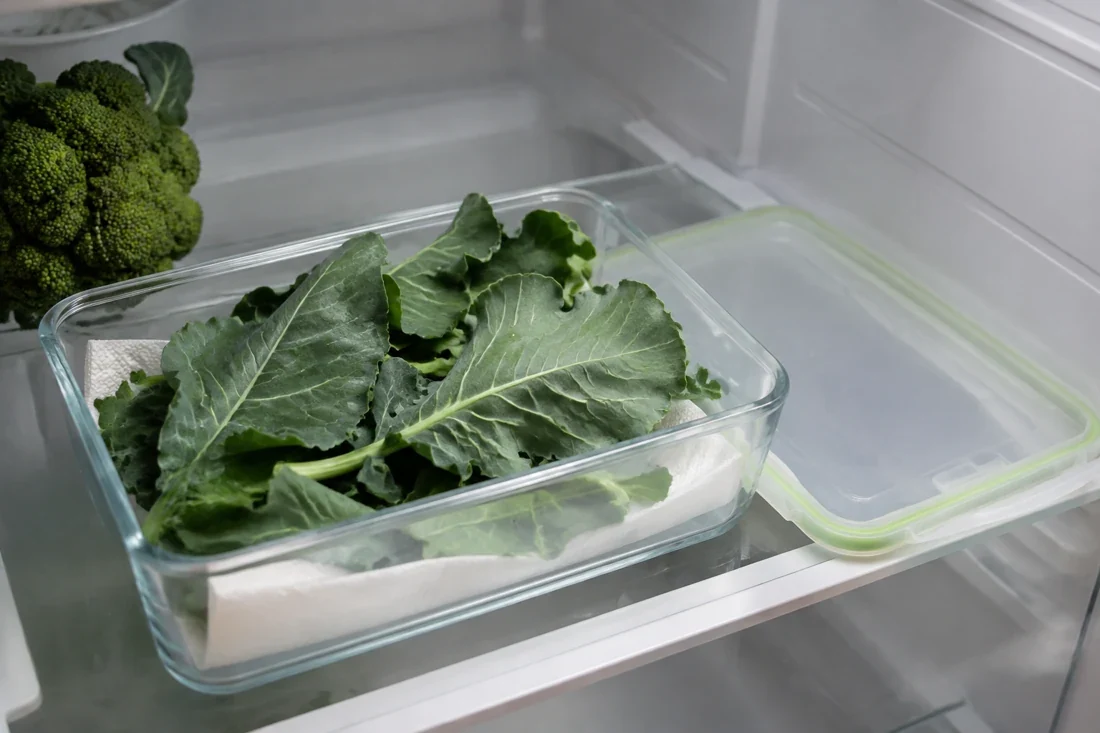
Protect sound leaves from crushing and excess surface moisture during short refrigerated holding.
Avoid packing delicate leaves under heavy heads or other produce. Physical damage can create wet, bruised areas that reduce usable quality. A shallow arrangement may be easier to inspect and portion than a tightly compressed bag. In a kitchen, keep the identity and receipt or preparation information with the container so staff know what it contains and when it was handled. A tub of unidentified greens is difficult to rotate sensibly or investigate if quality becomes inconsistent.
Cooked leaves belong on a cooked-food storage schedule, not the fresh-produce schedule. Cool and refrigerate them according to the kitchen's applicable food-safety guidance and label them accordingly. The fact that the original ingredient was a vegetable does not justify leaving a cooked pan out for a long period. Reheating will also change texture, so a recipe intended for immediate service may need a separate quality trial if the leaves will be stored and reheated later.
Freezing can be considered only as a deliberate preservation process for sound material, with preparation guidance appropriate to the ingredient. Do not wait until leaves are deteriorating and treat the freezer as a repair step. This article does not assign a commercial shelf life to home-prepared broccoli leaves or claim that GreenLand's frozen floret specifications cover them. If a business wants a dedicated leafy ingredient, its preparation, packing and shelf life need to be established for that product.
Separate leaf ingredients from commercial florets
An ingredient can be edible and still be outside specification. A customer ordering broccoli florets expects a product dominated by the defined flower-bud and stem portions, within the agreed size and quality limits. Loose leaf pieces may affect appearance, portioning and the consistency of a mixed dish. Their edibility does not answer whether they belong in that order. The relevant question is what the buyer and supplier agreed the product would contain and how that agreement is measured.
A deliberate broccoli-leaf ingredient would need its own identity and requirements. It might define blade size, rib removal, cut style, preparation and acceptable variation. A floret specification asks different questions, such as floret size, stem length, fines and the allowed presence of other broccoli material. Combining the two because they come from the same plant makes approval less clear. The distinction is similar to buying a whole vegetable for kitchen preparation versus buying a particular trimmed portion for a controlled production line.
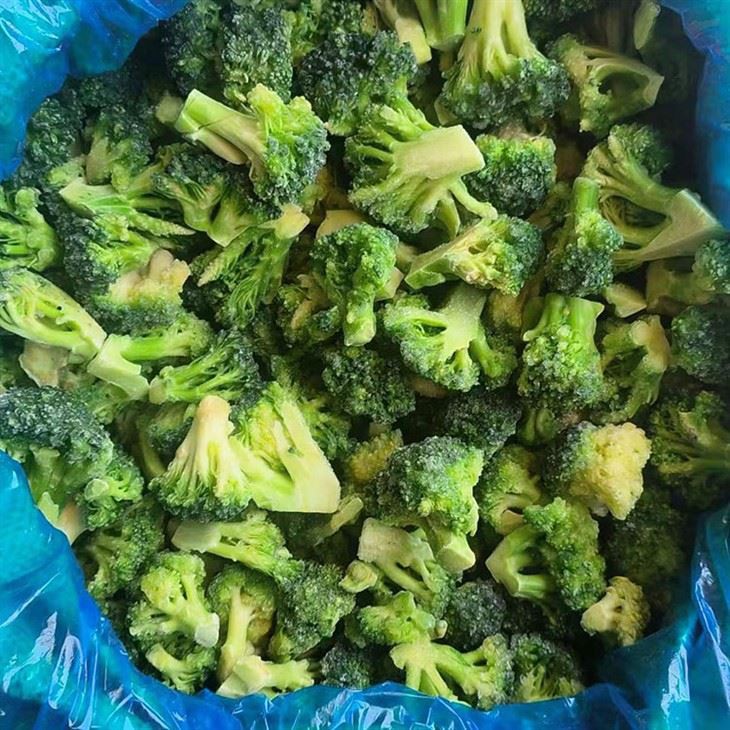
Broccoli florets in a blue-lined bag. Commercial broccoli cuts have a separate specification from edible leaves.
| Ingredient brief | Desired material | Acceptance basis |
|---|---|---|
| Broccoli greens dish | Selected edible leaf tissue | Blade condition, rib handling and cooked texture. |
| Frozen floret order | Defined buds and stem portions | Agreed size, stem, fines and leaf tolerances. |
| Whole fresh plant use | Several edible parts prepared separately | Soundness and a method suited to each tissue. |
Visual expectations vary by application. A leaf fragment may be unobtrusive in a blended soup but conspicuous in a retail bag of evenly sized florets. It may also behave differently during cooking, becoming a soft green piece while the florets remain distinct. A buyer should describe the application before deciding how strict a leaf tolerance needs to be. The limit should be meaningful to the finished food rather than selected simply because a lower number appears more demanding.
At GreenLand-food, we discuss frozen broccoli florets as a defined commercial product. Size, stem proportion, fines and relevant tolerances should be confirmed for the proposed order. A representative sample is useful because it shows the combination of characteristics that a written description can sometimes hide. We do not present the general edibility of broccoli leaves as a reason for a customer to accept material that falls outside the agreed floret standard.
If a delivery contains more leaf material than expected, assess it against the approved specification and sampling method. Record the lot, sample basis and observed issue before discussing disposition. The useful conversation is whether the product meets the agreed requirement and how the difference affects the customer's use. Debating whether leaves can be eaten does not resolve a mismatch in a floret order, just as a pleasant taste alone does not establish compliance with a stated cut size.
Set clear acceptance rules for frozen broccoli
Begin with the application and product format. A plated side dish, retail vegetable bag, soup ingredient and blended puree can tolerate different shapes and proportions of material. Specify the floret size range and other characteristics that affect the use, then agree how samples will be evaluated. Terms such as clean or premium are too broad on their own. A useful acceptance rule tells both parties what to look for and how a representative portion will be assessed.
Leaf material should be described separately from unrelated foreign material and from other broccoli components such as stem pieces or fines. These categories have different meanings and may require different controls. Avoid a vague bucket of unwanted bits that prevents anyone from understanding the actual finding. A clear record can show whether the issue is an edible plant-part tolerance, excessive breakage, an incorrect cut or something requiring a different investigation. The terminology should fit the observed material.
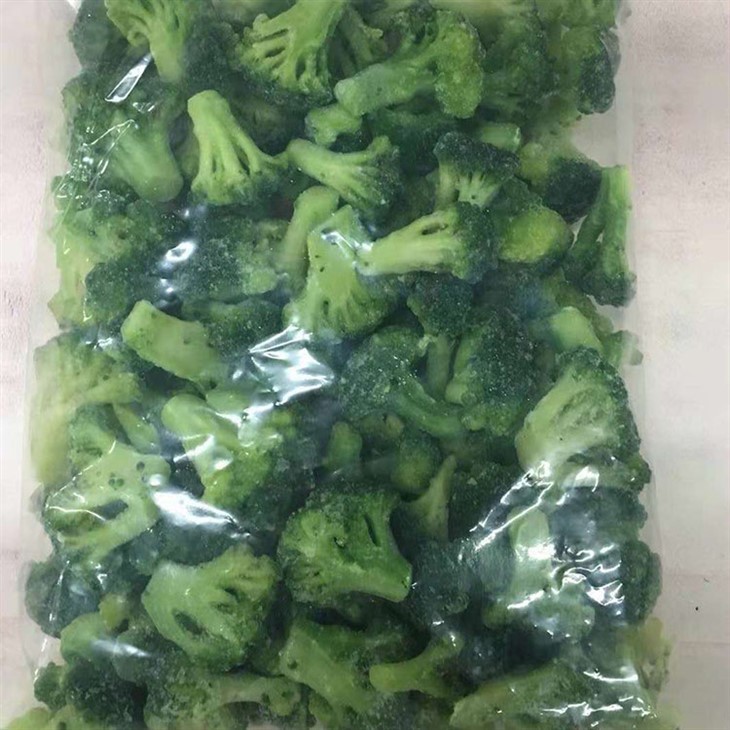
Frozen broccoli packed in a sealed clear bag. Confirm floret size and permitted stem proportion.
Evaluate the frozen sample and the finished application under consistent conditions. Record the sample identity, preparation method and relevant observations, including appearance after cooking and the amount of loose material. If the recipe involves blending, visible floret uniformity may matter less than flavor, texture and usable consistency. If the florets remain whole, shape and stem proportion become more exposed. The approval should reflect the real use rather than a display photograph selected to make every piece look identical.
Our frozen broccoli range provides the starting product scope for a supply inquiry. Buyers can share the desired cut, pack, volume and application so we can review the appropriate specification and sample. Where freezing preparation is the main question, our broccoli blanching guide addresses that related topic. Neither page should be read as an offer of a separate commercial broccoli-leaf product without a confirmed supply discussion.
Broccoli leaves can be worthwhile food when they are selected, prepared and used intentionally. Tender blades, substantial ribs and familiar florets each bring a different texture to the kitchen. For commercial buying, that same knowledge supports clearer boundaries: the fact that a plant part is edible does not define its place in a particular pack. A well-chosen recipe makes good use of leaves, and a well-written floret specification makes clear what the buyer expects to receive.
Discuss frozen broccoli supply with GreenLand-food
GreenLand-food is a professional frozen broccoli supplier and manufacturer in China, providing factory-direct wholesale supply for importers, food manufacturers, foodservice distributors and private-label programs.
Send the standard broccoli floret size, stem and leaf tolerances, pack and application for the proposed order.