


What Does Mulberry Taste Like?
Sep 03, 2026
Leave a message
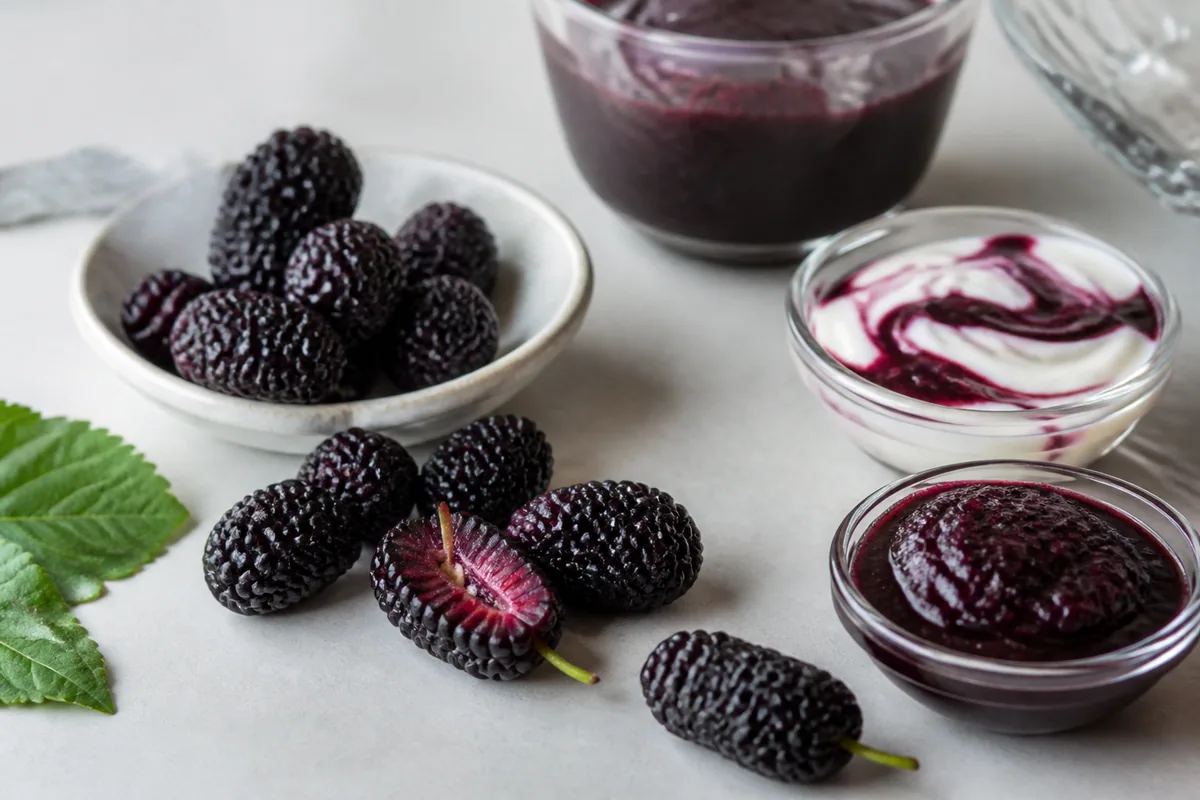
Sweet, softly tart, jammy and lightly floral
A fully ripe mulberry is juicy and sweet with mild to moderate acidity. Dark types can taste winey, dark-cherry-like or blackberry-like; pale white mulberries can be honeyed and delicate. The fruit contains tiny seeds and a fine central stem, so its texture is soft and slightly seedy rather than crisp. Underripe fruit tastes greener and more acidic.
Species, cultivar, maturity, crop and product form can shift the balance, so one flavor description is a guide rather than a lot specification.
Key takeaways
- Dark mulberries usually give deeper berry, winey and tart notes; many white mulberries are milder and more honeyed.
- Tiny seeds and the central fruit axis are normal and can remain noticeable in whole-fruit applications.
- Frozen fruit becomes softer and releases more juice after thawing, while dried fruit tastes more concentrated and chewy.
- Commercial approval should join Brix with acidity, color, maturity, whole rate, leakage and a final-application sensory test.
Quick comparison
| Form or application | Flavor expression | Texture effect | Useful control |
|---|---|---|---|
| Whole IQF fruit | Sweet-tart bursts and visible dark-fruit character | Softens after thawing; seeds and central stem remain | Whole rate, maturity, drip and broken ratio |
| Smoothie or beverage | Even jammy fruit with blendable acidity | Seeds/skins may create sediment | Brix-acid balance, screen size and color |
| Jam or sauce | Concentrated cooked berry and winey notes | Structure largely broken down | Fruit solids, cook loss, pH and set |
| Bakery or yogurt | Dark color and localized fruit contrast | Whole fruit may bleed; puree distributes evenly | Bake or dairy stability, leakage and seed perception |
| Dried mulberry | Concentrated sweetness, often honeyed | Chewy and dense | Moisture, texture and added-sugar status |
Mulberry flavor depends strongly on species and maturity
Morus nigra, black mulberry, is often described as rich, aromatic and sweet-tart with enough acidity to feel winey. Red mulberry can also develop a deep dark-fruit profile. Many white mulberry cultivars are milder and sweeter, with honey, fig or floral associations, though white mulberry fruit can ripen dark. Hybrids and cultivars blur neat categories, so the approved lot matters more than a color-name stereotype.
Within one tree, underripe fruit tastes firm, green and acidic; fully ripe fruit becomes sweeter, softer and more aromatic. Overripe damaged fruit may taste fermented rather than simply sweeter. Harvest and processing therefore shape the sensory profile before formulation begins.

Sweetness needs acidity to remain recognizable
Mulberry often has a lower acid impression than raspberry, blackberry or blackcurrant. That makes it easy to eat fresh but can create a flat beverage if the formula adds heavy sugar without acid structure. Dark cultivars usually carry more apparent tang and complexity. Taste soluble solids together with pH or titratable acidity where the application needs control. The highest Brix lot is not automatically the most vivid mulberry.
In a blend, lemon, sour cherry, raspberry or blackcurrant can supply lift, while apple, pear or banana can add body. The goal should be deliberate: a mulberry-led drink needs enough fruit identity to survive the blend; a supporting berry can contribute color and softness without dominating. Record fruit percentages so the next crop can be adjusted rationally.
Tiny seeds and the central stem are part of the bite
Mulberry is an aggregate fruit made of small drupelets, each containing a tiny seed. A fine central axis runs through the fruit and may feel slightly fibrous. In ripe fresh fruit, the overall impression is tender and juicy, not crunchy. People who expect a seedless grape can be surprised. In whole frozen fruit, those structures remain; in puree they can be milled or screened to a selected particle size.
For yogurt, smoothie and bakery, conduct a mouthfeel test after the full process. Heat can soften the fruit but does not make every seed disappear. Fine screening creates smoother puree but reduces yield and changes solids. State the desired screen or seed level rather than calling one result smooth and another poor.
Fresh, frozen and dried mulberries do not taste identical
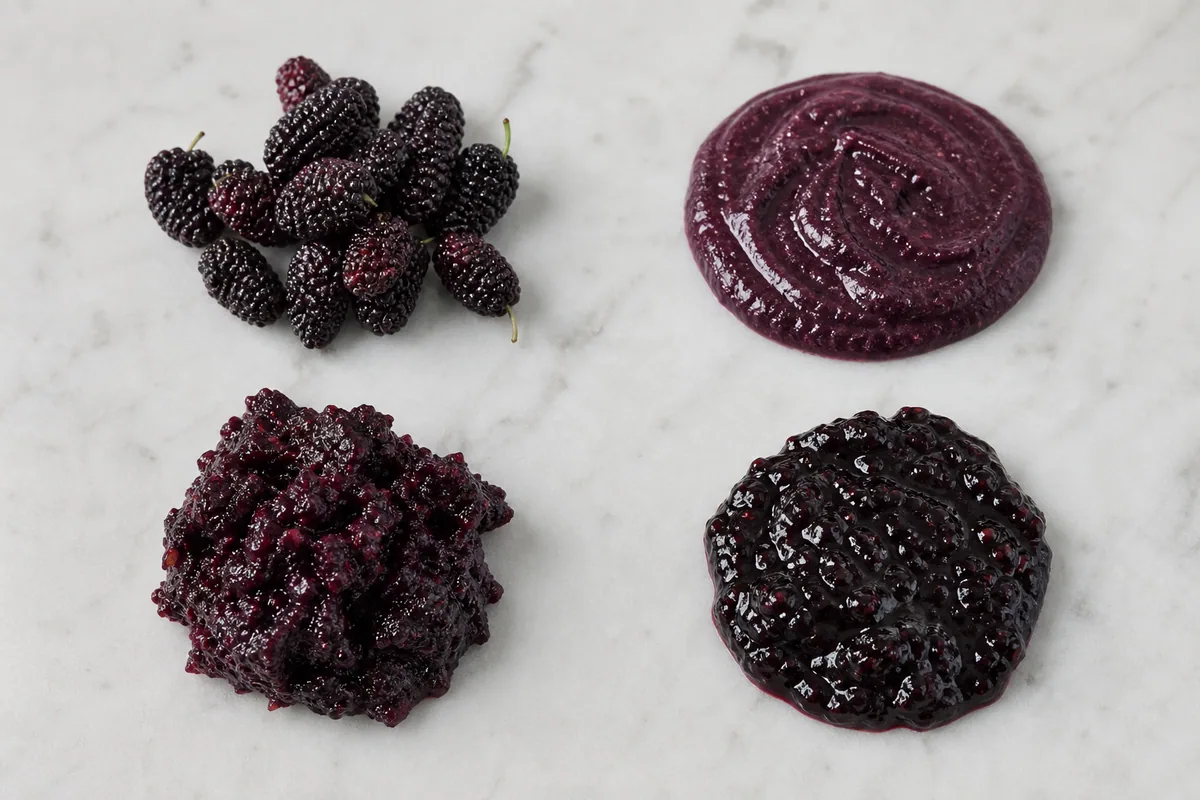
Fresh ripe mulberry has the lightest floral top notes and the most delicate structure. Freezing preserves the fruit for later use but ice damages cells; thawed berries release juice and feel softer. The color and dark-fruit flavor can remain strong in smoothies, jam, sauce, dairy and bakery. Dried mulberries lose water, so sweetness becomes more concentrated and the texture becomes chewy; some commercial dried products may also contain added sugar, which must be checked.
For a closer explanation, see Are Mulberries Edible? Fresh, Dried and Frozen Forms.
Compare like with like. A dried fruit sample cannot predict the acid balance of whole IQF fruit on a one-to-one weight basis. A frozen puree may taste stronger than intact berries because crushing releases juice immediately. Evaluate the purchased form in the intended dosage and process.
Mulberry works well in smoothies and beverages with structure
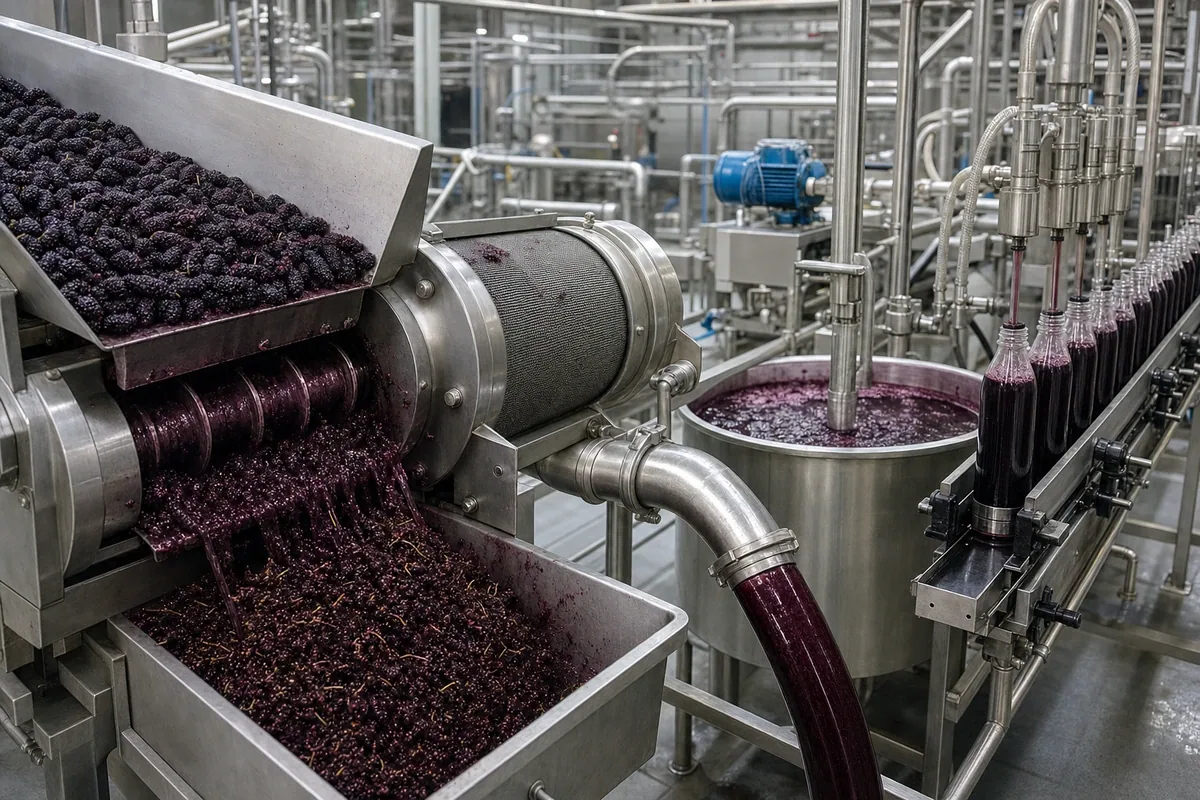
For smoothies, whole frozen fruit can contribute color, sweetness and natural body. Blend from frozen when the equipment is designed for it, and account for seeds and skins. For a clear or low-pulp beverage, puree or juice may require screening. Check sediment, color ring, aroma after pasteurization and flavor after cold storage. A sample that tastes lively at room temperature may seem dull when served very cold.
Create a base formula with fixed fruit solids, water, sugar and acid. Change one variable per trial. If the mulberry is too soft, do not automatically double the fruit; test acid balance or a complementary berry. If it is too seedy, test a screened form. These decisions are more economical than buying a premium whole grade and then filtering it away.
Bakery, jam and dairy reveal different strengths
Mulberry's dark color and gentle acidity can suit muffins, pie filling and pastry. Whole fruit gives visible identity but may leak purple juice and collapse; controlled broken fruit or puree spreads flavor more evenly. Test bake loss, cavity formation, filling viscosity and color after cooling. In jam, the natural softness is an advantage, but pectin and acid may need formulation support depending on the fruit.
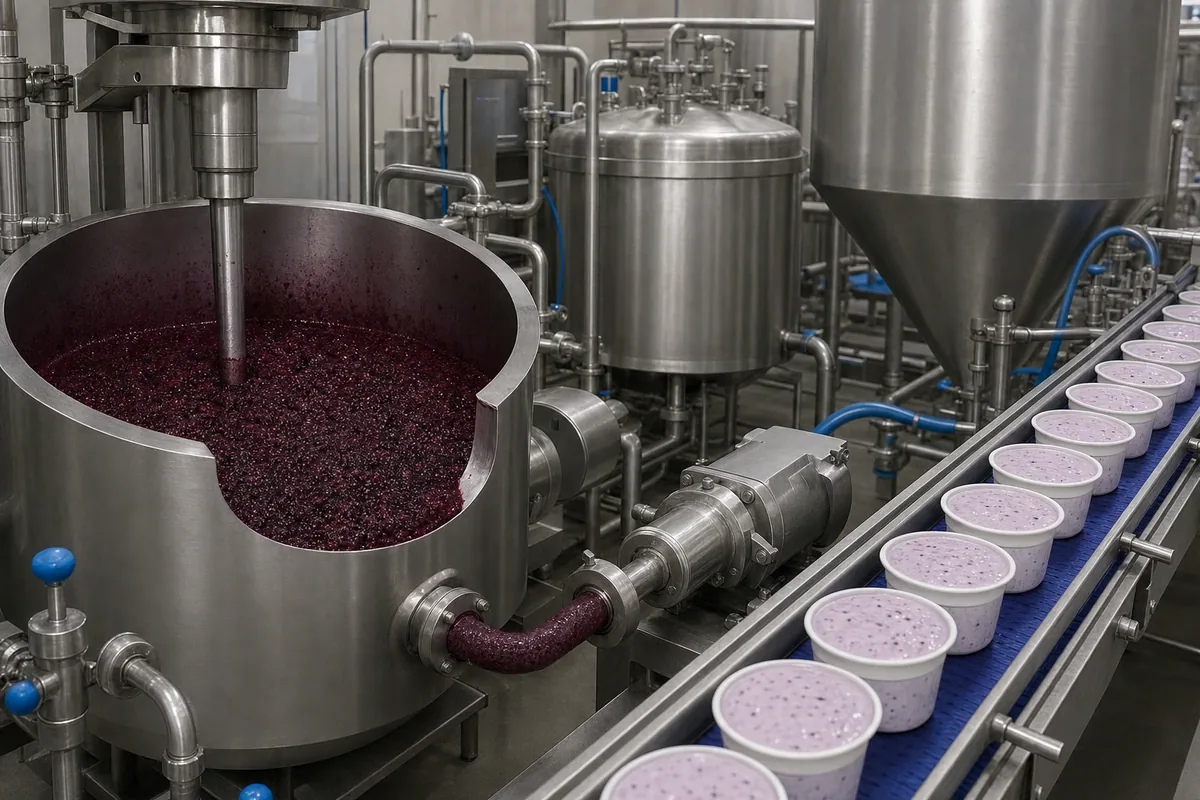
Dairy softens perceived acidity and suppresses aroma at cold temperature. A yogurt preparation may need concentrated fruit character, while an ice cream ripple must remain scoopable and visible. Evaluate whey separation, color migration and seed perception throughout shelf life. The raw tasting cup is only the beginning.
Frozen grade should match the visible value in the product
A transparent retail pouch or fruit bowl needs recognizable whole fruit, consistent dark color and controlled leakage. A smoothie factory can use a defined broken grade without sacrificing food-safety, foreign-material or off-odor standards. Jam and puree plants may prioritize Brix, acidity, color and yield over whole rate. Grade is an application choice, not a ladder where the highest-priced appearance always produces the best formula.
At GreenLand-food, we review available IQF mulberries against whole or processing form, crop, maturity, Brix, fruit size, natural color, free flow, broken ratio, leakage, stems, leaves, packing and destination. Binding criteria follow the approved sample and order because mulberry is an agricultural product with real crop variation.

Use a blind application test to approve flavor
Code two or three lots and test them at identical fruit solids in the final smoothie, yogurt, filling or sauce. Score sweetness, acidity, dark-fruit intensity, floral or winey notes, seed texture, aftertaste and color. Measure thaw drip and finished yield where relevant. Include a warm-process and stored sample if the product will be pasteurized or baked.
Keep the formula, panel notes and retained approved sample. A verbal note that one lot is "sweeter" cannot guide the next shipment if no Brix, acid, dosage or process is recorded. A disciplined trial turns sensory language into a repeatable buying decision.
Worked decisions that a short answer cannot cover
Worked smoothie trial: sweet but flat
A 12% mulberry smoothie has enough sugar but little berry lift. Adding more fruit increases cost and seed load. The team instead tests a small acid adjustment and a 2% tart berry component while holding final Brix. The mulberry remains the lead flavor, but the finish becomes cleaner.
Record the exact acids and fruit percentages. "Add something tart" is not a production specification.
Why the same fruit tastes different after thawing
Cell damage releases juice, so sweetness and acid reach the tongue faster. Aroma also increases as the fruit warms. At the same time, the soft structure reduces the fresh eating impression. This is normal freeze-thaw behavior, not proof that the fruit was sweetened.
Check the ingredient statement and test at a standardized temperature before comparing lots.
A whole-fruit grade can be wasted in puree
Premium intact mulberries may command a higher price because harvesting and freezing soft fruit without breakage is difficult. If the factory immediately mills the berries, most of that visual value disappears. A controlled broken grade can improve cost while maintaining color, flavor and safety requirements.
Protect the distinctions: processing grade does not mean rotten, fermented or foreign-material-contaminated fruit.
Seed texture needs a customer-language target
Technical screen sizes help processors, but consumers describe mouthfeel as smooth, pulpy, seedy or fibrous. Translate the lab method into a sensory target and confirm it after the full process.
The right choice can differ between a rustic jam, premium yogurt and clear beverage. One universal "seedless" claim is rarely helpful without a defined process.
More detail for a repeatable decision
A tasting panel should separate flavor from texture
Score sweetness, acidity, dark-fruit aroma and floral or honeyed notes separately from seediness, fibrousness and softness. A lot can taste excellent but fail a visible whole-fruit application because it collapses. Another can hold shape but feel bland. One overall liking score hides the decision.
Taste frozen fruit after a standardized refrigerator thaw, then in a defined puree. Whole-fruit perception includes the central stem; puree perception includes the selected screen. Record both.
Use a reference cultivar or approved lot rather than blackberries as the only comparison. Mulberry should be allowed to taste like mulberry, not rejected for being less acidic than another species.
Heat can create a deeper but less fresh profile
Jam cooking concentrates sugar and dark-fruit notes, producing fig, wine and caramel associations. At the same time, volatile floral notes decrease. A short controlled cook and a long open kettle therefore create different products from the same fruit.
Bakery protects some aroma inside moist filling, while exposed fruit on the surface can dry or scorch. Record filling temperature and bake loss. A pleasant raw berry is not proof of a stable baked flavor.
If fresh-like character matters, evaluate processing under reduced oxygen or shorter heat where the product design and safety process allow. The buyer's validated line controls the option.
Blend strategy should have a declared sensory role
Decide whether mulberry is the lead flavor, a color contributor, a sweetness source or a texture inclusion. If it is lead, supporting fruits should not overwhelm its gentle aroma. If it is supporting, label and formulation must still describe it accurately.
A small amount of blackcurrant can add acid and cassis intensity; sour cherry can add bright red-fruit lift; apple can lower cost and add body. Each also changes color, sugar and consumer perception.
Build a triangle test comparing the target blend with nearby ratios. Select the smallest difference the panel can reliably perceive, then set manufacturing tolerances around that result.
Private-label packs need a consumer expectation check
A bag that shows perfect whole mulberries on the front should deliver recognizable fruit inside. If the intended use is smoothies, explain the soft thawed nature through directions rather than implying crisp snacking texture.
Check nutrition and ingredient statements against the actual product: unsweetened 100% fruit, sweetened preparation and mixed berries are different. Natural crop Brix does not mean added sugar.
Run a home-use trial using ordinary blenders, bowls and freezer conditions. Professional equipment can hide seed, clump or portioning problems that retail consumers will notice.
A complete mulberry approval exercise
Prepare three versions from the same lot: a controlled-thaw whole-fruit sample, a standardized unsweetened puree and the final application. This separates natural flavor from seed and stem texture, then shows what the customer will actually taste after processing. Use blind codes if comparing suppliers.
Measure Brix and, when relevant, pH or titratable acidity on a representative composite. Record dark-fruit, honeyed, floral, green, fermented and cooked notes. A lot can be sweet yet flat, or moderately sweet with a more vivid aroma. Keep those differences visible rather than reducing flavor to one number.
For a smoothie, add sediment and seed perception. For bakery, add bake loss, leakage and flavor after cooling. For yogurt, add color migration and aroma at serving temperature. Each application creates its own useful definition of good mulberry.
Compare cost on usable finished yield. Include whole or broken grade, thaw drip, screening loss, added sugar or acid, labor and waste. A premium visual grade may be justified in a transparent pack and unnecessary in puree. A lower-cost lot is not economical if it needs heavy correction.
Approve the product with ranges and a retained reference, then keep marketing modest. Mulberry is naturally gentle compared with blackcurrant; its value can be soft sweetness, dark color and jammy depth. It should not be forced to imitate a sharper berry to sound premium.
Putting the answer into practice
For a consumer, the easiest introduction is a fully ripe fresh berry or a small thawed portion added to yogurt. Taste it before adding sugar. The gentle acidity and seed texture become easier to understand when they are not hidden in a heavily flavored blend.
For a formulator, the useful sample is the purchased form. Whole IQF, controlled broken fruit, puree and dried fruit have different water, solids, seed exposure and aroma release. Substitute them only through a new formula trial.
For procurement, a flavor request should carry an application and a measurable grade. State whether the project values dark color, high whole rate, mild sweetness, tart balance, smooth puree or low leakage. No lot can maximize every attribute at the lowest cost.
Mulberry's strength is its own: soft jammy sweetness, delicate floral or winey nuance and deep color in dark types. Preserving that identity produces a more credible product than forcing the fruit into a generic mixed-berry description.
What to confirm before approving volume
A useful inquiry describes the ingredient and the job it must do. Send the product identity, form, target application, packing, quantity, destination and the quality points your team will measure. We will review current availability and an appropriate supply route where possible. Final size, process, ingredients, limits, microbiology, documents, shelf life, lead time and commercial terms remain subject to the approved specification and order confirmation.
- Confirm species or accepted commercial mulberry identity.
- State whole IQF, broken processing grade, puree or juice form.
- Review Brix with acidity, maturity, color and aroma.
- Set whole, broken, leakage, stem, leaf and foreign-material limits.
- Test seed and central-stem texture in the final matrix.
- Approve crop and lot variation through a retained reference and specification.
Frequently asked questions
What does a ripe mulberry taste like?
Sweet, softly tart, juicy and jammy, with honeyed, floral, winey or dark-cherry notes depending on type.
Do mulberries taste like blackberries?
Dark mulberries can resemble blackberry, but they are often softer and less sharply acidic, with a more honeyed or winey finish.
Do white and black mulberries taste different?
Often. Many white types are mild and honeyed; black types are usually richer and more tart. Cultivar and ripeness can overlap those patterns.
Are mulberries sour?
Underripe fruit can be sour and green. Fully ripe fruit is usually sweet with low to moderate acidity.
Are mulberries seedy?
They contain many tiny seeds and a fine central stem. The texture is noticeable in whole fruit but can be reduced by milling or screening puree.
Does frozen mulberry taste good?
Well-handled frozen mulberry can retain strong color and sweet-tart flavor, especially in smoothies, jam, sauce, dairy and bakery.
Does dried mulberry taste the same as frozen?
No. Dried fruit is sweeter and chewier because water is removed; frozen fruit retains more fresh-fruit water and becomes juicy and soft after thawing.
What pairs well with mulberry?
Apple, pear, cherry, raspberry, blackcurrant, citrus, yogurt, vanilla, chocolate and mild spices can work when balance is tested.
What mulberry grade is best for smoothies?
A controlled whole or broken IQF grade can work. Prioritize color, flavor, Brix-acid balance, seed level, free flow and clean processing.
Can GreenLand-food supply IQF mulberries?
We can review available whole frozen mulberries, grade, crop, Brix, color, packing, quantity and destination requirements.
Reference points
- RHS mulberry growing guide
- Missouri Department of Conservation red mulberry
- GreenLand frozen mulberry
These sources support the classification, method or supply boundaries used above. The applicable product label, specification, food-safety plan and destination-market rules still control a real batch.
Source Frozen Mulberry for your real application
GreenLand-food is a frozen mulberry supplier and manufacturer in China, providing factory-direct wholesale support for importers, food manufacturers, foodservice distributors and private-label programs. Send the required form, specification, packing, quantity, destination, application and documents. We will review available order options and the next practical step.