


What to Do with Mini Sweet Peppers
Sep 24, 2026
Leave a message
Research This Article & Topic with AI
Verify key claims, compare reliable sources, and explore GreenLand-food's practical frozen food knowledge.
Article details and research questions are prepared in the links. Sign-in or sending may be required.
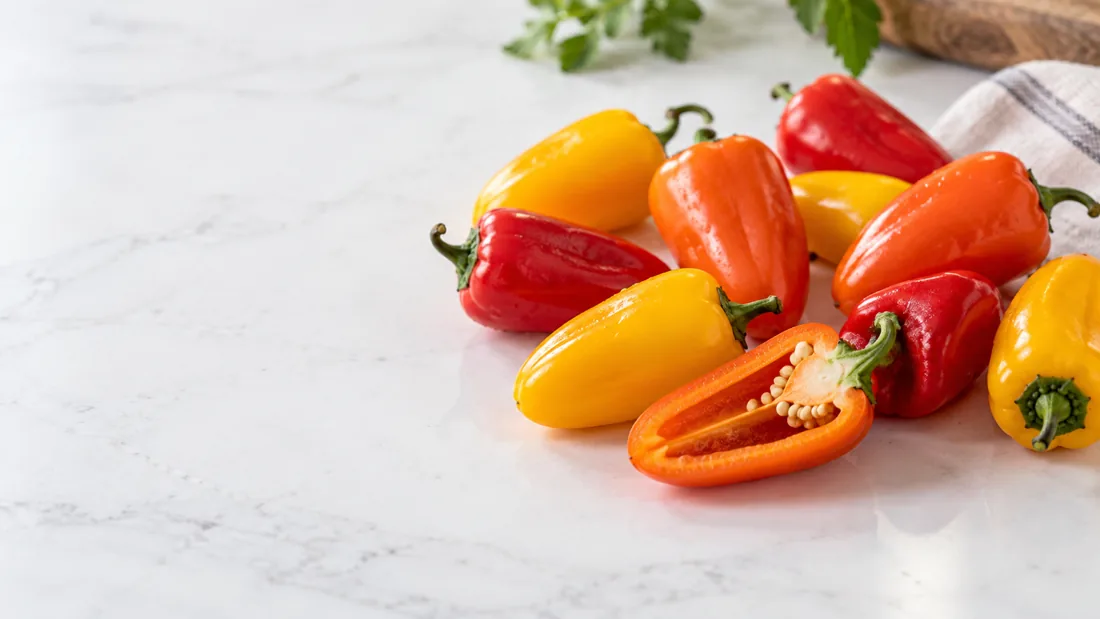
Their size creates opportunities that large bell peppers do not offer quite as neatly. A mini pepper can be held and eaten in one or two bites, and a half pepper becomes a natural cup for a filling. At the same time, small peppers vary considerably in length and wall thickness. A full bag may contain slender curved pieces, broad ones and a range of colors. That variation is attractive in a casual platter, but it matters when a caterer wants equal portions or a processor needs a predictable cut and fill weight. The sections below begin with the form in which the pepper will actually be used, then explain what the preparation does to flavor and texture.
Choose the form before the recipe
Look at the finished dish before deciding how to cut mini sweet peppers. An intact pepper retains its juices during roasting and can be picked up by the stem when served. A lengthwise half exposes more flesh to heat and makes a shallow boat. Narrow rings give a clear pepper shape in a salad or sandwich, while lengthwise strips distribute color across a cooked dish. Small dice are better when every forkful of a rice bowl, filling or sauce needs a similar amount of pepper. These are different jobs, even though all begin with the same fresh ingredient.
Wash fresh peppers under running water and dry them before cutting. Remove any damaged or soft fruit. The stem and pale seed cluster are easiest to remove after cutting a pepper lengthwise; use the tip of a small knife without taking away much edible wall. A few stray seeds are usually a presentation problem in a prepared dish rather than a source of heat. Mini sweet peppers are generally mild, but variety identity still matters when peppers from several sources are combined. If the final item promises a sweet, non-pungent taste, check that the incoming fruit matches that description rather than assuming every small pepper is the same product.
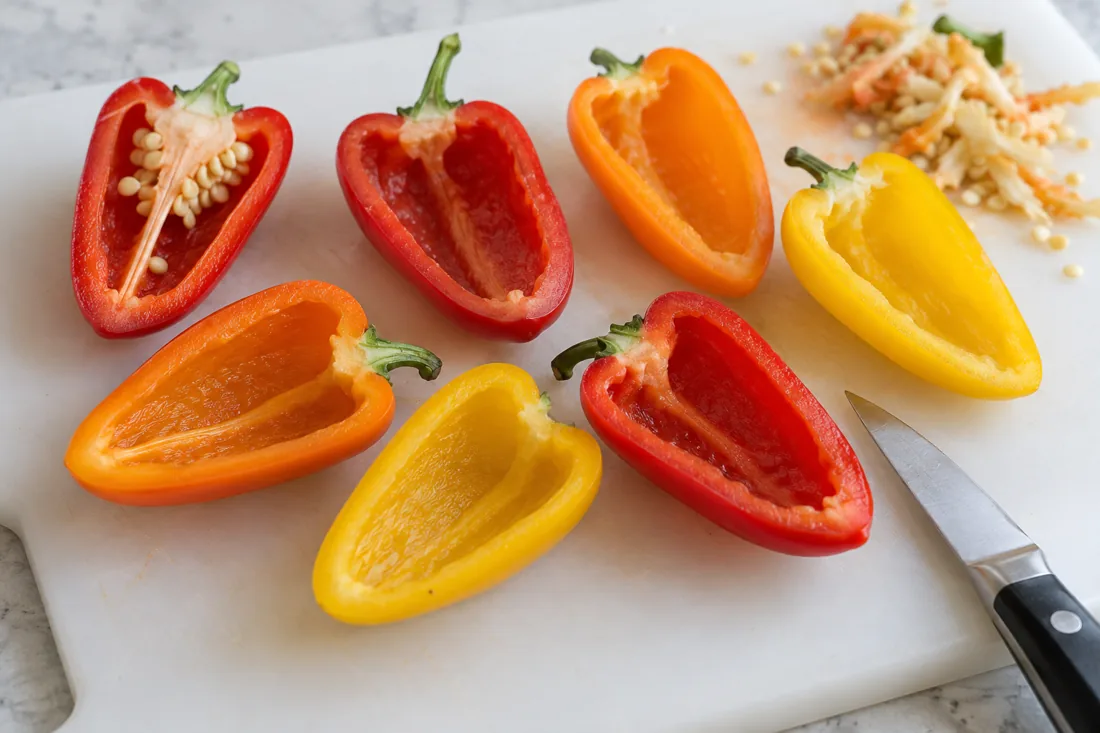
Mini sweet pepper halves ready for form selection
Size also changes the sensible portion. A whole pepper works for hand-held roasting, yet it may be too irregular for a precisely filled pack. Two halves give a more stable surface on a tray and let staff check that the cavity is clean. Rings can be cut quickly but produce different diameters along the pepper. Strips give more uniform length after trimming. A buyer designing a prepared item should agree the required form and usable yield before comparing raw-material prices. The least expensive whole pepper is not necessarily the least expensive ingredient after trimming, filling, cooking and rejected pieces are counted.
At GreenLand-food, our verified frozen bell pepper range includes diced, strip, cup, whole and mixed forms specified for different applications. These are bell pepper products; the published product range does not establish an IQF mini sweet pepper SKU. Buyers who need an actual miniature whole shell for stuffing should state that requirement and ask us to confirm availability and a sample before planning a menu around it. Buyers who mainly need sweet pepper flavor and colored pieces in a cooked dish can evaluate the documented IQF bell pepper forms as an alternative. The distinction protects both recipe performance and an accurate quotation.
For a closer explanation, see Do Different-Colored Bell Peppers Taste Different?.
For a production brief, photograph the intended serving with a ruler or another neutral scale reference, then state the acceptable size range in writing. "Small" may mean a two-bite appetizer to one team and a compact bell pepper to another. Include whether the stem must remain, whether curved pieces are acceptable, and how much color variation belongs in the pack. These details are especially useful when a buyer and supplier work across markets that use the terms mini pepper, sweet pepper and capsicum differently. A short sample review at the beginning can prevent a much more expensive reformulation after packaging artwork has been approved.
Roast mini sweet peppers for concentrated flavor
Roasting is the most forgiving use for a bag of mixed-size mini peppers. Dry the washed fruit, coat it lightly with oil, spread it in one layer and give it enough heat for the skin to blister and the flesh to soften. Whole peppers hold more moisture inside; halved peppers expose the inner face and brown more readily. Turn whole peppers during cooking so one side does not char long before the other. The useful endpoint is a tender pepper with some browned edges, rather than an exact minute count, because pepper size, oven loading and tray material all change the result.
If the peppers will become a warm side or antipasto component, keep the seasoning simple during roasting and finish with acid, herbs or salt after cooking. Their natural sweetness becomes more apparent when water evaporates and the skin develops roasted notes. A crowded tray traps steam, so the peppers can become soft without the same browned flavor. Separate batches or use more tray area when the incoming quantity is large. This is especially relevant in foodservice kitchens: the process that works for a handful of peppers will not behave identically when several kilograms are packed closely on a sheet pan.
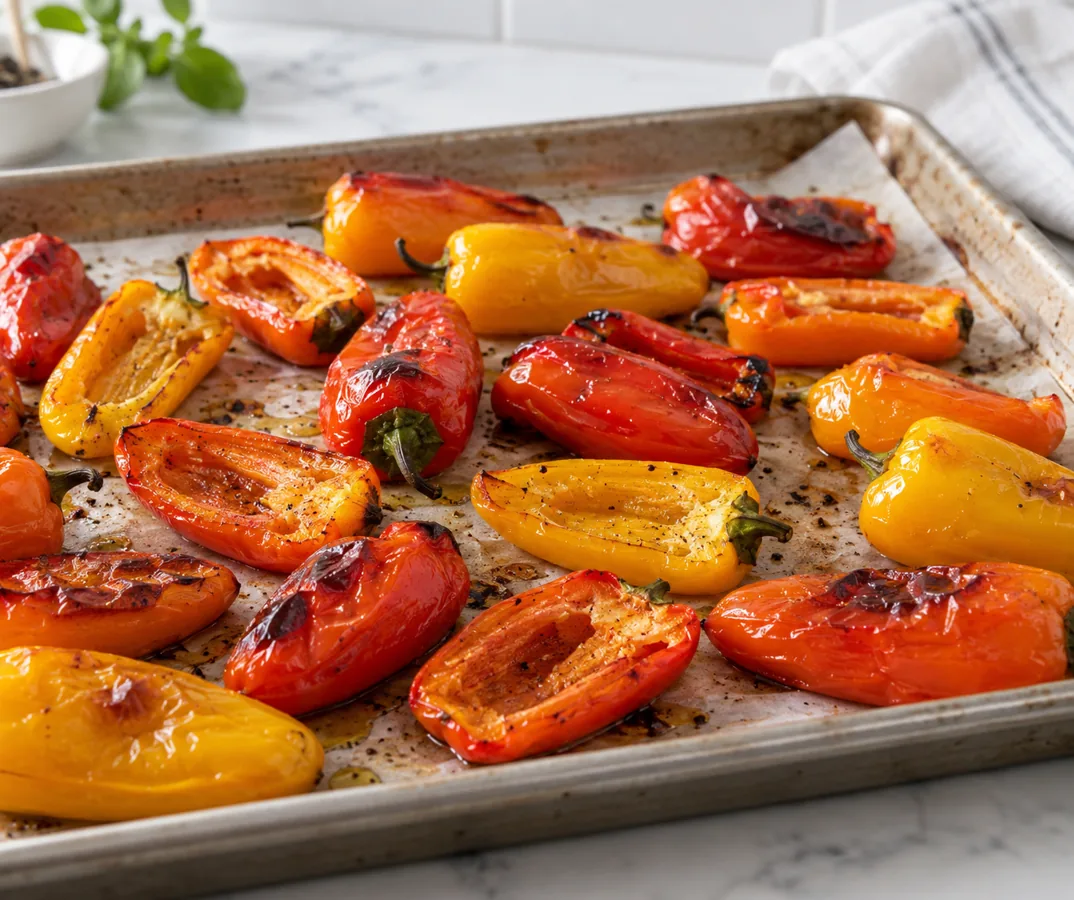
Roasted mini sweet peppers with blistered skins
Decide whether skins should remain. A lightly blistered mini pepper can be served with its skin for a rustic appetizer, and the stem may make it easy to handle. For a smooth spread or sauce, deeper roasting followed by covered resting and peeling may give a cleaner texture. That extra labor has to be justified by the final use. Roasted peppers can be chopped into a sandwich filling, folded into pasta or blended into a dip after cooling. The cooked pepper is soft, so do not expect it to bring the crisp bite that a raw slice would supply.
For a prepared-meal line, a roasted-pepper flavor profile may involve a different ingredient specification from ordinary IQF raw-cut pepper. Clarify whether the supplier is offering truly roasted material or a frozen pepper cut intended for the customer to cook. Visual color alone cannot prove the process. We confirm process requirements and application during the specification discussion; samples should be heated in the real recipe before a buyer approves flavor, color and water behavior. If the menu says roasted mini peppers, a standard frozen bell pepper dice is not an equivalent ingredient without a deliberate recipe change.
Cooling and holding deserve attention after roasting. A hot pile of cooked peppers gives off steam; if it is sealed immediately for a cold application, condensed moisture can collect around the softened pieces. Follow the kitchen's validated cooling and refrigerated handling procedure, portion in clean containers and decide whether any accumulated liquid belongs in the finished recipe. For a sauce, that liquid may carry useful flavor. For a sandwich filling, it may soak bread and reduce quality. The roasting endpoint and the later holding method should be tested together, because a pepper can leave the oven in good condition yet deliver a wet, dull final portion hours later.
Stuff mini sweet peppers without losing the shell
The little hollow body makes stuffing a natural choice. Cut the pepper lengthwise through the stem or just beside it so the two halves sit steadily, remove the seed cluster and check the cavity for torn walls. Fillings with some body, such as seasoned grains, beans, cheese or finely chopped cooked vegetables, are easier to portion than a loose liquid mixture. Keep the filling below the rim if the pepper will be heated again; a heavily mounded half tends to spill or cook unevenly. The pepper should remain visible around the filling so the color and shape still do their work on the plate.
There are two useful cooking sequences. A crisp, fresh pepper can carry a cold, ready-to-eat filling when that pairing suits the menu and normal food-safety controls are followed. Alternatively, roast or grill empty halves briefly, cool them enough to handle, and fill them afterward. This develops pepper sweetness while preserving the filling's texture. A hot filling that also needs thorough cooking may call for a longer bake after stuffing. In that case, select thicker, wider peppers and test whether the shell holds together at the target cook time. A slender thin-walled pepper can collapse before a dense center is heated as intended.
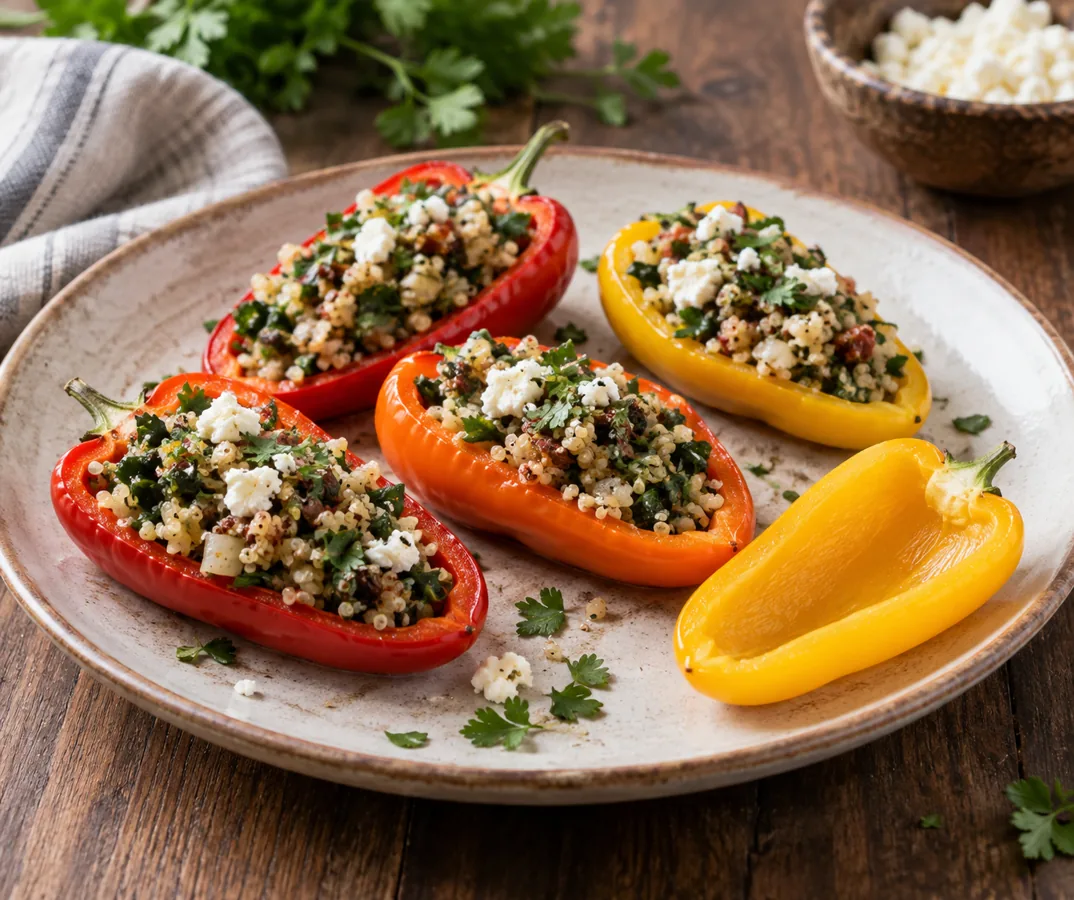
Stuffed mini sweet pepper boats and an unfilled shell
Foodservice operators should test portion consistency with the real pack, not just a photograph of one large pepper. Count usable halves per kilogram, note the cavity-size range and measure how much filling the typical piece actually accepts. Sorting by size may be worthwhile for plated catering where identical bites matter; for a mixed appetizer tray, variation can be acceptable. If a frozen whole or cup-form bell pepper is being considered instead, compare its dimensions with the planned serving. The GreenLand-food bell pepper page lists cup and whole forms, but those are larger bell peppers by the published specification and should not be represented as mini peppers.
Frozen pepper shells can soften when thawed because ice crystals disrupt cell structure. That may still work for a baked stuffed item, but it is a poor assumption for an uncooked crisp bite. Test filling, freezing, thawing or baking as one complete system. If the item will be sold frozen, confirm the core cooking instructions and the finished appearance after the stated storage and reheating conditions. A pepper that looks sound before filling may leak water into the filling during thawing. Trial preparation should record that behavior so the final product can be specified honestly.
For application details, see Frozen Stuffed Peppers: Should You Freeze the Shell, Filling or Finished Meal?.
The filling itself can change the shell during holding. Salted cheese or seasoned grains may draw moisture from a fresh pepper, while a hot, wet filling may soften it before the pack reaches the customer. For a chilled appetizer, compare texture immediately after assembly and at the end of the intended service period. For a baked item, inspect whether the filled shell remains easy to lift and whether the filling is evenly heated. The same pepper can be excellent in one preparation and unsuitable in another. An approval trial should therefore use the actual filling, fill weight, tray, cover and heating method rather than an empty pepper alone.
Slice them for fast cooking and raw service
Raw mini sweet peppers bring crunch, sweetness and vivid color to salads, slaws, sandwiches and snack trays. Slice rings across the body when a round outline is visually useful, or cut long, narrow strips for a salad that needs color distributed among other ingredients. Remove the seed cluster first if the salad will be dressed and held. Small trapped seeds and pale membranes look untidy in a clear container, and water left on cut surfaces can dilute the dressing. Cutting close to service gives the best raw texture; a prepared pack needs a defined refrigerated handling plan and shelf-life validation for its own recipe.
In hot dishes, cut size affects both cooking speed and perception. Thin mini pepper rings soften quickly in a skillet and work well in a fajita-style mixture or an omelet. Wider strips remain visible on a pizza or flatbread after baking. Small dice can disappear into a sauce, which is useful when pepper flavor should be spread evenly but less useful if the menu depends on recognizable colored pieces. Keep cuts reasonably consistent within a batch so some pieces do not scorch while others remain firm. Add very thin pieces later in a long cook if you want color and identifiable texture at service.
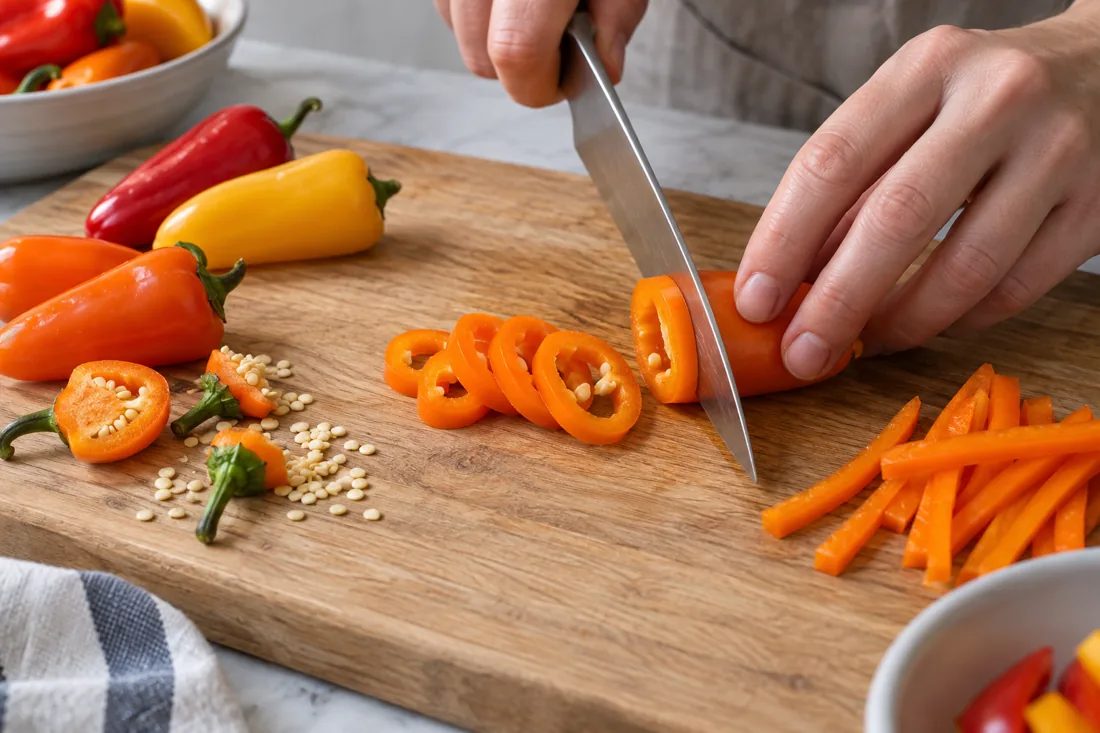
Mini sweet pepper rings and strips on a cutting board
The sweetness of mini peppers allows them to balance salty cheese, rich meats, legumes and tangy dressings without needing an additional sweetener. Yet the pepper should not be asked to do every job at once. A lightly dressed raw salad highlights crispness; a strongly seasoned cooked filling may need a larger cut so the pepper remains identifiable. For a sandwich or chilled product, the starting fruit should be clean, firm and free from soft spots. Frozen peppers are usually better assigned to heated preparations because freezing changes the crisp raw bite. That is a recipe-design decision, not a defect in a correctly frozen product.
A commercial specification should describe the cut the customer will recognize in the final food. For strips, state target width and acceptable length distribution. For dice, state the nominal dimension and tolerance for small fragments, skin-only pieces and seeds. GreenLand-food lists bell pepper dice and strips for ready meals, pizza and stir-fry programs. We can discuss cut size and color mix against a sample rather than assuming a product named "pepper strips" will look right in every application. The actual mini sweet pepper requirement should be named separately if size and intact shape are central to the product claim.
Holding time is particularly visible in raw sliced peppers. A thin ring has more exposed cut surface than a broad strip, so it can lose its crisp edge sooner in a dressed salad. Keep wet dressings apart until the planned mixing point when the product design allows it. For hot service, a thin ring can become soft within a short cooking window, whereas a wider strip remains identifiable through a little more handling. These differences can guide a menu developer before procurement begins: specify the cut that survives the real holding period, then ask a supplier to match it. A visually attractive fresh sample is only the first stage of that test.
Use frozen peppers in blends and prepared meals
Frozen pepper pieces make sense when the finished dish is cooked and the operation needs reliable portioning. A mixed vegetable bag, rice dish, pizza topping, sauce base or ready meal can draw color and flavor from pepper pieces straight from frozen storage. The thawed ingredient will be softer than a raw fresh slice, so it belongs where that texture is expected. Add IQF pepper pieces to a sufficiently hot pan or controlled production step according to the recipe; avoid leaving them warm and wet while other ingredients are prepared. Excess surface ice, clumping and repeated temperature swings can increase water release and make portion control harder.
A "mixed pepper" label does not define the visual result. A ratio that looks balanced in the frozen bag may change after cooking because pieces of different colors vary in size and contrast against the dish. Red pepper may become visually dominant in a light rice bowl, whereas green can provide a stronger vegetal note in a savory sauce. Yellow pieces may be less obvious in corn or egg-based applications. Test the blend in the intended background food, after the actual cooking and holding cycle. Record the target color ratio by weight and the acceptable range in the finished ingredient, then compare a trial batch with the approved sample.

Frozen pepper and onion blend beside a cooked application
Cut compatibility matters as much as color. A small pepper dice mixed with large onion strips will not distribute evenly by scoop. Pieces of very different thickness can cook at different rates and release moisture at different times. The frozen bell pepper mix page describes dice, strips and customized color ratios for cooked applications. For a combined vegetable blend, buyers should identify the other ingredients, their percentages, target cuts and the point of addition in the production process. GreenLand-food can then discuss whether an existing form or a tailored mix is suitable for the order.
Color and flavor expectations need to follow the product actually sold. GreenLand-food's verified range is IQF bell pepper, including mixed colors. A frozen bell pepper blend can solve many of the same cooked-application problems as a fresh mini pepper ingredient, but it does not provide miniature whole shells for stuffing or the crisp texture of fresh snack peppers. State "mini sweet pepper" only when the sourced material and accepted sample truly meet that description. For a prepared product, the ingredient declaration, artwork and customer specification should use consistent names and avoid a visual promise the cut cannot deliver.

Frozen mixed bell pepper pieces shown on GreenLand product page
When a blend includes several vegetables, test the pack as a whole rather than approving each component separately. Onion may release water at a different rate from pepper, and a small pepper cut may settle differently from larger pieces in a bulk bag. Take several portions from different pack positions and compare their composition. Then cook a representative serving under the expected production load. If one scoop contains mostly onion while another contains mostly pepper, the color and flavor variation will reach the diner even though the original formulation was correct on paper. Define a practical mixing and sampling method before routine deliveries begin.
Match the pepper specification to the application
Begin the purchase discussion with the final application and the pepper's visible role. A buyer making a cold snack pack needs a firm miniature whole fruit and a validated fresh handling plan. A caterer making stuffed bites needs usable shell count, cavity size and cooking tolerance. A processor making a rice bowl needs a consistent frozen cut, color mix and water behavior after heating. Asking for "sweet peppers" without these details leaves several commercially different products under one phrase. The application determines which sample is worth testing and what should be measured during acceptance.
For IQF supply, describe pepper identity, color or color ratio, cut dimensions, seed and core removal, broken-piece limit, natural aroma, free-flowing condition, packing and destination. Confirm whether blanching or other pre-treatment is part of the agreed process. Then test the sample through the real cook or reheating cycle. A freezer-cold visual check alone cannot show whether the pepper will stay recognizable on pizza, disappear into a sauce or release too much water into a filling. Compare batches against an approved reference with the same preparation method and observation time.

Frozen bell pepper dice on GreenLand product page
GreenLand-food's published IQF bell pepper specification includes diced, strip, cup, whole and mixed-color formats, bulk and smaller pack options, frozen storage at or below −18°C, and documents according to the confirmed order. The standard commercial details on the page provide a starting point, not a promise that every mini pepper request is stocked. We confirm availability, minimum order quantity, lead time, packing, private-label needs and destination-market documents against the actual product and order plan. For wider combinations, our frozen vegetable range shows other ingredients that may belong in a finished blend.
The most useful acceptance discussion ends with a simple, repeatable trial: inspect the unopened frozen pack, measure the cut and color distribution, prepare a set weight in the real recipe, and observe color, texture and free water at service. Record the result that would trigger a hold or rejection. This turns an appealing application idea into a specification that purchasing, production and quality teams can use together. Whether the recipe uses fresh mini shells or frozen bell pepper pieces, that shared definition is what makes the final dish repeatable.
For repeat orders, keep the accepted sample record with dated photographs, the written dimensions and the actual cook test. Compare a later shipment under similar lighting and recipe conditions; otherwise a normal seasonal shade difference may be mistaken for a defect, or a meaningful cut change may be overlooked. State who has authority to accept a substitute color or size if the target material is unavailable. That decision should be made before the product enters production, not after the pack is opened on a busy line. Clear acceptance rules let both teams resolve a real deviation without arguing over an adjective in the product name.
Source Frozen Bell Peppers with GreenLand-food
GreenLand-food is a professional frozen bell pepper supplier and manufacturer in China, providing factory-direct wholesale supply for importers, food manufacturers, foodservice distributors and private-label programs.
Send the product form, specification, packing, quantity, application, destination, private-label needs and requested documents. We will confirm a suitable sample and order plan.