


What Do Brussels Sprouts Taste Like? Bitterness, Size and Cooking Effect
Oct 19, 2026
Leave a message

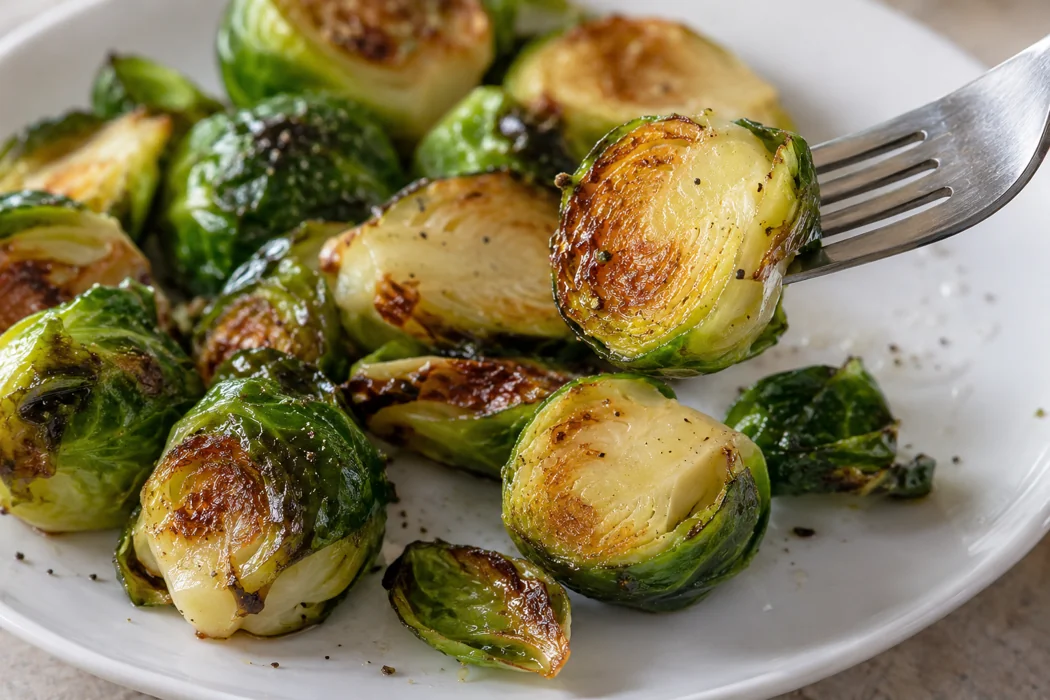
Their flavor is not fixed by size alone. The variety, growing conditions, storage, preparation and the person tasting them all contribute to the result. For a buyer choosing frozen Brussels sprouts, a consistent cooked sample is more useful than a promise that every small head will be sweet. We assess the product against the intended dish and preparation so that flavor, tenderness and portion size are considered together.
Recognize cabbage flavor, sweetness and bitterness
The familiar comparison with a miniature cabbage is helpful, although Brussels sprouts have their own balance of flavor and texture. The layered leaves and compact center produce a substantial bite. A gently cooked sample may have a green, cabbage-like flavor with mild sweetness and a lingering bitter note. A browned sample can add savory aromas that change how the same vegetable is perceived, even when no sweet ingredient has been added.
Bitterness, pungency and sulfurous aroma are different sensations. Bitterness is a taste; pungency can feel sharp or mustard-like; aroma is perceived through the nose, including while chewing. People often combine them under the word strong. During a sample review, ask which sensation is actually objectionable. A pronounced cooking smell, a bitter aftertaste and a burnt leaf edge call for different investigations.
The chemistry involves glucosinolates and their breakdown products, along with other components of the vegetable. Wageningen's published research record identifies sinigrin and progoitrin as important determinants studied in Brussels sprout bitterness and preference. This supports taking varietal differences seriously. It does not allow a buyer to predict the flavor of an untested shipment from a photograph or from the word premium on a product sheet.

Whole green heads show the vegetable form; appearance cannot determine bitterness or sweetness.
Texture also changes the overall impression. A firm center can make a mouthful feel more intense because it requires more chewing, while soft leaves may release flavor differently. A dry roasted edge offers a different eating experience from a moist, compact whole bud. When comparing samples, record texture separately from taste so that an objection to toughness does not become an inaccurate conclusion that one lot is more bitter.
The real product photograph here shows the recognizable whole bud: green outer leaves, pale bases and a compact layered form. It cannot show sweetness, bitterness or cooked tenderness. Our Brussels sprouts product information is a starting point for confirming the offered form and sample requirements. A current prepared sample provides the evidence needed for a flavor decision.
For someone encountering the vegetable for the first time, a plain cooked piece and a lightly seasoned roasted piece make a useful comparison. The first reveals the underlying cabbage character; the second shows how browning and seasoning can balance it. For commercial approval, use a controlled preparation and the relevant safety instructions. Taste testing should assess an appropriately prepared, acceptable sample rather than serve as a way to decide whether questionable food is safe.
Why one batch can taste stronger than another
Brussels sprouts are an agricultural product, and their flavor can vary with the plant material and its history. Cultivar is one reason two apparently similar lots may taste different. Maturity, growing conditions and storage can also influence the characteristics presented to the kitchen. The useful purchasing response is to define the desired sensory result and evaluate representative supply, rather than treating one unusually mild sample as a permanent guarantee.
Claims about modern sprouts being less bitter should be interpreted carefully. Breeding research has explored flavor preference and bitter compounds, but a general history of crop improvement cannot establish the taste of every variety now sold. A supplier may source different lots or change availability over time. If a specific flavor profile is central to the product, discuss the relevant sourcing information and confirm how changes will be communicated and assessed.
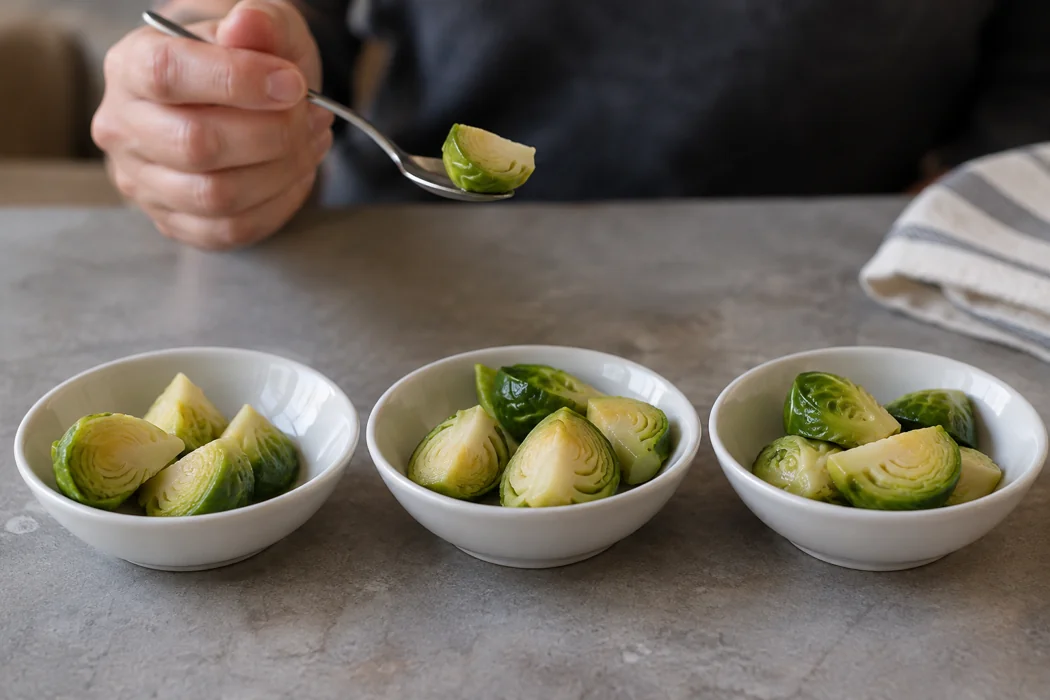
Comparable plain portions help a tasting team separate sample flavor from seasoning.
Preparation can exaggerate an apparent batch difference. One sample may be cooked longer, held under a lid or browned more deeply than another. Those differences can alter aroma and texture enough to dominate the tasting. Before concluding that the vegetable itself changed, compare samples prepared with the same equipment, quantity, cut, seasoning and endpoint. Keep a record of those conditions so that the comparison can be repeated.
Individual perception is another source of variation. Some people experience bitterness more strongly than others, and familiarity with brassica vegetables can influence preference. A single taster's reaction is useful feedback, but it should not automatically define the market's response. For a prepared meal or retail program, involve an appropriate tasting group and record the descriptors that explain acceptance or rejection. The aim is a useful product decision, not unanimous personal preference.
Avoid using a universal bitterness number unless a suitable analytical and sensory method has actually been established for the product. Research thresholds depend on the compounds, sample and study design. A commercial specification can instead use an agreed prepared reference and a clear review procedure. If laboratory analysis is needed, define the purpose, method and interpretation with competent technical support before treating a result as an acceptance limit.
For repeat supply, retain the lot identity with each tasting record. When an unexpected difference appears, compare it with the approved reference under the same conditions and assess more than one portion. A persistent difference across representative samples is more informative than one strong-tasting bud. We use the application and sample findings to help buyers frame a practical specification and discuss available supply without promising identical flavor from every individual head.
What size changes in the finished bite
Size has an obvious effect on cooking and serving, but it is an unreliable shortcut for bitterness. A larger whole head usually presents a longer path from surface to center and can require a different cooking approach. A smaller head may reach tenderness sooner. If both sizes receive the same treatment, the resulting texture and flavor balance can differ even when their starting composition is similar.
Cut a few representative heads lengthwise to understand their structure. The pale core connects the tightly layered leaves to the stem base. Larger heads may contain a thicker central region, but its exact shape and the compactness of the leaves vary. A clean cut helps a developer recognize the tissue that needs to become pleasantly tender. It does not measure the concentration of bitter compounds or establish a flavor grade.
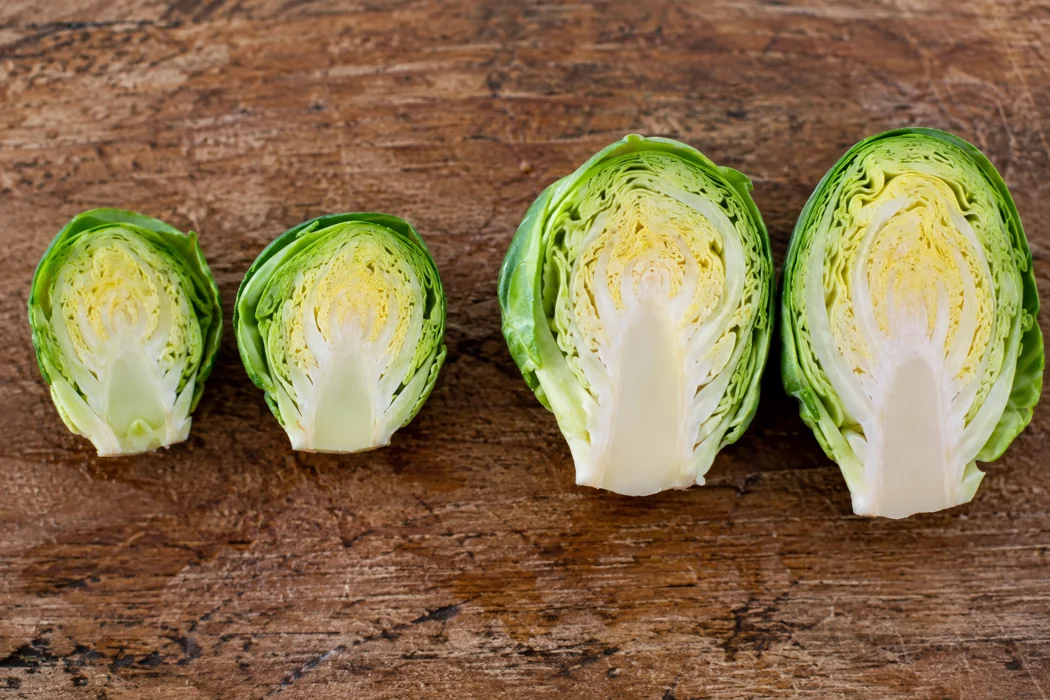
Longitudinal halves reveal the relative size of the center and surrounding leaf layers.
Whole, halved and quartered sprouts expose different amounts of surface to the cooking environment. Halves provide a broad face for browning and reduce the distance to the center. Quarters distribute readily through a dish but can produce more small leaves or fragments. A whole bud preserves a recognizable shape and can suit a vegetable side. Choose the form around the intended eating experience and confirm its availability rather than assuming one cut is universally superior.
To test whether size matters for your product, compare defined groups from the same available lot where possible. Prepare them to an equivalent intended tenderness and assess flavor after the same serving interval. A test that deliberately leaves large heads underdone while fully cooking small ones mainly demonstrates a process mismatch. Record the cooking conditions as well as the result, especially if the final product uses a fixed instruction.
Portion design provides another reason to specify size. Several small buds and a few large buds can contribute a similar weight yet feel different in the mouth and look different in a tray. If the customer usually eats a whole bud at once, the balance between outer leaves and center matters. If the dish is mixed or cut before eating, the same size difference may be less noticeable. Taste the product as it will actually be served.
We ask buyers to state the target diameter range and application together. A narrow band can make preparation more repeatable, while an unnecessarily restrictive band can affect availability and cost. The right choice is the grade that produces the accepted bite through the customer's process. Use size as a controllable preparation variable, and use the cooked sample to judge whether the flavor meets the intended product brief.
How cooking changes the flavor balance
Cooking changes both the vegetable's structure and the aromas reaching the diner. Moist methods soften leaves and the core without producing the same browned surfaces as dry heat. Roasting or sautéing can create toasted, nutty notes when the exposed surfaces become sufficiently dry and hot. Those aromas can make sweetness more noticeable and provide a pleasant balance to the natural brassica character.
Harvard's explanation of cruciferous vegetable flavor describes how tissue disruption and cooking interact with glucosinolate chemistry, and how browning contributes new aromas. The practical lesson is to assess the complete preparation rather than assume that a single chemical reaction explains every bitter sample. Different compounds and sensory effects can contribute at the same time.
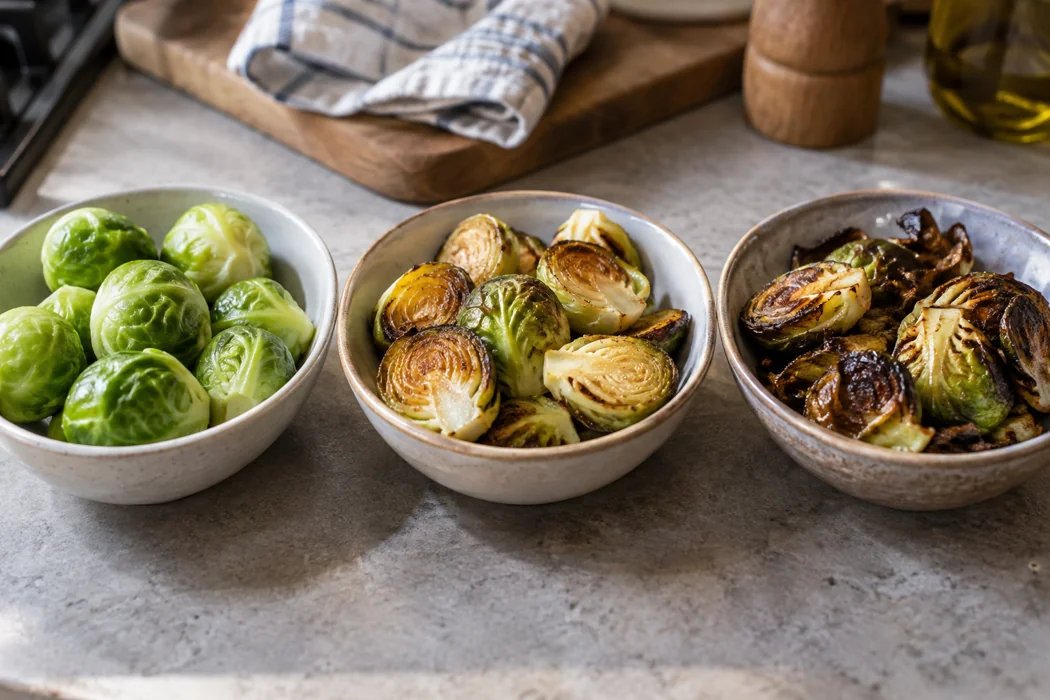
Moist-cooked, golden-roasted and heavily browned sprouts have different surface conditions.
Steaming or boiling can be appropriate when the dish needs a tender, moist whole bud. The endpoint matters: assess the center and outer leaves rather than relying only on a timer. Prolonged heating can intensify the familiar cooked-cabbage impression and soften the structure beyond the desired result. The correct time depends on the actual size, quantity, starting condition and equipment, so a household recipe is only a reference for a commercial development trial.
For a roasted application, space and surface moisture influence the result. A crowded tray can retain steam and delay browning. A lightly loaded tray may dry exposed leaves quickly. Turn or arrange the pieces according to the chosen method and inspect the largest centers as well as the edges. Our air-frying guide for frozen vegetables discusses loading and dense pieces in more detail for that particular hot-air application.
Distinguish golden browning from scorching. A toasted cut face can add appealing savory flavor; blackened, dry leaf edges or overheated oil can produce an acrid impression that people also call bitter. Examine where the unpleasant flavor is concentrated. If it follows the darkest outer fragments, reducing scorching may improve the dish. If a plainly prepared interior remains strongly bitter under a controlled method, the underlying sample deserves separate evaluation.
Use a small comparison to isolate the issue. Prepare equal portions from the same sample with a moist method and the intended dry-heat method, keeping seasoning restrained. Assess center tenderness, aroma and aftertaste once both are appropriately prepared. This can reveal whether the product needs a different application or a process adjustment. Do not try to solve every strong flavor by extending cooking; longer heat may further damage texture without producing the desired balance.
What freezing changes in taste and texture
Freezing preserves an ingredient for a different handling and distribution route, but it does not leave every eating characteristic identical to fresh product. Ice formation and subsequent heating can change tissue structure and water release. Many commercially frozen Brussels sprouts are also blanched as part of preparation. The finished result therefore reflects the whole process, including raw material, treatment, freezing, storage and cooking.
A softer texture can influence how flavor is perceived even when the vegetable remains recognizably cabbage-like. Moisture released during cooking may collect around the buds or dilute a sauce. In an oven, that water must leave the exposed surface before substantial browning can develop. A frozen sample that tastes disappointing after one recipe may perform better in another application, but the improvement needs to be demonstrated through a controlled trial.
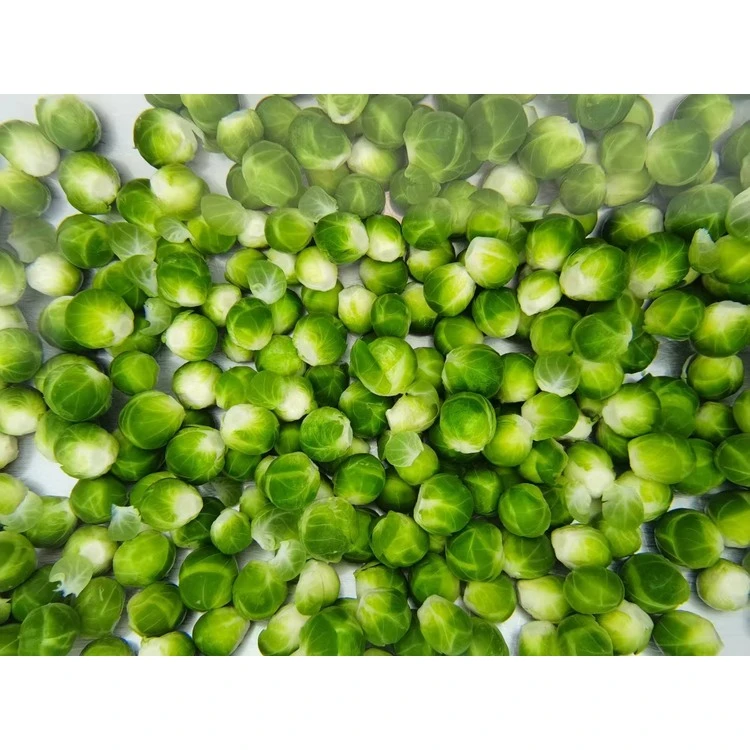
Whole heads vary visibly in size and leaf arrangement; a prepared sample is needed to assess texture.
Confirm the declared processing status and follow the applicable preparation instruction. Frozen does not mean ready to eat. The FoodSafety.gov preparation guidance also explains that freezing does not destroy harmful germs. A flavor evaluation belongs after the sample has been handled and prepared appropriately. Appearance, smell or a small taste cannot establish the safety of a suspect product.
Compare frozen and fresh products fairly if that distinction matters to the buyer. Record their source, size, cut and preparation route, then judge the intended finished dish. A raw fresh sprout and a cooked frozen sprout represent different states, so their contrast does not isolate the effect of freezing. Even two cooked samples may have different earlier treatments. State those limits when interpreting the result instead of attributing every difference to ice formation.
Storage and handling also deserve attention. Keep the product under its specified conditions, protect opened packs and review abnormal frost, clumping or packaging damage through the quality procedure. Such observations can justify investigation, but they do not reconstruct the complete storage history. When flavor changes unexpectedly, examine the lot and records alongside a properly prepared retained sample. Do not use heavy seasoning to conceal an unexplained off-odor.
The spread of whole heads in the real product photograph illustrates visible size and leaf variation, while leaving treatment state unproven. For purchasing, request the current frozen sample and confirm the form, packing and use instruction. If the intended application includes cooking, freezing again and reheating as part of a manufactured meal, assess that complete route. Our roasted-vegetable freezing guide explains the wider texture considerations for cooked vegetables.
Season for the dish while keeping the sprout recognizable
Seasoning changes the balance of a mouthful. Salt, fat, acidity, sweetness and savory ingredients can each influence how the natural brassica character is experienced. A restrained dressing may make a roasted sprout more appealing while leaving its flavor clear. A strong glaze can become the dominant taste. Decide which result belongs in the dish before choosing a remedy for bitterness.
Begin with a plain prepared sample when assessing the ingredient. This gives the team a reference for the vegetable's own flavor and reveals unusual odors or unacceptable texture that a sauce could obscure. Then add the intended seasoning in a measured amount. If several formulations are being compared, keep the vegetable lot, cut, cooking method and serving temperature consistent so that the team can identify what the formulation changed.
Acidic ingredients such as lemon juice or vinegar can add brightness and contrast, but they do not guarantee that every bitter compound disappears. Sweet ingredients can shift the perceived balance while adding their own flavor and formulation implications. Cheese, nuts or other savory additions may complement roasted notes, yet they also introduce ingredients and possible allergen considerations. Evaluate the complete recipe and its labeling requirements through the usual development process.
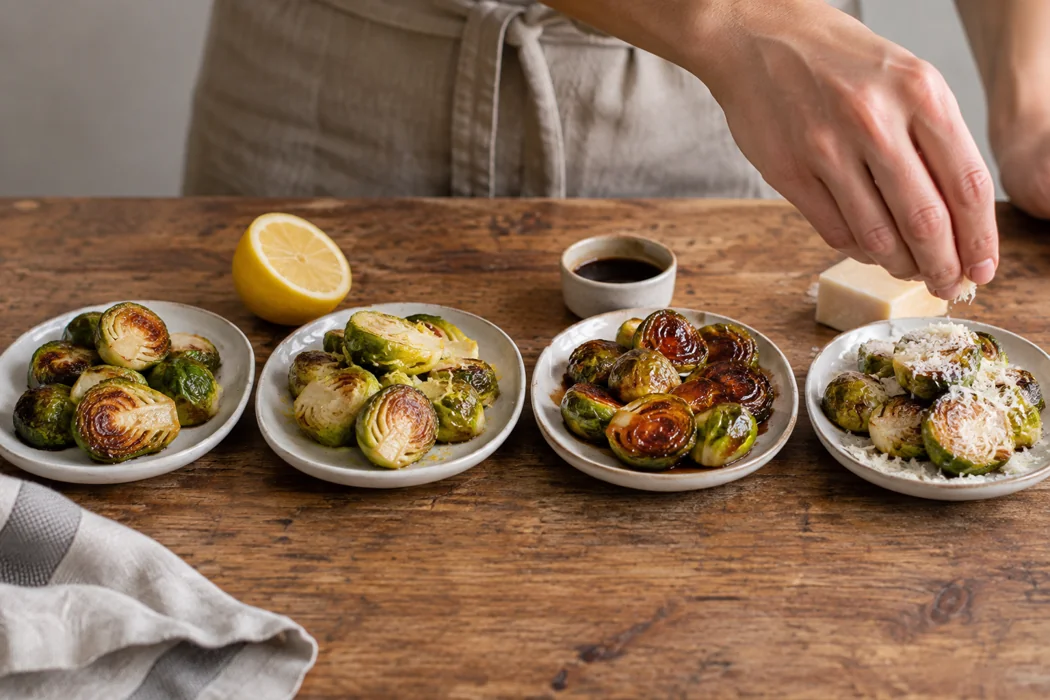
Plain, lemon-dressed, glazed and cheese-finished portions offer different flavor balances.
Timing matters when the seasoning is exposed to heat. A sugary coating can darken or scorch before a large whole bud reaches its desired tenderness. Adding a dressing after the main cooking stage creates a different result from roasting the vegetable in it. Test the planned sequence, including any hold or reheat. A successful finishing sauce applied at the table may behave differently when it sits on the sprouts throughout frozen storage and microwave preparation.
For a controlled seasoning trial, divide one appropriately cooked batch into comparable portions. Leave one plain, then apply the proposed dressings at recorded ratios to the others. Taste each portion after the same interval and note bitterness, sweetness, acidity, aroma and texture separately. Use the result to refine the dish rather than searching for a universal ingredient that removes bitterness from all Brussels sprouts.
The final formulation should suit the target meal and customer expectation. A lightly seasoned green side, a sweet glaze and a cheese-finished roast represent different products. We can review the intended application when discussing the ingredient sample, but the accepted recipe and sensory target need to be clear. If the vegetable must be heavily masked to meet the brief, reconsider the sample or the application before committing to repeat supply.
Use a controlled tasting to approve supply
A useful tasting begins with a written question. You may need to know whether two lots differ in bitterness, whether a size band works with a fixed preparation, or whether a frozen ingredient remains acceptable after reheating. Choose the comparison that answers that question. Mixing several suppliers, cuts, cooking methods and sauces in one session makes the results difficult to interpret.
Use representative samples with lot identities and agreed handling conditions. Prepare equal portions through the specified method and record the relevant settings, load and endpoint. Serve them in comparable dishes at a consistent interval. Simple blind codes can reduce expectations associated with a supplier name or price. Keep the code key in the private record so the final decision remains traceable to the correct sample.
Give tasters a short set of useful descriptors. For this vegetable, cabbage-like aroma, bitterness, sweetness, toasted flavor, center tenderness, leaf toughness and aftertaste may be relevant. Ask people to describe the sample before discussing whether they like it. A shared descriptor helps the team understand whether a rejection comes from inherent bitterness, scorching, soft texture or an aroma that became prominent during holding.
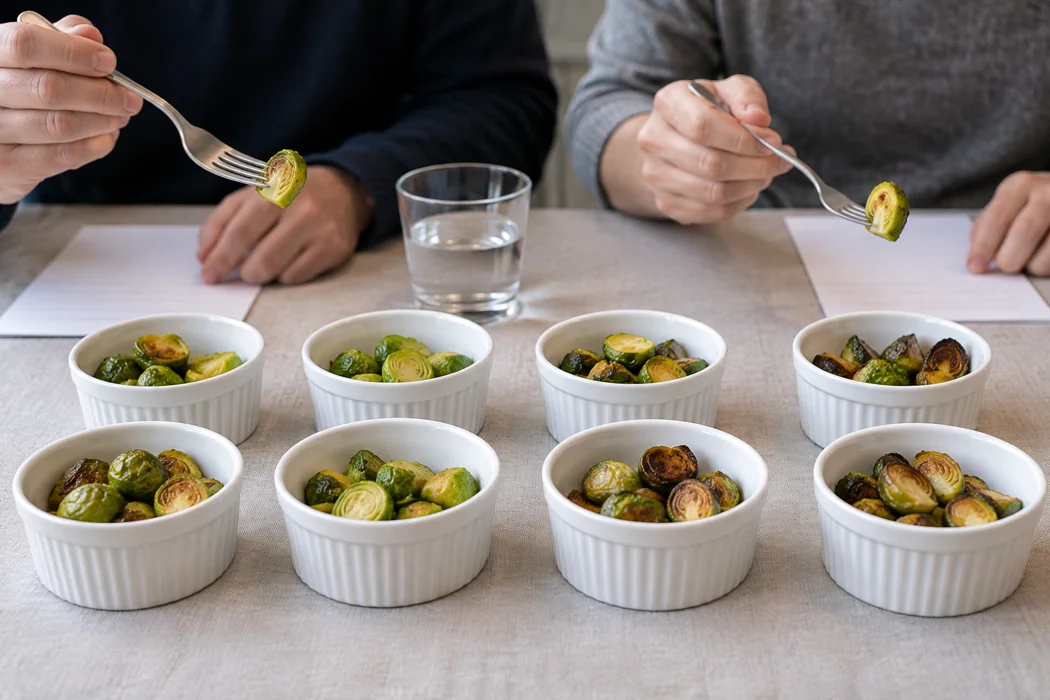
Comparable dishes and individual tasting records help organize a sensory comparison.
Avoid demanding false precision from a small internal panel. The purpose may be a practical approval decision rather than a statistically designed consumer study. Record who tasted, how the samples were prepared and how the group reached its conclusion. If the decision has major commercial consequences or requires a formal claim, use an appropriately designed study and competent sensory support. A few informal comments should not be presented as proof of universal consumer preference.
For each tasting, record whether a descriptor concerns the entire portion or only a few pieces. If one bud has a particularly strong aftertaste, note its size and preparation rather than changing the whole lot's rating immediately. Recheck a separate representative portion before deciding that the difference is persistent.
Translate the accepted result into the purchase and application records. Include the agreed form, size distribution, processing status, preparation method and reference flavor description. Add the relevant packing, quantity, destination and document requirements when requesting a quote. We use those inputs to review available frozen Brussels sprouts supply and sample needs. A promise of mild flavor becomes more useful when both parties know how the sample will be prepared and judged.
Keep the reference connected to the finished product. If the customer changes the cooking equipment, portion, sauce or service interval, review whether the earlier sensory approval still applies. Repeat the comparison when a new lot produces a persistent unexpected difference under the same method. The best flavor specification is one that allows the buyer, supplier and kitchen to recognize the same acceptable Brussels sprout in the dish that will actually be eaten.
Continue reading
Compare related brassica structures and understand why shared botanical identity does not make their cooking behavior identical.
Understand how dense pieces, basket loading and surface moisture affect a hot-air cooking trial.
Explore how the first cooking stage, packing and reheating change the texture of cooked vegetables.
Source frozen Brussels sprouts with GreenLand-food
GreenLand-food is a professional frozen Brussels sprouts supplier and manufacturer in China, providing factory-direct wholesale supply for importers, food manufacturers, foodservice distributors and private-label programs.
Send your required product form, size specification, packing, quantity, application and destination. Include private-label needs and requested documents, together with the preparation method and sample criteria your team needs to evaluate. We will review the available product and commercial details for your inquiry.